- Tay Son Heaven and Earth Esplanade: Historic Shrine in Quy Nhon
- Quang Trung Museum: Tay Sơn History & Culture in Quy Nhon
- Banh It Cham Towers: Ancient Heritage & Photography in Quy Nhon
- The Thon Beach in Cat Tien: Clean Shores & Affordable Watersports
- Linh Phong Pagoda in Quy Nhon: The Sacred Mountain Temple
Vietnam Visa for US Citizens: Requirements, Costs, and How to Apply
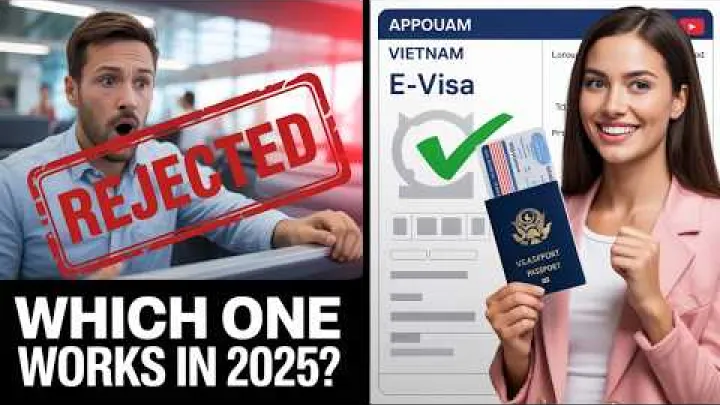
A Vietnam visa for US citizens is a common pre-trip requirement, and the exact process depends on your travel purpose, length of stay, and how you will enter the country. Most problems happen when documents do not match the passport, when travelers choose the wrong visa pathway, or when last-minute changes affect entry ports and dates. This guide explains the main Vietnam visa options for US travelers, how the e-visa works, when an embassy or consulate application makes sense, and what “visa on arrival” means in practice. You will also find practical checklists to reduce the risk of airline check-in issues and border delays.
Quick Answer: Do US Citizens Need a Visa for Vietnam?
Many travelers search “does vietnam require a visa for us citizens” or “do us citizens need a visa for vietnam” when planning flights and hotels. In most trip scenarios, US citizens should expect to need a valid visa or an approved entry document before travel. The correct answer for you can depend on your passport type, your nationality situation, and the most current Vietnam entry policy, so it is important to confirm the rules through official government sources close to your departure date.

Visa requirement basics and possible exceptions
In general, US citizens should plan on obtaining a Vietnam visa (or another official entry approval) before traveling. This is why it is best to treat visa planning as a core part of booking your trip, not a final-day task.
There can be special cases and exceptions, such as travelers who also hold Vietnamese citizenship or travelers who have a separate visa exemption document that is recognized under current rules. If you have dual nationality, decide early which passport you will use to enter and exit Vietnam, and confirm whether any additional documents are required for that specific passport. Last-minute fixes are often difficult once you are at the airport, so finalize your passport choice and documentation well before departure and verify eligibility directly with official authorities.
Choose the right visa pathway for your trip
US citizens commonly use one of three pathways: an online e-visa, applying through a Vietnamese embassy or consulate, or a visa on arrival arranged with a pre-approval letter for airport pickup. The best choice depends on your purpose of travel (tourism or business), how many times you plan to enter Vietnam, your planned length of stay, and how soon you are departing. Because rules and availability can change, confirm current conditions on official channels before you commit to flights.
If you want a quick self-check, use this mini checklist to select a pathway in under a minute.
- If your trip is straightforward and you can apply online in advance, the e-visa is often the simplest option to manage yourself.
- If you have a complex purpose (work, study, family-related status, longer stays), an embassy or consulate application may be more appropriate.
- If you are entering by air and you have a valid pre-approval letter arrangement, visa on arrival can be an option, but it typically adds extra steps at the airport.
- If you are departing very soon, consider the pathway that is realistically available within your timeline, and avoid assuming an option will be accepted without confirmation.
| Pathway | Best for | Main trade-offs |
|---|---|---|
| E-visa (online) | Simple trips planned in advance | Must enter details perfectly; must follow conditions printed on approval |
| Embassy/consulate | Special categories or complex cases | More paperwork; mailing or in-person logistics; office-specific rules |
| Visa on arrival (with pre-approval) | Air arrivals when arranged correctly | Extra airport counter step; higher risk if documents are incorrect or incomplete |
Key terms that cause confusion
Two terms that often create problems are single-entry and multiple-entry. A single-entry visa usually becomes invalid once you leave Vietnam, even if there are still days left before the visa end date. A multiple-entry visa is designed for travelers who will exit and re-enter within the visa’s validity window, such as business travelers with regional meetings or tourists taking a side trip and returning.
It is also important to understand the difference between visa validity dates and allowed stay. Many approvals specify start and end dates, and arriving before the start date can lead to refusal because your permission is not active yet. Visa categories are also tied to purpose, such as tourism, business, work, or study, and your activities should match the category you applied for.
Vietnam Visa Options for US Citizens
When planning a Vietnam visa for US citizens, start by clearly defining the purpose of your trip and your expected travel pattern. Vietnam issues different visa types for tourism and business visits, and there are additional categories for longer stays such as work, study, and family-related reasons. The choice you make affects what documents you need, how far in advance you should apply, and what you must show at check-in and at immigration.
Many travelers focus only on cost, but the better approach is to balance convenience, compliance, and risk. For a short holiday, the simplest legal path is often the best. For business travel, you may need host information, invitations, or sponsorship details depending on current policy. For long-stay situations, the visa is often only one part of the overall requirement set, and you may need additional approvals or permits that take time.
Tourist visas for short trips
A tourist visa typically supports activities like sightseeing, visiting friends and family, and general travel within Vietnam. It generally does not allow local employment, and it may not be appropriate for activities that look like working for a Vietnam-based entity. If you are looking up “vietnam tourist visa for us citizens” or “vietnam travel visa for us citizens,” focus first on selecting the correct purpose of entry when you apply, because mismatches can create avoidable questions at immigration.
Tourist visas may be available with different entry formats and durations depending on current policy, so verify the latest parameters before you pay or finalize dates. If you plan to do remote work while traveling, be cautious: remote work rules can be complex, and what is acceptable may depend on local regulations and how you represent your activities. A safe planning step is to align your declared purpose, your itinerary, and your documentation so that what you do in-country does not conflict with the visa category printed on your approval.
Business visas and business travel scenarios
Business travel usually covers short-term commercial activities such as meetings, conferences, market visits, negotiations, or internal company work sessions. Some business visas require sponsorship or invitation documentation, especially when a host organization is involved. People comparing “vietnam visa requirements for us citizens” for business trips should be ready to provide details about the host company, your travel purpose, and your planned dates.
Business travel is not the same as employment in Vietnam. If you will perform work for a Vietnam employer, be seconded long-term, or receive local compensation, you may need a different visa category and additional permits. Before applying, ask your Vietnamese partner or host what they can provide, such as an invitation letter, a contact person’s name and phone number, and the host’s address and registration details if required under current rules. Also confirm with your employer or client: your entry and exit dates, the city you will arrive in, whether you need single or multiple entry, and what visa category your organization expects you to use.
Long-stay and specialized categories
Longer stays and specialized purposes may use categories such as work, study, investment, family visit, or other classifications that require more documentation than a short tourist visit. These cases often involve sponsorship by an employer, school, or family member, and the visa process may be linked to separate approvals that must be granted before a visa can be issued. Requirements can differ significantly based on your specific situation and the category you choose.
This article is a general guide, not a substitute for official instructions for a specific category. If you expect a long stay, start planning months in advance so you can collect supporting documents, resolve questions about eligibility, and avoid travel disruptions. Work authorization in particular commonly requires employer-led steps beyond a basic visa application, so align early with the sponsoring organization on responsibilities, timelines, and what you must carry when you enter Vietnam.
Vietnam E-Visa for US Citizens (Online Application)
The Vietnam e-visa for US citizens is an online application pathway designed to reduce the need for in-person visits to an embassy or consulate. For many travelers, it is the most straightforward option because it can be completed from home, and the result is an approval document you can download. That said, the e-visa is only suitable if your trip fits current eligibility rules, including permitted purposes, durations, and entry points, which can change over time.

The most important e-visa success factor is accuracy. Small differences in spelling, name order, passport numbers, or dates can lead to delays, rejection, or problems at airline check-in. Treat the application like a legal document: type slowly, match your passport exactly, and confirm your itinerary details before you submit and pay.
What the e-visa is and who it suits best
An e-visa is an online request submitted through an official system, producing an electronic approval document if granted. It is often a good fit for standard tourism and some short business travel where the traveler can apply in advance and does not need a specialized category. Many people search “vietnam e visa for us citizens” because they want a process that is predictable and does not require mailing a passport.
After approval, follow the conditions printed on your document, including validity dates, number of entries, and any listed entry or exit points. Your e-visa approval is not flexible by default, so plan your flights and border crossings to match what you were approved to do.
Step-by-step e-visa application walkthrough
A typical e-visa process includes preparing a passport scan and a portrait photo, completing an online form, selecting your intended entry and exit points, paying the fee, and then downloading and printing the approval once it is granted. Enter your name exactly as shown on your passport, including middle names, spacing, and capitalization conventions used in the passport’s machine-readable zone. Be consistent with date formats, and double-check your passport number character by character.

Apply with a buffer so you can handle delays, public holidays, or correction requests without risking your departure. Many travelers aim for at least 1–2 weeks of lead time when possible, and longer if your trip occurs during busy travel periods.
- Passport scan: clear, readable, and complete bio-data page
- Photo: recent, clear lighting, plain background, no glare
- Accommodation: have at least your first-night address ready
- Travel dates: ensure your entry date is inside the approval window
- Entry port: match the airport or border crossing you will actually use
If your status does not update or you do not receive a confirmation email, first check spam folders and confirm you saved the application reference number shown after submission. If the portal provides a status check tool, use it rather than relying only on email. If you find an error after submission, do not assume it will be corrected automatically; follow the official guidance for amendments or consider reapplying if that is the instructed method.
Fees, payment rules, and processing time expectations
E-visa fees and processing time expectations are typically published on the official application portal and can change. Check the current amounts and the stated processing timeline on the official site at the time you apply rather than relying on older blog posts or forum comments. Many systems treat the application fee as non-refundable even if an application is rejected, which makes careful data entry especially important.
If you are comparing “vietnam visa cost for us citizens,” “how much is a vietnam visa for us citizens,” or “vietnam visa fees for us citizens,” budget for the practical realities of online payment. International card transactions can fail due to bank security rules, transaction limits, or incorrect billing details, and you may need to try another card or contact your bank. Also consider the potential cost of reapplying if you notice a mistake only after submission. If your departure is very soon and you cannot complete the e-visa within the published timeline, consider an alternative pathway that is officially available for your circumstances rather than hoping for last-minute exceptions.
Common e-visa mistakes that lead to delays or denial
The most common error categories include typos in the passport number, mismatched names (especially middle names and surname order), incorrect date format, low-quality photos, and selecting the wrong entry port. Even small discrepancies can cause problems because airline staff and immigration officers compare your approval document to your passport exactly. A mismatch that looks minor to you can be treated as a different identity record in a computerized system.

Photo issues deserve special attention. Use a clear, recent photo with a neutral expression, a clean background, and no heavy shadows, glare, or filters that alter facial features. Avoid hats and anything that obscures the face unless it is required for a documented reason and accepted under the official photo rules. Before flying, verify the final approval document carefully: name order and spelling, passport number, validity dates, number of entries, and the listed entry port. A good prevention tactic is to complete the application slowly, then have a second person compare every field against the passport before you pay.
Applying Through a Vietnamese Embassy or Consulate (United States)
Applying through a Vietnamese embassy or consulate in the United States can be a better fit when your travel purpose is complex, when you need a specialized category, or when an online option does not match your situation. Consular applications often involve more documents and more precise instructions about photos, forms, and payment methods. They may also follow jurisdiction rules, meaning you must submit to the correct office based on where you live.
This route can be very practical for travelers who want direct guidance on category-specific requirements or who need a visa type that is not available through a simplified online pathway. The key is planning ahead: mailing times, holiday closures, and document corrections can add extra days. Always verify your consulate’s current instructions before you mail anything, because forms and procedures can change.
When an embassy or consulate application makes more sense
An embassy or consulate application may be the right choice for longer stays, special categories, or situations that require additional verification. Examples include work- and study-related purposes that need sponsorship documents, or cases where you need a visa type not offered through the online system at the time you apply. It can also be helpful when you need clarity on how a specific passport type or personal circumstance will be treated.
Requirements can differ by category and by the office where you apply. Before sending documents, confirm you are using the correct office for your state of residence and that you are following the most current submission checklist. If you consider using an intermediary, make sure you understand the added cost and that the intermediary does not replace official decision-making. You remain responsible for the accuracy and completeness of the application even if someone else helps you prepare it.
Documents checklist and passport standards
While the exact list depends on your visa category, many consular applications ask for a valid passport with sufficient remaining validity, blank visa pages, a completed application form, and passport-style photos. Business-related cases may also ask for supporting documentation such as an invitation letter or host details. Document quality matters: unclear copies, inconsistent spellings, or missing signatures are common reasons applications are delayed.
Confirm rules for emergency or temporary passports before you apply, because acceptance can vary by visa method and by current policy. If you recently renewed your US passport, make sure you do not apply using the old passport number by mistake. A simple check is to compare the passport number on your draft form to the number on the passport you will physically carry to Vietnam.
- Protect originals when mailing: use tracking and a secure return envelope.
- Store photocopies separately: keep a copy of your passport bio page and your completed form.
- Keep records: save payment proof and any email confirmations you receive.
Fees, timelines, and practical submission tips
Consular fees and processing timelines can vary by office and by category, so check the official website for the current fee schedule and accepted payment methods. Some offices accept in-person submissions, while others use mail-in processing or appointments. If you mail an application, include all requested materials, an accurate return shipping label if required, and ensure every form field and signature line is completed.

Time your submission around public holidays and peak travel periods, because closures and high volume can slow processing. Before you mail your packet, perform these checks to reduce rejection risk:
- Photos match the stated requirements and are not damaged or bent.
- Forms are complete, signed where required, and consistent with the passport.
- Payment method matches the office instructions exactly.
- Return envelope and address information are correct and trackable.
If you have urgent travel, contact the office for their current options and realistic timelines. Avoid making assumptions about guaranteed expedited processing unless the office explicitly offers and confirms it for your category. If you cannot meet a timeline safely, consider changing travel dates rather than risking a denied boarding situation.
Visa on Arrival: How It Works and When to Use It
“Visa on arrival” can sound like you can simply show up and get a visa, but in practice it usually means you must secure a pre-approval letter before you fly. This option is most often associated with air arrivals, where you complete an extra step at the airport to receive a visa stamp or sticker. Because procedures and availability depend on current rules, confirm the latest conditions before you rely on this pathway.

For US travelers, visa on arrival may be appealing when it is properly arranged and when it matches the entry method and category you need. It can also be useful for travelers who want a service to handle part of the process, but it adds risk if paperwork is incorrect. If you are comparing visa on arrival to an e-visa, focus on traveler experience: e-visa holders usually go directly to immigration, while visa on arrival users typically stop at a visa counter first.
What visa on arrival means in practice
In most cases, a Vietnam visa on arrival for US citizens involves obtaining a pre-approval letter before departure, then receiving the visa at an airport counter after landing. You present your passport and supporting paperwork at the visa counter, pay any required on-arrival fee, and then proceed to the immigration checkpoint. This process can be straightforward, but it depends on having the correct documents in hand.
Visa on arrival is not identical to an e-visa. An e-visa is generally approved and issued as an electronic document in advance, while visa on arrival requires additional airport steps and may involve multiple payments. A critical warning is that arriving without the required pre-approval letter or with a letter that does not match your passport can lead to denied boarding by the airline or refusal on arrival. Confirm requirements before you fly, and carry printed copies in your hand luggage.
Costs and what you pay before versus at the airport
Visa on arrival costs often have two parts: a service fee paid in advance for arranging the approval letter, and a separate fee paid at the airport for the visa stamp. Amounts can vary based on the visa type, number of entries, and the specific arrangement used. Before paying, request a complete cost breakdown so you understand what is included and what must be paid on arrival.
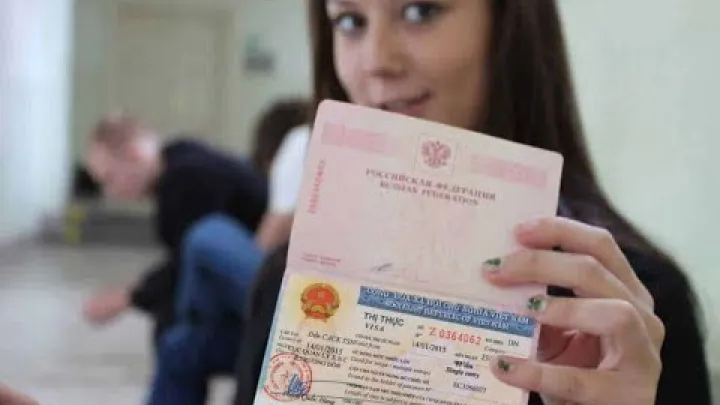
Prepare for payment on arrival because accepted currencies and payment methods can vary by airport and can change. If you are traveling as a family or group, confirm whether fees apply per person and whether children have different documentation requirements under current rules. A practical budgeting approach is to keep a small reserve for unexpected airport needs, such as extra photos, printing, or payment method problems, even if you expect the process to be routine.
Arrival day checklist for visa on arrival users
Visa on arrival works best when you organize documents before you travel. Airport counters can be busy, and you may need to present items quickly while keeping your passport secure. Plan to have your documents accessible in your carry-on bag, not in checked luggage.
Use this arrival-day checklist as a practical guide:
- Printed pre-approval letter
- Completed entry form if required
- Passport photos if required
- Payment method ready for on-arrival fees
- Accommodation address and a local contact number if available
The typical flow is: visa counter first (to receive the visa), then immigration, then baggage claim, then customs. If the airline questions your documentation, show the printed pre-approval letter and confirm your details match your passport. If you spot an error on the approval letter (for example, a wrong passport number), address it before departure if at all possible; corrections at the airport are uncertain and can result in missed flights or refused travel.
Risk management and avoiding scams
Visa on arrival arrangements can carry higher scam risk because many unofficial websites advertise services that look official. Common problems include hidden fees, unclear refund rules, incorrect approval letters, or poor support when something goes wrong. Even when a third party submits an application, you remain responsible for the accuracy of your personal information and travel details.
Evaluate any provider carefully and prefer official channels where possible. Helpful criteria include transparent pricing, clear contact details, written confirmation of visa details (name, passport number, entries, dates), and realistic timelines. Red flags that are easy to scan include:
- Prices that change after checkout or add unexplained “processing” charges
- No physical address, no reachable customer support, or vague contact information
- Promises of guaranteed approval or unusually fast processing without official basis
- Requests for unnecessary sensitive data beyond what a visa process normally needs
Cross-check any instructions you receive against official government guidance, especially around entry ports and document formats. If something does not match official wording or seems inconsistent, do not assume it is acceptable for airline check-in.
Entry, Exit, and On-the-Ground Requirements in Vietnam
Getting the visa approval is only part of the travel process. US travelers also need to meet passport standards, match visa details to the passport exactly, and follow any conditions tied to entry ports and dates. Many issues happen at airline check-in, because the airline can be held responsible for transporting passengers who do not meet entry requirements.

On arrival, keep your documents organized so you can respond quickly to questions at the immigration counter. During your stay, you may need to comply with local registration practices, and it helps to keep consistent accommodation details when possible. Planning for these practical steps reduces stress and helps you avoid delays on arrival and departure.
Passport rules and document readiness
Confirm your passport meets common standards before applying for any Vietnam visa pathway. Travelers typically need sufficient remaining passport validity, at least one blank visa page, and a passport in good physical condition. Damage such as torn pages, water exposure, or a loose cover can create problems even if the passport is technically valid.

Some travel document types, such as emergency passports, may not be accepted for certain visa processes or may require special handling, so confirm acceptance before you apply. Keep both printed and digital copies of your visa approval (if applicable) and your passport bio page. Airlines may deny boarding if your visa documentation does not match requirements, so treat check-in as an enforcement point, not just a formality. For document protection, store papers in a waterproof sleeve and keep backups separate from originals.
Matching details and special situations for US travelers
Your visa document must match your passport exactly. Differences in spelling, missing middle names, or inconsistent surname order can cause issues even if the identity is obviously yours. Pay attention to suffixes and name variations, and align your application data with the way your name appears on the passport, not how you usually write it in daily life.
Special situations require extra planning. Dual citizens should generally enter and exit using the same passport that was used for the visa application, unless official guidance states otherwise for your case. If you renewed your passport after applying, use this decision tree: if the passport number changed, assume the visa approval may no longer be valid for travel and seek official guidance or reapply using the new passport; if only minor details changed, confirm whether a correction is required before you fly. If you change travel dates after approval, verify that your intended entry date still falls within the validity window and that your number of entries still matches your plans.
Ports of entry and airline itinerary checks
Some visa approvals, especially online approvals, can require entry through specific ports listed on the document. This means your itinerary must match what you selected when you applied. Flight changes, codeshares, and reroutes can create a mismatch, so re-check your final arrival airport before departure, including any last-minute schedule adjustments made by the airline.

If you enter by land or sea, confirm eligibility for the crossing point you plan to use and carry extra documentation, such as onward travel details and accommodation information. Even if your visa is electronic, carry a printed copy because connectivity problems, low battery, or device issues can happen at exactly the wrong time.
Local registration and staying compliant during your visit
Foreign visitors may have local reporting or registration requirements during their stay. Keep your address details consistent with what you used on the application when possible, and update your host if plans change.
Your compliance responsibilities remain with you even if accommodations assist. A simple script you can use at check-in is: “Can you confirm my foreign guest registration has been completed, and do you need my passport and visa copy?” For daily carry, consider keeping a photocopy or a secure digital copy of your passport bio page and visa approval while storing the original passport in a safe place when you do not need it. This helps in routine situations like hotel check-ins or domestic travel, while reducing the risk of losing the original document.
Extending or Changing Your Stay
Trip plans change, and travelers often ask whether they can extend a visa, renew it, or switch categories while in Vietnam. The realistic answer depends on your visa type and the rules in effect at the time, because extension policies can change. Some short-term visas may have limited extension options, so choosing the correct duration and entry type at the start is one of the best ways to avoid complications.
If you think you might need more time, start exploring options early rather than waiting until the final week. Procedures can require appointments, extra documentation, or processing time, and holidays can slow everything down. Be cautious with advice from online forums because posts can be outdated quickly, especially when entry policies evolve.
Extensions, renewals, and what is realistically possible
An extension usually means lengthening your authorized stay without leaving the country, while a renewal or new visa often means obtaining a fresh approval that may require exit and re-entry. What is possible depends on the category you hold and current immigration procedures. In some cases, the practical outcome is that a traveler must apply again rather than extending the existing permission.
Start exploring your options well before the expiration date, ideally as soon as you realize your plans may change. Confirm the current process with official immigration authorities or a qualified advisor who can explain your legal options based on your specific visa type. Do not assume that a method that worked for another traveler last year will still be available now, and avoid informal “guarantees” that do not come from official channels.
Reapplying after exit and planning around travel changes
Itinerary changes can affect visa validity, entry dates, and entry ports. If your new entry date falls outside the approved window, or if you plan to re-enter Vietnam after leaving on a single-entry permission, you may need to apply again. When you plan a Vietnam visa application for US citizens, build buffer days around your intended travel dates so minor schedule changes do not force a last-minute reapplication.
Example scenario: you fly into Ho Chi Minh City, travel north, then take a side trip to Cambodia for several days and return to Vietnam to fly home. That plan often requires a multiple-entry permission, because you are exiting and re-entering Vietnam. Also re-check processing realities around holiday closures, because even online systems can slow down during peak periods. Align hotel bookings and onward travel plans with the dates you declare, and update your plan early if flights or border crossings change.
Overstays, emergencies, and who can help
Overstaying is risky and can lead to fines, delays on departure, and complications for future entries. Address any visa timing problem before your permission expires, even if the overstay risk seems small. If you are close to expiration, do not wait until the last day to seek guidance.
If you are near the end date, use this calm action list:
- Check your visa expiry and number of entries against your actual travel plan.
- Collect supporting documents (passport, visa approval, entry stamp details, accommodation address).
- Contact the appropriate Vietnam immigration authority or follow official instructions for your location.
- If you have a US passport emergency (lost or stolen), contact the nearest US embassy or consulate for passport assistance, but understand they cannot change Vietnam visa rules.
- Keep receipts, confirmations, and an emergency fund for rebooking if processing or penalties delay departure.
Travel insurance and accessible funds can be important in real emergencies, because changes to flights and hotel bookings can become expensive quickly. Avoid relying on unofficial fixes or last-minute “shortcuts,” as they can create bigger problems at exit.
Frequently Asked Questions
Can I enter Vietnam with an e-visa and leave from a different city?
Yes, it is often possible if your approval allows your planned entry and exit points. You must follow the conditions printed on your approval document, including any listed ports. Before you travel, confirm your flights match what was approved, especially after airline schedule changes.
Do US citizens need to print the Vietnam e-visa approval?
Yes, carrying a printed copy is a practical safeguard. Airlines and immigration officers may ask to see the document, and a paper copy helps if your phone has no signal or battery. Keep a digital backup offline as well.
What should I do if my name is too long or includes a middle name on the application?
Enter your name exactly as it appears in your passport, including middle names when the form requests them. Consistency matters more than personal preference for formatting. If the form has limited space, follow the official instructions for that system rather than creating your own abbreviation.
Is it safe to buy a Vietnam visa through a third-party website?
It can be risky because some sites are unofficial and may add hidden fees or provide unclear support. The safest approach is to use official government channels whenever possible. If you use a third party, verify pricing, contact information, and that your final approval details match your passport.
Can I change my entry date after my visa is approved?
Not automatically. If your new entry date is still within the approved validity window, you may be able to travel, but you must still meet all printed conditions. If the new date falls outside the window, you will likely need a new approval before departure.
What happens if my passport expires soon?
You may be denied boarding or entry if your passport does not meet the required validity standard. Renewing your passport before applying can prevent problems, but it also means your passport number will change. Apply using the passport you will actually travel with.
Conclusion: A Practical Checklist for Vietnam Visa Success
Vietnam visa planning for US citizens is easiest when you treat it as a step-by-step process: confirm your passport readiness, choose the correct pathway, apply early, and verify every detail on the final approval. Most travel disruptions come from mismatched names, incorrect passport numbers, and itinerary changes that conflict with entry ports or validity windows. Keeping printed and digital backups, and preparing for airline check-in questions, helps reduce stress and protects your schedule.
Use the checklists below to organize your preparation and reduce avoidable surprises at the airport and at the border.
Pre-departure timeline and document checklist
Start with a realistic timeline. First confirm passport validity and condition, then select your visa pathway based on purpose, entries, and travel dates. Apply with a buffer so you have time to correct mistakes, and verify the final approval document as soon as you receive it. Shortly before travel, re-check official guidance in case requirements changed.
Pre-departure checklist:
- Passport: valid, undamaged, with blank pages
- Visa approval or visa in passport, as applicable
- Printed copies of approvals and confirmations
- Accommodation address and contact details
- Itinerary details that match approved entry/exit points
- Digital backups stored offline
- Payment readiness for any on-arrival fees if applicable
Final 48 hours before departure checklist focused on check-in readiness:
- Confirm your flight arrives at the same airport or border crossing listed on your approval, if applicable.
- Re-check your name and passport number on the approval against the passport in your hand.
- Print a fresh copy if your printout is unclear or damaged.
- Save copies to your phone for offline access and keep a second backup in email or secure storage.
Final verification steps to avoid airport and border issues
Before you travel, verify the key details that airlines and immigration will check. Confirm the exact name match, the passport number match, the validity dates, the entry port, the number of entries, and that your purpose of visit aligns with the visa category. If anything is incorrect, correct it before you fly rather than hoping it will be accepted on arrival.
For families and groups, organize documents so each traveler has their own complete set. A practical approach is to keep a separate folder per person with the passport copy, visa approval printout, and any supporting documents, plus one shared folder with flight and hotel confirmations. Keep receipts and confirmations for any applications or services used, because they can help resolve questions if an airline or border officer asks for proof of what you submitted. Carry printed copies and keep digital backups accessible offline so you can present documents quickly when needed.
Select area
Create a post
Posting is free and no registration is required.