- Tay Son Heaven and Earth Esplanade: Historic Shrine in Quy Nhon
- Quang Trung Museum: Tay Sơn History & Culture in Quy Nhon
- Banh It Cham Towers: Ancient Heritage & Photography in Quy Nhon
- The Thon Beach in Cat Tien: Clean Shores & Affordable Watersports
- Linh Phong Pagoda in Quy Nhon: The Sacred Mountain Temple
Vietnam Hoi An Travel Guide: Ancient Town Highlights, Day Trips, and Practical Planning

Vietnam Hoi An is best known for its compact Ancient Town, where preserved streets, river views, and lanterns create a memorable atmosphere day and night. This guide focuses on practical decisions: how long to stay, how to move around comfortably, and how to balance heritage sights with beaches, food, and nearby excursions. You will also learn what “Hoi An Ancient Town Vietnam” means in everyday travel terms, including ticketed heritage sites and free-to-wander lanes. If you are visiting for a short trip, studying in central Vietnam, or working remotely and planning a slower pace, the sections below are designed to help you build a calm, realistic plan.
Introduction to Hoi An, Vietnam
Hoi An sits on Vietnam’s central coast region and is often paired with Da Nang (for flights and city services) and Hue (for history) in one itinerary. Many travelers search for “hoi an vietnam” because it is easy to navigate, visually distinctive, and comfortable to explore without a strict schedule. At the same time, it can feel busy in the evening around the river and main lanes, so planning your timing matters as much as choosing your hotel.
![Preview image for the video "Hội An, Vietnam 🇻🇳 - by drone [4K]".](/sites/default/files/styles/media_720x405/public/oembed_thumbnails/2026-01/eFLwikzMvDk0REYkz1wcf85I1QhX0p8FLfMBUDFW8Fc.jpg.webp?itok=kh8POvMW "Preview image for the video \"Hội An, Vietnam 🇻🇳 - by drone [4K]\".")
What makes Hoi An unique for first-time visitors
For first-time visitors, Hoi An stands out because the core area is compact and walkable, with a streetscape that looks different from larger Vietnamese cities. People often look for “hoi an old town vietnam” or “hoi an ancient town vietnam” when they want a place built for slow exploration: narrow lanes, shop-houses, small courtyards, and a riverfront that becomes especially active after sunset. The main appeal is not a single monument, but the combination of preserved architecture, living neighborhoods, crafts, and food that you can experience in a short distance.
In practical travel terms, “Ancient Town” usually means two things at once. First, there are managed heritage sites that may require a multi-entry ticket, such as historic homes, community halls, and museums. Second, there are many streets and river paths that are free to wander, where the experience is simply walking, browsing shops, and stopping at cafes. Expect the most crowded lanes near the central riverfront in the evening, while mornings and side streets often feel calmer.
- Best for: travelers who enjoy walking, casual photography, local food tasting, and short cultural visits between breaks.
- Not ideal for: travelers who want a quiet city center at night, or who prefer large modern attractions over small heritage sites.
How to plan your stay: trip lengths and priorities
Planning your stay in Hoi An is mainly about choosing priorities and choosing where to sleep. Staying near the Old Town is convenient for lantern evenings and early morning walks, but it can be noisier and busier. Riverside and countryside areas often feel calmer and greener, while beach areas are better if you want sea time built into your day. A good approach is to plan mornings for walking and heritage sights, afternoons for rest, and evenings for atmosphere and food.
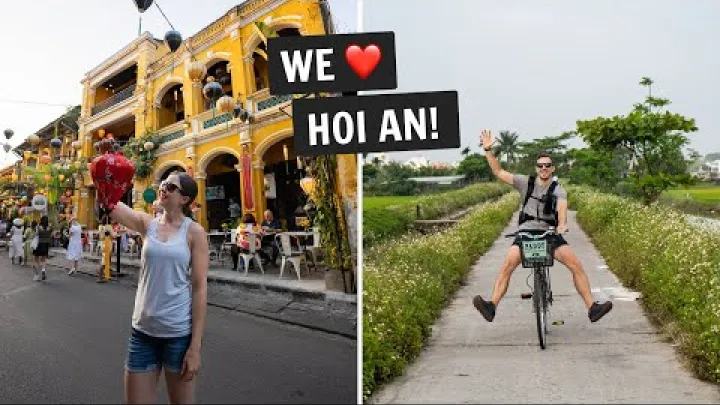
Heat and crowds are the two main pacing factors. Early mornings are usually the most comfortable for walking, and midday can be a good time for a long lunch, a museum with shade, or a break at your accommodation. Evenings are popular because the temperature is lower and the lantern-lit streets are at their most scenic. If your travel dates overlap with a monthly full-moon night, expect more activity and consider booking earlier, but do not rely on a single moment to define the experience.
- 1 day: focus on Old Town walking, one or two ticketed sites, and an evening river stroll.
- 2–3 days: add a beach morning or a countryside bike ride, plus a food-focused evening and a cooking class or craft visit.
- 4–5 days: include a full-day excursion (such as My Son Sanctuary or Marble Mountains) and leave space for slow mornings and repeat meals.
- Book: accommodation for peak weekends and full-moon dates; airport transfer if arriving late.
- Pack: light rain protection, sun protection, and comfortable walking shoes for uneven lanes.
- Reserve: a cooking class or a tailor fitting window if you have limited time.
History and UNESCO Heritage
Hoi An’s appeal is closely tied to how it developed over centuries and how that past still shapes the streets you walk today. Even if you are not focused on history, understanding a simple timeline helps you recognize why the buildings are narrow, why the riverfront matters, and why different cultural influences appear in community halls, bridges, and decorative details. This section keeps the story practical: what changed, why the town was preserved, and how UNESCO status affects travelers in everyday ways.
From trading port to preserved town
Hoi An is often described historically as a regional trading port with activity that connected local communities to wider maritime networks. Over time, periods of growth were linked to commerce, river access, and the town’s role as a place where goods and ideas moved through central Vietnam. Later, as trade routes shifted and river conditions changed, the town’s commercial importance declined compared with faster-growing centers nearby. The basic cause-and-effect is important: when fewer large-scale rebuilds happen, older structures can remain standing longer.

That partial decline is one reason Hoi An kept a recognizable historic character while many cities modernized quickly. Many buildings continued as lived-in shop-houses and family properties rather than being replaced by large new developments. For visitors today, this history is visible in the layout of streets, the pattern of small businesses at street level, and neighborhood identities that feel distinct even within a small area.
- Early phases: local settlement and river-based trade activity (often described in broad terms rather than precise dates).
- Growth period: stronger regional port role and increased merchant presence across multiple communities.
- Transition: trade patterns and river conditions shifted, reducing the town’s central role.
- Preservation: older buildings remained in use, supporting a later focus on conservation and heritage tourism.
When reading plaques or joining tours, you may hear slightly different versions of the story. It is normal for guides to emphasize certain eras or communities. A helpful way to stay grounded is to connect every historical claim back to what you can see: the shop-house form, the river orientation, and the mix of decorative styles across blocks.
Architecture and the Old Town streetscape
The most common building form in Hoi An’s old quarters is the timber shop-house: a narrow facade facing the street, with a deeper interior behind it. These interiors often include a courtyard or open space that brings in light and ventilation, which is practical in a warm and humid climate. As you walk, notice how the street-level area is often commercial while upper areas may feel more residential, reflecting how families and businesses share space in compact town centers.

Visitors also notice a mix of architectural influences that are usually described as Vietnamese, Chinese, Japanese, and European elements. It is better to treat these as visible “features” rather than fixed categories, because buildings can be renovated or adapted over generations. Signature landmarks help you anchor what you see: the Japanese Covered Bridge, several historic houses open to visitors, and community halls that reflect the town’s merchant and spiritual traditions. Lanterns are especially prominent today because they are both decorative and symbolic, and they also create a consistent visual identity for the town at night.
- Mini walking route concept: start near the riverfront, cross the Japanese Covered Bridge area, continue through a quieter lane with shop-houses, visit one community hall, then return to the river for sunset light.
- What to look for: carved woodwork and beams, inner courtyards, tiled rooflines, old signage styles, and riverfront views that show how the town is oriented.
If you want to avoid “same street” fatigue, switch your focus every few blocks. For example, spend one segment looking up at rooflines and balconies, then spend the next segment noticing courtyards and interior layouts when doors are open. This makes the walk more engaging without needing a long checklist of sites.
UNESCO World Heritage status: what it means for travelers
The Hoi An Old Town was listed as a UNESCO World Heritage Site in 1999. For travelers, UNESCO recognition usually means the historic core is managed with conservation rules that protect the overall streetscape. You may notice restrictions on certain kinds of building changes, a stronger focus on restoring older structures, and a system where some heritage buildings and museums are controlled entry sites rather than open residential spaces.
UNESCO status can also shape visitor behavior expectations. Some sites are spiritual or community spaces, and respectful conduct matters even when tourism is common. Regulations, pedestrian zones, and ticketing practices can change over time, so it is wise to check local guidance close to your visit rather than relying on old blog posts or outdated hotel instructions.
- Responsible visitor basics: dress modestly in temples and halls, keep voices low in residential lanes, and do not block doorways for photos.
- Photography etiquette: ask before photographing worshippers, avoid using bright flash in small interiors, and step aside quickly when groups need to pass.
- Community respect: treat courtyards and altars as active spaces, not only as backdrops.
Many UNESCO places can feel both “authentic” and “touristy” at the same time. The town is a living community with daily routines, but it is also a popular destination with crowds, shops, and organized experiences. A balanced mindset helps: expect a curated heritage zone in the busiest lanes, and look for quieter, everyday moments on side streets, in morning markets, and along river paths away from the main bridge area.
Best Time to Visit Hoi An: Weather, Seasons, and Festivals
Choosing the best time to visit Hoi An depends on how you handle heat, humidity, and rain, as well as how much you care about evening crowds. The Old Town is walkable year-round, but rain can make lanes slippery and can affect river levels, while hotter months make midday walking tiring. Festivals and weekends can add energy, but they also increase demand for rooms and transport.
Dry season versus rainy season: what to expect
Hoi An generally has a drier period and a wetter period, with heavier rains more common later in the year. In drier months, walking is simpler, and you can plan long mornings outside without constantly checking the sky. In wetter months, short downpours or longer rain spells can change your day, and low-lying areas may be more vulnerable to flooding during intense weather. This does not mean you cannot visit, but it does mean you should build flexibility into your schedule.

Heat management matters in both seasons because humidity can be high. Early starts help, and a midday break can improve your energy for evening lantern streets. If you travel in hotter months, choose shaded routes, carry water, and plan indoor stops such as museums, cafes, or your accommodation. If you travel in rainy months, consider a place to stay that is easy to reach even when streets are wet, and pack for quick changes in weather.
| Season pattern | Pros | Cons | Who it suits |
|---|---|---|---|
| Drier period | More comfortable walking, easier day trips, clearer evenings for river views | Can be busier, strong sun at midday | First-time visitors, photographers, travelers with tight schedules |
| Wetter period | Greener countryside scenery, potentially calmer days between storms | Rain disruptions, slippery lanes, possible localized flooding | Flexible travelers, longer-stay visitors, people who enjoy slower days |
- Heat gear: breathable clothing, hat, sunscreen, refillable water bottle.
- Rain gear: compact rain jacket or poncho, waterproof phone pouch, quick-dry shoes or sandals.
Month-by-month planning: temperatures, crowds, and pricing
Month-by-month conditions in Hoi An are best treated as patterns rather than promises. Many travelers find the early part of the year feels relatively cooler than mid-year months, while mid-year often feels hotter and more humid. Later months can bring heavier rain in many years, which can affect how much time you want to spend outdoors. Checking a forecast close to departure is more useful than relying on general averages alone.

Crowds and pricing tend to follow demand. Weekends, national holidays, and full-moon nights can be noticeably busier, especially along the river and in the most photographed lanes. When demand is high, accommodation availability often tightens, and transport options can feel less flexible. If you want calmer streets and better choice in rooms, look for shoulder periods and plan your Old Town walks early in the day, saving evenings for a shorter, focused route.
- If you only have one week to choose from: pick a period when you can handle both sun and short rain, then plan one flexible “indoor day” for museums, cafes, and cooking.
- Photographer planning: morning light for architecture, late afternoon rest, and early evening for lantern reflections.
- Verify before you travel: weather forecast, hotel access during rain, and current event calendars for your dates.
If your trip includes Da Nang and Hue, you can also spread risk by balancing locations. For example, a rainy afternoon in Hoi An may still allow indoor heritage sites, while a clear morning may be better used for a day trip. The key is not to over-pack a single day with outdoor-only activities.
Lantern nights and the monthly full-moon festival
Hoi An is associated with recurring full-moon celebrations that many travelers call the Hoi An Lantern Festival. The general idea is increased evening activity around lantern displays and riverfront walking. Lantern ambiance is present on many nights, but festival dates can increase crowd density and add more organized activity near the central areas. If you are sensitive to crowds, consider planning a quieter dinner early and then a shorter walk.

Many guides mention an evening period when electric lights are reduced, often described as around 8 PM, but this should not be treated as a fixed rule. Local practices can vary, and weather or management decisions can affect timing. The practical takeaway is simple: arrive earlier than you think you need to, choose a meeting point if traveling in a group, and keep your schedule flexible so you can step away from the busiest riverfront zones.
- Festival night do: book accommodation early if you want to stay in or near the Old Town.
- Festival night do: keep valuables secured and avoid placing phones on café tables along busy paths.
- Festival night do: use side streets for walking, then return to the riverfront for a short, focused view.
- Festival night don’t: assume you will find a quiet seat at peak time without waiting.
- Festival night don’t: block bridges or narrow lanes for long photos.
If you prefer quieter evenings, there are alternatives that still feel “Hoi An.” Walk along a riverside segment away from the main bridge area, choose an earlier dinner, or spend time in a calmer neighborhood and return to the center briefly for a final look at lantern streets. This approach gives you atmosphere without the most intense crowd pressure.
How to Get to Hoi An and Get Around
Most visitors reach Hoi An through Da Nang, then move locally by foot, bicycle, or short rides. Transport planning is not complicated, but small details can affect your comfort: arrival time, luggage, weather, and whether your accommodation is in a lane that cars cannot enter. This section explains common arrival routes and how to move around safely, including the practical points that travelers often overlook, such as pickup locations, ticket rules, and how to confirm prices for rides and small tours.
Arriving via Da Nang: airport transfers and timing
From Da Nang, most people transfer to Hoi An by private car, taxi, shuttle, or ride-hailing services. Travel time is often under an hour depending on traffic, the pickup point, and where your hotel sits relative to the Old Town. If you arrive late at night, plan the transfer in advance so you are not negotiating while tired.

Transfers go smoothly when you confirm details before you step outside. Make sure you know the exact pickup location, especially if you are using an app or meeting a driver. Keep small cash available in case a driver cannot break large bills, and confirm whether tolls, parking, or waiting time are included when that is relevant. If you have accessibility needs, children, or a lot of luggage, choose a vehicle type that matches your group size and comfort.
- Private car: most flexible, good for families and groups, typically costs more than shared options.
- Taxi: widely available, convenient for simple point-to-point transfers, confirm total price or meter approach before departure.
- Shared shuttle: often lower cost, can take longer due to multiple stops, check baggage limits.
- Ride-hailing: clear pickup tracking, confirm the pickup point at the airport and be prepared for busy periods.
- First hour in Hoi An checklist: activate SIM or eSIM, withdraw or exchange cash, confirm your walking route from drop-off to reception, and choose a simple arrival meal near your accommodation.
Overland travel from major cities in Vietnam
Overland travel usually means taking a train or bus to Da Nang and then doing a short transfer to Hoi An. This is a common pattern for travelers moving through Vietnam north-to-south or south-to-north. Comfort levels vary by operator, and arrival times can shape your first day, so it helps to choose a route that matches your energy and schedule. If you are coming from far away, flights to Da Nang can reduce travel fatigue and preserve sightseeing time. If you are coming from far away, flights to Da Nang can reduce travel fatigue and preserve sightseeing time. If you are coming from far away, flights to Da Nang can reduce travel fatigue and preserve sightseeing time. If you are coming from far away, flights to Da Nang can reduce travel fatigue and preserve sightseeing time. If you are coming from far away, flights to Da Nang can reduce travel fatigue and preserve sightseeing time. Comfort note: choose daytime arrivals so you can settle in and enjoy an early evening walk rather than losing your first night to logistics. Always check current operators, safety standards, and pickup locations close to your travel date, because services can change.

| Origin | Typical options | Pros | Watch-outs |
|---|---|---|---|
| Hanoi region | Flight to Da Nang; or train to Da Nang then transfer | Flight saves time; train is scenic for some travelers | Long travel day by rail; late arrivals reduce evening plans |
| Ho Chi Minh City region | Flight to Da Nang; or long-distance bus | Flight preserves trip time; buses can be budget-friendly | Overnight buses vary in comfort; confirm drop-off location |
| Hue | Car/van transfer; train to Da Nang then transfer | Easy to combine in one central Vietnam route | Weather can affect road timing; plan breaks if prone to motion sickness |
If you are choosing between a night bus and a morning transfer, consider what you want your first Hoi An day to feel like. A rested arrival makes it easier to enjoy a long walk and a food-focused evening. If you do choose an overnight option, keep essentials in a small bag and plan for a shower and a slow start.
Getting around town: walking, bicycles, and local rides
Hoi An’s core is very walkable, especially within and around the Ancient Town. Walking is also the best way to notice small details like courtyards, carved woodwork, and street-level food stalls. For comfort, use breathable clothing, take shade breaks, and bring water. In rain, move slowly on slick surfaces, and consider short ride-hailing trips to avoid arriving soaked before an evening plan.

Bicycles are a popular option for reaching rice fields, riverside paths, and beaches, and many accommodations offer bikes, although you should confirm rather than assume. Scooters and motorbike taxis (often called xe om) are useful for longer distances, but safety matters: use a helmet, avoid rushing in heavy traffic, and keep your phone secure. Cyclos can be a slower sightseeing option; agree on route, duration, and total price before you start, and confirm what is included so the ride stays relaxed.
- Best trips by bike: countryside lanes through rice fields, river paths toward the coast, and a morning ride to a nearby beach for a swim and breakfast.
- Safety and comfort checklist: wear a helmet on motorbikes, carry a small light or reflective item at night, cross streets slowly and predictably, and keep rain protection accessible in your day bag.
If you are unsure about road comfort, start with walking and short bicycle loops in quieter areas. You can also combine modes: bike early in the day, return for a midday rest, then use a short ride to reach dinner. This mixed approach fits well with Hoi An’s heat patterns.
Tickets, opening hours, and common travel pitfalls
Some heritage sites in Hoi An use a multi-entry ticket system that allows entry to a selection of managed sites. Policies and prices can change, so treat exact numbers you see online as temporary and verify on arrival. A practical strategy is to visit one or two ticketed sites early in the morning, then save another site for later in the day when you want shade. Keep your ticket accessible, and take a photo of it in case it is misplaced, if local rules allow that.
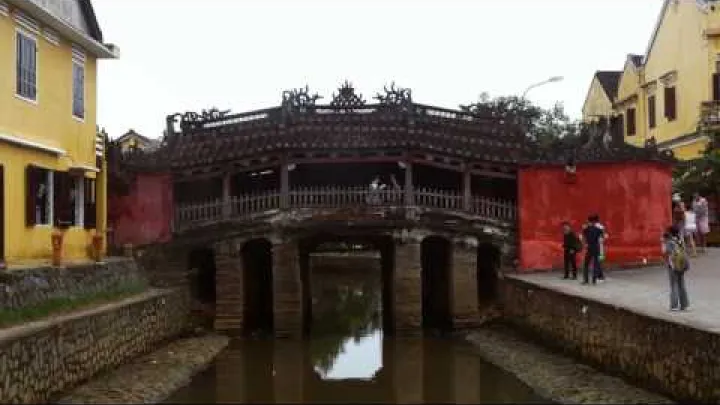
Common pitfalls are usually about crowds and unclear pricing rather than serious issues. Popular photo spots can become congested, especially at sunset, so step aside quickly after your photo and avoid blocking narrow lanes. For rides, boats, and add-on services, reduce confusion by asking for the total cost before starting and by using apps when possible. In spiritual sites, behave calmly and dress modestly; if you are unsure, follow the lead of local visitors and ask staff when needed.
- What to verify on arrival: current ticket rules, which streets become pedestrian-only at certain times, and whether festival nights include road closures near your accommodation.
- Practical anti-overpay habit: ask “total price” and confirm what is included (time, stops, return ride) before committing.
| Category | Examples | Budget note |
|---|---|---|
| Paid (often ticketed) | Selected historic houses, museums, community halls | Plan a few high-interest sites rather than trying to enter everything |
| Often free | Street wandering, many river views, general markets | Best value comes from time and timing, not spending |
| Optional tours | Cooking classes, guided day trips, boat rides | Compare inclusions and group size; confirm start time and meeting point |
Where to Stay in Hoi An: Areas and Accommodation Types
Many travelers search “hotels in hoi an vietnam” or “accommodation in hoi an vietnam” because the town offers very different experiences within a short distance: lively Old Town access, calm riverside lanes, beach-focused areas, and countryside settings with more space. Think about two moments of the day: your morning departure and your evening return. If both are easy and comfortable, the rest of your plan becomes simpler.
Choosing the right neighborhood: Old Town, riverside, beach, or countryside
The Old Town area is best if you want to walk to heritage sights and enjoy lantern evenings without depending on rides. It is also the busiest and can be noisy, especially near main streets and the riverfront at peak times. Riverside areas just outside the core often offer a calmer feel while still being close enough for short walks or quick bicycle rides. These areas can be a good compromise for travelers who want both atmosphere and sleep.
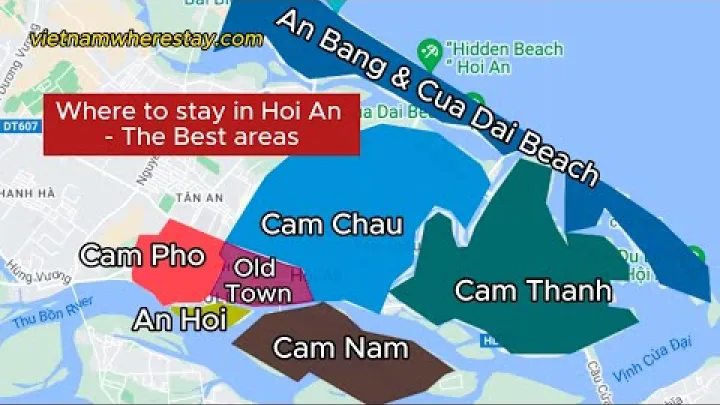
Beach areas suit travelers who want sea time built into the day, such as morning swims and relaxed afternoons, with the Old Town as an evening outing. Countryside stays are best for space, quiet, and biking through rice fields, but you will likely rely more on bicycles or short rides. In heavier rain periods, consider access routes: low-lying paths can become inconvenient, and some small lanes may have drainage issues, so ask about typical conditions if traveling in wetter months.
| Area | Best for | Trade-offs | Typical transport |
|---|---|---|---|
| Old Town / near core | Heritage walks, evening lantern streets | Crowds and noise at peak times | Mostly walking |
| Riverside (outside core) | Quieter evenings, scenic paths | Short ride needed for late-night return in some areas | Walking + bicycle + ride-hailing |
| Beach area | Swimming, relaxed daytime pace | Not ideal if you want multiple Old Town sessions daily | Bicycle or short rides |
| Countryside | Space, greenery, slow travel | Less convenient for quick breaks in the day | Bicycle or scooter |
Accessibility is also practical here. Some properties are down narrow lanes where cars cannot reach the door, and some older buildings have stairs without elevators. If you have mobility considerations or heavy luggage, choose a place with straightforward pickup access and confirm the exact drop-off point on a map.
Accommodation styles: homestays, boutique hotels, villas, and resorts
Hoi An offers a wide range of stay styles, and each fits a different kind of trip. Homestays often provide personal host support, local advice, and a more family-style environment, which can be helpful for students or first-time visitors. Boutique hotels typically add amenities like pools, breakfast service, and onsite staff who can help arrange rides and tours. Villas focus on privacy and space, while resorts usually provide a full-service experience with multiple facilities and beach-oriented convenience in some locations.
Value is not only about price. Compare location, noise level, breakfast timing, cancellation flexibility, and recent guest comments about water pressure, Wi-Fi stability, and construction nearby. Many places offer bicycles, but availability and bike condition vary, so confirm before you arrive if cycling is important to your plan. For longer stays and remote work, ask about desk space, quiet hours, and backup power arrangements in a simple, factual way rather than assuming it will be “work-perfect.”
- Questions to ask before booking: is Wi-Fi reliable in rooms, are there any known seasonal flooding issues nearby, is construction happening next door, and is there a shuttle or easy ride access to the Old Town?
- Timing note: if you plan to visit during full-moon dates or peak holiday periods, book earlier to keep area choices open.
If you are unsure which style suits you, choose based on your daily pattern. If you expect midday breaks, a pool and quiet room matter. If you will be out all day and only return late, proximity and easy access may matter more than onsite facilities.
Practical booking tips for international travelers
International travelers often have a few extra decision points: refundable rates, airport transfer support, and clarity about distance to the main pedestrian areas. A room described as “near Old Town” can still require a ride at night if it is across a bridge or along a dark road, so check a map and confirm the walking route, not only the straight-line distance. If you arrive during rain or late at night, a covered entrance and a simple nearby food option can make the first evening much easier.

Cultural comfort matters too. Some family-run properties may have quiet hours, shared spaces, or a more personal hosting style. Laundry services are common in many areas, but turnaround times vary, so ask if you need something same-day. When budgeting, balance accommodation spending with paid experiences like day trips, workshops, or cooking classes, because those may shape your memories more than a slightly larger room.
- Pick an area based on your priority: Old Town evenings, beach time, or quiet countryside.
- Shortlist properties and check recent reviews for noise, cleanliness, and access during rain.
- Verify key policies: refund rules, check-in time, and transfer options from Da Nang.
- Confirm transport and arrival details, especially if your hotel is inside a pedestrian-only zone.
A simple way to avoid disappointment is to clarify what view and location language means. “Old Town view” may mean a partial rooftop view, and “Old Town area” can include streets that feel very different at night. Using a map and asking one clear question before booking often saves time later.
Best Things to Do in Hoi An and Nearby
Hoi An is easy to enjoy because you can mix small heritage visits with food and relaxed outdoor time. The best approach is to plan a few “anchors” each day, then keep open space for slow wandering and rest. Many travelers focus on the Ancient Town first, then add evenings by the river, local dishes, and a half-day or full-day excursion.
Core Old Town sights: bridges, halls, historic homes, and museums
The core Old Town sights work best when you treat them as a mix, not a checklist. Most visitors want to see the iconic bridge area, then add one or two interiors for deeper context. The Japanese Covered Bridge is the best-known landmark; many accounts describe it as built in the late 16th century, but the most useful point for travelers is how it anchors walking routes and photo viewpoints. Community halls and historic merchant houses help you understand how trade, family life, and worship shared space in a compact town layout.

If you use a heritage ticket, visit efficiently by choosing different “types” of sites rather than entering many similar buildings in a row. For example, pick one museum for background, one historic home for layout and woodwork, and one community hall for decorative detail and spiritual etiquette. Dress modestly in spiritual sites and ask before photographing worshippers or private altars. Plan rest stops because Hoi An’s heat can build quickly inside timber buildings with limited airflow.
- Suggested “pick 5” approach: one museum, one historic home, one community hall, the bridge area for exterior viewing, and one additional site that matches your interest (craft, culture, or neighborhood history).
- Accessibility and rest: choose sites with shaded courtyards, stop at cafes between visits, and keep afternoons lighter if you are sensitive to heat.
To reduce crowd stress, start early and save your most popular photo locations for off-peak moments. If you are traveling with older family members or small children, plan shorter loops with clear bathroom and café stops rather than long continuous walks.
Evenings in Hoi An: lantern streets, river walks, and night markets
Evenings are a major reason people fall in love with Vietnam Hoi An. Lanterns create a warm, consistent glow that reflects on the river, and many lanes become comfortable for slow strolling. The atmosphere is strongest near the central riverfront and main pedestrian streets, where you will see street snacks, small shops, and groups taking photos. If you prefer a calmer feel, you can still enjoy lantern views by choosing side streets and walking routes that loop back to the river for short scenic moments.

Night markets are popular for browsing souvenirs, simple snacks, and small gifts, but they can be crowded. Crowd navigation is easier when you set a meeting point, keep your group close, and decide in advance how long you want to stay in the busiest lanes. Be mindful of photography etiquette: avoid stopping in the middle of a narrow walkway, and step aside after a quick photo so others can pass. Many visitors plan early mornings for quieter walking and use evenings for a shorter, more social route.
- Start near the bridge area for the first lantern views.
- Walk along the riverfront for reflections and open space.
- Browse a night market lane for snacks and small items.
- Turn into a quieter side street to slow down and cool off.
- Choose a dessert or tea stop for a seated break.
- Finish with a short final river look, then head back before the busiest peak ends.
- Night walking safety: watch for changes in lighting, use clear crossing points, keep valuables secured, and avoid focusing on your phone while moving through dense crowds.
If you want a peaceful evening but still want the lantern feeling, consider an earlier dinner followed by a brief walk. This gives you the best light and atmosphere while avoiding the highest crowd density later at night.
Local food, restaurants, and cooking experiences
The most useful strategy is to compare versions: try one dish at a market or casual eatery, then try it again at a sit-down restaurant. This helps you learn what you like without needing to chase a single “best” place.

Travelers frequently mention restaurants such as Morning Glory Signature and Madam Khanh when discussing where to eat, but preferences vary by taste, budget, and dietary needs. If you want a structured experience, a cooking class can be a good way to learn ingredients and techniques. Many classes include a market visit and hands-on preparation; before booking, ask about group size, language support, and how they handle allergies or vegetarian preferences. For a relaxed trip, schedule a cooking class on a day when you expect to rest in the afternoon, because the activity can be longer than a simple meal.
| Dish | What it is | Where to try | Dietary notes |
|---|---|---|---|
| Cao lau | Noodles typically served with greens, herbs, and sliced toppings | Local eateries; try more than one version | Often includes meat; ask about toppings and broth |
| Hoi An chicken rice | Seasoned rice served with shredded chicken and herbs | Casual restaurants and family-run spots | Usually not spicy; ask for chili on the side |
| White rose dumplings | Small steamed dumplings with a delicate wrapper | Old Town eateries; sometimes sold as a specialty item | Often contains shrimp; ask if seafood-free is available |
| Mi Quang | Noodle dish with herbs and a small amount of broth | Markets and local shops | May include peanuts or seafood; confirm ingredients |
| Banh mi | Filled baguette with a range of fillings and sauces | Street stalls and popular sandwich shops | Easy to customize; ask for no chili or no meat |
- Food safety basics: drink enough water, choose busy stalls with higher turnover, adjust spice level gradually, and be cautious with ice if you are sensitive.
Beaches, crafts, and half-day to full-day excursions
Beyond the Old Town, many travelers plan time for the coast, crafts, and nearby cultural sites. The practical approach is to go early for softer light and cooler temperatures, then return for a midday break. Use sun protection, bring water, and plan your transport back, especially if you stay until late afternoon.

Hoi An is also widely associated with tailoring, including searches like “hoi an vietnam tailor” and “hoi an vietnam tailored suits.” Tailoring can be rewarding if you communicate clearly and allow time for fittings, but it is not instant for quality work. Massage and spa visits are common too, and “hoi an vietnam massage” is a frequent search; choose providers with clear pricing and a calm, professional environment. For day trips, My Son Sanctuary and the Marble Mountains are widely visited, often with early departures to reduce heat and crowding. Rural experiences such as coconut waterways and basket boats can be enjoyable, but responsible participation matters: agree on fair pricing, avoid experiences that pressure wildlife interaction, and choose operators that respect local communities.
- If you have half a day: An Bang Beach morning, or a countryside bike loop with a café stop, or a short tailor consultation and fabric selection.
- If you have one full day: a guided visit to My Son Sanctuary or Marble Mountains, plus an easy Old Town evening walk after a rest.
- How to choose a tailor or spa: check recent reviews, confirm total price and what it includes, ask about timelines and number of fittings, and be clear about materials and design details.
A good rule is to schedule excursions on a day when you do not also plan to do many ticketed Old Town interiors. This prevents fatigue and keeps evenings enjoyable. If you are uncertain, choose one strong daytime activity, then leave the rest for wandering and food.
Frequently Asked Questions
Do I need a ticket to walk around Hoi An Ancient Town?
No, you can usually walk many streets and enjoy the riverfront without entering ticketed sites. A ticket is typically used for entry to selected heritage buildings such as historic homes, halls, and museums. Rules can change, so confirm current practice at an official ticket point after you arrive.
How many days are enough for Vietnam Hoi An?
Two to three days is enough for most first-time visitors to see the Old Town, enjoy evenings, and add one beach or countryside block. One day works for a quick taste but can feel rushed. Four to five days is better if you want a full-day excursion and a slower pace with rest.
Is Hoi An a good base for visiting Da Nang or Hue?
Yes, Hoi An is commonly used as a base for short trips to Da Nang and for building a central Vietnam route that includes Hue. Day trips are easiest when you start early and keep evenings flexible. If you want to explore Hue in depth, consider staying at least one night there instead of only day-tripping.
What is the easiest way to get from Da Nang airport to Hoi An?
A pre-arranged private car or a taxi is usually the simplest option because it is direct and flexible. Ride-hailing and shared shuttles can also work, depending on your budget and arrival time. Confirm your pickup point and the total cost approach before you leave the airport area.
Can I visit Hoi An during the rainy season?
Yes, you can visit during the rainy season if you plan for flexible timing and bring rain protection. Some days may have short downpours, and heavier rain periods can affect walking comfort and river levels. Choose accommodation with convenient access and plan indoor options like museums and cooking classes.
What should I wear when visiting halls and spiritual sites in Hoi An?
Wear modest clothing that covers shoulders and avoids very short items. Bring something light you can add if needed, such as a scarf or thin overshirt. Speak quietly and follow posted guidance about photography.
Conclusion: Build Your Ideal Hoi An Plan
A strong Hoi An plan is simple: choose a base that matches your preferred evenings, schedule heritage walking for cooler hours, and leave space for food and rest. The templates below are flexible examples you can adjust based on weather, crowds, and energy. If you keep one “free block” each day, you can respond to rain, heat, or an unexpected discovery without losing the overall shape of your trip.
Sample itineraries for 2 days, 3 days, and 5 days
These sample itineraries are designed to match common trip lengths and to work with Hoi An’s typical daily rhythm. Mornings are for walking and heritage sites, afternoons are for rest or indoor activities, and evenings are for lantern streets and food. Each itinerary includes a core Old Town block, at least one excursion option, and space for a beach or craft experience.

Use these as templates, not strict rules. If you are traveling with family, shorten walking loops and add more seated breaks. If you are a student or remote worker, spread activities across more days and repeat favorite neighborhoods instead of trying to see everything once.
- 2 days: Day 1 morning Old Town walk and 2–3 ticketed sites; afternoon rest and café time; evening lantern streets and night market loop.
- 2 days: Day 2 morning beach or countryside bike ride; afternoon cooking class or museum; evening focused food tasting (try one dish twice in different places).
- 3 days: Day 1 heritage morning with a “pick 5” approach; afternoon rest; evening river walk and side-street lantern route.
- 3 days: Day 2 half-day excursion (My Son Sanctuary or Marble Mountains) starting early; afternoon downtime; evening casual dinner and short photography walk.
- 3 days: Day 3 beach morning at An Bang Beach or countryside cycling; afternoon tailor consultation or spa; evening final stroll in calmer lanes.
- 5 days: Day 1 settle in, short Old Town loop, early night route to learn the layout.
- 5 days: Day 2 deeper heritage morning plus one museum; afternoon rest; evening food-focused plan.
- 5 days: Day 3 full-day excursion (My Son Sanctuary or Marble Mountains); evening minimal walking, prioritize sleep.
- 5 days: Day 4 beach morning; afternoon spa or café work session; evening lantern walk with side streets.
- 5 days: Day 5 countryside cycling and markets; final shopping or a second visit to your favorite hall or house; calm riverfront finish.
- What to skip if tired: extra ticketed interiors that feel similar, long midday walks in full sun, and late-night market browsing on peak crowd nights.
Travel respectfully and return value to the local community
Respectful travel in Hoi An is mostly about small, consistent habits. Be considerate in temples and halls, keep noise low in residential lanes, and avoid treating private spaces as photo sets. Agree on pricing clearly for rides and small tours, and choose experiences that feel transparent and fair rather than those that rely on pressure. If you buy crafts or tailored items, check quality calmly, confirm timelines, and keep communication direct.

Before you depart, re-check weather forecasts, festival dates, and current ticket rules, because these can affect your daily timing. A simple final review reduces stress and helps you pack correctly for rain or heat. With a clear base location and a realistic pace, you can enjoy both the famous lantern streets and the quieter parts of town.
- Responsible travel habits: ask before photographing people, keep walkways clear, support family-run businesses when quality and pricing are clear, and minimize plastic waste by carrying a refillable bottle.
- Day-before-departure checklist: passport and key documents, cash and cards, power adapter, rain cover for bag or phone, and a simple plan for your first meal after arrival.
Hoi An works best when you combine one or two structured activities with plenty of unstructured walking time. A calm schedule lets you notice the details that make the Ancient Town distinctive, while still leaving room for beaches, food, and nearby cultural sites.
Select area
Create a post
Posting is free and no registration is required.