- Tay Son Heaven and Earth Esplanade: Historic Shrine in Quy Nhon
- Quang Trung Museum: Tay Sơn History & Culture in Quy Nhon
- Banh It Cham Towers: Ancient Heritage & Photography in Quy Nhon
- The Thon Beach in Cat Tien: Clean Shores & Affordable Watersports
- Linh Phong Pagoda in Quy Nhon: The Sacred Mountain Temple
Vietnam Old Quarter: Guide to Hanoi’s Historic 36 Streets

The Vietnam Old Quarter in Hanoi is one of Southeast Asia’s most atmospheric historic centers. Within a compact area of narrow streets you find centuries-old houses, temples, markets, and some of the country’s best-known street food. The quarter is busy and sometimes chaotic, but also walkable and full of life from early morning until late at night. This guide explains what the Old Quarter is, how it developed, and how modern visitors can enjoy it safely and comfortably.
Whether you are a short-term tourist, a student coming for a semester, or a remote worker settling in Hanoi, the area around Hoan Kiem Lake and the Old Quarter is likely to be your starting point. Here you can sleep, eat, work, and arrange trips to Ha Long Bay or Ninh Binh. Understanding the layout, history, and daily rhythm of this district will make your stay smoother and more rewarding.
Introduction to Hanoi’s Vietnam Old Quarter
Why the Vietnam Old Quarter matters for modern travelers
The Vietnam Old Quarter is the historic and cultural heart of Hanoi, and for many visitors it is their first real contact with Vietnam. Within a few blocks you can see morning markets, incense at temples, tiny cafés, and scooters weaving between street vendors. This dense street life gives travelers a clear sense of the city’s energy, as well as a convenient base for exploring northern Vietnam.
This guide focuses on practical questions such as how to choose hotels, understand prices, stay safe in traffic, and move around easily.
How this guide is organized and who it is for
This guide is designed for three main groups: short-term tourists, study-abroad students, and professionals or digital nomads who plan to stay longer in Hanoi. If you are planning your first visit, you will find step-by-step explanations of what the Old Quarter is, when to come, and how many days to spend. If you are relocating, you will find more detailed sections on accommodation, neighborhood character, and everyday logistics.
To make navigation simple, the guide is divided into clear sections. First, there is an overview that defines the Vietnam Old Quarter and explains how it relates to Hoan Kiem district. Next comes the history of the 36 streets, followed by architecture and spiritual landmarks, craft and shopping streets, and food. Later sections cover hotels in Hanoi Vietnam Old Quarter, transport, things to do, climate and best time to visit, and safety and scams. You can read it from start to finish in around 20–30 minutes, or jump directly to the section that matches your planning stage, such as “Where to Stay” or “Getting To and Around the Old Quarter.”
Overview: What and Where Is the Vietnam Old Quarter?
Quick facts about Hanoi Old Quarter and Hoan Kiem
The Hanoi Old Quarter, often called simply the Vietnam Old Quarter, is the oldest commercial district in the capital city. It lies just north of Hoan Kiem Lake, in Hoan Kiem district, and is famous for its dense network of guild streets, tube houses, markets, and temples. Many visitors choose to stay here because it offers a mix of budget and mid-range accommodation and easy access to most central attractions.

To help with quick orientation, here are some key facts about Hanoi Old Quarter Vietnam:
- Location: North of Hoan Kiem Lake, in central Hanoi.
- Approximate age: Trading activities here date back many centuries to the Thang Long citadel era.
- Main attractions: Hoan Kiem Lake, Ngoc Son Temple, old guild streets, Dong Xuan Market, water puppetry theaters.
- Typical atmosphere: Narrow streets, heavy scooter traffic, street vendors, cafés, and a lively nightlife in some lanes.
- Typical daily budget: Many travelers can eat, sleep, and move around on a modest budget, with a wide range of options from hostels to boutique hotels.
- Main reasons to visit: History, food, shopping, photography, and as a base for wider trips in northern Vietnam.
- Main reasons to visit: History, food, shopping, photography, and as a base for wider trips in northern Vietnam.
Within the Old Quarter, most streets are less than a kilometer long and packed with small businesses. Some still reflect their craft origins, while others now sell clothes, souvenirs, electronics, or coffee. Because the district is compact, you can walk between many points of interest, using Hoan Kiem Lake as a simple central reference point when you get turned around.
Map, boundaries, and how the 36 streets are defined
When people talk about the “36 streets” of the Old Quarter Hanoi Vietnam, they refer to a traditional idea rather than a fixed official map. Historically, this area developed as a cluster of guild neighborhoods outside the royal citadel. Over time, the number of actual streets grew well beyond 36, but the phrase stayed as a convenient way to describe the historic trading quarter.

Today, different sources draw the boundaries of the Vietnam Old Quarter slightly differently. For most visitors, it is enough to think of it as the walkable rectangle north of Hoan Kiem Lake. Roughly speaking, the southern edge touches the streets around the lake, the northern edge approaches Dong Xuan Market, the west reaches toward the railway and Ba Dinh district, and the east runs closer to the Red River. If you imagine Hoan Kiem Lake at the bottom center of a map, the Old Quarter extends like a grid of irregular streets above it.
Many street names follow a regular pattern in Vietnamese: “Hang” followed by a product or trade, such as Hang Bac (silver), Hang Dao (silk or cloth), and Hang Ma (paper votive goods). These names help with orientation because groups of nearby streets often share related activities. For navigation, visitors usually rely on simple tools: a digital map on a phone, visible landmarks like Hoan Kiem Lake and major markets, and recognition of repeated street names. Getting slightly lost is normal, but because the area is not large, you usually reach a familiar landmark within a few minutes of walking.
History of Hanoi’s Old Quarter and the 36 Streets

Origins from the Thang Long citadel to the guild streets
The story of Hanoi’s Old Quarter begins with Thang Long, the historic capital founded more than a thousand years ago. The royal citadel stood slightly to the west of today’s Old Quarter, and the area around it developed as a trading hub where merchants and craftspeople served both the court and the growing urban population. Because the citadel area was reserved for political and military functions, commercial life concentrated outside its walls, in what became the Vietnam Old Quarter.

Over time, craftsmen from different villages across northern Vietnam settled in streets dedicated to their specific trade. These guilds organized themselves into specialized neighborhoods, each with workshops, storage areas, and small shrines or communal houses. Their entrances often sit quietly between shops, marked by carved wooden doors, tiled roofs, and stone or wood statues.
Trade along the Red River and regional routes helped the Old Quarter grow, bringing Chinese, Vietnamese, and other influences into the same space. Markets appeared at key crossroads, and religious or communal buildings were built to protect traders and honor local deities. The result was a dense network of streets, each with its own function but closely linked to the others. This pattern still influences how people move and shop in the area today, even though the specific products sold on each street have changed.
French colonial influence and urban changes
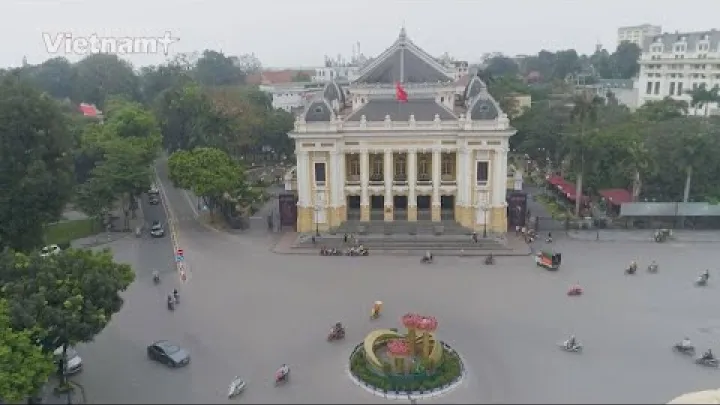
When French colonial rule expanded in the late nineteenth century, Hanoi was chosen as an important administrative center. French planners introduced new street grids, public buildings, and infrastructure. The Old Quarter, however, remained largely a Vietnamese and Chinese commercial district, even as French-style boulevards and villas appeared to the south and west.
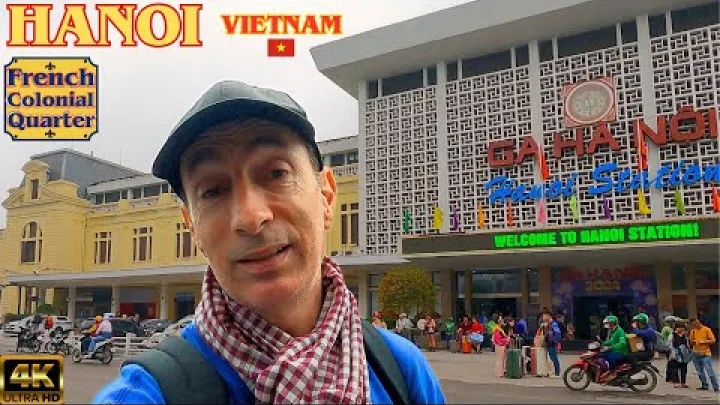
During this time, some urban changes reached the Old Quarter Hanoi Vietnam. Wider streets were cut through certain areas to improve movement, and public facilities like markets and administrative offices were upgraded or rebuilt. Architectural elements such as balconies, shutters, and stuccoed facades began to mix with older wooden and brick structures. Still, the basic pattern of narrow plots and intensive street-level commerce stayed in place. The quarter became a layered environment where Vietnamese guild traditions coexisted with colonial-era shops and services.
The presence of the French administration also shifted trade patterns. Some traditional crafts declined or moved, while new types of businesses appeared, including small hotels, cafés, and import shops. These changes set the stage for today’s combination of heritage buildings and commercial activity. Visitors walking through the Old Quarter can often see this blend in one block: an old family temple entrance next to a shop with a French-influenced façade and a modern café at street level.
How the Old Quarter is evolving today
In the last few decades, the Vietnam Old Quarter has been transforming quickly due to tourism, economic growth, and urban development. Many tube houses have been converted into guesthouses, boutique hotels, and cafés, while street vendors now share space with international brands and modern services. This growth has created new jobs and opportunities for local families, who can rent or adapt their buildings for visitors.

At the same time, this evolution brings challenges. There are ongoing discussions about how to preserve historic structures while allowing residents to improve their homes and businesses. Some old houses are renovated with sensitivity, keeping original wooden beams and courtyards, while others are replaced or heavily altered. Local authorities have introduced regulations on building heights, street signage, and the use of certain heritage buildings, aiming to balance conservation with economic needs.
Pedestrianization projects around Hoan Kiem Lake and selected Old Quarter streets during weekends are another sign of change. These create safer, more relaxed spaces for walking and cultural events. However, there is also pressure on infrastructure, such as waste management and traffic control, due to the high number of visitors. For travelers, this means the Old Quarter is a living district rather than a museum: it continues to adjust, and experiences can vary over time depending on new rules, renovations, and business trends.
Architecture and Spiritual Landmarks in the Old Quarter
Tube houses and traditional shophouse design
One of the most distinctive features of Hanoi Old Quarter Vietnam is the tube house, a long, narrow building that stretches back from the street. These houses often have a very small street frontage but extend deep into the block, sometimes with small courtyards or light wells inside. This shape developed partly due to historic tax rules and limited street space, which encouraged families to build upwards and backwards rather than sideways.

Tube houses usually serve multiple functions at once. The ground floor faces the street and traditionally operates as a shop or workshop, while upper floors provide living space for the family and sometimes storage. Inside, you may find a mix of rooms, staircases, and open areas arranged to bring light and air into the long structure. Many tube houses have altars or ancestor worship spaces on upper levels or in quieter rooms away from the street noise.
Today, many tube houses in the Vietnam Old Quarter have been adapted for tourism. Some have become guesthouses or small hotels, where guests walk through a narrow entrance into a vertical world of rooms stacked above a lobby or café. Others host restaurants, art galleries, or co-working spaces behind traditional façades. When you stay in such a building, you experience the Old Quarter’s architecture directly, including its advantages, such as compact convenience, and its challenges, such as steep stairs or limited natural light.
Temples, communal houses, and religious diversity
These include temples dedicated to local deities or historical figures, pagodas associated with Buddhist practice, and communal houses that served as meeting places for guilds and village groups. Their entrances often sit quietly between shops, marked by carved wooden doors, tiled roofs, and stone or wood statues.
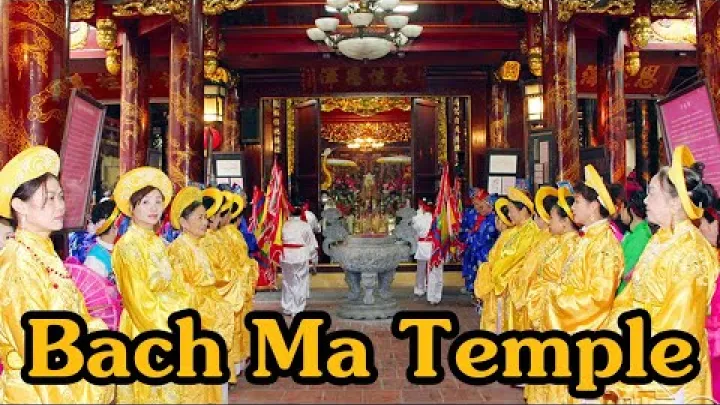
Some notable sites in or near the Old Quarter include Bach Ma Temple, which is considered one of the oldest temples in Hanoi and linked to the founder of the Thang Long citadel, and various small communal houses located on guild streets like Hang Bac or Hang Buom. These places often show a blend of Vietnamese and Chinese influences in their architecture and inscriptions. They provide a contrast to the busy roads outside, offering calm spaces for prayer, incense offering, and community events.
Visitors are generally welcome at many of these sites, but respectful behavior is important. Dress modestly, with shoulders and knees covered, especially when entering inner halls. Speak quietly, remove hats where appropriate, and follow any posted signs about photography; in some areas, flash or photos of altars may be discouraged. If you see local people praying, give them space, avoid walking directly in front of them, and do not touch offerings. A small donation in the designated box is often appreciated but not required.
Hoan Kiem Lake and Ngoc Son Temple
Hoan Kiem Lake sits at the southern edge of the Old Quarter and is one of Hanoi’s most recognizable landmarks. The lake is a central reference point for visitors, because many hotels in Hanoi Vietnam Old Quarter are within walking distance of its shores. Locals come here early in the morning to exercise, practice tai chi, and meet friends, while tourists circle the water for photos and fresh air.

The lake is associated with a well-known legend about a magical sword returned to a golden turtle, which gave it the name “Lake of the Returned Sword.” On a small island near the northern shore stands Ngoc Son Temple, connected to the shore by a red-painted wooden bridge. The temple honors national heroes and cultural figures, and also displays historic artifacts. Visiting Ngoc Son Temple gives travelers a quick, accessible introduction to Hanoi’s spiritual traditions and legends without leaving the central area.
Typical activities around Hoan Kiem Lake include walking a full loop, which can take 20–30 minutes at a relaxed pace, and stopping at viewpoints to photograph the bridge and towers. In the early morning and evening, the light is softer and temperatures are usually more comfortable, making these the best times for a stroll. From the lake, you can easily step into the Vietnam Old Quarter by following streets like Hang Dao or Hang Gai northward, using the water as your compass when you want to return.
Traditional Crafts, Silk Streets, and Shopping

Famous guild streets and what to buy today
Shopping in the Old Quarter is closely linked to its history as a guild district. Many streets still show their craft origins, even if the exact products have changed over time. Walking along these streets helps you understand the economic life that made the Hanoi Old Quarter Vietnam a major trading center for centuries.

Below is a simple reference table that matches some well-known streets with typical goods you are likely to find today:
| Street | Traditional focus | Typical goods today |
|---|---|---|
| Hang Gai | Silk and textiles | Silk scarves, tailored clothing, handicrafts |
| Hang Bac | Silver | Jewelry, small ornaments |
| Hang Ma | Paper votive items | Decorations, festival items, paper offerings |
| Hang Dao | Dyes and fabrics | Clothing, fashion outlets, accessories |
| Lan Ong | Traditional medicine | Herbs, medicinal products, aromatics |
In addition to these, there are streets focusing on shoes, electronics, toys, and household goods. While not every product is made locally anymore, many families still run long-standing businesses. For visitors, worthwhile purchases include silk items, quality clothing, simple jewelry, handicrafts, coffee beans, and local snacks. Items that are heavy, fragile, or easily found elsewhere may be less practical to buy unless you have a clear plan for transporting them.
Silk, lacquerware, and modern boutiques
Silk and lacquerware are two of the most popular product categories for travelers in the Vietnam Old Quarter. On streets like Hang Gai, you will find boutiques selling silk scarves, ties, dresses, and tailored suits. Some shops also work with tailors who can create garments within a short timeframe. Lacquerware, including bowls, trays, and decorative panels, is available in both simple designs and more complex inlaid patterns.

Quality can vary widely, from mass-produced souvenirs to higher-end items made with better materials and techniques. In general, heavier lacquer pieces with a smooth, even surface and clear colors indicate more careful production. For silk, you can check by touch; real silk often feels cooler and softer than synthetic fabric, and some shops will explain the blend content honestly. It is reasonable to ask staff about where items are made, what materials are used, and how to care for them.
Modern boutiques in Hanoi Old Quarter Vietnam often blend traditional motifs with contemporary styles. You may find design shops that reinterpret classic patterns on clothing, home décor, or stationery. To avoid disappointment, it helps to compare a few stores before making larger purchases and to be cautious of very low prices that may indicate synthetic substitutes. At the same time, many affordable souvenirs can still be enjoyable and make good gifts, so there is no need to avoid shopping altogether; the key is to match expectations with price and ask simple questions before you buy.
Markets and night markets in the Old Quarter
Markets are central to daily life in the Old Quarter. Dong Xuan Market, located toward the northern side of the district, is one of the largest and best known. Inside its multi-story building and surrounding streets, vendors sell clothing, textiles, household goods, food, and more. The atmosphere is busy, and many stalls cater to both local customers and regional traders, as well as tourists.
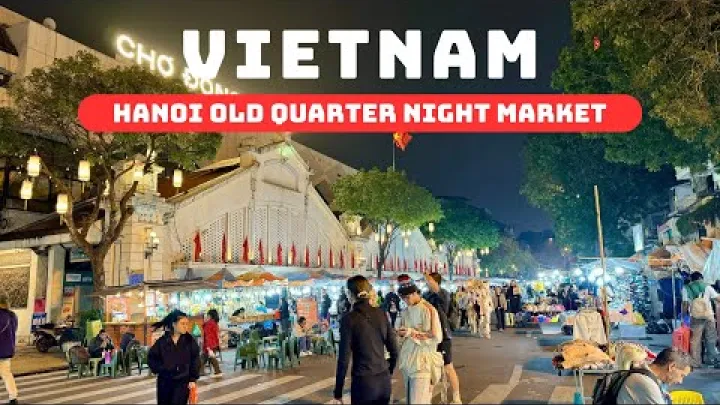
On weekends, night markets and walking streets usually appear along routes such as Hang Dao and connecting lanes toward Dong Xuan. These evening markets offer clothes, accessories, souvenirs, and a wide range of street food. The streets can become very crowded, especially during holidays and peak travel months, but they also create a lively environment for walking and people-watching. Bargaining is common at many stalls, though prices for simple items are often moderate to begin with.
Market schedules and exact layouts can change over time, so it is wise to confirm information locally, for example with your hotel reception. When shopping, keep cash in small notes handy, and store passports and larger amounts of money safely. If you are not used to bargaining, starting with a friendly smile and asking for a better price once or twice is usually enough; if you cannot agree, you can politely walk away.
Food and Street Eats in Hanoi Old Quarter

Iconic dishes and must-try restaurants
Food is one of the strongest reasons people visit the Hanoi Old Quarter Vietnam. Many of the city’s signature dishes are easy to find within a short walk of Hoan Kiem Lake. Small eateries and street stalls specialize in single dishes, often prepared according to family recipes that have been refined over many years.
Many visitors also seek out bun cha, grilled pork served with rice noodles, herbs, and dipping sauce, often enjoyed at lunchtime. Another well-known item is egg coffee, which combines strong coffee with a creamy, sweet egg-based foam; it is usually served in small cafés, some of which overlook the busy streets below.
In addition to these, you can find banh mi (Vietnamese baguette sandwiches), various types of rice noodle dishes, and regional snacks. While specific venues change over time, good places to try these dishes include small family-run shops along side streets, local breakfast spots near markets, and simple restaurants with plastic stools that are full of local customers. Many travelers enjoy exploring by walking and following their senses: the smell of broth, the sound of sizzling grills, and the sight of crowded tables usually indicate a promising stop.
Food tours, prices, and hygiene tips
For first-time visitors, organized food tours in the Vietnam Old Quarter can be very helpful. Local guides know which stalls have consistent quality and can explain the ingredients and customs behind each dish. Walking tours often include several stops where you sample small portions, meaning you can taste a wider variety of foods in one evening than you would likely find alone.

Typical prices for street food in Hanoi Old Quarter Vietnam are moderate compared to many international cities. A bowl of pho or a plate of bun cha may cost the equivalent of a few US dollars, while snacks and drinks are usually less. More formal restaurants and cafés charge higher prices, especially if they cater mainly to tourists, but they often provide menus in English and more seating comfort. Using price ranges rather than exact numbers is practical because costs change over time and vary by location.
Hygiene standards can differ from what some visitors are used to, so a few simple habits can help. Choose busy stalls where food turnover is high and locals are eating, as this often indicates freshness. Prefer cooked-to-order dishes that arrive hot, and avoid raw salads or ice if you have a sensitive stomach. You can carry hand sanitizer or wipes for use before and after meals. Drinking bottled or filtered water is standard, and many travelers bring a reusable bottle to refill at their hotel or trusted sources.
Where to Stay: Hotels in Hanoi Vietnam Old Quarter

Types of accommodation and typical prices
Hostels typically provide dormitory beds and sometimes private rooms at the lower end of the price range. They may include shared kitchens, social areas, and organized activities. Guesthouses and simple hotels offer private rooms with basic facilities, often including air conditioning, Wi-Fi, and breakfast. Boutique hotels occupy the middle to upper range, combining modern comforts with local design elements, and some feature rooftop terraces or small spas.
Typical price ranges in hotels in Hanoi Vietnam Old Quarter are approximate and depend on season, demand, and room quality. Dorm beds often fall somewhere between the equivalent of US$10 and US$20 per night, while standard private rooms in small hotels may range from around US$30 to US$60. Boutique or higher-end rooms can extend from about US$70 up to US$120 or more. Many properties include breakfast, free Wi-Fi, and assistance with booking tours and transport as part of the room rate.
Best areas to stay near Hoan Kiem Lake
The best location to stay depends on your priorities, such as nightlife, quiet, or proximity to specific attractions. Streets directly around Hoan Kiem Lake are central and convenient, giving you quick access to the water, Ngoc Son Temple, and weekend walking areas. From here, you can walk into the Old Quarter to the north or toward the French-influenced quarter to the south.

Inside the Old Quarter, some micro-areas are known for being livelier, while others are relatively calm. Streets closer to popular “beer street” zones can be noisy late into the night, making them suitable for those who want to be at the center of nightlife but less ideal for light sleepers. In contrast, small back lanes a few blocks away from the busiest corners can offer a more residential feel while still keeping you within a 5–10 minute walk of major sights.
Staying slightly outside the densest part of the Old Quarter, for example just west or south of Hoan Kiem Lake, can provide more space and quieter evenings. These areas often feature wider streets and a mix of local offices, apartments, and hotels. For most travelers, the key is to remain within walking distance of the lake, which functions as a simple orientation point and a pleasant daily destination.
Tips for choosing Old Quarter Vietnam hotels
Choosing the right hotel in the Old Quarter can make a big difference to your overall experience. The area’s mix of historic buildings and busy streets means that factors such as noise levels and accessibility deserve special attention when you compare options.
Useful points to consider include:
- Noise: Check guest reviews for comments about nightlife, traffic, or construction noise, and ask the hotel if they have quiet rooms away from the street.
- Elevator access: Many tube-house hotels are tall and narrow; if you have heavy luggage or mobility concerns, confirm whether there is an elevator.
- Room size and windows: Some rooms in dense areas have limited natural light; photos and reviews can help you understand what to expect.
- Location description: Look at a map to see how far the property is from Hoan Kiem Lake and major streets, and whether it sits on a narrow lane or a wider road.
- Cancellation policy: Check terms before booking so you can adjust plans if your travel dates change.
- Airport transfers: Ask if the hotel offers pick-up from Noi Bai airport and confirm the price in advance.
- Additional services: Many Old Quarter Vietnam hotels can arrange tours to Ha Long Bay, Sapa, or Ninh Binh, as well as laundry, luggage storage, and motorbike rentals.
Reading recent reviews that mention staff helpfulness, cleanliness, and Wi-Fi stability is especially helpful for long stays or work trips. It is also wise to note check-in and check-out times, and to inform the hotel if you arrive very late at night or early in the morning.
Getting To and Around the Old Quarter

From Noi Bai airport to Hanoi Old Quarter Vietnam
Noi Bai International Airport lies to the north of Hanoi, and the journey into the city usually takes between 30 and 60 minutes depending on traffic and transport choice. Because most international visitors head directly to the Old Quarter, many services are set up with this destination in mind.

Common options include the public airport bus, metered taxis, and ride-hailing apps. The airport bus lines, such as the popular bus 86, link the terminals with central stops near Hoan Kiem Lake and the Old Quarter at a low cost. Taxis and ride-hailing cars offer door-to-door convenience at higher but still reasonable prices, especially if shared between several travelers.
Here is a simple set of steps for using the airport bus into Hanoi Old Quarter Vietnam:
- After exiting arrivals, follow signs or ask staff for the stop for bus 86 or other city buses going toward Hoan Kiem.
- Check the route map posted at the stop to confirm that it passes near the Old Quarter or your hotel’s area.
- Board the bus, keep your luggage close, and pay the fare to the conductor or driver, keeping the ticket.
- Watch for central stops announced on the bus or displayed on screens, and get off at the stop closest to Hoan Kiem Lake or your planned walking route.
- From the bus stop, use a map on your phone or printed directions to walk or take a short taxi ride to your hotel.
Walking, taxis, and ride-hailing inside the Old Quarter
Once you have arrived, walking is the main way to explore the compact streets of the Vietnam Old Quarter. Most attractions, from Hoan Kiem Lake to Dong Xuan Market, lie within a short walking radius, and part of the experience is moving slowly through the street life. However, pavements are often narrow or blocked by parked bikes, so pedestrians frequently share space with scooters and cars.
For longer trips across the city, such as visiting the Temple of Literature, museums, or bus stations, taxis and ride-hailing apps are practical. Metered taxis can be hailed on the street or arranged by hotels, and many visitors prefer using apps because they provide a clear price estimate and route. When using taxis, checking that the meter is running and that the company name matches your expectations reduces the chance of misunderstandings.
To keep your orientation, it helps to treat Hoan Kiem Lake as a central reference point. If you are lost, walking generally “downhill” toward where traffic becomes more open and buildings slightly taller can indicate you are approaching the lake and areas south of the dense Old Quarter grid. Carrying a small paper map or keeping offline digital maps available on your phone is wise in case mobile data is slow or unavailable.
Pedestrian-only zones and weekend changes
On weekends and some holidays, parts of the area around Hoan Kiem Lake and selected Old Quarter streets become walking zones. During these periods, motorized traffic is restricted, creating a safer and more relaxed environment for pedestrians. Families, street performers, and vendors make use of the open spaces, and many locals come to stroll and socialize.
These pedestrian-only hours usually apply in the evenings and can extend through much of the weekend, but exact schedules and covered streets may change over time. For visitors, this means that access by taxi or car to hotels within the restricted zone may be limited during certain times. It is wise to ask your accommodation about current rules, especially if you plan to arrive or depart during weekend evenings.
When planning your walking routes, consider combining a loop around Hoan Kiem Lake with exploration of nearby streets where traffic is reduced. This can be an ideal moment to take photos in front of heritage buildings, try street snacks without worrying about passing scooters, and enjoy cultural activities. Always remember that outside the designated walking hours, normal mixed traffic returns, so maintain awareness as you move between streets.
Top Things to Do in Hanoi Vietnam Old Quarter

Walking highlights and main attractions
One of the best ways to experience the Hanoi Old Quarter Vietnam is to follow a simple walking route that links key streets and landmarks. This allows you to see historic buildings, markets, and modern life all in a few hours, with flexibility to pause for café breaks or shopping whenever a place catches your interest.
Here is an example walking route that many visitors enjoy:
- Start at Hoan Kiem Lake and visit Ngoc Son Temple across the red bridge.
- Walk north along Hang Dao Street, observing clothing shops and street vendors.
- Turn onto Hang Ngang and Hang Duong, continuing toward Dong Xuan Market.
- Explore Dong Xuan Market and the surrounding streets, then head to nearby O Quan Chuong, one of the remaining old city gates.
- Loop back through streets such as Hang Ma or Hang Bac, noting guild temples and tube houses.
- End the route in the “beer street” area or around Ta Hien and Luong Ngoc Quyen for evening food or drinks.
This route can take three to four hours at a relaxed pace, depending on how long you spend inside markets, temples, or cafés. Along the way you will see a mix of religious sites, colonial-era buildings, and modern shops. Because distances are short, you can easily modify the path if you discover a side street or attraction you want to explore longer.
Water puppetry, Train Street, and museums
Beyond street wandering, several cultural attractions near the Old Quarter offer insight into Vietnamese traditions and history. Water puppetry is a distinctive form of theater that uses puppets on a shallow pool of water, accompanied by live music and narration. A well-known water puppet theater stands near Hoan Kiem Lake, making it easy to combine a performance with a walk or dinner in the Old Quarter. Shows usually last around an hour and depict village scenes, legends, and historical episodes.

Train Street, a narrow lane where a railway line passes between houses and cafés, has become a popular photo spot in recent years. However, due to safety concerns, access rules have changed several times. At different periods, authorities have restricted entry to certain segments or required visitors to remain in designated areas. If you wish to see this area, it is important to follow current official guidance, respect barriers, and avoid standing on or too close to the tracks.
Several museums lie within a short drive or longer walk of the Vietnam Old Quarter. These include the Vietnam National Museum of History, which presents artifacts from prehistoric times to recent centuries, and the Hoa Lo Prison Museum, which documents a former prison site and its history. The Vietnam Women’s Museum offers perspectives on women’s roles in family, culture, and national life. Visiting one or two museums during your stay can provide valuable context for the streets and buildings you see in the Old Quarter itself.
Nightlife, beer street, and evening activities
The Old Quarter is lively after dark, offering a wide range of evening activities. Certain lanes, often referred to collectively as “beer street,” are lined with low stools, bars, and small restaurants that serve draft beer and simple snacks. These areas attract both local residents and international visitors and can become crowded, especially on weekends and holidays.
For those seeking a quieter evening, there are many cafés and rooftop bars that overlook the streets or Hoan Kiem Lake, as well as dessert shops and late-night eateries. Walking through illuminated streets, visiting the weekend night market, and watching street performances around the lake are popular low-cost activities. Families with children may prefer earlier evening hours, when the atmosphere is still busy but typically less intense.
Basic safety and etiquette tips include keeping bags closed and in front of you in crowded nightlife zones, drinking alcohol in moderation, and respecting local noise rules by not shouting or playing music loudly in residential alleys late at night. Most visitors find the Old Quarter’s nightlife welcoming and informal when they follow these simple guidelines.
Climate, Best Time to Visit, and How Long to Stay
Seasons and weather in Hanoi Old Quarter Vietnam
Hanoi has a tropical monsoon climate with distinct seasonal changes that affect how comfortable it feels to walk through the Old Quarter. Understanding the general weather pattern helps you choose the best time to visit Hanoi Old Quarter Vietnam for your preferences.
From around November to March, temperatures are usually cooler, often ranging from about 15°C to the low 20s during the day. Some winter days feel damp and chilly due to humidity, even if the temperature is not very low, so light layers are useful. From late spring through summer, roughly May to August, temperatures can often climb into the high 20s and 30s, with high humidity that makes walking at midday tiring.
Rain can occur throughout the year but is more frequent and intense during the summer and early autumn months, when short but strong downpours are common. For many travelers, the most pleasant times are autumn (September to November) and spring (February to April), when the air feels fresher and daytime temperatures are moderate. These periods are popular, so accommodation demand can be higher. If you visit in hotter months, planning indoor activities or rest periods during midday and walking more in the early morning and evening can make your days more comfortable.
Recommended trip length and sample itineraries
The amount of time you need in the Vietnam Old Quarter depends on your travel style and broader itinerary, but some general guidelines can help. Many visitors find that 2–3 full days in the area allow them to see main sights, enjoy local food, and have some unstructured time without feeling rushed.
A flexible one-day plan might include a morning walk around Hoan Kiem Lake and Ngoc Son Temple, lunch with pho or bun cha, an afternoon visit to Dong Xuan Market and surrounding streets, and a water puppet show or night market in the evening. With two days, you can add a museum visit, a food tour, and more time exploring quieter side streets or cafés. Three days allow you to move at a slower pace, revisit favorite eating spots, or take a short half-day side trip to a nearby neighborhood beyond the Old Quarter.
Many travelers use hotels in Hanoi Vietnam Old Quarter as a base for longer northern Vietnam trips. From here, agencies and transport providers organize overnight cruises to Ha Long Bay, day trips or overnights in Ninh Binh, and journeys to mountain areas like Sapa. In such cases, you might spend a few nights in the Old Quarter at the start of your trip, store some luggage at your hotel while you travel, and return for another night or two before flying out. Treat the itineraries described here as flexible examples that you can adjust to your own pace and interests.
Safety, Scams, and Practical Tips for Visitors
Personal safety and common scams
Hanoi Old Quarter is generally considered safe for visitors, with low levels of violent crime compared to many large cities. The most common issues involve petty theft and minor scams aimed at tourists, especially in crowded areas. Being aware of these possibilities helps you stay relaxed while still protecting yourself.
Common concerns include overcharging by some taxi drivers, unclear prices for services, and pickpocketing in busy markets or nightlife streets. Street vendors may sometimes add extra items to your order or quote higher prices to visitors than to locals. These situations are usually non-threatening but can be frustrating if you are unprepared.
Simple precautions to keep in mind include:
- Carry your bag or backpack in front of you in crowded places and keep zippers closed.
- Use hotel safes for passports and larger amounts of cash when possible.
- Agree on a price for services like cyclo rides before starting.
- Use metered taxis from recognized companies or ride-hailing apps to avoid unexpected fares.
- Check restaurant or café bills calmly and ask staff if you see items you did not order.
Most interactions are friendly, and many travelers complete their stay without any problems. If an issue does arise, staying calm, asking for clarification, and involving your hotel staff for translation or advice can often resolve it quickly.
Traffic, Train Street, and staying respectful
Traffic is one of the main practical challenges for visitors to the Vietnam Old Quarter. Streets are narrow, and scooters, cars, bicycles, and pedestrians share space in a way that may feel confusing at first. Learning how to cross the road safely is essential and becomes easier with practice.
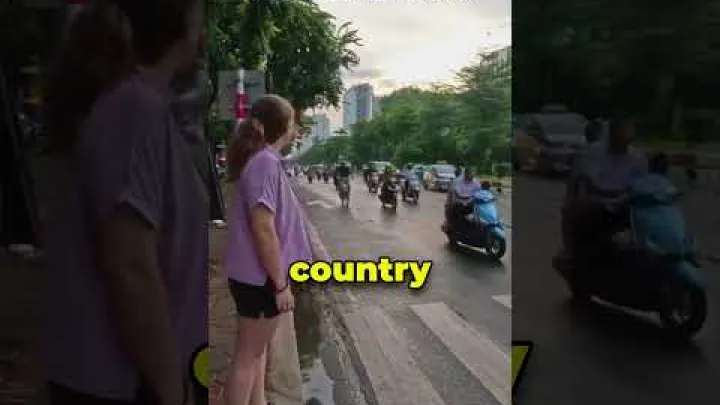
A common approach is to wait for a small gap in traffic, then walk at a steady, calm pace across the street without sudden stops or jumps backward. Drivers are used to adjusting their path to pedestrians who move predictably. Making light eye contact with approaching drivers, avoiding running, and not using your phone while crossing all improve safety. When possible, cross at intersections or where other pedestrians are crossing.
As mentioned earlier, Train Street has attracted many visitors, but safety rules there are particularly important. Never stand on the tracks when trains are approaching, follow all official barriers or signs, and respect instructions from local authorities or railway staff. Enjoying a view from a safe distance is preferable to taking a risky photo.
Staying respectful in residential alleys and religious sites is also important. Keep noise low at night near homes, avoid blocking narrow passages with large groups, and ask permission before photographing individuals in close-up. In temples and communal houses, move slowly, do not touch statues or offerings, and follow local customs such as removing shoes if others do so.
Money, bargaining, and responsible shopping
The currency in Vietnam is the Vietnamese dong (VND), and cash is widely used in the Old Quarter for small purchases, street food, and market shopping. Banknotes come in several denominations, and some can look similar, so it is wise to check values carefully when paying or receiving change. Larger hotels, some restaurants, and modern shops accept cards, but many smaller businesses do not.
When shopping at markets or small independent stalls, bargaining is usually expected. However, bargaining customs differ by type of business. For example, you may negotiate on souvenirs, clothing, or handicrafts, but less so in fixed-price convenience stores or established cafés. A polite approach is to ask the price, offer a lower but reasonable counteroffer, and adjust until both sides are comfortable. If you cannot agree, a simple smile and “no thank you” is enough.
Responsible shopping in the Hanoi Old Quarter Vietnam means choosing items that support local craftspeople and avoiding products that may be prohibited, such as those made from endangered wildlife. Buying from small workshops with clear information about their products can help maintain traditional skills. If you are unsure about the origin of a product, you can ask basic questions such as where it was made and how. Many shop owners are happy to explain their work and show you how items are produced.
Frequently Asked Questions
What is the Hanoi Old Quarter and why is it famous?
Hanoi Old Quarter is the historic commercial and residential heart of Vietnam’s capital, known for its narrow “36 streets,” markets, temples, and tube houses. It is famous because it has been a trading hub for over 1,000 years and still shows layers of Vietnamese, Chinese, and French influence. Visitors come for its food, street life, traditional crafts, and well-preserved guild streets. It is also the most popular base for exploring central Hanoi.
Where is the Old Quarter in Hanoi and how do I get there from the airport?
The Old Quarter lies just north of Hoan Kiem Lake in central Hanoi. From Noi Bai International Airport you can take bus 86 (about 60–80 minutes) or a taxi or Grab car (about 30–45 minutes depending on traffic). Most drivers know “Hoan Kiem” or “Old Quarter,” so showing your hotel address on a map is usually enough. Prices by car are typically 200,000–300,000 VND one way.
What are the best things to do in Hanoi Old Quarter for first-time visitors?
The best activities include walking the 36 streets, visiting Hoan Kiem Lake and Ngoc Son Temple, and exploring historic houses and guild temples. You should also try street food such as pho, bun cha, and egg coffee, and watch a water puppet show near the lake. Many visitors enjoy shopping on Hang Gai for silk and at Dong Xuan Market for local products. In the evening, Beer Street and the weekend night market provide lively nightlife and people-watching.
Is Hanoi Old Quarter safe at night for tourists?
Hanoi Old Quarter is generally safe at night, with low levels of violent crime. The main risks are pickpocketing in crowded streets, especially around Beer Street and night markets. Keep valuables secure, avoid showing large amounts of cash, and use licensed taxis or ride-hailing apps. Most visitors walk and eat out late without problems when they follow basic precautions.
Where should I stay in Hanoi Old Quarter and how much do hotels cost?
Many travelers prefer to stay near Hoan Kiem Lake or on quieter side streets inside the Old Quarter for easy walking access. You can choose from budget hostels, mid-range boutique hotels, and a few higher-end properties in renovated tube houses. Typical prices range from about US$10–20 per night for dorm beds, US$30–60 for good mid-range rooms, and US$70–120 for upscale boutique hotels. Check recent reviews for noise levels, cleanliness, and tour services.
How many streets are in Hanoi Old Quarter and what does “36 streets” mean?
The phrase “36 streets” is a traditional name and does not reflect the exact number of streets today, which is higher. Historically it referred to a network of guild streets, many named “Hang + product,” that specialized in specific trades. The number 36 became a symbolic way to describe the whole commercial district rather than a precise count. Modern maps show more than 70 streets in and around the Old Quarter.
When is the best time of year to visit Hanoi Old Quarter?
The best time to visit Hanoi Old Quarter is usually in autumn (September–November) and spring (February–April). During these months temperatures are milder, roughly 15–30°C, and humidity is lower than in summer. Winter can be cool and cloudy but comfortable for walking, while summer is hot and humid with frequent rain. For outdoor walks and photography, October and early November are especially pleasant.
How many days do I need to explore Hanoi Old Quarter properly?
Most visitors need 2–3 full days to explore Hanoi Old Quarter comfortably. One day lets you see the main streets, Hoan Kiem Lake, and some food spots, but you may feel rushed. With two or three days you can add museums, a water puppet show, side trips to nearby attractions, and some relaxed shopping or café time. Travelers using Hanoi as a base for Ha Long Bay or Ninh Binh often stay longer and return to the Old Quarter between tours.
Conclusion and next steps
Key takeaways about the Vietnam Old Quarter
The Vietnam Old Quarter is a compact district where Hanoi’s history, architecture, and daily life meet in a dense network of streets. Guild traditions, tube houses, temples, and markets give the area a distinct character, while modern cafés and hotels make it comfortable for contemporary travelers. Food, shopping, and walkable access to major landmarks all contribute to its enduring appeal.
Understanding how its 36 streets emerged, where key boundaries lie, and how to navigate customs around food, traffic, and religious sites makes a visit smoother and more rewarding. With this background, travelers can move confidently between historic alleys, lakeside paths, and nearby destinations.
How to plan your Hanoi Old Quarter visit from here
Planning a trip to the Hanoi Old Quarter Vietnam can follow a simple sequence. First, choose your travel dates with climate and crowd levels in mind, aiming for spring or autumn if you prefer milder weather. Next, select accommodation that matches your budget and noise tolerance, checking location and reviews carefully. After that, outline daily activities that balance walking tours, food experiences, and time to rest, adjusting for your pace.
Whether you come as a tourist, a student, or a remote worker, the information in this guide can be adapted to your situation. You can stay one or two nights before heading to Ha Long Bay or Ninh Binh, or base yourself in the Old Quarter for a longer period while you explore Hanoi more deeply. By combining practical knowledge with openness to the district’s changing rhythms, you can make the most of your time in this historic part of the city.
Select area
Create a post
Posting is free and no registration is required.