- Tay Son Heaven and Earth Esplanade: Historic Shrine in Quy Nhon
- Quang Trung Museum: Tay Sơn History & Culture in Quy Nhon
- Banh It Cham Towers: Ancient Heritage & Photography in Quy Nhon
- The Thon Beach in Cat Tien: Clean Shores & Affordable Watersports
- Linh Phong Pagoda in Quy Nhon: The Sacred Mountain Temple
Vietnam Itinerary: Practical Trip Plans for 5, 7, 10, and 14 Days

A Vietnam itinerary can feel simple until you start comparing regions, transfer times, and weather differences across the country. This guide gives practical Vietnam travel itinerary options for 5, 7, 10, and 14 days, with realistic pacing and clear logistics. You will also find transport comparisons, what to book early, and how to build buffer time so delays and rain do not break your plan. Use it as a modular “itinerary Vietnam” builder: pick a trip length, choose one to three regions, then customize with swaps that match your energy level.
How to Choose the Right Vietnam Itinerary
Choosing the right Vietnam trip itinerary is mostly about trade-offs: more places means more transit, while fewer bases usually means deeper experiences and better rest. Vietnam’s north, central, and south can each support an entire trip, so you do not need to “see it all” to have a complete experience. Start by deciding how many hotel changes you can tolerate, how early you can realistically travel, and which experiences you will be most disappointed to miss. The sections below help you turn those preferences into a route direction, a night-by-night structure, and a booking plan that protects your best sightseeing hours.

Start with your goals, pace, and must-see list
A strong Vietnam itinerary begins with a clear purpose. Write one sentence that describes your trip goal, then list 3–5 non-negotiables (for example: “one bay cruise day,” “one heritage town,” “one mountain day,” “two street food evenings”). Keep a second list of 3–5 nice-to-haves you can drop if transfers, weather, or fatigue become an issue. This simple step makes later decisions (flights, bases, and day tours) much easier and helps avoid a packed Vietnam travel itinerary that feels like constant check-ins.
Set your pace by choosing a maximum number of hotel changes. For many travelers, a comfortable rhythm is one base for 5 days, two bases for 7 days, three bases for 10 days, and three to four bases for two weeks. If you are building an itinerary Vietnam plan with family members, older relatives, or remote work days, reduce moves first and shorten day tours second. Keyword searches use many variants (Vietnam trip itinerary, Vietnam travel itinerary, itinerary Vietnam), but the practical decision is the same: pick the few experiences you want most, then build the simplest route that supports them.
Use this quick decision tree to pick a trip length and pace:
- Do you have 5–6 days? Choose one region with one base and day trips.
- Do you have 7–8 days? Choose one region deep, or two regions with one internal flight and only one hotel change.
- Do you have 9–11 days? Choose three bases, but keep at least 2–3 nights per base.
- Do you have 12–16 days? Choose three to four bases and add buffer half-days for weather and delays.
Example: two travelers with the same 7 days can build different routes. A food-focused traveler might stay in one city base and add cooking classes and market mornings, while a nature-focused traveler might keep the same base but spend two full days on nearby countryside or water activities. The days do not change, but the plan feels completely different because priorities are different.
Choose regions that match your interests
The north often appeals to travelers who enjoy cooler-season city walks, mountain scenery, and layered cultural sites, while the central region is commonly chosen for a blend of beaches and heritage towns. These are broad patterns rather than promises, so it helps to stay flexible and choose experiences that can work even if conditions change.

For first-time visitors, focusing on one region reduces transit time and makes the trip easier to manage. Repeat visitors often enjoy a more specialized plan, such as returning to one area for deeper food exploration, slower coastal time, or a multi-day outdoor route. Travel time is often the biggest hidden cost in short itineraries: airport transfers, check-in windows, and recovery time can quietly replace sightseeing hours. If you are unsure, choose fewer bases and add variety through day trips instead of long jumps.
| Interest | Suggested region focus | Works best with trip lengths |
|---|---|---|
| Street food and city culture | Hanoi area or Ho Chi Minh City area as a main base | 5–10 days |
| Beaches and relaxed days | Central coast or southern islands as a base | 7–14 days |
| Hiking and mountain scenery | Northern highlands or central highlands add-on | 7–14 days |
| History and heritage sites | Major cities plus a central heritage stop | 7–14 days |
Accessibility and mobility considerations can change the best choice. City-based itineraries often allow shorter daily transfers and easier access to medical services, while mountain or island trips can involve stairs, uneven paths, and longer travel days. If you prefer minimal walking, focus on one base with guided day trips that offer vehicle support and clear pickup points.
Decide on route direction and trip logistics early
Once you know your regions, decide how you will move between them. A one-city hub (one base, many day trips) is simple and reduces packing. A point-to-point route (for example, north to central to south) adds variety but requires more check-ins and careful transfer planning. Open-jaw flights (arrive in one city and depart from another) can reduce backtracking, especially for 10- and 14-day trips, but they are not required for a good Vietnam itinerary.
Booking order matters because some items shape everything else. A practical sequence is: book international flights first, then internal flights or long-distance trains, then accommodation, then tours that have limited capacity or fixed start times. Build buffer time around big connections, especially when combining a flight plus a tour on the same day. Route direction also affects fatigue: some travelers like to start with a city “orientation” phase before outdoor days, while others prefer to begin with nature and end with easier city logistics and shopping.
Sample planning timeline (copyable) for a typical leisure trip:
- 8–12 weeks out: choose trip length, pick 2–4 bases, confirm entry requirements, book international flights.
- 6–10 weeks out: book key long-distance transport (internal flights, popular trains), reserve “anchor” hotels for each base.
- 4–8 weeks out: shortlist tours with fixed capacity (cruises, multi-day treks), confirm cancellation policies.
- 2–4 weeks out: fill in day-by-day activities, add one wildcard day, plan laundry and rest blocks.
- Final week: re-check weather forecasts, reconfirm pickup details, download offline maps, organize documents.
Mini checklist: loop route vs one-way route.
- If your international flights are fixed to one city, a loop may be easier, but keep it compact.
- If you can choose flights, a one-way route reduces repeated transfers and may protect rest time.
- If you dislike flying, choose a route with fewer long jumps and more multi-night stays near rail lines.
- If traveling with kids, prioritize fewer hotel changes over adding “one more stop.”
When to Visit Vietnam and How Weather Affects Your Route
Instead of planning one fixed schedule, it is safer to plan “activity types” that can be swapped: city walking and museums, water activities, and outdoor hikes. This approach reduces stress if visibility is lower than expected for scenic viewpoints, sea conditions change, or heavy rain affects rural roads. Close to departure, check recent forecasts and local advisories, then adjust day tours and transfers while you still have flexibility.

In practice, the best season for your Vietnam itinerary depends on where you will spend most of your time and which activities are non-negotiable. Many travelers plan a route that includes at least one major city, one outdoor experience, and one slower recovery day so they can adapt to heat or rain without losing the trip’s highlights. The sections below focus on practical packing, crowd and pricing pressure, and how to pair each outdoor plan with an indoor backup.
Understand that conditions vary by region
Vietnam stretches across multiple climate zones, so the north, central, and south can feel like different trips on the same dates. A northern plan may require layers in the evenings while a southern beach stay might feel hot and humid, and the central coast can shift quickly with wind and rainfall. Because of this, it helps to group activities by flexibility: city exploration is often easier to adjust than a fixed boat departure or a long hiking day. A weather-aware Vietnam itinerary keeps at least one “moveable” day in each base.

Practical packing is easier when you think by region and by activity rather than by month. If you plan a mix of city, countryside, and water time, bring clothing that can handle light rain and drying time, plus footwear that is safe on wet surfaces. Keep your day bag prepared with basic rain protection and a spare layer so you can continue sightseeing comfortably when conditions change.
Region-by-region packing list (adapt based on forecast):
- North: light jacket or warm layer for evenings, closed-toe walking shoes, a compact rain layer.
- Central: breathable clothes, sun protection, a rain layer, footwear with grip for wet streets.
- South: lightweight clothing, hydration support, sun protection, sandals plus one walking shoe option.
- Nationwide: a small dry bag or waterproof pouch for documents, and a simple first-aid kit for blisters.
If heavy rain affects outdoor activities, swap in museums, cafes, covered markets, craft workshops, and food-focused neighborhoods. If heat is the main issue, move walking time to early morning, plan an indoor midday block, and keep evenings free for relaxed street food rather than long tours.
Peak periods, pricing pressure, and crowd management
Popular travel weeks, school breaks, and national holidays can increase demand for flights, trains, and hotels, which often leads to fewer choices and higher pricing pressure. Even without knowing exact dates, you can plan for peak behavior by booking your “non-negotiables” earlier and keeping optional items flexible. For example, reserve key transport and your first nights of accommodation, then decide on smaller day tours after you have a clearer forecast and energy level. If you expect a busy period, prioritize bookings that can be changed, and read cancellation rules carefully.

Crowds do not have to ruin a Vietnam travel itinerary, but they can change the best time of day for famous stops. Earlier starts can reduce queues at museums and popular viewpoints, while evening walks and late dinners can feel calmer in busy neighborhoods. In beach areas, choosing a slightly quieter stretch of coastline or staying a little outside the busiest center can improve sleep and reduce day-to-day stress. In nature areas, select trails or viewpoints with guided access limits, and be realistic about travel time on weekends.
Crowd-avoidance tactics by trip style:
- Cities: visit top sites at opening time, book skip-the-line options when available, and group nearby stops to reduce time in traffic.
- Beaches: start water activities early, keep midday for rest, and plan one alternative beach day in case sea conditions change.
- Nature areas: choose smaller group tours, avoid stacking multiple long day trips back-to-back, and keep one buffer half-day.
To avoid over-committing to “one-day too many” activities, watch for warning signs: three or more paid tours in a row, two long transfers in consecutive days, or no free evenings at all. If you see these signs, remove the farthest excursion first and replace it with a neighborhood day and early night.
Match seasons to activity choices
Weather can influence visibility for scenic views, sea conditions for cruises, and comfort for long outdoor days. Instead of committing to one fixed outdoor plan, pair each major activity with a backup that still fits your interests. For example, a cruise day can have a museum-and-food alternative, and a mountain viewpoint plan can have a craft village or cafe route. This approach is especially useful for short itineraries where losing one key day can affect the whole trip.

Comfort and accessibility matter as much as the forecast. If you are sensitive to heat, prioritize early mornings, shaded walks, and indoor midday breaks. If you dislike rain, keep outdoor activities clustered into one or two days with flexible booking, and choose accommodations that make it easy to rest if conditions feel uncomfortable. For travelers with mobility limits, select tours that clearly state walking distance, stairs, and vehicle access, and confirm whether pickup and drop-off is door-to-door.
Plan A / Plan B pairings (by region focus):
- North: Plan A trekking or viewpoint day; Plan B museums, covered markets, and a cooking class.
- Central: Plan A beach or boat time; Plan B heritage sites, tailor or craft workshops, and cafes.
- South: Plan A river or countryside day; Plan B indoor attractions, local food tour, and shopping streets.
Sea conditions and visibility can change quickly, so treat water-based plans as “best-effort.” Build in rest time to avoid midday fatigue: a short hotel break can improve your evening energy for food, night markets, and relaxed walks.
Before You Go: Documents, Money, Connectivity, and Safety Basics
A well-built Vietnam itinerary is easier to enjoy when your basics are organized: entry documents, insurance, payment access, and a simple connectivity plan. These items are often overlooked because they feel administrative, but they reduce the risk of losing a day to avoidable problems. For international travelers, preparation also improves flexibility: you can change plans due to weather, book transport quickly, and contact accommodation without stress. The goal is not to over-plan, but to cover the essentials so your daily schedule stays realistic and calm.
The sections below provide checklists you can copy into your notes app, plus practical “day one” steps for arrival. Because requirements can change, confirm official rules close to departure and follow airline instructions for check-in documentation. If you are combining Vietnam with neighboring countries, plan border timing and flight buffers carefully so you do not create same-day connection pressure.
Entry documents and travel insurance planning
Many travelers keep a simple folder that includes passport details, accommodation addresses, and onward travel information where relevant. It also helps to store key details offline (not only in email) in case you cannot access your accounts during transit. If you will cross borders to nearby countries, check whether you need separate visas and how long border procedures can take.

Travel insurance is a planning tool as much as a safety tool. A typical policy consideration list includes medical coverage, emergency transport, trip delay, theft protection, and coverage for specific activities you plan to do. Read the definitions carefully, especially for motorbike riding, trekking, or water activities, and keep policy numbers and contact methods accessible. If you plan a multi-country itinerary, confirm whether your policy covers all destinations and whether the start date must match your first flight.
Printable-style checklist (copy into notes):
- Passport validity checked and consistent name spelling across bookings
- Visa or entry approval (if required), plus printed or offline copy
- Accommodation addresses and phone numbers for the first nights
- Proof of onward travel (if relevant to your entry situation)
- Insurance policy number, emergency contact methods, and coverage summary
- Two copies of passport photo page (digital and paper)
- Emergency contacts and any medical notes (allergies, prescriptions)
If documents are lost, contact your embassy or consulate and your airline as soon as possible. Having a scanned passport copy, a passport-style photo, your travel insurance details, and a list of recent accommodation addresses can speed up replacement steps. Also report theft to local authorities if you need a formal report for insurance claims.
Budgeting, cash, and payment habits
A useful trip budget separates predictable costs from flexible daily spending. Predictable categories often include accommodation, long-distance transport, and major tours. Flexible categories include local rides, food, snacks, entrance fees, tips, and small shopping. ATM fees and currency conversion costs can also add up, so plan a buffer and avoid withdrawing too often in small amounts. Costs fluctuate by season and city, so it is safer to plan ranges rather than fixed numbers.

In many places you can use a mix of cards and cash, but acceptance varies by location and business type. Larger hotels and some restaurants may accept cards, while small eateries, markets, and local transport often prefer cash. Build a daily buffer for surprises such as weather-related changes, a last-minute driver, or an extra museum visit. If you notice your itinerary is overloaded with paid tours, you may overspend and feel rushed, so consider swapping one tour day for a self-guided neighborhood day.
| Category | Notes | Your estimate (range) |
|---|---|---|
| Accommodation | Include taxes and breakfast if relevant | ____ to ____ per night |
| Long-distance transport | Flights, trains, or buses between bases | ____ to ____ total |
| Local transport | Rides, transfers, and short trips | ____ to ____ per day |
| Food and drinks | Street food, cafes, and restaurants | ____ to ____ per day |
| Activities and entrance fees | Tours, museums, experiences | ____ to ____ total |
| Buffer | Unexpected changes and small emergencies | ____ to ____ total |
To control spending without reducing enjoyment, pick one “signature” paid experience per base (for example, a cruise day or a cooking class), then keep the rest flexible. Free evenings and market walks often become trip highlights and can balance a tour-heavy schedule.
Connectivity, apps, and everyday safety habits
Staying connected supports navigation, translation, and transport bookings, especially when you are moving between bases. Common options include buying a local SIM after arrival, using an eSIM, renting a portable Wi-Fi device, or relying on hotel Wi-Fi. The best choice depends on how often you will travel and whether you need stable data for remote work. Before departure, download offline maps and save key addresses in your notes app so you can reach your accommodation even if the network is slow.

Everyday safety is mostly about habits: keep valuables secure, be cautious with phones in crowded areas, and use reputable transport options. When visiting religious sites, dress respectfully and keep voices low; in family neighborhoods, avoid blocking doorways and ask before photographing people. If you plan to use ride booking services, confirm the pickup point carefully, check the license plate, and keep your accommodation address available in local script when possible.
Tech essentials packing list:
- Universal power adapter (confirm your device plugs before you travel)
- Charging cables, plus one spare cable
- Portable battery pack and a small wall charger
- Offline copies of bookings and ID scans (stored securely)
- Translation app and offline maps downloaded
Day one setup checklist (arrival):
- Withdraw cash or exchange a small amount, then store it in two places
- Activate SIM/eSIM and test data before leaving the airport area
- Save your first accommodation address and a map pin offline
- Arrange safe transport to your lodging (official taxi stand, pre-booked car, or a reputable ride booking)
- Eat an easy first meal and keep the first evening light to reduce fatigue
Getting Around Vietnam: Transport Options and Time-Saving Planning
Transport decisions shape the comfort of your Vietnam itinerary more than most travelers expect. Two plans can look similar on paper, but feel completely different depending on how early you depart, how far stations are from your hotel, and whether you arrive with time to eat and rest. Instead of focusing only on scheduled duration, plan for door-to-door time, including traffic, check-in, and the time needed to recover after long rides. This is especially important for 7-day and 10-day routes, where one long transfer can replace a full sightseeing block.

The best transport mix depends on your route, budget, motion tolerance, and how many days you have. Private transfers can simplify complex day trips and reduce uncertainty, especially for families. The sections below compare options, show how to avoid transit fatigue, and explain what to book early versus on arrival.
Compare flights, trains, buses, and private transfers
Each transport option has trade-offs between speed, comfort, cost, and flexibility. Flights are often used for long distances or when a short itinerary needs to protect sightseeing time. Trains can be a practical option for travelers who prefer a grounded pace and do not mind longer travel windows, and some routes allow overnight segments that can reduce daytime loss. Buses range from basic to more comfortable services depending on operator and route, and they can be useful for shorter hops where airports are not efficient.

Private transfers are most useful when you want door-to-door simplicity, are traveling with luggage and family members, or need to connect rural areas with limited schedules. Regardless of transport type, confirm luggage rules, station or airport location, and what your ticket includes. For accessibility and comfort, consider stairs at stations, overnight noise and light on sleeper services, and motion sensitivity on winding mountain roads. If you are prone to fatigue, plan a lighter day after an overnight trip.
| Option | Best use case | Pros | Cons | Planning notes |
|---|---|---|---|---|
| Flight | Long jumps between far regions | Time-saving for cross-country routes | Airport transfers and check-in time | Plan door-to-door time and baggage limits |
| Train | City-to-city routes with stations near centers | Scenery and fewer airport steps | Longer schedules; sleepers vary | Choose seat/berth type and arrive early |
| Bus | Short to medium hops, budget travel | Many departure times on some corridors | Comfort and reliability can vary | Confirm pickup point and luggage handling |
| Private transfer | Families, complex rural routes, comfort priority | Door-to-door simplicity | Typically higher cost than shared options | Confirm inclusions, stops, and waiting time |
Avoid transit fatigue and protect your best sightseeing hours
Transit fatigue is the tiredness that builds when your trip includes frequent packing, early departures, long rides, and repeated check-ins. It is common in multi-stop Vietnam itineraries because travel days often include hidden work: finding the pickup point, waiting, arriving, and re-orienting in a new neighborhood. Even when transit is smooth, you may lose your best sightseeing hours (morning energy and daylight) if you schedule transfers too often. The simplest fix is to stay longer in each base and turn “extra destinations” into day trips when possible.

Rules of thumb help keep a Vietnam itinerary realistic. Avoid back-to-back travel days, start with a gentle first day after arrival, and add a recovery block after an overnight train or late-night flight. Staying multiple nights in one base also reduces daily commuting because you can choose experiences close to each other. When you do plan a day tour, group activities in the same area instead of crossing the city repeatedly.
Example of a “good” day vs an “overpacked” day:
- Good day: morning market walk, afternoon museum or cafe block, early evening food street, optional night stroll.
- Overpacked day: sunrise departure, two far day trips, multiple timed tickets, late-night transfer to the next hotel.
Signs your itinerary is too tight and how to fix it:
- You have no free evenings: remove one tour and keep one evening open per base.
- You change hotels every 1 night: merge two stops and do the farther one as a day trip.
- You rely on perfect connections: add a buffer half-day and avoid same-day flight-to-tour stacking.
- You feel anxious reading your plan: reduce the number of “must-do” items to one per day.
What to book in advance versus on arrival
Some bookings are high impact because they shape the entire route. Key flights and popular long-distance trains can limit your options if you wait, especially during busy periods. Hotels with specific location needs (near a station, quiet for sleep, or suitable for families) are also easier to secure earlier. Limited-capacity experiences, such as certain cruises or small-group multi-day tours, often benefit from advance booking because they may not have last-minute availability.

Other parts of a Vietnam trip itinerary can remain flexible. Many travelers decide on food tours, museums, and casual day trips after arriving, especially if they want to match plans to weather and energy. To keep flexibility, look for refundable bookings when possible, keep one wildcard day, and choose tours with clear cancellation terms. Before paying any operator, verify what is included, where pickup happens, and whether the schedule matches your pace.
| Booking priority | High impact examples | Low impact examples |
|---|---|---|
| Timing and availability | International and internal flights; high-demand trains; key hotels | Local museums; casual walking routes; flexible cafe days |
| Trip quality | Signature tours with limited capacity; special room types | Last-minute street food stops; small shopping visits |
Questions to ask before booking a tour:
- What is the exact pickup time window and meeting point?
- How many people are in the group, and what language is used?
- What is included (meals, entrance fees, boat tickets), and what is extra?
- What is the cancellation policy, and how are weather changes handled?
- How much walking or stairs are involved, and is there vehicle support?
Vietnam Itinerary for 5 Days: Focus on One Region
A 5-day Vietnam itinerary works best when you choose one region and treat one city or area as a base. With only a few full days, a full-country overview becomes transit-heavy and can feel rushed. A single-base approach protects time for food, neighborhoods, and one well-chosen day trip, which often creates a more memorable trip than constant moving. This style also fits travelers who want a predictable routine, such as families, first-time international travelers, or visitors adding a short holiday to a business trip.
In the sections below, you will find who this plan fits, a sample Vietnam 5 days itinerary structure using time blocks (morning, afternoon, evening), and a menu of swaps for beaches, mountains, or more city time. Usable days depend on flight timing, so consider whether you arrive late on day one or depart early on day five. Small adjustments to the first and last day can make the week feel much more relaxed.
Who this 5-day Vietnam itinerary fits best
Five days is ideal for travelers who want one hub, minimal logistics, and a clear rhythm. It is a strong fit for a short holiday, a stopover, an extension after meetings, or a first-time international trip where simplicity matters. Instead of trying to combine distant regions, you can build a satisfying Vietnam itinerary around one city plus nearby areas reachable as day trips. This reduces packing and allows more time for local food, museums, and evening walks.
The trade-off is that you will not see the full north-to-south range, and that is normal for a Vietnam 5 days itinerary. You will get more depth by choosing one region and committing to it: two to three city-focused days, one day trip, and one flexible day for weather or rest. Arrival and departure timing matters a lot: a late arrival can turn “day one” into an evening only, and an early flight on day five can reduce the final day to a simple breakfast and transfer.
Checklist: city-first vs nature-first.
- Choose city-first if you want museums, cafes, markets, and easy logistics after travel.
- Choose nature-first if you want an early outdoor highlight and prefer to end with easier city days.
- If you are sensitive to heat, plan outdoor time early and keep midday flexible.
- If you are traveling with kids or older family members, reduce walking and avoid back-to-back long day tours.
Sample 5-day plan with a single base and day trips
This sample structure works with a single base such as The goal is to keep the plan realistic by using broad time blocks rather than tight times. You will have two full sightseeing days, one day trip to a nearby area, and a flexible final day that can absorb weather changes. Keep evenings lighter than mornings so you have energy for food and relaxed exploration.
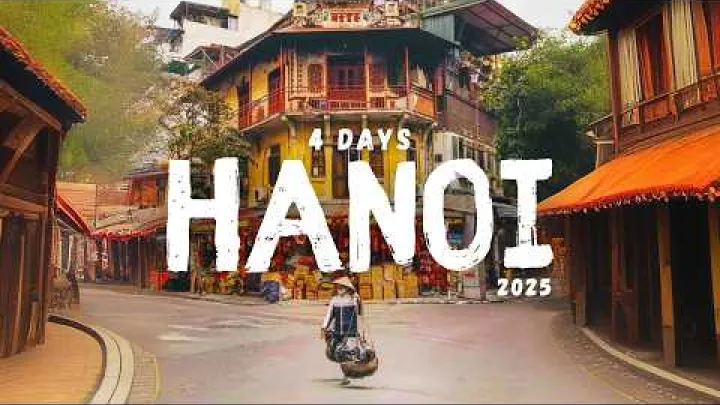
Sample schedule (single base):
- Day 1 (arrival): afternoon check-in and neighborhood orientation; evening easy meal close to your lodging.
- Day 2 (city highlights): morning landmark or museum; afternoon market and cafe block; evening street food route.
- Day 3 (day trip): morning departure; afternoon main activity (nature, countryside, or history); evening rest.
- Day 4 (city depth): morning neighborhood walk; afternoon cooking class or craft experience; evening free.
- Day 5 (flex and depart): morning souvenir shopping or park walk; afternoon buffer for delayed transport; evening departure if applicable.
Optional “rain plan” version keeps the same structure but swaps outdoor blocks: replace long walks with museums, covered markets, cafes, and indoor workshops. If rain is heavy on the day trip, move the day trip to day five (if your flight timing allows) and use day three as an indoor city day.
| Possible day trip type | Best for | Planning note |
|---|---|---|
| Countryside and villages | Food, local crafts, slower pace | Confirm pickup time and travel duration |
| Nature area | Views, light hiking, photography | Bring rain layer and footwear with grip |
| History-focused site | Museums, memorials, heritage | Check opening days and dress guidance |
Upgrades and swaps: beaches, mountains, or more city time
The easiest way to upgrade a 5-day Vietnam itinerary is not by adding more destinations, but by swapping one day’s focus. If you feel tired, replace a day trip with a slower city day: spa time, a longer lunch, a museum you can do at your own pace, and an early night. If you want a beach feel, choose a coastal base from the start so you are not spending half the trip transferring. If you want mountains, choose a highland base or plan one guided excursion that does not require moving hotels.
Travelers with kids or older family members usually benefit from fewer moves and shorter transfers, even if it means skipping one “famous” stop. Match swaps to season and energy level: on very hot days, plan early outdoor time and keep afternoons indoors. If you arrive on a red-eye flight, treat day one as a recovery day and move your biggest activity to day two. If you leave on an early flight, keep the final evening near your lodging and pack before dinner.
Swap menu (mix and match):
- Swap a day trip for: one neighborhood day + one special meal reservation.
- Swap a museum-heavy day for: cafe hopping + covered market + short riverfront walk.
- Swap a long walking day for: guided city tour by car + one indoor attraction.
- Swap late-night plans for: early morning photography walk + midday rest.
Tip for early departures: confirm airport transfer options the day before and keep a small amount of cash accessible for quick payment. Tip for late arrivals: pre-save your hotel address offline and keep the first meal simple and close by.
Vietnam Itinerary for 7 Days: A Balanced First Trip
A 7-day Vietnam itinerary is long enough to feel complete, but short enough that transfers can quickly dominate the schedule if you add too many stops. The best week-long routes either go deep in one region with several day trips or connect two regions with one efficient flight and limited hotel changes. Both approaches can work well if you keep expectations realistic and prioritize one signature experience instead of trying to cover every highlight. A balanced plan also includes at least one lighter half-day to handle weather changes and travel fatigue.
This section gives two planning models, a modular sample week with themes, and a troubleshooting method to fix common mistakes. It is designed to work whether you start in the north or the south, so you can adapt it to your flight availability. If you are packing for one week, plan for laundry once or bring quick-drying clothing, which can reduce luggage size and make transfers easier.
Two proven 7-day approaches: one region deep or two regions light
Model A is “one region deep”: choose one base (or two nearby bases) and focus on neighborhoods, food, and two day trips. This is often the lowest-stress way to build a Vietnam itinerary 7 days long because it reduces check-ins and protects evenings for relaxed exploration. Model B is “two regions light”: choose two bases in different regions and connect them with one internal flight, staying at least three nights in each base. This model offers variety while keeping hotel changes limited.

To describe routes without a map, think in simple arrows. A south-to-central week might look like: Ho Chi Minh City → (day trip) → Da Nang/Hoi An area → depart. Choosing airports that match your start and finish reduces backtracking; if possible, arrive in one city and depart from another. If your flights must return to the same city, keep the second region closer and avoid adding a third base.
Choosing airports and minimizing backtracking:
- Pick your “anchor” city based on flights, then choose one additional region that connects with a single direct transfer.
- Avoid routes that require returning to the same hub twice in one week.
- Prefer 3-night stays over 2-night stays when you include an internal flight.
Sample 7-day plan with culture, food, and nature
This sample week uses themes so you can swap locations depending on whether you start in the north or south. Keep one half-day flexible and treat it as a buffer for delays, rest, or weather changes. Each day includes a core idea plus optional add-ons, so you can match your energy and budget. If you prefer fewer guided experiences, replace one tour day with a self-guided neighborhood day.

Sample 7-day outline:
- Day 1: arrival and easy neighborhood orientation; optional short night market visit.
- Day 2: old town and landmarks; optional museum or cultural show in the evening.
- Day 3: street food focus; optional cooking class or coffee tasting.
- Day 4: signature nature day (cruise, countryside, or park); keep evening free.
- Day 5: transfer day (if using two regions) plus a light walk near the new hotel.
- Day 6: countryside or beach day; optional cycling, water activity, or craft village.
- Day 7: market morning, souvenir time, buffer for departure.
Fast vs slow version:
- Fast: two regions with one flight and one major day tour; keep days 2–4 packed, day 6 lighter.
- Slow: one region only; replace the transfer day with a second flexible neighborhood day and longer meals.
Packing and laundry tip: for one week, plan to wash clothes once (either via hotel service or a local laundry) and pack quick-drying basics. This reduces luggage weight and makes short transfers much easier.
Common mistakes in 7-day Vietnam itineraries and how to avoid them
The most common mistake is adding too many cities. A week can support one region deeply or two regions lightly, but three regions usually means constant transit. Another issue is unrealistic day trips: long drives plus a full activity day can look fine online but often feels exhausting on the ground. Ignoring transfer time is also common; even when the ride is short, check-in and orientation still take energy.

To fix an overpacked plan, use a simple reduction method. First remove the farthest stop, because distance creates the biggest time loss. Then reduce one paid tour and replace it with a self-guided neighborhood day, which also helps your budget. Finally, add one free evening for rest, laundry, or spontaneous finds. Keep flexibility for weather by deciding which day in the week can be swapped without affecting bookings.
Troubleshooting checklist:
- Do you have more than two hotel changes? Merge stops or drop one region.
- Do you have two long tours back-to-back? Keep only one and make the other a local half-day.
- Do you have no buffer time? Add one half-day with no fixed tickets.
- Are you guided every day? Mix guided days with self-guided walks to reduce fatigue.
Balancing guided and self-guided exploration often improves the trip: use guided tours for complex logistics (rural routes, boats) and keep city neighborhoods for self-paced discovery.
Vietnam Itinerary for 10 Days: The Classic North-to-South or South-to-North Route
A 10-day Vietnam itinerary is a classic length for seeing variety without feeling like every day is a transfer. Many travelers structure 10 days around two major cities plus one central stop, then add one signature nature experience as a day tour or overnight. This approach supports cultural sites, food, and a change of scenery while keeping the number of hotel changes manageable. The key is to allocate nights first, then fill activities, rather than adding destinations and hoping the schedule will work.
This section explains how to structure a 10 day Vietnam itinerary without rushing, provides a sample plan with three bases, and offers customization ideas for beaches, mountains, heritage, and remote work days. If you prefer fewer flights, you can still create a strong route by choosing closer bases and staying longer in each place. Small adjustments like a late-arrival buffer and one free evening per base often make the difference between “busy” and “comfortable.”
How to structure a 10-day Vietnam trip without rushing
A practical structure for Vietnam itinerary 10 days long is: Base 1 (major city) → Base 2 (central or scenic stop) → Base 3 (major city), with one signature nature add-on. You can run this north-to-south or south-to-north depending on flights and preferences. The biggest decision is whether to add more destinations or add more depth. In most cases, depth wins: one extra night in a base often improves the trip more than adding a one-night stop that creates another packing cycle.

Night allocation guideline (adjust for flights and energy):
- Comfort-focused: 4 / 3 / 3 nights across three bases, with one buffer half-day.
- Balanced: 3 / 4 / 3 nights if the middle base includes a key experience.
- More variety (higher fatigue): 3 / 3 / 3 nights plus one overnight excursion, but only if transfers are efficient.
Open-jaw flights are an option to reduce backtracking (arrive in one city, depart from another), but they are not required. If you dislike internal flights, simplify by focusing on two bases connected by train or a shorter overland segment, then add day trips for variety. In many cases, “two bases plus excellent day trips” is a calmer 10 day Vietnam itinerary than trying to include four or five stops.
Sample 10-day itinerary with three bases and one major day tour
This sample uses three common base areas as examples: Hanoi, a central base such as Da Nang or Hoi An area, and Ho Chi Minh City. You can reverse the direction, and you can swap similar bases if you prefer a different city. The plan includes one major day tour, plus lighter half-day themes that keep the trip enjoyable even if you arrive late or feel tired. Keep one free evening per base for laundry, a slow meal, and unplanned discoveries.

Day-by-day outline (three bases):
- Day 1: arrive in Base 1; evening neighborhood walk and early sleep.
- Day 2: morning landmark or museum; afternoon market and cafes; evening street food.
- Day 3: signature day tour (for example, bay cruise or countryside); evening free.
- Day 4: slow morning; choose one focused activity (cooking class, craft, or museum); pack lightly for next day.
- Day 5: transfer to Base 2; afternoon riverfront or old town walk; simple dinner near hotel.
- Day 6: heritage and culture day; optional sunrise photography or evening lantern walk.
- Day 7: beach or countryside day; keep afternoon flexible for heat or rain.
- Day 8: transfer to Base 3; afternoon cafe and neighborhood orientation; evening free.
- Day 9: history and city life day; optional market morning and museum afternoon.
- Day 10: flexible morning; departure buffer.
| Base | Food ideas | History and culture ideas | Nature or outdoor ideas |
|---|---|---|---|
| Hanoi area | Street food evening, coffee-focused morning | Museums, old quarter walks | Day trip to a bay or countryside |
| Central base | Market visit, cooking class | Heritage town, temples | Beach day or nearby hills |
| Ho Chi Minh City area | Food tour, café routes | Museums and historic districts | River day trip or parks |
Note on late arrivals: if you land in the evening, treat the first 24 hours gently. Replace a planned morning activity with a later start, and keep a simple meal close to your hotel to reset energy.
Customization ideas: beaches, mountains, heritage sites, or remote work days
Customization works best when it is modular. Replace one city day with beach time if you want recovery and warm-weather relaxation, or replace a full tour day with a slower day if you need remote work time. If mountain scenery is important, add a highland side trip as a focused block rather than squeezing it between flights. For heritage-focused travelers, shift time from shopping streets toward historic districts, museums, and guided walks that explain context.

Keep logistics simple by avoiding one-night stays unless the experience truly requires it. Accommodation choice can support your style: remote workers often benefit from quieter rooms and reliable internet, while sightseeing-focused travelers may prefer central neighborhoods that reduce daily transport. Families may want elevators, space for naps, and easy dining nearby. When you customize, also consider season: choose water activities when conditions look stable, and keep indoor-friendly plans ready for rain or extreme heat.
Remote worker checklist:
- Ask accommodations about Wi-Fi stability, not only “free Wi-Fi.”
- Confirm a quiet workspace option (desk, chair, or a nearby coworking cafe).
- Plan one “work-friendly” day after a transfer day, not before it.
- Keep one flexible evening for catch-up and calls across time zones.
Family travel customization tips:
- Plan nap or downtime after lunch and keep evenings simple.
- Prefer shorter tours with clear restroom stops and shade.
- Choose two main activities per day, not four or five.
Vietnam Itinerary for 14 Days: Two Weeks for a Deeper, More Flexible Trip
A two week Vietnam itinerary is often the easiest way to see variety while keeping the trip comfortable. Extra days reduce transit pressure, create space for weather buffers, and allow slower mornings that many travelers prefer after long flights. Two weeks also makes it easier to include a multi-day nature experience while still enjoying city food, museums, and relaxed evenings. Instead of adding destinations quickly, you can add nights first and choose higher-quality day trips.
Compared with 10 days, 14 days usually feels less rushed even with only one additional base, because you can recover after transfers and keep flexibility for conditions. A Vietnam travel itinerary 2 weeks long can still be simple if you limit lodging to three or four bases and avoid one-night stops. The sections below provide a sample 14-day route with recovery time, an alternate version with fewer flights, and optional extensions that can replace parts of the route without making the plan unrealistic.
Why two weeks is the easiest way to see variety with fewer compromises
With two weeks, you can balance “seeing” and “being.” You can schedule key highlights without stacking them every day, and you can add buffer half-days that protect the trip if a tour is delayed or the weather changes. This flexibility is especially valuable for photographers, hikers, and travelers who like to explore neighborhoods without rushing between landmarks. If you prefer a relaxed pace, two weeks allows you to start later some mornings and still have full, satisfying days.
Compared with a 10 day Vietnam itinerary, a Vietnam 2 week itinerary can keep the same core route but improve the experience through better night allocations. Instead of 2-night stays, you can stay 3–5 nights per base, which reduces packing and helps you learn local routines (favorite cafes, markets, and evening walks). A useful principle is: add nights before adding destinations. Many travelers also find that fewer bases simplify laundry, health routines, and day-to-day budgeting.
Note on simplifying packing: splitting lodging into fewer bases often reduces total stress more than upgrading transport. If you keep to three or four bases, you can pack once every few days, store items neatly, and avoid leaving essentials behind during frequent check-outs.
Sample 14-day route with four bases and built-in recovery time
This sample route uses four bases and includes at least two buffer half-days. You can start in the north or the south and reverse the direction without changing the overall structure. The plan also includes optional nature add-ons (mountains, caves, or a bay) as examples, but conditions vary, so treat them as flexible choices. Each base includes a mix of guided and self-guided options so the plan can fit different budgets.

Day-by-day structure (four bases):
- Day 1: arrival in Base 1; light evening and early rest.
- Day 2: city highlights; museum or historic district; free evening.
- Day 3: food and neighborhoods day; optional cooking class.
- Day 4: nature add-on (example: bay day cruise) or indoor backup; evening free.
- Day 5: buffer half-day (rest, laundry, cafes); optional short local attraction.
- Day 6: transfer to Base 2; afternoon orientation walk.
- Day 7: heritage and culture day; optional craft workshop.
- Day 8: outdoor day (example: countryside cycling or beach); keep afternoon flexible.
- Day 9: transfer to Base 3; slow evening.
- Day 10: signature nature add-on (example: mountains or caves as a guided day); early night.
- Day 11: buffer half-day (recovery); optional local market.
- Day 12: transfer to Base 4; afternoon cafes and riverfront.
- Day 13: history and city life; optional food tour at night.
- Day 14: flexible morning and departure buffer.
Alternate version that reduces flights: choose three bases instead of four and connect one segment by train or overland transfer, then add day trips from the longer stays. This can work well if you prefer ground travel and do not mind longer but calmer transit days.
Note on pacing multi-day tours inside two weeks: schedule a lighter day before a multi-day trek or cruise (for packing and early sleep) and another lighter day after it (for recovery and laundry). Avoid placing a long transfer on the same day you return from a multi-day tour unless the operator confirms reliable timing.
Optional extensions: islands, highlands, and slower travel days
Extensions work best when they replace part of the route rather than stacking on top of it. Islands can provide quiet recovery days and water activities, while highlands can add cooler air and scenery. Extra heritage time can deepen the cultural side of your Vietnam itinerary, and food-focused days can keep travel light while still feeling rich. When choosing an extension, look at transfer time first: adding a “beautiful” place that takes a full day to reach can reduce enjoyment if it compresses the rest of the schedule.

A practical rule is “swap instead of add.” For example, if you want two island days, swap out two city days rather than trying to add the island on top of everything. If you want a highland loop, swap out one central base day tour and one city shopping day. This keeps the itinerary realistic and protects rest time. For a quieter trip, plan fewer tours and spend more time in local neighborhoods, parks, and cafes, which often creates a stronger sense of place.
Decision checklist: islands vs mountains.
- Choose islands if you want swimming, slower mornings, and simple “one beach per day” routines.
- Choose mountains if you want viewpoints, hiking, and cooler evenings, and you can handle winding roads.
- If weather looks unstable, favor options with strong indoor backups and shorter transfer risk.
- If you want low logistics, pick the extension that requires the fewest transport changes.
Include at least one “no-plan day” in a two-week Vietnam travel itinerary 2 weeks long. Use it for revisiting a favorite area, shopping, catching up on rest, or simply adjusting for changes.
Frequently Asked Questions
These questions cover practical issues travelers face when building a Vietnam itinerary, especially when deciding how many regions to include and how to handle weather, transfers, and booking timing. The answers are designed to be evergreen and easy to apply across different travel styles.
Is 5 days enough for Vietnam?
Yes, 5 days is enough for Vietnam if you focus on one region and use one base with day trips. You will have time for city highlights, local food, and one signature excursion without spending most of the trip in transit. Avoid trying to combine distant regions in five days, because airport and transfer time can replace sightseeing.
How many places should I include in a 7-day Vietnam itinerary?
Two places is usually the maximum for a comfortable 7-day Vietnam itinerary. You can also choose one place and go deeper with day trips if you want a slower pace. If you add a third stop, you will often lose free evenings and feel rushed.
Should I fly north-to-south or south-to-north in Vietnam?
Either direction works, so choose based on flight availability, your must-see list, and how you want to manage fatigue. Many travelers prefer to minimize backtracking by arriving in one city and departing from another when possible. If you have fixed round-trip flights to one city, keep the route compact and reduce the number of bases.
What should I book in advance for Vietnam?
Book major flights and long-distance transport in advance, plus hotels in high-demand areas or peak periods. Reserve limited-capacity experiences early if they are non-negotiable for your trip. Keep flexible items like casual city days, small museums, and many food choices for arrival so you can adapt to weather and energy.
How can I adjust my itinerary if it rains a lot?
Switch outdoor-heavy days with indoor-friendly days such as museums, covered markets, cafes, and workshops. Keep one wildcard day in each base so you can move a day trip to the best-looking forecast day. Confirm tour weather policies and avoid stacking multiple non-refundable outdoor activities on consecutive days.
How do I avoid transit fatigue in Vietnam?
Limit hotel changes and stay at least 2–3 nights per base for trips longer than a week. Avoid scheduling a major tour on the same day as a long transfer whenever possible. Build recovery time after late arrivals, overnight trains, or long bus rides so you can enjoy evenings and not only “check off” sights.
Conclusion: Turn This Vietnam Itinerary into a Booked, Stress-Reduced Trip
A practical Vietnam itinerary is not the one with the most destinations, but the one that matches your goals, pace, and comfort level. When you choose regions that fit your interests, allocate nights before adding new stops, and plan door-to-door transfer time, the trip becomes easier to manage. Weather awareness adds resilience: pairing outdoor plans with indoor backups and including buffer half-days helps protect highlights. The final step is turning a draft into a stable plan by booking anchor items first and leaving smaller details flexible.
The sections below provide a simple process you can follow in one sitting, plus compact checklists for packing, money, and arrival day setup. They also show how to adapt the sample routes for constraints like limited budget, limited time, mobility needs, and first-time international travel. The goal is clarity: fewer moving parts, more usable hours, and a schedule that still feels good if you need to swap days.
A simple process to finalize your route and bookings
Finalizing a Vietnam itinerary is easiest when you work from the biggest decisions to the smallest. Start with trip length and regions, then lock transport that defines your route, then fill in day themes and optional items. This sequence prevents you from booking a tour that later forces an inefficient transfer. It also makes it easier to share a clear plan with travel companions, since everyone can see the bases, transfers, and free time before debating small details.

Numbered process to finalize your draft:
- Pick your trip length (5, 7, 10, or 14 days) and set a maximum number of hotel changes.
- Choose your regions based on your 3–5 non-negotiables and realistic pace.
- Allocate nights per base, aiming for multi-night stays rather than one-night stops.
- Lock anchor transport (international flights first, then internal flights or key trains).
- Book accommodation for each base with cancellation terms you understand.
- Add one wildcard day and at least one free evening per base.
- Fill daily plans with time blocks and backups (Plan A / Plan B).
- Shortly before departure, re-check entry requirements, weather, and booking policies.
To align with companions, share a simple version first: bases, dates, and one “must-do” per base. Once everyone agrees on the structure, add optional items rather than debating every hour of the day.
Final packing, money, and arrival-day checklist
Last-mile preparation reduces stress on travel days and helps your Vietnam travel itinerary run smoothly from the first hour. Focus on items that are hard to replace quickly: documents, payment access, connectivity setup, and confirmations for your first transfers. Keep both digital and paper copies of essentials, and make sure you can access them offline. If you are moving between bases, store reservation details in a single place so you do not lose time searching emails during transfers.

Compact checklist (copyable):
- Passport, visa or entry approval (if required), and offline copies
- Insurance policy details and emergency contact methods
- Cards plus a plan for cash access; small cash reserve stored separately
- Phone plan (SIM/eSIM) and offline maps downloaded
- Key reservations saved offline (first hotel, first transfer, first major tour)
- Power adapter, charger, battery pack, and one spare cable
- Accommodation addresses and emergency contacts stored offline
Arrival-day priorities: get cash access, set up your SIM/eSIM, confirm safe transport to your lodging, and keep the first meal simple and nearby. If you arrive late, prioritize sleep and a gentle start the next morning to reduce fatigue for the rest of the trip.
How to adapt these itineraries to your interests and constraints
Personalizing a Vietnam itinerary works best when you swap within the same base instead of adding extra destinations. Change one experience per base to match your interests: replace a museum day with a cooking class, replace a long day tour with a neighborhood walk, or add a rest afternoon if you are sensitive to heat. For mobility needs, choose fewer bases, confirm elevator access and pickup points, and select tours with clear walking distances. If you want a budget-friendly plan, reduce paid tours and focus on markets, parks, and self-guided routes.
Validate your customized plan with a simple check: count transfers, confirm opening hours for your top sites, and verify day-trip pickup locations from your hotel area. Keep expectations flexible by treating outdoor highlights as “best-effort” and maintaining indoor backups. For first-time international travelers, choose one or two bases, keep the first day light, and avoid complex same-day connections. If you face constraints, use this “if this, then that” guide:
- If you have limited time: focus on one region and protect mornings from transfers.
- If you have a limited budget: book fewer tours, use public attractions, and reduce hotel changes.
- If traveling with family: shorten day tours, add rest blocks, and keep evenings near your lodging.
- If you dislike flying: use fewer regions and stay longer in rail-connected bases.
In summary, the most reliable way to improve any Vietnam itinerary is to simplify transfers, add buffer time, and prioritize the experiences you care about most. A calm route with room to adjust often delivers more enjoyment than a perfect-looking schedule that depends on everything going exactly as planned.
Select area
Create a post
Posting is free and no registration is required.