Chau Doc Budget: Daily Costs in Vietnam’s Mekong Delta
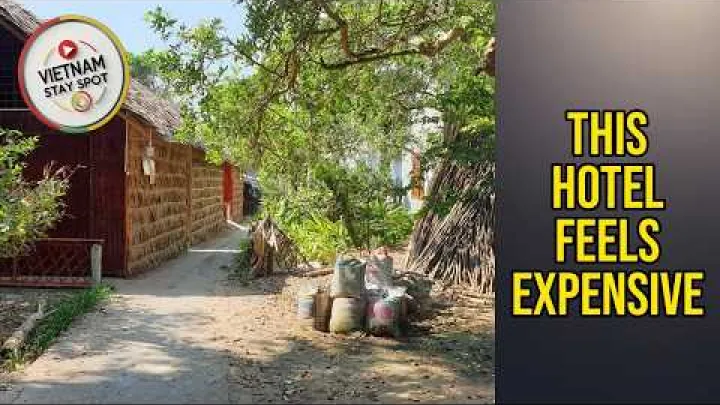
A Chau Doc budget can stay modest when you use a simple room, eat local food, and focus on markets, the riverside, Sam Mountain, and one major excursion. The main financial trap is mixing ordinary daily spending with the cost of arriving from Ho Chi Minh City, taking a premium tour, or continuing by boat to Cambodia. This guide separates those categories so you can build a realistic Mekong Delta travel budget in Vietnamese dong. It also explains which choices most often move a trip from budget to mid-range or comfortable.
Chau Doc Budget at a Glance
For most independent travelers, accommodation is the largest recurring expense, followed by paid activities and transport to outlying sights. Food in and around Chau Doc can be inexpensive when you use the market, casual local eateries, and small cafes, but regular restaurant meals, alcohol, guided experiences, and private transport change the result quickly.
Daily Budget Tiers and What They Include
The ranges below are planning estimates for one traveler per day, using a shared or solo room where stated. They are not fixed local price lists: food and short-ride estimates are deliberately broad because current, comparable menus and in-town fare data are limited. Accommodation is based on a room cost, so a couple sharing a room can usually reduce the per-person lodging component.
| Travel style | Approximate daily total | Typical split | What it usually means |
|---|---|---|---|
| Budget | 550,000–1,000,000 VND | Room 350,000–650,000; food 150,000–250,000; local travel and small activities 50,000–100,000 | Simple room, local meals, walking, low-cost sights |
| Mid-range | 1,050,000–1,900,000 VND | Room 650,000–1,100,000; food 250,000–450,000; transport and activities 150,000–350,000 | Private room, cafes, taxis or rentals, one paid activity |
| Comfortable | 2,000,000 VND and above | Room 1,200,000+; food 450,000+; private transport and activities 350,000+ | Riverside comfort, restaurant meals, upgrades and tours |
These totals exclude the bus or private transfer into Chau Doc, onward transport, a premium cruise, and the Chau Doc–Phnom Penh speedboat. A day with Tra Su Cajuput Forest will also cost more than a day spent walking around Chau Doc market, the Chau Doc riverside, and nearby temples. As a rough conversion only, 1,000,000 VND is about US$40, but exchange rates change and VND is the more useful planning currency.
Separate Daily Spending from Arrival and Departure Costs
Keep fixed trip costs outside the daily total. Your trip calculation is: accommodation for each night, plus daily food, local movement, and activities, then add the cost of getting to Chau Doc, leaving it, and any optional cross-border transport. This prevents a long-distance bus ticket from making an otherwise inexpensive stay look costly.
For example, a one-night stop has only one day or part-day over which to spread the Ho Chi Minh City bus. A two-night stay spreads that same arrival cost across more time and gives room for Sam Mountain and Tra Su without forcing both into one expensive day. Count rooms correctly: a 700,000 VND double room is 700,000 VND for a solo traveler but roughly 350,000 VND per person for two people sharing, before any differences in food or activities.
Private transfers, organized Mekong cruises, and the Phnom Penh crossing belong on separate lines because they are optional and can exceed ordinary local spending. This simple separation makes it easier to compare a short stop with a slower two- or three-night stay.
Accommodation Costs in Chau Doc
Chau Doc has guesthouses, homestays, central hotels, and more comfortable riverside properties. The best value depends on whether you need only a clean sleeping base or place a high value on breakfast, a river setting, walkability, and a flexible cancellation policy.
Budget Hotels, Homestays, and Comfortable Riverside Stays
As an indicative booking-platform snapshot, Agoda describes budget hotels in Chau Doc at around US$20–40 per night. Treat that as a broad search range rather than a promise for every date. It roughly corresponds to the lower and middle parts of the room assumptions used in this guide, but room type, taxes, occupancy, and demand can produce a very different total.
A separate listing for Chau Doc Home Stay showed a recent typical rate of about 546,838 VND, compared with a cited city average of about 832,327 VND. These are useful examples of the gap between a basic homestay and an average booked room, not benchmarks that every property must follow. Guesthouses and simple hotels may suit travelers who will spend most of the day outside. Central three-star hotels often add a more reliable private bathroom, air-conditioning, reception support, and sometimes breakfast.
At the comfort end, riverside properties such as Victoria Chau Doc Hotel can be attractive for their setting and convenience near the boat pier, but they should be priced as a deliberate upgrade. Compare the full room total, not merely the headline rate: air-conditioning, private bathroom, breakfast, Wi-Fi, river view, taxes, cancellation terms, and distance from the places you plan to visit all affect value.
How Location, Dates, and Booking Timing Change the Room Cost
For a brief stay, a hotel near Chau Doc market and the riverside can be worth a modest premium. You can walk to food, evening river views, and many central services, reducing the need for short rides and saving time. Travelers planning longer stays may instead prioritize the lowest acceptable room rate, especially if they are comfortable arranging transport for outings.
Availability can tighten around weekends, festivals, pilgrimage periods connected with Sam Mountain, and busier periods for Tra Su visits. There is not enough reliable local evidence to assign a fixed seasonal percentage increase, but it is sensible to compare several date combinations rather than assuming one weekend will cost the same as another. A property farther from your main activity is not automatically cheaper once daily taxi or motorbike costs are included.
Before relying on a listing snapshot, check the complete total for your exact dates, including taxes, breakfast, occupancy rules, and cancellation conditions. The Booking.com listing for Victoria Chau Doc similarly notes that prices vary by dates and hotel policy. The same principle applies to smaller properties such as Vinh Phuoc Hotel or Hang Chau II Hotel: compare current inclusions, location, and reviews rather than assuming one named hotel represents the whole city.
Food and Everyday Spending in Chau Doc
Food is one of the easier parts of a Chau Doc travel budget to control. The city rewards travelers who alternate simple local meals with occasional sit-down dining, rather than treating every meal as a tour activity.
Local Meals and the Cost of Eating Well
Start with bun ca, the local fish noodle soup that is closely associated with Chau Doc, then look for banh mi, rice dishes, market snacks, and casual seafood or family restaurants. Chau Doc market is a practical place to observe what residents are eating and to compare options. A strict street-food approach can keep a food allowance near the lower end of the daily budget; adding air-conditioned restaurants, desserts, coffee stops, and seafood meals by weight pushes it toward the mid-range.

Current local menu evidence is not broad enough to claim one universal price for a bowl of noodles, a sandwich, or a seafood meal. Build your own food allowance from dining habits instead: allow for three simple meals if eating mostly local, then add a margin for drinks and one more comfortable meal. Use posted menus where available, and confirm the price before ordering when a current menu is unavailable, particularly at stalls without displayed prices or when seafood is priced by weight.
Organized food activities are available through providers such as GetYourGuide, but these should be treated as guided experiences rather than evidence of ordinary local meal costs. They can be worthwhile for convenience or interpretation, but they are not necessary to eat well in Chau Doc.
Cafes, Snacks, and Other Small Daily Expenses
Small purchases add up. Vietnamese coffee, cold drinks, fruit, bottled water, ice cream, snacks, and an occasional beer may each seem minor, yet repeated cafe stops can move a low food budget into a mixed mid-range budget. If a hotel includes a breakfast you would otherwise buy, that inclusion has practical value even when the room rate is slightly higher.
Use a separate incidentals allowance rather than hiding everything in the meal total. A modest daily buffer can cover drinks, water, snacks, laundry, toiletries, and small unplanned purchases. Keep shopping and gifts outside this allowance if you want a clear view of what the stay itself costs.
Attractions and Activities: What to Add to Your Budget
Chau Doc offers a useful mix of low-cost city sightseeing and paid nature or scenic excursions. Plan one main paid activity per day if keeping costs low, then fill the rest of the day with the riverfront, market, temples, and neighborhood walks.
Tra Su Cajuput Forest: Ticket and Transport Budget
Tra Su Cajuput Forest is usually the largest standard sightseeing addition to a Chau Doc budget. The total is not one number: separate admission and boat elements from the journey to the forest. A reported entrance-and-boat combination of about 260,000 VND has been cited, with a possible breakdown of 120,000 VND for entrance and 70,000 VND each for motor-boat and rowing-boat elements. These figures are dated planning examples, not a guaranteed current package.
Transport from Chau Doc is a separate decision. Tra Su is roughly 30 kilometres from town, so the cost can vary sharply between a shared taxi, a hired motorbike taxi, a private car, and a rental motorbike. The available local research does not establish a dependable current fare. Before visiting, recheck the current ticket and boat package at the official entrance or through the current operator channel, then agree the transport arrangement separately.
Optional activities such as cycling, fishing, or archery can turn a basic visit into a higher-spend outing. For a controlled budget, decide in advance whether the goal is simply the forest-and-boat experience or a longer activity day, and list the ticket and transport as two distinct budget lines.
Sam Mountain and Low-Cost Sightseeing
Sam Mountain is close enough to Chau Doc to work well as a lower-cost excursion. Its appeal is the combination of pagodas, religious sites, views, and the experience of moving through a major local pilgrimage area. A reported general entrance fee of 20,000 VND is a useful dated reference, but confirm the current charge on arrival.

A low-cost approach is to use the reported free electric shuttle where available and focus on walking, viewpoints, and temple visits. A comfort-oriented approach adds the cable car; a reported adult round-trip price is 150,000 VND. The cable car is an optional scenic upgrade rather than a required part of visiting the mountain, so it should not be blended into every daily budget.
Other low-cost choices include an evening along the Bassac River, browsing Chau Doc market, exploring local streets, and visiting temples respectfully. Wear appropriate clothing at religious sites and make purchases only when you genuinely want them; donations, offerings, and souvenirs are personal choices rather than mandatory entry costs.
Boat Tours and Other Optional Splurges
Do not confuse a short local boat outing with a multi-stop organized cruise or premium day tour. Some organized boat experiences reportedly begin around US$170, which can exceed several days of budget-level spending in town. Put this type of product in an optional-extras category rather than inside a normal Chau Doc daily estimate.
A good balancing strategy is to pair one paid excursion with free or nearly free time at the riverside, market, temples, or independently explored countryside. Before booking an informal or private boat, establish the total price, duration, route, safety arrangements, and what is included. A premium experience can be excellent value if it is the reason for your visit, but it should be chosen consciously rather than added by default.
Transport Costs to and Around Chau Doc
Transport shapes the total more than it shapes the ordinary daily budget. The long journey from Ho Chi Minh City is a one-off cost, while central Chau Doc can often be managed largely on foot.
Bus Costs to Chau Doc from Ho Chi Minh City
The bus is the main budget option from Ho Chi Minh City, with an approximate journey time of six hours. Published estimates differ: Vemekong gives about 130,000 VND for a bus ticket, while another travel source cites standard seats from around 210,000 VND and VIP sleeper cabins up to about US$21. The difference may reflect operator, seat type, date, and when each price was collected. Use a range, not a falsely precise single fare, when planning.
Phuong Trang, also known as Futa Bus Lines, is a useful operator name to search when comparing current options, and the Western Bus Station is a common Ho Chi Minh City departure reference. Confirm the operator, seat type, departure terminal, current fare, luggage rules, and actual Chau Doc drop-off point when booking. These details matter more than a generic route description because they determine your real transfer cost and whether you need an additional local ride after arrival.
A private car or taxi can be much more expensive for a solo traveler, but it may become practical for a family or group sharing the vehicle. Treat the private option as comfort spending: it buys control over stops and timing, not necessarily a lower per-person cost.
Getting Around Town and Reaching Nearby Sights
The market, riverside, and many central hotels are walkable, which is one reason a central base can work well for a short visit. Sam Mountain is approximately five kilometres away, while Tra Su is approximately 30 kilometres away. Those distances make walking a sensible choice in central Chau Doc, but not a practical substitute for transport to Tra Su.
| Situation | Best budget approach | Comfort approach |
|---|---|---|
| Market and riverside | Walk | Short taxi if needed |
| Sam Mountain | Motorbike taxi or rental if qualified | Taxi or private driver |
| Tra Su, solo traveler | Compare a motorbike taxi with rental costs | Taxi or arranged car |
| Tra Su, group | Share a taxi or car | Private car with flexible timing |
Agree the fare and destination with a local taxi or motorbike driver before departing, especially for Tra Su. App-based ride coverage should not be assumed; check availability locally. Motorbike rental may offer freedom, but only use it if you meet local licensing and insurance requirements and are comfortable with local road conditions.
The Chau Doc–Phnom Penh Speedboat as a Separate Cost
The speedboat to Phnom Penh is international transport, not an ordinary Chau Doc attraction. A community travel report describes a morning departure from a pier near Victoria Chau Doc Hotel and a fare of US$40 per person, arriving in Phnom Penh around late morning. This is a useful lead, but a social-media report is not an official timetable or fare.
Before committing to the crossing, verify the current boat fare, departure schedule, departure point, border procedure, and Cambodian visa requirements directly with the current operator. Also establish whether border charges, visa fees, meals, luggage handling, or onward transfers are included or separate. Payment currency may matter as much as the advertised price.
For a low-cost Vietnam itinerary, this crossing is a substantial one-off addition. For travelers continuing to Cambodia, its value may be convenience and time saved rather than the cheapest possible transport. Keep it as its own cross-border line in your trip worksheet.
How Chau Doc Compares with Other Mekong Delta Bases
Chau Doc is a provincial and border-town base rather than a large tourism center. That gives it a quieter local character and potentially modest day-to-day spending, while also creating a longer access burden from Ho Chi Minh City than some closer Mekong Delta destinations.
Where Chau Doc Sits on the Regional Cost Spectrum
Chau Doc generally suits travelers looking for budget lodging, local food, Sam Mountain, and Tra Su rather than a dense concentration of nightlife or packaged activities. Its smaller upscale market can make a simple stay feel good value, though the bus journey may raise the total for a very short visit. This is an itinerary trade-off, not a universal claim that Chau Doc is cheaper than every other base.
Can Tho has broader accommodation, dining, and service choices, which can help travelers at several price levels but can also make convenience spending easier. Ben Tre is closer to Ho Chi Minh City and often suits canal, orchard, and rural Mekong interests. Independent Mekong travel can involve a different mix of transport and activities from an organized trip, as noted by Indie Traveller. Compare lodging, food, activities, and access separately rather than trying to rank every destination with one total number.
Choose Chau Doc, Can Tho, or Ben Tre for Your Budget
| Base | Best for | Budget consideration |
|---|---|---|
| Chau Doc | Sam Mountain, Tra Su, border-town atmosphere | Modest local spending; longer transfer from Ho Chi Minh City |
| Can Tho | Floating markets, services, wider hotel choice | More options at different spending levels |
| Ben Tre | Canals, orchards, rural Mekong experiences | Potentially lower transfer burden from Ho Chi Minh City |
Choose Chau Doc when its specific attractions and border position justify the journey. Choose Can Tho when you value infrastructure and a larger range of accommodation and dining. Choose Ben Tre when proximity and a rural canal-focused experience fit the itinerary. The cheapest base is the one that minimizes the combined cost of rooms, transfers, and activities you genuinely want, not simply the one with the lowest advertised hotel rate.
How to Save Money in Chau Doc
The highest-impact savings come from room choice, intercity transport, paid excursions, and transport to Tra Su. Small savings on water or snacks help, but they should not distract from those larger decisions.
High-Impact Ways to Lower the Daily Total
- Choose a clean, central room that meets your needs rather than paying for a river view or facilities you will not use.
- Use the bus for the Ho Chi Minh City transfer when its schedule works, and spread that fixed cost across two or more nights where possible.
- Stay near Chau Doc market and the riverside on a short visit so that walking replaces repeated short rides.
- Use local meals, included breakfast where valuable, and a planned cafe allowance instead of unplanned restaurant stops.
- Pair one paid attraction, such as Tra Su, with low-cost Sam Mountain time, market browsing, and riverside walks.
- Share transport to outlying sights when practical and establish the total fare before the journey begins.
A low-cost activity pattern might be a market breakfast and riverside walk, a visit to Sam Mountain without the cable-car upgrade, then local dinner and an evening by the Bassac River. Reserve Tra Su for another day rather than trying to combine multiple paid transport arrangements into a rushed itinerary.
When Paying More Improves Convenience or Value
Higher spending is not automatically wasteful. A central or riverside hotel may reduce transport, provide breakfast, offer a better rest after the bus journey, and place you closer to the Victoria Chau Doc Hotel boat pier if you are taking a boat. For a family or small group visiting multiple rural sights, a private car can provide better value per person than separate motorbike rides, even if it costs more than public-style transport.
Think about the purpose of each upgrade. The Tra Su boat package is a core nature experience for many visitors. The Sam Mountain cable car is a scenic comfort option. A premium boat tour is a major experience purchase. The Phnom Penh speedboat is principally a cross-border convenience choice. Spending more makes sense when it directly supports your priorities, rather than when it is added automatically to a short stay.
Chau Doc Budget Planning Checklist and Final Takeaways
A clear budget uses VND, separates room costs from per-person costs, and leaves a buffer for changes. Once you know your dates, group size, and priority activities, the trip total becomes straightforward to estimate.
Currency, Cash, Cards, and Price Verification
Use Vietnamese dong as your main planning currency. Card acceptance can vary by hotel and business, while markets, small food vendors, local transport, and rural excursions may be easier to handle with cash. Carry a practical cash buffer for small purchases and keep foreign-currency conversion secondary and date-sensitive.
Before departure, make a short list of items to confirm: the full room total and cancellation terms; the current bus fare and departure details; Tra Su admission and boat components; the fare for local transport to Sam Mountain or Tra Su; and any boat service or border charges. This small step is more useful than relying on an old price screenshot.
Build a Trip Total for One, Two, or Three Nights
Use this formula: accommodation for the number of nights, plus food, local transport, and activities for each day, plus arrival and departure transport, plus any optional cross-border or premium-tour costs. Replace the planning ranges with your actual booking prices as soon as they are available.
A one-night budget stay may have a modest room and food total but a high effective daily cost once the long-distance bus is included. Two nights let you divide that transfer across more time and visit both Sam Mountain and Tra Su at a more relaxed pace. Three nights can make sense if you want a slower base, additional riverfront time, or a buffer before a Cambodia crossing.
The central takeaway is simple: Chau Doc can be an affordable Mekong Delta stop when you control accommodation, eat locally, walk in town, and choose activities selectively. The costs most likely to dominate are not everyday meals; they are comfortable riverside hotels, private transfers, organized boat experiences, and international onward travel.
Select area
Create a post
Posting is free and no registration is required.