- Tay Son Heaven and Earth Esplanade: Historic Shrine in Quy Nhon
- Quang Trung Museum: Tay Sơn History & Culture in Quy Nhon
- Banh It Cham Towers: Ancient Heritage & Photography in Quy Nhon
- The Thon Beach in Cat Tien: Clean Shores & Affordable Watersports
- Linh Phong Pagoda in Quy Nhon: The Sacred Mountain Temple
Vietnam Best Time to Visit: Weather, Regions, and Month-by-Month Planning

Choosing the Vietnam best time to visit is easier when you plan by region, not by a single national weather calendar. This guide explains how dry and rainy seasons usually work, what to expect in key destinations, and how to reduce weather-related disruptions. You will also find a month-by-month overview, festival notes, and practical packing and booking advice for different travel styles.
Quick Answer: The Best Time to Visit Vietnam
Many travelers ask, “When is the best time to visit Vietnam?” A reliable general answer is to aim for shoulder-season periods when heat and rain are often more manageable across multiple regions. However, Vietnam has distinct regional patterns, so the best time of the year to visit Vietnam depends on whether your itinerary focuses on the north, the central coast, the south, or a combination of all three. Use the guidance below as a practical starting point, then adjust based on your route and activity plans.
The most reliable travel windows for comfortable weather
For mixed itineraries that include more than one region, two windows are often recommended: March to April and September to November. These periods can bring moderate temperatures, fewer days of persistent rain, and generally comfortable conditions for walking cities, taking day trips, and combining culture with some beach time. This is why they are frequently mentioned as the best time of the year to visit Vietnam, especially for first-time visitors who want to see both the north and the south.
That said, Vietnam’s climate is not uniform, and local weather can vary by week. March and April can start to feel hotter in the south, while September to November can be excellent in the north but less predictable on parts of the central coast. If you are deciding when is the best time to visit Vietnam for a specific itinerary, use these windows as “often comfortable” rather than guaranteed.
- March to April: Often balanced for north-to-south travel; good for city sightseeing and many outdoor activities. Tradeoffs: the south can feel warmer as April progresses, and popular sites may still be busy.
- September to November: Often strong for northern scenery and comfortable temperatures. Tradeoffs: parts of central Vietnam can have heavier rain and higher storm risk during portions of this period.
Best time by region at a glance
Vietnam effectively has three weather “calendars”: Northern Vietnam (including Hanoi, Ha Long Bay, and the highlands), Central Vietnam (including Da Nang, Hoi An, Hue, and inland cave areas), and Southern Vietnam (including Ho Chi Minh City, the Mekong Delta, and some islands). This is why a country-wide statement about the best time to visit Vietnam can be incomplete. A good plan is to match each stop to its typical dry or less-rainy period, especially for weather-sensitive activities like cruises, trekking, or beach days.

As a fast decision guide, the north tends to feel best during cooler and drier months, the south is usually most comfortable during its dry season, and the central coast can be excellent during its longer dry stretch but has a distinct rainy period later in the year. If you are doing a north-to-south route, it is normal to experience different conditions along the way. Build flexibility rather than expecting the same weather throughout the trip.
| Region | Generally driest months | Common challenges | Best for |
|---|---|---|---|
| Northern Vietnam | Often drier from around late autumn to spring | Winter can feel cool; summer can be hot and humid with heavier rain | City walks, scenic viewpoints, trekking in drier periods |
| Central Vietnam | Often drier from roughly spring to late summer | Heavier rain and storms can affect the coast later in the year | Beaches, heritage sites, mixed culture and coast trips |
| Southern Vietnam | Often drier from roughly late autumn to spring | Rainy season can bring short intense downpours; humidity is common year-round | City breaks, Mekong trips, islands during clearer periods |
When to avoid travel if you want the lowest weather risk
If your priority is the lowest weather risk, the main periods to treat with extra caution are the months when monsoon rain is more persistent in parts of the country and when tropical storms are more likely to affect the central coastline. Rainy season can still be very travel-friendly in many places, but it tends to increase the chance of schedule changes. A practical way to think about risk is the difference between short daily downpours, which may only pause your plans for an hour, and multi-day heavy rain, which can lead to localized flooding and transport disruption.
Instead of canceling a trip during a higher-risk period, you can often switch regions. For example, if the central coast is seeing heavy rain, consider focusing on the south’s city activities or choosing destinations with strong indoor options. If the north has poor visibility in the highlands, you may still enjoy Hanoi food tours, museums, and craft villages while waiting for clearer conditions.
- Add buffer days if you have flights, cruises, or long transfers.
- Choose refundable or changeable bookings when possible, especially for weather-sensitive tours.
- Plan a “region swap” option (north-focused or south-focused) if one area has persistent bad weather.
- Keep at least one indoor plan for each destination (museums, cooking classes, cafés, markets).
During storm season, monitor official updates and local guidance, not only general apps. Use national and local meteorological announcements, follow instructions from port authorities for boat tours, and accept that reputable operators may cancel for safety. If warnings are issued, avoid sea travel and exposed mountain routes until conditions are confirmed safe.
How Vietnam Weather Works: Seasons, Monsoons, and Storm Risk
Vietnam’s weather can feel complex because the country spans multiple climate zones. Understanding a few practical patterns will help you choose dates, pack efficiently, and set realistic expectations for outdoor plans. This section explains why the north, center, and south often experience different conditions, how to interpret “dry season” and “rainy season” in travel terms, and what to know about tropical storms.
Why Vietnam has different weather in the north, center, and south
Vietnam is long from north to south, and it also has varied elevation. Latitude influences temperature and seasonal change, while mountains and coastal geography influence rainfall, cloud cover, and wind. Northern Vietnam often feels more seasonal, with cooler periods that can surprise travelers who expect a consistently tropical climate. Southern Vietnam tends to feel warmer throughout the year, with clearer transitions between dry and rainy periods rather than “cold” seasons.
Elevation matters as much as latitude. Highland areas can be noticeably cooler than nearby lowland cities, which affects trekking comfort, visibility, and what you should pack. If your route includes places like Sapa or other mountain areas, you may need layers even when coastal destinations feel hot.
- Highlands vs coastal: highlands can feel cooler and windier; coasts often feel warmer and more humid.
- Fog and mist: mountain areas can have mist that reduces views, especially in wetter periods.
- Trail conditions: rain can make paths muddy and slippery; dry periods are often easier for long walks.
- Night temperatures: evenings can be cooler in higher elevations, so light layers can improve comfort.
Dry season and rainy season patterns you can plan around
In practical travel terms, “dry season” often means more consistent sunshine, lower chance of prolonged rain, and better conditions for beaches, boat trips, and long days outdoors. “Rainy season” often means higher humidity, more frequent showers, and occasional days where plans need to shift to indoor activities. It is important to know that rainy season does not always mean constant rain. In many destinations, the pattern can be short, intense downpours, especially in the south, with clear periods before and after.
The key planning point is that timing differs by region. A month that is comfortable for Hanoi may be too wet for parts of the central coast, and a month that is ideal for Phu Quoc beaches may be hot for long walking days in inland cities. Plan by itinerary and activities, not by national averages, and keep one flexible “weather day” for tours that depend on visibility or sea conditions.
| What can change in rainy season | How to adapt |
|---|---|
| Road conditions and slower transfers | Build buffer time; avoid tight connections between bus, train, and flights. |
| Boat tours and sea conditions | Choose operators with clear cancellation policies; keep an alternative day free. |
| Trekking trails can become muddy | Use proper footwear, reduce daily distance, and hire local guides when appropriate. |
| Lower visibility for viewpoints | Plan viewpoint visits early and keep backup indoor activities. |
Good indoor backups for rainy hours include history museums, food-focused walking tours that can pause for shelter, cooking classes, coffee tastings, markets, and craft villages where workshops run regardless of weather. These options help you keep the day productive without taking unnecessary risks.
Typhoons and severe weather: what travelers should know
Vietnam can experience tropical storms during part of the year, and the central coastline is often the area of greatest concern for tourists because storms can affect sea conditions, river levels, and transport. The exact timing and impact vary each year, so it is better to focus on decision-making rather than trying to predict conditions months in advance. If you are traveling during months when storms are more common, treat weather flexibility as an essential part of your itinerary.

For travelers, the most common impacts include flight delays, ferry and boat tour cancellations, temporary closure of attractions, and localized flooding that can slow city movement. In storm alerts, the safest choice is to avoid sea trips and mountain routes, follow local authority instructions, and accept schedule changes. Reputable tour operators usually prioritize safety and may cancel even if the weather looks acceptable to visitors.
- Before storm season travel: confirm your hotel’s communication plan, keep digital and paper copies of key documents, and know how to adjust transport dates.
- When an alert is issued: monitor official forecasts, keep your phone charged, and avoid beaches, rivers, and exposed viewpoints.
- If tours are canceled: request rebooking options, ask about partial refunds, and shift to indoor activities until conditions improve.
- During heavy rain: avoid driving scooters in flooded areas and do not enter fast-moving water.
Best Time to Visit Northern Vietnam
Northern Vietnam is known for historic cities, dramatic karst seascapes, and mountain landscapes. It also has the widest seasonal variation in the country, which affects comfort for walking tours and reliability for scenic viewpoints. If you are planning Hanoi, Ha Long Bay, and Sapa in one trip, focus on periods that balance visibility, lower humidity, and safer trekking conditions.
Hanoi: best months for city sightseeing and comfort
Many travelers find that autumn and spring conditions are easier for sightseeing because humidity is usually lower than in mid-summer, and evenings can be pleasantly cool for street food and casual exploration. This guidance also applies to searches like “best time to visit Vietnam Hanoi,” especially for travelers planning a short city stay.

Hanoi’s winter period can feel chilly compared to southern Vietnam, particularly at night, so packing light layers can make a big difference. In hotter months, plan your day around heat and rain: start early, schedule indoor stops at midday, and return outside later in the afternoon. Hanoi works well year-round because it has many indoor options, including museums, cafés, and food experiences that can continue even during showers.
Mini itinerary example (2–3 days in a comfortable season)
- Day 1: Old Quarter walking route, Hoan Kiem Lake area, and a food-focused evening.
- Day 2: Key museums or historic sites in the morning, a long lunch break, and a relaxed café or market visit later.
- Day 3 (optional): Day trip depending on season, such as a craft village, a countryside visit, or a nearby nature area if conditions are clear.
Packing note: bring breathable clothing for daytime, and add a light jacket or sweater for cooler evenings, especially outside the hottest months.
Ha Long Bay: visibility, cruises, and cancellation risk
In calmer weather, you are more likely to have smooth sailing and better conditions for kayaking or small boat excursions. In more unsettled periods, cruises can still operate, but routes may change, and specific activities can be adjusted for safety.
To reduce disappointment, prioritize reputable operators that clearly explain safety rules and weather-related changes. If Ha Long Bay is a high priority, consider building an extra day into your schedule so you can shift the cruise if conditions are not suitable. Nearby alternatives like Hanoi museums, coastal city stops, or land-based viewpoints can help you use the time well if boat operations are limited.
- What is your policy for cancellations or route changes due to weather?
- If the cruise is shortened, what compensation or rescheduling options exist?
- Which activities are most likely to be canceled first (kayaking, swimming, island hikes)?
- How do you receive and act on port authority instructions?
- Do you offer alternative on-board programming if conditions limit excursions?
| Typical conditions | What it can mean for travelers |
|---|---|
| Calmer months with clearer skies | Often better visibility, smoother water, and more consistent excursion schedules. |
| Higher-disruption months with storms more likely | Greater chance of delays, cancellations, or modified routes; flexibility becomes more important. |
Sapa and the northern highlands: trekking seasons and rice landscapes
Drier periods usually offer firmer trails and better visibility for valleys and mountain scenery. This can make multi-hour hikes more enjoyable and safer, especially if you are traveling with children, older family members, or anyone concerned about slippery paths.

In wetter months, trails can become muddy and visibility can drop due to fog and mist. Photography can still be rewarding, but expectations should be realistic because mountain weather changes quickly. Shoulder seasons can be a good compromise, often combining comfortable temperatures with strong scenery, but you should still be prepared for sudden rain in highland environments.
Trekking preparation checklist
- Footwear with good grip; consider waterproof options in wet periods.
- Light rain protection (jacket or poncho) and a cover for your daypack.
- Plan pacing with rest breaks; avoid overestimating daily distance.
- Bring water and snacks; weather can slow down trekking speed.
- Follow local guidance on trail safety, especially after heavy rain.
If you are sensitive to cold, bring layers for mornings and evenings, and pack socks that stay comfortable if damp. If you are mainly going for panoramic views, consider adding an extra day to improve your chances of a clear window.
Best Time to Visit Central Vietnam
Central Vietnam is popular for beaches, historic architecture, and a convenient mix of culture and relaxation. It also has its own seasonal pattern that does not always match the north or the south. Planning central stops with awareness of heat and the later-year rainy period can help you protect beach days and long outdoor heritage visits.
Hoi An and Da Nang: sunshine, beaches, and seasonal rain
In hotter peak months, the main challenge is not rain but heat and strong sun, which can make midday walking less comfortable. If you want to combine Hoi An’s old town with Da Nang beaches, plan outdoor activities early and leave space for rest during the hottest hours.

Later in the year, central Vietnam can see more frequent rain, and some periods can bring heavier weather that affects sea conditions and river levels. This does not mean you cannot visit, but it is wise to treat beach plans as flexible and to choose activities that still work when it rains. Hoi An in particular can be enjoyable with a slower pace, even when showers change the schedule.
- In hot months, start beach time early and return late afternoon for more comfortable temperatures.
- Schedule walking in Hoi An’s old town in the morning or after sunset when possible.
- Use shaded breaks and indoor stops to reduce heat fatigue.
Rainy-day alternatives in central Vietnam
- Cooking classes and market-to-kitchen experiences
- Museums and cultural centers in Da Nang
- Cafés and craft workshops (lantern making, handicrafts)
- Tailor visits and indoor shopping with clear time limits
Hue: heritage visits and comfort for outdoor exploration
Hue is best enjoyed when you can spend long hours outdoors at historic sites without extreme heat or heavy rain. Many attractions involve open courtyards, riverside routes, and walking or cycling between locations. As a result, conditions that feel slightly cooler and less humid can make a major difference in how much you can comfortably see in a day.

In warmer or wetter periods, the best strategy is smart pacing: start early, take shade breaks, and plan indoor stops so you can recover without losing the day. Hue also rewards slower travel, such as combining one major site with a market visit and a relaxed meal, rather than trying to see everything in one continuous outdoor block.
Sample day plan (balanced outdoor and indoor time)
- Early morning: visit a major heritage site while temperatures are lower.
- Late morning: short transfer and a second, smaller outdoor stop.
- Midday: lunch, a shaded café break, or a museum-style indoor visit.
- Afternoon: riverside time or a light cycling route if conditions are comfortable.
Hydration and sun protection checklist
- Carry water and refill regularly.
- Use sun protection (hat, sunglasses, and sunscreen).
- Take breaks in shade; do not wait until you feel unwell.
- Plan at least one indoor stop during peak heat hours.
Phong Nha and inland central Vietnam: caves and seasonal access
Inland central Vietnam, including cave-focused destinations such as Phong Nha, can be highly seasonal because water levels and river conditions influence which routes are safe and comfortable. Some cave and river tours depend on boat access, while others involve hiking, scrambling, or swimming in parts of the route. Because conditions can affect routes, you should treat operator advice as essential, especially in periods of heavy rain.

Before booking, check the specific cave system you want to visit and confirm what is included, what fitness level is required, and how the operator handles weather changes. Established tour providers typically provide safety briefings and adjust plans when needed. For travelers, good footwear and attention to instructions matter as much as the season you choose.
- How do current water levels affect the planned route or activities?
- What fitness level and swimming ability are required?
- What footwear and equipment do you provide, and what should I bring?
- What is the cancellation or rescheduling policy for weather changes?
- What safety briefing is included, and what are the key rules in the caves?
Best Time to Visit Southern Vietnam and the Islands
Southern Vietnam is warm year-round, and travel plans often revolve around the dry versus rainy season pattern rather than major temperature swings. The south also includes popular island destinations where sea clarity and boat conditions matter for snorkeling and beach time. With the right daily schedule, many travelers enjoy the south in almost any month, especially if they are comfortable adapting to short, intense downpours.
Ho Chi Minh City: heat, rain, and planning around downpours
Ho Chi Minh City is typically hot and humid in most months, with a clearer split between drier and wetter periods than you will find in the north. During the rainy season, showers often come in bursts that can feel intense but may pass relatively quickly. This makes planning around downpours practical: do outdoor sightseeing early, keep indoor options ready, and move between locations with short transfers when clouds build.
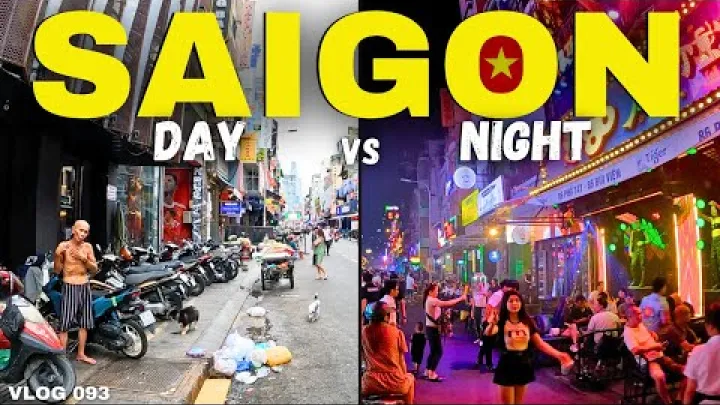
The city is a strong all-season destination because it offers many flexible activities: museums, markets, café culture, and food-focused evenings that can continue even in rain. If you expect wet weather, choose accommodation with convenient access to your main interests so you can adjust plans without losing too much time in traffic.
Rainy-season day structure template
- Morning: outdoor sightseeing and neighborhood walks.
- Midday: lunch and indoor visits (museums, galleries, cafés).
- Late afternoon: short outdoor stops if showers ease.
- Evening: food experiences, markets, or performances based on interest.
- Light rain layer or compact poncho
- Waterproof phone pouch or a sealed bag
- Small towel or tissues
- Comfortable walking shoes that can handle wet sidewalks
The Mekong Delta: water levels, scenery, and floating market experiences
The Mekong Delta experience changes through the year as water levels and rainfall affect landscapes and river movement. In wetter periods, the scenery can look very green and lush, and some waterways may feel more active. In drier periods, transfers can feel easier and some routes may be more predictable. Because the delta is large and varied, conditions and experiences can differ by town and tour route, so local guidance is important.
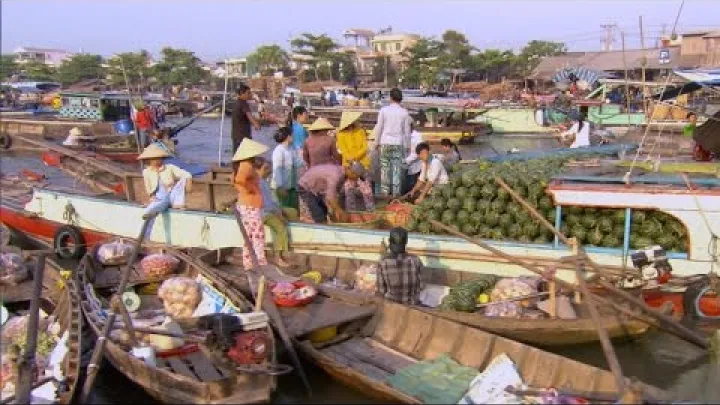
Floating markets and early-morning river activity are often best approached with realistic expectations. Some markets are more active than others, and activity levels can shift over time due to local commerce patterns. An early start improves your chances of seeing more boats, and choosing a responsible operator can improve both the experience and your impact on local communities.
Responsible tourism tips
- Reduce waste by carrying a refillable bottle and refusing unnecessary plastic bags.
- Ask before taking close-up photos of people, especially in private or family settings.
- Buy respectfully and avoid aggressive bargaining for small items.
- Avoid wildlife experiences that involve distressing handling or cramped conditions.
| Season | Potential advantages | Potential tradeoffs |
|---|---|---|
| Drier months | Often easier logistics and less weather disruption for day trips. | Landscapes may look less lush in some areas. |
| Rainier months | Often greener scenery and a more “river-focused” atmosphere. | Downpours can affect timing and comfort; some routes can be slower. |
Phu Quoc: best season for beaches and clear water
Travelers searching for the best time to visit Phu Quoc Island Vietnam usually want calm water for swimming, better visibility for snorkeling, and fewer rain interruptions during the day. Even then, island weather can change quickly, so it helps to plan water activities in the morning and keep afternoons flexible.
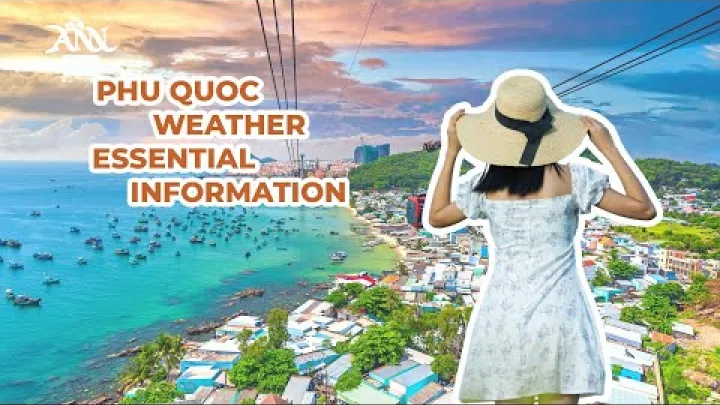
During wetter months, you can still enjoy Phu Quoc, but you should expect more frequent rain and periods when the sea is less clear or boat trips are adjusted. Choose accommodations that offer comfortable indoor spaces and easy access to dining so that short rain bursts do not disrupt your plans. If snorkeling is a priority, check with operators about the best departure times and what they do when conditions are not suitable.
Island packing list
- Sun protection (hat and sunscreen; reef-safe options if available)
- Water shoes for rocky or coral areas
- Dry bag for boat days
- Light rain protection for quick showers
- Reusable water bottle
Respect marine environments by avoiding contact with coral, not feeding marine life, and following local rules for protected areas. If a tour operator limits access due to conservation or safety, treat this as a positive sign of responsible management.
Vietnam Month-by-Month: What to Expect and Where to Go
Month-by-month planning is most useful when it highlights where in Vietnam a given period tends to work best. Instead of expecting a single “perfect month,” many travelers choose a date range and then shape their route around regional strengths. The sections below group months into practical travel seasons and explain typical conditions, common challenges, and itinerary ideas for each window.
December to February: cooler north, dry south, peak demand periods
December to February is popular because many travelers find conditions comfortable for sightseeing in several parts of the country, especially in the south where the drier period often supports city travel and day tours. In the north, the air can feel cooler, and some days may be overcast, but walking-focused city trips can still be pleasant if you pack layers. This is also a time when demand can be higher, which affects flight and hotel availability on busy weeks.
Expect northern Vietnam to feel cooler than many visitors imagine, particularly in Hanoi evenings and in the highlands where temperatures can drop further. If your trip includes multiple regions, you may experience a clear contrast: cooler conditions in the north and warm tropical weather in the south. Booking transport early is wise, especially for popular train routes and holiday periods.
| Region | What it feels like | Best activities | Packing notes |
|---|---|---|---|
| North | Cooler, sometimes cloudy | City sightseeing, food tours, cultural sites | Light jacket, layers for evenings |
| Center | Mixed; can be cooler and wetter at times | Heritage sites with flexible pacing | Rain layer plus breathable clothing |
| South | Warm, often drier | City breaks, Mekong day trips, beaches in clearer periods | Breathable clothing, sun protection |
Holiday planning note: Public holidays can change opening hours and increase travel demand. If your dates overlap major holidays, confirm museum schedules, pre-book long-distance transport, and expect busier airports and stations.
March to April: balanced conditions for multi-region itineraries
March to April is often recommended as a balanced period for travelers visiting north, central, and south Vietnam in one trip. Conditions are frequently suitable for walking cities, visiting heritage sites, and enjoying outdoor activities without the highest heat of mid-summer in many places. Trekking and scenic travel can also be rewarding, particularly if you allow flexibility for visibility in mountain areas.

A practical routing concept is to move from north to south (or the reverse) while keeping transfers realistic and leaving space for rest days. If you want both culture and coast, you can combine Hanoi and the north’s highlights with central Vietnam’s historic cities, then finish with the south for food, markets, and optional island time. As April progresses, the south can feel hotter, so plan beach or boat activities earlier in the day.
Sample 10–14 day itinerary outline (with optional add-ons)
- Days 1–3: Hanoi (city walks, museums, food-focused evenings).
- Days 4–5: Ha Long Bay or nearby coastal nature (include flexibility for sea conditions).
- Days 6–7: Central Vietnam base (Da Nang and Hoi An for culture and beach time).
- Days 8–9: Hue (heritage sites with early starts and midday breaks).
- Days 10–12: Ho Chi Minh City (markets, museums, day tours).
- Days 13–14: Optional add-on: Mekong Delta overnight, or an island extension such as Phu Quoc if conditions are favorable.
If you prefer a slower pace, remove one stop and add a rest day. This often improves the trip more than adding another city.
May to August: heat, humidity, and smart ways to travel in low season
May to August often brings hotter days and higher humidity, with increased rain in parts of the country. For some travelers, this period can still be enjoyable because crowds may be lower in certain destinations and prices can be noticeably cheaper, especially for accommodation. The key is to travel smarter: pace yourself, avoid long midday walks, and choose activities that work well even if showers interrupt plans.
Cities can be good bases in this season because they offer indoor options and easy rescheduling. Beaches can also work if you plan morning water time and accept that afternoon showers may change plans. For trekking, prioritize safety and trail conditions, and consider shorter routes if rain has been heavy.
Heat-management tips
- Start early and schedule indoor time during the hottest hours.
- Hydrate regularly and include electrolytes if you sweat heavily.
- Use sun protection and seek shade often.
- Keep plans flexible for rain bursts and traffic slowdowns.
Signs of heat stress to take seriously
- Dizziness, confusion, or faintness
- Severe headache or nausea
- Unusually fast heartbeat or extreme fatigue
- Stopping sweating in very hot conditions
Destinations that can work well in this season include major cities with museums and food experiences, and coastal areas where you can shift activities around showers. If you have a fixed schedule, focus on building reliable daily routines rather than trying to pack every day with long outdoor tours.
September to November: strong shoulder season, with regional cautions
September to November is often an excellent shoulder season for northern Vietnam, with good potential for comfortable travel and scenic value. Many travelers enjoy this period for city sightseeing and highland landscapes, particularly when visibility is clear and temperatures feel manageable. For those asking about the Vietnam best time to visit for mixed culture and nature, this window is frequently appealing.

The key caution is central Vietnam’s coastline, where heavier rain and storm risk can be higher during parts of this period. This does not mean you must avoid the region, but you should plan with flexibility, consider travel insurance details, and prioritize activities that can be moved if weather warnings appear. If central stops are essential, you may want to place them earlier or later depending on the year’s conditions, and keep a buffer day for boat- or beach-focused plans.
Simple decision guide
- If your trip includes the central coast: consider adding flexibility and avoiding tight connections; plan more indoor and cultural activities as backups.
- If your trip focuses on the north and south: this period can work very well, with a mix of outdoor and city activities.
What if it rains? Backup plan ideas
- Swap beach time for cooking classes, museums, or café routes.
- Move boat tours to the next clear day; keep one free day in the schedule.
- Choose short walking loops instead of long hikes when trails are slippery.
- Focus on food and cultural activities that are not weather-dependent.
Festivals and Events to Consider When Choosing Dates
Festivals can be one of the most memorable reasons to choose specific travel dates, but they also affect crowds, prices, and transport availability. Some celebrations are national and influence the whole country, while others are regional and more localized. If you are traveling on fixed dates for study, work, or family reasons, it helps to understand how festival weeks may change opening hours and booking needs.
Tet (Lunar New Year): cultural highlights and travel disruptions
For visitors, it can offer a meaningful view into family traditions, local decorations, and festive food, especially in the days leading up to the main holiday. Cultural access can be rewarding, but it requires planning because travel patterns change across the country.

During Tet, transportation can sell out, and some businesses close or operate with limited hours, particularly smaller restaurants and shops. In popular tourist areas, prices can rise and accommodation can fill quickly. The best approach is to decide whether experiencing the holiday atmosphere is your priority, or whether you prefer convenience and a wider range of open services.
- Book early: flights, trains, long-distance buses, and popular hotels.
- Confirm before you go: cruise schedules, tour departures, and attraction opening days.
- Plan for closures: identify a few large restaurants or hotel dining options that are likely to stay open.
- Expect schedule changes: allow extra time for transfers and confirm pickup points carefully.
Tet dates vary each year because they follow the lunar calendar. If you want to travel around Tet without being in the busiest period, check the calendar early and plan key transport legs well in advance.
Mid-Autumn Festival: where it can be especially memorable
The Mid-Autumn Festival usually falls in late September or early October, and it is often family-focused, with lanterns, sweets, and community activities. For travelers, the festival can be visually attractive in places known for evening atmosphere, including some historic districts that display lanterns and host local events. The exact experience depends on the destination and the year, so treat it as a possible highlight rather than a guaranteed large-scale show.
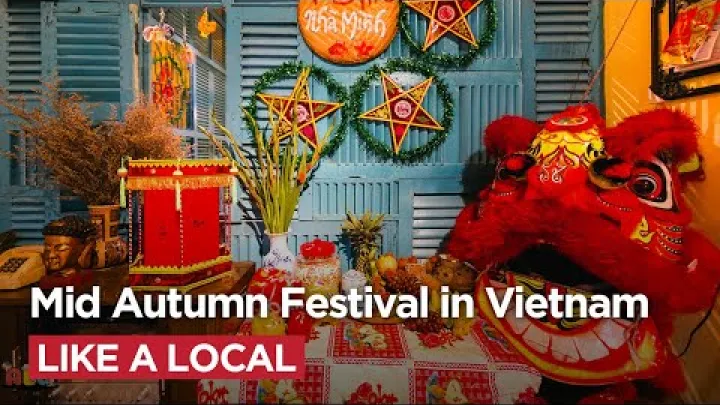
If you want to participate respectfully, observe local behavior and ask permission before photographing people in close-up, especially children. In temple areas or formal ceremonies, keep noise low and follow posted guidance. For planning, check local event calendars once you choose your destinations, since specific dates vary and activities can be scheduled on different evenings.
- Do keep a respectful distance when photographing families and children.
- Do ask before taking close-up portraits of vendors or performers.
- Do follow local rules in temples and heritage sites.
- Do not block walkways in crowded areas.
- Do not use flash photography in sensitive religious spaces.
Other public holidays and regional festivals that affect planning
Beyond Tet and the Mid-Autumn Festival, Vietnam has national holidays and regional celebrations that can influence crowds, prices, and transport demand. For travelers, festivals can be a benefit because they offer unique cultural moments, but they can also create logistics challenges such as limited room availability or fully booked trains. This matters especially for travelers with fixed schedules, including students arriving for programs and professionals traveling for business.
The best approach is evergreen planning: once you know your travel window, check whether it overlaps major public holidays and then lock in the most important parts of your trip. Keep daily schedules flexible because local traffic and opening hours can change. If you are staying in smaller towns, confirm essential services (transport connections, restaurant hours, and tour operations) with your accommodation.
- Book key transit legs early if your dates overlap a holiday week.
- Confirm tour operating days and attraction opening times a few days ahead.
- Arrive earlier in the day for long transfers to reduce stress from delays.
- Have at least one backup activity planned in case a site is closed.
Costs, Crowds, and Booking Strategy by Season
Weather is only one part of choosing travel dates. Costs, crowds, and booking availability can matter just as much, especially for families, students on a schedule, and remote workers who need reliable transport and internet. Understanding how peak, shoulder, and low seasons typically affect pricing and capacity will help you choose the right compromise for your budget and comfort.
Peak season vs shoulder season vs low season: what changes for travelers
Peak season usually brings the most comfortable or predictable weather for popular routes, which often leads to higher demand. That demand can increase prices and reduce choice, especially for well-located hotels, popular cruises, and limited-capacity experiences. Shoulder seasons often provide a strong middle ground, with generally good conditions and slightly less crowding, although some regions may still have weather risks during certain months.
Low season can be attractive for budget-focused travelers because accommodation and some tours can be noticeably cheaper. The tradeoff is higher weather uncertainty and, in some destinations, fewer daily departures or reduced services. Choosing the right season depends on your travel style: if you have fixed dates and low tolerance for delays, prioritize reliability; if you have flexibility and enjoy quieter attractions, low season may work well.
| Season | Typical weather pattern | Crowds | Prices | Best for |
|---|---|---|---|---|
| Peak | Often more comfortable or more predictable | Higher | Higher | Fixed schedules, first-time visitors, weather-sensitive tours |
| Shoulder | Often balanced, with some regional variation | Medium | Medium | Multi-region itineraries, good value with decent comfort |
| Low | Higher heat and/or more frequent rain in some regions | Lower in many areas | Can be lower | Budget travelers, flexible schedules, indoor-friendly city travel |
Booking timing and logistics: flights, trains, hotels, and tours
Overnight trains, boutique hotels, popular Ha Long Bay cruises, and small-group trekking tours can fill quickly during high-demand periods. If your itinerary includes these items, booking earlier usually gives better choice, even if you keep some flexibility in day-to-day activities.

For weather-sensitive activities such as cruises, island boats, and trekking, choose operators with clear safety and rescheduling policies. Confirm what happens if conditions are not suitable, and avoid schedules that depend on perfect timing. When possible, place weather-sensitive highlights in the middle of your trip so you can shift them by a day or two if needed.
- What to book first for a 7-day trip: flights, the main hotel bases, and one signature experience (for example, a cruise or a key tour day).
- What to book first for a 14-day trip: flights, long-distance transfers (train or domestic flights), key experiences with limited capacity, then hotels in smaller towns.
- What to book first for a 21-day trip: international flights, the backbone route (major transfer days), a few high-priority tours, then keep some segments flexible to adjust for weather.
- What are the cancellation and rescheduling rules, and how are refunds handled?
- What weather or safety thresholds trigger cancellation?
- Who makes the final decision (operator, port authority, local government)?
- Are there extra fees for date changes?
- What safety equipment and briefings are included?
If you are combining Vietnam and Cambodia: timing and route considerations
For travelers searching for the best time of year to visit Vietnam and Cambodia, the most practical answer is to plan around your top outdoor priorities and accept that weather windows may not perfectly overlap. The best time to visit Cambodia and Vietnam depends on which regions of Vietnam you include (north, central, south) and which Cambodian sites are central to your trip. Because transfers can be long, itinerary pacing and buffer days are as important as the climate.

A useful principle is to prioritize comfort for the most outdoor-intensive days, such as heritage complexes, long walking days, and boat-heavy itineraries. Then place city days and transfer days around them so you can adjust if rain interrupts plans. If you are traveling during wetter months, focus on destinations with strong indoor alternatives and choose transport options with more frequent departures.
Two sample routing options (season-aware, flexible)
- Option A: Vietnam (north-to-south) then Cambodia: Start with northern Vietnam when you want comfortable city walking and possible trekking windows, continue through central highlights if conditions look stable, then move to the south and onward to Cambodia. This works well when you want a clear geographic sequence and you can adjust coastal days if needed.
- Option B: Cambodia then Vietnam (south-to-north): Begin with Cambodia’s key sites, then enter southern Vietnam for city and delta travel, move to central Vietnam for heritage and coast when conditions fit, and finish in the north. This can be convenient when flights and visas align better with a south entry point.
Practical Tips: Packing, Itinerary Design, and Staying Comfortable
Good planning reduces weather stress. Even if you travel in a highly recommended window, you can still face short rain bursts, humidity, or cooler evenings in the north. The tips below focus on practical packing, route design across regions, and safety-first habits that help you stay comfortable and avoid preventable problems.
What to pack for Vietnam by season and region
Packing for Vietnam is easiest when you use a framework rather than a single list. Start with breathable clothing for heat and humidity, then add light layers if your route includes northern Vietnam or highland areas. Finally, include rain protection for wetter months or for destinations where showers are common. Because you may visit temples and formal sites, include at least one outfit that covers shoulders and knees to support respectful entry requirements.

In most seasons, sun protection and insect repellent improve comfort, and a waterproof method for documents helps during sudden rain. Footwear should match your plans: comfortable walking shoes for city days and more supportive shoes for trekking or cave visits. If you are moving between climates (for example, Sapa and Ho Chi Minh City), pack items that layer well rather than heavy single-purpose clothing.
- Core items (most trips)
- Breathable tops and trousers or shorts
- Comfortable walking shoes
- Sun protection (hat, sunglasses, sunscreen)
- Insect repellent
- Reusable water bottle
- Waterproof document storage (sealed bag or waterproof folder)
- One respectful outfit for temples and formal locations
- Seasonal add-ons (as needed)
- Light rain jacket or poncho
- Small umbrella (useful for sun or rain)
- Light sweater or jacket for northern evenings and highlands
- Quick-dry socks and clothing for humid periods
- Waterproof shoes or sandals for wetter destinations
How to build a weather-smart itinerary across multiple regions
A weather-smart itinerary uses sequencing and flexibility. Start with the region that has the most favorable conditions for your top priority activities, then move to the next region as conditions typically change. For example, if your trip includes trekking in the north and beaches in the south, place trekking when you expect better visibility and safer trails, and keep city days as “flex days” that can absorb rain without major disappointment.

Realistic pacing matters even more in heat and humidity. Overpacked itineraries make small delays feel stressful and reduce your ability to adjust to weather. Build plan B options for each base, such as indoor museums, cooking classes, and alternative day trips that do not depend on sea conditions. Also consider travel time realism: domestic flights still require airport transfers, and overnight trains require recovery time the next day.
Example of a flexible 2-week structure (simple steps)
- Choose 3–4 base locations total (for example, one in the north, one in the center, one in the south, plus an optional island).
- Place weather-sensitive highlights (cruise, trekking, snorkeling) in the middle of each base stay, not on the arrival day.
- Keep one “open day” per week for rescheduling due to rain or transport delays.
- Schedule outdoor activities early; reserve midday for indoor options or rest.
- Confirm forecasts and operator messages 24–48 hours before sensitive tours.
- Common mistake: planning back-to-back long transfers. Fix: add a recovery morning or a short local activity day.
- Common mistake: booking a cruise the morning after a late arrival. Fix: sleep near the departure point and keep a buffer.
- Common mistake: assuming rainy season means constant rain. Fix: plan around typical shower patterns and keep indoor backups.
- Common mistake: ignoring altitude. Fix: pack layers for highlands even when the coast is hot.
Safety, health, and travel insurance considerations for seasonal travel
Seasonal travel safety in Vietnam is mostly about managing predictable risks: storm warnings, heat exhaustion, and slippery surfaces during wet periods. The safest approach is to check forecasts regularly, follow local authority instructions, and accept cancellations for sea and mountain activities when operators judge conditions unsafe. If you are trekking or visiting caves, pay close attention to briefings and do not take shortcuts on wet trails.

Travel insurance can be especially relevant when weather disrupts transport or tours. Before you go, check the details that matter for your trip: medical coverage, trip delay support, and how cancellations are handled for weather-related events. This is not only for extreme storms; even routine delays can create extra hotel nights and transport changes that become expensive without coverage.
- Before you go: confirm what your insurance covers for delays, cancellations, and medical care.
- Before you go: save emergency contacts and your embassy or consulate information.
- Before you go: plan medications and basic supplies (pain relief, plasters, oral rehydration salts if appropriate).
- During the trip: follow storm and flood guidance, and avoid risky sea or mountain activities during warnings.
- During the trip: rest and hydrate in hot weather, and seek help early if you feel unwell.
Frequently Asked Questions
What is the Vietnam best time to visit for a first trip that covers north, center, and south?
March to April is often a strong choice for multi-region itineraries because conditions are frequently balanced across the country. September to November can also work well, especially for the north, but central Vietnam may be wetter in parts of that period. The best approach is to pick dates and then adjust the route so your most weather-sensitive activities fall in the most suitable region at that time.
Is rainy season in Vietnam a bad time to travel?
No, rainy season is not automatically a bad time to travel. Many destinations experience short, intense showers rather than all-day rain, and you can plan around them with early starts and indoor backups. The main tradeoff is higher uncertainty for boats, trekking, and long transfers.
When is the best time to visit Vietnam for beaches?
The best time depends on which coast or island you choose because regions have different wet and dry patterns. For Phu Quoc, the clearer, drier period is typically preferred for calm water and better sea visibility. For central beaches near Da Nang, planning around the central region’s rainy period later in the year can improve reliability.
What is the best time to visit Hanoi Vietnam if I dislike heat and humidity?
Autumn and spring are often more comfortable for walking in Hanoi because humidity is usually lower than in mid-summer. Winter can also be comfortable for sightseeing, but evenings may feel cool, especially if you are arriving from southern Vietnam. Pack light layers so you can adjust during the day.
Do typhoons affect Vietnam travel plans?
Yes, tropical storms can affect travel plans, especially along the central coast during parts of the year. Common impacts include boat cancellations, flight delays, and temporary closures. Monitor official forecasts and follow local guidance, and keep buffer time if your trip includes cruises or island transfers.
What is the best time of year to visit Vietnam and Cambodia together?
The best time is when conditions support your key outdoor days in both countries, even if weather is not perfect everywhere. Many travelers choose a shoulder-season window and then plan by region, since Vietnam’s north, center, and south can differ. Add buffer days for long transfers and keep your most weather-sensitive tours flexible.
In most cases, the best results come from combining a region-based weather plan with flexible scheduling. Choose your top priorities first, place weather-sensitive experiences where conditions are typically more reliable, and protect the itinerary with buffer time and indoor alternatives. This approach keeps the trip enjoyable even when local weather changes.
Select area
Create a post
Posting is free and no registration is required.