- Tay Son Heaven and Earth Esplanade: Historic Shrine in Quy Nhon
- Quang Trung Museum: Tay Sơn History & Culture in Quy Nhon
- Banh It Cham Towers: Ancient Heritage & Photography in Quy Nhon
- The Thon Beach in Cat Tien: Clean Shores & Affordable Watersports
- Linh Phong Pagoda in Quy Nhon: The Sacred Mountain Temple
Vietnam Military History Museum: Visitor Guide to the New Hanoi Campus
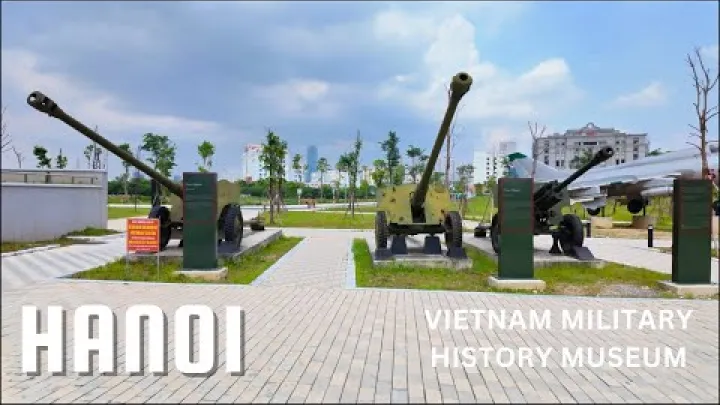
The Vietnam Military History Museum is one of Hanoi’s most important places to learn how Vietnam’s history has been shaped by defense, conflict, and national rebuilding. This guide focuses on the new Vietnam Military History Museum campus, which is larger and designed for a full indoor-and-outdoor visit. You will learn what to expect inside the galleries, how to plan your route, and how to handle practical details like transport, tickets, and photography rules. If you have searched for “Vietnam military history museum Hanoi” or want to plan your own Vietnam Military History Museum photos, the sections below are written to help you visit with confidence and respect.
What the Vietnam Military History Museum Is and Why It Matters
Military museums can feel complex because they combine objects, timelines, and emotional topics in one place. The Vietnam Military History Museum is designed to help visitors understand a long historical arc, not only a single modern war. On the new campus, you will usually experience both indoor galleries and outdoor heavy-equipment displays, which makes it different from smaller, building-only museums.
For international travelers, the most useful approach is to treat this museum as a structured learning space. You can move at your own pace, choose how much detail you want, and focus on artifacts that match your interests. The museum’s scale also means planning matters: you may walk long distances, spend extra time reading labels, and need breaks between sections.
Museum overview and what you will learn
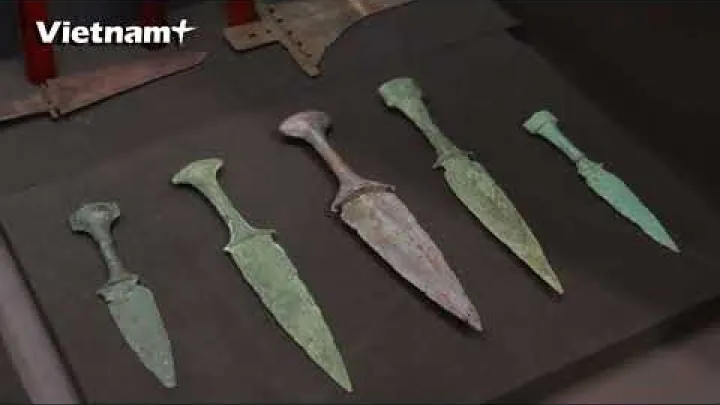
The Vietnam Military History Museum is a national-level museum focused on Vietnam’s military past across many eras, from early historical periods through modern times. Visitors typically encounter a chronological storyline, where exhibits build context step by step and connect objects to broader changes in society, technology, and national defense. In practice, that means you may see items such as weapons and vehicles, but also documents, photographs, uniforms, and personal belongings that explain how people lived and served.

At the new Vietnam Military History Museum, expect a large campus with multiple indoor gallery areas plus outdoor displays of large equipment. Many visitors plan their route like a timeline: start with earlier history to understand background, then move forward into the twentieth century and more recent periods.
Who should visit and how to decide if it fits your itinerary
This museum can fit several travel styles. First-time Hanoi visitors often choose it to understand the country’s history in a structured way, especially if they want context beyond food, markets, and landmarks. History learners and students often appreciate the chronological format and the mix of artifacts, maps, and interpretive panels. Photography-focused travelers also find many opportunities, from wide outdoor scenes to detailed close-ups of labels and material textures, which is why “Vietnam Military History Museum photos” is a common search.
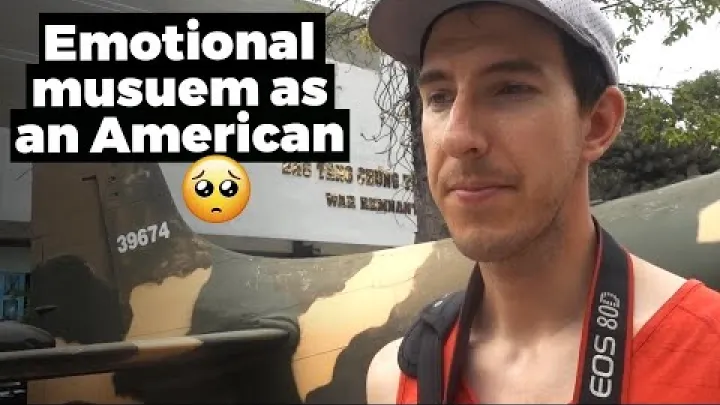
It can also be a meaningful stop for veterans and for families with older children who can handle longer reading and heavier themes. At the same time, it is important to plan for emotional intensity: military museums can include difficult images and stories. If you prefer a lighter day, you might shorten your visit or focus on earlier eras, architecture, and outdoor equipment rather than the most intense modern-war sections.
Time commitment is another deciding factor. Because the campus is large and includes both indoor and outdoor areas, many visitors spend multiple hours, and travel time from central Hanoi adds to the total. A simple “yes” sign is that you enjoy learning from real objects and diagrams, or you are interested in aircraft, tanks, design, or curated storytelling. A “no” sign is that you have very limited time in Hanoi or you prefer attractions that require little reading and minimal walking.
How it compares to other war and history museums in Vietnam
The Vietnam military history museum Hanoi experience is often broader in scope than museums that focus mainly on a particular modern conflict. In Hanoi, the museum presentation commonly aims to connect multiple eras into one national narrative, so visitors can see long-term changes in strategy, technology, and organization. In Ho Chi Minh City, the War Remnants Museum is often visited for a more concentrated focus on war-era themes and the human impact of conflict, which can feel more intense for some travelers.
A practical traveler approach is to match the museum to your learning goal. Visit the Hanoi museum if you want a long historical arc, large outdoor displays, and a campus-style visit. Visit additional museums in other cities if you want more perspectives or deeper focus on a specific period. In Hanoi itself, you may also find other history and military-related museums that work well as companions, especially if you want to compare how different institutions explain similar events.
| Topic | Vietnam Military History Museum (Hanoi) | War Remnants Museum (Ho Chi Minh City) |
|---|---|---|
| Typical scope | Long timeline across many eras | More concentrated modern-war focus |
| Visit format | Large campus with indoor and outdoor areas | Primarily indoor museum visit |
| Good for | Context-building, vehicles, chronology | Specific war-era themes and reflection |
Museum History and the Move to the New Campus
Understanding why the museum exists and why it moved helps you interpret what you see. A museum is not only a display space. It is also a conservation site that protects fragile objects, organizes them with a clear storyline, and makes them accessible to the public. When a museum grows, it often needs more space for storage, restoration work, and visitor services.
The Vietnam Military History Museum has developed over decades, and the transition to a new campus reflects practical needs as well as a desire to modernize how history is presented. Because the new facility is relatively recent, some visitor services and exhibit areas may continue to evolve. It is wise to confirm the latest information shortly before your trip.
Key milestones: founding, growth, and national role
The Vietnam Military History Museum is generally described as having been established in the 1950s and later developed into a major national institution for preserving military-related artifacts. Over time, collections like these typically expand in several ways: objects are donated by veterans and families, items are transferred from agencies for preservation, and curators build thematic collections that help explain different periods. Even when the same object type appears in many places, museum context can make it meaningful by connecting it to a particular unit, place, or moment.
Museums preserve artifacts for education, conservation, and public memory. “Education” here is practical: visitors learn through timelines, maps, and carefully selected objects that illustrate change. “Conservation” means preventing damage from humidity, light, and handling, which is especially important in a tropical climate. “Public memory” means giving space for reflection and for understanding how national stories are constructed, while allowing visitors to ask their own questions as they move through the exhibits.
Why the museum relocated and what changed
The museum relocated from a former central Hanoi setting to a larger, purpose-built campus. The most visible change for visitors is space: more room for large objects, wider walkways, and outdoor areas that can display aircraft, tanks, and artillery with safer viewing distance. A larger site also supports behind-the-scenes needs like storage, restoration, and controlled environments for sensitive documents and textiles.
Another change is visitor flow. Newer museums are often designed so that crowds can move in one direction, with clearer transitions between time periods, and more areas where groups can pause without blocking others. You may also notice more technology used for interpretation, such as video screens or QR codes, which can reduce reliance on long text panels alone.
The opening period of the new campus has been reported as late 2024, which makes it a recent addition to Hanoi’s museum landscape. With recent openings, some details can change as operations mature, including hours, ticketing procedures, and which galleries are fully open. Checking the museum’s current visitor information shortly before you go is the simplest way to avoid surprises.
Architecture and site scale: what makes the new campus notable
The new campus is widely described as a modern museum complex with substantial indoor and outdoor space, designed for large visitor numbers and large-scale artifacts. It has been reported that a Japanese architecture firm was involved in the design, which may interest travelers who also enjoy contemporary public buildings. Even if you are not focused on architecture, the overall layout affects your visit because distances between major exhibit zones can be significant.
Some interpretive descriptions of the site refer to symbolic design ideas, such as themes that connect sea, land, and sky, or peace-oriented messages tied to remembrance. The safest way to engage with these themes is to look for the museum’s own phrasing on-site, then compare it with what you physically observe: how the building guides movement, where open plazas create gathering space, and how outdoor objects are positioned in relation to indoor narratives.
For planning, treat the museum as both a building and landscaped grounds. You may walk through open areas with limited shade, transition between air-conditioned galleries and outdoor heat, and spend time standing in wide open plazas. Comfortable shoes, sun and rain planning, and a paced route matter here more than they do in small, single-floor museums.
Visitor Information: Hours, Tickets, and Rules
Practical details can affect your experience as much as the exhibits. Hours, ticketing, and entry procedures sometimes change, especially at newer venues or during busy travel seasons. For a museum outside central Hanoi, arriving at the wrong time can also create extra transport cost and wasted travel time.
The best strategy is to plan using the most current official information available, then build a flexible schedule. Even if you have a clear “must-see” list, you will likely adjust on site based on crowds, weather, and how long you spend reading labels or using multimedia displays.
Opening hours, closed days, and holiday considerations
Many large museums operate with morning and afternoon sessions, and some have a regular weekly closure day. However, hours can change due to maintenance, holiday schedules, special events, or operational updates at a new campus. For that reason, treat any hour listing you see online as “check before you go” information rather than a guarantee.
For planning, consider two practical tactics. First, arrive early if you prefer quieter indoor galleries and more time with labels and maps. Second, expect higher visitor volume during weekends, public holidays, and peak travel months, and also during periods when school groups visit. If your schedule allows, a weekday morning often provides a calmer pace for learning and photography.
To verify hours, use official museum channels when possible, and compare with the most recent updates on major map platforms. If you are staying at a hotel, staff can sometimes confirm whether the museum is open that day and help you plan a departure time that avoids peak traffic. Building a small buffer of extra time is useful because traffic patterns in Hanoi can be unpredictable.
Ticket prices, discounts, and what to expect at the entrance
If you are searching for “Vietnam Military History Museum entrance fee” or “Vietnam Military History Museum tickets,” the key point is that pricing and discount rules can vary over time. Some museums apply different ticket categories for residents and international visitors, and some offer discounts for students, seniors, or children. Rather than planning around a specific number, budget for both the ticket and transportation as one package, especially since the new campus is outside the Old Quarter.

At the entrance, expect an on-site purchase process with a staffed ticket counter or ticket window. If you plan to request a discount, bring appropriate identification such as a student card or passport, and be ready for staff to confirm eligibility. During peak times, queues can form, so arriving earlier in the day can reduce waiting.
New venues sometimes run opening promotions, such as limited-time free entry or special pricing, and these can also change without much notice. If you see announcements online, confirm whether they are still active on your visit date. As a practical habit, carry small cash as a backup even if electronic payment is usually available.
Museum rules: photography, bags, security, and respectful behavior
Most museums have basic rules for safety and conservation, and military museums often add extra restrictions. Commonly applied policies include security screening at the entrance, limits on large bags, and rules about where photography is permitted. Some areas may allow photos but restrict flash, tripods, or drones, especially where objects are fragile or where visitor flow is tight.

For bags and comfort items, plan for flexibility. If you carry a large backpack, you may be asked to open it for inspection or to store it in a designated area if the museum provides one. Travelers with strollers or mobility aids should look for ramps, elevators, and smooth pathways, but also expect that some outdoor routes may be long or uneven because they cross landscaped grounds.
Respectful behavior matters, particularly in spaces that function like memorial exhibits or display personal items connected to loss. Keep voices low in quiet rooms, do not touch objects unless clearly marked as interactive, and follow barriers around vehicles and wreckage. Many “Vietnam Military History Museum reviews” focus on practical issues such as crowding, signage clarity, restrooms, and time management, so your experience often improves when you arrive early, pace yourself, and read posted rules as soon as you enter.
How to Get There From Central Hanoi
A visit usually works best as a half-day block when you include travel time, time on site, and the return trip. If you attempt to fit it into a tight morning with other attractions across town, traffic alone can make the day feel rushed.

Before you leave, take one minute to confirm you are navigating to the new campus rather than an older listing. This is especially important if you have saved an old map pin or if your taxi driver recognizes the museum name from earlier years. A small preparation step can prevent confusion and extra cost.
Location basics and how far it is from popular areas
The museum is generally described as being in the Nam Tu Liem area of western Hanoi rather than in the Old Quarter.
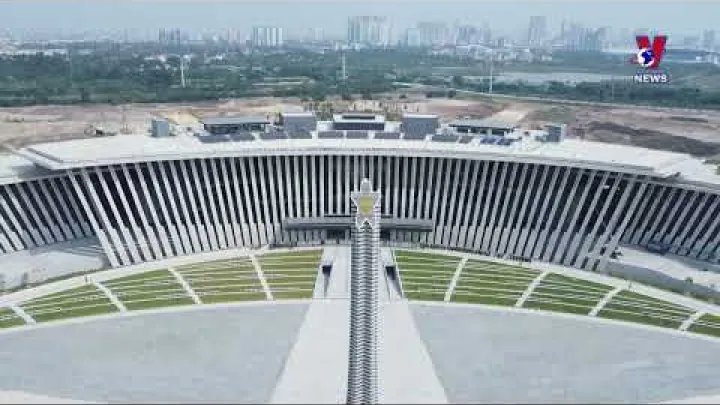
A simple way to plan is to think in three parts: leaving your hotel, time inside, and the return trip. If you want a comfortable half-day, plan for the museum visit itself plus additional time on both ends for transport and entry procedures. If you prefer less stress, avoid scheduling a fixed-time lunch reservation immediately after your visit.
To pin the correct destination, open your map app and confirm the listing shows the new campus context (such as “new” or an updated location marker) and recent photos or reviews. If you want a backup, keep the museum name saved on your phone and also save a screenshot of the location pin. This short checklist inside your plan—correct pin, screenshot, buffer time—prevents the most common navigation problems for first-time visitors.
Taxi, ride share, and private transport options
For most international travelers, the easiest option is a taxi or ride-share app because it reduces navigation effort and avoids language issues at bus stops. Ride-share apps can provide clearer price estimates and route tracking, while traditional taxis can be convenient near hotels and major tourist areas. If you prefer a fixed schedule, a hotel driver or private car can be comfortable, especially for families or travelers who do not want to use motorbikes.

To make pickup smoother, prepare the destination on your phone before you step outside. Screenshot the museum name and map pin, and keep a second note with the destination in Vietnamese if your app provides it. Traffic can be slower on main boulevards at rush times, so allow extra time, especially if you are aiming to arrive near opening hours or leave near closing time.
Return-trip planning is often overlooked. If you exit at a busy time, you may wait longer for a ride, so it helps to arrange pickup in advance or identify where official taxis typically queue near the entrance. Travelers who cannot use motorbikes should still find the trip manageable by car, but should plan for longer travel times and occasional delays. Carry some cash as a backup payment method and keep your phone charged so you can confirm your car’s plate number and pickup point.
Public transport: buses and practical navigation tips
Public buses can be the lowest-cost option, but they require more planning because route numbers, stop locations, and walking distances can be confusing if you do not read Vietnamese. The most practical method is to use a map app with live bus routing so you can confirm the correct direction, track your progress, and reduce the risk of getting off too early or too late.

A traveler-friendly process is to plan in steps. First, identify the nearest bus stop to your hotel and confirm the stop is on the correct side of the road for your direction. Second, confirm the route and the approximate number of stops before you board, and track the bus as you ride. Third, plan the final walk from the bus stop to the museum entrance, including safe crossings on larger roads if needed.
If bus signage is difficult, use a simple fallback: ask hotel staff to write the museum name or show the destination on your phone in Vietnamese and keep it ready. You can also show the driver or other passengers the destination pin without needing a long conversation. Even with good planning, buses can take longer than cars, so a bus visit is often best on a day when you have flexible timing and can accept extra travel time.
Indoor Exhibitions: Galleries and a Visitor-Friendly Route
Indoor galleries are where most visitors build their understanding of the museum’s storyline. While outdoor displays can be visually impressive, indoor exhibits usually provide the context that makes large objects meaningful. If you want the visit to feel coherent, start indoors and let the museum’s chronology guide you, then use the outdoor areas as a way to see full-scale examples of what you learned inside.

Because the new campus is large, a “route mindset” helps. Decide early whether you want a full chronological tour or a selective visit. Both approaches work well, as long as you are intentional about what you skip and why.
Understanding the gallery structure and chronology
The museum is commonly described as using a chronological approach, moving from earlier eras into modern history. In practical terms, you will likely see multiple rooms or zones arranged so that visitors can follow a timeline, with transitions marked by dates, major events, and shifts in military organization or technology. This structure is helpful for travelers who do not already know Vietnam’s historical periods because it provides context before you reach the more recent conflicts that many visitors recognize.

A visitor-friendly route is to start with the earliest sections and move forward in time, even if you do not read every label. Early galleries often include foundational themes such as state formation, defense traditions, and changes in weapons and fortifications over long periods. Then, as you move into the nineteenth and twentieth centuries, the exhibits typically become denser with photographs, documents, and personal stories.
If you have limited time, prioritize by interest rather than trying to complete every room. For example, an aviation enthusiast might move faster through early sections and slow down in modern-era rooms that connect to air defense history. A student might do the opposite: move steadily through all periods but focus deeply on one era for a class topic. Labels, maps, and multimedia can slow your pace in a good way, so plan time for reading and for re-checking timelines when you feel lost.
Key themes you will likely see in the modern-era sections
In modern-era sections, visitors often encounter themes such as anti-colonial resistance, major twentieth-century conflicts, national reunification, and post-war military development. These themes may be presented through a combination of timelines, campaign summaries, and objects linked to specific units or locations. While the details vary by gallery, the overall intent is usually to connect national events to tangible evidence: equipment, official documents, and personal items.

Artifacts in these rooms often represent more than weapons. Documents can show decision-making and communication, photographs can show daily life and conditions, and uniforms can show rank, role, and changing material technology. Personal objects can humanize history by showing what individuals carried, wrote, or used, which can be especially helpful for family conversations and student learning.
It also helps to remember that museums present a curated national narrative. That does not reduce the value of the visit, but it does shape what is emphasized and how events are framed. A thoughtful way to approach difficult topics is to read the panel first, then look closely at the object, and finally note questions that you can explore later through additional museums or reputable history summaries. This approach keeps the experience respectful and grounded, even when the subject matter is emotionally heavy.
Language support, signage, and audio guidance
Language support can vary across a large museum. Some displays may be bilingual, while others may be Vietnamese-first with limited English summaries. If you do not read Vietnamese, you can still learn a lot by focusing on visuals, dates, maps, and object labels, but you should expect to spend extra time interpreting content.

Phone tools can make a big difference. A simple method is to open your camera translation feature, point it at a label, and capture a screenshot for later reading, especially if you do not want to block other visitors while translating on the spot. If QR codes are present, scan them and save the page in your browser so you can re-open it during a break. If the museum offers audio guidance, treat it as a “look for it on-site” option rather than a guaranteed service, and be prepared that language choices may be limited.
For students and researchers, a practical note-taking system keeps the visit organized. Choose a theme such as air defense, logistics, or daily life, and take notes only when you see material connected to that theme. Where photography is allowed, taking clear photos of timelines and labels can help you review details later without trying to memorize everything in one day.
Outdoor Exhibits and the Museum Grounds
The outdoor areas are often the most memorable part of a visit to the new campus because they provide full-scale objects that cannot fit inside traditional museum buildings. Even visitors who are not military specialists tend to enjoy seeing large aircraft and vehicles up close, as long as they approach the displays with basic safety and respect.
Because the grounds can be large and exposed to weather, outdoor planning is not only about what you want to see. It is also about when you go outside, how you pace your walking, and how you manage heat, rain, and light for photography.
Aircraft, tanks, artillery, and large-scale equipment displays
Based on common layouts at the new Vietnam Military History Museum, the outdoor areas typically include large equipment such as aircraft, helicopters, tanks, anti-aircraft guns, and other heavy items that are easier to appreciate at real size. Outdoor displays also help visitors understand proportions: the height of an aircraft tail, the thickness of vehicle armor, or the scale of artillery compared with the people who used it.
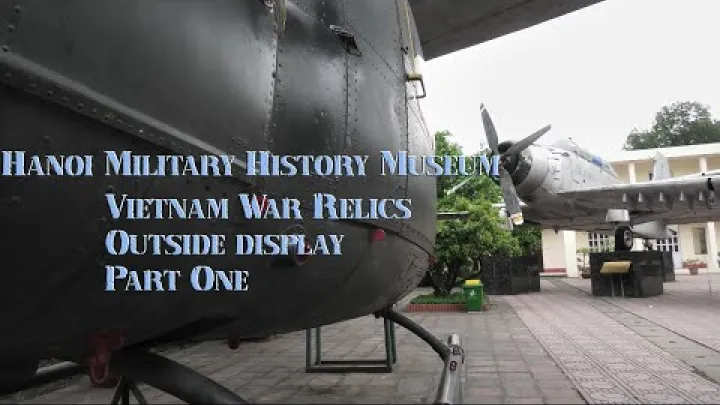
Safety and respect are important here. Do not climb on equipment unless you see clear signs that it is permitted, and follow barriers even if others ignore them. Barriers protect both visitors and objects, and they also reduce damage from constant touching and foot traffic. If you are traveling with children, explain simple rules before you enter the outdoor area so you do not need to correct behavior repeatedly.
For photography, outdoor equipment works best with planning. A wide-angle lens or a phone’s wide setting helps capture entire vehicles without stepping too far back. Morning and late afternoon light is often softer and can reduce harsh shadows, while midday sun can make metal surfaces reflect strongly. If you want cleaner photos with fewer people, go outside early, or return outdoors later when tour groups concentrate indoors.
Wreckage displays and how to interpret them
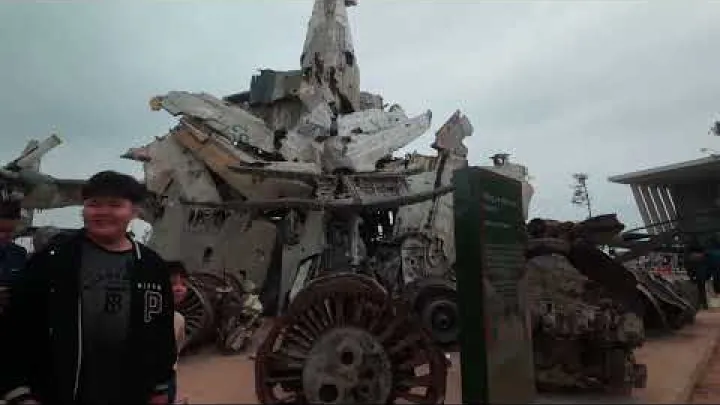
Some outdoor installations may use wreckage-based displays, including remains of aircraft or other damaged equipment, arranged to show material evidence of conflict and the physical consequences of combat. Wreckage can communicate scale and technology in a way that intact objects cannot, because it reveals internal structures, materials, and damage patterns. For many visitors, these displays also prompt reflection because they represent loss as well as engineering.

The most useful way to interpret wreckage is to rely on labels and context panels rather than assumptions. Read the panel first to understand what the object is, where it came from, and why it is displayed in its current condition. Then look for observable details such as the type of metal, the shape of broken edges, and any serial numbers or markings that are visible and described. If an area has an informal nickname used by visitors, treat that as a casual term and look for the museum’s official naming on signs.
If you are traveling with someone who finds these topics difficult, you can choose a gentler path across the grounds. Outdoor areas often have multiple routes, so it is possible to focus on intact vehicles and open-air viewing areas while spending less time at wreckage displays. This is a respectful way to accommodate different comfort levels without avoiding the museum’s educational purpose.
Landscape, walking distances, and weather planning
The museum grounds are part of the experience, but they also create practical challenges. Outdoor displays usually involve long walking distances across open spaces, with periods of direct sun and limited shade. In Hanoi’s warmer months, heat and humidity can build quickly, especially if you are walking slowly to take photos or reading outdoor panels. In the rainy season, sudden showers can make open plazas slippery and can make it uncomfortable to move between outdoor objects.
Plan what to bring in a way that matches your travel style. Comfortable walking shoes matter because you may spend hours standing and moving across paved paths and open areas. Water is useful even for visitors who do not feel thirsty at first, because heat can reduce attention and shorten your patience for reading. A hat and simple rain protection help because weather can change between your arrival and departure, and some outdoor exhibits may be far from indoor shelter.
Season planning makes the day smoother. In summer-like conditions, many travelers prefer “indoor first, outdoor later” so they can learn in air-conditioned spaces while the sun is strongest, then go outside when light is softer. In cooler months, you might reverse that plan: do outdoor areas first while you have energy for walking, then use the indoor galleries for a slower, more detailed reading session. On days with uncertain weather, split the outdoor visit into short loops, returning indoors between loops so you do not get stuck far from shelter during heavy rain.
Different traveler types benefit from different pacing. Families with older children often do better with a clear break plan, such as one indoor section, a rest, one outdoor zone, then another rest, rather than a long continuous walk. Older travelers may prefer fewer outdoor zones with more time sitting, so it helps to look for benches, shaded edges, and quieter corners where you can pause without blocking pathways. A calm, steady pace usually results in better learning, better photos, and a more respectful experience overall.
Must-See Highlights and National Treasures
In a large museum, “highlights” are practical tools. They help you focus when time is limited, and they give structure if you feel overwhelmed by the amount of information. At the Vietnam Military History Museum, highlights often combine strong visual impact with clear interpretive value, such as notable aircraft, a symbolic tank, and documentary artifacts that show planning and decision-making.
Some objects are also described as nationally significant, which can guide your priorities. When you encounter a major highlight, take a moment to read the full panel, look for supporting photos or maps, and then step back to observe how the museum positions the object within the larger narrative.
MiG-21 aircraft highlights and what they symbolize
For many visitors, these aircraft act as an anchor point because the MiG-21 is recognizable, and because aircraft displays make the connection between technology, training, and national strategy easier to visualize. Even if you are not an aviation specialist, the shape, size, and construction details provide a strong sense of the era’s engineering.
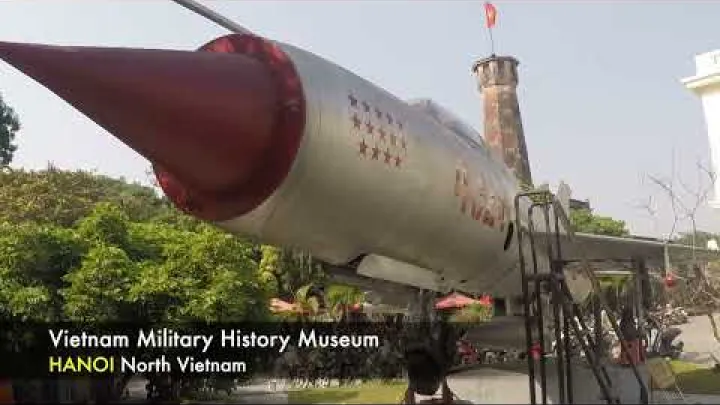
To view these aircraft well, start with the context panels and any nearby photos that show how the aircraft were used and maintained. Museums often display aircraft either suspended to show flight posture or grounded to show landing gear and access points, and each approach emphasizes different details. Look for information about the aircraft’s service context and any named individuals connected to it, but avoid assuming combat records if they are not clearly stated in the exhibit text.
If you want better understanding without technical background, focus on observable elements: cockpit layout, intake shape, wing design, and visible markings. Then connect those observations back to the museum’s narrative about air defense and the challenges of operating advanced equipment. This keeps the experience historical and object-based, rather than turning it into a debate about numbers or claims that are not displayed.
The T-54B tank associated with April 1975
In a museum setting, a tank like this is more than a vehicle: it is used to represent a specific moment, the end of a long period of conflict, and the transition into a new national phase. For many visitors, it is one of the clearest “single-object summaries” of the museum’s modern-era storyline.
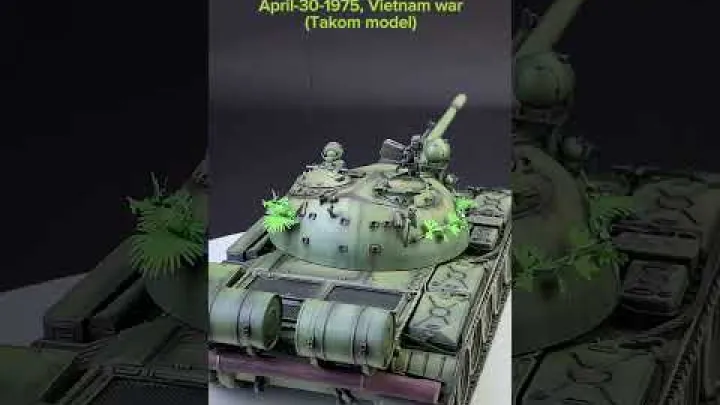
To read the exhibit carefully, look for markings, unit information, and any panel text that places the tank in a broader campaign timeline. Museums may also use photos, diagrams, or map excerpts nearby to show where the vehicle fits into larger movements. If the display makes specific claims such as being the first in a sequence, follow the museum’s exact wording and avoid adding your own assumptions.
This moment is historically important in Vietnam because it is tied to reunification and a national shift after decades of conflict. Visitors who want broader context can compare what they learn here with related sites in Ho Chi Minh City, but it is not necessary to do that immediately. A practical method is to note key dates and names from the panel, then review them later when you have time to read calmly and compare multiple sources.
Campaign maps and documents: learning strategy and decision-making
Documentary artifacts such as campaign maps, written orders, photographs, and official communications help visitors understand how decisions were made. These items show planning and logistics, not only combat, and they often explain why certain locations mattered and how large operations were coordinated. For visitors who feel overwhelmed by equipment displays, documents can provide a clearer storyline because they often include dates, place names, and structured information.

The museum has been described as displaying a notable battle map connected to the final campaign of the war, which is a strong example of a “document as artifact.” Even when a map is reproduced or protected behind glass, it can still teach you how planners represented space, movement, and priorities. Treat it as a significant example on display rather than assuming it is the only or definitive planning document for the period.
If you are not familiar with military maps, start with common symbols. Lines often show routes or fronts, arrows commonly show direction of movement, and dots or blocks may mark units, positions, or targets depending on the legend. Spend time finding the map legend or key if it is shown, then connect one symbol to the timeline panel nearby. Taking a clear photo of the map and the legend (where permitted) can help you study it later without rushing in the gallery.
Other notable collections: uniforms, personal items, and international solidarity materials
Beyond the best-known vehicles and aircraft, many visitors find the most memorable moments in smaller cases. Uniforms show rank systems, role differences, and changes in materials over time. Personal belongings and letters can make history feel human and specific, because they connect large events to individual lives. Posters, newspapers, and related media help explain how information was communicated and how public messaging changed during different periods.
The museum is also described as including materials related to international solidarity and external support, which can appear as posters, gifts, publications, or other objects. If you see these items, read the label closely to understand who provided them and why they were preserved. Avoid guessing country or organization details unless they are clearly stated on the exhibit text.
If time is limited, use a theme-first method to choose what to focus on. Pick one theme such as “daily life,” “technology,” or “communications,” and then prioritize a few strong cases per room rather than trying to read everything. This approach reduces fatigue and helps you leave with clear memories and notes, instead of a blur of partially read labels.
Technology and Interactive Features
Modern museums often combine traditional objects with digital tools that add context, translations, and visual storytelling. At the new campus, visitors may encounter screens, videos, and QR-linked content that expands beyond what can fit on a label. These tools can be especially helpful when a complex topic needs maps, animations, or archival footage to make it understandable.
At the same time, technology should feel optional. A good museum visit still works if you prefer to walk, read, and observe without scanning anything. The best approach is to decide how much technology you want to use, then set up your phone and pacing so you do not spend the entire visit looking at a screen.
Digital displays, QR codes, and multimedia storytelling
Digital displays can help explain artifacts that are hard to understand at first glance. A short video can show how equipment was operated, a screen can zoom into a document that is too fragile to display openly, and an animation can clarify how a campaign unfolded over time. QR codes, when present, can provide expanded text, more photos, or multiple-language summaries, but availability can differ by gallery and by the museum’s ongoing updates.
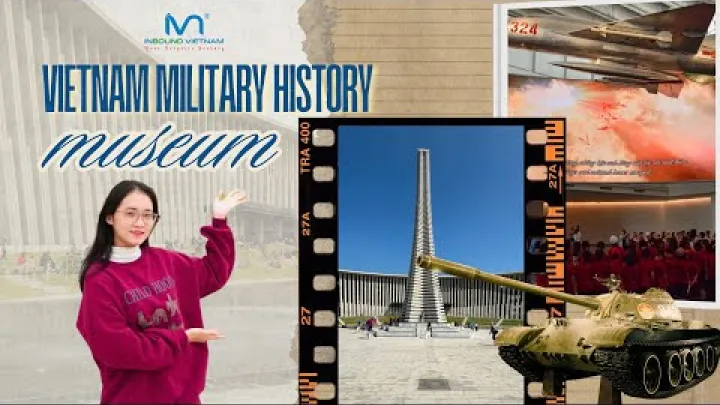
For a smooth experience, prepare a few simple basics: keep your phone charged, bring headphones if you expect to watch videos, and use a browser “save” or “bookmark” function for the most useful pages. If you scan a QR code and the page is in Vietnamese, you can use built-in translation in your browser to get the main idea. If translation is imperfect, focus on dates, place names, and image captions, which usually transfer more clearly than long paragraphs.
Not every digital feature will be available in every language, so avoid relying on technology as your only source of information. A low-tech method also works well: read the main wall text, look carefully at the object, and then use the timeline panels to place it in context. This approach is also useful when the museum is crowded, because scanning codes in tight spaces can slow down traffic and create frustration for other visitors.
Immersive elements and learning for younger visitors
Interactive and immersive elements can help younger visitors stay engaged, especially in galleries where many objects look similar at first. Hands-on features, reconstructed environments, and multimedia stations can help students remember what they learned because they connect facts to experiences. For families, the key is to choose age-appropriate sections and avoid pushing children through every room if attention is dropping.
A family-friendly approach is to build in breaks and to alternate intensity. You might start with a visually clear section (such as uniforms and daily-life items), take a short rest, then visit one modern-era room with a parent-guided explanation, and then move outdoors for open space. If a room includes disturbing images, it is reasonable to skip it and continue the chronology in a less intense way.
Example itinerary for a student visitor: choose one era and one artifact type before you enter, such as “air defense in the twentieth century” plus “campaign maps.” Spend time on timelines, take notes, and photograph key labels where allowed. Example itinerary for a general tourist: do a fast chronological walk to get the storyline, then spend extra time on a few signature objects such as aircraft and tanks, and finish outdoors for wide photos and fresh air.
How to evaluate accuracy and context in a modern museum
Museums are curated interpretations, which means choices are made about what to include, what to summarize, and what to emphasize. A practical way to evaluate context is to look for clear dates, consistent timelines, and panels that explain why an object matters. When you see a strong claim, check whether the display provides supporting details such as named locations, unit identifiers, or a clear connection between the artifact and the event.
Cross-checking is a normal learning habit, not a criticism. If you want broader understanding, you can compare what you learn here with other museums in Vietnam, or read reputable history summaries after your visit. Taking notes on questions, unfamiliar terms, and key dates helps you do this later without trying to resolve everything on the spot.
If you want to ask questions, keep it simple and respectful. You can point to a panel and ask for clarification on a term, a date, or a place name. Staff may not always have time for long discussions, especially during peak hours, but short questions often get helpful answers. Treat the museum as a starting point for deeper study, especially if you are learning about Vietnam’s history for the first time.
Making the Most of Your Visit
A large museum visit is easier when you plan pacing, rest, and priorities. The new campus combines indoor galleries, outdoor grounds, and technology-based content, so it can take longer than you expect if you read carefully. A good plan helps you avoid fatigue and helps you leave with clear memories of what you actually saw and learned.
Use flexible goals. Instead of trying to “finish the museum,” aim to understand the main chronology and to connect with a few key artifacts. This approach works well for both tourists and students because it leaves room for unexpected discoveries.
How long to plan and how to pace the visit
Many visitors spend several hours at the Vietnam Military History Museum because of the campus scale and the amount of reading and viewing time. Your personal pace will depend on factors such as crowds, weather, interest in documents, and how much time you spend taking photos. If you have limited time, a shorter visit can still be worthwhile, but it helps to define what “short” means for you before you enter.
A flexible planning method is to choose between two basic formats. For a short visit, focus on a fast chronological walk-through indoors, then go outdoors for the major equipment displays and a few signature photos. For a half-day visit, move through indoor galleries in order, take at least one rest break, and then explore outdoor zones more slowly, reading outdoor panels and comparing objects to what you saw inside.
To prevent overload, use a simple prioritization method: choose three to five must-see items at the start, then treat everything else as optional. Your must-see items might include major aircraft, a symbolic tank, and one room of documents and maps. If you have energy and time left, add extra rooms rather than rushing early and fading later.
Best times to visit and how to handle crowds
In general, weekends and public holidays tend to be busier, and weekdays can also be crowded when school groups visit. Crowds affect more than comfort: they can make it harder to read labels, scan QR codes, and take clear photos. If you want a quieter experience, arriving at opening time is one of the most reliable tactics.
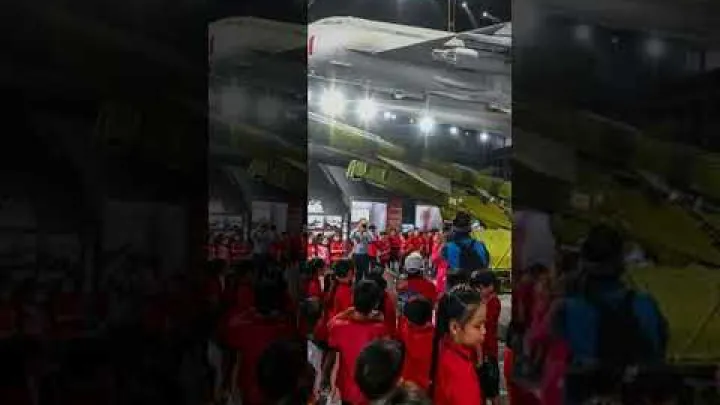
When indoor galleries feel busy, adjust your route instead of waiting in place. You can start with indoor highlights early, then move outdoors when indoor areas fill up, and return indoors later when crowds spread across the grounds. This “indoor, outdoor, indoor” approach often works well on hot days because it also balances air-conditioned time with open-air movement.
Visitor etiquette improves the day for everyone. Give student groups space to gather around a guide, avoid blocking labels while taking photos, and keep a steady flow through narrow corridors. Many negative experiences mentioned in reviews come from queues, noise, and limited seating, so planning for breaks and choosing less crowded times can change the feel of the entire visit.
Tours, self-guided options, and accessibility notes
A guided visit can be helpful if you want a structured explanation and quick answers to terminology questions. A self-guided visit works well if you prefer to move at your own pace, spend long time with certain objects, or skip topics that are not relevant to your interests.
On site, look for official guide services, recommended routes, or information desks that suggest a logical sequence through the galleries. If you plan to hire a private guide in Hanoi, clarify in advance whether they can guide you inside the museum, what language they will use, and how they handle ticketing and timing. Avoid relying on a guide for basic logistics like return transport unless it is clearly arranged.
Accessibility is a key consideration at a large campus because distance can be as challenging as stairs. If you have mobility concerns, use this short checklist when planning:
- Confirm whether elevators or ramps are available for multi-level indoor areas.
- Ask about wheelchair-friendly routes between indoor galleries and outdoor displays.
- Plan extra time for rest breaks and identify seating areas early.
- Locate restrooms soon after arrival so you can pace the day comfortably.
Because facilities can evolve at newer venues, it is reasonable to confirm accessibility details shortly before your visit. Even small information, such as where the flattest paths are, can make the experience much more comfortable.
Food, rest areas, and practical comfort tips
Because the museum is outside central Hanoi, meal planning helps. Many travelers eat before they leave the city center, carry water, and then decide on snacks or a meal afterward. On-site cafes or rest areas may be available, but it is safer to treat them as a bonus rather than a guarantee, especially if you arrive late in the day or during a busy period.
Pack for comfort and for the way you plan to use your phone. Sunscreen and simple rain protection help with open grounds, and a small power bank can be useful if you plan to take many photos or scan QR codes. If you are using ride-share apps, keeping your phone charged also protects your return trip plan.
Finally, keep logistics simple. Carry small cash as a backup, download an offline map of the area if your data plan is limited, and keep your museum destination saved so you can request a ride quickly when you are ready to leave. Small preparations like these reduce stress and let you focus on the exhibits rather than on basic problem-solving.
Frequently Asked Questions
Is the Vietnam Military History Museum in Hanoi the same as the old central location?
No, the museum has relocated to a new campus in western Hanoi. Some online maps or older travel posts may still point to previous locations or older listings. Always confirm the destination pin before you leave and compare it with recent updates.
How much time should I plan for the new Vietnam Military History Museum?
Plan several hours for a comfortable visit. The campus includes indoor galleries and outdoor equipment displays, and walking distances can be long. If you are short on time, focus on a few highlights and one indoor timeline route.
Are tickets available online or only at the entrance?
Many visitors buy tickets on site at the entrance. Ticketing methods can change, especially at a newer campus, so check the museum’s current visitor information shortly before you go. Bring a backup payment option and identification if you may qualify for discounts.
Can I take photos inside the Vietnam Military History Museum?
Photography is commonly allowed in many museum areas, but restrictions often apply in specific rooms or for certain items. Flash, tripods, and drones may be restricted, and rules can vary by gallery. Read posted signs on arrival and follow staff guidance.
Is the museum suitable for children?
Yes for many families, especially with older children who can handle reading and heavier themes. Some sections may include difficult war imagery, so parents may want to preview rooms and skip areas that feel too intense. Outdoor displays can be engaging but require close supervision for safety.
What is the easiest way to get there from the Old Quarter?
A taxi or ride-share car is usually the simplest option from central Hanoi. It reduces navigation stress and makes the return trip easier, especially near closing time. Allow extra time for traffic and keep the destination pin saved on your phone.
What should I bring for a visit to the museum grounds?
Bring comfortable shoes, water, and basic sun or rain protection. The new campus includes large outdoor areas with long walking distances and limited shade at times. A charged phone and a small power bank can also help with navigation, photos, and any QR content.
The Vietnam Military History Museum on the new Hanoi campus is best visited with a clear plan for transport, pacing, and weather. Start indoors to understand the timeline, then use the outdoor grounds to see full-scale equipment with better context. If you prioritize a few key highlights and stay flexible with crowds and conditions, the museum can provide a structured, respectful way to learn about Vietnam’s military history across many eras.
Because the campus is new and operations can evolve, checking current hours, ticketing, and on-site rules shortly before your visit will help you avoid last-minute surprises. A calm pace, comfortable walking gear, and simple translation tools can make the experience easier and more informative for international travelers.
Select area
Create a post
Posting is free and no registration is required.