- Tay Son Heaven and Earth Esplanade: Historic Shrine in Quy Nhon
- Quang Trung Museum: Tay Sơn History & Culture in Quy Nhon
- Banh It Cham Towers: Ancient Heritage & Photography in Quy Nhon
- The Thon Beach in Cat Tien: Clean Shores & Affordable Watersports
- Linh Phong Pagoda in Quy Nhon: The Sacred Mountain Temple
Vietnam Visa 2025: E‑Visa, Requirements, Exemptions & Fees

Planning a trip, study program, or work assignment in Vietnam in 2025 means understanding how the Vietnam visa system works today. Rules have changed in recent years, especially around the Vietnam e‑visa, visa‑free exemptions, and how long visitors can stay. This guide explains the main visa types, who can use visa exemption, and how to apply for an electronic visa for Vietnam safely through official channels. It also covers extensions, overstays, scams, and country‑specific notes for Indian, US, Australian, and other travelers. Use it as a practical starting point, and always confirm details with Vietnamese authorities before you travel.
Introduction to the Vietnam visa system in 2025

Why understanding the Vietnam visa rules matters for 2025 travel
Vietnam visa rules strongly influence every part of your travel planning. The visa or visa‑free option you choose affects when you book flights, how long you stay, which borders you use, and even which ticket classes airlines will sell you. Tourists planning a short holiday, students starting a university program, and professionals flying in for meetings or long‑term work all face different requirements. If you choose the wrong visa type, or rely on outdated information, you may have to change flights, cancel hotels, or adjust your itinerary at the last minute.
In 2025, several important changes make the system more flexible but also more complex. Vietnam now offers an expanded 90‑day Vietnam e‑visa, including multiple‑entry options, and has lengthened visa‑free stays for some nationalities to up to 45 days. These changes support longer trips and regional travel through Southeast Asia, but they also mean that older advice found online can be inaccurate. For this reason, travelers should carefully match their visa type to their purpose of stay and double‑check official rules a few days before departure.
Basic concepts: visa, e‑visa, visa exemption and permission to stay
Before choosing a Vietnam visa, it helps to understand a few basic concepts. A visa is an official authorization that allows you to travel to Vietnam and request entry at the border. An electronic visa for Vietnam, often called a Vietnam e‑visa, is the same type of authorization but issued in digital form after an online application. Visa exemption, sometimes called visa‑free entry, means you are allowed to enter Vietnam for a limited number of days without applying for a visa in advance. When you arrive, border officers place an entry stamp in your passport that shows the maximum date you may stay.
Two ideas often cause confusion: visa validity and permission to stay. Visa validity is the time period written on your visa or e‑visa, usually shown as “from” and “to” dates, during which you may enter Vietnam. Permission to stay is the number of days you are allowed to remain in the country after entry, which may be the same as or shorter than the visa validity period. Some visas allow a single entry, while others allow multiple entries within the validity period. Short‑term visitors normally rely on visa exemption or an e‑visa for tourism, family visits, or short business trips. People who plan to live, work, invest, or study in Vietnam usually use sponsored long‑term visas and then obtain a Temporary Residence Card, which acts as a multi‑year permission to stay. Keeping these definitions simple and clear reduces mistakes when reading your documents.
Overview of Vietnam’s visa system in 2025
Main ways to enter Vietnam: visa exemption, e‑visa and embassy visa
In 2025, there are three main ways most travelers enter Vietnam: visa exemption, Vietnam e‑visa, and traditional embassy or consulate visas. Visa exemption applies to citizens of selected countries that have agreements with Vietnam. If you qualify and meet the conditions, you can enter visa‑free for a set number of days and receive an entry stamp on arrival. The Vietnam e‑visa is an online, electronic visa for Vietnam, available to citizens of most countries for short stays. Embassy or consulate visas are issued on passport stickers or separate papers after an in‑person or postal application and are typically used for longer or more complex stays.

Each path suits different situations. Visa exemption is ideal when your nationality is on the exemption list and your stay is short, such as a 15‑ to 45‑day holiday. The Vietnam e‑visa is widely used by tourists and business visitors who need up to 90 days and may want a multiple‑entry option for regional travel. Embassy visas remain important for people who need long‑term work, study, family reunion, or complex itineraries. Some travelers combine these paths over time: for example, visiting first on an e‑visa, then later returning with a sponsored business visa that leads to a residence card. The short comparison list below can help you quickly see which route might match your situation.
- Visa exemption: best for eligible nationalities on short trips with simple plans.
- Vietnam e‑visa: best for most tourists and short business visitors up to 90 days.
- Embassy/consulate visa: best for long‑term work, study, family reunion, or complex itineraries.
Key short‑term versus long‑term Vietnam visa categories
Vietnam’s visa system is built around the purpose and length of your stay. Short‑term visas are mainly for tourism, visiting friends or relatives, and attending short business meetings or conferences. These stays usually last days or a few months at most. They are commonly covered by visa exemption, a Vietnam travel visa or visitor e‑visa, or short‑term business visas. Long‑term visas, by contrast, are for foreign employees, investors, students, and family members who intend to live in Vietnam for months or years. These visas are often linked to a company, school, or family sponsor inside Vietnam.
Visa categories are identified by codes that may change over time, but the underlying purposes remain similar. For business visits without local employment, travelers often use DN‑type visas. Foreign workers sponsored by a Vietnamese company usually need an LD‑type work visa, combined with a separate work permit. Students attend language centers, colleges, or universities under DH student visas. Foreign investors use DT1–DT4 visas, which depend on the level of investment or project type. Family members of foreign workers, investors, or students may use TT dependent visas. After entry on these visas, eligible long‑term residents can often obtain a Temporary Residence Card that replaces repeated visa runs. Because names and exact codes can be updated by law, readers should focus on matching the visa to their true purpose of stay instead of memorizing specific labels.
Vietnam e‑visa explained

Who can apply for a Vietnam e‑visa in 2025
The Vietnam e‑visa is designed to make short‑term travel easier for citizens of most countries. In recent years, Vietnam has expanded the list of eligible nationalities, and by 2025 many passports can apply online for tourism, family visits, or short business trips. The general rule is that you must hold a valid ordinary passport and not fall into any restricted categories based on current policy. While many travelers from Asia, Europe, the Americas, Africa, and Oceania can now use the e‑visa, some nationalities may still face limitations or special procedures.

Permitted purposes for a Vietnam e‑visa include tourism, visiting relatives or friends, attending meetings, exploring business opportunities, or participating in short training or events that do not involve local employment or salary paid in Vietnam. Working as an employee, teaching long‑term, or running a local business usually requires a different, sponsored visa. Because rules about eligible nationalities can expand or narrow, it is essential to treat any country list given here as an example, not a final source. Before applying, you should visit the official Vietnam e‑visa portal and confirm that your nationality appears in the drop‑down list of eligible countries.
Vietnam e‑visa validity, entry types and official fees
The Vietnam e‑visa in 2025 allows a stay of up to 90 days per approval. When you apply, you choose the intended start date and end date of your stay, and the approved document will show these validity dates. Within this period, you may remain in Vietnam for up to 90 days from your first entry, provided you respect the type of entry you selected: single or multiple. A single‑entry Vietnam e‑visa allows you to enter Vietnam once only. If you leave the country, the visa is finished, even if the validity period has not yet ended. A multiple‑entry e‑visa lets you exit and re‑enter several times within the same validity period, which is useful for regional trips through neighboring countries.

Official government fees for the Vietnam e‑visa are simple and are paid online when submitting your application. The standard fee is 25 USD for a single‑entry e‑visa and 50 USD for a multiple‑entry e‑visa. These fees are non‑refundable, which means you will not get your money back if your application is refused, you decide not to travel, or you make a mistake in the information you provided. It is also important to distinguish the visa’s printed validity dates from your allowed stay. You must enter on or after the “from” date and leave on or before the “to” date. Staying past that date, even by one day, is considered an overstay and can result in fines. The table below gives a simple comparison between single‑entry and multiple‑entry Vietnam e‑visas.
| Type | Maximum validity / stay | Official fee (USD) | Best use case |
|---|---|---|---|
| Single‑entry Vietnam e‑visa | Up to 90 days, one entry only | 25 | Direct trip to Vietnam with no plans to leave and re‑enter |
| Multiple‑entry Vietnam e‑visa | Up to 90 days, multiple entries within validity | 50 | Trips that combine Vietnam with visits to nearby countries |
Approved entry and exit points for Vietnam e‑visa holders
The official e‑visa portal publishes a list of all approved entry and exit points, and this list may be updated from time to time. When filling in your online application, you must choose your intended first entry point from this list.

In practice, travelers can often change their arrival plan later, as long as the new entry point is also on the approved list for e‑visas. For example, you may originally select Hanoi airport but later choose to fly into Ho Chi Minh City instead, without needing to reapply. However, if you arrive at a non‑approved border crossing with only a Vietnam e‑visa, you risk serious disruption. Airline staff may refuse to board you, or land border officials may deny entry and ask you to return to where you came from. This can be costly and stressful. When planning overland routes that include Cambodia, Laos, or China, always confirm that your chosen border gate is e‑visa‑eligible and keep a printed copy of both the e‑visa and the list of accepted checkpoints.
How to apply for a Vietnam e‑visa online step by step
Documents and information you need before starting your Vietnam e‑visa application
Applying for a Vietnam e‑visa is straightforward if you prepare your documents in advance. The most important requirement is a passport that will remain valid for at least six months from the date you plan to enter Vietnam, with at least one or two blank pages for stamps. You will also need a clear digital scan or photo of the passport’s data page, showing your photo, personal details, and passport number. In addition, you must provide a recent, passport‑style photo of yourself with a neutral background, which will be uploaded during the application.

Besides identity documents, you should have your travel details ready. These include your planned arrival date and departure date, your intended entry point (airport, land border, or seaport), and the address of your first accommodation in Vietnam, such as a hotel, hostel, or apartment. Basic personal information such as home address, occupation, and contact details will also be requested. A valid bank card that supports international online payments is necessary to pay the e‑visa fee. It is wise to apply from a device with a stable internet connection so you do not lose progress while filling in the form or during payment. Even if you store your approved Vietnam e‑visa digitally on your phone, printing at least one paper copy, along with a copy of your passport data page and travel insurance, is strongly recommended in case devices fail or are lost.
Step‑by‑step Vietnam e‑visa application process on the official portal
Using only this site helps you avoid scams and unnecessary service fees. The process is entirely online and normally takes only a short time to complete if you have all your documents ready. You do not need to send your passport by post or visit an embassy for the standard tourist or business e‑visa.
You can follow these basic steps when applying for your electronic visa for Vietnam:
- Access the official Vietnam e‑visa portal in your web browser and select the option for “foreigners” applying for a new e‑visa.
- Read the instructions carefully, then start the application form and agree to the terms and conditions where required.
- Enter your personal data exactly as it appears in your passport, including full name, date of birth, nationality, passport number, issue date, and expiry date.
- Fill in your travel details, including your planned entry date, exit date, intended border checkpoint, and address of your first accommodation in Vietnam.
- Upload a recent passport‑style photo and a clear, full‑page scan of your passport data page, following the size and format guidelines on the site.
- Review every field on the summary screen, checking passport numbers, dates, and spelling very carefully, because errors can cause refusal or problems at the border.
- Proceed to the payment page and pay the non‑refundable e‑visa fee using a supported bank card, then save any confirmation or application code shown at the end.
After submission, you should receive an application number or code, which you will later use to check your status and download the approved visa. Keep this number safe, and consider taking a screenshot or writing it down to avoid losing access.
Processing time, status checks and dealing with common Vietnam e‑visa delays
Processing times for the Vietnam e‑visa are usually around three to five working days, but this can vary based on the season, the volume of applications, and public holidays in Vietnam. During major national holidays such as Tet (Lunar New Year), processing can slow down significantly, and applications submitted just before a holiday may not be approved until offices reopen. Because of this, it is best to apply at least one to two weeks before your planned departure, especially if you need a multiple‑entry e‑visa or are traveling during a busy period.

To check the status of your Vietnam e‑visa, you return to the official portal and use the “search” or “look up” function. You will usually need your application code, passport number, and sometimes your email address or date of birth. Once the visa is approved, you can download a PDF file that contains your personal details, validity dates, and entry point. Print this document and carefully check that every detail matches your passport. Common reasons for e‑visa delays or refusals include unclear passport scans, photos that do not meet requirements, mismatched personal details, or incomplete payments. If your application is delayed, first verify that the payment went through and that your uploads are readable. Avoid booking non‑refundable flights or accommodation until you have received and checked your approved e‑visa, because there is no guarantee of timing or approval in every case.
Photo and passport scan requirements for a successful Vietnam e‑visa
Good quality photos and scans are essential for a smooth Vietnam e‑visa application. The passport‑style photo you upload should be recent, usually taken within the last six months, showing your full face looking straight at the camera with a neutral expression. The background should be plain and light‑colored, with no shadows, patterns, or strong textures. Hats, sunglasses, and heavy accessories that cover your face are not allowed. Glasses may be accepted if they do not cause glare and your eyes remain clearly visible, but it is safer to remove them if possible.
The scan or photo of your passport data page must be high enough resolution for every letter and number to be easy to read when viewed on a phone or laptop screen. The entire page, including the machine‑readable zone at the bottom, should be visible without cropping. Avoid glare from lights and remove any covers or sleeves before taking the photo. Many delays and rejections occur because the uploaded images are blurred, too dark, or partially cut off. A practical tip is to take photos in natural light near a window and check the files at full size before uploading. If you cannot read your own passport number clearly on the image, immigration officers may not be able to either, which could cause your application to fail or require a new submission.
Main Vietnam visa types and when to use them

Tourist and visit visas, including Vietnam travel visa and visitor e‑visa
For many nationalities, the Vietnam e‑visa now serves as the main Vietnam travel visa, allowing up to 90 days for leisure and informal visits. Visitors from countries with visa exemption agreements may not need a visa at all for shorter stays, often between 14 and 45 days, as long as they meet the entry conditions. Others can obtain a tourist visa from a Vietnamese embassy or consulate if they prefer or if their situation does not fit the standard e‑visa rules.
When choosing between visa exemption, a Vietnam visitor e‑visa, and an embassy‑issued tourist visa, consider your nationality, planned length of stay, and whether you will re‑enter Vietnam after visiting another country. Typical maximum stays are the exemption period (such as 15 or 45 days) or up to 90 days on an e‑visa. Some travelers can extend their permission once inside Vietnam, but extensions are not guaranteed and may depend on current policy and personal circumstances. Border officers or airline staff may ask for proof of onward travel, such as a return flight or bus ticket, and for accommodation details like hotel bookings, especially if your stay is close to the maximum period or your travel history is complex. Keeping clear documentation ready helps avoid delays at check‑in and immigration counters.
Business and work visas in Vietnam, including DN and LD categories
Business and work visas are essential for people who come to Vietnam for commercial purposes. Short‑term business visit visas, often marked with DN‑type codes, are used for attending meetings, conferences, trade fairs, market research, or partner visits. Holders of these visas are usually employed outside Vietnam and do not receive a local salary or enter into a local labor contract. Applications for business visit visas frequently require an invitation letter or sponsorship from a registered Vietnamese company, along with company registration documents and sometimes tax or license information.

Long‑term employment in Vietnam is usually associated with LD‑type work visas and separate work permits. In this case, a Vietnamese company or organization sponsors the foreign employee and provides a range of supporting documents, such as business registration certificates, labor contracts, and explanations of the role. Working on a tourist visa or ordinary Vietnam e‑visa is not allowed and can result in penalties for both the foreigner and the employer, including fines and possible deportation or bans from re‑entry. Because requirements for business invitations and company documentation can be strict and subject to inspection, both employers and employees should start preparations well in advance of the intended start date, allowing time for legalizations, translations, and any policy changes that may occur.
Investor visas (DT1–DT4) and options for long‑term residence in Vietnam
Investor visas are designed for foreigners who invest capital into Vietnamese companies or projects. Vietnam uses several investor categories, typically labeled DT1, DT2, DT3, and DT4, which correspond to different levels of investment and sometimes different types of projects. Higher investment levels often qualify for longer‑term visas and Temporary Residence Cards, while smaller investments may grant shorter validity. These visas are important for entrepreneurs, shareholders, and directors who need to manage local operations, sign contracts, and live in Vietnam for extended periods.
To obtain an investor visa, applicants usually need to prove their ownership or capital contribution in a Vietnamese company through documents such as an investment registration certificate, enterprise registration certificate, and bank records confirming paid‑in capital. Once the investor visa is granted, it may support multi‑year residence and multiple re‑entries without repeated visa runs. The table below provides a simplified comparison of DT1–DT4 categories, keeping in mind that exact figures and conditions can change with new regulations.
| Category | Typical minimum investment (indicative only) | Possible residence duration range |
|---|---|---|
| DT1 | Highest investment threshold, major projects | Up to around 10 years of TRC validity |
| DT2 | High investment, but below DT1 level | Often up to 5 years of TRC validity |
| DT3 | Medium investment level | Commonly up to 3 years of TRC validity |
| DT4 | Lower investment threshold or smaller stakes | Usually shorter TRC or visa validity, such as 1–2 years |
Because investment laws evolve, potential investors should focus on working with qualified local advisors to confirm the current minimum capital requirements for each category, rather than relying on fixed numbers from older sources.
Student visas (DH) and study‑related stay in Vietnam
Student visas, often referred to as DH visas, are used by foreigners enrolled in recognized educational programs in Vietnam. These include language schools teaching Vietnamese or other languages, universities, colleges, vocational training institutions, and sometimes religious or cultural study centers. A DH visa allows the holder to remain in Vietnam for the duration of their approved course, usually with options to extend or convert to a Temporary Residence Card once fully enrolled and registered.

To obtain a DH student visa, applicants generally need an official acceptance letter or enrollment confirmation from the Vietnamese institution, along with evidence that the school is authorized to host foreign students. Additional requirements can include proof of funds to cover tuition and living costs, health declarations, and sometimes background checks or medical certificates. Short language courses or cultural tours may be possible under a tourist or Vietnam travel visa if they last only a few weeks, but longer or formal study normally requires a DH student visa. Schools and universities in Vietnam often assist students with visa extensions, conversions, and TRC applications, but students should still allow enough time before the course start date to gather and legalize any required documents from their home country.
Family and dependent visas (TT) for staying with relatives in Vietnam
Family and dependent visas, typically coded as TT, allow close relatives of foreign residents to stay with them in Vietnam. These visas are commonly used by spouses, children, and sometimes other dependents of foreigners holding work, investor, or student visas and corresponding residence cards. The goal is to keep families together while the main visa holder works, studies, or runs a business in Vietnam. TT visas can often be converted into Temporary Residence Cards that align with the validity of the sponsor’s own card.
The sponsorship process for a TT visa usually requires documentary proof of the family relationship, such as marriage certificates for spouses and birth certificates for children. These documents may need to be legalized and translated into Vietnamese before submission to immigration authorities. While TT visa holders can live and attend school in Vietnam, their work rights can be limited. In many cases, they are not allowed to work without obtaining their own appropriate work permit and corresponding visa. Families should clarify these restrictions with immigration or legal advisors to avoid misunderstandings about whether a dependent may take up employment. As with other long‑term statuses, TT holders must maintain valid passports and cards, and keep address registrations updated when they move within Vietnam.
Visa exemptions and visa‑free entry to Vietnam
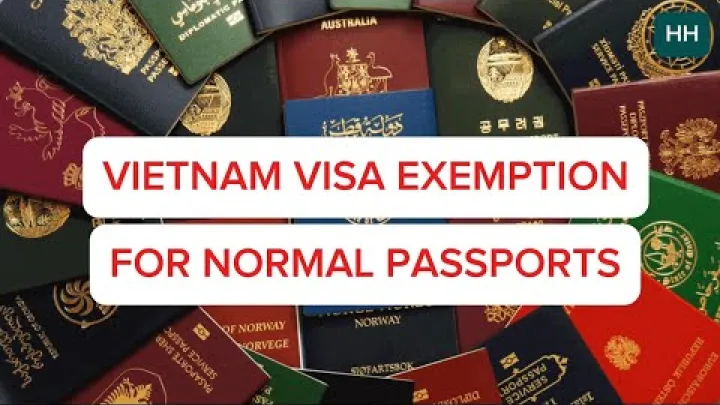
Countries eligible for Vietnam visa exemption and typical stay durations
Vietnam grants visa‑free entry to citizens of certain countries based on unilateral policies and bilateral agreements. Travelers from these countries can enter without a visa for a fixed number of days, as long as they meet standard entry conditions such as passport validity and no bans or security concerns. Visa‑exempt visitors receive an entry stamp on arrival stating the last day they are allowed to stay. This option is particularly attractive for tourists taking short trips or regional tours through Southeast Asia.

Typical visa exemption durations vary by nationality and agreement. Some countries receive 14 days, others 15 or 21 days, and a growing group now enjoys up to 45 days visa‑free. For example, several European and Asian nationalities benefit from these longer exemptions, which make one‑month holidays or flexible return plans easier. However, the exact list of countries and durations can change due to policy updates or diplomatic decisions. Therefore, any example list is only illustrative and not complete. Travelers from regions such as parts of Western Europe, Northeast Asia, and Southeast Asia are more likely to have exemptions, but you should always check the latest official exemption list published by Vietnamese immigration or your nearest Vietnamese embassy a short time before departure.
Forty‑five day exemptions and recent policy changes
One of the most significant recent changes in Vietnam’s entry policy is the introduction and expansion of 45‑day visa‑free stays for selected nationalities. This longer exemption period aims to boost tourism and give visitors more time to explore the country without the need to apply for a Vietnam travel visa or e‑visa. It also supports travelers who combine Vietnam with trips to neighboring countries, as they can plan a more flexible itinerary within the 45‑day limit.
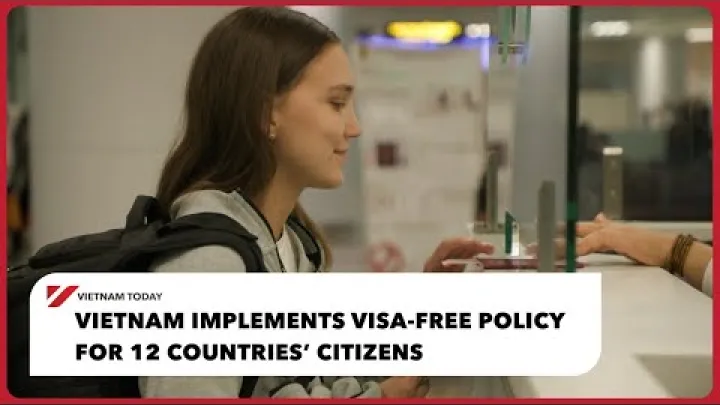
In practice, the 45‑day rule means that eligible travelers can enter Vietnam without a visa and stay for up to 45 days from the date of entry. Whether you can re‑enter on another 45‑day exemption after leaving for a short time depends on the current regulations at the time of entry. Some periods have required a certain gap between visa‑free entries or have introduced conditions on how often exemptions can be used. Policy changes are aimed at balancing tourism recovery with immigration control, and they may be expanded or adjusted in coming years. Because border officials apply the law that is valid on the day you arrive, it is wise to print or save official announcements about exemption rules and carry them with you. This can help if there is any confusion at check‑in counters or when speaking with immigration officers.
When to choose visa exemption versus Vietnam e‑visa
For travelers who are eligible for both visa exemption and the Vietnam e‑visa, deciding which option to use is an important step in trip planning. Visa‑free entry is usually simpler because you do not need to apply in advance or pay a fee. However, it typically offers a shorter maximum stay and may provide less flexibility for extensions. The Vietnam e‑visa requires an online application and a fee but allows up to 90 days of stay and has a clear document you can show to airlines and border officers before you travel.
In many cases, visa exemption is best for short, straightforward trips, such as a one‑ or two‑week holiday in Vietnam with no plans to re‑enter after visiting other countries. The e‑visa is often better for longer stays, complex itineraries, or when you want a multiple‑entry option for regional travel through Cambodia, Laos, Thailand, or beyond. Some visitors combine both options across different trips: entering visa‑free for a short visit now, then later returning on a 90‑day e‑visa for a longer stay. To help you choose, consider the following simple decision checklist.
- If your nationality is exempt and your trip is shorter than the exemption period, visa‑free entry is usually the easiest and cheapest choice.
- If you want to stay longer than your exemption allows, or closer to 90 days, a Vietnam e‑visa is usually more suitable.
- If you plan to leave and re‑enter Vietnam several times within a few months, a multiple‑entry e‑visa provides more predictable flexibility.
- If you are unsure about future plans, choosing the option that gives a longer permitted stay can reduce pressure to adjust flights later.
Vietnam visa by nationality: India, United States, Australia and others
Vietnam visa for Indian citizens: tourist, business and e‑visa options
For tourism or short business trips, the most convenient option is usually the Vietnam e‑visa, which Indian passport holders can typically apply for online. This e‑visa can allow a stay of up to 90 days for purposes such as sightseeing, visiting relatives, attending meetings, or exploring business opportunities without taking up local employment. The online application process is similar for Indians and other nationalities, requiring a valid passport, passport‑style photo, passport data page scan, and payment of the non‑refundable fee.
Key requirements for Indian applicants include a passport valid for at least six months beyond the intended entry date, accurate completion of the online form, and providing clear, legible scans. Many Indian travelers worry about processing reliability or delays, especially when using third‑party agents. To reduce risk, it is safer to use only the official government site or well‑known, licensed agencies if extra assistance is needed. For longer stays related to employment, study, or investment, Indian citizens usually must secure sponsorship from a Vietnamese company, school, or investment project and then apply for appropriate business, work, student, or investor visas through a Vietnamese embassy or consulate. Avoid sharing passport scans and payments with unverified websites or social media contacts that promise “guaranteed approval,” as these can be fraudulent.
Vietnam travel visa for US citizens: visitor, e‑visa and long‑term paths
Most US citizens need a Vietnam visa to enter the country, because the United States is not part of the main visa‑exempt group. For tourism, family visits, and short business trips, US travelers commonly use the Vietnam e‑visa, which offers up to 90 days of stay and can be issued as single or multiple entry. This option is popular because it can be requested entirely online without mailing in the passport. Some US travelers, particularly those with specific plans or multiple entries over a longer period, may still use consular tourist or business visas arranged through the Vietnamese embassy or consulates in the United States.
When planning a Vietnam travel visa for US citizens, it is important to think about regional travel. Many visitors combine Vietnam with other Southeast Asian countries, such as Cambodia, Laos, or Thailand, and need a multiple‑entry solution to re‑enter Vietnam after side trips. Airline check‑in staff sometimes ask US citizens for proof of onward travel, hotel bookings, and a printed copy of the e‑visa or visa approval, especially if the trip is long or open‑ended. There have also been past periods of special bilateral visa arrangements or multi‑year visa options between Vietnam and the United States. Because such programs can change, US travelers should confirm their current options with the nearest Vietnamese embassy or consulate before applying.
Vietnam visa for Australian citizens and residents
Australian citizens usually need some form of Vietnam visa or e‑visa to enter Vietnam, although certain short‑term exemptions or special arrangements may apply depending on evolving policy. In most cases, Australians traveling for tourism or short business visits use the Vietnam e‑visa, which can be obtained online and allows up to 90 days of stay. Some may also choose to apply for consular tourist or business visas if they have particular needs or prefer dealing directly with an embassy or consulate.
Australia‑based travelers should ensure their passport is valid for at least six months beyond the intended date of entry and may be asked to show proof of onward or return travel. While specific health or insurance requirements may change, carrying travel insurance that covers medical costs, trip interruptions, and repatriation is strongly recommended. Australian permanent residents who hold passports from other countries must follow visa rules based on the nationality shown in their passport, not their Australian residence status. This means that two people living in Australia may face different Vietnam visa requirements if they travel on different passports. Always check current rules using your actual passport country when deciding whether you need a Vietnam visa, e‑visa, or can enter visa‑free.
Tips for other nationalities, dual citizens and mixed‑passport families
Travelers from many other countries will encounter a mix of visa exemption, e‑visa eligibility, and consular visa options when planning a trip to Vietnam. Dual citizens and mixed‑passport families need to pay special attention, because each person’s rights depend on the passport they actually use. For example, one family member might be visa‑exempt for 45 days, while another must obtain a Vietnam travel visa before departure. This can affect how long the entire family can stay together in Vietnam and whether they can all enter on the same day.
Dual citizens should, as a rule, choose one passport to use consistently for their Vietnam visa application, flight booking, and border crossing. Mixing passports, such as booking the ticket with one nationality and applying for a visa with another, can create confusion at check‑in and immigration. Mixed‑passport families may need to align their stays by using a combination of visa exemption, e‑visas, or embassy visas, depending on each member’s citizenship and plans. Regardless of nationality, it is always wise to verify the latest rules through official Vietnamese government sites or local embassies and consulates, because online travel forums or old blog posts can quickly become outdated as policies change.
Extending your stay in Vietnam
Vietnam visa extension options from inside the country
Many visitors hope to extend their time in Vietnam once they are already enjoying the country. In some cases, certain Vietnam visas and e‑visas can be extended from inside the country without leaving. However, extension policies change from time to time, and not all visa types are eligible. Whether an extension is possible can depend on factors such as your nationality, current visa category, previous travel history, and the discretion of immigration authorities at that time.
Extensions are usually handled either directly at local immigration offices or through licensed travel agencies that act as intermediaries. Tourists and short‑term visitors often work with agencies that submit extension requests on their behalf, while people with business, work, student, or family visas may need their sponsor (company, school, or relative) to assist with extension procedures. The length and cost of extensions vary and may not always match the original visa duration. Some periods have allowed repeated extensions, while others have limited or suspended them. Because of this uncertainty, travelers who want to stay longer should start extension procedures well before their current permission expires, ideally a few weeks in advance. Waiting until the last days increases the risk of accidental overstay if processing is delayed.
Temporary Residence Cards (TRCs) for long‑term stay in Vietnam
Temporary Residence Cards, commonly referred to as TRCs, are an important tool for foreigners who plan to live in Vietnam for months or years. A TRC is a physical card that functions both as a residence permit and a multiple‑entry visa. It allows the holder to stay in Vietnam continuously during its validity and to exit and re‑enter the country without applying for new visas each time. TRCs are usually issued to foreign workers, investors, students, and certain family members who hold appropriate long‑term visas and have eligible sponsors in Vietnam.

Typical TRC validity ranges from one to three years, and in some cases up to five or even ten years for high‑level investors, although exact periods depend on the underlying visa type and regulations. The TRC’s validity cannot extend beyond the expiry of the holder’s passport, so keeping both the passport and the card valid at the same time is essential. When a passport is renewed, the TRC may need to be updated or reissued. Holding a TRC does not replace local registration obligations: foreigners must still follow rules for registering their temporary residence with local police whenever they change address. This responsibility often falls on landlords or hosts, but cardholders should ensure that registration is completed, as it can be important for administrative procedures, school enrollments, or when dealing with authorities.
Visa runs to neighboring countries and when they make sense
“Visa runs” are informal terms for leaving Vietnam briefly to a neighboring country such as Cambodia, Laos, or Thailand and then returning with a new visa or visa‑free entry. In the past, many long‑term visitors relied heavily on visa runs to extend their stay without obtaining residence cards or sponsored visas. A typical pattern involved crossing a land border, spending a short time in another country, and coming back with a fresh Vietnam e‑visa or new visa exemption period.
While visa runs can sometimes still make sense, they are less reliable as a long‑term plan. Costs for transport, accommodation, and new visas add up quickly, and border rules or interpretations can change. Immigration officers may question frequent short exits and re‑entries if they suspect that a visitor is working or living in Vietnam without proper authorization. Visa runs also carry practical risks, such as sudden changes in e‑visa eligibility for certain nationalities, temporary closure of border points, or stricter checks on return. Anyone considering a visa run should verify that their intended border crossing accepts their chosen visa type, confirm current re‑entry rules, and allow enough time in case of delays. For people who wish to live in Vietnam more permanently, seeking correct long‑term visas and TRCs is more stable and better aligned with immigration law than repeating visa runs.
Overstays, fines and legal compliance in Vietnam

Penalties for overstaying a Vietnam visa or e‑visa
Staying in Vietnam beyond the permitted date on your visa, e‑visa, or visa exemption is considered an overstay and can lead to penalties. Immigration authorities treat overstays as administrative violations, and the consequences can range from fines to more serious measures like entry bans or deportation, depending on the length and circumstances. Even a short overstay of one or two days can cause complications when you try to leave through an airport or land border.
Short overstays are sometimes handled directly at the airport during departure, where travelers pay a per‑day fine and may receive a warning. However, longer overstays or cases with additional issues, such as missing stamps or unclear immigration records, usually require resolution at a local immigration office before you can exit. Repeated or serious violations, especially those involving unreported address changes or unauthorized work, can result in larger fines, blacklisting, or longer bans from entering Vietnam in the future. Because fine amounts and enforcement practices can change, it is more helpful to view them as significant inconveniences rather than rely on precise figures found online. The safest approach is to avoid overstays entirely by checking your permitted stay date regularly and planning departures or extensions in advance.
How to resolve an overstay and exit Vietnam legally
If you realize that you have overstayed, or are about to overstay, your Vietnam visa or e‑visa, you should act quickly to resolve the situation. Ignoring an overstay and hoping it goes unnoticed can lead to detention at the airport or missed international flights. The general steps involve contacting either a reliable travel agency experienced in immigration matters or going directly to the closest immigration office to explain your situation.
When you visit immigration, bring your passport, copies of entry stamps or previous visas, and any documents that explain why the overstay occurred, such as medical reports or flight cancellation records if applicable. Officials may decide to impose a fine, issue an exit visa, and set a deadline by which you must leave. In some cases, especially for small, first‑time overstays, the process can be completed at the airport on the day of departure, but there is no guarantee this will be allowed. Keeping copies of all entry and extension documents helps show your travel history clearly and may support a smoother resolution. The most important principle is not to delay; once you know there is a problem, start the process immediately.
Lost passport, damaged visa and other common problems in Vietnam
Losing your passport in Vietnam, especially when it contains a valid visa or entry stamp, can be stressful, but there is a clear process to follow. The first step is to report the loss or theft to the local police and obtain a police report. This document will be needed when you request a replacement passport from your home country’s embassy or consulate. Each embassy has its own procedures and timeframes, so you should contact them as soon as possible to arrange an emergency or full‑validity passport.
Once you have a new passport, you must coordinate with Vietnamese immigration to obtain new permission to stay or an exit visa, because your previous visa or e‑visa is tied to the lost passport number. Immigration officers may ask for the police report, a letter from your embassy, proof of your previous entry (such as photocopies or digital images of your old passport and e‑visa), and application forms. Similar steps apply if your passport or visa is damaged, pages are torn, or stamps are unclear. In many cases, errors such as misspelled names or incorrect dates on visas can be corrected through official requests before they cause bigger problems. Storing digital copies of your passport, e‑visa, and important entry stamps in secure cloud storage or email greatly simplifies these replacement procedures.
Temporary residence registration and routine checks by local authorities
In Vietnam, foreigners are generally required to be registered at their place of stay, which helps authorities know where visitors and residents are located. When you stay in licensed hotels, hostels, or guesthouses, the property usually handles this registration automatically. Staff record your passport details and report your stay to local police systems, often through online platforms. You may not see this process, but it is part of their legal responsibilities.
For private rentals, homestays, or long‑term apartments, the situation can be different. Landlords or hosts are usually responsible for registering foreign guests with the local police or through designated online portals where available. Foreigners should ensure that their hosts complete this registration, as it can be important during random checks or if you need proof of residence for procedures such as opening bank accounts or applying for extensions and TRCs. Carrying identification, such as your passport or at least a copy of it and of your residence registration, can help during routine checks by local authorities. Short hotel stays are simpler because the hotel manages everything, while private rentals require more communication between guest and landlord to stay compliant.
Vietnam visa scams and how to stay safe

Official Vietnam e‑visa website versus fake and copycat sites
Because the Vietnam e‑visa is applied for online, many websites try to imitate or replace the official government portal. Some of these sites are legitimate commercial agencies that charge service fees on top of government fees, while others are misleading or fraudulent. To stay safe, travelers should learn to recognize the genuine government site, which typically uses a .gov.vn domain and clearly states that it belongs to Vietnamese immigration authorities.
Common signs of scams include strange or unofficial‑looking domain names, pages that promise guaranteed approval or instant visas in impossible timeframes, and requests for unnecessary personal data beyond what is normally required. Some copycat sites charge very high fees for basic processing or hide key information about government prices. While private agencies can sometimes provide useful support, only the Vietnamese government can actually issue a Vietnam visa or e‑visa. To reduce risk, it is best to type the known official address directly into your browser or follow links from trusted government or embassy websites, rather than clicking on sponsored ads or random search results.
"Guaranteed approval" offers and social media visa helpers
On social media platforms and messaging apps, you may encounter individuals or small groups who advertise Vietnam visa help with claims such as “100% guaranteed approval” or “urgent same‑day e‑visa.” While some may be genuine agents, many are unverified intermediaries who operate without clear oversight. Sharing passport scans, bank card details, and personal information with such contacts can expose you to identity theft, data misuse, or simple loss of money if they disappear after receiving payment.
When you truly need assistance, it is safer to work with established agencies, airlines, or recognized travel companies that have verifiable offices and customer support channels. Practical checks include searching for independent reviews, verifying company registration on local business directories, and confirming that contact details and addresses match official records. Be cautious of agents who pressure you to pay quickly, refuse to give written terms, or insist that their method bypasses normal government procedures. No private agent can legally guarantee approval, because final decisions rest with Vietnamese immigration authorities.
Overpriced "help" at airports and border crossings
At some airports and land borders, travelers may encounter unofficial helpers who offer “special assistance” with Vietnam visa or entry procedures. They may approach confused or tired passengers and claim that a valid e‑visa is not acceptable, that extra fees are mandatory for entry, or that a new visa must be purchased immediately. These tactics take advantage of language barriers and the stressful environment of border checkpoints.
To protect yourself, remain calm and deal directly with uniformed border officers or airline staff at official counters. If someone insists on additional fees, politely ask them to explain the charge and provide a printed receipt showing the government office name. Keeping printed copies of your e‑visa, visa exemption rules, and proof of onward travel can help you show that you meet entry conditions. While some services, such as official fast‑track lanes or visa‑related payments, may be genuine, you should never feel forced to hand over your passport or cash to unmarked individuals away from formal desks.
Choosing the right Vietnam visa for your trip
Short tourist visits to Vietnam up to 45–90 days
For short tourist visits, choosing the right Vietnam visa or entry option depends mainly on your nationality, trip length, and whether you will leave and re‑enter the country. Many travelers only need a simple solution for a one‑time stay of a few weeks. If your passport is eligible for visa‑free entry and your stay is shorter than the exemption period, using visa exemption is often the easiest and least expensive path. You present your passport at the border, receive an entry stamp, and do not need to complete any visa forms in advance.
If you are not visa‑exempt or plan to stay closer to 90 days, a Vietnam e‑visa is usually the best option. For example, a traveler planning a one‑month backpacking route from Hanoi to Ho Chi Minh City can use a single‑entry e‑visa. Someone organizing a two‑month stay that includes a side trip to Cambodia might choose a multiple‑entry e‑visa to allow exit and re‑entry without complications. The brief list below links common trip scenarios with typical visa choices.
- 7–14 day city break or beach holiday, exempt nationality: use visa‑free entry.
- 3–4 week north‑to‑south backpacking trip: use a single‑entry Vietnam e‑visa.
- 6–8 week regional tour Vietnam–Cambodia–Laos: use a multiple‑entry Vietnam e‑visa.
- Repeat short trips over one year: consider combinations of exemption, e‑visa, or consular visas depending on your passport.
Business trips, remote work and mixed‑purpose travel to Vietnam
Business travelers face additional questions when choosing a Vietnam visa. Short visits for meetings, contract negotiations, conferences, or market research may be possible on either a business‑purpose e‑visa or a DN‑type business visa, depending on policy and company needs. Remote workers who are employed by foreign companies and have no local clients often enter as tourists, but they should carefully check any tax, employment, or data protection rules that may apply to their situations.
Mixed‑purpose trips, where a traveler combines tourism with business activities such as attending trade fairs or meeting distributors, can be more complex. In these cases, choosing a more conservative visa type, such as a business or multiple‑entry visa, may provide clearer legal coverage for both leisure and professional activities. It is important to note that this article offers general information and does not provide legal or tax advice. For complex cases involving long‑term remote work, cross‑border employment structures, or company assignments, travelers should consult qualified legal or tax professionals who understand both Vietnamese law and their home country regulations.
Long‑term work, study, investment or family stay in Vietnam
For people considering relocation or long‑term residence in Vietnam, the visa strategy must go beyond simple tourism. Long‑term stays for work, study, investment, or family reunion usually involve both an initial entry visa and, later, a Temporary Residence Card. The initial visa may be a work visa sponsored by a Vietnamese company, a DH student visa from a university, a DT investor visa connected to owned shares or projects, or a TT family visa for dependents of foreign workers, investors, or students.
Planning this kind of move requires a clear timeline. Key steps include securing a sponsoring company or school, gathering necessary documents from your home country (such as university degrees, police clearance certificates, or marriage and birth certificates), and having them legalized and translated. Once in Vietnam, there will be additional procedures to obtain work permits, register your temporary residence, and apply for or renew TRCs. People who intend to bring spouses or children should factor in extra time for family documents and dependent visa processing. Building a realistic schedule that includes visa, residence, housing, and registration steps helps reduce stress and avoids gaps in legal status.
Practical checklist before you apply for any Vietnam visa
Before starting any Vietnam visa or e‑visa application, organizing your information and documents saves time and avoids mistakes. A short checklist can help you confirm that you are ready to apply through the correct channel. This preparation is useful for both first‑time visitors and experienced travelers, because rules and forms evolve.
Use the following checklist as a quick guide:
- Check that your passport is valid for at least six months beyond your intended entry date and has blank pages for stamps.
- Make digital copies of your passport data page, passport‑style photos, and any previous Vietnam visas or entry stamps.
- Confirm the visa rules that apply to your nationality, including whether you have visa exemption and for how many days.
- Select the correct visa type based on your true purpose of stay: tourism, business, work, study, investment, or family.
- Identify the official application channel: the government e‑visa portal, a Vietnamese embassy or consulate, or a sponsored process through a company or school.
- Prepare travel details such as planned entry and exit dates, intended entry port, accommodation address, and contact phone number.
- Gather proof of funds, travel insurance, and onward or return travel plans, because these may be requested at borders or in applications.
Frequently Asked Questions
Do I need a visa to visit Vietnam or can I enter visa-free?
Whether you need a visa for Vietnam depends on your nationality and length of stay. Citizens of certain countries can enter visa-free for 14–45 days if they meet passport and entry conditions. If you are not exempt, or you want to stay longer than your exemption allows, you must obtain a Vietnam visa or e-visa before travel. Always check the latest exemption list on an official Vietnamese government or embassy website shortly before your trip.
How do I apply for a Vietnam e-visa online in 2025?
You apply for a Vietnam e-visa only through the official portal, usually hosted on a .gov.vn domain. You upload a passport-style photo and a scan of your passport data page, fill in your personal and travel details, choose your intended entry point and dates, and pay the non-refundable fee online. Processing usually takes about 3–5 working days, after which you download and print the approved e-visa PDF to show at check-in and immigration.
How long can I stay in Vietnam on an e-visa and is multiple entry allowed?
A Vietnam e-visa in 2025 allows a stay of up to 90 days from the granted entry date. You can choose either single entry or multiple entry when you apply, but in both cases the maximum total validity is still up to 90 days. If you need to stay longer, you must seek an extension inside Vietnam where possible or leave and apply for a new visa or e-visa under the current rules.
How much does a Vietnam e-visa cost and are the fees refundable?
The official government fee for a Vietnam e-visa is 25 USD for single entry and 50 USD for multiple entry. These fees are paid once per application on the official portal and are not refundable, even if your visa is refused, you cancel your trip, or you make a mistake in your details. Private agencies may charge higher total prices because they add their own service fees on top of the government fee.
Do Indian citizens need a visa for Vietnam and can they use the e-visa system?
Indian citizens do need a visa to visit Vietnam and are not currently visa-exempt. They can apply for a Vietnam e-visa online through the official portal for tourism or short business trips of up to 90 days. For longer stays, work, study or investment, Indians usually need an embassy visa or a sponsored visa leading to a Temporary Residence Card. It is important that Indian applicants use only the official government site or trusted agencies to avoid scams.
Do US citizens need a visa for Vietnam and what are their options?
US citizens generally need a visa or e-visa to enter Vietnam, because they are not in the standard visa-exempt group. For tourism or short business visits, they can use the 90-day Vietnam e-visa with single or multiple entry. For longer stays, frequent travel, work or study, US citizens may apply for traditional consular visas or sponsored visas that can lead to a Temporary Residence Card. Requirements can change, so US travelers should confirm details with a Vietnamese embassy or consulate before applying.
Can I extend my Vietnam visa or e-visa while I am in the country?
Many visitors can extend their Vietnam visa or e-visa inside the country, but it depends on current regulations and your specific visa type. Tourist extensions are often handled through licensed travel agencies, while business, work and family extensions go through your sponsoring company or family member. Processing usually takes several working days, and you should start the process well before your current permission to stay expires. Rules and practical possibilities can change, so you should confirm locally with immigration or a reputable agency.
What happens if I overstay my Vietnam visa and how high are the fines?
If you overstay your Vietnam visa, you must pay a fine and may face difficulties with future entries. Short overstays of a few days are often settled at airport immigration on departure with a per-day fine that is commonly in the range of several hundred thousand Vietnamese dong per day. Longer overstays usually require you to visit a local immigration office, submit an explanation and supporting documents, and obtain permission to exit. Serious or repeated overstays can lead to higher fines, blacklisting or temporary bans from returning to Vietnam.
Conclusion and next steps for your Vietnam visa planning
Summary of main Vietnam visa options and action steps
The three core options are visa exemption for eligible nationalities on short visits, the widely available Vietnam e‑visa for up to 90 days, and traditional embassy or consulate visas for longer or more complex stays. Within this framework, travelers can choose tourist, business, work, student, investor, or family visas that match their intended activities and length of stay. Long‑term residents often combine a sponsored visa with a Temporary Residence Card to avoid repeated visa runs.
Before finalizing travel, visitors should review their nationality’s current status, confirm whether they qualify for visa‑free entry or need a Vietnam visa, and decide between single‑entry and multiple‑entry options based on their itinerary. Checking rules a short time before departure using official Vietnamese government or embassy sources helps ensure that you rely on up‑to‑date information. With careful planning and accurate documents, most travelers can enjoy a smooth entry and stay in Vietnam.
Final checklist and practical tips before entering Vietnam
As you complete your Vietnam visa or e‑visa planning, a final review helps avoid last‑minute problems. Make sure you have printed copies of your e‑visa or visa approval, along with your passport, travel insurance details, and accommodation confirmations. Where appropriate, carry proof of onward or return travel and any supporting letters from sponsors, schools, or companies. Recording contact details for your home embassy or consulate and for local immigration offices can be useful in case of emergencies.
During your stay, respect the permitted stay dates shown on your visa, e‑visa, or entry stamp, and monitor your calendar so you do not accidentally overstay. Ensure that your residence is properly registered, whether through a hotel, host, or landlord, and keep copies of that registration for routine checks. Finally, remember that Vietnam’s immigration policies continue to evolve. By staying informed through official channels and adjusting your choices as rules develop, you can plan both current and future trips to Vietnam with greater confidence.
Select area
Create a post
Posting is free and no registration is required.