- Tay Son Heaven and Earth Esplanade: Historic Shrine in Quy Nhon
- Quang Trung Museum: Tay Sơn History & Culture in Quy Nhon
- Banh It Cham Towers: Ancient Heritage & Photography in Quy Nhon
- The Thon Beach in Cat Tien: Clean Shores & Affordable Watersports
- Linh Phong Pagoda in Quy Nhon: The Sacred Mountain Temple
When to Visit Vietnam: Weather, Regions, Prices, and the Best Experiences

When to visit Vietnam is not one simple answer, because the country stretches a long distance from north to south and weather changes quickly by region and elevation. The best travel window for you depends on your priorities, such as comfortable temperatures, lower rain risk, fewer crowds, or better prices. You will also find practical advice on costs, booking timing, packing, and building routes that still work when weather shifts.
How to Choose the Best Time to Go
Many travelers search for a single best month, but Vietnam rewards a more practical approach. A north-to-south itinerary can include cool mountain mornings, humid city afternoons, and coastal rain in the same week. If you choose dates based only on one place, you may end up uncomfortable elsewhere. Instead, start with what matters most to you and accept that you may trade “perfect weather” for fewer crowds, lower prices, or a better experience in a specific region.
If you have fixed dates because of school holidays, work leave, or a conference, you can still plan well. The key is to adapt your route, your pace, and the order of regions rather than trying to cover everything quickly. A flexible plan often feels smoother than an ambitious plan that depends on ideal conditions every day.
What “best time” means for different travelers
The “best time” to visit Vietnam depends on what you want to optimize. Some travelers want the lowest chance of rain for outdoor photos and long day trips. Others prefer cooler temperatures for walking tours and street food exploration. Many people want a balance: good weather, reasonable prices, and manageable crowds. These different priorities explain why search terms like vietnam quand partir, quand partir vietnam, and quand partir au vietnam can lead to many different answers.

It helps to think in traveler profiles. A first-time visitor often wants a simple, comfortable route with reliable transport and fewer weather surprises. Families usually value predictable routines, shorter travel days, and hotels with good comfort features. Backpackers may accept heat and rain if it means lower costs and more availability. Remote workers often prefer shoulder seasons with stable internet and longer stays, where a few rainy afternoons are not a problem.
It is also important to set expectations about regional differences. Northern Vietnam can feel cool at times, especially in higher elevations, while the South is often warmer and more humid. Central Vietnam follows its own rainfall patterns, which can be different from both the North and the South. For that reason, a single “best month” is often unrealistic if you plan to travel from Hanoi to Ho Chi Minh City in one trip.
Finally, weather varies year to year. Short-term conditions can be influenced by local storms, shifting monsoon timing, and microclimates created by mountains and coastlines. Use typical seasonal patterns to choose your travel window, but avoid assuming that one week will be identical every year. Closer to departure, check updated local forecasts and keep your day plans flexible.
A simple decision framework for planning dates
A practical way to choose dates is to plan in layers. Start by choosing the regions you care about most, then align your activities to typical seasonal comfort, and only then finalize exact days. This approach reduces disappointment because you are planning around what you will actually do, not just averages for the whole country.

Use this step-by-step checklist as a planning method:
- Pick your main regions: North, Central, South, or a combination.
- List your top activities (beach days, trekking, heritage towns, food tours, bay cruise).
- Decide your comfort limits: heat tolerance, humidity tolerance, and rain tolerance.
- Choose a travel window that matches the regions and activities best.
- Design a route with buffer time and indoor alternatives.
There are clear trade-offs. The periods with the most comfortable weather in popular areas often bring higher prices and fuller hotels. Shoulder seasons can be an excellent compromise, especially if you start early in the day and take midday breaks. Rainy periods can still be enjoyable if you move more slowly, plan indoor visits, and avoid packing too many transfers into a short schedule.
If your dates are fixed, adapt the route instead of forcing the entire country into one fast trip. For example, if conditions look less favorable in one region, focus on another region for longer and use a short domestic flight to shift your base. If you must include multiple regions, schedule your most important activities early in each stop so you have time to reschedule if weather changes.
Understanding Vietnam’s Weather and Seasons
Vietnam’s climate is often described with “dry season” and “rainy season,” but travelers experience it more as a mix of temperature, humidity, and short-term variability. The same month can feel comfortable in one region and difficult in another. Elevation also matters: mountain areas can be much cooler than nearby lowland cities, even on the same day.
For planning, it helps to think in three broad regions: Northern Vietnam, Central Vietnam, and Southern Vietnam. Each has different typical patterns, and each contains smaller microclimates. This section explains the reasons behind those differences and how they affect transport, activities, and day-to-day comfort.
Why the North, Central, and South feel like different countries
Vietnam is long and narrow, with a coastline that runs for a large distance and mountain ranges that shape local weather. Latitude changes the seasonal temperature range, while elevation changes how cool nights can get. Coastal winds and nearby seas influence humidity and rainfall. These factors combine to create conditions that can feel very different depending on where you are.

Planning by region is more reliable than using national averages. Central Vietnam includes heritage towns and beach areas, and its rainfall timing can differ from both the North and the South. Southern Vietnam is often warmer, with humidity that can be the main comfort challenge even when rain is brief.
A simple example shows why this matters. A northern mountain destination can feel cool and require light layers, while a southern coastal city may feel hot and humid and require sun protection and frequent water breaks. Even within the North, Hanoi’s city streets can feel different from nearby highlands, especially in early mornings and evenings.
The good news is that Vietnam’s transport network can help you “follow better weather.” If your schedule allows it, you can place flexible days between regions and choose your next stop based on updated local conditions.
Dry season and rainy season: what travelers should expect
“Rainy season” in Vietnam often means short, heavy showers rather than constant all-day rain, especially in many lowland areas. That said, some periods can bring multi-day wet weather, particularly along parts of the coast or during stormy spells. For travelers, the difference matters: short showers can be planned around, while extended rain can affect outdoor activities and visibility.
Humidity and heat are separate from rainfall and can impact comfort even on dry days. High humidity makes walking tours feel harder and can reduce the joy of long afternoons outside. If you are sensitive to heat, consider planning outdoor sightseeing early in the morning, then using midday for indoor visits, rest, or a slower lunch. Comfortable travel is often about pacing, not only about choosing a month.
Rain changes a day plan in practical ways. If a morning boat trip looks uncertain, you can switch to a museum visit, a covered market, or a cooking class, then return to outdoor sightseeing later. A flexible schedule might look like: morning landmark visit, midday museum and café break, afternoon food tour, and an evening market after the streets dry.
Do not rely on a single long-range forecast when booking key activities. Weather forecasts become more reliable closer to the date, and local conditions can differ from general regional predictions. Check updated local forecasts shortly before travel days, and confirm conditions with your hotel or tour operator if an activity depends on calm seas or clear views.
Weather-related risks and how to plan around them
Weather can disrupt travel in ways that matter for tight itineraries. Heavy rain can slow road travel in rural areas, and rough seas can affect ferries or scenic boat trips. Flights can be delayed by storms or visibility issues. Most trips still run smoothly, but it is wise to design a plan that can handle changes without losing the highlights.
Reduce risk by avoiding overpacked day-to-day schedules. If a bay cruise is the main reason you are visiting a northern coastal area, schedule it early in your stay and keep a spare day if possible. Also confirm operating conditions close to departure, because safety decisions are made locally and can change quickly.
Travel insurance can be a useful tool, especially for trips with multiple internal flights or pre-booked tours. Consider policies that include coverage for delays or cancellations and read the conditions carefully so you understand what documentation is required. This is not a guarantee of reimbursement, but it can reduce stress if your plans change for reasons outside your control.
As a practical buffer-time rule of thumb, aim to include at least one flexible half-day every few days on multi-stop routes, and consider adding a full buffer day for each week of travel if you have major “must-do” activities. Keep your most time-sensitive bookings away from your international arrival day, and avoid tight connections between regions when weather risk is higher.
Month-by-Month Travel Guide (Quick Overview)
A month-by-month view helps you understand how travel conditions often feel on the ground. This section is a quick overview, not a promise of exact weather, because Vietnam has local variation and year-to-year differences. Use this as a first filter, then confirm regional conditions based on your route and activities.
When comparing months, remember that comfort is not only temperature. It also includes humidity, cloud cover, and how often showers interrupt your plans. If you are flexible, you can often travel well in almost any month by choosing the right region and building a schedule that works with the day’s rhythm.
January to March: cooler conditions in the North and comfortable travel in many areas
From January to March, many travelers find conditions more comfortable for city exploration and longer walking days, especially compared with hotter parts of the year. In the North, temperatures can feel cooler, and higher-elevation areas may require warm layers in the mornings and evenings. In other regions, many days can feel pleasant for sightseeing, food-focused travel, and cultural visits.
This period often suits travelers who are sensitive to heat and want to spend full days outdoors. It is also a popular time, so availability for flights and well-located hotels can be tighter in major destinations. If you prefer a calmer experience, consider visiting key attractions early in the day and staying in neighborhoods that allow you to walk to restaurants and markets without relying on long transfers.
Packing is easier if you plan for changing conditions. Bring light layers for cooler moments, a thin rain jacket or compact umbrella, and comfortable walking shoes for city streets. If you include mountains, add a warmer layer and socks that work well with hiking footwear.
Pros and cons to consider:
- Pros: comfortable temperatures for walking; good conditions for cultural touring in many areas.
- Cons: some northern areas can feel chilly; popular periods can bring more crowds and higher prices.
April to June: shoulder-season opportunities and rising heat
April to June is often a transition period. In many areas, the heat and humidity build over time, which can make long midday walks less comfortable. At the same time, this period can offer good value and fewer crowds in some destinations, especially if you plan your days around the weather rather than trying to do everything at peak afternoon temperatures.

Outdoor sightseeing is easier with early starts and planned breaks. A hot-weather schedule might look like this: start at sunrise with a key landmark or neighborhood walk, return for a long lunch and rest during the hottest hours, then continue with indoor attractions or shaded streets in the afternoon. Evenings are often excellent for food markets and casual city exploration when temperatures feel lower.
Choose regions based on activities and comfort, not speed. If you want to include both North and South, consider slowing down and spending more time in fewer bases. A relaxed pace gives you flexibility if you need to shift a day trip because of heat, rain, or travel delays.
When booking accommodation, prioritize practical features that affect comfort: reliable air conditioning, good ventilation, and access to shade or a pool if you enjoy downtime.
July to September: wetter periods in many places and how to travel well anyway
July to September can bring wetter conditions in many parts of Vietnam, along with strong heat and humidity. Travelers may see more frequent downpours, sometimes concentrated in the afternoon or evening, and occasional disruptions for sea travel or rural road trips. This does not mean you cannot have a great trip, but it does mean you should build flexibility into your daily plans.
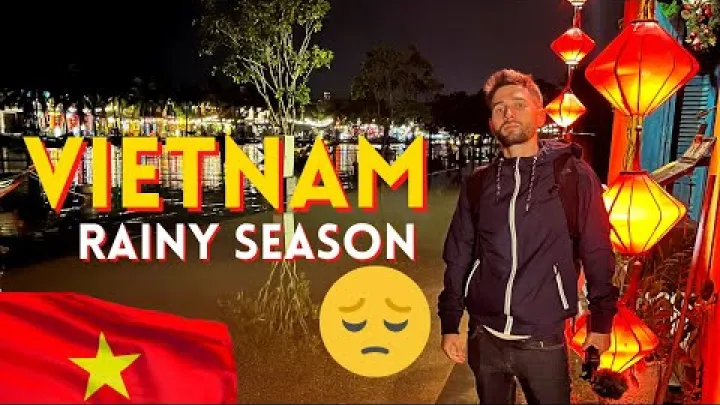
Travel styles that work well in this period include food-focused trips, city exploration with indoor options, and slower itineraries that do not depend on long transfers every two days. If you are visiting multiple regions, include extra time for transport and avoid planning a “must-do” activity on the same day as a major transfer.
Rainy-day alternatives that work in many Vietnamese destinations include:
- Museums and historic houses
- Cooking classes and coffee workshops
- Cafes and local dessert shops
- Covered markets and indoor shopping areas
- Spas and wellness centers
To manage wet weather smoothly, protect your essentials. Use a waterproof pouch for passport and cash, keep a small towel or cloth for drying hands and phone screens, and carry a lightweight rain layer. For electronics and documents, a simple checklist helps: zip bag or dry pouch, power bank in a sealed pocket, and a backup digital copy of key documents stored securely.
October to December: improving conditions in many itineraries and peak-season planning
October to December is attractive for many travelers because conditions often improve in several areas compared with mid-year. Depending on your route, you may find more comfortable days for a mix of city touring, nature time, and beach breaks. However, conditions still vary by region and exact timing, so it is best to cross-check your specific destinations rather than assuming the whole country will match one pattern.

Because this period is popular, demand can be higher for flights, trains, and well-located hotels. If you have fixed dates, consider booking key transport and your top accommodation choices earlier than you would in quieter months. You can often keep the rest of the plan flexible by leaving some day tours and local activities to book closer to arrival.
To avoid crowd pressure without changing your dates, focus on tactics that work in any season. Travel mid-week when possible, start sightseeing early, and consider secondary destinations near major hubs. For example, if a famous old town feels crowded, you can stay slightly outside the center and visit early morning for a calmer experience.
Before you commit to non-refundable bookings, cross-check regional conditions and any weather-sensitive activities in your plan. This matters for beach days, scenic boat trips, and mountain trekking, where local conditions can shift even within the same month.
Best Time to Visit by Region
Region-based planning is the most reliable way to choose when to visit Vietnam. Northern Vietnam, Central Vietnam, and Southern Vietnam each have different seasonal patterns, and the best travel window depends on whether you want cities, beaches, mountains, or a combination. This section gives practical guidance for each region, with simple strategies for travelers who cannot avoid less ideal periods.
If you are planning a longer trip, you can often improve comfort by sequencing regions carefully and using domestic flights to reduce long overland travel days. If you are planning a shorter trip, choosing one region usually creates a better experience than trying to see everything quickly.
Northern Vietnam: cities, mountains, and bay cruises
Northern Vietnam offers strong variety: historic cities, highland landscapes, and scenic coastal bays. The region can have noticeable seasonal temperature swings, and higher elevations can feel much cooler than Hanoi. Visibility for scenery can be affected by fog, haze, or rain, so comfort and views are both important when you plan outdoor days.

If you are researching quand partir vietnam nord or quand partir au vietnam du nord, focus on what you want to do. City touring is more comfortable when days are not extremely hot, while hiking comfort depends on temperature, trail conditions, and visibility. For bay cruises, calm seas and clear views matter, but schedules can change for safety, so it is wise to include flexibility.
A simple comparison can help you choose timing and plan your days:
| Activity | What matters most | Planning tip |
|---|---|---|
| City touring (Hanoi) | Comfort for walking, lower humidity | Start early, plan indoor visits midday |
| Mountain hiking | Cooler temperatures, safer trails, visibility | Bring layers and confirm local trail conditions |
| Bay cruise | Sea state, visibility, operator safety decisions | Schedule early in your stay and keep a buffer day |
If you cannot avoid wetter periods, plan with backup options. Keep one or two flexible days in the North, and place museums, food tours, and cultural shows on days when weather looks uncertain. If a cruise is a highlight, confirm operating status close to departure and avoid booking your flight out immediately after the cruise without time buffer.
Central Vietnam: heritage towns and coastal breaks
Central Vietnam often needs separate timing because its rainfall patterns can differ from the North and South. This region includes well-known heritage towns and coastal areas, and travelers frequently want to combine cultural visits with beach time. Because conditions can shift, flexibility and local checks close to travel dates are especially useful here.

An if-then approach makes planning simpler. If your priority is beaches and swimming, choose a window where you are more likely to have calmer weather and plan several beach days so that a single rainy day does not matter. If your priority is heritage and food, you can travel comfortably in a wider range of months by focusing on morning sightseeing and using afternoon time for cafes, markets, and indoor attractions when showers appear.
Transport choices can also improve comfort. Trains can be a scenic and practical way to move along the coast, but travel times are longer and delays can happen. Flights save time and reduce fatigue, which can be useful if you want to “protect” your beach days or avoid arriving late in heavy rain. When your schedule is tight, choose the option that gives you more buffer time on the ground.
If conditions look favorable, allocate extra days in Central Vietnam rather than rushing through. An additional day or two allows you to enjoy both cultural sites and relaxed evenings, and it gives you flexibility to move beach time to the best weather days.
Southern Vietnam: big cities, islands, and the Mekong region
Southern Vietnam is often warmer and more humid, and rain can arrive in short bursts that you can plan around. Large cities offer indoor attractions and strong food culture, while islands and coastal areas are popular for beach time. River regions can be rewarding year-round, but comfort depends on heat management and smart scheduling.

If you are researching quand partir au vietnam du sud or quand partir vietnam sud, start by deciding whether your trip is beach-focused or city-and-culture focused. For city exploration, almost any month can work if you plan early starts and midday breaks. For islands and boat-based day trips, calmer conditions can make the experience more comfortable, so keeping a flexible day is helpful if weather changes.
Pack for heat and humidity with a practical mini-list:
- Breathable tops and quick-dry clothing
- Sun protection (hat, sunscreen, sunglasses)
- Refillable water bottle and oral rehydration options if you use them
- Light rain layer and a waterproof bag for phone and documents
- Comfortable sandals plus closed shoes for city walking
For day trips and river activities, build time buffers. Plan your departure earlier than you think you need, avoid stacking multiple long transfers in one day, and keep a simple indoor alternative in mind in case a storm changes boat schedules. If you are visiting multiple southern destinations, staying longer in fewer bases often feels better than moving every night in hot weather.
Best Time for Popular Experiences and Activities
Many travelers choose when to visit Vietnam based on a specific experience: beaches, trekking, cultural sites, or a bay cruise. These activities depend on different conditions, so the best timing for one activity may not be the best for another. This section focuses on what matters for each experience and how to plan so that weather changes do not cancel the main value of your trip.
In practice, the most successful itineraries include flexibility. That flexibility can be as simple as adding one extra day in a beach area, scheduling a cruise early, or choosing hotels that let you rest during the hottest hours. Good planning is not about controlling the weather. It is about protecting your time and comfort.
Beach vacations and island time
For beach travel, comfort depends on more than sunshine. Calmer seas, manageable heat, and the ability to spend time outdoors without exhaustion are key factors. Even in generally good periods, a few cloudy or windy days can happen, so it is better to plan for a beach “range” rather than expecting perfect conditions every day.

Simple tactics improve the experience. Split beach time across your trip so that one bad day does not affect your whole plan. Keep one or two flexible days for snorkeling, boat tours, or long swims. If you are traveling with children or older adults, prioritize shade access, easy transport, and a beach base with nearby food options and pharmacy services.
Planning differences become clearer when you compare travel styles:
| Trip style | How to plan beach days | What to book early |
|---|---|---|
| Beach-focused trip | Stay longer in one base, add flexible days | Preferred beachfront hotels, key boat trips |
| Mixed city-and-beach trip | Place beach time after busy city days, keep backup options | Internal transport, first-choice accommodation in peak periods |
Safety is part of timing. Sun and dehydration risks increase in hot and humid periods, even when the sky is cloudy. Plan shade breaks, drink water regularly, and avoid pushing through midday heat if you feel unwell. If sea conditions are rough, follow local advice and choose a calmer activity for the day.
Trekking and nature travel
Trekking comfort depends on visibility, trail condition, and temperature more than rainfall alone. A light shower may not matter if the trail remains safe and views are clear, but heavy rain can make paths slippery and reduce visibility. Higher elevations can be cooler, and nighttime temperatures can drop more than travelers expect if they only pack for lowland cities.
Plan your gear and pacing based on the trek level. Beginners benefit from shorter daily distances, early starts, and clear rest stops. Experienced hikers may be more comfortable in varied conditions but should still plan for safety, especially on steep or muddy paths. In all cases, choose footwear with good grip and bring socks that dry quickly.
A trekking essentials checklist:
- Light layers for changing temperatures
- Rain protection (jacket or poncho) and a backpack cover
- Sturdy shoes with grip
- Water, snacks, and basic first-aid items
- Insect repellent and sun protection
- Offline map access if you use a phone, plus a power bank
Confirm local conditions close to the trekking date. Local guides and accommodation hosts often know which routes are currently safe and which trails are affected by recent rain. If you are unsure of navigation or weather risks, use reputable guides, ask about group size and safety planning, and avoid trekking alone in remote areas.
Cultural sightseeing and city exploration
Cities in Vietnam can be enjoyable in many months because they offer flexible schedules, strong food culture, and a mix of indoor and outdoor attractions. If rain appears, you can shift to museums, cafés, craft workshops, or covered markets. If heat is high, you can explore early mornings and evenings and rest during the hottest hours without losing the core experience.

Comfort strategies are simple but effective. Choose accommodation near neighborhoods you want to explore so you can return easily for a break. Use shaded streets and parks when available, and plan visits to major sites early in the day. If you have mobility concerns, look for areas with frequent rest stops and easy transport options, and avoid planning multiple long walking routes back-to-back.
A two-day city template that works in many destinations:
- Day 1 morning: main landmark area and a short neighborhood walk
- Day 1 afternoon: museum or historic house, then rest
- Day 1 evening: street food area or night market
- Day 2 morning: quieter districts, parks, or a guided food tour
- Day 2 afternoon: shopping streets or craft workshop
- Day 2 evening: riverfront walk or cultural performance if available
For respectful visiting, keep etiquette simple and consistent. Dress modestly at temples and historic sites, speak quietly indoors, and ask before taking close-up photos of people. Carry a light scarf or cover-up if you plan to visit religious sites, and be patient in crowded spaces where local visitors may be traveling for holidays.
Bay cruises and scenic boat trips
Bay cruises and scenic boat trips depend heavily on sea conditions and visibility. Even when it is not raining, wind and swell can make a cruise less comfortable. Operators may adjust routes or schedules for safety, and in some cases trips can be delayed or canceled. This is why timing and flexibility matter as much as the choice of boat.

If a bay cruise is a highlight of your Vietnam trip, plan it with care. Choose a reputable operator, read the cancellation policy, and avoid placing the cruise on your last possible day in the region. Many travelers look up quand partir au vietnam baie d'halong because they want the best chance of a smooth experience; the most practical answer is to schedule a buffer day and confirm local conditions close to departure.
Questions to ask before booking:
- What is the exact route and what happens if weather changes?
- Is there a safety briefing and what safety equipment is carried?
- What is included in the cabin and are bathrooms private?
- What is the refund or rebooking policy for weather disruption?
- What are the check-in and check-out times and transfer details?
For comfort on the water, plan for motion sensitivity. If you tend to get motion sickness, bring your preferred remedies and avoid heavy meals immediately before boarding. Pack light layers because decks can feel breezy, and keep electronics in a waterproof pouch. For an overnight cruise, include sleepwear that is comfortable in humid conditions and a small bag for essentials you want accessible during boarding.
Costs, Crowds, and Booking Timing
When deciding when to visit Vietnam, “best” can also mean the best balance of weather, crowd levels, and price. Some periods attract more international visitors, and local holiday travel can also increase demand within Vietnam. Prices for flights and hotels tend to respond to demand, especially in beach areas and in major hubs.
Planning for costs and crowds does not require perfect predictions. If you understand typical patterns and keep your itinerary flexible, you can often save money and reduce stress. The key is to book what is limited and time-sensitive, while leaving room for changes when weather or local travel demand shifts.
Peak periods, school holidays, and local holiday travel
Peak periods usually bring higher prices, fuller hotels, and more competition for popular transport times. School holidays in different countries can increase international demand, while local holiday periods can increase domestic travel to beaches, heritage towns, and major cities. This can affect not only prices but also the feeling of crowded streets and longer wait times for attractions.

You can still travel well during busy times with a few practical adjustments. Book key transport earlier, especially internal flights and high-demand train routes. Consider secondary destinations close to major hubs, where you can enjoy similar food and culture with fewer crowds. Also plan sightseeing at less crowded times, such as early morning, and keep evenings flexible for markets and local dining.
Crowd-avoidance tactics that do not depend on exact dates include:
- Travel mid-week instead of weekends when possible
- Start major sightseeing early, before tour groups arrive
- Reserve key tickets or tours in advance for limited-capacity activities
- Choose accommodation slightly outside the busiest core areas
In crowded sites, respectful behavior matters. Keep voices low indoors, follow one-way routes when they exist, and avoid blocking entrances for photos. Small actions reduce friction and make the experience better for both visitors and local communities.
How seasonality affects flight and hotel prices
Seasonality often affects prices in traveler-friendly ways. High-demand windows can raise flight prices and reduce hotel availability, especially for well-located rooms and family-friendly options. Shoulder seasons can offer better value, with more choices across accommodation types and occasional flight deals. However, “cheapest” is not always “best” if conditions reduce your ability to do what you came for.

A simple budgeting framework helps you decide. Separate costs into fixed costs and flexible costs. Fixed costs often include international flights, visas if needed, and travel insurance. Flexible costs often include accommodation level, internal transport choices, and the number of paid tours. Once you decide your must-have comfort level, you can adjust the route or timing to fit your budget instead of cutting experiences that matter to you.
For longer stays, such as students or remote workers, accommodation cost pressure is often the biggest factor. Consider choosing dates that avoid the highest demand windows in your target region and staying longer in one base to reduce transport costs. Monthly or multi-week stays can also give you more freedom to work around rainy afternoons without feeling like you are losing vacation time.
To manage prices without relying on one platform, monitor fares over time, set alerts if your preferred airline or route supports it, and compare several date ranges. When you see a price that fits your budget during a suitable season for your regions, booking earlier can reduce the risk of losing availability.
When to book and how to stay flexible
Booking timing depends on what is scarce. In general, book early for popular stays in prime locations, key internal flights on limited routes, and major tours with capacity limits. In contrast, many day tours, local transport, and casual activities can be booked closer to arrival, which helps you adapt to weather and energy levels.

Flexibility tactics protect your itinerary. Avoid overly tight connections, especially when moving between regions. Leave buffer days between “must-do” activities and long transfers. If you are traveling in periods with higher weather risk, consider refundable options where the price difference is reasonable for your budget.
A sample 10–14 day flexible itinerary skeleton:
- Days 1–4: Region A base (city + day trips), with one flexible day
- Day 5: Transfer day with no major bookings
- Days 6–9: Region B base (culture + nature), schedule the top activity early
- Day 10: Optional buffer or travel day
- Days 11–14: Region C base (beach or city), keep at least one flexible beach day
Families and business travelers often need more reliability than spontaneity. For these trips, book the core structure (accommodation, main transfers) and keep daily activities flexible. Repeat visitors can be more spontaneous because they are less likely to feel pressure to see every highlight, while first-timers usually benefit from a simpler route with fewer moves and more rest time.
Practical Planning and Packing for Each Season
Good packing and route design can make almost any season more comfortable in Vietnam. The goal is to stay dry when it rains, cool when it is humid, and prepared for temperature changes in mountains and coastal areas. This section focuses on practical items and habits that improve day-to-day travel, without assuming any specific brand or travel style.

Think of packing as a system. You need clothing that dries quickly, a small kit you carry daily, and a plan for protecting documents and electronics. You also need a route that includes buffer time so that weather disruptions do not cause a chain reaction of missed connections and canceled activities.
What to pack for heat, humidity, and rain
Pack with comfort and flexibility in mind. Breathable, quick-dry clothing works well in hot and humid conditions and is easier to manage after rain. Light layers help in places where mornings and evenings are cooler, especially in northern highlands or air-conditioned buses and trains. For rain, a compact jacket or poncho is often more practical than a large umbrella in busy streets.

Your packing should change based on region and activity. For city touring, prioritize comfortable walking shoes with grip for wet pavement. For trekking, bring shoes that handle mud and uneven paths, plus extra socks. For beach time, include sun protection and a waterproof bag for boat trips. If you will move frequently, pack lighter to reduce the effort of carrying luggage up stairs or along uneven sidewalks.
A structured packing list you can adapt:
- Clothing: breathable tops, quick-dry bottoms, one warmer layer, sleepwear
- Rain: light rain jacket or poncho, small umbrella (optional), waterproof pouch
- Footwear: walking shoes with grip, sandals, trekking shoes (if needed)
- Sun and insects: sunscreen, hat, sunglasses, insect repellent
- Daily kit: water bottle, tissues, hand sanitizer, power bank, small first-aid basics
- Documents: passport storage, card and cash organization, secure digital backups
Luggage choice affects comfort. A backpack can be easier on uneven surfaces and when using stairs, smaller boats, or frequent transfers. A suitcase can be comfortable in cities with smooth sidewalks and direct transport, but it may be inconvenient in older neighborhoods or during heavy rain. Choose based on how often you move and how much walking you expect between transport and accommodation.
Health, comfort, and safety considerations by season
Common seasonal challenges include heat exhaustion, dehydration, sunburn, and slippery streets during rain. High humidity can make you feel tired faster, and sudden downpours can reduce visibility in traffic. None of these issues are unusual, but they become easier to manage when you plan your pace and carry a few basics.

Simple habits reduce risk. Drink water regularly, especially when you sweat, and take breaks in shade or air-conditioned spaces during the hottest hours. Wear breathable clothing and consider a hat when walking outdoors. In wet weather, slow down on slick surfaces, watch for puddles near roads, and keep electronics protected. Follow official health guidance for vaccines and medications and plan ahead if you have specific medical needs.
Warning signs of heat stress include unusual dizziness, headache, nausea, confusion, or stopping sweating despite heat. If you notice these signs, stop activity, move to a cooler place, drink fluids, and seek local assistance if symptoms do not improve quickly. For children and older adults, plan shorter walking periods, more frequent breaks, and easier access to shade and bathrooms.
Seasonal comfort also affects safety in transport. If you are tired from heat, avoid late-night long-distance travel when possible. During heavy rain, allow extra time for road transfers and avoid pressure to “make up time” with risky driving decisions. A slower, safer pace usually results in a better trip.
Building a route that matches your dates
Start by matching your dates to regions rather than forcing a full-country route. For a short trip, choosing one region reduces transit time and increases comfort. For a longer trip, you can sequence regions to maximize your chances of enjoyable conditions and use internal flights to avoid exhausting overland transfers. Many travelers follow guidebook-style planning, including searches like quand partir au vietnam routard, but the best route is the one that fits your dates and energy.

If conditions change during your trip, adjust the schedule instead of pushing through. Swap a beach day with a museum day, move a day trip to a clearer morning, or shift to a different nearby destination for a night or two. Vietnam’s cities often provide good indoor alternatives, and short flights can help you change regions if needed, as long as you leave buffer time.
High-level route templates:
- 7 days: one region (for example, one major city base plus two day trips)
- 14 days: two regions (for example, one northern base and one central or southern base, with one buffer day)
- 21 days: three regions (north-to-south with fewer stops, internal flights, and multiple flexible days)
Final week preparation checklist:
- Confirm passport validity, entry requirements, and any visa details you need
- Re-check internal flight or train times and baggage rules
- Check local forecasts for your first destinations and key activities
- Message tour operators about meeting points and weather policies
- Prepare small cash, card backups, and secure digital copies of documents
Frequently Asked Questions
Is there a single best month to visit Vietnam?
No, the best month depends on your regions and activities. Northern, Central, and Southern Vietnam can have different conditions at the same time. Most travelers get better results by planning region-first and keeping a few flexible days.
Can I enjoy Vietnam during the rainy season?
Yes, you can enjoy Vietnam during rainy periods if you plan around short showers and keep your schedule flexible. Build in indoor options such as museums, covered markets, and workshops. Avoid stacking many transfers and schedule weather-sensitive highlights early in each region.
When should I book internal flights and popular hotels?
Book earlier when you travel in busy periods or when you want specific hotels in prime locations. Internal flights on limited routes and cruises with limited cabins also benefit from early booking. For flexible travel, keep day tours and some local transport decisions for closer to arrival.
How many buffer days should I add for weather?
Add buffer time if you have must-do activities like a bay cruise or important connections between regions. A common approach is to include a flexible half-day every few days and at least one extra day in any region where weather could affect your main activity. This buffer also helps with fatigue and unexpected delays.
What should I pack to handle heat and sudden rain?
Pack breathable clothing, a light rain layer, and shoes with grip for wet streets. Carry a small waterproof pouch for documents and phone, plus sunscreen and insect repellent. Light layers are useful for cooler mornings, highlands, and air-conditioned transport.
Should I visit North, Central, and South Vietnam in one trip?
You can visit all three regions, but it works best with enough time and a realistic pace. For trips under two weeks, focusing on one or two regions often feels better than rushing. If you do cover all three, use internal flights and keep flexible days between major moves.
How do I plan a Halong Bay-style cruise if weather is uncertain?
Plan the cruise early in your regional stay and keep a backup day in case schedules change. Choose an operator with clear safety and cancellation policies. Confirm local operating conditions close to departure because sea conditions can change quickly.
Conclusion: Picking Your Ideal Vietnam Travel Window
Choosing when to visit Vietnam works best when you plan by region first, then match your activities to typical comfort and risk levels. Good weather often overlaps with higher crowds and prices, while shoulder seasons can offer a strong balance if you plan your days around heat and brief rain. No single month is perfect for every itinerary, especially for north-to-south routes, so flexibility is a practical advantage.
Use the month-by-month overview to understand broad patterns, then use the regional and activity sections to refine your route. Add buffer time for weather-sensitive highlights, and keep indoor alternatives ready so that a rainy afternoon does not become a lost day. With realistic pacing and smart booking choices, Vietnam can be a rewarding destination across many different travel windows.
Quick summary: match region, comfort, and budget
The simplest way to decide when to go is to match three factors: your regions, your comfort preferences, and your budget. Plan around where you will spend the most time and what you will do there, rather than relying on countrywide averages. Accept that you may trade the most comfortable weather for better prices or fewer crowds, depending on your priorities.
You can have a strong trip in many months by adjusting pace and expectations. Build flexible days, start outdoor sightseeing early, and keep indoor alternatives for rain or heat. For activities like bay cruises or long hikes, confirm local conditions close to departure and avoid making your plan depend on a single perfect day.
- Choose regions first (North, Central, South).
- Choose priorities (beach, trekking, culture, cruise).
- Plan for trade-offs (weather vs crowds vs price).
- Add buffer time and keep backup activities.
- Re-check local conditions shortly before key activities.
Suggested travel windows by trip length
Trip length strongly affects what “best time” means. On short trips, you usually get the best experience by choosing one region with a compact route and minimal transfers. On medium trips, you can combine two regions if you keep your pace realistic and protect your key activities with buffer time. On longer trips, a north-to-south journey can work well when you sequence regions thoughtfully and accept that conditions will vary.

A simple planning matrix helps clarify choices, including common search intent like ou et quand partir vietnam. Instead of copying a generic itinerary, choose dates and routes that fit your priorities and comfort level. If you are considering combining Vietnam with nearby countries, such as searches like quand partir vietnam cambodge, plan conservatively and allow extra transfer time so that weather disruptions do not remove days from your main destinations.
| Trip length | Best planning approach | Typical priority match |
|---|---|---|
| Up to 7 days | One region, one main base, day trips | Culture, food, short beach add-on |
| 10–14 days | Two regions, internal flight, buffer day | Culture plus beach or trekking |
| 18–21+ days | Three regions, slower pace, multiple flexible days | North-to-south variety, deeper exploration |
Whatever your trip length, prioritize the activities you care about most and place them early in each region. Leave space for rest and for weather changes, and confirm local operating conditions close to departure for cruises, boat trips, and mountain routes.
Select area
Create a post
Posting is free and no registration is required.