- Tay Son Heaven and Earth Esplanade: Historic Shrine in Quy Nhon
- Quang Trung Museum: Tay Sơn History & Culture in Quy Nhon
- Banh It Cham Towers: Ancient Heritage & Photography in Quy Nhon
- The Thon Beach in Cat Tien: Clean Shores & Affordable Watersports
- Linh Phong Pagoda in Quy Nhon: The Sacred Mountain Temple
Vietnam December Weather: What to Expect by Region and How to Plan

Vietnam December weather can feel very different depending on where you travel. In one trip, you may experience cool mornings in the north, damp coastal days in central areas, and warmer evenings in the south. This guide explains how Vietnam weather in December tends to work by region, and how to plan a route that matches your priorities. You will also find practical packing guidance, booking tips for weather-sensitive tours, and a short FAQ to help you make decisions quickly.
Introduction: Understanding Vietnam December Weather at a Glance
The most useful answer is regional: the north, central coast, and south do not behave the same way in December. This matters for comfort, transport, and the types of activities that feel enjoyable on a given day.
In this introduction, you will learn why conditions can change so much across the country, how to use this guide to plan efficiently, and which common assumptions cause problems for December trips. The goal is not to predict exact weather for your travel dates. The goal is to help you choose a route and daily plan that still works when conditions are cooler, wetter, windier, or more humid than you expected.
Why December in Vietnam can feel like different countries
Vietnam December weather varies because Vietnam stretches a long distance from north to south and includes coastlines, river deltas, and high mountains. In December, these differences become very noticeable. Northern Vietnam tends to feel cooler, especially early and late in the day. Central Vietnam often has a higher chance of rainy periods during this time of year, which can change beach plans and walking comfort. Southern Vietnam tends to feel warmer and more consistently suited to light clothing, although short showers and wind can still happen.
To make this guide clear, the word “region” is used in a simple travel-planning way. “Northern Vietnam” means areas around Hanoi, Ha Long Bay, and the northern mountains such as Sapa. “Central Vietnam” means the central coast and nearby cities such as Da Nang, Hoi An, and Hue. “Southern Vietnam” means areas around Ho Chi Minh City, the Mekong Delta, and southern islands. When you see “vietnam weather december” discussed here, assume it refers to typical patterns and practical implications, not a guarantee for a specific day.
How to use this guide to plan routes, activities, and packing
The easiest way to plan for Vietnam in December is to decide your route in layers. Start with regions, then choose base cities, then choose activities that fit those bases, and only then finalize what to pack and what to book in advance. This approach helps because the best choice for a beach-focused trip may not match the best choice for a culture-focused trip, and December conditions can shift from year to year.

Use the steps below as a simple decision framework. It is designed to work whether you are traveling for vacation, studying abroad, or working remotely and taking weekend trips.
- Pick the region(s): North, Central, South, or a combination.
- Choose base cities that reduce transfers (for example, one main base plus one side trip).
- List activities and mark which ones depend on clear skies or calm seas.
- Plan backup indoor options for each day (museums, markets, cafes, workshops).
- Pack for comfort across climates, especially if you move between regions.
- Check short-term forecasts close to departure and stay flexible with day trips.
Because conditions can vary year to year, treat this guide as a planning reference and review the latest local forecast in the final days before travel. If a day trip is weather-sensitive, build in flexibility so you can swap days without losing key experiences.
What travelers most often get wrong about December conditions
A common mistake is assuming Vietnam has one national temperature in December. This can lead to arriving in Northern Vietnam with only summer clothing, or arriving in Central Vietnam expecting beach weather every day. Another frequent issue is underestimating how rain and wind affect comfort on boats, coastal viewpoints, and outdoor walking days. People also sometimes treat city-specific searches like hanoi vietnam weather december or da nang vietnam weather in december as if they can be answered with one national summary, which usually causes planning gaps.
Three real-world planning scenarios show why details matter. If your trip is beach-focused, you will make different choices about region, hotel location, and backup activities than someone planning a cultural cities trip. If you are combining remote work and travel, you may prefer a base with reliable indoor options and short day trips you can move easily. If you are doing a family trip, you may prioritize comfortable walking hours and indoor attractions to avoid long days in rain or cold air. Practical solutions are usually simple: pack layers, protect valuables from rain, choose the right base city for your priorities, and book tours with clear rescheduling or refund terms.
Vietnam Weather in December: Seasons, Climate Zones, and What Drives the Differences
Understanding Vietnam December weather is easier when you think in terms of broad climate zones rather than one country-wide “December forecast.” Vietnam spans a wide range of latitudes, has a long coastline, and includes high mountain areas. In December, these geographic differences can create noticeable changes in temperature feel, rainfall likelihood, and wind exposure from one region to another.

Instead of relying on a single average, use a “route-first” perspective: where you start, where you finish, and whether you go into the mountains will shape what you experience day to day. This section explains a simple north-central-south map, how rain and sea conditions influence tours, and why highlands such as Sapa can feel like a different season.
North, Central, and South: the simplest climate map for December
The simplest way to interpret vietnam december weather is to split the country into Northern Vietnam, Central Vietnam, and Southern Vietnam. Latitude matters because the north is farther from the equator and tends to have a cooler seasonal shift in December. Coastal exposure matters because wind and rain can change comfort quickly, especially on open water. Elevation matters because mountain towns and passes can feel much cooler than nearby cities at lower altitude.

Country-wide averages often hide the reality travelers feel. A day that is comfortable for walking in Ho Chi Minh City may feel chilly in Hanoi, and a coastal plan near Da Nang may be affected by rain even when inland city sightseeing still works. The table below provides a high-level comparison to help you choose trip styles that match each region’s typical December “feel” without relying on exact numbers.
| Region | Typical feel in December | Rain likelihood (general) | Best trip styles |
|---|---|---|---|
| Northern Vietnam | Cooler air, especially mornings and evenings; can feel damp in some periods | Possible light rain and overcast days; visibility can vary | Cities, food, culture; mountains with proper gear; scenic cruises with flexibility |
| Central Vietnam | Mild to warm, but often feels wetter and windier on the coast | Higher chance of rainy periods in many central coastal areas | Cultural sightseeing with buffers; flexible beach expectations; indoor-friendly tours |
| Southern Vietnam | Warmer days; comfortable evenings; humidity can still be noticeable | Often drier than central areas, but short showers can occur | City breaks, Mekong Delta trips, islands with mixed activity plans |
Rain, wind, and sea conditions: what affects day trips and ferries
Rain and wind do more than change your clothing choice. They can affect visibility for viewpoints, comfort on open decks, and the feasibility of small-boat transfers. Even when a tour runs as planned, wind and choppy seas can change how much time you want to spend outside, how smooth a ferry ride feels, and how suitable conditions are for water activities. This is why coastal plans in December benefit from flexibility, especially if your itinerary depends on boats, island transfers, or long day cruises.

A safety-first and comfort-first approach is practical rather than dramatic. Build buffer time, choose operators that communicate clearly, and keep alternative indoor activities ready. When conditions are not ideal, reputable operators may adjust routes, change schedules, or recommend different start times. Your goal is to avoid tight connections that force you to take risks or lose money when plans shift.
Use this booking checklist for boats and tours in December:
- Check the cancellation and rescheduling policy before paying.
- Ask how the operator handles reroutes if conditions change.
- Confirm the meeting point and timing the morning of the tour.
- Share a working phone number or messaging contact that you can access locally.
- Pack a dry bag or waterproof pouch for phone, passport, and cash.
Mountain and highland microclimates: why places like Sapa feel different
Microclimates are small areas where the weather can differ from nearby lowlands, and Vietnam’s mountains create strong microclimates. In highland areas, elevation often leads to cooler temperatures, more frequent fog or low cloud, and faster changes over the course of a day. The air may feel colder on exposed ridgelines, and damp conditions can make that cold feel stronger.
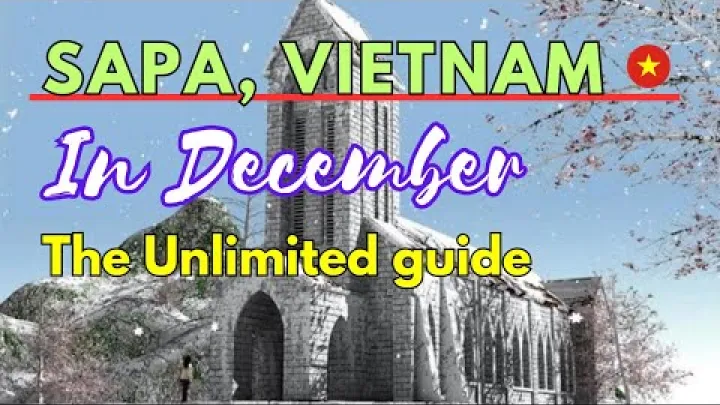
These differences matter for planning. Visibility-dependent activities like panoramic viewpoints or sunrise scenes may not work on a given morning if fog is thick. Hiking comfort also changes when trails are damp, muddy, or slippery. If Sapa is a key goal, consider staying long enough to give yourself options, and schedule the most visibility-dependent experiences with flexibility rather than locking them into one fixed morning.
For visibility-dependent plans, use a simple approach:
- Choose one “must-see” viewpoint morning and one backup morning if your schedule allows.
- Check cloud and rain forecasts the night before, then again early morning.
- Have an alternate plan that still feels worthwhile (market visit, cafe time, village craft stops).
- Ask your guide or hotel staff about current trail conditions before you leave.
Northern Vietnam in December: Hanoi, Ha Long Bay, and Mountain Areas
Northern Vietnam is where many travelers are most surprised by December conditions. The cooler air can change how long you want to walk outside, what time of day feels best for sightseeing, and what kind of clothing you will actually use. If you plan well, December can still be an excellent time for food, culture, and scenic experiences, especially when you build your days around comfort.
This section covers Hanoi as a base, what to expect when planning a Ha Long Bay cruise, and how to approach Sapa and other highlands. The aim is to help you set expectations and build a plan that still works if a day is overcast, breezy, or damp.
Hanoi in December: city comfort, air feel, and daily planning
Hanoi in December often feels cooler than many visitors expect, particularly in the early morning and after sunset. The air can feel crisp, and on some days it can also feel damp, which may make light summer clothing uncomfortable. For many travelers, the solution is simple: plan to start the day a little later if mornings feel cold, add coffee or breakfast stops into your walking routes, and keep one or two indoor attractions ready in case light rain makes long walks less appealing.
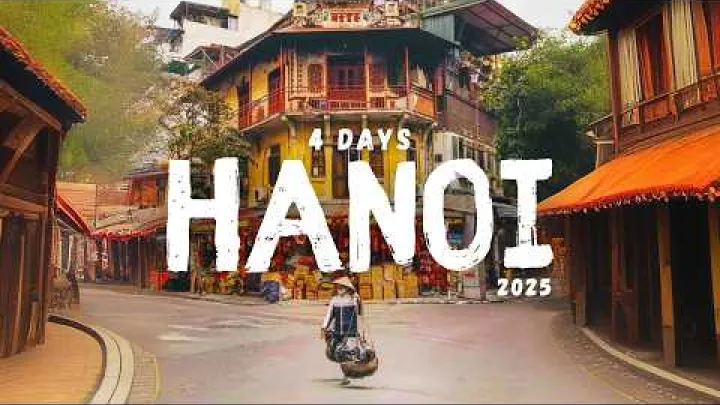
Look at the forecast range (daytime versus evening), the rain chance, and wind, because wind can change how cold it feels while walking around lakes and wide boulevards. Also remember that indoor spaces can feel cool due to air conditioning, so a light layer can be useful even when you are not outdoors for long.
Sample one-day Hanoi plan with weather-proof alternatives:
- Morning (outdoor Plan A): Walk around Hoan Kiem Lake and nearby streets when it feels freshest.
- Morning (indoor Plan B): Visit a museum or a traditional performance venue if it is drizzling.
- Midday: Do a food-focused walk with short stops; choose places with seating if the air feels cold.
- Afternoon (Plan A): Explore markets and small streets in the Old Quarter.
- Afternoon (Plan B): Coffee shops, galleries, or a cooking class if you want a longer indoor break.
- Evening: Street food and short walks, then return before late-night air feels colder.
Ha Long Bay and nearby coastlines: cruising expectations and visibility
In December, Ha Long Bay cruises can still be enjoyable, but coastal conditions in Northern Vietnam can affect visibility and comfort. Overcast skies and haze can change photo expectations, and wind can make time on deck less comfortable even if the boat continues on schedule. If your main goal is dramatic views under clear skies, plan your expectations carefully and consider giving yourself a buffer day in case you want to switch dates.

Booking choices matter more in variable conditions. A comfortable cabin and a well-managed itinerary can make a big difference when you want to relax indoors between viewpoints. Ask operators how they handle route changes, whether they can adjust timing to avoid rougher periods, and what happens if a key stop is not possible. Also consider the style of boat and group size, since crowded decks can be less pleasant when the air is cool or windy.
Questions to ask a cruise provider before booking:
- Which port does the cruise depart from, and what is the transfer time from Hanoi?
- How flexible is the route if visibility is low or sea conditions change?
- What is included (meals, kayaking, cave visits), and what depends on conditions?
- What is the cancellation or rescheduling policy, and what is the deadline?
- What cabin options are available if you want more comfort indoors?
| Option | Main benefits | Main trade-offs |
|---|---|---|
| Day cruise | Lower time commitment; easier to reschedule; fits tight itineraries | Less time for quiet views; more sensitive to one-day visibility and timing |
| Overnight cruise | More time on the water; slower pace; better chance to catch different conditions | Higher cost; more planning needed if schedules change |
Sapa and other northern highlands: colder nights and hiking realities
Sapa and other northern highlands require a different comfort plan than Hanoi. Nights can feel noticeably colder, and damp air can make that cold feel stronger. Trails can be muddy or slippery after rain, and fog can reduce visibility on viewpoints and ridge walks. If you are trekking, plan for practical warmth and traction rather than fashion items that look good in photos but do not handle wet ground.

Activity timing is important. Village visits and market culture work well even with some fog, and many travelers enjoy the atmosphere of misty mornings. For longer hikes, it helps to start with local advice because trail conditions can change quickly. If you have only one full day, consider choosing a route that still feels worthwhile in limited visibility, such as a village-focused trek rather than a ridge-focused viewpoint trek.
Highland hiking gear mini-checklist:
- Walking shoes or boots with good grip
- Warm socks (and one spare pair for damp days)
- Light rain shell or poncho that allows movement
- Small dry bag for electronics and documents
- Simple insulating layer for evenings and early mornings
Best experiences in the North during December (when weather is variable)
When the weather is variable, the best Northern Vietnam experiences are often those that do not rely on perfect visibility or long hours outdoors. Food experiences work extremely well because you can move between short walks and warm indoor stops. Craft villages and workshops also work well because you can spend time indoors learning and watching artisans while still seeing local culture. Museums and historic sites are useful anchors for a day when you want a slower pace and more predictable comfort.
Timing helps you get the most out of a mixed day. Many travelers find that late morning to mid-afternoon is the most comfortable window for outdoor walking, while early mornings and evenings are better for indoor activities, performances, or longer meals. If you are traveling with family or working remotely, this structure reduces stress because you are not forced to keep walking when the air feels cold or damp.
Plan A / Plan B ideas for Northern Vietnam:
- Plan A: Old Quarter walking routes; Plan B: market halls, galleries, or a museum loop.
- Plan A: Ha Long Bay cruise; Plan B: stay in Hanoi and do a food tour plus a performance.
- Plan A: Sapa viewpoints; Plan B: village craft visits, cafes, and a shorter guided walk.
- Plan A: Lakeside photos at sunset; Plan B: indoor dining and a short evening stroll.
Central Vietnam in December: Da Nang, Hoi An, and Hue
Central Vietnam is popular for its mix of beaches, historic towns, and cultural landmarks, but December can require more rain-aware planning in many coastal areas. A trip can still be rewarding, especially if you structure days with buffers and choose activities that work in both dry and rainy conditions. The key is to avoid building an itinerary that depends on long beach days or long outdoor walking days without alternatives.
This section focuses on Da Nang as a practical base, how to pace Hoi An and Hue comfortably, and the types of disruptions that can occur during wetter periods. You will also find booking strategies that reduce stress when you need to swap a day trip or choose an indoor-friendly tour.
Da Nang in December: balancing beach hopes with rain planning
Da Nang in December can be appealing because it has a modern city layout, good food options, and access to nearby attractions. However, Central Vietnam can be wetter in December than many first-time visitors expect, and that can reduce the number of beach hours that feel truly relaxing. Even when the temperature is comfortable, wind and rain can make sitting on the sand less enjoyable, and water activities may depend on conditions.

Treat beach time as a bonus rather than the only goal. Choose at least one indoor activity each day so you do not feel stuck in your hotel during rain, and consider splitting your time between city food culture and short excursions that do not require perfect skies.
| Good in dry weather | Good in rainy weather |
|---|---|
| Beach walks and coastal viewpoints | Museums, cafes, cooking classes |
| Day trips with outdoor stops | Food-focused city exploring with short walking segments |
| Photography-focused itineraries | Markets, spa time, indoor cultural performances |
Hoi An and Hue: sightseeing comfort, day trips, and cultural highlights
Hoi An and Hue remain strong choices in December because cultural sightseeing can still be enjoyable with careful pacing. Rain can change walking comfort in old-town areas, and it can affect photography by reducing bright light and increasing reflections. The practical approach is to plan shorter outdoor loops, schedule breaks, and use covered spaces such as cafes, workshops, and museums as natural pauses. If you carry a simple rain layer and protect your phone and documents, you can keep exploring without feeling that the day is “lost.”
Day-trip sequencing becomes important. If you have multiple outdoor-heavy activities, keep them movable and place the most sun-dependent items on the days with the best forecast. Also consider flood-aware route choices without assuming that flooding will happen. If streets are waterlogged, take detours, use safer walkways, and follow local advice about which areas are best avoided on that day.
Sample 3-day Central Vietnam plan with buffers:
- Day 1 (flexible): Arrive, do an old-town loop in the best weather window, then indoor dining and a workshop.
- Day 2 (sun-dependent): Place your most outdoor-heavy excursion here if the forecast looks best; keep an indoor alternative ready.
- Day 3 (rain-friendly): Museums, markets, covered heritage sites, and a slow cafe-based day if rain persists.
Footwear helps more than most travelers expect. Choose shoes with grip and socks that stay comfortable if you step in puddles. A slower pace with planned breaks often makes December sightseeing in Hoi An and Hue more enjoyable than trying to rush through many sites.
Travel disruptions to consider: heavy rain, local flooding, and transport delays
During rainy periods, Central Vietnam travel can slow down. Roads may be congested, transfers can take longer than expected, and some tours may adjust routes to avoid less safe areas. Even when nothing is canceled, the experience can feel more tiring because you spend more time moving carefully, waiting for pickup vehicles, or sheltering from heavier showers. This is why building buffers matters: one extra half-day in a base city can protect multiple experiences.

Mitigation strategies are mostly about reducing commitments you cannot change. Consider travel insurance that matches your risk tolerance and trip type, and choose accommodations and transport tickets with reasonable change policies when possible. Also choose hotels in convenient locations so you can return easily if the weather becomes uncomfortable. Finally, pay attention to local advisories and operator messages close to travel dates, because conditions can change quickly during wet spells.
Rainy-day “before you leave the hotel” checklist:
- Check the forecast for rain intensity and timing, not only the chance of rain.
- Review messages from tour operators and transport providers.
- Confirm your route and avoid low-lying shortcuts if water is visible.
- Pack a waterproof layer and a dry pouch for valuables.
- Decide your indoor backup plan before you start walking.
What to book differently in Central Vietnam for December trips
For December trips in Central Vietnam, booking strategy can matter as much as the itinerary itself. Where possible, prioritize flexible cancellation and avoid prepaying for many weather-dependent days in a row. Indoor-friendly tours such as cooking classes, workshops, and museum-guided visits can be easier to enjoy in wet weather than long outdoor excursions. Another practical approach is to commit to only the first one or two days of tours, then book additional activities once you can see the local short-term forecast.

Look for places with covered access from the entrance, a location that reduces long walks in rain, and practical services such as laundry or a place to dry damp clothes. If you are moving between cities, allow extra transfer time and avoid scheduling important activities immediately after a long travel day.
Booking policy mini-guide (general):
- “Free cancellation” usually has a deadline, often one to several days before check-in or tour time.
- Some bookings require prepayment, while others only hold a reservation and collect payment later.
- Refund timelines can vary; keep confirmation messages and payment records accessible offline.
Example decision path: if your priority is beach time and the forecast looks persistently wet on the central coast, consider shifting days toward city sightseeing, moving to a different region, or treating the beach as a short window activity rather than a full-day plan.
Southern Vietnam in December: Ho Chi Minh City, the Mekong Delta, and Islands
Southern Vietnam is often chosen for December travel because it tends to feel warmer than the north and can support a lighter packing approach. For many visitors, the rhythm is also easier: you can plan long walking days, evening street food, and day trips without needing as many warm layers. That said, comfort still depends on humidity, occasional showers, and the intensity of midday sun.
This section covers Ho Chi Minh City travel comfort, what changes on Mekong Delta day trips, and how to approach island and beach planning with realistic expectations. The focus is on practical choices: day structure, what to bring, and how to reduce friction when using boats or moving between bases.
Ho Chi Minh City in December: warm-weather city travel and comfort
Ho Chi Minh City in December is often warmer than Hanoi, which many travelers find comfortable for city exploration. You can usually plan more outdoor time without needing heavy layers, but you should still manage heat and humidity. A practical structure is to do your most walking-intensive plans in the morning and late afternoon, then use midday for indoor attractions, long lunches, or work sessions if you are a remote worker.
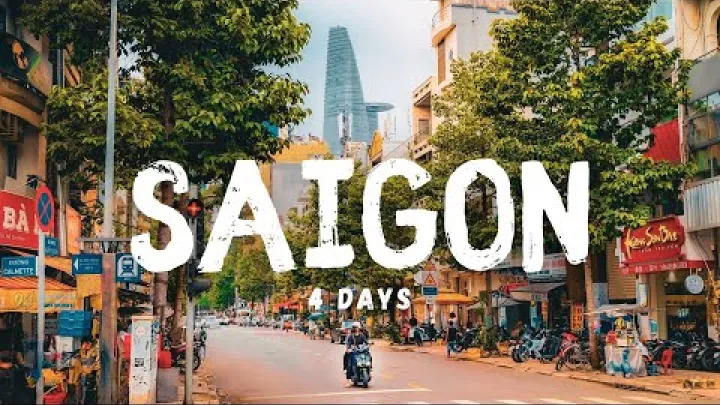
Bring water, plan short breaks, and remember that air-conditioned malls, cafes, and museums can feel cool after being outside. For transport, consider mixing walking with short taxi or ride-hailing trips so you do not arrive at key sites overheated or tired.
Indoor options for heat or rain days include museums, covered markets, cafes suitable for longer stays, and food-focused tours with seated stops. In the evening, temperatures often feel more comfortable for street food and casual walking, which can make nightlife and dining a strong part of a December schedule.
Mekong Delta day trips: what weather changes for boats and rural routes
Mekong Delta day trips can be enjoyable in December, but weather still affects comfort on boats and rural routes. Sun exposure can feel strong on open water, and short rain showers can make decks and steps slippery. Rural cycling or walking segments are usually more pleasant earlier in the day, especially if you want a slower pace and fewer interruptions. Travel time is also a factor: even a “day trip” can involve multiple hours of driving, so plan for a long but varied day rather than expecting constant sightseeing.

Bring items that cover both sun and light rain, and keep your clothing quick-drying. Insect avoidance is also a general comfort issue in rural areas, so many travelers prefer long light sleeves in the evening and simple repellent when needed. For any personal health concerns, follow official guidance relevant to your situation and destination, and ask your accommodation about local conditions if you are unsure.
Optional packing micro-list for Delta tours:
- Sun protection (hat, sunscreen)
- Light rain layer
- Quick-dry shirt and socks
- Water and small snacks
- Waterproof pouch for phone and documents
Island and beach planning in the South: setting realistic expectations
Southern islands and beaches are often part of December itineraries, but comfort still depends on wind, sea conditions, and occasional showers. Even if the air temperature is pleasant, wind can make the beach feel cooler, and rougher water can reduce the appeal of boat trips or snorkeling. The most reliable approach is to plan a mix of beach time and inland or town activities, so that a windy or rainy half-day does not derail your plans.

For water activities, choose reputable operators and check marine conditions when available. Book accommodations with reasonable change terms if you are unsure how many full beach days you want. If your schedule allows, keep a buffer day so you can shift your “best beach day” to the most suitable conditions rather than forcing it onto a fixed date.
Simple beach-day decision checklist:
- Morning check: wind strength and cloud cover look comfortable for your plans.
- Water check: visibility and sea state appear suitable for your chosen activity.
- Plan check: you have an inland or indoor option if conditions change midday.
- Operator check: pickup time and safety guidance are confirmed the same day.
| Base style | Pros | Cons |
|---|---|---|
| City base (with island day trips) | More indoor options; easier logistics; flexible scheduling | Less time at the beach; longer day-trip travel time |
| Island base | More beach time; relaxed pace; easy sunrise and sunset access | More exposed to wind and sea disruption; fewer backup activities |
Best Places to Visit in Vietnam in December Based on Your Travel Goals
“Best places” in December depend on what you want from the trip and how flexible you can be. December weather in Vietnam can support very different experiences: city food and culture, coastal sightseeing, mountain treks, and island relaxation. The right plan comes from matching your goal to regional patterns and then building in backups for weather-sensitive days.
This section does not promise perfect conditions in any one destination. Instead, it gives decision criteria and sample routes that work well even when weather changes. If you answer a few key questions about your priorities, you can choose a route that feels consistently enjoyable rather than hoping every day matches one ideal picture.
If you want beaches: how to choose the right coastline in December
Beach suitability in December depends on region, wind exposure, and the chance of rainy periods. When travelers search december weather in vietnam or weather in vietnam december, they often want to know where they can reliably spend long days on the sand. In practice, it is safer to plan for a mix: choose a coastline that matches your tolerance for variable days, and avoid a schedule where every day is “beach or nothing.” If your trip is short, consider focusing on one beach base with strong backup options rather than moving frequently.

Instead of relying on a ranking, use decision criteria. Ask whether you want active water time (which depends more on sea conditions) or relaxed lounging (which depends more on wind and rain comfort). Also consider how you feel about overcast skies for swimming and whether you are comfortable changing plans on short notice. A beach plan that includes cafes, town walks, and indoor wellness options usually works better than a beach plan that assumes full sun every day.
Questions to answer before booking a beach-heavy itinerary:
- Do you need calm water for your main activity, or is a beach walk enough?
- Are you willing to move your beach days based on a short-term forecast?
- Do you want a beach town with indoor options, or a quiet area with fewer alternatives?
- Is your schedule flexible enough to add a buffer day?
If you want culture and cities: routes that work well with mixed weather
City-forward routes often work well in December because cultural sightseeing can continue even with light rain or cooler temperatures. Museums, food tours, workshops, markets, and historic buildings give you a strong core plan, while outdoor landmarks can fit into the best weather windows. This approach is especially useful for first-time visitors who want a broad view of Vietnam, and for students or remote workers who prefer reliable day structures.
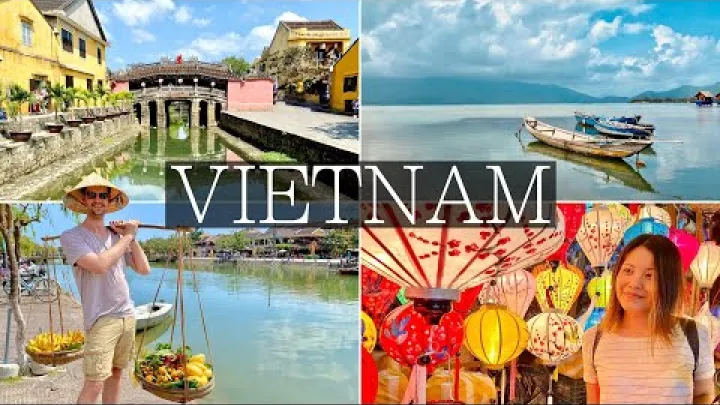
The key is pacing. Build each day around one or two main outdoor items, then fill the rest with indoor or semi-covered activities that do not depend on perfect skies. Avoid scheduling too many long transfers, because weather can slow down transport and make packed days feel stressful. A simpler plan often delivers a better experience than trying to see every landmark in a short time.
Example 7-day cities-first outline (swappable day trips):
- Days 1–2: Hanoi (city walking, food, museums; optional day trip based on forecast)
- Day 3: Ha Long Bay day cruise or overnight (swap with Hanoi buffer day if needed)
- Days 4–5: Central city base (Da Nang or Hoi An style pacing with indoor options)
- Days 6–7: Ho Chi Minh City (markets, museums, evening street food; optional Cu Chi or Mekong day trip based on forecast)
If you want hiking and nature: planning for visibility, trail conditions, and safety
Hiking and nature trips in December can be rewarding, but you need to plan for visibility and trail comfort. Fog and low cloud can reduce panoramic views, and wet ground can make trails slower and more slippery. Cooler mornings can feel comfortable once you start walking, but you may want a warmer layer during breaks. Sapa is a common example for December hiking planning, and many of the same principles apply to other highland areas.

Strategies that improve outcomes include using a guide for route choice, building buffer days for the best viewpoints, and choosing footwear with reliable grip. If you are traveling independently, ask locals about current conditions rather than assuming the trail will match photos you saw online. A flexible plan reduces risk and disappointment, especially if you only have a short window in the mountains.
Simple “go or no-go” framework for hikes:
- Go if: trail reports indicate stable footing, rain is not expected during your hiking window, and daylight is sufficient for your pace.
- Consider a shorter route if: visibility is low but conditions are otherwise safe and you still want village culture.
- No-go or switch to an indoor plan if: heavy rain is expected, guides advise against the route, or transport access is disrupted.
Sample 10 to 14 day itineraries for December: North to South or region-focused
A 10 to 14 day December trip can either cover multiple regions or focus deeply on one area. A full-country route offers variety and helps you “follow the feel” from cooler north to warmer south, but it includes more flights or long transfers. A region-focused trip reduces transport fatigue and gives you more flexibility to shift activities around weather changes. The best choice depends on your priorities, your pace, and how much you want to move between hotels.

When planning, treat weather-sensitive activities as movable blocks. Place them in the middle of your stay in a base city so you can swap days. Also avoid scheduling critical transfers immediately after a day on the water, since delays can happen and you may want a buffer for rest.
| Days | Base | Key activities | Backup plan |
|---|---|---|---|
| 1–4 | Hanoi (with optional Ha Long Bay) | City culture, food; cruise if conditions suit | Extra Hanoi day with museums and cafes if cruise shifts |
| 5–7 | Central base (Da Nang or Hoi An) | Old town, heritage, flexible day trips | Workshops, indoor cultural sites, market time |
| 8–11 | Ho Chi Minh City | Museums, neighborhoods, food; optional Mekong | More city time and indoor options if day trip shifts |
| 12–14 | Southern island or coastal base (optional) | Beach time, light water activities | Inland exploring, spa, cafe-based rest day |
What to Pack for Vietnam in December: Clothing, Gear, and Practical Essentials
Packing for Vietnam in December is easier when you pack for comfort scenarios instead of packing for a single temperature. The main challenge is range: you may feel cool mornings in the north, damp rainy days in central areas, and warm afternoons in the south on the same trip. A flexible clothing system reduces baggage and helps you stay comfortable across cities, day trips, and transport days.

This section provides a simple layering strategy, rain-ready gear that prevents overpacking, footwear guidance for wet streets and light hikes, and a general comfort checklist. The suggestions are designed for travelers, students, and remote workers who want practical items that work in multiple situations.
Clothing strategy: layering for the North and breathable options for the South
A layering approach is the most practical way to handle Vietnam December weather, especially if you travel across regions. In Northern Vietnam, mornings and evenings can feel cool, while afternoons may feel more comfortable once you are walking. A light base layer, a mid-layer for insulation, and a simple outer layer lets you adapt quickly. In the south, breathable fabrics and looser fits tend to feel better in warmer, more humid conditions, while a light layer is still useful for air-conditioned interiors.

If you are moving between North, Central, and South in one trip, aim for a small capsule wardrobe that mixes easily. Choose neutral colors, quick-drying fabrics, and items that can be worn multiple times. This reduces laundry pressure and keeps your bag manageable, especially when you have transfers and day trips.
Capsule packing list (adjust to your trip length):
- 2–4 breathable tops (mix of short and long sleeves)
- 1 light insulating layer for cool evenings and air-conditioned rooms
- 1 lightweight outer layer for wind or light rain
- 2 bottoms suitable for walking (one quick-dry option helps)
- Sleepwear that also works for lounging
- 1 slightly smarter outfit if you need it for meetings or formal venues
Rain-ready gear: staying dry without overpacking
In December, rain planning can be important, especially if you visit Central Vietnam. The goal is not to carry heavy rain gear everywhere. The goal is to stay comfortable during short showers and to keep critical items dry. A compact rain jacket or shell is often more versatile than a bulky coat, and it can also block wind on boat decks. Some travelers prefer an umbrella in cities, but umbrellas can be less useful in strong wind or crowded streets.

Protecting documents and electronics is often the most valuable “rain gear.” A simple waterproof pouch for your phone and a zip pouch for passport and cards can prevent major problems. Also consider how rain affects your daily routine: damp shoes, wet socks, and slippery sidewalks can reduce comfort faster than getting a few drops on your jacket.
Prioritized rain items for December:
- Must-have: compact rain jacket or shell
- Must-have: waterproof pouch or small dry bag for phone and documents
- Must-have: quick-dry socks or an extra pair for wet days
- Nice-to-have: small umbrella for city use in light rain
- Nice-to-have: lightweight pack cover or extra plastic bag for daypack
Footwear and mobility: walking cities, wet streets, and short hikes
Footwear has an outsized impact on comfort in December because wet streets and damp conditions can appear without warning. For city travel, choose comfortable walking shoes with grip and a sole that feels stable on smooth tiles and wet pavement. If you plan to include boat steps, markets, or old-town walking streets, you will appreciate shoes that dry reasonably fast and do not become slippery. If your route includes Central Vietnam during wetter periods, a backup pair can be useful so you are not forced to wear damp shoes all day.

Socks matter as much as shoes. Carry at least one spare pair during day trips, and consider quick-dry materials if you expect rain. For blister prevention, keep your feet as dry as possible, change socks when needed, and avoid long walks in shoes that rub when wet. These are general comfort tips and work well for most travelers without requiring specialized gear.
Scenario-based recommendations:
- City-only trip: one reliable walking shoe with grip, plus comfortable sandals for indoors.
- Mixed city and nature: walking shoes plus a backup pair; socks that dry quickly.
- Highlands (Sapa-style): shoes or boots with stronger traction and warmer socks.
Health, sun, and comfort basics for December travel
Comfort basics in December are about sun, hydration, and small preparedness items. UV exposure can matter even on cloudy days, especially when you spend time outdoors near water or on open streets. Carry sunscreen that you will actually reapply, and keep water accessible so you do not rely only on convenience stops. In warmer areas, plan a slower midday pace to avoid feeling drained, and use indoor breaks strategically.
Air conditioning can feel surprisingly cool after time outside, so a light layer is useful even in the south. For general preparedness, carry basic first-aid items that match your personal needs and travel style, and follow official health guidance relevant to your destination and situation. The goal is to reduce small problems that can disrupt a trip, such as discomfort from sun exposure or getting caught in rain without a protective layer.
General comfort checklist:
- Sunscreen and a hat
- Refillable water bottle or a plan to buy water regularly
- Simple insect avoidance items as needed (for example, repellent)
- Basic first-aid supplies you personally use
- Light layer for air-conditioned interiors and cooler evenings
Frequently Asked Questions
These questions cover common planning decisions for Vietnam in December, including route choice, packing, and how to handle weather-sensitive tours. The answers are designed to be practical and general, since exact conditions vary by year and by location.
If you have a fixed schedule, focus on flexibility within each base city. If you have a flexible schedule, consider adding buffer days around coastal cruises, mountain treks, and island transfers to reduce stress when conditions change.
Is December a good time to visit Vietnam?
December can be a good time to visit Vietnam if you plan by region. Northern Vietnam often feels cooler, Central Vietnam can have wetter periods, and Southern Vietnam often feels warmer. A route that matches your priorities and includes backup activities usually works well.
What is the biggest difference between North and South Vietnam in December?
The biggest difference is comfort level and clothing needs. The north tends to feel cooler, especially in mornings and evenings, while the south tends to feel warmer and suits lighter clothing. If you travel through both, pack layers so you can adjust easily.
Should I avoid Central Vietnam in December because of rain?
You do not need to avoid Central Vietnam, but you should plan for rain-aware sightseeing. Choose activities that work in wet weather, keep day trips flexible, and book with reasonable change terms when possible. This approach can keep the trip enjoyable even if some days are rainy.
What should I pack for Vietnam in December if I am visiting multiple regions?
Pack a light layering system and a compact rain setup. Include one insulating layer for cool evenings, a lightweight rain shell, and breathable clothing for warmer southern days. Add comfortable shoes with grip and a waterproof pouch for documents and electronics.
Can I do a Ha Long Bay cruise in December?
Yes, you can do a Ha Long Bay cruise in December, but visibility and wind can affect comfort. Choose an operator with clear rescheduling policies and keep a buffer day if the cruise is a highlight. Ask in advance how they handle route changes when conditions shift.
How can I plan hikes in Sapa in December?
Plan hikes with flexibility and proper gear. Use shoes with good traction, pack a rain layer, and consider a guide who can adjust routes based on trail conditions. If visibility is poor, focus on village and culture routes rather than viewpoint-focused routes.
Planning Checklist and Key Takeaways for Vietnam in December
Vietnam in December can be straightforward to plan when you treat it as a regional trip rather than a single-weather trip. The most common success pattern is simple: choose the right region for your main goal, use base cities that reduce transfers, and plan each day with one main activity plus a backup. This helps whether you are traveling for leisure, studying abroad, or balancing work and travel.
The checklists below bring the guide together into actions you can take before booking and during your trip. They emphasize flexibility for weather-sensitive plans and comfort strategies that work across different parts of the country.
A simple decision checklist: region choice, trip length, and flexibility
This checklist helps you choose North versus Central versus South based on what you want most from the trip. It also helps you avoid over-committing to activities that are sensitive to rain, wind, or low visibility. Use it as a quick planning tool, then refine your city choices and day trips once you see your flight schedule and available travel days.

Keep the process practical: decide your priorities first, then build the route around them. If you are unsure, choose fewer bases and add buffers. This often improves the trip more than adding extra destinations.
- Define your priority: beaches, culture and cities, hiking and nature, or a balanced mix.
- Choose your region(s) to match that priority, remembering conditions vary by North, Central, and South.
- Decide trip length and number of bases (fewer bases usually means more flexibility).
- Mark weather-sensitive items (cruises, island transfers, viewpoint hikes) and place them mid-stay with swap options.
- Add at least one backup indoor plan for each full day in your itinerary.
- Check short-term forecasts near departure and be ready to swap day trips locally.
Booking and timing reminders: making December travel smoother
December travel becomes smoother when bookings match the reality of changing conditions. When possible, use refundable or changeable rates, especially for stays in areas where rain could affect day trips. Avoid locking every day into fixed-timing outdoor tours. Pair outdoor plans with indoor backups so you can adjust without feeling you are “missing” the trip you planned.

Timing strategies also matter. Start earlier on days with long transfers, but consider later starts in cooler northern mornings if comfort is better. Use midday as a natural indoor window for museums, markets, or work time, and keep evenings lighter when you may feel tired from damp or wind exposure. Confirm tours locally when possible, and do not hesitate to ask operators how they handle route changes.
Key recap: Vietnam December weather is best planned by region, with flexible days for coastal and mountain activities, practical layers for comfort, and booking choices that allow schedule changes when needed.
Select area
Create a post
Posting is free and no registration is required.