- Tay Son Heaven and Earth Esplanade: Historic Shrine in Quy Nhon
- Quang Trung Museum: Tay Sơn History & Culture in Quy Nhon
- Banh It Cham Towers: Ancient Heritage & Photography in Quy Nhon
- The Thon Beach in Cat Tien: Clean Shores & Affordable Watersports
- Linh Phong Pagoda in Quy Nhon: The Sacred Mountain Temple
Vietnam Bánh Mì: History, Styles, Recipes, and Cultural Meaning
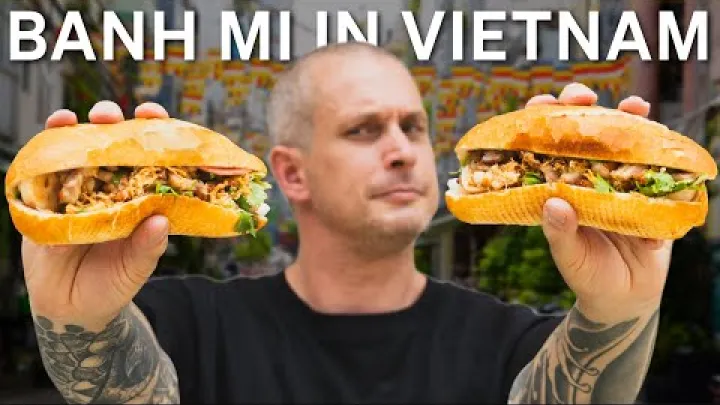
Vietnam bánh mì is one of the most loved street foods in Southeast Asia, and it has become a favorite sandwich for people all around the world. This simple-looking baguette sandwich combines French-style bread with Vietnamese fillings, herbs, and sauces in a way that feels both familiar and completely new. For travelers, students abroad, and remote workers, it is an affordable meal that also tells a story about history and culture. This article explores where bánh mì comes from, how it is made, regional styles, recipes, and how you can enjoy it whether you are in Vietnam or living overseas.
Introduction to Vietnam Bánh Mì and Its Global Appeal
Why Vietnam bánh mì fascinates travelers, students, and food lovers
Vietnam bánh mì fascinates many types of people because it is much more than a quick snack. At its core, it is a sandwich that uses a light, crisp baguette filled with savory meats, smooth pâté, creamy mayonnaise, crunchy pickled vegetables, and fresh herbs like cilantro. When you take a bite, you taste sour, sweet, salty, spicy, and fresh notes at the same time. This balance makes the classic banh mi sandwich Vietnam famous for feeling rich but not heavy.
International travelers are often curious about how a sandwich with French-style bread became such a symbol of Vietnamese food. Students preparing to study in Vietnam, or in cities with large Vietnamese communities, want to know which fillings to choose and how to order it. Remote workers, backpackers, and budget-conscious visitors look for meals that are quick, cheap, and full of flavor, and bánh mì fits this need perfectly. In the following sections you will learn about the history of bánh mì, its regional variations, how to follow a simple Vietnam banh mi recipe at home, and how to find great sandwiches in Vietnam and abroad.
Quick snapshot: what you will learn about Vietnamese bánh mì
This guide is designed to answer the most common questions people have about Vietnamese bánh mì. You will first see a clear definition of what the sandwich is and how it differs from a typical French baguette sandwich. Then you will read about its historical roots, from the time of French colonial rule to the moment when it became a national favorite and a global symbol of Vietnamese cuisine.
Next, you will explore regional styles in the north, center, and south of Vietnam, and learn about the key ingredients that shape flavor, such as the special bread, pâté, pickles, herbs, and sauces. Practical parts of the guide include a step-by-step Vietnam banh mi recipe, a Vietnam banh mi bread recipe for home bakers, tips on substitutions, nutrition information, prices, and how to order in simple Vietnamese. The language stays simple and direct so it can be easily translated into other languages and used by readers from many different backgrounds.
What Is Vietnamese Bánh Mì? Quick Overview
Short definition and key characteristics of Vietnamese bánh mì
Vietnamese bánh mì is a light, crisp baguette-style sandwich filled with pâté, meats, pickled carrot and daikon, cucumber, fresh cilantro, chili, and savory sauces. The bread has a thin crust and very airy interior, so each bite feels crunchy yet soft, with a balance of rich, sour, sweet, salty, and spicy flavors.

In Vietnamese, the word literally means “bread”, but in daily conversation it usually refers to the complete sandwich. People may say they are going out to “ăn bánh mì” (eat bánh mì), and everyone understands they mean a filled sandwich, not plain bread. A typical banh mi sandwich Vietnam stands out because of several core features: a very thin-crust baguette that shatters when you bite, generous use of cilantro and fresh chili, bright pickled vegetables, and a flavor profile that always tries to keep richness and freshness in harmony. These characteristics make it different from many Western sandwiches that focus mainly on meat and cheese without as many herbs or pickles.
How bánh mì differs from a typical French baguette sandwich
Although the shape of the bread may look similar, Vietnam bánh mì is noticeably lighter than a classic French baguette sandwich. Vietnamese bakers often use a mix of wheat flour and sometimes rice flour, along with strong steam in the oven, to create a very thin, crackling crust and a soft, airy crumb. This makes the bread easy to bite and chew, even when it is piled high with fillings. A dense European baguette, by contrast, can feel heavy and chewy and may dominate the sandwich instead of supporting the fillings.

The difference continues inside the sandwich. A French baguette sandwich might contain butter, ham, cheese, and perhaps a few salad leaves. A typical banh mi Vietnam combines pork liver pâté, multiple cold cuts, or grilled meats with sharp pickled carrot and daikon, cucumber, cilantro, and fresh chili. Sauces might include mayonnaise, soy-based seasoning, Maggi-style sauce, or fish-sauce blends. This creates layers of sour, sweet, salty, and spicy flavors, along with contrasting textures from crispy bread, tender meat, and crunchy vegetables. In daily life, bánh mì is also deeply connected with street food culture: it is small enough to eat with one hand, cheap enough for students and workers, and available from early morning to late at night from street carts and small shops.
Historical Origins of Bánh Mì in Vietnam
French colonial roots and the arrival of the baguette in Vietnam
To understand Vietnam bánh mì, it helps to look back at the time when the French ruled parts of Vietnam in the late 19th and early 20th centuries. During this period, French people living in cities such as Hanoi, Saigon (now Ho Chi Minh City), and Hai Phong brought their own eating habits with them. They introduced wheat bread, butter, cheese, and of course the long, crusty baguette that was already a symbol of French daily life.

Wheat, however, was not a traditional crop in tropical Vietnam, where rice dominated both agriculture and cuisine. Importing wheat flour and building bakeries required new infrastructure and skills. At first, baguettes were mainly found in urban cafés and restaurants that served French officials, soldiers, and wealthy Vietnamese who adopted some French customs. Bread was considered a foreign, relatively expensive food compared with rice, and everyday workers often could not afford to eat it unless they worked near colonial offices or European-style cafés.
Vietnamese adaptations and the birth of the modern bánh mì
Over time, Vietnamese bakers and eaters began to adapt the baguette to local tastes and conditions. In the early and mid-20th century, especially from the 1930s to the 1950s, bakers experimented with lighter doughs and different flour mixes, sometimes adding rice flour to make the crust thinner and the interior softer and airier. These changes made the bread better suited to the hot, humid climate and to the preference for foods that are flavorful yet not too heavy.

At first, people often ate bread simply with butter, condensed milk, or a few slices of cold cuts. Gradually, the idea of stuffing the baguette with more fillings developed, especially in Saigon. Vendors started combining pork liver pâté, Vietnamese hams, pickled vegetables, and herbs inside the bread. By the mid-20th century, the format we now think of as the classic bánh mì thịt had appeared: a split baguette packed with meat, pâté, pickles, cucumber, cilantro, chili, and sauce. Saigon, with its busy port and diverse population, played a central role in turning the foreign baguette into a new local street food.
From foreign bread to national icon and global symbol
After these early developments, bánh mì spread quickly across Vietnamese cities and towns. Because the bread was light and the fillings could use inexpensive cuts of meat and lots of vegetables, it became an affordable meal for office workers, students, and factory employees. Over the decades, street carts, family bakeries, and small shops turned the sandwich from a colonial import into a familiar part of daily Vietnamese life. Today, it is common to see people carrying a paper bag of bánh mì on motorbikes or eating one for breakfast on the way to work.

In recent years, bánh mì has also gained international recognition. It has appeared in global food rankings, been featured on television travel shows, and even entered major English dictionaries as a loanword from Vietnamese. For many foreigners, it now represents Vietnamese cuisine together with dishes like phở and fresh spring rolls. The story of bánh mì shows how a foreign idea can be transformed through local creativity, resulting in something new that feels fully Vietnamese while still reflecting a mix of cultures.
Regional Variations of Bánh Mì Across Vietnam
Northern-style bánh mì: Hanoi and surrounding regions
Regional styles are a big part of what makes banh mi Vietnam interesting to explore. In the northern region, especially around Hanoi, bánh mì tends to be simpler and more restrained compared with the generous southern versions.

A typical Hanoi-style bánh mì might have a thin, crunchy baguette filled with a rich layer of pork liver pâté, slices of Vietnamese ham or other cold cuts, and perhaps a little cucumber or pickled vegetable. Sauces are often used more lightly, with less sweetness than in the south. Some vendors toast the bread over charcoal or in small ovens until it is very crisp, creating a compact sandwich that is satisfying but not oversized. This style reflects the general northern taste for more subtle sweetness and a clean, focused flavor profile.
Central Vietnamese bánh mì: Hue, Hội An, and coastal cities
Central Vietnam, which includes cities like Hue, Da Nang, and Hội An, is known for bolder flavors and sometimes spicier food. The bánh mì from this region often uses smaller loaves with very crisp crusts, sometimes shaped a little differently from the long southern baguettes. The fillings can be quite intense in seasoning, using strong chili pastes, grilled meats, and special house-made sauces.

Hội An is especially famous among visitors for its unique bánh mì stalls, which many travel shows and food writers have praised. At these shops, you may find sandwiches filled with a mix of roast pork, grilled meat, or sausages, plus a deep, savory sauce that often includes soy sauce, fish sauce, and secret spices. Some coastal towns add local specialties such as fish cakes, shrimp patties, or regional sausages. Combined with fresh herbs and crisp vegetables, central-style bánh mì offers a powerful taste experience that is different from both Hanoi and Saigon versions.
Southern-style bánh mì: Saigon and the Mekong Delta
In the south, and particularly in Ho Chi Minh City (still often called Saigon), bánh mì is famous for being colorful, generous, and slightly sweeter in flavor.

A classic southern bánh mì thịt or bánh mì đặc biệt usually includes several types of pork cold cuts, a layer of pâté, mayonnaise or butter, pickled carrot and daikon, cucumber, cilantro, and slices of fresh chili. Some versions add grilled pork, meatballs, or fried eggs. Sauces might have a hint of sweetness that reflects the general southern taste. Throughout Saigon and the Mekong Delta, you can find countless street carts and small bakeries serving this style. For visitors, it is useful to know that sandwiches are often made to order, so you can ask for more or less chili, extra vegetables, or specific fillings according to your preference.
Core Components and Authentic Ingredients of Bánh Mì
Vietnamese baguette and characteristic bánh mì bread
The bread is the foundation of every Vietnam bánh mì, and it has a special character that sets it apart from other baguettes. An ideal bánh mì loaf has a very thin, crisp crust that shatters into small flakes when you bite, while the interior is extremely light, with many air pockets. This means your jaw does not get tired, even if you eat a whole sandwich, and the bread does not overwhelm the fillings.

To achieve this texture, bakers often use strong, high-protein wheat flour and sometimes a small amount of rice flour. The dough is usually shaped into shorter, slightly narrower loaves than a classic French baguette. During baking, the oven is filled with steam, which helps the crust expand and become thin and glossy before turning crisp. Compared with denser European-style baguettes, this Vietnam banh mi bread is much easier to compress in the hand and bite through. The lightness is important because it allows the flavors of pâté, meat, pickles, and herbs to shine without being buried under too much bread.
Classic proteins, pâté, cold cuts, and spreads
The fillings of a banh mi sandwich Vietnam can vary widely, but some categories of ingredients appear again and again. The first is spreads, which usually include pork liver pâté and mayonnaise or butter. The pâté brings a smooth, rich, slightly iron-like flavor that acts as a base, while mayonnaise or butter adds fat and moisture so the sandwich does not feel dry.

The second category is proteins and cold cuts. Traditional fillings include Vietnamese ham (chả lụa), roasted or grilled pork, barbecued pork slices, shredded chicken, meatballs, or fried eggs. Some shops specialize in a single protein, while others offer mixed sandwiches with several meats. These combinations are often called bánh mì thịt or bánh mì đặc biệt, and each vendor develops their own “house style” of layering meats and adjusting seasoning. Together with the spreads, these proteins provide the main savory and umami flavors that define each shop’s character.
Pickled vegetables, fresh herbs, and sauces that define the flavor
What makes banh mi Vietnam feel light and refreshing, even when it contains rich meats, is the strong presence of vegetables, herbs, and sauces. Standard pickles usually include carrot and white radish (daikon) cut into thin strips, mixed with sugar, salt, and vinegar, then left to marinate until they are slightly sour and crunchy. Fresh cucumber slices add coolness and extra crunch, while whole sprigs of cilantro give a fresh, slightly citrus-like aroma that many people now associate with bánh mì.

Chili peppers are another important part of the flavor profile. Some vendors add sliced fresh chili directly into the sandwich, while others provide chili sauce or homemade chili paste. To deepen umami, many shops use soy-based seasoning, Maggi-style sauces, or fish-sauce blends lightly drizzled over the fillings. These elements, combined with the crisp bread, tender meats, and crunchy vegetables, create the signature balance of crunchy, fresh, sour, sweet, salty, and spicy that defines a good bánh mì. Even when ingredients vary, keeping this balance is what makes a sandwich feel truly in the spirit of Vietnam bánh mì.
How to Make Authentic Vietnam Bánh Mì at Home
Basic Vietnamese bánh mì sandwich recipe step by step
Making a Vietnam banh mi recipe at home is very possible, even if you do not live near a Vietnamese bakery. The key is to prepare three main parts: the quick pickled vegetables, the seasoned protein, and the sandwich assembly. Below is a simple guide that you can adapt for pork, chicken, or tofu.

First, prepare quick carrot and daikon pickles. Mix equal parts thinly sliced carrot and daikon. For about 2 cups of vegetables, dissolve 2 tablespoons sugar and 1 tablespoon salt in 120 ml (1/2 cup) of warm water, then add 120 ml (1/2 cup) rice vinegar and enough additional water to cover. Add the vegetables, press them down, and let them sit for at least 30 minutes, or overnight in the fridge for a stronger flavor.
Next, choose your protein. For simple grilled pork or chicken, marinate thin slices in a mixture of 1 tablespoon fish sauce or soy sauce, 1 teaspoon sugar, 1 teaspoon minced garlic, and a little black pepper for at least 20 minutes. Grill or pan-fry until cooked and slightly caramelized. For tofu, use firm tofu sliced into slabs, marinated the same way, then pan-fried until golden on both sides.
To assemble the sandwich, follow these steps:
- Lightly toast a light baguette or bánh mì roll until the crust is crisp.
- Slice the bread lengthwise, leaving one side attached as a hinge.
- Spread a thin layer of pork liver pâté (or another spread) on one side.
- Spread mayonnaise or softened butter on the other side.
- Layer in the hot or warm protein slices.
- Add drained carrot and daikon pickles and cucumber slices.
- Tuck in fresh cilantro sprigs and sliced fresh chili to taste.
- Finish with a light drizzle of soy sauce, Maggi-style seasoning, or a fish-sauce blend.
This basic process usually takes about 45–60 minutes if you make the quick pickles and cook the meat on the same day. Once you learn the steps, you can easily vary the protein or adjust the level of spice and herbs to suit your taste.
Vietnam bánh mì bread recipe for home bakers
If you enjoy baking, you can try a Vietnam banh mi bread recipe at home using a regular oven. While professional bakeries use specialized equipment, you can still make a loaf that is light and crisp enough for a satisfying sandwich. The key points are using strong flour, shaping small loaves, and creating steam during baking.

For about 6 small loaves, you can use the following basic ingredients:
- 500 g bread flour (high-protein wheat flour)
- 10 g instant yeast
- 10 g salt
- 20 g sugar
- 20 g neutral oil or softened butter
- 320–340 ml warm water (adjust for a soft dough)
To make the bread, follow these steps:
- Mix flour, yeast, sugar, and salt in a bowl.
- Add most of the warm water and the oil or butter, then mix until a rough dough forms. Add extra water if needed until the dough is soft but not sticky.
- Knead the dough for about 10 minutes by hand or 5–7 minutes with a mixer until smooth and elastic.
- Shape the dough into a ball, place it in a lightly oiled bowl, cover, and let it rise until doubled, about 60–90 minutes depending on room temperature.
- Divide the dough into 6 equal pieces, shape each into a small log, and roll them into baguette-like loaves about 15–20 cm long.
- Place the loaves on a baking tray lined with parchment, cover lightly, and let them rise again for 30–45 minutes until puffy.
- Preheat the oven to about 230–240°C (445–465°F). Place a metal tray at the bottom of the oven.
- Just before baking, slash each loaf diagonally with a sharp knife or razor blade.
- Pour a cup of hot water into the bottom tray to create steam, quickly close the oven, and bake the loaves for 15–20 minutes until golden and crisp.
If the crust is too thick, you can try increasing the steam by adding more water at the start or slightly raising the baking temperature while shortening the time. If the interior is too dense, increase hydration a little or allow the dough to proof longer. With a few trials, you can get a thin, crackly crust similar to Vietnamese baguettes made by local bakeries.
Substitutions and shortcuts when you live outside Vietnam
Many readers who search for Vietnam banh mi recipe ideas live in places where authentic Vietnamese bakeries and Asian grocery stores are not easy to find. In this situation, it is helpful to know which substitutions give the best results without needing special equipment or rare ingredients. The goal is not perfect authenticity but capturing the key texture and flavor balance.

For bread, choose the lightest possible baguette or small sub roll with a thin crust and soft interior. Avoid very dense, rustic European baguettes. If the bread still feels heavy, you can remove some of the soft crumb inside before adding fillings to create more space. For spreads, if pork liver pâté is unavailable, you can use chicken liver pâté, a smooth meat spread, or even a rich hummus for a vegetarian option. Quick pickles can be made with just carrot and cucumber if daikon is hard to find, using the same sugar and vinegar mixture. Soy sauce mixed with a little sugar and lime juice can stand in for Maggi-style seasoning or fish-sauce blends. In small kitchens or dorm rooms, you can use ready-made rotisserie chicken, canned pork, or pan-fried tofu as proteins and assemble the sandwich using a toaster oven or even a pan to crisp the bread. These simple adjustments allow you to approximate the taste of banh mi Vietnam almost anywhere in the world.
Famous Bánh Mì Shops and the Best Bánh Mì to Try in Vietnam
Iconic Saigon bánh mì and how to choose the best banh mi in Ho Chi Minh City
Saigon is often the first place that comes to mind when people think about the “best banh mi Saigon Vietnam”. The city has a vibrant street-food scene with countless stalls, carts, and bakeries that specialize in bánh mì. You can find vendors on busy corners, near markets, outside schools, and along major streets, each with their own style of bread and fillings.

Instead of depending only on long lists of shop names, it is useful to know how to judge quality yourself. Fresh bread is the first sign of a good vendor: look for loaves that are still slightly warm, with a crisp crust and no signs of being reheated many times. The stall should have clean cutting boards, knives, and containers, and you should see a steady stream of customers, which suggests high ingredient turnover. The fillings should look bright and moist, not dry or dull. If you are unsure what to order, you can start with bánh mì thịt or bánh mì đặc biệt, which usually means a mixed cold-cut sandwich with pâté and pickles. After trying one or two places, you will start to notice your own preferences, such as more chili, more herbs, or extra grilled meat.
Hội An legends: famous bánh mì spots and what makes them special
The small ancient town of Hội An on the central coast has become a famous destination for bánh mì lovers. Several shops there gained international attention after being featured by travel TV shows and food writers. People often hear about these places before they even arrive, and lines can form in front of the counters during busy hours. What makes Hội An bánh mì special is the combination of crispy bread, rich sauces, and carefully layered fillings.

Many sandwiches in Hội An include a mix of roast pork, grilled meat, or sausage, along with pâté, mayonnaise, pickles, herbs, and a deep, dark house sauce that brings strong umami and sometimes a touch of sweetness. To handle queues, it helps to decide your order in advance by watching what locals choose. If the line is very long, you can look around nearby streets, where smaller stalls often sell excellent bánh mì without the fame. Exploring these less-known vendors can save time and also give you a broader picture of how local residents enjoy their daily sandwiches.
Notable Hanoi vendors and northern classics worth seeking out
In Hanoi, bánh mì has a different place in the daily rhythm of the city. Many people eat it in the morning as a quick breakfast on the way to work or school, or as an afternoon snack with iced tea or coffee.

Respected vendors often specialize in traditional pâté, which they may make themselves, and in well-baked bread with a crisp crust.
Hanoi-style sandwiches usually have fewer ingredients than their southern cousins, but the flavors can be very satisfying. You might find a simple combination of pâté, ham, a little mayonnaise, and cucumber, or a version filled with grilled pork and herbs. To discover good vendors, look near fresh markets, busy intersections, or around schools and office areas where people gather in the morning. Watching where locals line up and how quickly bread and fillings are refilled is a good way to identify stalls that take freshness seriously.
Bánh Mì Around the World and Modern Variations
How the Vietnamese diaspora spread bánh mì globally
After major waves of migration in the late 20th century, Vietnamese communities began to settle in many countries across North America, Europe, Australia, and other parts of Asia. These communities opened bakeries, cafés, and small restaurants that served familiar dishes from home, including phở, rice plates, and of course banh mi Vietnam. Over time, local customers discovered these foods, and the sandwich became an accessible way to try Vietnamese flavors.

Today, you can find bánh mì in cities such as Paris, Sydney, Toronto, London, and many others, often near areas with Vietnamese grocery stores or temples. Some shops operate as casual bakeries with display cases full of bread and toppings, while others use modern fast-casual or drive-thru models. People sometimes search for “banh mi Vietnam drive thru” or check menus and reviews online to see what fillings are available. As Vietnamese food becomes more popular, some flavors change slightly to match local tastes, but the idea of light bread plus layered flavors remains the same and continues to share Vietnamese culture with new audiences.
Gourmet, fusion, and creative bánh mì interpretations
Beyond traditional street stalls, modern chefs and café owners have started to experiment with bánh mì in creative ways. In some cities, you can find gourmet versions served on artisanal bread with premium ingredients such as roast beef, duck confit, or slow-cooked pulled pork. Others combine Vietnamese elements with flavors from different cuisines, such as kimchi from Korea, salsa from Latin America, or Japanese-style sauces.

These fusion sandwiches often appear in trendy cafés, food trucks, or bistros and may cost more than classic street bánh mì. Even so, they usually follow the basic idea that defines the sandwich: a light, crisp bread, rich protein, crunchy vegetables, herbs, and a mix of sour, sweet, salty, and spicy flavors. While some purists prefer traditional versions, many people enjoy seeing how the concept of bánh mì can be adapted and reimagined without losing its core identity.
Vegetarian, vegan, and health-focused bánh mì options
As more people choose plant-based diets or try to reduce meat consumption, vegetarian and vegan versions of Vietnam bánh mì have become more common. Instead of pork or chicken, these sandwiches may use marinated tofu, grilled mushrooms, fried eggs, or plant-based cold cuts. The other components, such as carrot and daikon pickles, cucumber, cilantro, and chili, stay the same and help keep the familiar flavor profile.

To create a satisfying vegetarian or vegan bánh mì, it is important to include a rich, savory element that replaces the role of pâté and meat. This can be done with tofu marinated in soy sauce and garlic, mushroom pâté, or seasoned tempeh. Some modern shops also offer vegan mayonnaise, whole-grain bread, or options with less oil and salt for health-conscious customers. Even outside areas with large Vietnamese communities, you can often make a good meat-free bánh mì at home by combining grilled vegetables, pickles, herbs, and a flavorful sauce inside a light baguette.
Nutrition, Health, and Safety Considerations for Bánh Mì
Typical calories and macronutrients in a bánh mì sandwich
Many readers wonder whether a banh mi sandwich Vietnam is a light snack or a full meal. The answer depends on size and fillings, but it is useful to look at typical values. A standard meat-filled bánh mì of around 200 g often contains roughly 450–550 calories. This usually includes a balance of carbohydrates from the bread, protein from the meat and pâté, and fat from spreads and sauces.

In approximate terms, such a sandwich might provide around 20–30 g of protein, 15–25 g of fat, and 50–70 g of carbohydrates. Compared with many fast-food burgers or fried dishes, bánh mì often has more vegetables and herbs, which add vitamins and fiber. However, because these numbers are only estimates and each vendor uses different amounts of sauces and meats, it is best to see them as general guidance rather than strict values. If you are watching your intake, pay attention to bread size, type of meat, and how heavily the sandwich is dressed with mayonnaise and sauces.
Managing sodium, fat, and making a lighter bánh mì
While bánh mì can be a balanced meal, some components are high in sodium and saturated fat. Processed meats such as ham, sausages, and meatballs often contain a lot of salt. Pork liver pâté and mayonnaise add richness but also increase fat and cholesterol. Seasoning sauces like fish sauce, soy sauce, and Maggi-style seasoning are also salty even in small amounts.
There are several simple ways to make a lighter bánh mì without losing the enjoyable taste. You can choose versions with leaner meats such as grilled chicken, roast pork with less visible fat, or tofu instead of multiple cold cuts. Asking the vendor to use less pâté and mayonnaise, while adding extra pickles and fresh vegetables, reduces fat and raises the proportion of fiber. If you are concerned about refined carbohydrates, you can share a large sandwich with a friend, ask for a smaller roll, or at home use whole-grain bread that still remains light. These practical adjustments allow many people to fit bánh mì into a varied diet according to their own health goals.
Street-food hygiene and choosing safe bánh mì vendors
For travelers, one important question is how to enjoy banh mi Vietnam from street stalls while staying safe and comfortable. Street food in Vietnam is a normal part of daily life for locals, but visitors may not be used to judging hygiene in this environment. A few simple checks can help you choose vendors wisely without feeling worried.

Look first at the general cleanliness of the stall: the cutting board, knives, and tongs should look reasonably clean, and raw and cooked foods should be kept separate. Ingredients such as meats and pâté are often stored in covered containers. Bread should not be left directly on the ground or exposed to heavy dust. High ingredient turnover is also a good sign, so stalls with a steady stream of local customers are usually safer than ones that appear very quiet. If you have a sensitive stomach, you might begin by avoiding raw chili or extra sauces for the first few days, and choose sandwiches where hot fillings are still warm or have been recently cooked. These steps can help you feel informed and confident while discovering one of Vietnam’s most beloved street foods.
Practical Guide: Prices, Ordering, and Finding Bánh Mì Near You
Typical bánh mì prices in Vietnam and what affects the cost
One reason Vietnam bánh mì is popular with students, travelers, and workers is its low cost compared with many other meals. Prices do vary by city, location, and ingredient quality, but the sandwich remains one of the most budget-friendly foods you can buy in Vietnam. Understanding typical price ranges helps you plan your daily expenses and recognize when a sandwich is unusually cheap or expensive.
In large cities like Hanoi and Ho Chi Minh City, a basic street-side bánh mì with simple fillings often costs somewhere around 15,000–25,000 Vietnamese dong (VND). More loaded versions with mixed cold cuts, grilled meats, or special sauces may range from 25,000–40,000 VND. Famous or tourist-oriented shops sometimes charge more, especially if they offer larger portions or premium ingredients. To give a simple overview, the table below shows approximate ranges with a rough conversion to US dollars, assuming 1 USD is about 23,000–25,000 VND:
| Category | Typical Price (VND) | Approx. Price (USD) | Description |
|---|---|---|---|
| Budget street bánh mì | 15,000–25,000 | 0.65–1.10 | Simple fillings, local neighborhood carts or small stalls |
| Mid-range, fully loaded | 25,000–40,000 | 1.10–1.75 | Mixed meats, more fillings, popular city locations |
| Premium or famous shop | 40,000–55,000 | 1.75–2.40 | Larger size, specialty ingredients, well-known name |
Factors that increase price include central locations, air-conditioned seating, use of imported or premium meats, and the fame of the shop due to travel guides or online reviews. In smaller towns and rural areas, prices are often on the lower end of these ranges. Even at the upper level, bánh mì remains affordable compared with similar sandwiches in many other countries.
How to order bánh mì in Vietnam using simple Vietnamese phrases
Ordering bánh mì in basic Vietnamese can be a fun way to connect with local vendors. You do not need perfect pronunciation; friendly effort is usually appreciated. Below are a few short phrases that are easy to remember and useful in most regions.
![Preview image for the video "How to Order Food in Vietnamese [Banh Mi & Pho]".](/sites/default/files/styles/media_720x405/public/oembed_thumbnails/2025-11/mLAd7xmFMa_MyLYQu-59YzxKfF04n3tqQCwsHSAom7E.jpg.webp?itok=i_uWvEaE "Preview image for the video \"How to Order Food in Vietnamese [Banh Mi & Pho]\".")
To order one sandwich, you can say: This roughly means “Please give me one bánh mì, thank you.” To ask for less chili, you can say: (only a little chili). If you like it spicy, you can say: (give more chili). To request more vegetables, you can say: which means more herbs and pickles.
When speaking politely, you may hear or use forms of address such as for an older man, for an older woman, or for older vendors. For example, you can say: (Older brother, please give me one meat bánh mì). Pronunciation differs slightly between north and south, but vendors are used to hearing foreigners and usually understand simple phrases. If you are unsure, you can also point at the ingredients you want and say “yes” or “no” as the vendor prepares your sandwich.
Finding good bánh mì near me at home and abroad
When you are not in Vietnam, you can still find banh mi Vietnam by searching online or asking local communities. Typing “Vietnam banh mi near me” into map or review apps is a quick way to locate nearby shops, especially in cities with Vietnamese neighborhoods. Looking at photos in reviews can help you judge bread texture and filling balance before visiting.

In online pictures, good bread usually looks light and slightly glossy, not too thick or dark. Fillings should appear generous but not overloaded with only meat; you should be able to see pickles, herbs, and sauces as well. Reviews that mention fresh bread, crispy crust, and balanced flavors are positive signs. In some areas, you may find banh mi Vietnam drive thru or chain-style shops in shopping centers or near highways. These can be convenient and consistent, while small family businesses often offer more traditional flavors and personal variations. Supporting both types, while paying attention to quality and hygiene, helps you enjoy bánh mì wherever you are.
Frequently Asked Questions About Vietnamese Bánh Mì
What is Vietnamese bánh mì and how is it different from other sandwiches?
Vietnamese bánh mì is a light baguette-style sandwich filled with pâté, meats, pickled vegetables, fresh herbs, and chili. It differs from many Western sandwiches because the bread is very airy with a thin, crisp crust, and the fillings always include a mix of sour, sweet, salty, spicy, and fresh elements rather than just meat and cheese.
What is the most popular type of bánh mì in Vietnam?
The most popular type is the southern Saigon-style mixed cold-cut sandwich, often called bánh mì thịt or bánh mì đặc biệt. It usually includes several pork cold cuts, pork liver pâté, mayonnaise, pickled carrot and daikon, cucumber, cilantro, and fresh chili, all inside a very light baguette.
How do you make an authentic Vietnam banh mi recipe at home?
To make a basic Vietnam banh mi recipe, prepare quick carrot and daikon pickles, cook a simple protein such as marinated grilled pork, chicken, or tofu, and use a light baguette. Toast the bread, spread pâté and mayonnaise, add the hot protein, pickles, cucumber, cilantro, and chili, then finish with a small drizzle of soy or fish-sauce-based seasoning.
What is the difference between northern and southern Vietnamese bánh mì?
Northern bánh mì, especially in Hanoi, is usually simpler, with fewer fillings, less sweetness, and a strong focus on good bread and rich pâté. Southern bánh mì in Saigon is more generous, often slightly sweeter, and includes more vegetables, herbs, mayonnaise, and multiple types of meat.
Is bánh mì healthy, and how many calories does it usually have?
A typical 200 g meat bánh mì often has around 450–550 calories, with a mix of carbohydrates from the bread, protein from the meat, and fat from pâté and mayonnaise. It can be a more balanced choice than some fast foods because it includes vegetables and herbs, but sodium and saturated fat can be high if there are many processed meats and sauces.
How much does a bánh mì cost in Vietnam?
In many Vietnamese cities, a basic street bánh mì usually costs about 15,000–25,000 VND, while more loaded or famous versions range from 25,000–55,000 VND. This is roughly 0.65–2.40 USD depending on the exchange rate, making bánh mì an affordable everyday meal.
Where can I find the best banh mi Saigon Vietnam and in Hội An?
In Saigon, look for busy street stalls and long-standing bakeries with fresh bread and a steady flow of local customers rather than relying only on lists of names. In Hội An, a few shops are well known from travel shows, but many smaller nearby stalls also serve excellent bánh mì. Watching where locals line up is a simple way to find good options in both cities.
What can I use if I cannot find traditional Vietnam banh mi bread?
If traditional Vietnam banh mi bread is not available, choose the lightest baguette or small sub roll you can find, with a thin crust and soft interior. Avoid very dense artisan loaves. You can remove some of the crumb to create more space for fillings and still achieve a texture close to that of a classic bánh mì.
Conclusion and Next Steps for Exploring Vietnam Bánh Mì
Key takeaways about Vietnam bánh mì for international readers
Vietnamese bánh mì began as a local adaptation of the French baguette and evolved into a national favorite with many regional expressions from Hanoi to Hội An and Saigon. Its success comes from a special type of light, thin-crusted bread combined with pâté, meats, pickles, herbs, and sauces that create a rich yet refreshing balance of flavors. Understanding these core elements helps you recognize why a banh mi sandwich Vietnam tastes the way it does and how it can vary from place to place.
With the background on history, ingredients, regional styles, and simple recipes, you are now prepared to order bánh mì in Vietnam, try versions in your own country, or even make it at home. Whether you choose a traditional mixed cold-cut sandwich or a modern vegetarian version, paying attention to bread texture and the balance of salty, sour, sweet, spicy, and fresh notes will guide you toward a satisfying experience.
How to continue learning about Vietnamese food and culture
Exploring bánh mì often leads naturally to other parts of Vietnamese cuisine. Many stalls that sell sandwiches also offer noodle soups like phở or bún bò, rice dishes, and small snacks such as spring rolls or sticky rice, giving you more chances to see how flavors and textures connect across different foods. Observing how locals eat and combine these dishes can help you understand daily routines and social habits in Vietnam.
If you wish to go deeper, you can learn basic Vietnamese phrases, join cooking classes, or take food-focused walking tours when visiting the country. At home, you can continue to adapt the Vietnam banh mi recipe to your own kitchen while remembering its cultural roots as a product of both French and Vietnamese traditions. In this way, each sandwich becomes not only a meal but also a small window into the history and everyday life of Vietnam.
Select area
Create a post
Posting is free and no registration is required.