Thailand Airport Guide: Suvarnabhumi (BKK), Don Mueang (DMK), Transport, Visa & TDAC
Travelers searching for a Thailand airport will encounter a two‑airport system in Bangkok plus strong regional hubs across the country. Suvarnabhumi (BKK) is the main international gateway, while Don Mueang (DMK) focuses on low‑cost and regional routes. Knowing which airport you use affects flight choice, transfers, and time to the city.
This guide explains the differences between BKK and DMK, how to get downtown quickly, and what to expect at immigration and customs. You will also find practical tips for Phuket, Chiang Mai, and island connections, plus updates on TDAC and future expansions. Keep it handy for both first‑time visits and frequent transfers.
Quick answer: What is the main airport in Thailand?
Suvarnabhumi Airport (BKK) is the country’s primary international hub. It sits east of central Bangkok and concentrates most full‑service and long‑haul operations. Don Mueang (DMK) complements BKK by handling a large share of domestic and regional flights by low‑cost carriers.
For most intercontinental itineraries and premium services, you will pass through BKK. If your ticket is on a budget airline within Southeast Asia or domestic Thailand, there is a strong chance you will use DMK. Always check your booking, since the two Bangkok airports are not connected airside and transfers require time on the road.
Suvarnabhumi (BKK) at a glance: location, role, and capacity
BKK is located about 30 km east of central Bangkok in Samut Prakan province. It is Thailand’s busiest airport and the primary gateway for long‑haul flights, national carriers, and many interline connections. The network of full‑service airlines makes BKK the better choice for seamless through‑tickets and lounge access.
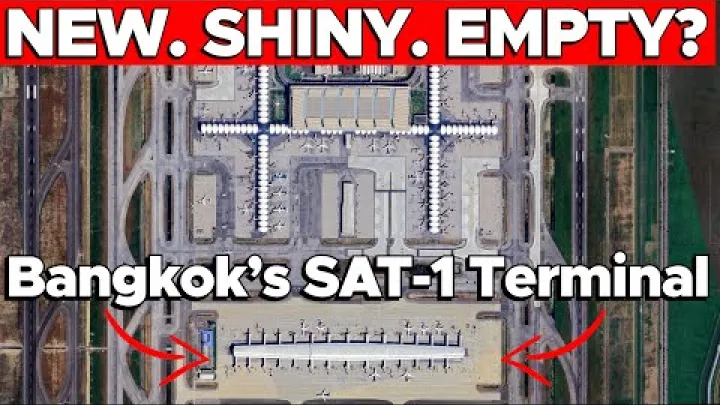
Capacity has been eased by the SAT‑1 satellite, which added new gates for wide‑body aircraft and relieved congestion in the main terminal. With these upgrades, BKK’s annual throughput is commonly cited in the range of roughly 60+ million passengers, with room to scale as further phases come online. For quick city access, the Airport Rail Link connects BKK to Phaya Thai station in under 30 minutes, and frequent services make it the most predictable option during rush hour. Verify current terminal and SAT‑1 operating details close to your travel date, as configurations and flows may be adjusted over time.
Don Mueang (DMK) vs BKK: which airport should you use?
Choose the airport that matches your airline and ticket. BKK serves most full‑service international routes and long‑haul connections. DMK is the low‑cost carrier hub, closer to Bangkok’s northern districts, and often used for domestic hops and regional trips across Southeast Asia.
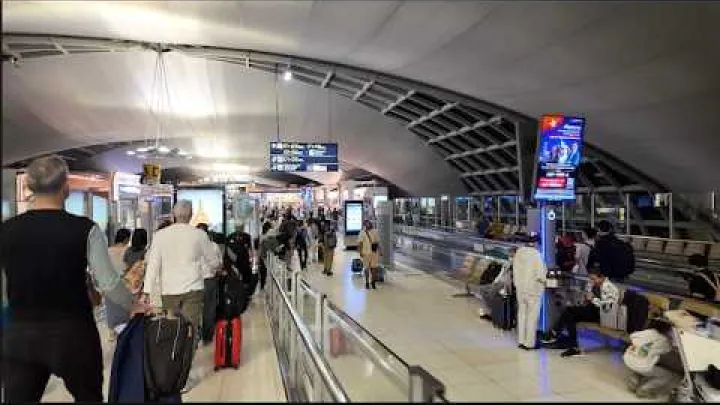
If you must connect between BKK and DMK, plan a land transfer and allow generous buffer time. There is no airside link. In normal traffic, the road transfer can take 50–90 minutes. Some travelers on same‑day tickets may use an inter‑airport shuttle when available; always confirm schedules and eligibility.
| Aspect | BKK (Suvarnabhumi) | DMK (Don Mueang) |
|---|---|---|
| Primary role | Full‑service, long‑haul, major international hub | Low‑cost and regional operations |
| Distance to city | ~30 km east of central Bangkok | ~24 km north of central Bangkok |
| Rail link | Airport Rail Link to Phaya Thai | No direct rail; use buses, taxis, ride‑hailing |
| Typical use case | Through‑tickets, alliances, premium services | Budget fares, domestic hops, short‑haul regionals |
- Typical BKK airlines: Thai Airways/Thai Smile (route dependent), Emirates, Qatar Airways, Singapore Airlines, Cathay Pacific, ANA, JAL, Lufthansa, British Airways, EVA Air, and many others.
- Typical DMK airlines: Thai AirAsia, Thai Lion Air, Nok Air, AirAsia (regional brands), and select charter or regional carriers.
Tip: If price is your priority and you fly a low‑cost carrier, DMK often wins. If you value lounges, baggage inclusions, and long‑haul connectivity, BKK is usually the right choice.
Getting from the airport to Bangkok city
Bangkok offers multiple transfer options from both BKK and DMK. Your choice depends on time of day, budget, group size, and the location of your hotel. Trains and buses are cost‑efficient, while taxis and private transfers provide door‑to‑door convenience.
During peak traffic, the Airport Rail Link from BKK is the most predictable option to reach central rail interchanges. Taxis can be faster late at night or for destinations far from rail lines. If you are connecting between BKK and DMK on separate tickets, allow extra time for road transfer and re‑check procedures.
Airport Rail Link: price, time, and where it connects
The Airport Rail Link (ARL) runs between Suvarnabhumi (BKK) and Phaya Thai station, where you can connect to the BTS Skytrain. The journey typically takes under 30 minutes. Trains run frequently, and fares to Phaya Thai are usually up to about THB 45. Ticket machines and service counters generally accept cash, with card options expanding; have small bills handy for faster purchase.
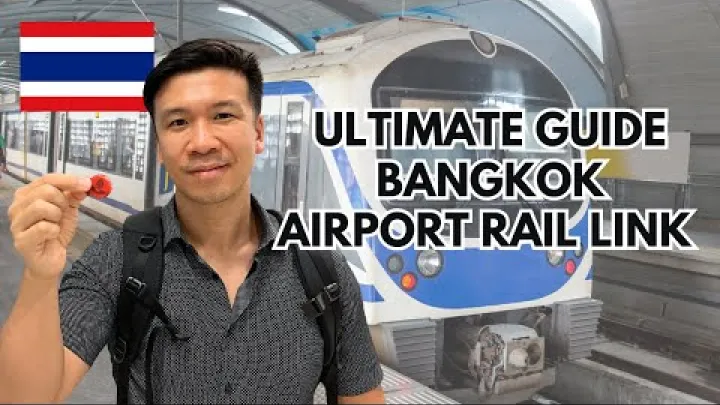
Key intermediate stops include Makkasan (with a short walk to MRT Phetchaburi), Ratchaprarop for the Pratunam area, and Ramkhamhaeng for eastern districts. First and last train times may vary by day and service adjustments, but operations are commonly around early morning to near midnight. Always confirm the latest timetable before travel, especially during maintenance periods or public holidays.
Taxi, private transfer, and ride-hailing: typical fares and fees
From BKK, metered taxis into central Bangkok commonly cost about THB 350–500, plus a THB 50 airport surcharge and any expressway tolls paid en route. Travel time ranges from 30 minutes late at night to 60+ minutes in rush hour. Use the official taxi queue to avoid touts, and confirm that the meter is on before the car moves.

Private transfers and ride‑hailing provide fixed pricing and can be competitive for groups or late arrivals. From DMK, fares are often slightly lower due to shorter distance to many northern neighborhoods. If you are transferring between BKK and DMK, a taxi or pre‑booked car is the simplest solution. Avoid unlicensed drivers, and clarify whether tolls are included in any quoted fare.
Entry to Thailand: TDAC, visa exemption, and customs basics
Understanding documentation, allowed stay lengths, and customs rules will help you clear the airport faster. Keep a copy of your first accommodation address, onward or return travel plans, and any supporting paperwork for medicines or special items.
TDAC: who needs it and when to submit
The Thailand Digital Arrival Card applies to non‑Thai citizens from May 1, 2025. Submit the form online ideally three days before arrival. You will provide passport details, flight information, and your first address in Thailand. Keep the confirmation available on your device, as it may be requested during immigration procedures or later for services such as extensions.
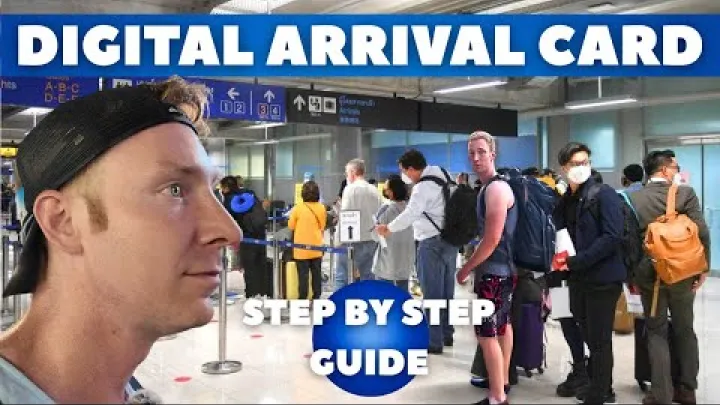
Use the official government TDAC portal to complete the process, and ensure the information exactly matches your passport and ticket. Data policies and eligibility details can change, so review the latest notices provided in the portal before submission. If your plans change after submission, update the entry details as instructed by the system or consult airport immigration on arrival.
- Prepare: passport, flight number, arrival date, and first Thai address.
- Submit: online TDAC about 72 hours before you fly.
- Save: digital confirmation for immigration checks.
Visa exemption and VOA overview
Many nationalities receive visa‑exempt entry for stays up to 60 days, a policy that expanded for numerous countries in mid‑2024. Visa on Arrival remains available to eligible passport holders, who should carry a passport‑sized photo, proof of accommodation, funds as specified, and the applicable fee.
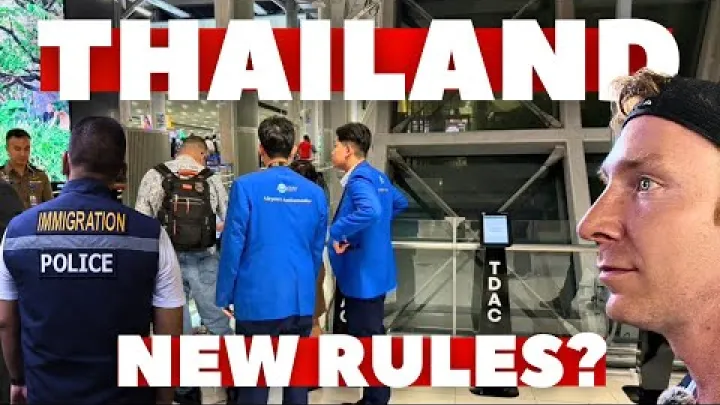
Queue times vary by arrival bank and season. E‑gates may be available to some travelers on departure, which can reduce wait times. Because visa policies and eligible nationalities change, verify current rules with official Thai government sources or your nearest embassy or consulate before you travel.
Duty-free limits for alcohol, tobacco, and personal goods
On arrival, adults may bring up to 1 liter of wine or spirits duty‑free. Tobacco allowances typically cover either 200 cigarettes or 250 grams of cigars or smoking tobacco. Personal goods in reasonable quantities with a total value under THB 20,000 are usually duty‑free.

Declare restricted or controlled items. E‑cigarettes and related vaping devices are prohibited in Thailand and can lead to penalties. Some medicines, especially those containing controlled substances, require a doctor’s prescription or permits; keep documents in your carry‑on. Wildlife products and certain foods may be restricted or banned—when in doubt, declare and seek guidance from customs officers.
Major airports beyond Bangkok
Beyond the capital, Thailand operates several high‑traffic regional airports that connect key tourism and business destinations. Choosing the right one can shorten transfers, reduce costs, and simplify island or mountain itineraries.
Phuket (HKT) anchors the Andaman coast, Chiang Mai (CNX) and Chiang Rai (CEI) serve the north, while Samui (USM) and U‑Tapao (UTP) offer options for island travel and the Eastern Seaboard. Schedules can be seasonal, so review timetables if you plan to travel during peak or low season.
Phuket (HKT): access to island and Andaman coast
Phuket International Airport (HKT) is the main gateway for Phuket island and nearby Andaman destinations. It supports domestic services from BKK and DMK and a wide mix of international routes, especially in peak season. Ground transport options include metered taxis, ride‑hailing, private transfers, and the Phuket Smart Bus that runs to major beaches such as Patong, Karon, and Kata.
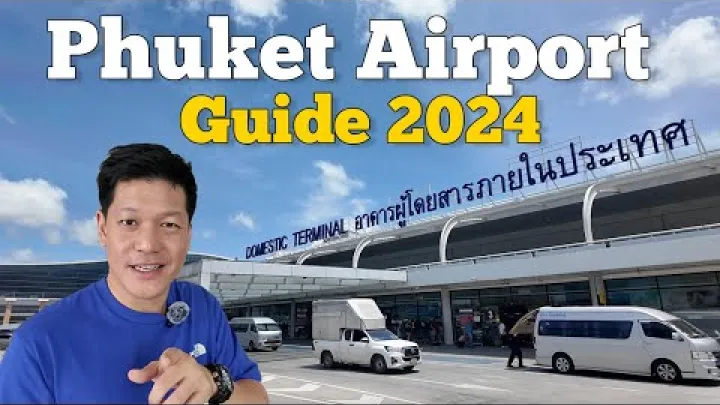
If your primary destination is Krabi town, Ao Nang, or Railay, flying directly into Krabi (KBV) may reduce overland time. During the high season, road congestion can add significant time to reach the west‑coast beaches, so plan buffers and consider off‑peak travel hours.
Chiang Mai (CNX) and Chiang Rai (CEI): Northern gateways
Chiang Mai International Airport (CNX) sits close to the Old City, making arrivals and departures simple and quick. Taxis, ride‑hailing, and songthaews serve city areas such as the Old City and Nimmanhaemin. Chiang Rai’s Mae Fah Luang–Chiang Rai International Airport (CEI) connects visitors to the Golden Triangle, Mae Sai, and the province’s national parks.

For intercity connections, buses operate between Chiang Mai and Chiang Rai several times a day.
Samui (USM) and U-Tapao (UTP): boutique and Eastern Seaboard options
Samui (USM) is a privately operated island airport with limited slots, which contributes to higher average fares. Runway length and apron design typically favor smaller jets and turboprops, so aircraft size and luggage handling can differ from major hubs. If you have oversized or sports equipment, check airline policies and pre‑book services when possible.

U‑Tapao (UTP) serves Pattaya and Rayong with domestic and short‑haul routes and is part of an Eastern Economic Corridor development that includes a new terminal and a planned high‑speed rail link to Bangkok’s airports. This can be useful for trips to the Eastern Seaboard without routing through central Bangkok.
This can be useful for trips to the Eastern Seaboard without routing through central Bangkok.
Airport facilities and services you can expect
Thailand’s major airports provide reliable core services for arrivals, departures, and transfers. You will find free Wi‑Fi, mobile connectivity options, currency services, and baggage facilities across key terminals.
For longer connections, paid lounges, shower facilities, and nearby hotels make layovers more comfortable. Availability varies by airport and terminal, so check maps and opening hours as part of your planning.
Lounges, Wi‑Fi, SIM/eSIM, currency exchange, and left-luggage
Free Wi‑Fi is available throughout major terminals, with sign‑in via mobile or passport details. Independent lounges can be accessed by travelers with day passes or membership programs, and airline lounges serve eligible passengers. SIM and eSIM providers operate arrival counters offering tourist data packages; compare data quotas and validity periods to match your trip length.

Left‑luggage desks operate in major terminals with daily rates based on bag size and duration—keep valuables with you and retain claim receipts.
On-airport hotels and sleep options for long layovers
At BKK, an on‑site hotel is connected to the terminal, which suits late arrivals and early departures. In addition, selected terminals host transit or pay‑per‑use rest facilities, useful when you remain airside between short connections. Availability of nap zones and capsule rooms can change; check the latest terminal map before you travel.

At DMK, the airport connects to a hotel via a pedestrian link, making it convenient for overnight stays. Phuket (HKT) and other regional airports have hotels within a short shuttle ride or even walking distance. For planning, book well ahead during peak seasons, and expect a wide price range—from budget hostels near secondary terminals to mid‑range and upscale properties attached to or adjacent to the main buildings.
Future expansions: what travelers should know
Airport projects in Thailand aim to expand capacity and improve passenger experience. Work is staged to keep operations running while upgrading gates, security lanes, and common areas.
As these projects continue, wayfinding, check‑in zones, and airline allocations may shift. Always follow current signage and allow extra time if your itinerary coincides with a construction phase.
BKK satellite and terminal upgrades
The SAT‑1 satellite at Suvarnabhumi adds multiple wide‑body gates, easing pressure on the main concourses and supporting more long‑haul traffic. This expansion, combined with ongoing terminal improvements, targets smoother boarding, more lounge capacity, and better distribution of peak flows.

Immigration, security, and baggage systems continue to receive upgrades to shorten queues and improve reliability. Timelines often roll out in phases, with occasional changes to walking routes and gate assignments. Check your boarding pass and flight screens carefully, especially if you have a tight connection between the main terminal and SAT‑1.
DMK Phase 3 and U-Tapao development
DMK’s Phase 3 program focuses on expanding terminal capacity and modernizing facilities tailored to high‑throughput, low‑cost operations. Expect refreshed check‑in areas, more security lanes, and rearranged passenger flows designed to reduce bottlenecks.
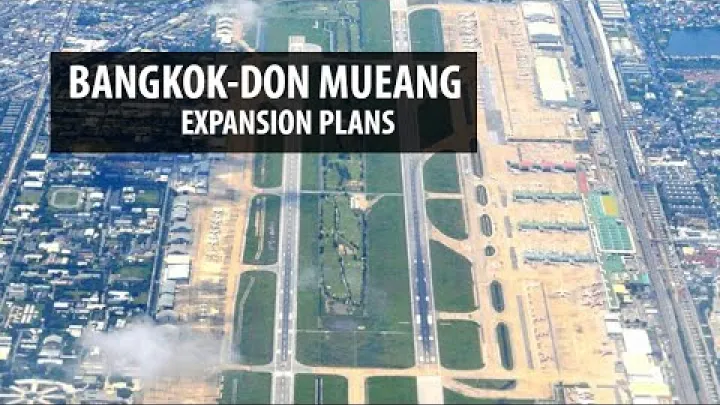
U‑Tapao is part of a broader Eastern Seaboard development that includes a new terminal and a planned high‑speed rail link connecting the Bangkok airports. As these projects progress, some regional traffic may shift, creating new route options for travelers. During construction, allow extra time for drop‑off, pick‑up, and finding your check‑in island.
Frequently Asked Questions
What is the main international airport in Thailand and where is it located?
Suvarnabhumi Airport (BKK) is the main international airport, located about 30 km east of central Bangkok in Samut Prakan. It is Thailand’s busiest hub and handles most long-haul and full-service international flights. Don Mueang (DMK) mainly handles low‑cost and regional flights.
Which is better for Bangkok flights, BKK or DMK, and why?
Use BKK for most full-service international flights and long-haul connections. Choose DMK if you fly low-cost carriers (e.g., Thai AirAsia, Nok Air, Thai Lion Air) or short‑haul regional routes. Your ticket/airline usually determines the airport.
How do I get from Suvarnabhumi (BKK) to central Bangkok and how much does it cost?
The Airport Rail Link to Phaya Thai costs about THB 45 and takes under 30 minutes. Metered taxis typically cost THB 350–500 plus a THB 50 airport fee and about THB 100 in tolls, taking 30–60+ minutes depending on traffic.
Do I need the Thailand Digital Arrival Card (TDAC) and when should I submit it?
TDAC is mandatory for all non‑Thai citizens from May 1, 2025. Submit it online at least 3 days before arrival and keep your confirmation for immigration-related services like extensions.
How early should I arrive at Bangkok airports for domestic and international flights?
Arrive 3 hours before international flights and 2 hours before domestic flights. Large terminals and long walking distances can add time, especially during peak hours or with checked baggage.
Which airport should I use for Phuket, Krabi, or Chiang Mai?
Use HKT for Phuket and the Andaman coast, KBV for Krabi, and CNX for Chiang Mai. Many routes connect via Bangkok; check BKK or DMK depending on your airline and fare type.
Can I transfer between BKK and DMK, and how long does it take?
Yes, transfers by taxi or shuttle typically take 50–90 minutes depending on traffic. Plan at least 4–6 hours between separate tickets to cover travel, check‑in, and security.
What are Thailand’s customs allowances for alcohol and tobacco on arrival?
You may bring up to 1 liter of wine or liquor, and either 200 cigarettes or 250 grams of cigars/smoking tobacco. Personal goods under THB 20,000 in reasonable quantities are duty‑free.
Conclusion and next steps
Thailand’s air network centers on Suvarnabhumi (BKK) for full‑service and long‑haul flights, with Don Mueang (DMK) serving low‑cost and regional routes. The ARL, taxis, and private cars provide flexible transfers into Bangkok. From May 1, 2025, non‑Thai arrivals should prepare TDAC, and many travelers qualify for 60‑day visa‑exempt stays. For Phuket, Chiang Mai, Samui, and the Eastern Seaboard, choose the closest hub to reduce ground travel. Ongoing expansions at BKK, DMK, and U‑Tapao aim to improve capacity and passenger experience over the coming years.
Select area
Create a post
Posting is free and no registration is required.