Thailand Lottery Results, How to Play, Prizes & Taxes (2025 Guide)

The Thailand Lottery is one of the country’s most-followed public events, with draws twice a month and millions checking for winning numbers. This guide explains today’s thailand lottery results process, rules for buying tickets, prize structures, and the legal framework in clear, practical terms. It also covers digital purchasing via the Pao Tang app, common myths, and safer-play tips.
If you are here for a quick update, skip to the results and verification steps below. For deeper context—such as how pre-printed numbers work, what documents are needed to claim, and why the illegal market persists—use the section headings to navigate.
Today’s Thailand Lottery Results and Quick Facts
On draw days, many players search for thailand lottery today result updates and quick facts about the broadcast time. Draws are held on the 1st and 16th of each month and televised nationally. Results are also posted on official Government Lottery Office (GLO) channels soon after the broadcast concludes. Because fake screenshots circulate online, it is important to cross-check with at least two official sources before you discard a ticket or attempt a claim.
Thailand uses Indochina Time (ICT, UTC+7). The main broadcast window is typically between 15:00 and 16:00 ICT, though exact sequencing can vary by draw. Always confirm the draw date printed on your ticket. Players should verify the six-digit number as well as the additional three-digit and two-digit prizes. For physical tickets, inspect the security features like the barcode and unit identifiers. For digital tickets purchased via Pao Tang, the app can match results automatically and display the outcome for your purchases.
- Draw days: 1st and 16th of each month (ICT, UTC+7)
- Broadcast: about 15:00–16:00 ICT on national TV and GLO channels
- Result types to check: six-digit main number, three-digit prizes, two-digit prize, and adjacent (±1) awards
- Verification: cross-check in at least two official channels (GLO website, TV, Pao Tang for digital)
How to check official results (time, channels, verification)
Checking official thailand lottery results is straightforward when you use trusted channels. The GLO provides a live TV broadcast and posts the winning numbers on its official website after the draw. If you bought a digital ticket in the Pao Tang app, the system will automatically compare your numbers and display a result, which you can still confirm against the posted list. Remember that Thailand operates on Indochina Time (ICT, UTC+7), and draw-day broadcasts are usually between 15:00 and 16:00 ICT. Make sure the draw date printed on your ticket matches the date of the results you are reviewing.

For physical tickets, confirm the six-digit main number and also check the three-digit and two-digit prizes. Inspect the ticket’s security features, including the barcode and unit identifiers. To reduce errors, cross-check the numbers with at least two official sources (for example, the GLO website and the televised broadcast). If you see screenshots on social media, verify them against the official channels before making decisions such as discarding a non-winning ticket or starting a claim.
- Step 1: Confirm your ticket’s draw date and time zone (ICT, UTC+7).
- Step 2: Check the six-digit main number, then the three-digit and two-digit results.
- Step 3: Cross-verify using two official sources (GLO site, TV broadcast, Pao Tang for digital tickets).
- Step 4: Keep the ticket safe; do not fold across the barcode or obscure key details.
Draw dates and broadcast schedule
The draw schedule is reliable and easy to follow. Regular thailand lottery draws take place on the 1st and 16th of each month. The program is typically broadcast between 15:00 and 16:00 ICT, though specific segments can vary depending on the day’s sequence. After the broadcast, the GLO posts results digitally, and the information propagates across official channels. If you rely on aggregated summaries, wait until the GLO confirms the numbers before acting.
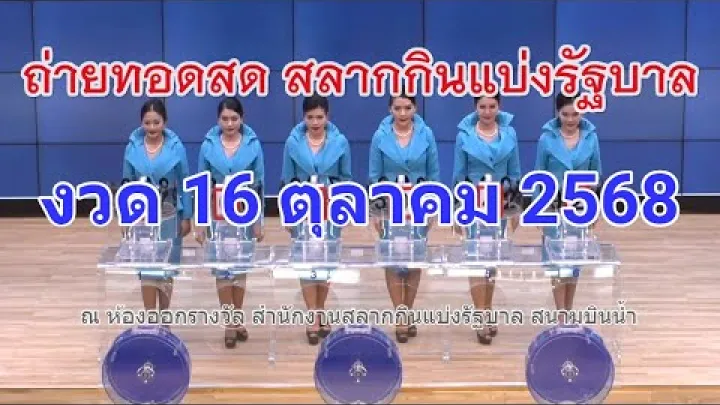
When a scheduled draw coincides with a major public holiday, the GLO may move the draw to the next business day or announce a temporary change. Such exceptions are published in advance through GLO notices and reflected on official channels. To avoid confusion, review the month’s schedule at the start of each draw cycle. Players who buy digital tickets via Pao Tang will see in-app updates once results are finalized for their purchases.
- Regular schedule: 1st and 16th monthly, broadcast about 15:00–16:00 ICT.
- Holiday adjustments: moved to the next business day or as announced by the GLO.
- Posting of results: shortly after broadcast on GLO channels and in Pao Tang for digital tickets.
How the Thailand Lottery Works
The Thailand Lottery uses pre-printed tickets with fixed six-digit numbers. This means players do not pick numbers the way they might in other countries; instead, buyers browse the numbers available from vendors or digital channels. Tickets include security features and identifiers that help prevent fraud and streamline claims. Physical tickets are commonly sold by licensed street vendors, while digital tickets are offered through the Pao Tang app under a partnership with Krungthai Bank and the GLO.

The sales model also influences pricing and availability. The official price is 80 baht per ticket, and digital sales help enforce the cap. In markets where particular sequences are in high demand, some physical vendors may mark up prices. Players should buy only from authorized sellers and recognize that prize tables and naming conventions can evolve. For historical context, Thailand distinguished between the Thai Government Lottery (TGL) and Thai Charity Lottery (TCL), which had different prize structures and tax rates. In recent years, issuance has focused on TGL, while policies continue to be refined and communicated by the GLO.
Pre-printed tickets, number selection, and vendors
Thailand’s lottery tickets are pre-printed with fixed six-digit numbers. Instead of selecting digits, you choose from the numbers vendors have available, which is why popular sequences often sell out quickly. Tickets include security features such as barcodes, microtext, and unit identifiers, and are serialized for tracking. Many vendors display boards or binders of numbers for browsing. In some cases, tickets are grouped in sets that share the same six-digit number, which is common among street vendors.

Physical tickets are frequently sold in pairs or bundles. Each ticket is priced at 80 baht, so a standard pair should cost 160 baht at the official rate, though demand can influence market pricing. If your number wins, each ticket in the pair is independently valid. Therefore, when the same number appears on two tickets you hold, the payout doubles because you are claiming for two winning tickets. Always keep your tickets flat, clean, and signed on the back when you confirm a winning result.
- Numbers are fixed in advance; you select from what is printed.
- Security features support verification and fraud prevention.
- Pairs/bundles can double or multiply payout if each ticket is a winner.
- Buy only from licensed vendors or the official digital channel.
Ticket types (TGL vs. TCL) and official price
Historically, the Thai Government Lottery (TGL) and the Thai Charity Lottery (TCL) coexisted, with different top prizes and tax rates. The TGL first prize has typically been 6,000,000 baht per ticket, while the TCL first prize was historically 3,000,000 baht per ticket. Prize naming across tiers could also differ between types. In recent years, the GLO has emphasized TGL issuance and pricing reforms, and charity-branded tickets have been phased out. Because policies evolve, always check the current GLO notices to understand exactly which product is being issued for a given draw.

The official retail price is 80 baht per ticket. Digital distribution through the Pao Tang app has strengthened price compliance, since the app enforces the 80 baht cap directly at purchase. In the physical market, premiums may appear for numbers considered “lucky,” but overpricing can be reported to the authorities. Before purchasing, verify the draw date printed on the ticket, confirm security features, and keep in mind that prize tables and tax rules are posted officially for each draw cycle.
Prize Structure, Odds, and Taxes
Thailand’s prize structure includes a six-digit first prize, several lower-tier six-digit prizes, three-digit prizes, and a two-digit prize. There are also “adjacent” or near-number awards for tickets whose six-digit number is one higher or lower than the first-prize number. While the TGL first prize is commonly 6,000,000 baht per ticket, players should verify each draw’s prize table posted by the GLO, because naming and amounts can be adjusted within policy. Your total payout scales with the number of identical tickets you hold. For paired tickets with the same number, a win would be doubled if both are claimed.

Taxes are deducted at source when you claim. Historically, withholding has differed by ticket type, with TGL and TCL following separate rates. Today, the GLO’s notices provide the current tax rates in effect for the issued product. Claimants must present valid identification, sign the back of the ticket, and submit required forms. Large prizes are paid by check, and processing can take time. Keep copies of all documents and store your ticket securely until payment is complete.
Prize tiers and amounts per draw
Prize tiers recognize multiple ways to win. The top award is the six-digit first prize, followed by lower six-digit tiers (second through fifth). In addition, there are awards for specific three-digit sequences and a two-digit sequence, which significantly widen the pool of winners. Some draws also include near-number (±1) awards for tickets with six-digit numbers immediately above and below the first-prize number.
The following table summarizes a typical TGL prize structure. Treat this as a general guide and always compare against the current GLO prize table before you claim, since amounts and naming can change within official policy. Your payout reflects the number of tickets you hold that match the winning criteria; paired or multiple tickets with the same number multiply your total prize.
| Tier | Typical Amount (Baht) per Ticket | Notes |
|---|---|---|
| First Prize (6-digit) | 6,000,000 | Main winning number |
| Adjacent to First (±1) | 100,000 | Numbers one higher or lower than first prize |
| Second–Fifth Prizes (6-digit) | 200,000; 80,000; 40,000; 20,000 | Multiple winners per tier |
| Three‑Digit Prizes | 4,000 | Specific three-digit sequences |
| Two‑Digit Prize | 2,000 | Specific two-digit sequence |
Reminder: Always check the latest official prize table at claim time. If you see third-party charts or summaries, verify them against the GLO’s posted results to avoid errors.
Withholding tax and what winners need to prepare
Winnings are subject to withholding tax at the point of claim, and the net payment is issued after the deduction. Historically, the withholding rate for TGL has been lower than the rate for TCL (often discussed as 0.5% versus 1%). Because current rates can change or be unified by policy, verify the exact percentage with the GLO when you claim. Taxes are calculated on the prize amount; if you hold multiple winning tickets for the same number, each ticket is processed accordingly.

Before claiming, sign your name on the back of the ticket and gather your documents. Thai citizens present a national ID card. Foreigners present a passport. For large prizes, expect to receive a check and allow time for processing. Keep photocopies of the ticket (front and back) and all forms for your records. Claim forms are available at the GLO headquarters and through official GLO channels; staff will guide you on completion. If you use a bank service or an authorized redemption point for small prizes, a small commission may apply. Always confirm requirements in advance to avoid delays.
How to Buy and Claim a Prize
Players can buy physical tickets from street vendors or purchase digital tickets via the Pao Tang app, which is operated within the Krungthai ecosystem in coordination with the GLO. Physical sales allow browsing of visible ticket boards, while the app lets you filter numbers when inventory is available. The official price is 80 baht per ticket across both channels, with digital sales enforcing the cap more reliably. Availability fluctuates, especially for sequences seen as lucky, so early buyers have more choice.
Claiming a prize is a process that rewards careful preparation. You must present valid identification and sign the ticket back. The claim window is two years from the draw date. Small prizes may be redeemable at select vendors or banks, sometimes with a small commission. Larger prizes must be claimed at the GLO headquarters in Nonthaburi. Payments for large claims are generally made by check, and processing times can vary. Keep photocopies of all documents you submit, and store your ticket safely until the payment clears.
Where to buy: street vendors vs. Pao Tang app
Licensed street vendors are the traditional way to buy Thailand Lottery tickets. You can browse physical boards, look for the numbers you want, and buy single tickets or pairs. Due to demand, sought-after numbers can carry a markup in the physical market. Always ensure you are dealing with an authorized seller and inspect the ticket’s security features before leaving the stall. Keep the ticket flat and avoid damage or stains, which can complicate verification if you win.

The Pao Tang app offers digital tickets at the official 80 baht price with automatic result matching and secure storage. Registration requires identity verification within the Krungthai system. At present, Pao Tang enrollment typically requires a Thai national ID for e-KYC, which means most non-Thai residents and short-term visitors cannot buy via the app. If you do not meet the digital eligibility criteria, you can still participate by purchasing physical tickets from licensed vendors. In both channels, availability is limited and popular numbers sell out quickly.
Step-by-step: claim process, timelines, and documents
Claiming a prize involves verification and documentation. To avoid errors, follow a structured sequence and use only official channels. Small prizes may be redeemable at select vendors or participating banks, sometimes with a service fee. Large prizes are processed at the Government Lottery Office in Nonthaburi, where you will submit identification and forms before receiving your net payment after withholding tax.

- Verify your ticket: match the six-digit number, three-digit results, and two-digit result against official sources.
- Sign the ticket back: write your full legal name and keep the ticket flat and clean.
- Photocopy the ticket: make copies of both sides and keep them with your records.
- Prepare identification: Thai national ID for citizens; passport for foreigners.
- Obtain claim forms: available at the GLO headquarters and via official GLO channels. Staff can help you complete them.
- Submit your claim: small prizes may be redeemed at certain vendors or banks; large prizes must be filed at the GLO (Nonthaburi).
- Receive payment: withholding tax is deducted; large prizes are usually paid by check.
The claim window is two years from the draw date. Keep copies of all documents and consider noting the submission date and reference number provided by the counter staff. If you need help, ask GLO staff at the service counters to review your forms before submission.
Digital Buying via Pao Tang (Krungthai)
Digital distribution has made the Thailand Lottery more accessible at the official price point and improved transparency. The Pao Tang app, operated within the Krungthai ecosystem in coordination with the GLO, provides secure ticket storage and automated result matching. It has also helped curb scalping by enforcing the 80 baht price for digital purchases. Inventory is limited by allocation, so numbers can sell out fast, especially near the start of a new draw cycle or around paydays when demand peaks.

Users appreciate the app’s notifications and simplified claims for digital tickets. However, eligibility is specific. Registration requires e-KYC using a Thai national ID, which typically excludes most foreign nationals who do not hold a Thai ID. If you are not eligible for Pao Tang, buy from licensed street vendors and keep your ticket safe. Regardless of channel, remember that the GLO’s official prize table and tax rate apply at claim time and may change within policy.
Registration basics and benefits
To use Pao Tang, new users complete identity verification within the Krungthai environment. This process requires a Thai national ID and successful KYC checks. Once registered, users can browse available inventory, filter numbers when stock allows, and purchase tickets at the official price. Tickets are stored digitally in the app, which reduces the risk of loss or physical damage. On draw days, the app compares your purchases with results and displays outcomes in your account.

Key benefits include bank-grade security, automatic result matching, and a clear purchase history. The app enforces the 80 baht price and helps reduce overpricing. Eligibility is limited: at present, most foreigners cannot complete Pao Tang registration because a Thai national ID is required. Non-Thai players can still participate in the official lottery by purchasing physical tickets from licensed vendors and following the standard claim process.
Security, pricing, and availability
Pao Tang uses security practices consistent with banking apps, including secure sign-in and encrypted data channels. The platform enforces the official 80 baht price per ticket, which is a central advantage over physical markets where premiums sometimes appear. Digital tickets remove the risk of misplacing a winning ticket, since proof of purchase and ownership is recorded in-app. If a technical issue affects a purchase, policies exist for refunds or voided transactions, and you can review resolution steps within the app.

Inventory is finite and can sell out quickly. High-demand periods include mornings when new inventory is released and days close to the draw. Purchase cut-off times are published in the app and may vary depending on operational windows set by the GLO and Krungthai. To manage expectations, review the in-app schedule before high-demand periods, and consider buying earlier in the cycle if you want a wider range of numbers.
History and Legal Framework (Short Overview)
The Thailand Lottery traces its origins to the late 19th century, with formalized state-run draws emerging over time. Modern administration is handled by the Government Lottery Office (GLO), established under national legislation to regulate issuance, set prize allocations, and channel proceeds to the state and social purposes. The system has evolved through price reforms, policy updates, and, more recently, the introduction of digital ticket sales to improve access and pricing compliance.

Key milestones include the expansion of draws in the 20th century, the passage of laws governing the GLO’s authority, and reforms introduced in the 2010s to address pricing and distribution. In 2022 and onward, the GLO and Krungthai launched digital sales via Pao Tang, which has influenced market behavior and availability. Ongoing policy reviews continue to explore options for improving fairness and curbing illegal markets, while maintaining responsible-play principles and transparent revenue allocation.
Timeline highlights (1874–present)
Thailand’s lottery history is often traced to royal-era initiatives in the 19th century. Over the 20th century, the system matured into a regulated, state-run framework. The Government Lottery Office became the central authority for lottery administration, with statutory responsibilities for prize allocation, revenue transfer to the state, and oversight of distribution networks. Draws standardized around twice monthly, and common prize tiers became familiar to generations of players.
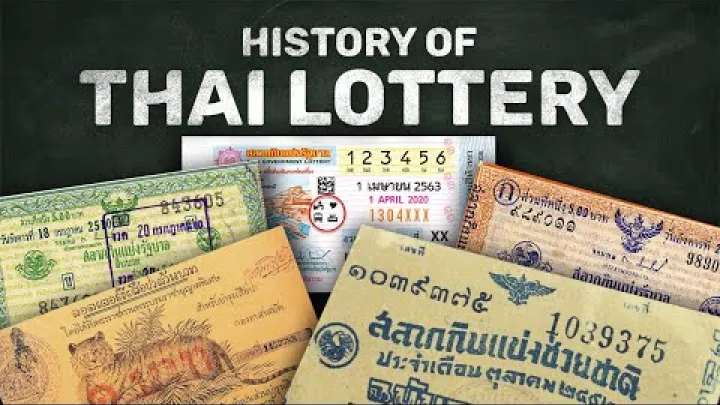
In the 2010s, reforms targeted overpricing and improved transparency. Notably, the official per-ticket price was set at 80 baht, and policy adjustments shaped prize structures and distribution. From 2022, digital sales via Pao Tang broadened legal access at the official price and reduced scalping. Recent initiatives have focused on consumer protection, responsible play, and potential product updates announced by the GLO from time to time.
Governance and revenue allocation (60/28/12 rule)
Revenue allocation in Thailand’s official lottery is commonly summarized as the 60/28/12 rule. Approximately 60% goes to prizes, at least 28% is transferred to state revenue, and up to 12% covers administration and designated social initiatives. Actual percentages may vary within statutory limits and policy decisions for a given draw cycle. Oversight involves the Ministry of Finance and the GLO Board, which operate within the legal framework that defines the office’s mandate.

The Government Lottery Office Act B.E. 2517 (1974), as amended (including B.E. 2562/2019), provides the legal foundation for the GLO’s operations, governance, and revenue allocation. These laws guide prize-setting, distribution, and oversight mechanisms. For the latest policy parameters, consult GLO notices and Ministry of Finance publications, which clarify how allocations are applied in current draw cycles.
Culture, Tips, and Common Myths
The Thailand Lottery is woven into everyday culture. Families, colleagues, and friends discuss numbers they hope will win, and street vendors become familiar neighborhood faces. These practices are valued as part of social life and personal belief.

It is important to keep a clear distinction between cultural practices and statistical odds. Lottery draws are random events, and rituals or “lucky” patterns do not change the underlying probabilities. When seeking thailand lottery tips, focus on practical steps: buy only from authorized sources, keep a set budget, store tickets securely, and verify results through official channels. Playing responsibly makes the experience safer and helps you avoid common pitfalls.
Lucky-number practices and temple rituals
Many players choose numbers based on dreams, personal milestones, or temple rituals. These choices serve as meaningful expressions of hope and connection rather than methods for improving odds. Community traditions around draw days influence when and how people buy tickets, with some visiting temples before purchases or selecting numbers that relate to recent events in their lives.
These practices are part of Thailand’s cultural landscape and should be approached with respect. At the same time, keep expectations realistic. A random draw does not favor rituals or sequences. If you enjoy these traditions, pair them with responsible-play habits such as budgeting, record-keeping, and independent verification of results through official channels.
Tips for safer play and avoiding scams
Responsible play protects both your finances and your enjoyment of the game. Set a budget, avoid chasing losses, and keep a record of your purchases and draw dates. Buy only from licensed vendors or the official Pao Tang app. For physical tickets, inspect security features and sign the back after you verify a win. Do not rely on social media posts that lack clear attribution to official sources.

Scams range from fake tickets to counterfeit result screenshots. Cross-check numbers in at least two official sources before discarding or submitting a claim. If you encounter overpricing, fraud, or suspected illegal activity, report it to the appropriate authority. In Thailand, the Office of the Consumer Protection Board (OCPB) can be contacted via its hotline (1166), and the GLO publishes contact channels for lottery-related complaints. You can also report criminal matters to the local police. Keep copies of evidence such as receipts, photos of the ticket, and timestamps of communications.
Underground Lottery vs. Official Lottery (Key Differences)
Thailand’s illegal “underground lottery” operates outside the legal framework. Informal operators may offer higher payouts, accept credit betting, and allow custom number combinations. These conveniences attract some players, but the trade-offs are significant: no legal protections, no recourse if payments are withheld, and exposure to criminal penalties. By contrast, the official lottery is regulated, with published prize tables, verifiable results, and structured claims backed by the GLO.

In addition to personal risk, participating in illegal betting undermines consumer protection goals and the state’s ability to channel proceeds to public benefit. Thailand’s Gambling Act and related laws prohibit unlicensed lottery activities. Penalties can include fines and imprisonment for operators and participants. Use official channels to protect your rights and ensure that prize claims, if any, are recognized and payable by the GLO.
Why the illegal market persists
Underground operators compete by offering flexible options: they may accept small bets, provide credit, and quote higher payout ratios on certain number types. Convenience also plays a role, with quick messaging-based orders and local delivery of bet slips. In some areas, these informal systems emerged due to scarcity of preferred printed numbers or perceived difficulty in accessing official tickets at the capped price.

However, the risks are substantial. Transactions are not regulated, disputes are not legally enforceable, and players have no formal protection if an operator delays or refuses payment. There are also legal consequences for participating in illegal gambling under Thai law, including fines and potential imprisonment. Understanding these risks helps players make informed decisions and avoid entering arrangements that could result in financial loss or legal trouble.
Government responses (e.g., N3 product)
Authorities have pursued pricing enforcement, digital distribution, and periodic crackdowns to reduce the appeal of illegal markets. The launch of digital sales via Pao Tang strengthened access to official tickets at the 80 baht price and reduced opportunities for scalping. Increased transparency and automatic result matching also help build trust in the official system. Enforcement actions against illegal operators continue, often publicized through national news and official statements.
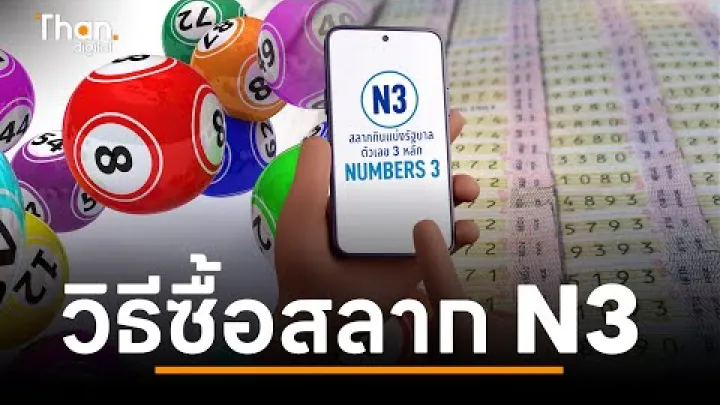
Policymakers have periodically discussed new or revised products to compete with illegal offerings, such as a potential three-digit “N3” numbers product. As of recent updates, any such product remains subject to policy review, legal considerations, and public communication from the GLO and relevant ministries. For accurate status and scope of pilots or new initiatives, monitor official GLO notices rather than relying on rumors.
Frequently Asked Questions
What days are the Thailand Lottery draws and at what time are results announced?
Draws are held on the 1st and 16th of each month, with broadcasts from 15:00–16:00 (Thailand time). If a draw date is a public holiday, it moves to the next business day. Results are announced during the broadcast and posted by the Government Lottery Office (GLO). Always verify the date of the draw when checking numbers.
How do I check Thailand Lottery results safely and officially?
Use the GLO’s official channels (live TV broadcast and official website) or the Pao Tang app for digital tickets. Confirm your six-digit number and any three-digit and two-digit matches. Cross-check ticket security features (barcode, unit number). Avoid relying on social media posts without source verification.
What is the first prize and what other prize tiers exist?
The TGL first prize is 6,000,000 baht per ticket (TCL first prize historically 3,000,000 baht). Standard tiers include 2nd–5th prizes (200,000; 80,000; 40,000; 20,000 baht), four three‑digit prizes (4,000 baht), and one two‑digit prize (2,000 baht). Special prizes are also paid to numbers ±1 from the first-prize number. Check current GLO tables each draw for confirmation.
Can foreigners buy tickets and claim Thailand Lottery prizes?
Yes, foreigners can buy tickets in Thailand and claim prizes. A valid passport is required for prize claims. Claims above 20,000 baht must be processed at the GLO in Nonthaburi and are paid by check. The claim window is two years from the draw date.
What taxes are deducted from Thailand Lottery winnings?
Winnings are subject to withholding tax at the time of claim. Historically, TGL tickets were subject to 0.5% withholding and TCL to 1%, but rates can change, so confirm at claim time. The GLO deducts tax before payment and issues the net amount.
What is the official ticket price and can sellers charge more?
The official price is 80 baht per ticket. Markups still occur in some markets due to demand for “lucky” numbers, but the cap is enforced more strictly via digital sales on Pao Tang. Buying digitally helps ensure the official price.
How do I buy Thailand Lottery tickets on the Pao Tang app?
Register in the Pao Tang app (Krungthai Bank) using a Thai national ID, then purchase tickets at the official 80 baht price. Digital tickets are stored in-app and results are matched automatically. The app also supports government programs and payments.
What documents do I need and how long do I have to claim a prize?
Thai citizens present a national ID; foreigners present a passport. Claims up to 20,000 baht may be paid by some vendors (with a small commission), while larger claims must go to the GLO. You have two years from the draw date to claim.
Conclusion and next steps
The Thailand Lottery operates on a clear schedule, with pre-printed numbers, defined prize tiers, and a documented claim process. Buying through official channels—licensed vendors or the Pao Tang app—helps ensure correct pricing and secure verification. Prize tables and tax rules are posted by the GLO for each draw, and policies can evolve, so it is wise to confirm details at claim time. Understanding the legal framework, cultural context, and common risks allows players to participate responsibly and avoid pitfalls.
Select area
Create a post
Posting is free and no registration is required.