Thailand Restaurant Near Me: Best Thai in Bangkok and Your City

Searching for “Thailand restaurant near me” should be quick, reliable, and rewarding—whether you are in Bangkok or your own city. This guide shows you how to spot authentic Thai places, read reviews that matter, and make smart choices about spice, price, and dietary needs. You will also find a concise Bangkok neighborhood overview, practical reservation tips, and a list of essential Thai dishes and their heat levels. Finally, we cover delivery advice and answers to common questions so you can enjoy Thai food with confidence anywhere.
What is a “Thailand restaurant”? Quick definition and scope
A “Thailand restaurant” refers to a dining venue that prepares and serves Thai cuisine, either inside Thailand or abroad. Menus often include stir-fries, curries, noodles, soups, salads, and rice dishes, plus desserts and beverages. The spectrum runs from street stalls and shophouse eateries to mid-range restaurants and fine dining venues with tasting menus. Regardless of format, good Thai cooking highlights a balance of sweet, sour, salty, spicy, and aromatic elements using fresh herbs and staples such as fish sauce and chilies.
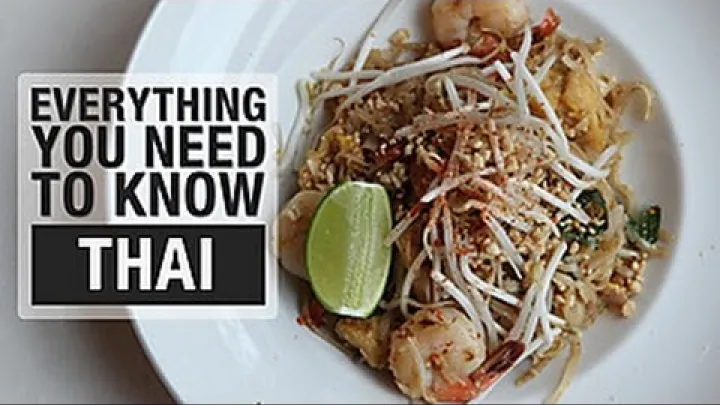
Service styles vary by format. Casual restaurants may offer family-style sharing, while mid to upscale venues may course your meal with wine pairings and accept credit cards. Prices shift by context: street food in Bangkok often ranges around 40–100 THB per dish (roughly USD 1–3), mid-range restaurants average about 200–500 THB per person before drinks (USD 6–14), and fine dining can start around 1,200 THB and reach 5,000 THB per person (USD 35–140). Alcohol availability differs: many casual places sell beer or simple cocktails; some allow BYO with a corkage fee, and others are dry or limit alcohol sales. Outside Thailand, expect regional adaptations, but the best venues preserve core flavors, fresh herbs, and proper rice pairings.
Typical menus and dining formats (street food, casual, fine dining)
Thai dining formats range from street stalls to fine dining, each with specific norms. Street stalls and shophouses emphasize speed, limited seating, and cash/QR payment, with dishes typically 40–100 THB (USD 1–3). Casual neighborhood restaurants support family-style sharing and table service, often 150–350 THB (USD 4–10) per dish. Mid-range venues average about 200–500 THB per person (USD 6–14) before drinks, and fine dining menus start near 1,200 THB (USD 35) and can exceed 5,000 THB (USD 140) per person for tasting experiences.
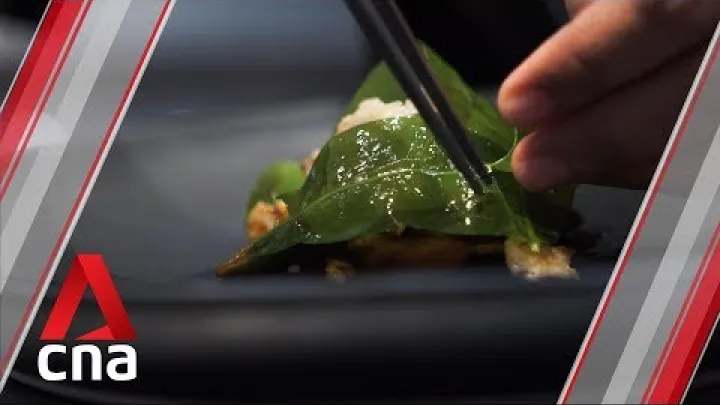
Street and casual spots prioritize quick service and shared plates; higher-end dining may offer coursed menus, wine pairings, and reservations. Alcohol policies vary: some venues serve beer and cocktails; others allow BYO wine with corkage; a few are alcohol-free. Check payment options, as cards are common in mid to high-end restaurants, while street vendors favor cash or local QR wallets.
Flavor balance and authenticity basics
Thai cuisine is known for balancing sweet, sour, salty, spicy, and aromatic elements within a single meal. Core ingredients include lemongrass, galangal, kaffir lime leaves, fish sauce, palm sugar, and fresh chilies. Authentic venues often pound curry pastes by hand, use fresh herbs generously, and pair dishes thoughtfully with rice—fragrant jasmine rice for curries and stir-fries, and sticky rice for salads and grilled meats. Attention to texture—crisp vegetables, bouncy noodles, and silky coconut curries—is another hallmark.

Regional profiles show clear differences. Isan (Northeast) cuisine leans spicy-sour with salads like Som Tam and grilled chicken paired with sticky rice. Northern cooking is herbal and milder; Khao Soi (curry noodle soup) is a signature example. Central Thai dishes such as Green Curry balance coconut richness with basil and chilies, while Southern food is rich and spicy, including dishes like Gaeng Som or turmeric-laced seafood curries. Many restaurants offer halal-friendly choices (especially in Southern-influenced or Muslim-run kitchens) and vegetarian interpretations, such as tofu-based curries and salads prepared without fish sauce or shrimp paste upon request.
How to find a Thailand restaurant near you (fast checklist)
Finding the best “Thailand restaurant near me” can be done in minutes with a clear process. Start with a map app and apply filters for “Open now,” rating, and distance. Then scan recent reviews and photos for food quality and hygiene cues. If you have dietary needs or want specific spice levels, call ahead to confirm. Finally, save two backups in case your first choice has a long wait.

Use Google Maps to search “thailand restaurant near me,” then tap Filters on mobile, set “Open now,” select a 4.3+ rating, and sort by Distance or Top rated. Apple Maps offers similar filters—toggle Open and refine by price range; you can add places to Favorites or a Collection. Local apps are also helpful: in Thailand, Grab, LINE MAN, and foodpanda highlight delivery ratings and hours; in other regions, tools like Yelp or city-specific directories can surface neighborhood favorites. Evaluate 5–10 recent reviews, focusing on spice customization, vegetarian handling, and allergy awareness. If the place looks promising, call to confirm wait times, reservation options, and last-order times. Save 2–3 alternatives within about 1 km so you can pivot quickly if your first pick is full or closed early.
Use maps and filters (rating, “open now,” distance)
On Google Maps, type “thailand restaurant near me,” tap Filters, enable “Open now,” and raise the rating to around 4.3+ to screen for consistent quality. Sort by Distance if you need something fast, or by Top rated for a higher-quality shortlist. Check Popular times and live busyness to avoid peak queues, and add refinements like “vegetarian options,” “delivery,” or price to narrow choices further. Save two or three backups within walking distance in case of long waits.

On Apple Maps, search for Thai restaurants, tap the filter icon to toggle Open and sort by Distance or Relevance. Use “Good for groups,” “Takes reservations,” or “Offers takeout” where available. In Thailand, local apps such as Grab, LINE MAN, and foodpanda show live ETAs, delivery radius, and fees, while in other countries, similar options exist within regional apps. On mobile, filters usually sit below the search bar or behind a “Filters” or “More” button; after applying them, save a shortlist to Favorites or a Collection for quick access during your trip.
Read recent reviews and photos (what to look for)
Reviews are most useful when they are recent and specific. Scan 5–10 reviews from the last 90 days, looking for mentions of consistent flavors, attentive service, and cleanliness. Prioritize posts that discuss spice adjustments, vegetarian handling (for example, “no fish sauce”), and allergy awareness. Photos should show recognizable Thai staples, reasonable portion sizes, and tidy kitchens or counters. Reviews by local guide contributors or regular diners can signal reliability when paired with photo evidence.

Use auto-translate for foreign-language reviews to widen your information set; a mix of local and visitor perspectives is ideal. Be cautious about suspicious patterns like many one-line reviews arriving on the same day, repeated phrases across accounts, or polarized ratings with little detail. Cross-check across platforms if needed, and note whether management responds to feedback—a thoughtful reply to issues can indicate a customer-focused team.
Call ahead for spice levels, vegetarian, and allergens
A short call can ensure a smoother experience. Confirm whether the kitchen can make dishes not spicy, mild, medium, spicy, or very spicy. If you need vegetarian or vegan preparations, ask for “no fish sauce, no shrimp paste, no oyster sauce,” and request vegetable stock. Discuss allergens such as peanuts, shellfish, tree nuts, sesame, egg, or gluten, and ask how they reduce cross-contact, including separate utensils or woks. Verify typical peak waits, whether they accept reservations or walk-ins only, and last-order times to avoid missing the kitchen cut-off.

For better control, ask for sauces and condiments on the side, especially for salads and curries where chili pastes are integrated. If you are very sensitive, confirm that your dish can be cooked in a clean pan with fresh oil, and consider choosing dishes that are easier to customize, such as stir-fries with plain jasmine rice.
Bangkok dining guide: areas, price ranges, and when to book
Bangkok is one of the world’s great Thai dining cities, offering everything from famous street-side vendors to refined tasting-menu experiences. The city’s rail lines make it easy to move between neighborhoods with distinct moods and specialties. Understanding where to go, what to expect on pricing, and when to reserve helps you avoid long waits and enjoy the “best restaurant Bangkok Thailand” choices for your schedule and budget.
Expect street food dishes around 40–100 THB (USD 1–3), mid-range meals roughly 200–500 THB per person before drinks (USD 6–14), and fine dining starting near 1,200 THB per person (USD 35+) for sets or tasting menus. Peak dining times are generally 18:30–20:30 and weekend mealtimes. Many popular venues book up several days in advance, while walk-in-focused spots can still have queues of 20–60 minutes. Dress codes vary; street and casual places are relaxed, and smart casual is typical in upscale venues. Across the city, you will find vegetarian-friendly options and kitchens comfortable with spice adjustments, but it is still wise to call ahead if you have strict requirements.
Popular neighborhoods (Sukhumvit, Old Town, Chinatown)
Sukhumvit (Asok–Thonglor) offers a wide mix of Thai shophouses, modern bistros, and fine dining with easy BTS access at Asok, Phrom Phong, Thong Lo, and Ekkamai. The area is convenient for travelers and residents, with weekday evenings drawing after-work diners and weekends bringing a livelier bar and late-night scene. Nearby, Ari (BTS Ari) blends cafes and neighborhood restaurants that feel more residential, making it pleasant for relaxed meals.

Old Town/Rattanakosin concentrates heritage eateries near landmarks, accessible via MRT Sanam Chai and river boats, and often feels calmer on weekdays with a tourist bump on weekends. Chinatown/Yaowarat, near MRT Wat Mangkon, is famous for night street food, seafood, and dessert shops; it is busiest most evenings, especially Friday and Saturday. Silom/Sathorn (BTS Sala Daeng, BTS Chong Nonsi, MRT Si Lom) mix office crowds on weekdays with trendy spots for after-work dinners, while weekends shift toward leisurely meetups. Plan your arrival and wait times accordingly.
Price ranges: street, mid-range, fine dining
Bangkok’s price spectrum is broad, but stable ranges help you plan. Street stalls typically charge 40–100 THB per dish (about USD 1–3), with drinks priced separately. Mid-range restaurants average 200–500 THB per person (USD 6–14) before drinks, though tourist-heavy areas may be higher. Fine dining or tasting menus usually start around 1,200 THB per person (USD 35) and can reach 5,000 THB or more (USD 140+), especially with wine pairings. Expect a 7% VAT on most bills and a possible 10% service charge at many mid to high-end venues.
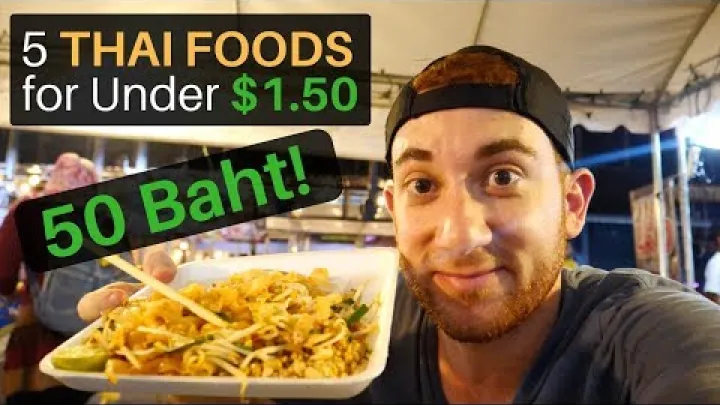
Prices may rise near major landmarks and during peak tourism seasons. Lunch sets can be good value at upscale venues, while weeknight dinners outside core tourist zones often offer shorter waits and more competitive pricing. If you are budgeting, track whether the menu lists net prices or adds tax and service on top.
| Category | Typical Spend (THB) | Approx. USD | Notes |
|---|---|---|---|
| Street food | 40–100 per dish | 1–3 | Cash/QR; drinks extra |
| Mid-range | 200–500 per person | 6–14 | Before drinks; family-style |
| Fine dining | 1,200–5,000 per person | 35–140+ | Tasting menus; reservations recommended |
Reservation, peak hours, and dress code
Bangkok’s peak dining windows center on 18:30–20:30 and weekend meals, when walk-in waits can stretch 20–60 minutes. Reserve 3–14 days ahead for popular venues, and 2–4 weeks for fine dining, especially with tasting menus. Dress codes range from casual at street and neighborhood spots to smart casual at upscale restaurants; avoid beachwear and sleeveless tops at fine venues. Many restaurants accept online bookings with instant confirmation.

If traveling with children, ask about high chairs and quieter seating. For accessibility, confirm step-free entrances, elevator access, or restroom details in advance. Typical cancellation windows range from 12 to 48 hours, and some fine-dining venues may require a credit card hold with a fee for late cancellations or no-shows. To minimize hassle, arrive close to your reservation time and reconfirm if you are running late due to traffic or weather.
What to order: essential Thai dishes and how spicy they are
Thai menus can be extensive, so it helps to start with a few reliable classics. Dishes like Pad Thai, Tom Yum, Green Curry, Som Tam, and Pad Krapow appear widely and showcase core Thai flavors. Balance your order with a mix of textures and heat levels, and pair dishes with the appropriate rice—jasmine rice amplifies curries and stir-fries, while sticky rice complements salads and grilled meats.

Spice levels are adjustable at many restaurants. Curries and salads draw heat from chili pastes and fresh chilies; stir-fries and noodle dishes are more flexible for mild palates. Ask for condiments on the side so you can tune flavor at the table. If you have dietary preferences, ask for halal-friendly proteins or vegetarian versions without fish sauce, shrimp paste, or oyster sauce; tofu, mushrooms, and seasonal vegetables are common substitutes.
Top dishes (Pad Thai, Tom Yum, Green Curry, Som Tam, Pad Krapow)
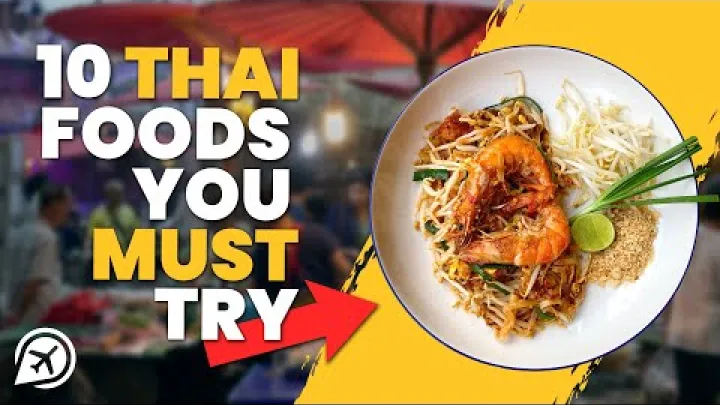
Pad Thai is a stir-fried rice noodle dish with egg, tofu, bean sprouts, and optional prawns or chicken. It is usually mild by default and served with lime, peanuts, and chili flakes on the side so you can adjust. Tom Yum Goong is a spicy-sour shrimp soup scented with lemongrass, galangal, and kaffir lime; it can be served as a starter or with jasmine rice as a main. Green Curry (Gaeng Keow Wan) blends coconut milk, green chilies, and Thai basil in a fragrant, medium-heat sauce—great with steamed jasmine rice.
Som Tam (green papaya salad) is bright, crunchy, and usually fiery; pair it with sticky rice and grilled meats to balance heat. Pad Krapow is a savory-stir fry with holy basil and chilies, often topped with a fried egg and served with jasmine rice. Common adaptations include vegetarian Pad Thai with tofu and no fish sauce, halal-friendly curries with chicken or seafood, and Som Tam made “Thai style” (sweeter, less fermented) for milder palates. Always confirm ingredients if you need to avoid fish sauce, shrimp paste, or nuts.
Spice scale and how to request adjustments
Most kitchens recognize five levels: not spicy, mild, medium, spicy, and very spicy. Use clear phrases such as “mai phet” (not spicy) and “phet nit noi” (a little spicy) to set expectations. For curries and salads, you can request fewer chilies or a milder paste; for stir-fries, ask the chef to hold fresh chilies and serve chili flakes or sauces on the side. Always taste first and adjust with table condiments gradually.

For children or sensitive diners, choose mild dishes like Pad Thai, fried rice, omelets over rice (kai jeow), or coconut-based soups like Tom Kha. To reduce heat, add more rice, a squeeze of lime, a touch of sugar, or extra coconut milk when available. Drinking milk or yogurt-based beverages can cool the palate better than water, which can spread the heat. If you are unsure, start mild and build up at the table.
Delivery and takeaway from Thailand restaurants
Many Thai staples travel well, including curries, fried rice, and stir-fries. Before ordering, check estimated delivery time, fees, and the restaurant’s delivery radius. To preserve texture, ask for sauces and herbs on the side and avoid items that lose crispness quickly.

In Thailand, popular apps include Grab, LINE MAN, and foodpanda; in other countries, local services and the restaurant’s own website or phone orders may offer better fees or faster ETAs. Choose sturdy dishes that tolerate transport and gentle reheating. When the food arrives, check the integrity of packaging seals and request contactless delivery if preferred. Store leftovers promptly and reheat safely to maintain flavor and reduce food-borne risk.
When delivery is best (late hours, group orders)
Delivery shines during late hours, rainy days, and gatherings where variety matters. Use app filters to compare ETAs, delivery fees, and radius; small distance differences can significantly affect food temperature and quality upon arrival. Group orders are easier with set menus or shareable staples—curries, fried rice, and stir-fries—so everyone can customize with condiments at home.
When placing orders, select travel-stable dishes and avoid items that rely on crisp textures, such as deep-fried starters that steam in transit. Ask for sauces, herbs, and dressings on the side to preserve freshness. On arrival, check packaging seals for tampering and opt for contactless delivery where available. If something is missing or spilled, most apps allow quick redress through order support.
Tips for packaging, reheating, and food safety
Good packaging keeps broths and sauces separate from noodles and rice. For reheating, warm curries gently on the stove over low heat for 3–5 minutes, stirring until steaming throughout. Fried rice and stir-fries can be microwaved in 60–90 second bursts (2–3 minutes total), stirring between intervals; adding a small splash of water helps. Noodle dishes reheat quickly: microwave 60–90 seconds or pan-fry 1–2 minutes to revive texture without overcooking.
Follow the two-hour rule: refrigerate leftovers promptly in shallow containers and consume within 3–4 days. Reheat until steaming hot with no cold spots. Be careful with cooked rice—refrigerate quickly and reheat thoroughly to reduce risk. In many Thai kitchens, herbs and crunchy elements are packed separately; keep them chilled and add at the last moment for best texture. If you are unsure about storage time or temperature, it is safer to discard and reorder.
Dietary options and authenticity
Thai cuisine offers wide flexibility for different diets while preserving core flavors. Many dishes can be prepared vegetarian or vegan by swapping fish sauce, shrimp paste, and oyster sauce for plant-based alternatives and using vegetable stock. Gluten-aware diners can lean on rice, rice noodles, and tamari or gluten-free soy options if available. While adaptations are common in modern kitchens, authentic balance is still achievable when chefs adjust seasoning and herbs mindfully.
In Thailand and abroad, you may see “jay” (Buddhist vegetarian) indicators on menus or signage, signaling no animal products and no pungent alliums in some interpretations. Cross-contact is a key consideration: busy woks, shared oil, and pre-mixed curry pastes can contain or touch allergens. Clear communication and a few practical requests—fresh pans, clean utensils, separate oil—can help the kitchen meet strict needs without compromising the dish’s character. When in doubt, ask the staff to identify truly safe menu items rather than relying on ad hoc substitutions.
Vegetarian, vegan, and gluten-aware choices
For vegetarian and vegan meals, request no fish sauce (nam pla), no shrimp paste (kapi), and no oyster sauce. Tofu, mushrooms, and seasonal vegetables are excellent protein and texture substitutes in stir-fries, curries, and soups. Ask for vegetable stock to replace chicken stock in soups and curries. Many restaurants can also adjust sugar and salt levels to taste.

Gluten-aware diners should choose rice noodle dishes, steamed jasmine or sticky rice, and check whether soy sauce can be swapped for tamari or a gluten-free alternative. Cross-contact risks arise from shared woks, ladles, cutting boards, and fryers; ask if the kitchen can use a clean pan and dedicated utensils. Clarify what frying oil is used and whether there is a separate fryer for items containing allergens or gluten.
Ingredient notes (fish sauce, shrimp paste, nuts)
Fish sauce (nam pla) delivers foundational salt and umami in many Thai dishes, while shrimp paste (kapi) is common in curry pastes and dipping sauces. Peanuts appear in Pad Thai and some salads; cashews, sesame, eggs, and shellfish are other potential allergens that may be present across menus. If you need strict avoidance, ask for complete omission and confirm the kitchen’s ability to prevent cross-contact.

Because many restaurants make their pastes and sauces in-house, double-check ingredients and preparation methods. Scan menus for allergen labels or icons and verify details with staff for items marked vegetarian or gluten-free. When substitutions are needed, request condiments on the side and taste as you go to preserve the balance of flavors while meeting your dietary needs.
Frequently Asked Questions
What is the typical price of a meal at a Thailand restaurant in Bangkok?
Street food meals usually cost 40–100 THB (about USD 1–3). Mid-range restaurants average 200–500 THB per person (USD 6–14) before drinks. Fine dining can range from 1,200–5,000 THB per person (USD 35–140) depending on tasting menus and wine. Prices vary by neighborhood and season.
Do I need to make a reservation for popular Bangkok restaurants?
Yes, book 3–14 days in advance for popular venues and weekends. Fine dining often needs 2–4 weeks, especially for tasting menus. Walk-ins are possible at many casual spots, but wait times can be 20–60 minutes during peak hours. Call or check online booking pages to confirm.
What are the must-try dishes at a Thailand restaurant for first-time visitors?
Start with Pad Thai, Tom Yum, Green Curry, Som Tam, and Pad Krapow. Add Tom Kha Gai for a milder coconut soup and Massaman Curry for a rich, aromatic option. Ask for spice adjustments and rice type (jasmine or sticky) to match each dish.
Are vegetarian and vegan options common in Thailand restaurants?
Yes, many menus include vegetarian dishes, and vegan options are increasingly available. Ask for “no fish sauce, no shrimp paste, no oyster sauce” to ensure vegan-friendly preparation. Tofu or mushrooms often replace meat in stir-fries and curries. Confirm cooking oils and cross-contact if you have strict dietary needs.
Is tipping expected at restaurants in Thailand and how much?
Tipping is not mandatory but appreciated. Rounding up small bills or adding 5–10% for good service at sit-down restaurants is common. Check the bill for a service charge (usually 10%) to avoid double tipping. Cash tips are easiest to handle.
How can I find the best Thailand restaurant near me quickly?
Use Google Maps, apply “open now” and “4.3+ rating” filters, and sort by distance. Read 5–10 recent reviews and browse interior and dish photos. Call to confirm wait times, spice customization, and vegetarian or allergy needs. Save two backups nearby in case of a long queue.
Can I ask for less spicy food at a Thailand restaurant?
Yes, you can request mild, medium, or very spicy for most dishes. Say “less chili” or “not spicy” and confirm for salads and curries that use chili pastes. For children, choose mild dishes like Pad Thai or fried rice. Taste first and add table condiments if needed.
Do Thailand restaurants offer delivery and what should I check before ordering?
Many offer delivery via major local apps and direct ordering links. Check the estimated time, delivery radius, and fees before placing an order. Request sauces on the side and select sturdy dishes that travel well (curries, fried rice, stir-fries). Reheat quickly and store leftovers safely.
Conclusion and next steps
Finding a Thailand restaurant near you is simple when you combine smart filters, careful review reading, and a quick confirmation call. In Bangkok, focus on neighborhoods that match your schedule and mood, expect clear price tiers from street to fine dining, and book early for popular venues or tasting menus. Across formats, Thai cuisine expresses balance through herbs, spices, and sauces; choosing dishes like Pad Thai, Tom Yum, Green Curry, Som Tam, and Pad Krapow gives a reliable introduction, while spice adjustments and rice pairings help you fine-tune the experience.
If you have dietary needs, ask for vegetarian or vegan preparations without fish sauce or shrimp paste, and confirm cross-contact controls in busy kitchens. For delivery, prioritize travel-stable dishes, request sauces on the side, and follow safe reheating practices to preserve quality. Whether you are exploring Bangkok’s Sukhumvit and Yaowarat at peak hours or ordering from a neighborhood Thai spot at home, the same principles apply: check recent signals of quality, communicate preferences clearly, and enjoy the dynamic balance that defines Thai food.
Select area
Create a post
Posting is free and no registration is required.