Thailand Beaches: Best Beaches, Seasons, and Planning Guide (2025)

Thailand beaches span two distinct seas, the Andaman Coast and the Gulf of Thailand, each with different ideal months and signature landscapes. This guide matches the best beaches in Thailand to your travel style, from family-friendly shores and nightlife hubs to top diving and quiet coves. You will also find month-by-month timing, how to move between islands, and practical safety tips.
Quick answer: the best Thailand beaches by traveler type
Choosing among Thailand’s top beaches is easier once you sort by coast, season, and what you value most. The Andaman Coast (Phuket, Krabi, Phi Phi, Similan, Trang) shines for dramatic scenery from roughly October to April, while the Gulf side (Samui, Phangan, Tao) is steadier from January to August. Families often prefer gentle slopes and lifeguard-patrolled stretches, nightlife seekers head where dining and clubs cluster, and divers and snorkelers time their trips for the clearest water.
Use the quick picks below to shortlist options. Always check daily beach flags and local advisories before swimming, especially during shoulder and monsoon periods when currents can change. Seclusion also varies by month and time of day: a quiet sunrise bay can feel busy by late morning once day trips arrive, then calm again near sunset.
Fast picks: family, nightlife, scenery, diving, snorkeling, and seclusion
For families, look for wide sands, gentle gradients, and lifeguards where available. Many beaches use a flag system: green for generally safe conditions, yellow for caution, and red for no swimming. Local lifeguards and hotel notices update these daily as wind, swell, and tides change.

Nightlife is strongest at Patong (Phuket) and Chaweng (Koh Samui), where bars, clubs, night markets, and late dining keep the promenade active. For scenery, Phra Nang and Railay in Krabi deliver the photogenic limestone backdrop that defines many classic Thailand beaches images. Divers and snorkelers can target the Similan and Surin Islands in the Andaman, or Koh Tao and Sail Rock in the Gulf. For seclusion, aim for Ko Kradan (Trang) and Bottle Beach (Koh Phangan); go early or late in the day and outside peak months for the quietest feel.
- Families: Karon, Kata, Nai Harn (Phuket); Lipa Noi (Koh Samui)
- Nightlife: Patong (Phuket), Chaweng (Koh Samui)
- Scenery: Phra Nang and Railay (Krabi)
- Diving/Snorkeling: Similan/Surin (Andaman); Koh Tao/Sail Rock (Gulf)
- Seclusion: Ko Kradan (Trang); Bottle Beach (Koh Phangan)
Map overview at a glance: Andaman Coast vs Gulf of Thailand
The Andaman Coast includes Phuket, Krabi, the Phi Phi group, and the Similan and Surin archipelagos. It features towering karst cliffs, pocket bays, and seasonal surf. The Gulf of Thailand includes Koh Samui, Koh Phangan, and Koh Tao, with generally calmer, more protected waters from January to August.
Key ferry corridors bind the coasts: Phuket–Phi Phi–Krabi, Ao Nang/Krabi–Railay (by longtail), Khao Lak (Thap Lamu Pier)–Similan, Don Sak Pier (Surat Thani)–Koh Samui/Koh Phangan, Chumphon–Koh Tao, and Samui–Phangan–Tao links. These lines run more frequently in their fair-weather windows and may reduce or cancel during rough seas. If you plan island hopping, cluster stops along a single corridor to reduce backtracking and travel time.
When to visit Thailand’s beaches
The Andaman Coast tends to be best from October to April, especially November to February, while the Gulf side offers steadier weather from January to August. Heat peaks from March to May, and monsoon swells can disrupt boats and cloud the water at times.
Use the summary below to align your trip with your goals. Divers often target visibility windows for the Similan and Koh Tao, while families may prioritize calmer water and lifeguard coverage during holiday weeks.
| Coast | Best months | Notes |
|---|---|---|
| Andaman (Phuket, Krabi, Phi Phi, Similan) | October–April (peak Nov–Feb) | Dry season, light winds; monsoon usually May–Oct with swells and reduced boat service. |
| Gulf (Samui, Phangan, Tao) | January–August | Heavier rains cluster Sep–Nov; Koh Tao visibility often excellent Jul–Sep. |
Best months by coast: Andaman (Oct–Apr) and Gulf (Jan–Aug)
The Andaman Coast’s dry season runs roughly October to April, with peak months from November to February when skies are bright and seas are calmer. This window is ideal for the best beaches in Thailand that rely on boat trips, such as Railay, the Phi Phi viewpoints, and the Similan Islands. From May to October, the southwest monsoon brings larger swells and sporadic rain. Some smaller operators reduce or pause services, and surf appears on west-facing Phuket beaches.

The Gulf of Thailand offers a complementary pattern. Samui, Phangan, and Tao are typically favorable from January to August, when winds shift to give calmer water and steadier sunshine. Rainfall tends to cluster from around September to November, though exact timing varies. Microclimates are real: hills and headlands can create rain shadows that keep one bay bright while another sees showers. Local forecasts and on-the-day flags remain the best guide to swim conditions.
Seasonal weather and water conditions
Water temperatures commonly range from about 27–30°C year-round. Visibility trends vary by region: the Similan Islands often enjoy excellent clarity in two broad windows, roughly October–December and March–May, while Koh Tao’s visibility typically peaks around July–September. Whale sharks can pass Koh Tao in March–April, and Sail Rock also sees pelagic visitors in good years.

Heat is most intense from March to May. During monsoon months, wind-driven swell can stir sediment, reduce visibility, and lead to ferry or speedboat cancellations, especially on open-water crossings. Always check marine forecasts from the Thai Meteorological Department and ferry advisories the day before and the morning of travel. If schedules are flexible, keep a buffer day when hopping between islands during shoulder seasons.
Top Andaman Coast beaches
The Andaman Coast is home to Thailand’s top beaches for scenery, with limestone cliffs, emerald lagoons, and white sand. Phuket provides the widest choice of stays and services, Krabi and Railay bring iconic karst silhouettes, the Phi Phi Islands are famous for viewpoints and bays, and the Similan group offers world-class diving. Farther south, Trang and Satun reward seekers of clear lagoons and quieter nights.
Phuket highlights: Patong, Karon, Kata and Kata Noi, Nai Harn, Laem Singh
Patong is Phuket’s busiest beach with the island’s liveliest nightlife, abundant dining, and easy transport links. Karon spreads out with wide sands and family-friendly facilities, while Kata and Kata Noi combine seasonal surf with easy snorkeling near headlands and reef patches on calmer days. These western beaches often have lifeguards and flag systems; obey red flags during rough seas.

Nai Harn has a scenic bay and a more relaxed feel, with fewer large properties and quieter evenings. Laem Singh has historically had limited access via boat or footpaths depending on local agreements and conditions; specific public access and boat-drop rules can change. Before planning a visit to Laem Singh, verify the latest situation with your hotel, local authorities, or current tour operators.
Krabi and Railay: Phra Nang, Railay West and East, Ton Sai
Phra Nang Beach is one of Thailand’s most photogenic spots, framed by limestone cliffs and clear, shallow water. Railay West offers the broadest sandy arc for swimming and sunsets, while Railay East has a mangrove-lined boardwalk, sunrise views, and access to hiking trails. Ton Sai, next door, is a climber’s hub with a budget-friendly vibe and relaxed evenings.

The entire Railay–Ton Sai peninsula is boat-only, reached by longtail from Ao Nang or Krabi Town. Tides affect the walkability between Railay and Ton Sai and can influence water clarity, especially after windy spells. For the quietest experience, visit early morning before day trippers arrive or linger into late afternoon as boats depart.
Phi Phi Islands: Maya Bay rules and seasonal closure
The Phi Phi Islands attract for their viewpoints, snorkeling, and clear bays. Maya Bay is subject to strict conservation rules: swimming is not allowed, and access is organized via designated paths and a boardwalk from the Loh Sama side. Visits focus on viewing and photography from marked areas to protect the recovering ecosystem.

Access is controlled through designated trails and boardwalks from the Loh Sama side, with visitor caps and timed entries when open. These rules preserve fragile coral and seagrass beds and reduce boat impact.
A typical conservation closure occurs annually around August to September, though exact dates can shift. Visitor caps and timed entry are also enforced during open periods. Confirm current closure dates, daily quotas, and routing with park authorities or licensed tour operators before you book, as policies are adjusted year to year.
Similan Islands: national park access, diving, and snorkeling
The Similan Islands National Park usually opens mid-October to mid-May and enforces daily visitor limits to protect reefs and wildlife. Access is via licensed tour boats or liveaboards, and permits are managed through registered operators. Expect postcard bays on Koh Similan and Koh Miang, with good snorkeling in calm conditions.

Divers target sites such as Elephant Head Rock and North Point for granite boulders, swim-throughs, and pelagic sightings. Because the park strictly limits numbers, prime dates sell out. Verify opening dates and liveaboard availability well in advance, and reconfirm departure times a day before your trip in case of weather-related changes.
Trang and Satun: Ko Kradan and Ko Lipe
Ko Kradan in Trang Province is prized for clear lagoon water and a sandbar that reveals vivid turquoise shallows at lower tides. It is a quiet place for low-key stays and snorkeling off the beach. Access is typically via Pak Meng or Trang-area piers, with more services in the dry season and fewer boats in rough weather.

Ko Lipe in Satun Province offers three main beaches: Sunrise, Sunset, and Pattaya. You will find a lively walking street with restaurants and dive shops, and strong snorkeling on nearby reefs and small islets. Speedboat frequencies and travel durations vary with sea state and season; allow buffers for connections during monsoon periods.
Top Gulf of Thailand beaches
The Gulf side offers a long season of calm seas from January to August and easy island-hopping between Samui, Phangan, and Tao. Thailand beaches here are known for smooth water, snorkeling reefs, and a mix of lively towns and quiet coves. Choose Samui for a wide range of resorts and family options, Koh Phangan for a split personality of parties and peaceful bays, and Koh Tao for compact beaches and entry-level diving.
Koh Samui: Chaweng, Lamai, Maenam, Choeng Mon, Lipa Noi, and Bang Po
Chaweng is Samui’s busiest beach, with the island’s most developed dining, shopping, and nightlife. Lamai has more space and often slightly more waves. Maenam stretches quiet and long on the north coast, and Choeng Mon’s small bays are well-sheltered and popular with families due to gentle water and easy entries.

Lipa Noi on the west offers shallow water and a calmer vibe for kids, plus sunset views across the Gulf. Bang Po balances a local feel with seafront eateries. Samui’s seasonal wind shifts matter: the east coast (Chaweng/Lamai) is often calmer from January to August, while north and west-facing beaches can be more protected during shoulder months. Samui Airport (USM) provides quick access, and the ring road makes cross-island transfers predictable.
Koh Tao: Sairee, Freedom Beach, Shark Bay, and June Juea
Sairee is the social heart with sunset views and a long sandy stretch. Freedom Beach is a small cove with clear water and boulders, and Shark Bay is known for friendly green turtles and sightings of harmless blacktip reef sharks. June Juea on the southwest is a peaceful nook, good for sunsets and a slower pace.

Koh Tao is one of the world’s most popular places to learn to dive, with many schools offering certifications from major agencies such as PADI and SSI. Visibility often peaks around July to September. Please use reef-safe sunscreen, avoid standing on shallow corals, and fin gently over reef flats to protect fragile growth.
Koh Phangan: Bottle Beach and quiet zones
Koh Phangan mixes renowned party dates with very quiet corners. Bottle Beach (Haad Khuat) offers a remote feel, reached by boat or a modest hike, and remains calm for most of the year. The island’s north and east coasts host several small bays with a slow rhythm and simple bungalows.

Full Moon parties center on Haad Rin in the south. If you stay elsewhere, you can enjoy peaceful beaches while visiting party areas only when you choose. Note that east-coast swells can increase from roughly November to January, which can affect swimming comfort and boat access to more remote coves.
Beaches near Bangkok
Both are reachable by road in a few hours, with frequent buses and vans from Bangkok’s terminals and many private transfer options. While these shores are more urban and less tropical than the southern islands, they deliver quick access to sand, sea, and a wide choice of hotels.
Pattaya area: pros, cons, and who it suits
Pattaya suits travelers who value convenience, activities, and nightlife. The beach promenade is busy, water sports are widely available, and dining spans local seafood to international options. Day trips to Ko Larn often provide better swimming and snorkeling clarity than the city shore, with several pretty beaches around the island.

Typical travel times from Bangkok vary by route and traffic. By car, expect about 2–2.5 hours in light traffic, and 3 or more during peak times. Buses from Ekkamai or Mo Chit often run 2.5–3.5 hours depending on stops. Trains on the Eastern Line can take roughly 2.5–3.5 hours with limited daily departures. Water clarity on Pattaya Beach is variable; check local conditions or consider Ko Larn for clearer water days.
Hua Hin and nearby choices
Hua Hin is known for its long, shallow beach that suits families and casual walkers. The town has night markets, golf courses, and a relaxed atmosphere. To the north, Cha-Am offers a similar setup. To the south, Pranburi and Khao Kalok give quieter shores, protected mangroves, and boutique resorts with more space.

Reaching Hua Hin is straightforward. By car, plan for about 3–3.5 hours in normal traffic. Buses and vans can take 3.5–4.5 hours depending on stops. The scenic rail route is a comfortable alternative, often about 4–5 hours, and it arrives at Hua Hin’s historic station near the town center. Swell is usually mild, but wind can pick up seasonally; check flags before swimming.
Water activities and marine highlights
Thailand’s beaches are gateways to clear bays, reefs, and sea caves. Whether you want a beginner dive course, a snorkeling day trip, or a quiet paddle around karst towers, choose locations and dates that match expected visibility and wind. Safety depends on licensed operators, weather-aware scheduling, and correct use of life vests on boats and kayaks.
Diving: Koh Tao, Similan Islands, and Sail Rock
Koh Tao is the country’s go-to for learning to dive thanks to many schools, competitive course pricing, and easy conditions. Major certification agencies like PADI and SSI are widely available. Visibility commonly peaks around July to September, and whale sharks are possible in March–April, especially at deep-water pinnacles when conditions align.
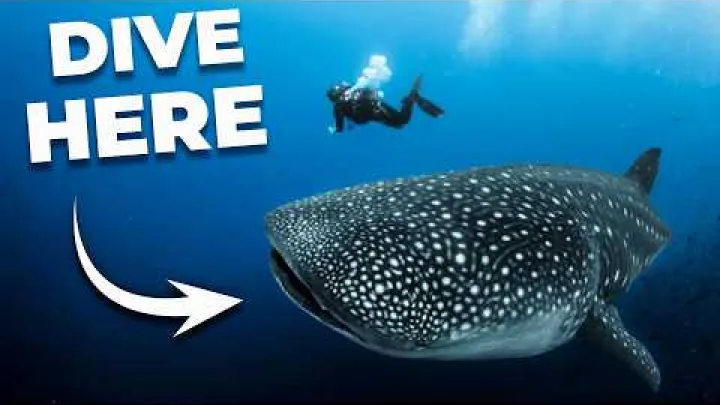
On the Andaman side, the Similan Islands’ park season usually runs mid-October to mid-May, with liveaboards offering access to sites suited to intermediate and advanced divers. In the Gulf, Sail Rock sits between Samui and Phangan as the signature pinnacle with schooling fish and occasional pelagics. Plan early for peak dates, and reconfirm the day before departure in case of sea-state changes.
Snorkeling: Surin, Railay day trips, Kata, and Koh Lanta coves
The Surin Islands stand out for clarity and marine life, with shallow reefs that suit snorkelers when seas are calm. From Railay or Ao Nang, popular longtail routes include Poda, Chicken, and Tup Islands, where sandbars and rock arches meet clear shallows on the right tide. On Phuket, Kata’s reef offers easy access near the northern headland when flags permit.

Koh Lanta has a chain of coves that shelter clear water in fair conditions, and day trips to Koh Rok are known for excellent visibility. Protect the reef by not touching corals or standing on them. Check tide tables and wind forecasts to time outings for the best clarity and gentlest surface chop.
Other water sports and boat trips
Sea kayaking opens routes through mangroves and sea caves, with notable spots at Ao Thalane near Krabi and across Phang Nga Bay.

Stand-up paddleboarding is widely available in calm bays around Phuket, Samui, and Lanta, especially early morning before wind rises.
Island-hopping by longtail or speedboat is one of the great pleasures of Thailand beaches vacation planning. Choose licensed operators, wear life vests, and confirm that safety gear and communications are on board. Trips may be canceled or rerouted during rough seas; flexible schedules and travel insurance help when weather changes plans.
Getting there and where to stay
Reaching top beaches Thailand options is simple once you match your airport to the right pier and coast. Phuket (HKT) and Krabi (KBV) anchor the Andaman, while Samui (USM) serves the Gulf with backup via Surat Thani Airport (URT) and Chumphon. Ferries and speedboats connect the dots; in high season they are frequent, and in monsoon periods they may reduce.
Airports, ferries, and boat-only access points
On the Andaman side, Phuket Airport to Patong is about 50–70 minutes by road; to Kata/Karon, around 60–80 minutes; to Khao Lak, roughly 1.5–2 hours. Krabi Airport to Ao Nang is about 30–40 minutes. From Ao Nang or Krabi Town, longtails reach Railay in 10–15 minutes from Ao Nang or around 30–45 minutes from Krabi Town, depending on sea state and queues.

For the Gulf, Surat Thani Airport to Don Sak Pier is usually 60–90 minutes by road, with ferries to Koh Samui in about 1.5–2 hours and onward links to Koh Phangan. Chumphon’s piers connect to Koh Tao in roughly 1.5–2 hours by speedboat. Boat-only access examples include Railay (longtail from Ao Nang/Krabi) and the Similan Islands (speedboat from Thap Lamu Pier near Khao Lak). Schedules vary with season and weather; check a day ahead and again on the morning of departure.
Accommodation patterns by island
Thailand beaches resorts range from hostels and bungalows to luxury villas. Phuket and Samui both have distinct beach zones by vibe and budget, from nightlife centers to quiet family coves. On smaller islands like Tao, most stays cluster within walking distance of the main beaches, with transfers arranged by your accommodation or dive center.
High season brings higher rates and tighter availability, especially from December to February on the Andaman and July to August on the Gulf. Shoulder months often offer strong value and fewer crowds, but expect some weather variability. For families, choose sheltered beaches with lifeguards when available, easy shore entries, and accommodations within a short walk of the sand to simplify daily routines.
Responsible travel and beach rules
Thailand protects several headline sites with seasonal closures, entry quotas, and on-site rules. These measures help reefs and beaches recover from heavy use and storm seasons. Travelers can support conservation by following marked paths, using reef-safe sunscreen, and respecting wildlife and posted flags.
Closures and protections: Maya Bay and the Similan Islands
Maya Bay on Phi Phi Leh prohibits swimming and typically closes seasonally for ecosystem recovery. Access is controlled through designated trails and boardwalks from the Loh Sama side, with visitor caps and timed entries when open. These rules preserve fragile coral and seagrass beds and reduce boat impact.
The Similan Islands National Park enforces strict quotas and opens only during its usual mid-October to mid-May season. Visitors must follow park rules, travel with licensed operators, and pay required fees. Always check official park announcements and operator updates for current opening dates, daily limits, and route adjustments before booking.
Safety, wildlife, and environmental care
Observe beach flags: green generally indicates safer swimming, yellow signals caution, and red means do not enter the water. Rip currents can occur, especially during monsoon months, and jellyfish are seasonal in some areas. Do not feed monkeys around Railay or elsewhere, and keep food sealed to avoid attracting wildlife.
If stung by a jellyfish, rinse the area with vinegar, remove visible tentacles with tweezers or a gloved hand, and seek medical help if pain is severe, the sting covers a large area, or symptoms worsen. Avoid rinsing with freshwater, which can trigger more stings; immerse in hot water if available (not scalding) to ease pain. For coral cuts, clean thoroughly with clean water, apply antiseptic, keep the wound dry, and monitor for infection; consider a tetanus update if needed. Key emergency numbers: 1155 for tourist police and 1669 for medical assistance.
Frequently Asked Questions
What is the best month to visit the beaches in Thailand?
The best months are November to February nationwide for dry, comfortable weather. On the Andaman coast, October to April is best; on the Gulf side, January to August is generally favorable. March to May is hotter. Heavy rains peak September to November on the Gulf and May to October on the Andaman.
Which coast is better for beaches in Thailand, Andaman or the Gulf?
The Andaman coast has dramatic scenery (Phuket, Krabi, Phi Phi, Similan) and shines October to April. The Gulf (Samui, Phangan, Tao) offers steadier conditions January to August, calmer waters, and top-value diving. Choose by season, scenery preference, and activities.
Where are the best beaches near Bangkok for a short trip?
Pattaya area and Hua Hin are the most accessible. Pattaya suits nightlife and convenience; Hua Hin offers a calmer, family-friendly feel. Travel time is roughly 2–3.5 hours by road depending on traffic and exact location.
Can you swim at Maya Bay in 2025, and when is it closed?
Swimming at Maya Bay is not allowed to protect the ecosystem. The bay typically closes annually around August–September for recovery, with exact dates set by park authorities. Visits focus on viewing from designated areas.
What are the best family-friendly beaches in Thailand?
Karon and Nai Harn (Phuket) and Lipa Noi (Koh Samui) offer gentle water and family facilities. Kata (Phuket) also suits children, with easy snorkeling near northern rocks. Always check local conditions and flags before swimming.
Where is best for learning to dive in Thailand, and when is visibility best?
Koh Tao is the top place to learn due to many schools and competitive prices. Visibility peaks July to September on Koh Tao, with whale sharks possible in March–April. Similan liveaboards offer advanced sites in their open season.
Which Thailand beaches are the least crowded but still accessible?
Ko Kradan (Trang), parts of Koh Lanta’s south, Ko Kut, and Ko Lipe’s quieter bays are good bets. Railay’s Phra Nang is stunning early morning or late afternoon outside day-trip hours. Access is easier in shoulder seasons.
Is Pattaya Beach good for swimming compared to Hua Hin?
Hua Hin is generally better for relaxed, family swimming due to calmer ambiance and long, shallow sands. Pattaya is more urban and active, suiting nightlife and convenience over beach serenity. Water quality and waves vary by day; heed local guidance.
Conclusion and next steps
Thailand beaches deliver year-round options when you align coast and season. Choose the Andaman for limestone cliffs, island-hopping, and peak months from October to April, then switch to the Gulf for calmer seas and steady weather from January to August. Families tend to favor sheltered bays with lifeguards and gentle gradients, while nightlife travelers base in Patong or Chaweng. Divers and snorkelers can time trips for Similan and Surin clarity or Koh Tao’s mid-year visibility, with Sail Rock as a Gulf highlight.
Build your route around practical corridors: Phuket–Phi Phi–Krabi in the Andaman, and Don Sak–Samui–Phangan–Tao in the Gulf, using airports closest to your first beach. During shoulder months, keep plans flexible in case wind or swell alters ferry schedules. Respect park rules at Maya Bay and the Similan Islands, observe beach flags, and practice reef-friendly habits. With these fundamentals set, you can match the best beaches in Thailand to your travel style and enjoy smooth, safe days by the sea.
Select area
Create a post
Posting is free and no registration is required.