Thailand 5 Days Itinerary: 2 Perfect Routes (Bangkok + Islands or Chiang Mai)

Planning a Thailand itinerary for 5 days is easier when you focus on Bangkok plus one region. This guide gives you two efficient routes: beaches on the Andaman coast or culture and mountains in Chiang Mai. You will see how to match your month to the right coast or the north, limit transit time, and still enjoy temples, markets, and memorable food. Use the day-by-day plans, budget snapshots, and transport tips to build a smooth first trip.
Choose your route: beaches or culture in five days

Route A overview: Bangkok + Andaman coast (Phuket/Krabi)

You will take one short domestic flight each way, then split your remaining time between soft-sand bays and boat tours to Phi Phi or Phang Nga Bay. In Bangkok, travel by river ferry, BTS, or Grab to save time between the Grand Palace area, Chinatown, and modern malls.
Weather is a key factor.
Route B overview: Bangkok + Chiang Mai (north)
This route balances Bangkok’s royal landmarks with Northern Thailand’s temples, markets, and green hills. A direct flight of about 1–1.5 hours links the cities, giving you time for Old City highlights like Wat Chedi Luang and Wat Phra Singh, a morning at Doi Suthep for sweeping views, and optional activities such as a Thai cooking class or an ethical elephant sanctuary visit.
Comfort is highest from November to February, when days are cooler and skies are clear. Be aware that smoke and haze can affect air quality roughly February to April, especially late in the season. Prices and crowd levels rise during major festivals like Loi Krathong and Yi Peng (usually in November), when accommodation books out early and night skies glow with lanterns—beautiful, but busier.
How to decide based on season, interests, and travel time

Match your month to regional patterns first. Choose the Andaman coast (Phuket/Krabi) from around November to March for steadier seas and more reliable marine tours. If you are traveling from May to October and want beaches, consider the Gulf islands (Samui/Phangan/Tao). If your interests lean toward culture, markets, and mountains, Chiang Mai is a strong pick in the cool season from November to February, while the rainy months still offer lush scenery and lower prices.
Keep logistics simple for a 5-day plan. Limit yourself to one domestic round trip and avoid crisscrossing the country to squeeze in a third region. That way you protect 2–3 full days in your chosen base, instead of losing time to repeated transfers. Use morning flights and keep a buffer on departure day to keep stress low.
- Quick decision checklist:
- Travel month: Nov–Mar = Phuket/Krabi; Jan–Aug = Samui/Phangan/Tao; Nov–Feb = Chiang Mai peak comfort.
- Main interest: Beaches/boat tours = Route A; Temples/food/mountains = Route B.
- Transit limit: Bangkok + one region only; 1 domestic return flight.
- Festival impact: Loi Krathong/Yi Peng raise rates and crowds in Chiang Mai.
- Weather risk tolerance: If seas are rough, swap to Gulf islands or pick Route B.
Day-by-day itinerary — Route A (Bangkok + Andaman coast)
Day 1: Bangkok highlights (Grand Palace, Wat Pho, Wat Arun) + massage

Cross the river by ferry to Wat Arun to enjoy its porcelain spires and riverside views. Moving between sites by river boat or Grab reduces time lost to traffic and heat.
Practical notes help the day flow smoothly. The Grand Palace typically opens around 8:30 and last entry is mid-afternoon; tickets are about 500 THB and sold at official gates only. Dress with shoulders and knees covered. Ignore anyone outside who says the palace is “closed” and tries to redirect you to a gem shop or tuk‑tuk tour.
Day 2: Fly to Phuket or Krabi; beach time and sunset

Catch a morning flight from Bangkok to Phuket (HKT) or Krabi (KBV), a journey of roughly 1–1.5 hours on multiple carriers. In Phuket, consider staying near Kata, Karon, or Patong for access to beaches and tour pick-ups; in Krabi, Ao Nang is convenient for boats to nearby bays. Use the afternoon to settle in and relax on the sand.
Transfer times and indicative costs: Phuket airport to Patong is about 45–60 minutes by taxi (approximately 700–900 THB) or by shared minivan (around 180–220 THB). Krabi airport to Ao Nang takes about 35–45 minutes by taxi (roughly 600–800 THB) or shared minivan (about 150–200 THB).
Day 3: Phi Phi or Phang Nga Bay boat tour

Choose between two iconic day trips. Phi Phi offers clear water and snorkeling stops; note Maya Bay access rules often prohibit swimming to protect the bay and limit time ashore. Both tours run early to dodge crowds and heat.
Expect 6–9 hours dock-to-dock depending on route and boat type. Speedboat tours typically range about 1,800–3,800 THB per adult (roughly USD 50–110), while larger boats or hybrid tours can run around 1,200–2,500 THB (USD 35–70). National park fees are usually paid on arrival (about 200–400 THB; USD 6–12). Bring reef‑safe sunscreen, a hat, a dry bag, and be aware that weather can change plans or cause cancellations, especially May–October.
Day 4: Local sights (Big Buddha/Wat Chalong) or Railay; relax

In Phuket, visit the Big Buddha for views over the island, then explore Wat Chalong and colorful Sino‑Portuguese shophouses in Phuket Old Town. In Krabi, take a long‑tail boat to Railay to spend a few hours between caves, beaches, and short viewpoints. Leave a buffer in the afternoon for a cafe stop or a spa session.
Safety tips: The sun is intense year‑round; use high‑SPF, reef‑safe sunscreen and reapply after swimming. Observe lifeguard flags and avoid red‑flagged areas due to rip currents. If renting scooters or cars, always wear helmets, carry a valid license, check that your travel insurance covers motorbike use, and take photos of any existing vehicle damage.
Day 5: Fly to Bangkok; markets/shopping; depart

Fly back to Bangkok in the morning to position for your international flight. If you have time, shop at Chatuchak Weekend Market (weekends only) or at central malls like MBK Center, Siam Center, or Siam Paragon for souvenirs and last snacks.
Keep a minimum three-hour buffer for international departures, more if you need to reclaim luggage from storage. Alternative exit: Many travelers fly home directly from Phuket or Krabi, often connecting via hubs like Singapore, Kuala Lumpur, or the Middle East. If doing so, verify baggage rules and minimum connection times on a single ticket; for separate tickets, allow extra time to re-check bags.
Day-by-day itinerary — Route B (Bangkok + Chiang Mai)
Day 1: Bangkok temples, river ferry, street food

Begin with Bangkok’s river-side classics to minimize cross-city travel. Arrive at the Grand Palace close to opening to avoid lines, then walk to Wat Pho. After a river ferry ride, explore Wat Arun’s riverside compound for mid-morning shade and breezes. Use BTS/MRT and boats to reduce time in traffic and heat.
Time-optimized sequence: Grand Palace first (dress code enforced), Wat Pho second for the Reclining Buddha and shady cloisters, then cross to Wat Arun. In the evening, take a guided street food crawl in Chinatown or follow a DIY route near Victory Monument. Choose vendors with high turnover and dishes cooked to order for the freshest results.
Day 2: Fly to Chiang Mai; Old City temples and night market

Spend the afternoon visiting Wat Chedi Luang’s brick stupa and Wat Phra Singh’s elegant Lanna architecture. Pause for coffee in a leafy courtyard or browse local crafts.
Market timing matters: The Night Bazaar operates daily with most stalls opening in the evening, while the Sunday Walking Street runs only on Sunday along Ratchadamnoen Road. On Saturdays, the Wua Lai Walking Street near the silver temple is a good alternative. Plan your dates so that at least one of these markets aligns with your stay.
Day 3: Doi Suthep + Old City or cooking class

Go early to Wat Phra That Doi Suthep for panoramic views and a quieter experience. A shared songthaew (red truck) from the Old City or the zoo area is a budget option; Grab can take you to the trailhead or the temple car park. You can add a short visit to a nearby Hmong village or a nature trail if time and fitness allow.
Return to the Old City for lunch and additional temples, or join a Thai cooking class in the afternoon. Reputable schools include market pickups, round-trip transfers, and vegetarian-friendly menus. Best hours to avoid crowds at Doi Suthep are early morning (before 9:00) or late afternoon near sunset, weather permitting.
Day 4: Ethical elephant sanctuary or Doi Inthanon day trip

If you choose an elephant experience, prioritize no-riding, no chains, and hands-off observation of natural behaviors. Look for clear welfare standards on the operator’s website, veterinary oversight, small group sizes, and transparent rescue or conservation goals. Many sanctuaries now avoid bathing interactions to minimize stress.
Some trails such as Kew Mae Pan have seasonal openings; confirm before you go. Pre-book a reputable operator, verify inclusions like park fees and lunch, and ask about group size and cancellation policies.
Day 5: Fly to Bangkok; final shopping; depart

Spend a relaxed morning at cafes or at Warorot Market for textiles, spices, and snacks. Then take a midday or early afternoon flight back to Bangkok for your onward international connection. Use airport luggage storage if you have sightseeing time during a long layover.
For separate tickets, allow generous buffers: 3.5–4 hours between scheduled arrival in Bangkok and an international departure is sensible, especially if you must change terminals or re-check bags. For through tickets on one reservation, follow your airline’s minimum connection time and consider earlier flights when available.
Budget and trip costs (5-day snapshot)
Sample daily budgets: budget, mid-range, luxury

Thailand can fit a wide range of budgets. A tight 5 days itinerary in Thailand is realistic for backpackers and comfortable for mid-range travelers, with luxury options in both Bangkok and the islands or Chiang Mai. Costs vary by season and location, with December–January and major festivals seeing higher rates and faster sell-outs.
Approximate daily ranges per person: Budget about USD 35–50 (roughly 1,250–1,800 THB), mid-range around USD 70–120 (2,500–4,300 THB), and luxury from USD 180+ (6,500+ THB). Food: street meals 70–150 THB (USD 2–4), restaurant mains 280–700 THB (USD 8–20). A one-hour Thai massage often costs 300–700 THB (USD 8–20). Exchange rates change, so treat all conversions as estimates and check current rates when you book.
| Category | Budget (THB/USD) | Mid-range (THB/USD) | Luxury (THB/USD) |
|---|---|---|---|
| Lodging (per night) | 300–750 / 8–20 | 1,400–3,200 / 40–90 | 5,400+ / 150+ |
| Food (per day) | 200–400 / 6–12 | 500–1,200 / 14–35 | 1,800+ / 50+ |
| Activities (per day) | 200–600 / 6–17 | 800–2,000 / 23–57 | 3,000+ / 85+ |
Note: Peak-season surcharges during Dec–Jan and festival periods (such as Loi Krathong/Yi Peng) can lift accommodation and tour prices significantly; book early to lock in rates.
Typical prices for tours, entries, and massage
Expect boat tours in Phuket/Krabi to cost around 1,200–3,800 THB (USD 35–110) depending on boat type, route, and inclusions. National park entrance fees are commonly about 200–400 THB (USD 6–12) per adult. The Grand Palace ticket is about 500 THB (roughly USD 14). Thai cooking classes often fall in the 900–1,600 THB range (USD 25–45), while ethical elephant day trips may cost about 2,200–3,600 THB (USD 60–100) including transfers and lunch.
Domestic flights can range from about 1,100–3,500 THB (USD 30–100) one-way depending on season and baggage. Shared airport transfers are usually 350–900 THB (USD 10–25), while private taxis cost more but save time. Because exchange rates fluctuate, quote and compare in both THB and your home currency before paying.
Transport and entry logistics
Fast transfers: flights, ferries, typical times and costs

Thailand’s domestic network makes a 5-day plan efficient if you book smart. For island hops, ferries run Phuket–Phi Phi in roughly 1.5–2 hours and Krabi (Ao Nang or pier)–Phi Phi in about 1.25–2 hours. Railay is accessed by a 10–15‑minute long‑tail boat from Ao Nang.
Plan for baggage rules. Low-cost carriers commonly include 7 kg cabin bags and charge extra for 15–20 kg checked bags, with add-on fees increasing near departure. Buying baggage at booking is cheaper than paying at the airport. Protect same‑day connections by choosing earlier flights, leaving buffers for weather or traffic, and using travel insurance that covers delays and missed connections.
Getting around cities: BTS/MRT, Grab, taxis, tuk‑tuks

Use Bangkok’s BTS and MRT for fast cross-city trips, then connect by river boats to Old City sights. Grab offers predictable fares and in‑app payment, helpful when you do not have small bills. In taxis, ask drivers to turn on the meter; if they refuse, politely choose another car or use Grab. Tuk‑tuks are best for short hops; always agree on a fare before starting.
Helpful tools include the Rabbit Card for transit and Chao Phraya Express Boats for riverside attractions. Around major sights, beware of friendly strangers suggesting detours, gem shop visits, or “special” tuk‑tuk tours that waste time and money. Stick to your plan, buy tickets only at official counters, and follow signposted exits at transport hubs.
Visa options and TDAC (Digital Arrival Card) requirements
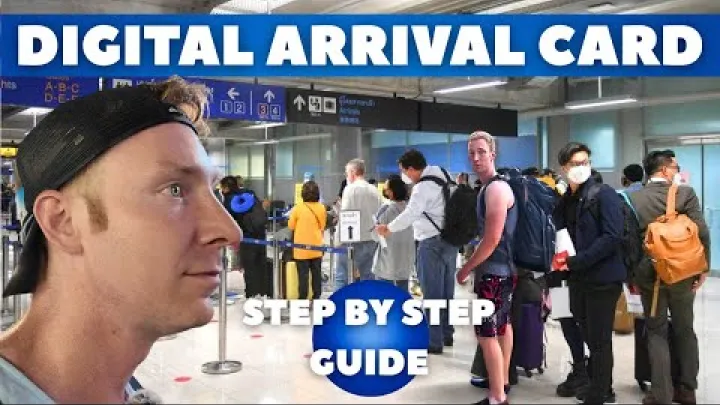
Many nationalities can enter Thailand visa‑exempt for short stays, while others may be eligible for Visa on Arrival. Requirements vary by passport and can change, so confirm details with your nearest Royal Thai Embassy or official government website before travel. Ensure your passport has at least six months’ validity from your entry date and keep proof of onward or return travel and your first accommodation address.
Thailand’s arrival form policies (including the paper TM6 card or any digital arrival card initiatives) have changed at times. Some periods require forms, while others suspend them. Check the latest guidance a few days before departure so you know whether any online pre‑arrival step is needed. Carry printed copies of confirmations and be ready to show funds if requested.
Best time to visit (by region)
Andaman coast vs Gulf of Thailand weather windows

Thailand spans two coasts with different monsoon patterns. The Andaman side (Phuket, Krabi, Phi Phi) typically enjoys its best beach weather from November to March, with calmer seas and clearer visibility. From May to October, winds and waves are stronger, and some boat trips may be canceled or rerouted for safety.
The Gulf of Thailand (Koh Samui, Koh Phangan, Koh Tao) is often best from January to August, with its wettest period usually October to December. If your dates fall during the Andaman monsoon months and you want reliable beach days, choose the Gulf islands as a plan B. Always build flexibility into boat planning to handle weather changes gracefully.
Northern Thailand seasons and comfort

Northern Thailand has a cool, dry season from November to February, a hot season from March to May, and a rainy season from June to October. During the cool season, mornings and evenings can be crisp, especially at elevation, making outdoor sightseeing pleasant. The hot season brings higher daytime temperatures, while rains in the monsoon months refresh waterfalls and rice fields.
Typical temperature ranges: cool season about 15–28°C (59–82°F) in the city and cooler in the mountains at night; hot season often 25–36°C (77–97°F); rainy season roughly 23–32°C (73–90°F) with short, heavy downpours. Air quality may drop during the burning season around February to April—monitor the AQI and consider a flexible plan if you are sensitive to smoke.
Food highlights in five days
Essential dishes to try in Bangkok and Chiang Mai
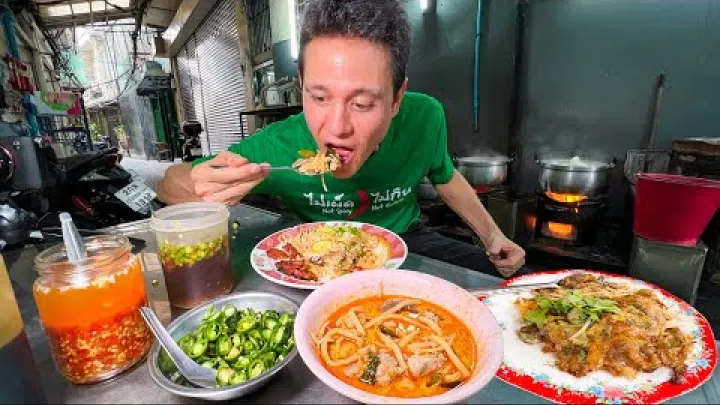
Thailand’s culinary diversity shines even on a short trip. In Bangkok, staple tastes include pad thai, tom yum goong, boat noodles near canals, and mango sticky rice from trusted dessert stands. In Chiang Mai, seek the creamy curry noodle soup khao soi, grilled sai ua (northern sausage), and nam prik dips with local vegetables.
Dietary needs are widely accommodated. Many restaurants offer vegetarian dishes marked “jay” (vegan Buddhist style), and halal options are available in areas with Muslim communities and at select hotel restaurants. To request milder spice, say “mai phet” (not spicy) or “phet nit noi” (a little spicy). For shellfish allergies, ask to avoid shrimp “mai sai kung.” Always confirm sauces, as fish sauce (nam pla) or oyster sauce (nam man hoi) are common in stir-fries.
Street food tips and hygiene basics

Choose stalls with high turnover where food is cooked to order and ingredients look fresh. Observe cleanliness, including how cash and food are handled. Use bottled water, carry hand sanitizer, and be cautious with ice if you are unsure of its source. Start with well-known clusters like Chinatown in Bangkok or the Sunday Walking Street in Chiang Mai for variety and crowd-vetted vendors.
Prepare small bills for quick payment and learn a few helpful words that relate to allergens. Useful transliterations include: peanut (thua li song), shrimp (kung), crab (pu), shellfish (hoi), fish sauce (nam pla), oyster sauce (nam man hoi), egg (khai), milk (nom), soy sauce (see ew). Show the phrase “mai sai …” (do not add …) to vendors alongside the ingredient name, and consider carrying a written card in Thai from your hotel for clarity.
Respectful and responsible travel
Temple dress code and etiquette
Temples are active places of worship, so dress and behavior matter. Cover shoulders and knees, and remove shoes and hats before entering temple buildings. Keep voices low, avoid pointing feet at Buddha images, and do not touch monks. Photography may be restricted in certain areas; follow posted signs and directions from staff.
If you arrive without appropriate clothing, major temples often provide sarong rentals or loan items near the entrance. Donations are optional but appreciated; use official boxes rather than handing cash to individuals. A respectful approach makes visits more comfortable for everyone and helps preserve these sites for the future.
Ethical wildlife experiences
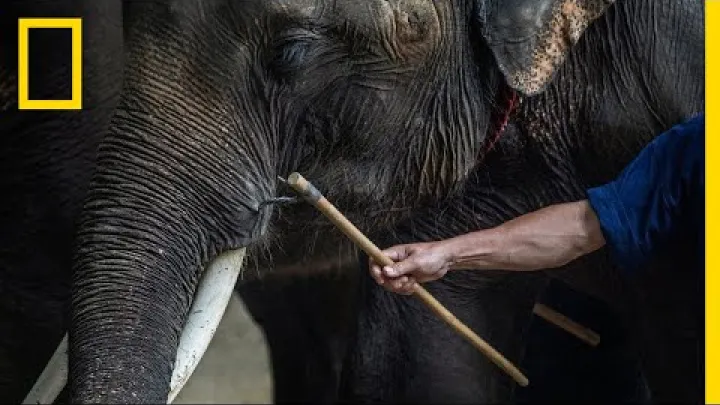
An ethical encounter prioritizes animal welfare over entertainment. Avoid places that offer rides, chains, tricks, or forced bathing. Look for transparent welfare standards, veterinary oversight, limited group sizes, and clear rescue or conservation missions. Observation-based visits—watching natural behaviors from a safe distance—are the gold standard.
Simple checklist to vet operators:
- No riding, no hooks, no chains; hands-off policy stated in writing.
- On-site vet or documented veterinary partnership.
- Small groups with limited daily visitor numbers.
- Financial transparency and clear origin stories for animals.
- Independent reviews that mention welfare, not only photo ops.
Prefer national parks and conservation-focused tours when in doubt, and report mistreatment to local authorities or your embassy.
Frequently Asked Questions
Is 5 days enough to see Thailand for a first visit?
Yes, if you focus on Bangkok plus one region. Choose either beaches (Phuket/Krabi) or culture (Chiang Mai) to limit transit time. This approach gives you 2–3 full days in your chosen base and 1 day in Bangkok, with less time lost to flights and transfers.
What is the best 5-day itinerary for Thailand (beaches vs. Chiang Mai)?
The two most efficient plans are Bangkok + Phuket/Krabi for islands and marine tours, or Bangkok + Chiang Mai for temples, mountains, and markets. Match your choice to season: Nov–Mar often favors the Andaman coast, while Nov–Feb is the most comfortable window for Chiang Mai. If traveling May–Oct and you want beaches, consider the Gulf islands (Samui/Phangan/Tao).
How much does a 5-day trip to Thailand cost on a budget or mid-range plan?
Budget travelers typically spend about 1,250–1,800 THB (USD 35–50) per day; mid-range travelers about 2,500–4,300 THB (USD 70–120). Add domestic flights at roughly 1,100–3,500 THB (USD 30–100) each way and one boat tour at about 1,200–3,800 THB (USD 35–110). Prices rise in peak season and can vary with exchange rates.
When is the best time to visit Thailand for a 5-day beach trip?
For Phuket/Krabi on the Andaman coast, November to March usually brings the best sea conditions. For the Gulf islands (Samui/Phangan/Tao), January to August is generally the driest period. Check local forecasts close to your dates and keep a flexible plan for boat tours.
Do I need a visa or a digital arrival card for a 5-day stay?
Many nationalities are visa-exempt for short stays, while others can use Visa on Arrival. Thailand’s arrival form policies (paper TM6 or any digital arrival card) have changed at times. Verify current rules for your passport with a Royal Thai Embassy website a few days before you fly. Ensure six months’ passport validity and proof of onward travel.
How do I travel from Bangkok to Phuket or Chiang Mai quickly?
Direct flights take about 1–1.5 hours. Book morning departures to protect same-day plans and leave buffer time for connections. In Bangkok, the Airport Rail Link (BKK) or Grab/taxis are the fastest transfers depending on traffic and your terminal.
What should I wear when visiting Thai temples?
Cover shoulders and knees, remove shoes and hats inside temple buildings, and speak softly. Avoid pointing feet at Buddha images. At major temples, sarong rentals are often available if needed.
Can I do Bangkok, Phuket, and Chiang Mai all in 5 days?
It is not recommended because you will lose too much time to flights and transfers. Sticking to Bangkok plus one region makes the trip more enjoyable and gives you fuller days for activities and rest.
Conclusion and next steps
For a smooth Thailand 5 days itinerary, commit to Bangkok plus one region. Pick Phuket/Krabi in the Andaman season for beaches and boat tours, or choose Chiang Mai for temples, markets, and mountains—especially in the cool months. Keep transfers simple with one domestic round trip, book morning flights, and allow buffers on departure day. With the sample days, budget ranges, and transport notes above, you can adapt the plan to your dates and interests with confidence.
Select area
Create a post
Posting is free and no registration is required.