Thailand 5 Baht Coin: Value, Worth by Year, Specs, Rarity, and Identification
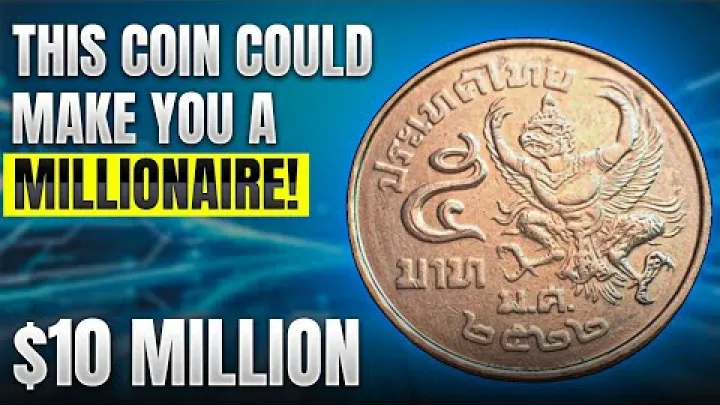
The Thailand 5 baht coin is a widely used, silver-gray circulation coin that attracts attention from travelers, new collectors, and experienced numismatists alike. People often search for its value, the rare years to watch for, and how to tell designs from different reigns apart. This guide brings together key specifications, design history, market factors, and practical identification tips. It also explains face value versus collector value, and how to convert 5 baht to INR, PHP, and USD in a simple, repeatable way.
Quick facts and specifications
The 5 baht is a mid-value Thai denomination used daily in shops, transit, and vending machines. It is silver colored due to a cupronickel surface over a copper core and has a plain, smooth edge. Its diameter has remained a consistent 24 mm across modern issues, while the weight changed in 2009 as part of a national cost and efficiency update.
For collectors, the coin’s fixed diameter and simple edge make size and edge checks quick and reliable. The most important technical change to remember is the reduction in mass from 7.5 g to 6.0 g effective February 2, 2009. Both the earlier heavier coins and the lighter post-2009 coins circulate together, so you may encounter either weight in pocket change in Thailand.
Dimensions, weight, and composition (pre-2009 vs post-2009)
By specification, the Thailand 5 baht coin has a diameter of 24 mm and a standard round shape. The surface is a cupronickel cladding (approximately 75% copper and 25% nickel) over a copper core, which gives the coin a durable, silver-gray appearance. The weight was 7.5 g prior to February 2, 2009, and 6.0 g from February 2, 2009 onward, while the 24 mm diameter remained unchanged across the transition.
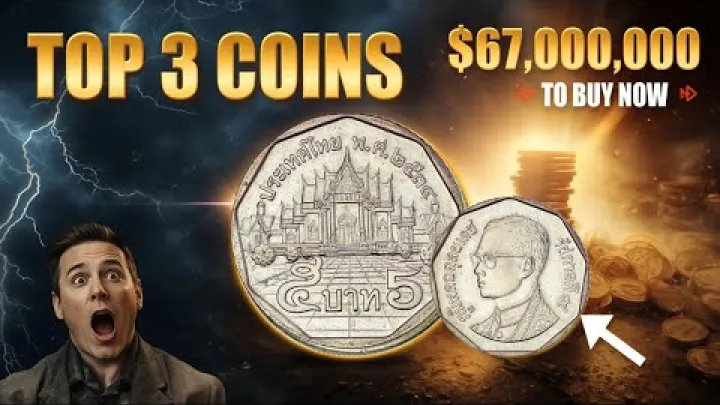
In mass production, minor manufacturing tolerances are normal, and light circulation wear also affects measured weight and thickness. Expect small variations rather than exact values down to the hundredth of a gram or tenth of a millimeter. The effective date for the lighter 6.0 g planchet is widely stated as February 2, 2009, and coins of both standards have continued to circulate side-by-side, which can be confirmed by weighing a sample using a precise scale.
| Specification | Pre-2009 | Post-2009 |
|---|---|---|
| Diameter | 24 mm | 24 mm |
| Weight | 7.5 g | 6.0 g |
| Composition | Cupronickel-clad copper | Cupronickel-clad copper |
| Edge | Plain | Plain |
Edge, color, and circulation role
The coin’s edge is plain, which is easy to feel and see, and it has a silver-gray color from the cupronickel cladding. Unlike the 10 baht coin, which is bimetallic with a brass-colored center and a copper-nickel ring, the 5 baht coin is a single-color piece. In circulation, it functions as a common mid-value coin suitable for everyday purchases and is one of the most frequently encountered denominations in change.
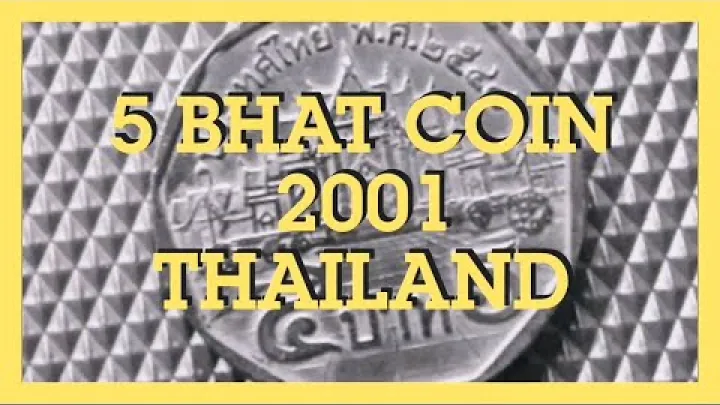
Tactile cues can speed identification in a pocket or coin tray. The 5 baht’s plain edge has a smooth, continuous feel, and the coin’s overall thickness and 24 mm size give it a balanced, compact profile. Over time, surfaces can show light wear, contact marks, and gentle gray toning typical of cupronickel. These natural changes do not affect authenticity and are expected on coins that have seen regular use.
- Plain edge: no reeding or lettering, smooth to the touch
- Color: uniform silver-gray, not two-toned
- Role: common daily-use coin in Thai commerce
Design and history at a glance
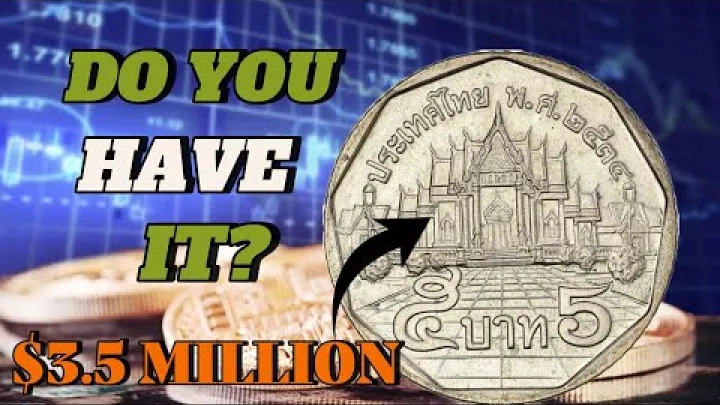
The circulating 5 baht series has two major design types aligned with royal reigns. Under King Bhumibol Adulyadej (Rama IX), the reverse depicted Wat Benchamabophit, the Marble Temple, while under King Maha Vajiralongkorn (Rama X), the reverse shows the Royal Monogram. The denomination was first struck in 1972, saw a weight change in 2009, and transitioned to the Rama X design in 2018.
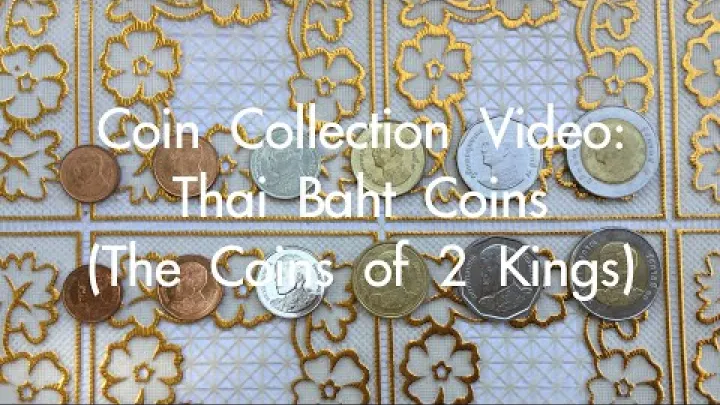
Both types are legal tender and may appear alongside one another in change. Collectors often build type sets showing each design and date sets covering the long Rama IX era and the growing Rama X period. Understanding Thai dates and basic design elements will help you categorize coins quickly and accurately.
Rama IX era (Wat Benchamabophit reverse)
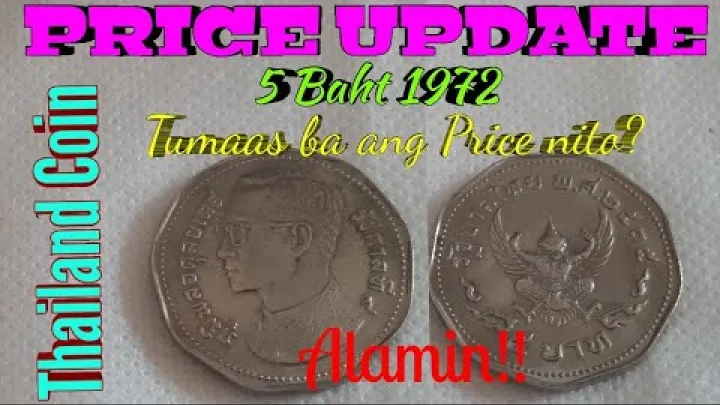
Rama IX 5 baht coins show the portrait of King Bhumibol Adulyadej on the obverse with Thai legends. The primary circulation series spans from 1972 through 2017.
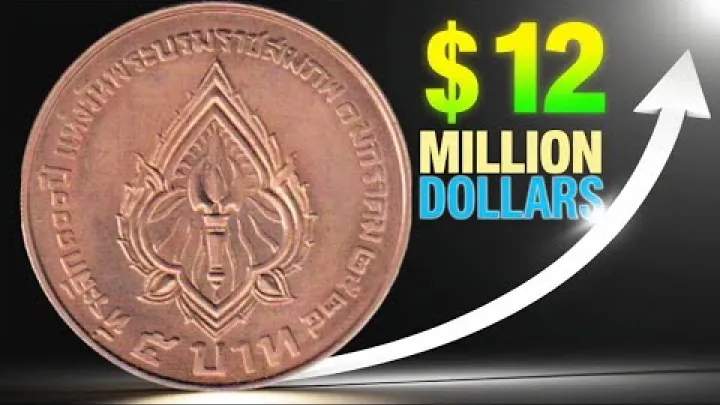
To read dates, note that Thai coins use the Buddhist Era (BE). Convert to the Common Era (CE) by subtracting 543. For example, BE 2550 is CE 2007. Dates are written with Thai numerals, so recognizing the digits helps: ๐(0), ๑(1), ๒(2), ๓(3), ๔(4), ๕(5), ๖(6), ๗(7), ๘(8), ๙(9). With practice, you can quickly distinguish years and identify the long Rama IX run anchored by the Marble Temple reverse.
- Buddhist Era to CE: CE = BE − 543
- Thai numerals on the date: ๐ ๑ ๒ ๓ ๔ ๕ ๖ ๗ ๘ ๙
- Reverse motif: Wat Benchamabophit (Marble Temple)
Rama X era (Royal Monogram reverse)
The Rama X design was introduced on April 6, 2018, marking the reign of King Maha Vajiralongkorn. The obverse presents the king’s portrait with updated legends, while the reverse bears the Royal Monogram of Rama X. Core specifications carry over from the late Rama IX series: 24 mm diameter, 6.0 g weight, cupronickel-clad copper, and a plain edge.
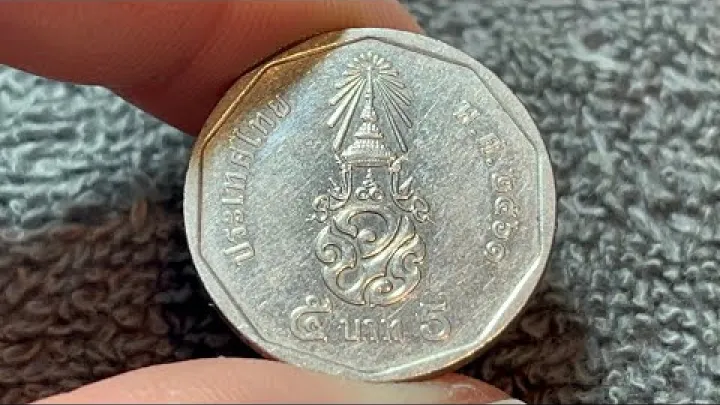
Across subsequent years, minor portrait refinements, spacing tweaks, or subtle font adjustments can occur in large-scale minting as dies are updated, but the central portrait and monogram concept remain consistent. Collectors often note small differences in relief sharpness or lettering alignment between years or batches; such variations are typical of modern circulating issues and do not indicate a different type.
Key milestones (1972 start, 2009 weight change, 2018 redesign)
The modern 5 baht coin began in 1972 and has maintained a consistent role in Thai commerce. A significant technical milestone came on February 2, 2009, when the coin’s mass was reduced from 7.5 g to 6.0 g while keeping the same diameter. This change aimed to optimize material costs and production efficiency without disrupting vending and handling systems that recognize coin size.
In 2018, the circulating design transitioned to Rama X with a new portrait and the Royal Monogram reverse. Within the long timeline, one date is especially notable: the regular 1997 issue, which had a very low mintage and is scarce. In contrast, 2009 saw heavy production as the lighter coins were rolled out, and both old and new-weight pieces circulated in parallel for years afterward.
What is a Thailand 5 baht coin worth?
Most common, circulated Thailand 5 baht coins trade near face value. Collector value above 5 baht depends on year, mintage, condition, and demand. Uncirculated examples, proofs, commemoratives, and scarce dates can command premiums, while well-worn common dates usually do not.
Because markets change, avoid assuming fixed prices. Instead, verify with recent sales, dealer price lists, and reputable grading resources. When in doubt, especially for a coin you suspect is scarce, seek expert opinions or third-party grading to document authenticity and condition.
Typical market ranges by condition
Condition is one of the strongest drivers of value. Well-circulated coins with heavy wear are typically worth face value, especially for common years. As you move into higher-end circulated (Extremely Fine) and lightly circulated (About Uncirculated) levels, eye appeal and luster can add modest premiums on dates with steady collector demand.
![Preview image for the video "How To GRADE Coins Yourself To Determine VALUE [Coin Condition 101]".](/sites/default/files/styles/media_720x405/public/oembed_thumbnails/2025-11/ymJS8pgMexBUu5pvMVeGXV-4Xec4ibNE1i5dGuRiVY8.jpg.webp?itok=pG1pufVh "Preview image for the video \"How To GRADE Coins Yourself To Determine VALUE [Coin Condition 101]\".")
Uncirculated coins (Mint State) often bring the most interest for modern issues, particularly in original rolls, mint sets, or with proven provenance. Proofs and special strikes sell as collectibles rather than as spending money, and they are judged on mirror fields, frosted devices, and absence of hairlines. Always compare against recent, confirmed transactions rather than outdated lists, and remember that luster, strike quality, and attractive toning can shift realized prices.
- Drivers: mintage, condition, eye appeal, and collector demand
- Proof and special issues: collected for finish and quality, not face value
- Verification: check recent sales and trusted price guides
Scarce years and commemoratives (1997 anomaly)
The standout rarity in the regular series is 1997, with an extremely low mintage estimated around 10,600 pieces. This makes genuine 1997-dated circulation coins highly sought after and often targets of alteration attempts. If you believe you have a 1997 coin, careful authentication is essential, since modifying other years’ numerals to resemble “1997” in Thai script is a known risk.
Beyond 1997, select commemoratives and low-mintage years can draw attention, particularly in high grade. For coins that may be above average in value, consider third-party grading to document authenticity and condition and to minimize negotiation uncertainty. When assessing a candidate, use clear magnified photos, compare the date’s Thai numerals carefully, and review multiple reputable references to reduce the chance of mistaking an altered piece for a true rarity.
Converting 5 baht to other currencies (INR, PHP, USD)
If you want to know the equivalent in Indian rupees, Philippine pesos, or U.S. dollars, use any trusted online converter or a banking app and enter “5 THB to INR,” “5 THB to PHP,” or “5 THB to USD.” The figure you see is the exchange value of the currency, not the collectible worth of an individual coin.
Collectors should separate exchange value from market value. A scarce date like 1997 may sell for much more than any currency conversion. Also note that real-world conversions involve spreads and fees, and many exchange services do not accept coins at all. Check the timestamp on any quoted rate, because foreign exchange markets move throughout the day.
Face value vs collector value
Face value is what the coin spends for in Thailand: 5 Thai baht. When you convert that 5 THB to INR, PHP, or USD, you are calculating the currency equivalent, which varies with market rates and may be affected by fees. Coins are typically not exchanged outside Thailand, and exchange counters usually focus on banknotes rather than coins.
Collector value is separate. A coin’s grade, rarity, and demand determine its price in the numismatic market. There is no silver content in circulation 5 baht coins—cupronickel cladding over a copper core is standard—so melt or bullion value is not a driver. Always assess collectible pricing independently from currency exchange calculations.
Simple method to check live conversion
The resulting figure is the live estimate. For multiple coins, multiply accordingly, and remember that buy/sell spreads and service fees reduce the amount you actually receive.

Because rates fluctuate, note the time and date of the quote you use, especially if you plan a comparison later. Search engines also interpret direct queries like “5 THB in Indian rupees,” but bank rates can differ from public mid-market quotes. Recheck the rate shortly before making any financial decision.
How to identify and distinguish the 5 baht coin
The Thailand 5 baht coin is straightforward to identify once you know a few quick cues. It is 24 mm across, silver-gray, single-colored, and has a plain edge. The main design differences involve the portrait and the reverse motif, which shift between the Rama IX and Rama X types.
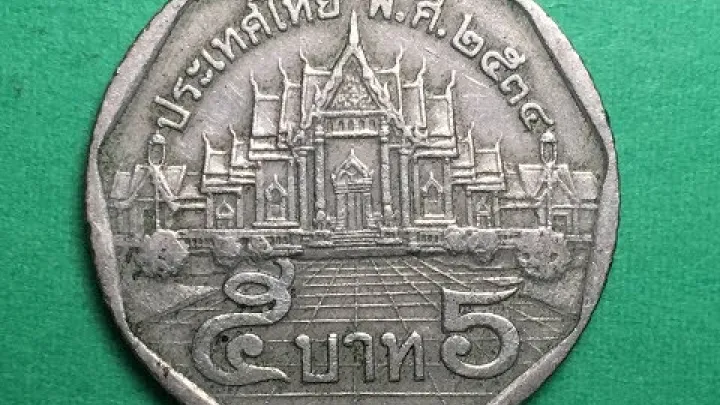
In mixed groups of Thai coins, size and color sort quickly: 1 and 2 baht are smaller and lighter, while 10 baht is distinctively bimetallic. The 5 baht sits in the middle—larger than 1 and 2 baht but smaller and simpler in color than the 10 baht. Thai numerals for the date and denomination confirm what you have.
Quick recognition tips vs 1, 2, and 10 baht
At a glance, the 5 baht is silver-gray, 24 mm in diameter, and has a plain edge. It is not bimetallic. That makes it immediately different from the 10 baht, which has a brass-colored center with a contrasting ring. Compared to 1 and 2 baht coins, the 5 baht is larger and feels more substantial in the hand.
A handy mnemonic is: “Silver, smooth, mid-size.” Silver color with a smooth edge, not too small like 1 or 2 baht and not two-toned like 10 baht, points to 5 baht. Post-2009 pieces also feel a touch lighter due to the 6.0 g standard. The denomination and date appear in Thai script and numerals, so matching the Thai digits to 0–9 helps verify what you are seeing.
- 5 baht: 24 mm, silver-gray, plain edge
- 1 and 2 baht: smaller; 2 baht often golden-colored in modern issues
- 10 baht: bimetallic with a brass center and cupronickel ring
Spotting Rama IX vs Rama X at a glance
Rama IX coins show King Bhumibol Adulyadej on the obverse and Wat Benchamabophit on the reverse. Rama X coins display King Maha Vajiralongkorn on the obverse and the Royal Monogram on the reverse. The switch to Rama X began in 2018, but both types continue to circulate together.
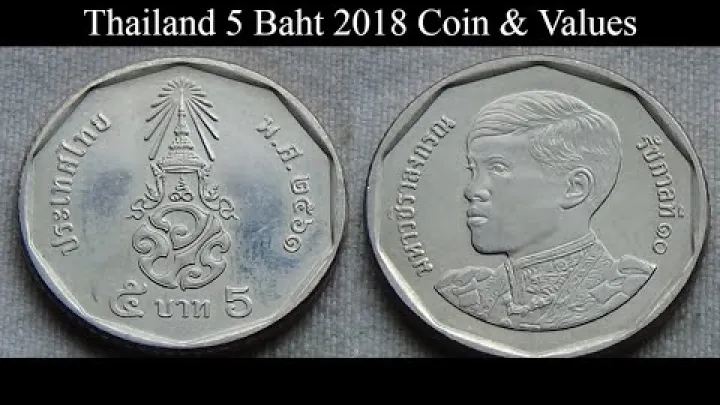
To confirm the period, read the Thai year numerals and convert from the Buddhist Era (subtract 543 to get the CE year). Transitional realities mean you may find 2018-dated pieces in both styles in change for some time, and older Rama IX coins remain common. When building sets, grouping by reverse design (temple vs monogram) is a reliable first step.
Buying, selling, and grading tips
If you plan to buy or sell Thailand 5 baht coins, a structured approach reduces risk and improves outcomes. Start by identifying the design (Rama IX vs Rama X), reading the Thai date, and estimating condition. Then, compare your coin with recent sales of the same year and type to understand current market interest.

For higher-value pieces—especially any coin you believe might be 1997 or a low-mintage commemorative—strong photos, reliable authentication, and careful storage will help protect value. When necessary, consider professional grading to document the piece’s originality and state of preservation.
Where to buy and how to avoid issues
Purchase from reputable dealers, established auction platforms, or well-reviewed marketplaces with transparent policies. Clear, high-resolution photos are essential for confirming design type, date in Thai numerals, and surface condition. If a listing lacks adequate images of the date, obverse portrait, and reverse details, request more information.

Compare seller terms, shipping options, and buyer protections before committing. Favor listings with return policies and clear provenance for scarce dates. Be cautious with coins that appear cleaned or altered, particularly on key years such as 1997, where counterfeiters may modify numerals to mimic the rare date. Document your acquisition with order records or a short provenance note to support future resale.
- Check date and type carefully in Thai numerals
- Review seller ratings, return policies, and shipping insurance
- Avoid obviously cleaned or polished coins
- Save receipts and any provenance details
Grading, storage, and care
Apply standard grading tiers such as AU (About Uncirculated) and MS (Mint State) to describe condition consistently. Avoid cleaning, as abrasion and chemical residues can permanently reduce value. For rarities and high-grade examples, third-party grading can remove uncertainty and often makes it easier to sell at a fair price.

Differentiate gentle conservation from destructive cleaning. Acceptable conservation might include a brief soak in distilled water to remove loose dirt, followed by air drying without rubbing. Do not use polishes, acids, or abrasive cloths. Store coins in inert holders such as archival-quality flips or capsules, handle them by the edges, and keep them in a cool, dry environment to minimize toning or corrosion.
Frequently Asked Questions
What is the current value of a Thailand 5 baht coin in Indian rupees?
The face value is 5 Thai baht. To see the INR equivalent, use a live currency converter and enter 5 THB → INR. The result reflects the exchange rate at that moment and may differ from what a bank offers due to fees and spreads. Collector value is separate and can be higher, but the coin is not legal tender in India.
Which Thailand 5 baht coin years are rare or valuable?
The regular-issue 1997 date is exceptionally scarce (about 10,600 minted) and is a key rarity. Low-mintage commemoratives and high-grade uncirculated examples can also command strong premiums. Always verify with recent sales and reputable references, and consider grading for high-value pieces.
Is the Thailand 5 baht coin made of silver or nickel?
It is not silver. The coin is cupronickel-clad copper: a cupronickel surface (about 75% copper and 25% nickel) over a copper core. The silver-like color comes from the cupronickel layer, not from precious metal content.
What are the exact size and weight of the 5 baht coin?
The diameter is 24 mm with a plain, smooth edge. The weight was 7.5 g before February 2, 2009 and 6.0 g from February 2, 2009 onward. Composition remained cupronickel-clad copper across both periods.
How can I tell a Rama IX 5 baht coin from a Rama X coin?
Rama IX coins show King Bhumibol Adulyadej on the obverse and Wat Benchamabophit (the Marble Temple) on the reverse. Rama X coins show King Maha Vajiralongkorn on the obverse and his Royal Monogram on the reverse. Date in Thai numerals can confirm the period.
Can Thai 5 baht coins be used outside Thailand?
No. They are legal tender only in Thailand. Outside the country, they have exchange value as currency and potential collector value, but most exchange counters do not accept coins, only banknotes.
How much is a 1997 Thailand 5 baht coin worth?
It usually sells well above face value due to the very low mintage. Actual value depends on grade, eye appeal, and current demand. Check recent dealer listings and auctions, and consider certification to realize full market value.
What is on the reverse of the 5 baht coin and what does it mean?
On Rama IX coins, the reverse shows Wat Benchamabophit, a first-class Royal temple in Bangkok, reflecting cultural and royal symbolism. On Rama X coins, the reverse bears the Royal Monogram of King Vajiralongkorn, signifying the current reign.
Conclusion and next steps
The Thailand 5 baht coin is a practical, enduring piece of modern Thai currency with a consistent 24 mm diameter and a plain edge. A significant technical change occurred on February 2, 2009, when the coin’s weight moved from 7.5 g to 6.0 g, while composition remained cupronickel-clad copper. The series bridges two major design families: the Rama IX coins with the Marble Temple reverse and the Rama X coins with the Royal Monogram, introduced in 2018. Both types circulate together, so it is common to find them side-by-side in change.
In terms of value, most common circulated dates trade near face value, with premiums arising for higher grades, attractive eye appeal, and scarce issues. The prime rarity to watch is the 1997 regular issue, which has a very low mintage and deserves authentication. When evaluating pricing, rely on current sales data rather than fixed figures and consider third-party grading for pieces that may be exceptional.
If you need currency equivalents, convert 5 THB to INR, PHP, or USD using a live rate and remember that exchange fees and spreads apply. Collector value is separate from exchange value and reflects the coin’s year, type, and condition. With the recognition tips and date-reading guidance provided here, you can confidently sort, identify, and assess Thailand 5 baht coins, whether you are a traveler organizing souvenirs or a collector building a focused set.
Select area
Create a post
Posting is free and no registration is required.