Thailand in Spanish (Tailandia): How to Say It, Pronounce It, and Use It

Wondering how do you say Thailand in Spanish? The quick answer is Tailandia. This guide explains how to pronounce Tailandia, when to use related words like tailandés/tailandesa, and how to form useful sentences for travel or study. If you asked how to say Thailand in Spanish or needed a quick demonym check, you will find clear, copy-ready examples here.
Quick answer: "Thailand" in Spanish is Tailandia
The country name Thailand in Spanish is Tailandia. You will see it in maps, official documents, and travel content written in Spanish. The pronunciation is stable across the Spanish-speaking world, and the spelling does not take any accent marks. In sentences, it behaves like other country names and pairs naturally with common prepositions for movement, origin, and location.
As a proper noun, Tailandia is capitalized, while related adjectives and demonyms are generally written in lowercase: tailandés, tailandesa, tailandeses, tailandesas. When you talk about the Thai language itself, Spanish uses el tailandés, which can also appear without the article after certain verbs in everyday speech. The sections below cover pronunciation, common errors to avoid, and practical phrases you can use immediately.
Pronunciation guide for Tailandia (IPA: [taiˈlan.dja])
Say Tailandia as [tai-LAN-dyah]. IPA: [taiˈlan.dja]. Stress the second syllable: tai-LAN-dia. The final -dia blends as -dya, so the ending sounds like “dyah.” Keep each vowel clear and open, as Spanish vowels are short and steady.
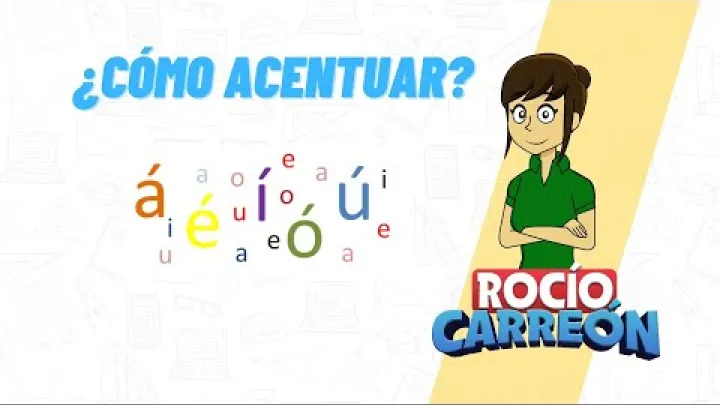
Pronunciation is consistent across most Spanish dialects, with only minor variation in how the “dy” cluster is articulated. A helpful general tip for Spanish is that the letter “d” between vowels is usually softer, though in Tailandia the d follows an n and is pronounced as a clear d. To practice, say: tai – LAN – dia; then connect: Tailandia.
Common mistakes to avoid (no "Thailandia"; use correct accents in related words)
The correct Spanish name is Tailandia, not “Thailandia.” Another frequent issue is forgetting accent marks in the demonyms and the language name. Remember that tailandés, tailandesa, and el tailandés carry an accent on the final syllable to show the stress. Also, Spanish capitalization rules apply: country names are capitalized, but demonyms are not in normal running text.
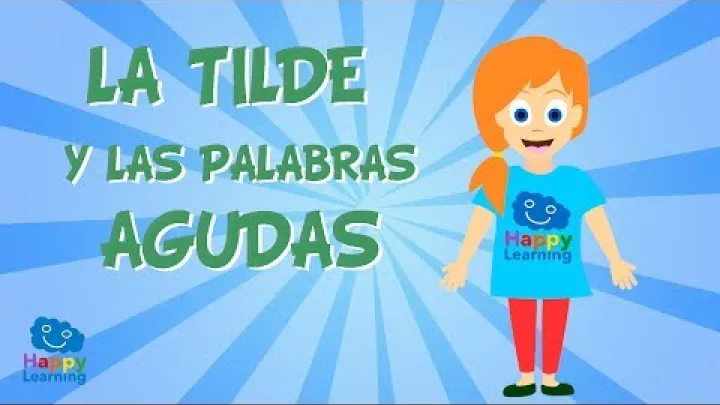
Compare the following mini-examples to reinforce spelling and accents. Notice the difference between the proper noun and the related adjectives or nouns, and keep accents on -dés forms. These small details make your Spanish sound natural and avoid confusion in official forms or academic writing.
- Wrong: Thailandia → Right: Tailandia
- Wrong: Tailandes → Right: tailandés
- Wrong: Tailandesa (capitalized mid-sentence) → Right: tailandesa
- Wrong: el tailandes (no accent) → Right: el tailandés
Related words: demonyms and the language name
Knowing the country name is only the start. In Spanish, you may also need the demonym for a person from Thailand and the term for the Thai language. These forms appear in news articles, travel guides, visa paperwork, and conversations about culture and food. Using the right endings and accent marks helps your Spanish read as native-like and avoids ambiguity.
Spanish demonyms reflect gender and number, so they change to agree with the person or thing they describe. The language name can refer to Thai as a language or stand in for “a Thai person,” and context makes the meaning clear. The next subsections explain the most common patterns, give model sentences, and highlight accent placement so you can write and speak with confidence.
Demonyms: tailandés (m), tailandesa (f); plurals: tailandeses, tailandesas
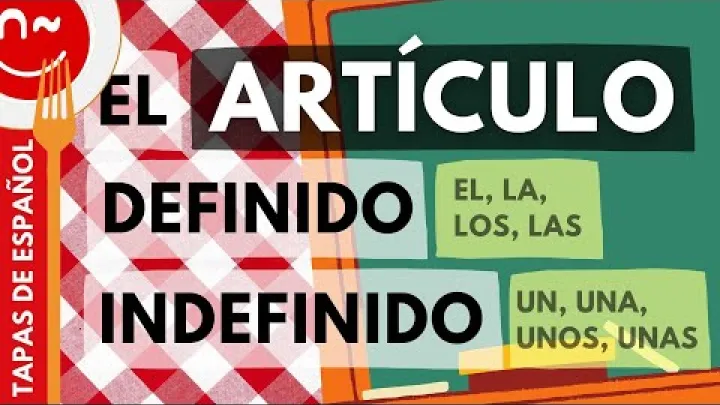
Use tailandés for a man and tailandesa for a woman. The plural forms are tailandeses (for men or mixed groups) and tailandesas (for women). The accent stays on the -dés syllable in the masculine forms, including the plural tailandeses. These words work as both nouns and adjectives, which means they can name a person or describe something related to Thailand.

Agreement is straightforward: the form you choose must match the gender and number of the noun. For example, “un ciudadano tailandés” (a Thai male citizen) and “una ciudadana tailandesa” (a Thai female citizen) follow normal Spanish adjective placement and agreement. As adjectives, they are common in phrases like “comida tailandesa” (Thai food) or “empresas tailandesas” (Thai companies).
- Noun use: Conocí a un tailandés en clase. / Conocí a una tailandesa en clase.
- Adjective use: Un restaurante tailandés; Especialidades tailandesas.
The language name in Spanish: el tailandés
The Thai language is called el tailandés in Spanish. You will often see the article in careful or formal speech: “Estudio el tailandés.” In everyday conversation, the article is frequently dropped after verbs like hablar, entender, estudiar, or aprender: “Hablo tailandés” is common and natural.
Context clarifies whether tailandés refers to a language or a person. “Traduzco del tailandés al español” clearly names the language, while “Conocí a un tailandés” clearly means a Thai man. Both uses are standard, and the accent mark remains essential in writing.
- Language: Hablo (el) tailandés; Estoy aprendiendo tailandés.
- Translation: Traducimos del tailandés al inglés.
- Person: Un tailandés vive en mi edificio; Dos tailandesas trabajan aquí.
Example sentences using Tailandia
Practical sentences help you use Tailandia correctly in forms, itineraries, and everyday conversation. Spanish relies on clear prepositions with country names: a (to), en (in), and de (from). Once you know the pattern, you can build many travel and life-admin phrases for flights, visas, study, or work.

Below you will find a focused set of examples for introductions and travel logistics. Model sentences are short and easy to adapt, so you can swap verbs and nouns to match your real situation. Pay attention to capitalization of Tailandia and to agreement when you use demonyms like tailandés or tailandesa.
"I am from Thailand" in Spanish: Soy de Tailandia
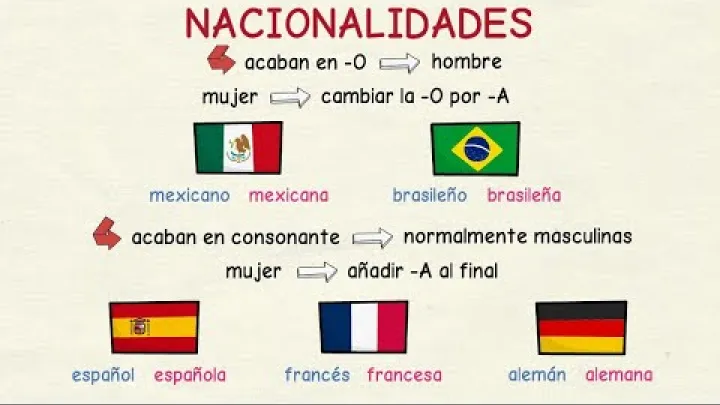
The most direct translation of “I am from Thailand” is: Soy de Tailandia. You can also say Vengo de Tailandia to emphasize origin or Nací en Tailandia to specify birthplace. To describe nationality or identity, use Soy tailandés (male) or Soy tailandesa (female). Remember to match gender in tailandés/tailandesa.
These forms are clear in travel check-ins, online profiles, university applications, or introductions at events. They also work in short written bios or immigration cards when the language of the form is Spanish. Here are quick variations you can copy and adjust.
- Soy de Tailandia. / Vengo de Tailandia. / Nací en Tailandia.
- Soy tailandés. / Soy tailandesa.
- Mi pasaporte es de Tailandia.
- Residí en Tailandia durante un año.
More examples for travel and daily use
Use a to show movement, en for location, and de for origin or possession. A simple contrast helps: Viajo a Tailandia (to), Vivo en Tailandia (in), Regreso de Tailandia (from). With these prepositions, you can build phrases for flights, tourism, study, or work.

Here are compact examples that appear on airline sites, embassy pages, and travel guides. They are designed for quick copying and easy substitution of dates, cities, or services.
- Viajo a Tailandia en diciembre.
- Vivo en Tailandia por motivos de trabajo.
- Embajada de Tailandia en Madrid.
- Consulado de Tailandia: horarios y trámites.
- Comida tailandesa cerca de mí.
- Vuelos a Tailandia con escala en Doha.
- Turismo en Tailandia: templos y playas.
- Importaciones desde Tailandia.
Do people speak Spanish in Thailand?
Across the country, there are recognized regional varieties and minority languages that reflect Thailand’s cultural diversity. In major cities, English often serves as a bridge language for international visitors and business professionals.
Spanish is generally limited to specialized services, private guides, or communities connected to tourism and education. Availability can vary by city and season. To keep expectations realistic, plan to use English for bookings and directions, and have a few Thai basics ready for greetings and polite exchanges.
Official and common languages in Thailand
If Spanish support is important, contact tour operators or hotels in advance to request a Spanish-speaking guide or printed materials.
Always verify current requirements with official embassy or immigration websites before you travel.
Tips for Spanish-speaking travelers (language, etiquette, visa basics)
A little preparation goes a long way. Learn simple Thai greetings, carry key addresses written in Thai, and use translation apps that work offline. If Spanish support is important, contact tour operators or hotels in advance to request a Spanish-speaking guide or printed materials.
Respect local etiquette: use polite greetings, dress modestly at temples, remove shoes where indicated, and maintain calm public behavior. Regarding entry rules, many travelers visit visa-exempt for short stays (often around 30–60 days), but policies can change. Always verify current requirements with official embassy or immigration websites before you travel.
Frequently Asked Questions
How do you pronounce “Tailandia” in Spanish?
Tailandia is pronounced [tai-LAN-dyah] (IPA: [taiˈlan.dja]). Break it as tai-LAN-dia and keep the stress on LAN. The “ia” at the end blends like “ya,” so -dia sounds like -dya. Vowels are short and clear, and the rhythm is consistent.
How do you say “I am from Thailand” in Spanish?
Say “Soy de Tailandia.” You can also use “Vengo de Tailandia” to emphasize origin or “Nací en Tailandia” for birthplace. For nationality, say “Soy tailandés” (male) or “Soy tailandesa” (female). Use these in forms, profiles, or introductions.
What is a person from Thailand called in Spanish?
Use “tailandés” for a man and “tailandesa” for a woman. Plurals are “tailandeses” (men or mixed groups) and “tailandesas” (women). These words function as nouns and adjectives, as in “un ciudadano tailandés” or “comida tailandesa.”
What is the Thai language called in Spanish?
Thai is “el tailandés.” After verbs like “hablar” or “estudiar,” everyday speech often drops the article: “Hablo tailandés.” In formal contexts the article appears more often: “Estudio el tailandés.” The accent on -dés is required in writing.
Do people speak Spanish in Thailand?
Spanish is not widely spoken in Thailand. Thai is official nationwide, and English is common in tourist hubs and big cities. You may find Spanish-speaking guides with advance booking, but day-to-day interactions usually happen in Thai or English.
Does “tailandés” need an accent mark?
Yes. “Tailandés” has an accent on the final “é” to indicate the stressed syllable. Keep the accent in masculine forms, including the plural “tailandeses.” The country name “Tailandia” does not take an accent mark.
Conclusion and next steps
Thailand in Spanish is Tailandia, pronounced [tai-LAN-dyah] (IPA: [taiˈlan.dja]). With that core term, you can communicate origin and plans using simple prepositions: a Tailandia (to), en Tailandia (in), and de Tailandia (from). Related forms follow standard Spanish patterns: tailandés/tailandesa for people and el tailandés for the language, with accent marks on -dés to signal stress. These words act as both nouns and adjectives, which makes them flexible in descriptions like comida tailandesa or ciudadano tailandés.
Spanish services exist but are limited, so basic Thai greetings and reliable translation tools are helpful. Before departure, confirm entry and visa details with official sources, since policies evolve. With correct spelling, consistent accents, and the right prepositions, you will use Tailandia naturally and be understood in Spanish-speaking contexts worldwide.
Select area
Create a post
Posting is free and no registration is required.