Thailand Rainy Season: When It Happens, Where to Go, What to Expect

The Thailand rainy season shapes where you go, how you move, and what you pack. Understanding the split between the Andaman coast and the Gulf of Thailand helps you pick the right beaches and keep your plans flexible. While most areas see rains from May to October, the Gulf has later showers in October to December. Expect warm temperatures, bursts of rain rather than day-long downpours, and lush, green landscapes. With good timing and a few precautions, the rainy season can be a rewarding time to visit.
Quick answer: when is the rainy season in Thailand?
National overview (May–Oct; peaks Jul–Sep)
This is when moisture carried by seasonal winds fuels frequent showers, thunderstorms, and occasional multi-hour rain bands. Temperatures remain warm throughout, and many days still offer sunny breaks, especially in the morning.
Patterns vary by coast. The Andaman side (Phuket, Krabi, Phi Phi) turns wet earlier in the year, while the Gulf of Thailand (Koh Samui, Koh Phangan, Koh Tao) often stays comparatively drier through mid-year and catches its main wet spell from October to December. Year-to-year shifts can occur due to broader climate drivers such as El Niño and La Niña, which may nudge the onset, intensity, or duration of rains. For trip planning, especially if you are eyeing Thailand rainy season 2025, treat these windows as guides and check updated forecasts as your travel dates approach.
Fast regional summary table (North, Bangkok/Central, Andaman, Gulf, East)
If you need a fast snapshot, the table below summarizes rainy season timing by region. It also anchors expectations with example peak monthly rainfall values for Bangkok and Chiang Mai, two commonly visited cities with different wet-season peaks.
Use this as a quick planner when weighing routes. For instance, travelers seeking beaches in July–August often prefer the Gulf islands, while nature lovers head north for vibrant rice fields and strong waterfalls. Keep in mind that local microclimates and storm tracks can still produce surprises.
| Region | Main wet months | Typical peak | Notes | Example peak monthly rainfall |
|---|---|---|---|---|
| North (Chiang Mai, Chiang Rai) | June–October | August–September | Lush landscapes; powerful waterfalls; occasional landslides on mountain roads. | Chiang Mai August ~200–230 mm (approx.) |
| Bangkok/Central | May–October | September | Short, intense downpours; brief urban flooding in low-lying areas. | Bangkok September ~320–350 mm (approx.) |
| Andaman (Phuket, Krabi) | May–October | September–October | Rougher seas; beach red flags; possible ferry/tour cancellations. | — |
| Gulf (Koh Samui, Phangan, Tao) | Late rains Oct–Dec | November | Often drier May–October; popular July–August alternative to Andaman. | — |
| East (Pattaya, Rayong, Koh Chang) | June–October | September–October | Koh Chang can be very wet and choppy in late season; visibility reduced. | — |
How Thailand’s monsoons work (simple explanation)
Thailand’s rainy seasons are guided by two dominant wind regimes that shift across the year. These monsoon flows determine where moist air arrives, how storms form, and when seas turn rough. Understanding the southwest and northeast monsoons is the key to knowing why one coast can be sunny while the other gets soaked.

Southwest monsoon (May–Oct): Andaman wet season
From roughly May to October, the southwest monsoon ushers moist air from the Indian Ocean across the Andaman Sea and onto Thailand’s west coast. This onshore flow drives frequent showers, thunderstorms, and longer rain bands, especially in September and October around Phuket, Krabi, Khao Lak, and nearby islands. Seas are often choppy, long-period swells are common, and underwater visibility for snorkeling or diving may be reduced compared with the dry season.
Wind direction and sea state strongly influence daily activities. Beach red flags indicate hazardous surf and rip currents, and lifeguard guidance should be followed without exception. Ferry operations and speedboat tours are more sensitive to these conditions in the peak wet months, so always check marine advisories and operator updates if you plan island hops or national park trips by boat.
Northeast monsoon (Oct–Jan): Gulf late rains
As winds pivot later in the year, cooler and drier continental air brings the northeast monsoon. While this pattern reduces rainfall for the Andaman side from November onward, it delivers a later rainy period to the Gulf of Thailand. Koh Samui, Koh Phangan, and Koh Tao often see their wettest weeks from October to December, with November frequently the peak. Conditions then improve through December into January, and seas usually calm progressively.

Inland and northern regions often begin to dry out and cool down in this window, creating a comfortable contrast to the coastal rains. If your plans straddle both coasts, consider sequencing the Andaman first, then shifting to the Gulf as conditions settle.
Regional guides and planning by coast/area
Picking the right region for your dates hinges on how the monsoon windows differ. The following guides outline what to expect in major areas and how to adapt your plans. Always keep an eye on local forecasts and allow buffer time between tight connections during peak storm weeks.
Bangkok and Central Thailand — rains May–Oct, peak Sep
Bangkok’s rainy season runs from May to October, with September often the wettest month. Expect short, intense afternoon or evening downpours that can cause brief street flooding, then clear within hours. Mornings are frequently the best time for outdoor sightseeing, while indoor museums, markets, and food courts are good backups if storms build earlier than expected.
As a planning anchor, September rainfall in Bangkok often totals in the range of roughly 320–350 mm, though year-to-year variation is normal. When storms hit, use mass transit where possible to avoid traffic delays on waterlogged roads, and add extra time if you move between river piers and BTS/MRT stations. Keep a compact umbrella or poncho in your day bag, and consider waterproof footwear for slick tiles and curbs.
Northern Thailand — Jun–Oct, lush landscapes, strong waterfalls
Chiang Mai, Pai, and Chiang Rai are at their greenest from June to October. Rains usually peak around August to September, fueling full rivers and waterfalls and clearing smoky skies from the late dry season. This is an excellent time for photography, slow travel, and visiting hill temples when crowds are thinner.
To set expectations, Chiang Mai’s monthly rainfall often peaks around August, commonly in the neighborhood of about 200–230 mm. Trekking remains possible with local guides who adjust routes to trail conditions, but expect slippery paths and occasional leeches in dense forest. On mountain roads, landslides or debris are possible after heavy overnight rain, so check route updates and avoid driving late at night in remote areas.
Andaman Coast (Phuket/Krabi) — May–Oct wet; rougher seas Sep–Oct
The Andaman coast sees frequent showers and longer rain spells in the southwest monsoon, with September and October typically the roughest at sea. Beach safety flags are common, and many stretches are unsafe for swimming during strong swell or rip conditions. Underwater visibility can be variable, and some dive or snorkel sites may be less appealing than in the dry season.

Boat tours and inter-island ferries may be postponed or canceled during adverse conditions, with October often seeing the most disruption. If you plan island-hopping, check marine advisories and local port notices on the day of travel, and keep flexible dates to shift tours if needed. Inland alternatives—Phang Nga Bay viewpoints, Old Phuket Town cafes, and cooking classes—work well as weather backups.
Gulf of Thailand (Koh Samui/Phangan/Tao) — drier May–Oct; rains Oct–Dec
The Gulf islands are a popular refuge during Thailand’s mid-year rainy season. From May to October, Koh Samui, Koh Phangan, and Koh Tao often enjoy comparatively better beach conditions, with the main wet period arriving later from October to December. November is frequently the peak wet month, after which conditions usually improve through January.

During active spells, seas can turn choppy and ferries may adjust schedules. If a storm disrupts service, consider extending nights on your current island or shifting inland activities while you wait for calmer water. Build buffer time between islands and avoid tight flight connections, especially in late-season weeks when the northeast monsoon is most active.
Eastern Seaboard (Pattaya, Rayong, Koh Chang) — heavy Jun–Oct; Hua Hin peak Sep–Oct
The eastern Gulf sees a pronounced rainy phase from June to October, with Koh Chang and parts of Rayong often very wet in September and October. Seas can be unsettled, reducing water clarity and occasionally limiting boat trips. Pattaya’s storms are often short but intense, with quick drainage after the heaviest bursts.

Hua Hin, located on the upper Gulf and shielded by terrain, frequently has a slightly different pattern, with a later peak around September to October and shorter-lived storms compared with the Andaman side. If you split time between Pattaya/Koh Chang and Hua Hin, expect noticeable differences in storm frequency, sea conditions, and day-to-day sunshine windows.
What rainy-season weather feels like day-to-day
Day-to-day weather in the rainy season is often about timing more than totals. Many travelers find that mornings are surprisingly clear, with clouds building and rain arriving later. Understanding these rhythms helps you schedule tours and pick the safest times for outdoor activities.
Typical daily timing (clear mornings, afternoon/evening storms)
Across much of Thailand, mornings tend to be the brightest window, making them ideal for temple visits, city walking tours, or early boat trips. As the day warms, convective clouds grow, and showers or thunderstorms commonly fire in the late afternoon and evening. These bursts may last 30–90 minutes and then ease, sometimes leaving a cooler, breezy night.

Coastal areas can deviate from this pattern when onshore winds push showers earlier, particularly along the Andaman side during stronger southwest monsoon days. If you are planning a beach day or a ferry, aim for early departures and have a back-up plan nearby. Keep a compact rain layer in your bag, and leave buffer time to account for pop-up storms that can delay traffic or short-hop flights.
Storm character by region (bursts vs long drizzles)
Storm behavior varies by region. Bangkok and the central plains often experience short, intense downpours that overwhelm drainage for a short time, followed by rapid clearing. The Andaman coast more often sees longer light-to-moderate rain bands, especially under persistent onshore flow. In the northern highlands, convective storms can be powerful, with thunder, brief hail in rare cases, and localized flooding along small streams.

Lightning safety is essential everywhere. When thunder is audible, move indoors or into a hard-topped vehicle, avoid open fields and hilltops, and stay away from tall isolated trees and metal railings. Water sports should pause at the first sign of a thunderstorm, and rooftop viewpoints are best saved for calmer conditions after the storm moves through.
Pros and cons of visiting in the rainy season
Traveling in the rainy season can reduce costs and crowds, but it brings practical trade-offs. If you value greenery and quieter attractions, these months can be excellent—with the understanding that some plans will change with the weather.
Cost, crowds, air quality
One of the strongest upsides is value. Hotel rates and airfares are often lower, and many popular sites—from Old Town districts to island viewpoints—are far less crowded. In the north, rain cleans the air, improving visibility compared with the late dry-season “smoke” period and refreshing forests and rice terraces.
Flexibility is your friend. Choose accommodation and tours with flexible booking policies so you can shift dates if a storm stalls or a ferry changes schedules. Having a short list of indoor activities for each destination also helps you turn a rainy afternoon into a good memory rather than lost time.
Risks: flooding, marine cancellations, mosquitoes
The main downsides include short-term flooding in cities, potential cancellations of ferries and boat tours, and higher mosquito activity. Urban flooding usually drains in hours, but it can disrupt road travel and make some sidewalks hazardous. On the coasts, rough seas and reduced visibility can affect snorkeling and diving plans.
Prepare with sensible safeguards. Consider travel insurance that covers weather-related disruptions. Use insect repellent and protective clothing to reduce mosquito bites, especially at dawn and dusk. Build buffer days into island-hopping itineraries so a canceled boat does not cascade into missed flights.
Health and safety essentials
Rainy-season health and safety are about reducing exposure to hazards and making informed choices. The basics—mosquito control, flood awareness, and transport flexibility—go a long way toward a smooth trip.
Mosquito-borne illness prevention (dengue focus)
Dengue risk can rise during the rainy season when standing water increases breeding sites. Use repellents containing DEET or picaridin, wear long sleeves and pants at dawn and dusk, and sleep with screens or under nets where needed. Air-conditioned rooms and fan use can also reduce mosquito activity indoors.
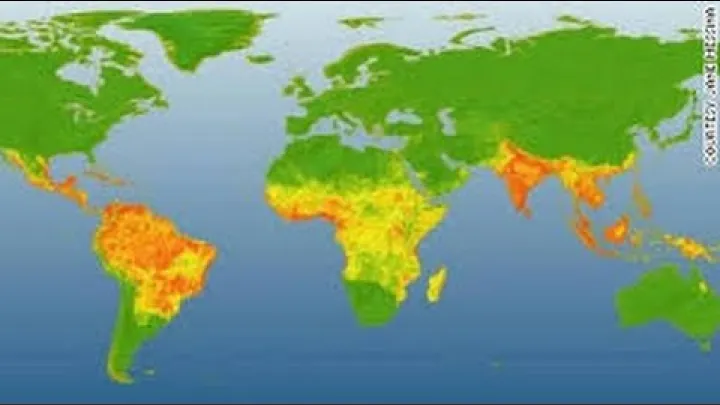
Monitor your health during and after travel. Seek medical care promptly for high fever, severe headache, unusual fatigue, or other concerning symptoms. Follow local public health guidance for current advisories and community measures, especially after heavy rains that may expand breeding areas.
Flooding and contamination risks (avoid exposure; leptospirosis)
Avoid walking through floodwater whenever possible. It can conceal potholes, sharp debris, and live electrical hazards, and it may contain sewage or runoff. Wear closed footwear in wet areas, and wash and disinfect minor cuts if they get exposed to dirty water.

Use only clean, treated drinking water and be cautious with ice and uncooked foods during and after floods. Monitor municipal alerts, heed local authorities, and avoid low-lying underpasses and canal-side paths during storms when water can rise quickly.
Transport and sea conditions (ferries, island hopping)
In peak wet months, ferries and speedboats in both the Andaman and Gulf can face delays or cancellations. If you must connect to a flight, consider switching to a flight between islands or adding an overnight buffer.

For the most reliable information, verify conditions with both port authorities and boat operators. On land, allow extra time for airport transfers during heavy rain, and consider rail or domestic flights for long legs if roads are affected by flooding or debris.
What to pack for Thailand’s rainy season
Packing for the rainy season is about staying dry, keeping your footing, and protecting electronics. Lightweight, quick-drying gear and smart waterproofing can make rainy days easier to handle.
Rain protection (jacket with taped seams, poncho, umbrella)
Carry a lightweight waterproof jacket with sealed or taped seams, or a compact poncho that covers both you and your daypack. A small travel umbrella is handy for short dashes between transit stops and cafes, especially in cities.

Choose breathable waterproof layers to stay comfortable in humid conditions. Pack a quick rain cover for backpacks and camera bags so you can protect gear instantly when a storm rolls in.
Footwear and clothing (slip-proof, quick-dry)
Wet tiles and sidewalks can be very slippery, so use shoes or sandals with grippy, siped soles. Avoid smooth, worn-out tread. Quick-dry shirts and shorts, along with a couple of spare socks in your daypack, help you stay comfortable after a surprise shower.

A small laundry kit—travel detergent, a sink stopper, and a clothesline—lets you wash and dry essentials overnight. Consider a light fleece or shawl for air-conditioned spaces, which can feel cool after a soaking rain.
Protect electronics and documents (dry bags)
Store phones, cameras, and passports in waterproof pouches or dry bags. Zip-top bags are good backups for organization. Add a few silica gel packets to your camera bag to manage humidity and protect lenses from fogging.

Keep digital copies of key documents in secure cloud storage in case paper originals get wet. If carrying medical prescriptions or special permits, place them in a secondary waterproof sleeve inside your main pouch.
Where to go by month (quick planner)
Monthly planning in Thailand centers on shifting coastlines. Mid-year often favors the Gulf islands for beaches, while late-year transitions improve the Andaman. Inland regions follow their own arc, turning greener mid-year and cooler as the year closes.
May–Oct highlights
From May to October, city breaks and northern nature trips pair well with flexible daily plans. The north is vivid and green, with strong waterfalls and refreshed forests—ideal for travelers who do not mind afternoon storms. Bangkok offers plenty of indoor attractions, from museums to food markets, when showers pass through.

Note that September is among the wettest months nationwide. Plan extra buffers for transport, and consider focusing on destinations where indoor alternatives are easy to reach.
Nov–Jan split (Gulf rains; Andaman clears)
As the year ends, the Andaman coast typically transitions to drier, calmer conditions beginning in November, making Phuket, Krabi, and the Similan-adjacent areas attractive for beaches and diving. Meanwhile, the Gulf of Thailand often has its wetter weeks from October to December, with November frequently the peak month on Koh Samui and neighbors.

Inland and northern regions are usually cooler and drier in this window, opening opportunities for hiking, cycling, and cultural festivals in comfort. If you are deciding between coasts, consider routing to the Andaman during this period and returning to the Gulf once the northeast monsoon eases.
Sample 7-day rainy-season itineraries
Keep indoor options—spas, cooking classes, cafes—on your list for stormy afternoons.

Northern culture and nature: Base in Chiang Mai for old-city walks and temples, add day trips to Doi Inthanon or Mae Sa waterfalls, and include an overnight in Pai or Chiang Rai if roads are clear. Alternatively, on the Andaman side, focus on inland highlights—Phang Nga viewpoints, Phuket Old Town, and wellness retreats—if seas are rough. Keep one free day to absorb weather-related changes without stress.
Frequently Asked Questions
When is the rainy season in Thailand and which months are the wettest?
The main rainy season runs roughly from May to October, with peaks from July to September. September is often the wettest month in Bangkok, while August–October are peak months in the north and Andaman. The Gulf coast has a later wet phase from October to December. Exact timing varies by region and year.
Does it rain all day during Thailand’s rainy season?
No, rain rarely lasts all day. Many places see clearer mornings and short, intense storms in late afternoon or evening. The Andaman coast more often gets longer light-to-moderate rains. Plan outdoor activities for early hours and keep flexible buffers.
Is September a good time to visit Thailand?
September is among the wettest months nationwide, especially in Bangkok and the north. It can still be worthwhile for lower prices, fewer crowds, and lush scenery if you accept weather-related delays. Choose the Gulf islands for comparatively better beach odds before their later rains.
When is Phuket’s rainy season and how rough are the seas?
Phuket’s main rainy season is May to October, peaking in September–October. Seas can be rough, and ferries or boat tours are sometimes canceled. Always check marine forecasts and follow red-flag beach warnings for safety.
When does Koh Samui get the most rain?
November is often the peak wet month. This split makes Samui a popular choice in July–August.
Is Bangkok heavily affected by flooding during the rainy season?
Short-term urban flooding is common during heavy storms, especially from July to September. Low-lying streets and underpasses can flood quickly, then drain within hours. Use mass transit when possible and avoid walking through floodwater for health and electrical safety.
Which coast is better in July–August: Andaman or Gulf of Thailand?
The Gulf of Thailand (Koh Samui, Koh Phangan, Koh Tao) usually has better beach weather in July–August. The Andaman coast (Phuket, Krabi) is wetter then, with rougher seas. Shift back to the Andaman from November to April.
Conclusion and next steps
Thailand’s rainy season is best understood as two overlapping patterns: an earlier, stronger phase on the Andaman coast from May to October, and a later Gulf phase from October to December. Nationally, the wettest stretch often falls between July and September, with September frequently topping the charts in Bangkok and August–September peaking in the north.
Day-to-day life in the rainy season is defined by timing. Clearer mornings and late-day storms are common, though coastal winds can shift rain earlier. Build flexible plans, keep indoor alternatives ready, and allow buffers for ferries and flights, especially during peak months. Health and safety are manageable with simple habits: use repellent against mosquitoes, avoid floodwater, watch lightning, and check marine advisories before island hops. Packing light waterproof layers, grippy footwear, and dry bags protects comfort and electronics without adding much weight.
With informed choices and a little flexibility, you can match the right region to your schedule and enjoy Thailand at its most vibrant.
Select area
Create a post
Posting is free and no registration is required.