James Bond Island Thailand: How to Visit, Tours, Best Time (2025)

Known locally as Khao Phing Kan and Ko Tapu, it lies inside Ao Phang Nga National Park northeast of Phuket. Visitors come for the iconic rock spire, easy viewpoints, and sea canoeing into hidden lagoons. This guide explains location, tours, best time, and responsible ways to visit.
James Bond Island in Thailand refers to Khao Phing Kan and the offshore rock spire Ko Tapu in Phang Nga Bay, northeast of Phuket. Inside Ao Phang Nga National Park, it is famous for its 1974 Bond film setting and is visited by organized boat tours for viewpoints, sea canoeing, and caves.
Quick facts and location
Understanding the setting helps you plan an efficient and enjoyable day. James Bond Island sits in a maze of limestone pillars and mangrove-fringed channels where tides, wind, and protected-area rules shape daily operations. Because boats are required, the departure pier and vessel type influence comfort and time ashore, especially during the wetter months.

Geographically, the “island” most people mention includes two features: Khao Phing Kan, a small twin-islet with short footpaths and viewpoints, and Ko Tapu, a narrow-based sea stack offshore that became famous after its film appearance. For this reason, most visits are guided and follow set routes.
- Location: Phang Nga Bay, Ao Phang Nga National Park, southern Thailand
- Distance from Phuket: about 40 km northeast by sea
- Main sights: Khao Phing Kan viewpoints and Ko Tapu rock spire
- Common departure bases: Phuket, Krabi, Khao Lak, and Phang Nga town
- Typical day length: morning pickup to late afternoon return
- Rules to note: no littering, no climbing on formations, restricted approach to Ko Tapu
Where is James Bond Island in Thailand?
James Bond Island lies in Phang Nga Bay within Ao Phang Nga National Park, roughly 40 km northeast of Phuket. The site combines Khao Phing Kan, the walkable island, and Ko Tapu, the offshore rock spire seen in countless photos. From Phuket, speedboats usually cross the bay in about 30–45 minutes depending on sea state and route.

Most tours start at Phuket piers such as Ao Por Grand Marina (east coast), Royal Phuket Marina, and Bang Rong. Driving transfers from resort areas to these piers typically take 30–90 minutes depending on where you stay and traffic. Other gateways include Krabi, Khao Lak, and Phang Nga town, which can shorten driving time to the pier. Organized tours coordinate hotel pickups, boat boarding, and national park procedures to simplify the journey.
What is Ko Tapu and why is boat access restricted?
Ko Tapu is a limestone sea stack about 20 meters high with a narrow base and wider top, shaped by long-term marine erosion. Waves, currents, and chemical weathering slowly dissolve and undercut the rock where it meets the sea, while rainwater seeps through cracks and enlarges them from above. Over time, this creates the slender, top-heavy profile that makes Ko Tapu so striking—and fragile.

To protect the formation and keep visitors safe, boats are asked to keep a respectful distance and not encircle or nudge up to the rock. Specific approach limits can vary with conditions and ranger guidance, so captains follow park instructions on the day. The entire area is part of a protected karst landscape with ongoing natural weathering, which is why climbing on rocks and touching delicate formations are not allowed.
Film connection and history
The film link provides context for the island’s fame and explains why signage, tour names, and traveler expectations persist decades later. Knowing what was filmed and what was imagined helps set realistic expectations for the scenery and activities available today.
Before international fame, the bay’s villages and fishermen knew these limestone pillars as part of a working seascape. The 1974 spotlight introduced the karsts to global audiences and catalyzed steady tourism growth. Today, the national park balances access with conservation through rules and guided routing.
The Man with the Golden Gun (1974) and tourism impact
The island appeared in The Man with the Golden Gun (1974), starring Roger Moore as James Bond and Christopher Lee as the villain. The movie used Ko Tapu and nearby karsts as the visual anchor for an island hideout, creating the image many travelers now associate with Phang Nga Bay.

That global exposure turned a regional landscape into a household name and helped spur long-term tourism across southern Thailand. The association continues through tour names, pier signage, and photo spots on Khao Phing Kan. While the film scenes were stylized, today’s visits focus on accessible viewpoints, sea canoeing, and learning about the park’s geology and culture.
Names on maps versus in the film
On maps and park signs, the walkable island is Khao Phing Kan (pronounced “cow ping gan”), while the offshore spire is Ko Tapu (pronounced “koh ta-poo”). “James Bond Island” is a popular nickname that tour operators and travelers use, but using the local names helps with maps, ranger briefings, and ticketing at the pier.
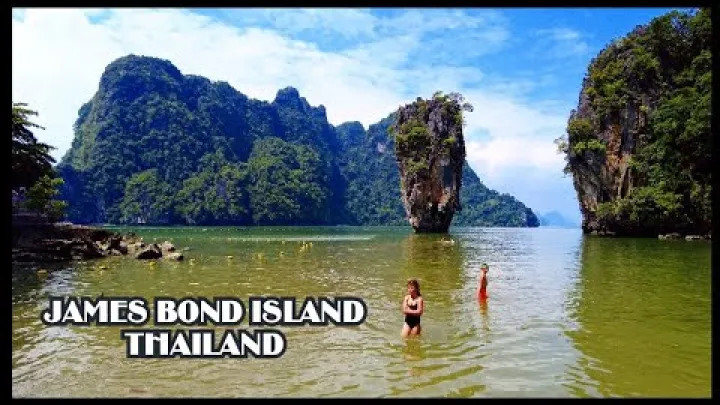
Thai-to-English spellings vary by publisher and signboard. You may see Ko or Koh used for “island,” and Phing Kan written with or without spaces. If you need directions, try both versions and include “Ao Phang Nga National Park” to refine the search. Guides, rangers, and vendors are familiar with both the film nickname and the official names.
How to visit from Phuket, Krabi, Khao Lak, and Phang Nga
Most visitors join an organized day tour that bundles hotel pickup, boat transport, national park logistics, and multiple scenic stops. Your departure base and boat type determine how long you spend on the water and how many stops fit the tide window. Weather and sea conditions can reshape routes, especially from May to October.
From Phuket, operators typically use east-coast marinas to short-cut into Phang Nga Bay. From Khao Lak and Krabi, expect longer road transfers or alternate piers that reduce open-sea exposure.
Boat types and travel times
Choosing a boat balances comfort, speed, and budget. Speedboats cover distance quickly and maximize time ashore. Big boats or cruisers ride more smoothly on choppy days and offer shade and toilets, but they move slower and rely on smaller craft for short transfers. Traditional long-tail boats provide a classic experience closer to the water, though they are noisier and more exposed to spray.
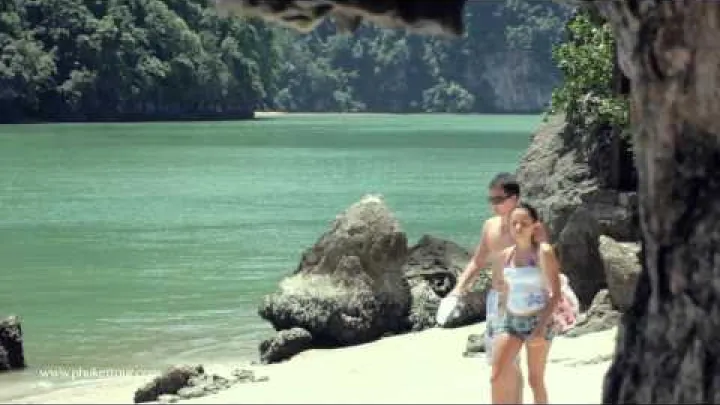
Sea state, tides, and the specific pier influence travel time. As a general guide, Phuket to the core of Phang Nga Bay is around 30–45 minutes by speedboat, longer by cruiser or long-tail. In the monsoon months, routes may hug the coast for calmer water, adding a few minutes but improving comfort. Ask your operator how the day’s tides and wind may affect the sequence of stops.
| Boat type | Pros | Considerations | Approx. Phuket–bay time |
|---|---|---|---|
| Speedboat | Fast, flexible routing, more time at stops | Bumpy in chop; limited shade; space can be tight | ~30–45 minutes |
| Big boat / cruiser | Stable ride, shade, toilets, spacious decks | Slower; may require tenders or canoes for close-in spots | ~60–90 minutes |
| Long-tail | Classic atmosphere, close-to-water views | Exposed to spray, louder engine, slower overall | ~60–90 minutes |
Typical day tour schedule and on-island duration
Day tours are designed around tides for cave entries and beach size. Operators coordinate multiple groups to prevent bottlenecks at Ko Tapu viewpoints. While exact timings shift by season and weather, the flow below describes what most travelers experience.
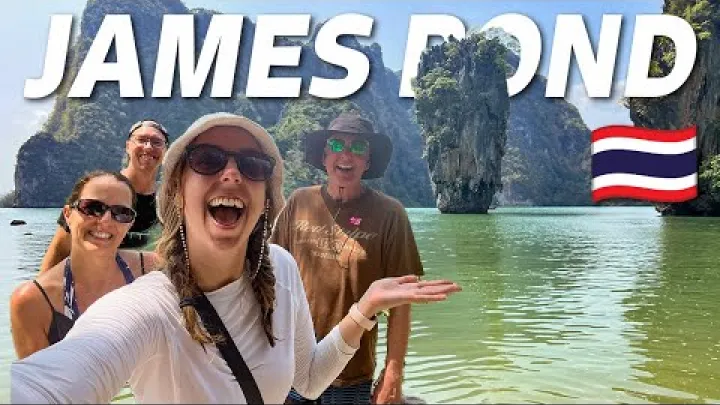
Expect 30–60 minutes of time on Khao Phing Kan to walk the short paths, photograph Ko Tapu from different angles, and browse basic stalls. Sea canoeing and cultural stops often make up the rest of the day. In peak season, guides may adjust sequences to avoid crowd peaks and take advantage of tide windows.
- Hotel pickup (about 07:30–08:00) and transfer to the assigned pier.
- Check-in, safety briefing, and fitting of life jackets; park fee handling if not prepaid.
- Boat ride into Phang Nga Bay; first scenic stop or canoeing session depending on tides.
- Landing at Khao Phing Kan for 30–60 minutes of viewpoints and Ko Tapu photos.
- Lunch stop, commonly at Koh Panyee stilt village, with time to walk the lanes.
- Additional hong/cave or beach stop if conditions allow; sequence varies with tides.
- Return cruise to the pier and road transfer back to your hotel in the late afternoon.
Tours, prices, and booking tips
Tour offerings vary from budget group trips to small-group and private charters. Prices reflect boat type, group size, inclusions, and travel month. Peak season and holidays bring higher demand and sometimes fewer discounts, while shoulder months may offer more flexible deals. Always read the voucher carefully to avoid surprises at the pier.

Most packages bundle round-trip transfers, a guide, soft drinks, and insurance, with optional extras such as sea canoeing led by trained paddlers. National park entry is commonly collected separately in cash. Comparing itineraries side by side helps you see which stops are included, how long is planned at Khao Phing Kan, and whether cultural visits or beach time are part of the day.
What is included (lunch, canoeing, cultural stops)
Many James Bond Island tours include hotel transfers, a licensed guide, onboard water or soft drinks, and basic accident insurance. Sea canoeing with a paddler is often part of the program at hong lagoons or through low caves where self-paddling is not practical. Lunch is frequently provided, with Koh Panyee being a common venue.
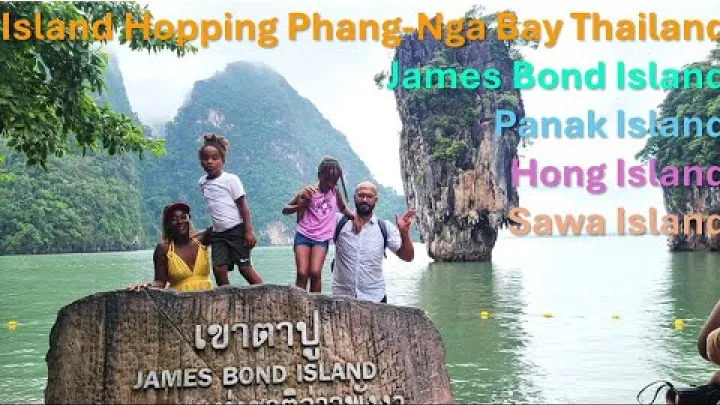
Inclusions differ by operator and season. Some vouchers bundle canoeing fees; others list them as optional add-ons. Park entry is sometimes paid at the pier or upon landing at the island. To avoid confusion, check your voucher for what is included, what is optional, and where cash may be required. If dietary needs are important, confirm meal details in advance.
How to choose a responsible operator
Safety and sustainability should guide your choice. Look for licensed companies that conduct clear safety briefings, provide life jackets in working condition for all sizes, and operate insured vessels with registered numbers. Ask about maximum group size and boat capacity to understand how crowded your tour might be, especially in peak season.

Responsible operators minimize waste, avoid wildlife feeding, and train canoe guides to prevent contact with delicate cave formations. In Thailand, you can request the company’s Department of Tourism license number and check that pier staff wear identifiable uniforms and issue proper receipts. Transparent pricing that states whether national park fees and canoeing are included is a good sign, as are clear policies on cancellations due to weather.
Best time to visit and crowd strategy
Phang Nga Bay is visitable year-round, but conditions and crowds vary. The dry season brings calmer seas and clearer skies, making it popular with travelers, while the monsoon months offer quieter piers and lower prices. Understanding these patterns helps you decide when to go and which departure time fits your goals for photos, comfort, and activities.

Because canoeing and cave entries depend on tides, operators adjust sequences day by day. Early or late departures can improve the experience even in the busiest months, although they may come with shorter stop lists. You can still enjoy the scenery in the wet season; just pack for showers and be flexible with the plan.
Dry vs monsoon seasons
Visibility in the bay is usually better for photographs, and schedules run more predictably. These months are popular, especially November through February, so tours and piers are busier and prices can trend higher.

The monsoon season from May to October brings frequent showers and occasional wind. Tours still operate on most days, but routes may adjust to avoid rough patches and to match tide windows for cave entries. While you should not expect long swims or clear-water snorkeling in the bay at any time, the green karst landscapes remain striking in both sun and light rain, and crowds are often thinner in these months.
Early and late departures to avoid crowds
First departures can reach Khao Phing Kan before mid-morning groups, giving more open space at the main Ko Tapu viewpoint. Late-day tours often enjoy softer light and fewer visitors as peak groups depart, though timing depends on tides and daylight. Photographers appreciate both ends of the day for gentle shadows on the limestone walls.
Sunrise or sunset options may have reduced stop counts to keep within daylight and tide limits. If canoeing through caves is a priority, confirm that your chosen time works for the day’s tide cycle. Weekdays outside public holidays are typically less crowded than weekends, regardless of season.
What to expect on the island
Khao Phing Kan is a small, easily navigable site with short paths, steps, and sandy patches. The star view is across the channel toward Ko Tapu, best seen from several designated lookouts. Facilities are simple, and shade is limited, so short, prepared visits are most comfortable.
![Preview image for the video "The Famous James Bond Island 🇹🇭 — LEGIT or Tourist TRAP? [4K Tour + Tips]".](/sites/default/files/styles/media_720x405/public/oembed_thumbnails/2025-10/UlYrt5yo85BRBDjprqbI3xgIKj9bZarbAW6IzhEezCY.jpg.webp?itok=xgxf9Day "Preview image for the video \"The Famous James Bond Island 🇹🇭 — LEGIT or Tourist TRAP? [4K Tour + Tips]\".")
Tides in Phang Nga Bay often range around 2–3 meters, changing the width of pocket beaches and access to low cave entrances used by canoes. Your guide will time the landing to suit the conditions, which also affects how close you can stand to the waterline for photos. Expect basic souvenir stalls and simple rest spots near the main path.
Viewpoints, beaches, caves, and tides
Marked footpaths lead to two main viewing areas facing Ko Tapu, allowing different angles on the famous spire. Small pocket beaches appear and shrink with the tide, sometimes leaving more exposed sand at low tide and a narrower strip closer to high tide. The nearby cliffs show classic limestone textures, with caves and overhangs shaped by water movement over time.

Canoe access to hongs—hidden internal lagoons connected to the sea by low caves—depends on water level. At certain tides, guides time entries so you can glide beneath low ceilings without scraping rock. Visibility in the greenish bay water is typically limited, so the focus is scenery rather than snorkeling. Prepare for heat and reflected sun off pale rock and sand.
- Wear sturdy sandals or light shoes for steps and uneven paths.
- Bring sun protection: hat, sunglasses, reef-safe sunscreen.
- Carry water in a refillable bottle; hydration is important.
- Pack a light rain jacket in wet months and a dry bag for phones.
- Keep small cash for snacks or souvenirs at stalls.
Accessibility and safety notes
Access involves steps, uneven surfaces, and floating piers that can be slippery when wet. Those with limited mobility may need assistance during boarding and on the island’s short trails. Life jackets are recommended during all boat transfers and are required during sea canoeing sessions.
Park rules prohibit climbing on rock formations and restrict drones unless you hold a permit issued by the national park. Keep a respectful distance from monkeys or other wildlife, secure loose items, and never feed animals. Heat management matters: wear light clothing, drink water often, and use shade breaks when available.
Sea canoeing, caves, and nearby cultural stops
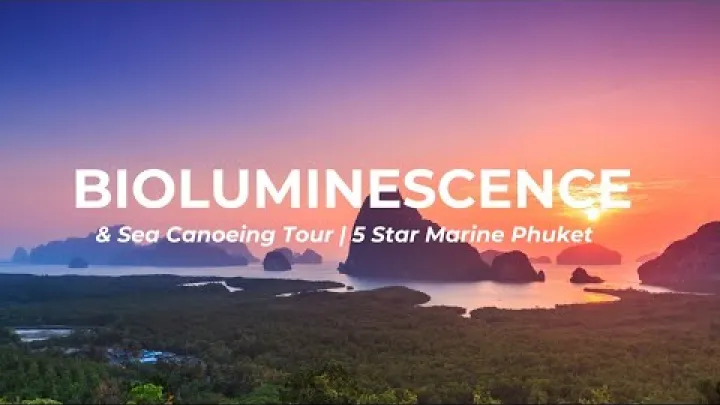
Sea canoeing is a highlight because it accesses places too low or narrow for motorized boats. Guides paddle through short cave tunnels into hidden hongs—calm, walled lagoons with trees and birdlife. These areas are sensitive, so operators manage traffic and timing to protect stalactites and minimize echoing voices.
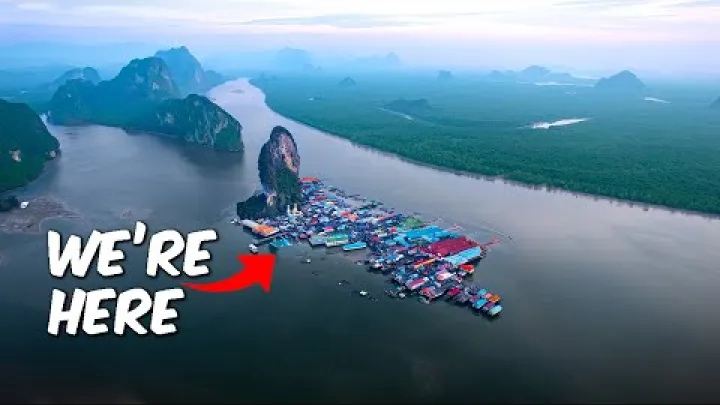
Cultural stops add context to the bay’s human story. Koh Panyee’s stilt village offers seafood lunches and a chance to see daily life in a community that has lived over the water for generations. Some tours also include a temple visit on the way to or from the pier, rounding out the day with history and local customs.
Hong and cave highlights (Panak, Diamond)
In Thai, “hong” means “room,” and it describes internal lagoons encircled by limestone walls, connected to the sea by low caves. Popular canoeing zones include Panak Island, known for its winding cave routes, and spots nicknamed Diamond Cave for sparkling calcite formations. Guides time entries for suitable water levels so canoes glide through without scraping ceilings.

Expect shallow water of variable depth and limited visibility; this is a scenic paddle rather than a snorkel. You may need to lie back briefly to clear low rock lips. Trained paddlers handle maneuvering and will advise on where to keep hands inside the canoe to avoid contact with fragile formations. Headlamps or small lights are sometimes used in darker tunnels.
Koh Panyee village and Monkey Cave Temple
Koh Panyee is a fisherman’s village on stilts with a mosque at its heart. Many tours stop here for lunch and a short walk through narrow lanes lined with homes and simple shops. Dress modestly when near the mosque or during prayer times, keep shoulders covered where requested, and ask before photographing people.

Wat Suwan Kuha, often called Monkey Cave Temple, sits inland with a large reclining Buddha inside a cave and free-roaming monkeys outside. Remove shoes before entering temple areas, store food securely, and avoid feeding animals. Depending on the operator, alternative or additional stops may include a beach break at Lawa or Naka Island, a viewpoint stop, or extra canoeing time when tides are favorable.
Environment, rules, and sustainability
Ao Phang Nga National Park protects a delicate karst ecosystem. Visitor numbers, boat wakes, and careless behavior can accelerate erosion and disturb wildlife. Following park rules and choosing responsible tour companies help keep the area beautiful and safe for future travelers and local communities alike.

Most tours now communicate clear do’s and don’ts during briefings, but it helps to arrive informed. Simple choices—reusable bottles, reef-safe sunscreen, and packing out what you bring—make a noticeable difference in this enclosed bay where currents can trap litter among mangroves and caves.
National park fees and regulations
Entrance fees for Ao Phang Nga National Park are collected separately from most tour prices, typically in cash at the pier or upon landing. Because fees and procedures can change, confirm current rates and payment method with your operator before departure. Carry small cash to avoid delays at checkpoints.

Core rules include no littering, no removal of shells or rocks, no climbing on limestone formations, and keeping a respectful distance from Ko Tapu with boats. Drones require official permits from the park; unpermitted flights may be stopped by rangers. Always follow instructions from your guide and park staff, especially around tide-affected caves.
How to minimize your footprint
Small actions by each visitor add up across busy days in the bay. Thoughtful choices reduce waste, protect fragile rock, and keep wildlife wild. They also set a positive example for other travelers and support operators who invest in better practices.
Use this simple checklist for a responsible visit:
- Bring a refillable water bottle and avoid single-use plastics.
- Apply reef-safe sunscreen and wear sun-protective clothing.
- Pack out all waste; secure items so nothing blows overboard.
- Choose small-group tours with trained canoe guides and clear policies.
- Do not touch stalactites or cave walls; keep hands inside the canoe.
- Do not feed wildlife or approach animals for photos.
- Respect ranger guidance and posted signs at viewpoints and piers.
Frequently Asked Questions
Where is James Bond Island located in Thailand?
James Bond Island (Khao Phing Kan and Ko Tapu) is in Phang Nga Bay, about 40 km northeast of Phuket in southern Thailand. It sits inside Ao Phang Nga National Park in the Andaman Sea. Tours depart from Phuket, Krabi, Khao Lak, and Phang Nga. Travel time by boat from Phuket piers is roughly 30–45 minutes.
How do you get to James Bond Island from Phuket?
Join an organized boat tour from a Phuket pier (popular options are speedboat, big boat, or long-tail). Hotel pickup is usually 07:30–08:00, with a 30–45 minute boat ride to the bay. Most tours include multiple stops such as sea canoeing and Koh Panyee. Independent public transport is not available.
How much does a James Bond Island tour cost?
Speedboat day tours commonly cost about US$59–US$71 per person, while multi-activity packages range around US$100–US$170. Prices vary by inclusions (lunch, canoeing, cultural visits) and season. National park entrance fees are collected separately on-site. Peak season months can raise prices and reduce availability.
When is the best time to visit James Bond Island?
The best time is the dry season from mid-October to April, with calm seas and clearer skies. Peak months are November–February, especially December–February. The monsoon season (May–October) has frequent rain but fewer crowds and lower prices. Early morning or late-day departures reduce crowding year-round.
Can you swim or snorkel at James Bond Island?
Swimming is sometimes possible at designated beach stops on nearby islands, not usually at Ko Tapu itself. Snorkeling is generally poor in Phang Nga Bay due to silt and low visibility. Tours may include a clearer-water beach stop depending on tides and schedule. Follow guide instructions and park rules at all times.
Which James Bond movie was filmed there?
The island was featured in The Man with the Golden Gun (1974), starring Roger Moore and Christopher Lee. The film used Phang Nga Bay as Scaramanga’s island hideout. Its success triggered global fame and sustained tourism to the area. Later Bond films revisited Thailand, strengthening the association.
How long do you spend on the island during tours?
Typical on-island time is about 30–60 minutes to walk the path, view Ko Tapu, and take photographs. The total day tour runs from morning pickup to late afternoon return. Time ashore can vary with tides, crowds, and operator schedules. Speedboat itineraries often allow slightly more flexibility.
Is James Bond Island worth visiting?
Yes, for iconic scenery, easy access, and combined activities in Phang Nga Bay. Expect crowds at peak times; choose early or late tours for a better experience. Add sea canoeing and cultural stops to maximize value. If you prefer quiet snorkeling, consider other islands with clearer water.
Conclusion and next steps
James Bond Island Thailand—Khao Phing Kan and Ko Tapu—offers dramatic limestone scenery within easy reach of Phuket, Krabi, Khao Lak, and Phang Nga. The site’s fame stems from a classic 1974 film, but today’s visits emphasize viewpoints, sea canoeing into hongs, and short cultural stops. Because the area sits inside Ao Phang Nga National Park, tours follow rules that protect fragile rock and wildlife, including restricted approaches to Ko Tapu and no climbing.
Plan around seasons and tides. Dry months generally bring calmer seas and more predictable schedules, while the monsoon period trades some sunshine for fewer crowds and adaptable routes. Early or late departures help avoid peak congestion and can deliver better light for photos. Choose your boat type based on comfort and time priorities, read vouchers closely for inclusions and park fees, and select operators with verified licenses, clear safety practices, and waste-reduction policies.
With realistic expectations—limited snorkeling, short on-island walks, and tide-shaped canoeing—this day out rewards visitors with signature views of Ko Tapu and the broader beauty of Phang Nga Bay. Preparing simple essentials, respecting park guidance, and traveling with responsible companies ensures a smooth, memorable, and low-impact experience.
Select area
Create a post
Posting is free and no registration is required.