Thailand Weather in April: Temps by Region, Rain, Songkran, Best Places to Go
Thailand weather in April marks the peak of the hot season, with strong sunshine, high humidity, and a clear split between the Andaman and Gulf coasts. Understanding what the weather is like in Thailand in April helps you plan smartly around heat and short-lived showers. It also explains air quality in the North, packing essentials, and how April compares with May.
April weather in Thailand at a glance
April is typically the hottest month across Thailand. Most inland cities see intense daytime heat and high humidity, while coastal areas feel a touch more comfortable due to sea breezes. The Andaman coast (Phuket, Krabi, Phi Phi) begins to see more brief afternoon showers as the climate transitions, while the Gulf side (Koh Samui, Koh Phangan, Koh Tao) usually stays drier and calmer. Sea temperatures are warm everywhere, supporting beach time and water sports.
To prepare well, focus on two things: the daily heat index and regional differences. Heat index values climb above the actual air temperature when humidity rises, which is common from late morning to mid-afternoon. Plan outdoor activities during the cooler windows at sunrise and late afternoon. Check a reliable 5–7 day forecast for your specific destination, as local microclimates can shift conditions by island or district. Carry sun protection, hydrate with electrolytes, and schedule cooling breaks to make your days productive and safe.
Quick facts: temperatures, humidity, rainfall
Average daytime highs in April commonly reach about 35–37°C in Bangkok and Central Thailand, 37–39°C in Northern Thailand around Chiang Mai, and around 32–34°C along both coasts. Nighttime lows sit roughly between 22–26°C in the North and 27–29°C in Bangkok and the coasts. Humidity often ranges from about 60% to 75% or higher, which pushes the heat index several degrees above the thermometer reading, especially from late morning to mid-afternoon.
Rainfall varies by coast. The Andaman side—Phuket, Krabi, and nearby islands—enters a transition period, with short, sometimes intense afternoon or evening showers more frequently than earlier in the dry season. Monthly totals are often on the order of 80–120 mm but arrive in quick bursts rather than all-day rain. The Gulf side is usually drier and calmer, with only isolated showers.
Heat index and comfort tips for city and beach days
The heat index rises quickly after about 10:30, peaks through early afternoon, and relaxes near sunset. For comfort, plan active sightseeing from sunrise until roughly 10:00–10:30, break in air-conditioned spaces from late morning through about 15:00, and move outdoors again from 16:00 until dusk. On the beach, you may enjoy a steadier breeze, but mid-afternoon sun can still be intense. Reserve high-exertion activities—temple climbs, cycling, market walks—for early morning or the golden hour.
Hydration is key. Aim for frequent small sips with a target of roughly 0.4–0.7 liters per hour during light activity in the heat, adding electrolytes once or twice daily. Watch for warning signs of overheating: dizziness, headache, rapid pulse, nausea, or confusion. Use a wide-brim hat, SPF 50+ sunscreen reapplied every 2–3 hours, and UV-rated sunglasses. Seek shade between 11:00 and 15:00. Coastal breezes can lower perceived heat compared with inland cities, so adjust your pacing accordingly and take brief AC breaks when moving around urban areas.
Regional weather breakdown in April
April’s regional patterns help you choose the right route for your interests. Bangkok and Central Thailand are hot and humid, with occasional short storms late in the month. Northern Thailand, including Chiang Mai and Chiang Rai, is the hottest zone and can experience seasonal haze. The Andaman coast starts to see more transient showers while still offering many sunny windows, especially in the mornings. The Gulf islands—Koh Samui, Koh Phangan, and Koh Tao—often have dry, calm conditions that are ideal for beach time and underwater activities.
Within each region, daily conditions can shift due to local terrain and sea breezes. Mountain valleys can trap heat and smoke during the burning season, while islands may experience microbursts of rain that clear quickly. For smooth travel, plan flexible days and check the latest local forecast each morning. If you are sensitive to heat or air quality, consider routing toward the Gulf side or integrating rest days by the sea to balance city or inland segments.
Bangkok and Central Thailand (April norms and planning)
Bangkok typically sees highs around 35–37°C and warm nights of 27–29°C, with humidity that makes the afternoon feel hotter. Short, sharp thunderstorms become a little more common later in the month, often cooling the air briefly before streets dry quickly. The city’s public transport (BTS/MRT) and abundant indoor attractions make it easier to manage the midday heat without losing momentum on your itinerary.

A sample day that balances comfort and sights could look like this: start at dawn with an outdoor temple such as Wat Pho or a riverside walk, then shift indoors by late morning to a museum or mall. After lunch, ride the BTS/MRT to air-conditioned highlights like art spaces or cafes. Head back outdoors after 16:00 for Lumpini Park, a sunset boat ride, or Chao Phraya river viewpoints.
Northern Thailand and Chiang Mai region (heat and haze)
Chiang Mai and the northern lowlands are often the hottest in April, with highs of about 37–39°C and nights around 24–26°C. Sun exposure is strong, and some years bring significant smoke from regional burning, which elevates PM2.5 to levels that can be unhealthy. If you plan to hike or sightsee outdoors, monitor conditions closely and stay flexible with your schedule.

Use simple AQI thresholds for decisions: 0–50 is good, 51–100 moderate, 101–150 unhealthy for sensitive groups, 151–200 unhealthy, 201–300 very unhealthy, and 301+ hazardous. On poor AQI days, reduce outdoor exertion, choose indoor cultural stops, or consider day trips to higher, cleaner-air areas if available. Carry an N95 mask if you are sensitive, and look for hotels with air purifiers. If conditions turn severe, consider rerouting to coastal destinations where sea breezes help maintain better air quality.
Andaman Coast (Phuket, Krabi, Phi Phi): showers and sunshine windows
April is a transition month on the Andaman side, with more brief afternoon or evening showers while mornings often remain bright and calm. Daytime highs typically reach around 32–34°C, and humidity is high. These showers are usually short-lived; many travelers plan island-hopping and snorkeling in the morning when seas are often smoother and visibility can be clearer.

Conditions can change quickly after a storm, creating short-lived chop or swells. Swim only when lifeguard flags indicate it is safe, and check marine forecasts before boat trips. Visibility varies by site and recent weather, so consult local operators on the best windows. Even with the uptick in showers, you can expect many sunny hours; just organize outdoor time earlier in the day and keep a lightweight rain layer handy for pop-up cells.
Gulf of Thailand (Koh Samui, Phangan, Tao): dry and calm conditions
Highs are about 32–33°C with light breezes, and rainfall is often limited to brief, isolated showers. Seas tend to be calm, which supports reliable ferry schedules, beginner-friendly snorkeling conditions, and relaxed beach days. Many visitors find the heat more manageable here thanks to the marine airflow.

Underwater visibility can be good in sheltered bays, and April–May can bring memorable marine life moments, including the chance (never guaranteed) of whale shark sightings around Chumphon and Koh Tao. Always check for any local advisories on currents or jellyfish, which can vary by beach and season. Rash guards protect from sun and minor stings, and some beaches post vinegar stations for first aid. If you plan to snorkel from shore, ask local operators about the safest entry points and times.
Sea conditions, beaches, and diving in April
April is one of the warmest months in the sea as well as on land, with water temperatures around 29–30°C on both coasts. Calm mornings are common, especially on the Gulf side, making it a comfortable time for snorkeling, beginner dives, kayaking, and paddleboarding. Brief storms on the Andaman side may create short-lived chop later in the day, so many travelers plan water activities early and leave afternoons for cafes, spas, or shaded viewpoints.
Divers enjoy a wide range of sites in April. The Gulf side often provides gentle conditions for training dives, while the Andaman side offers dramatic reefs and granite formations. Protected marine parks, such as the Similan and Surin Islands, typically remain open through mid-May, making April a strong final window before seasonal closures. Regardless of coast, respect lifeguard flags, follow local guidance on visibility and currents, and use sun protection on boats where shade can be limited.
Gulf side: calm seas, visibility, and marine life highlights
The Gulf of Thailand often has many calm days in April, with sea temperatures near 29–30°C. These conditions are welcoming for first-time snorkelers and divers. Visibility in popular areas like Koh Tao can be good, particularly in the morning when winds are lighter and before boat traffic stirs up sediment. In sheltered bays, visibility commonly ranges from about 10 to 20 meters, varying with tides and recent weather.

Marine life highlights can include seasonal whale shark encounters around Koh Tao and Chumphon during April–May, although sightings are never guaranteed. Light winds also support kayaking and paddleboarding along protected coastlines. Most divers are comfortable without a wetsuit, though many wear a rash guard for sun and minor sting protection. For clearer water, aim for early boat departures and check local tide charts to target slack or gentle currents.
Andaman side: morning clarity, afternoon showers, Similan closing window
On the Andaman coast, mornings commonly bring calmer seas and clearer visibility, while brief showers are more likely in the afternoon. This pattern favors early starts for island-hopping and diving. After a storm passes, short-lived swells can develop; always swim only when lifeguard flags indicate safe conditions. Dive visibility can vary widely by site and recent weather, often ranging roughly from 10 to 25 meters.
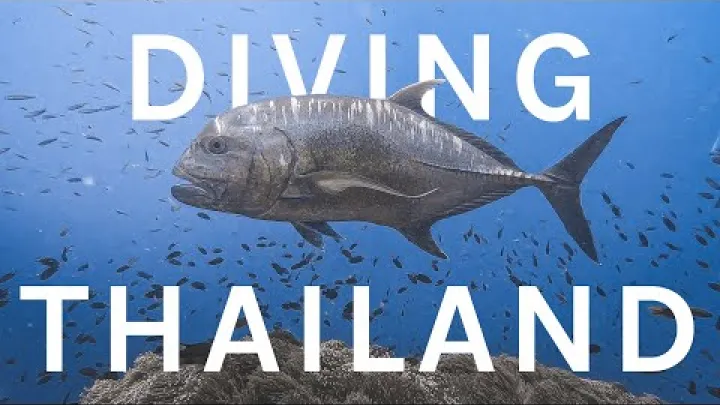
April is therefore a prime time for last-chance trips before the seasonal closure. Check exact opening and closing dates each year with park authorities or licensed operators. As always, verify marine forecasts, and consider flexible plans that prioritize early departures and backup indoor activities for the afternoon.
Songkran and April travel planning
The festival brings widespread water celebrations, parades, and merit-making at temples. It also affects travel logistics: demand for flights, trains, buses, and hotels surges, especially in major cities and popular resort areas. If you plan to travel during this period, organize reservations well in advance and leave extra time for transfers.
Weather-wise, Songkran falls during peak heat. Plan your days with early and late outdoor windows, and protect your devices and documents with waterproof cases if you join street festivities. While big-city celebrations can be lively and crowded, some islands and smaller towns offer a gentler experience. Always remain respectful around temples and when locals are performing traditional rituals, even if nearby streets host playful water fights.
Dates, what to expect, prices and crowds
Songkran officially runs April 13–15, though large cities often extend festivities. Bangkok’s popular celebration zones include Silom and Khao San Road, where you may encounter street closures and amplified music. Chiang Mai, known for its vibrant parades and moat-side water play, can run celebrations for several days. Expect surge pricing and limited availability for accommodation and transport during and around these dates.

If you prefer quieter alternatives, look to smaller islands, national parks, or towns with limited organized events. Places like Hua Hin, parts of Khao Lak, or less touristed islands can feel calmer while still offering cultural observance without the most intense crowds. Wherever you go, carry waterproof protection for phones and passports, and remember that some temples and local ceremonies maintain a traditional, reflective tone—dress modestly and be mindful when taking photos.
Booking strategy, packing list, and daily schedule for the heat
If you are heat-sensitive or concerned about northern haze, route more nights to the Gulf islands or coastal towns. In cities, choose accommodation with strong air conditioning and, if possible, access to a pool for cooling breaks. Schedule sightseeing at dawn and late afternoon, and move indoors for lunch and early afternoon hours.

A concise packing checklist aligned with sun safety and temple etiquette includes:
- Ultra-light breathable clothing, plus a light scarf or shawl for covering shoulders at temples
- Knee-length shorts or trousers and tops with sleeves for religious sites
- SPF 50+ sunscreen, wide-brim hat, and polarized UV sunglasses
- Reusable water bottle and electrolyte packets; limit alcohol in peak heat
- DEET-based repellent; light rash guard for sun and stings when snorkeling
- Waterproof pouch for phone and documents, especially during Songkran
- N95 mask if visiting the North during haze season
Air quality and health considerations
Health-aware planning improves comfort in April. In the North, seasonal burning can push PM2.5 into unhealthy ranges, which affects outdoor activity choices. In cities and along the coasts, heat management is the main focus. Build your itinerary around cooler time blocks, hydrate consistently, and know what to do if someone shows signs of heat illness. Travelers with respiratory or cardiac conditions should have a backup plan to shift to coastal areas if inland air quality deteriorates.
Simple preparation goes a long way: check AQI and temperature forecasts daily, carry sun protection, and use AC transit where possible. Some hotels offer air purifiers or high-efficiency filters on request. If you plan extended outdoor exertion, schedule it for dawn or dusk and plan shaded rest stops. Families with children or older travelers may want to keep indoor cultural activities ready for midday, such as museums, aquariums, and markets.
Northern haze (PM2.5) and trip adjustments
During late dry season, PM2.5 levels in Chiang Mai, Chiang Rai, and nearby regions can reach unhealthy or even hazardous levels. Use basic AQI interpretation to guide decisions: 0–50 good, 51–100 moderate, 101–150 unhealthy for sensitive groups, 151–200 unhealthy, 201–300 very unhealthy, and 301+ hazardous. On days at 101 or above, consider reducing outdoor exertion; above 151, many travelers shift to indoor plans or relocate.

Pack an N95 mask if traveling North, and look for lodging with air purifiers or sealed windows. If haze is severe during your dates, rerouting to the southern coasts is a practical option, as sea breezes usually maintain better air quality. Keep trip plans flexible and check official updates, local news, and real-time AQI maps each morning to adjust activities and transfers accordingly.
Heat illness prevention, hydration, and sun protection
The main risks in April are heat exhaustion and heatstroke. Warning signs include dizziness, headache, nausea, confusion, rapid pulse, or hot, dry skin. Prevent problems by hydrating regularly, adding electrolytes, seeking shade during 11:00–15:00, and wearing breathable clothing and a wide-brim hat. Reapply sunscreen every 2–3 hours, especially after swimming or sweating.
If someone shows signs of heat illness, act fast: move them to shade or an air-conditioned space, elevate legs slightly if faint, cool the body with water, fans, or wet cloths, and offer small sips of cool fluids if the person is conscious and not nauseated. If symptoms are severe or do not improve rapidly, seek medical help; Thailand’s emergency medical number is 1669. Acclimatize over 1–2 days by keeping early plans light, then gradually increase activity as your body adjusts.
April vs May: key weather differences and trip decisions
Air temperatures dip slightly in May, while humidity often rises, so the heat index can remain high. The Andaman coast trends wetter in May, with more variable sea conditions. The Gulf side often remains comparatively better in early May before also becoming showery as the month progresses.
From a traveler’s perspective, April offers more consistent beach days on the Gulf islands and a strong last window for Andaman diving before certain marine parks close. May can bring cooler city mornings but more afternoon storms that interrupt walking tours. Post-Songkran, prices and crowds often ease, which some travelers prefer, but expect a higher chance of rain showers that require flexible daily planning.
Month-to-month shift: rain, temperature, humidity
Expect a noticeable uptick in afternoon convection from April to May in many regions. Temperatures may fall by a degree or two on average, but higher humidity in May can maintain a similar or even higher perceived heat. On the Andaman side, seas become more unsettled as May progresses, while the Gulf side generally remains serviceable into early May before trending more showery later.
There are regional nuances. The North may see the first storms that occasionally help disperse haze, though hot spells still occur. Central Thailand’s cities can feel slightly more comfortable in early mornings but face more frequent thunderheads later in the day. If your focus is diving the Similan or Surin Islands, April is the safer bet, as many protected parks typically close around mid-May for the monsoon season.
Choosing April or May by region and interests
Use simple decision rules:

- Beach-first trips: April favors the Gulf islands; Andaman remains appealing but with more brief showers.
- City itineraries: May can feel marginally cooler but brings more afternoon storms; plan extra indoor options.
- Diving priorities: Choose April for Similan/Surin; Gulf whale shark chances may continue into May.
- Heat-sensitive travelers: Prioritize coastal destinations and AC-heavy schedules in either month.
If you want festival energy and can handle crowds, visit during Songkran in April and book early. If you prefer fewer crowds and accept higher rain risk, consider May with flexible plans. In both months, early and late outdoor windows and consistent hydration are the keys to a comfortable, productive itinerary.
Frequently Asked Questions
How hot is Thailand in April across major regions?
April is the peak of the hot season. Typical daytime highs reach about 36°C in Bangkok and Central Thailand, 37–39°C in Chiang Mai and the North, and around 32–34°C on the coasts. Nights range from roughly 22–26°C in the North to 27–29°C in Bangkok and the islands. Humidity commonly exceeds 60%, making it feel hotter than the air temperature.
Does it rain a lot in April, and which areas are wettest?
Rain increases on the Andaman side (Phuket, Krabi), where short afternoon or evening showers are more frequent. Monthly totals are often around 80–120 mm but fall in brief bursts. The Gulf side (Samui, Phangan, Tao) is usually drier and calmer, while Central and Northern regions are mostly dry with isolated thunderstorms late in the month.
Is April a good month for beaches and sightseeing?
Yes, especially for the Gulf islands, which usually have calm seas and reliable beach days. City sightseeing is also possible with careful scheduling: plan early-morning and late-afternoon walks and use air-conditioned museums, malls, or cafes midday. If you are sensitive to heat, consider spending more nights by the coast.
Which part of Thailand has the best weather in April?
The Gulf of Thailand—particularly Koh Samui, Koh Phangan, and Koh Tao—typically offers the driest and most stable conditions. The Andaman coast remains attractive but has more chance of brief showers. Northern Thailand is the hottest and may experience haze.
Can you swim in April, and what is the sea temperature?
Swimming is excellent in April. Sea temperatures are about 29–30°C on both coasts. The Gulf side often has calmer water and good visibility for snorkeling. On the Andaman side, aim for morning outings when seas are usually smoother. Follow lifeguard flags and local guidance on currents.
What should I pack to handle heat and sun?
Bring ultra-light breathable clothing, a wide-brim hat, SPF 50+ sunscreen, polarized sunglasses, and a reusable water bottle with electrolytes. Add DEET repellent, a light scarf and knee-length attire for temples, a rash guard for snorkeling, and an N95 mask if visiting the North during haze season.
When is Songkran, and how does it affect travel?
Songkran is April 13–15, with some cities extending festivities. Expect large water celebrations, street closures, and higher prices. Book transport and hotels early and use waterproof cases for phones and documents. Be respectful around temples and traditional rituals.
Is air quality a problem in Chiang Mai in April?
It can be. PM2.5 often rises during burning season, sometimes reaching unhealthy or hazardous levels. Check AQI daily, limit outdoor exertion on bad days, and use an N95 mask if needed. Consider rerouting to coastal areas if you have respiratory or cardiac conditions.
Conclusion and next steps
April in Thailand is hot, sunny, and lively, with clear regional patterns: the Gulf side is usually drier and calmer; the Andaman sees more brief showers; the North is hottest and can be hazy. Plan early and late outdoor windows, schedule midday indoor breaks, and stay flexible around Songkran. If you match your route to these patterns and monitor local forecasts and AQI, you can enjoy beaches, cities, and cultural events with comfort and confidence.
Select area
Create a post
Posting is free and no registration is required.