Thailand Map with Islands: Andaman vs Gulf Guide

The map highlights hubs, island clusters, and marine park boundaries so you can compare options at a glance. With layers for cities and towns, airports, main piers, and park perimeters, you can align your route with your travel month and interests.
Thailand has roughly 1,400 islands, and this guide prioritizes the most visited clusters and the main gateways. It uses consistent Ko/Koh naming and common English transliterations for clarity across signs and bookings. Whether you want a printable Thailand map with cities and islands or planning files for apps, you will find practical options and tips below.
Overview: how to use this Thailand islands map
This section shows how to get quick, reliable insights from a Thailand map with islands, cities, and towns. The map is organized into layers that reflect real-world choices: when to travel, which sea to focus on, and how to move between hubs and clusters. Toggle layers to see the Andaman Sea vs the Gulf of Thailand, then switch on ferry corridors, main piers, airports, and national parks to plan specific routes.

Start with regions. The Gulf of Thailand is on the east coast and includes Ko Samui, Ko Pha-ngan, Ko Tao, Ang Thong, and the Trat islands (Ko Chang, Ko Mak, Ko Kood).
To plan a route, compare clusters by season and goals. For example, diving and snorkeling are strong in the Andaman during its calm months, while family-friendly beaches and broad service options are consistent for much of the year around Samui–Pha-ngan–Tao in the Gulf. Use the cities-and-towns layer to position your overnight base near a pier or short transfer road. Remember that routes and boundaries can change. Always verify crossings, operating seasons, and local regulations close to your travel dates.
Map layers: regions, hubs, national parks, cities and towns
The regions layer separates the Andaman Sea and the Gulf of Thailand so you can choose your basin first. This provides a seasonal anchor and an activity filter. Once the basin is set, toggle on hubs to reveal gateways such as Phuket, Krabi/Ao Nang, Ko Samui, and Trat mainland, along with relevant airports and bus or rail links. Add ferry corridors and main piers to see typical crossing paths and interchange points within each cluster.

The national parks layer outlines marine park boundaries, sensitive reef zones, and fee checkpoints. This helps you anticipate costs, tour permits, or seasonal closures. The cities-and-towns layer adds context for accommodations, clinics, ATMs, and transport depots, making it easier to base yourself near a pier or a main road. Use consistent Ko/Koh naming on labels (for example, Ko Tao rather than Ko Tao Island) to match signage and booking websites. Keep in mind that ferry schedules, park rules, and some boundary lines can change; confirm details locally before traveling.
Color and symbol key: Andaman vs Gulf, ferries, airports, park boundaries
Assign distinct colors to the two seas to support quick choices. A common approach is to color the Andaman Sea in one tone and the Gulf of Thailand in another, with island clusters shaded lightly within each basin. Airports can use a plane icon, while main piers and interchange points use a ferry symbol. Park perimeters can be drawn as thin outlines around island groups with small markers at fee checkpoints or ranger stations.
Different line styles help explain how services operate. Solid lines can mark year-round ferry routes where typical weather allows reliable crossings most months. Dashed lines can indicate seasonal or weather-dependent routes, including high-speed boats that may suspend operations during rough seas. Use thicker lines for main corridors and lighter lines for smaller, less frequent services. If a park has a seasonal opening, shade the area with a subtle pattern and add a note in the legend. This lets users see, at a glance, where and when options are strongest.
Regions at a glance: Andaman Sea vs Gulf of Thailand
Thailand’s islands sit in two basins with different landscapes and weather patterns. The Andaman Sea on the west coast is known for its deeper waters and dramatic limestone scenery, which produces striking bays and islets like those in Phang Nga and around the Phi Phi group. Diving and snorkeling are highlights here, with generally excellent conditions in the dry season. The Gulf of Thailand on the east coast has shallower, warmer seas that often bring calmer conditions across more months of the year, plus a broad range of resorts and family-friendly beaches.
Seasonality guides most trips. The Andaman usually has its best stretch from November to April, when winds and seas are calmer and underwater visibility improves. The Gulf is broadly favorable from December to August, with short rainy bursts more common in the later months of the year. Microclimates mean nearby islands can experience different rain or wind on the same day, especially around mountain ridges or large islands like Ko Samui. With a Thailand map with islands and towns, you can select clusters that match both your travel month and the activities you want to prioritize.
Choose your region by aligning activities and timing. If you want world-class diving and karst scenery, target the Andaman in its peak months. If you prefer sheltered bays, long shallow beaches, and steady family facilities, the Gulf’s Samui–Pha-ngan–Tao triangle and the Trat islands provide many options. As a practical step, compare your target month’s wind and rain history, then confirm current forecasts 48–72 hours before any major crossings.
Core traits and best months: Andaman Nov–Apr; Gulf Dec–Aug
The Andaman Sea features deeper water, dramatic limestone cliffs, and strong dive sites. Conditions are most stable from November to April, bringing clearer water and calmer seas to areas such as Similan, Phi Phi, and Phang Nga Bay. In these months, kayaking, snorkeling, and day trips to small islets are common, and longer crossings are more reliable.

The Gulf of Thailand is generally shallower and warmer, with many protected bays that stay swimmable for more of the year. December to August is usually the best window, especially for Ko Samui, Ko Pha-ngan, Ko Tao, Ang Thong, and the Trat islands. Microclimates exist within each basin, so neighboring islands can have different rain or wind on the same day. Use the map to compare clusters and confirm local forecasts before finalizing plans.
Challenging months and sea conditions: monsoons and visibility
The Andaman Sea is usually rougher from May to October, when monsoon winds and swell increase. Some islands or national parks restrict landings or close certain areas during this period to protect reefs and ensure safety. Visibility tends to drop after heavy rain, especially near river mouths, which can impact snorkeling and diving days.

In the Gulf of Thailand, the rainiest window is often September to November. Seas can become choppy, and sediment in the water may reduce clarity. During peak monsoon weeks in either basin, under-water visibility and crossing reliability decline. Check marine forecasts 48–72 hours before planned crossings, and allow flexibility to move a ferry or speedboat to a calmer day.
Major island clusters and hubs
Thailand’s most visited islands group naturally into clusters connected by frequent boats and shared gateways. On the Andaman side, key clusters include Phang Nga Bay between Phuket and Krabi, the Similan Islands reachable from Khao Lak, and the far-south Tarutao–Adang–Rawi group centered on Koh Lipe with access via Satun’s Pak Bara Pier. On the Gulf side, the Samui–Pha-ngan–Tao triangle links conveniently with Ang Thong Marine Park nearby, while the Trat islands—Ko Chang, Ko Mak, Ko Kood—fan out from the mainland east of Bangkok.

Hubs simplify logistics. Airports at Phuket, Krabi, and Ko Samui serve as primary air gateways to their respective clusters, supported by piers and high-frequency ferry operators. Trat airport and nearby mainland piers handle the eastern archipelago. When you use a Thailand map with all islands at a planning scale, focus first on these clusters, then zoom in on crossing times, marine park zones, and seasonal schedules to build a smooth route.
Andaman clusters: Phang Nga Bay, Similan, Tarutao–Adang–Rawi (Koh Lipe)
Regular boats and tours run from Phuket, Ao Nang, and Krabi Town to nearby islands, with shorter travel times than open-ocean crossings. This cluster is excellent for multi-activity days that mix caves, beaches, and easy snorkeling.

The Similan Islands are a seasonal diving hotspot, commonly open from mid-October or November to early May, with access mainly from Khao Lak. Many visitors join diving liveaboards or fast day boats, and routes may alter based on conservation rules or weather. Far to the south, the Tarutao–Adang–Rawi group centers on Koh Lipe, celebrated for clear water in peak months. Access is usually through Pak Bara Pier (Satun), with longboats shuttling between Lipe’s beaches. Similan openings and any route changes should be confirmed with operators before booking.
Gulf clusters: Ang Thong, Samui–Pha-ngan–Tao, Trat Islands (Ko Chang, Ko Mak, Ko Kood)
Ang Thong Marine Park is a protected archipelago close to Ko Samui, known for day trips featuring viewpoints, sea kayaking, and short hikes. The Samui–Pha-ngan–Tao triangle is one of Thailand’s most active ferry networks, offering frequent services in calm months and slightly reduced timetables during wet periods. Ko Tao is the diving training hub, while Ko Pha-ngan and Ko Samui offer a range of beaches, spas, and family amenities.

In the east, the Trat islands spread out from mainland piers such as Laem Ngop and Ao Thammachat, with additional services from Ao Thammachat to Ko Chang. Boats to Ko Mak often run from Laem Ngop or Ao Nid (on Ko Mak), and to Ko Kood primarily from Laem Sok. Frequency is highest in the dry season and tapering during periods of heavy rain. Always confirm the correct pier and latest timetable for your target island and month.
Notable islands and what they are known for
Some Thai islands function as full-service bases with airports, major roads, and wide accommodation choices. Others are small, quiet, and dependent on a handful of piers and seasonal boats. Understanding this spectrum helps you match expectations with reality. Use a Thailand map with cities and islands to compare where hospitals, banks, and larger supermarkets sit relative to beaches and national parks.
Phuket and Ko Samui are the best-known large islands, each with an airport and numerous beaches, hotels, and outdoor activities. Ko Chang in the east is also large, with road access to multiple beaches and side trips to smaller neighbors like Ko Mak and Ko Kood. At the other end, low-rise islands such as Koh Mak and Koh Phra Thong emphasize simple stays, broad quiet beaches, and limited nightlife, which suits slow travel and nature-focused trips.
Largest and most developed: Phuket, Ko Samui, Ko Chang
Phuket (about 547 square kilometers) and Ko Samui (about 229 square kilometers) have airports, frequent domestic flights, and extensive services. They work as gateways to nearby marine parks and shorter day-trip islands. You will find a wide range of accommodation categories, from guesthouses to luxury resorts, and a large choice of tours, dining, and transport options throughout the year.

Ko Chang in Trat province is also large and varied, with multiple beach zones and access to the smaller islands of Ko Mak and Ko Kood. Infrastructure density tends to correlate with accommodation variety, so larger islands usually offer more choices for different budgets. Travelers who need medical facilities, pharmacies, or banking services nearby may prefer these developed hubs as a base for exploring surrounding clusters.
Diving and snorkeling hubs: Similan, Ko Tao, Koh Lipe
The Similan Islands are famous for liveaboards and advanced dive sites during the open season. Trips commonly depart from Khao Lak, and day boats or overnight safaris reach sites with strong currents and excellent visibility in the calm months. Outside the open season, the park usually closes to protect marine life and due to weather conditions.
![Preview image for the video "[2023] Thailand Dive Sites That Will Blow Your Mind: Top Scuba Diving Locations".](/sites/default/files/styles/media_720x405/public/oembed_thumbnails/2025-11/SQRobvE7Ze7AV11LiNTSn8ka_3l3uBJcXSIaEyqIMFQ.jpg.webp?itok=6aTb3xBq "Preview image for the video \"[2023] Thailand Dive Sites That Will Blow Your Mind: Top Scuba Diving Locations\".")
Ko Tao is one of the world’s popular places for entry-level dive courses, thanks to sheltered training bays and many schools. In the far south, Koh Lipe offers access to the Tarutao–Adang reefs with very clear water in the peak months. For timing guidance, the Andaman often has the best visibility from December to April, while the Gulf around Ko Tao sees reliably calm training conditions from January to August, with currents strengthening during occasional squalls.
Quiet and remote: Koh Mak, Koh Phra Thong
Koh Mak is known for low-rise stays, bicycle-friendly lanes, and calm beaches, making it ideal for slow travel. Services are more limited than on larger islands, so plan cash, medications, and essentials ahead of time. Ferry frequency can drop in shoulder months or during storms, and night services are limited.

Koh Phra Thong has wild sands and sparse development. Arrange transfers carefully and coordinate with your accommodation for pick-ups from the correct pier. During shoulder seasons or storm weeks, have backup transport options and extra nights in your plan. This cushion helps if a speedboat is canceled or a ferry reduces capacity due to wind and swell.
Best time to visit by region
Picking the right month is the easiest way to improve your island trip. The Andaman Sea generally peaks from November to April with calm seas, lighter winds, and better underwater visibility. The Gulf of Thailand is broadly favorable from December to August with warmer, shallower water and many bays that stay swimmable even when winds rise. Because weather varies, it is helpful to build a plan that fits your activities and your tolerance for choppy crossings.

Use the map to match clusters with seasonal strengths. For example, the Similan Islands typically open in late October or November and close in early May, which lines up with the Andaman’s calm period. The Samui–Pha-ngan–Tao triangle tends to have frequent ferries for most of the year, with the wettest period often in September to November. If your dates overlap shoulder months, consider staying closer to large hubs to increase the chances of traveling on your best weather day.
Month-by-month overview for Andaman vs Gulf
As a general guide, the Andaman is strongest from November through April. November and December usually bring calmer seas and clearer water, January to March often deliver stable conditions, and April can be hot yet still favorable. October and May are shoulder months where some routes operate but may be weather-dependent. For clusters: Similan diving often runs from mid-November to early May; Phang Nga Bay day trips can run most of the year but are smoothest in the dry months; Koh Lipe’s peak clarity is commonly December to March.

In the Gulf, December to August offers broadly favorable conditions. January to April is often the driest stretch near Ko Samui, Ko Pha-ngan, and Ko Tao; May to August can bring brief showers but many services continue. The Trat islands—Ko Chang, Ko Mak, Ko Kood—typically enjoy steady operations from November to May, with some boats reducing frequency in heavy rain. Align kayaking, long crossings, and dive days with the calmer parts of your month to improve reliability.
Water clarity, wind, and crossing reliability
Water clarity improves with stable winds and low rainfall. After heavy rain, runoff can reduce visibility near river mouths and in shallow bays. In the Andaman, the southwest monsoon brings stronger winds and swell from roughly May to October. In plain terms, this means waves are higher and crossings can be bumpier in those months, which sometimes leads to cancellations for speedboats or small ferries.

In the Gulf, the rainiest window is commonly September to November, which can cause choppy seas and temporary turbidity. Build buffer time for inter-island connections, especially if you need to catch a flight after a boat. When the forecast shows strong winds, choose a larger vessel or delay by a day. Checking marine forecasts two to three days ahead helps you position your trip on the calmest day in your window.
Getting around: ferries, speedboats, and airports
Schedules are seasonal and may adjust with weather. For smooth planning, confirm the operating pier, the vessel type, and whether the ticket includes a shuttle transfer between the airport and the pier.

Ferry companies publish timetables that vary by month, especially for smaller islands and long open-water legs. Speedboats can reduce crossing times but are more sensitive to wind and waves. Combined tickets that include a van or bus plus a boat are common in both seas. Use a Thailand islands map by region to visualize how these connections align with national parks, towns, and airports.
Primary gateways: Phuket, Krabi/Ao Nang, Ko Samui, Trat mainland, Hat Yai/Satun
Phuket and Krabi serve the Andaman side. From Phuket, boats run to the Phi Phi Islands and beyond; Khao Lak is the main departure area for the Similan Islands. Krabi Town and Ao Nang connect to nearby islands and to Phi Phi and Phuket. For the Gulf, Ko Samui Airport and Surat Thani’s Donsak and Tapee piers connect the Samui–Pha-ngan–Tao triangle and Ang Thong. Always verify which Samui-side pier your boat uses (e.g., Nathon, Bangrak, Mae Nam, or Lipa Noi).
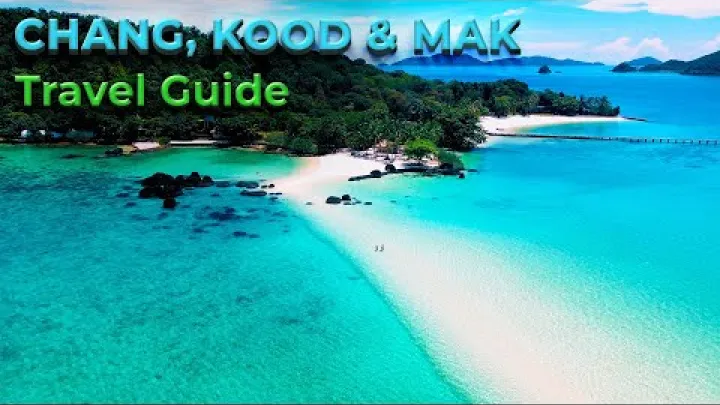
For the eastern Gulf, Trat mainland piers such as Laem Ngop and Ao Thammachat serve Ko Chang; Laem Ngop and Laem Sok serve Ko Mak and Ko Kood (with arrivals at Ao Nid or Kao Salak Phet depending on the operator). In the far south Andaman, Hat Yai is the air gateway to Satun’s Pak Bara Pier for boats to Koh Lipe. Listing pier names when you book prevents wrong-turn delays and ensures your transfer van goes to the correct dock.
Sample island-hopping routes and transfer times
On the Andaman side, a common loop is Phuket → Phi Phi → Krabi, with legs ranging from about 1 to 2.5 hours depending on vessel type and sea state. Another Andaman route is Khao Lak → Similan day trip during the open season, with crossings of roughly 1.5 to 2 hours each way. To reach Koh Lipe, plan on a road transfer to Pak Bara Pier and a speedboat ride that can vary by weather.

In the Gulf, Samui → Pha-ngan → Tao is a classic hop, with crossings from about 1 to 3 hours per leg depending on the operator and whether you choose a high-speed or conventional ferry. Along the Trat chain, Ko Chang → Ko Mak → Ko Kood is possible when seasonal services align, but boat schedules vary by month. Always check same-day connections and allow minimum transfer buffers, especially if your final leg is a flight.
Safety, weather checks, and contingency planning
Wear a life vest and choose reputable operators. Monitor marine forecasts and wind maps in the 48–72 hours before your crossing. If possible, book flexible tickets or add an extra night near a hub to absorb a weather delay. For divers, respect the 18–24 hour no-fly rule after your final dive to reduce risk related to residual nitrogen in the body.

Seasickness and sun exposure are common concerns in the tropics. Pack motion-sickness remedies, sit near the vessel’s center of gravity, and look at the horizon. Use a wide-brim hat, UV-protective clothing, and reef-safe sunscreen. Drink water before and after crossings to stay hydrated in hot, humid conditions.
Conservation, fees, and responsible travel
Many Thai islands lie within national parks that protect coral reefs, beaches, and marine wildlife. Visiting these areas often involves entrance fees collected at piers, ranger stations, or onboard boats. Responsible travel practices help preserve habitats and keep popular sites open. Your Thailand national parks islands map layer will show park perimeters so you can anticipate rules and check whether a destination is open in your month.

Park fees for foreign adults typically range from about 200 to 500 THB, with lower fees for children. Some tours add separate marine-use fees for snorkeling or scuba sites. Keep receipts for same-day re-entry where allowed, and carry cash for checkpoints that do not accept cards. Regulations and amounts can change, so confirm locally before your trip. Following rules on moorings, waste disposal, and wildlife protects the very environments people come to see.
National park fees and rules: Mu Ko Chang and other marine parks
Mu Ko Chang National Park commonly charges around 200 THB for adults and 100 THB for children at designated points. Fees support conservation, infrastructure, and ranger services. Other parks around the country use similar fee structures, with separate charges possible for boat entries or specific snorkeling and diving sites. Keep your payment receipt handy in case you need to show it at another checkpoint on the same day.

Rules typically include no touching or standing on coral, no feeding wildlife, and following marked mooring or anchoring instructions. Some beaches restrict drones or alcohol, and fishing is often regulated within park boundaries. Fee amounts and enforcement policies can change; verify details with rangers or local operators when you arrive to avoid fines or trip disruptions.
Reef-safe practices and local regulations
Use reef-safe sunscreen with mineral filters and apply it at least 20 minutes before swimming to reduce wash-off. Do not touch coral or collect shells, and keep a respectful distance from marine life. Pack out all waste, minimize single-use plastics on boats, and refill water where possible. These simple steps help protect fragile reefs and reduce pressure on island waste systems.

Within park boundaries, respect no-go zones, speed limits for boats, and designated snorkeling areas. Penalties for damaging coral, illegal fishing, or entering closed areas can include on-the-spot fines, confiscation of equipment, or removal from the park. Tour operators may lose permits for repeated violations. Clear communication and adherence to rules keep sites open and healthy for future visitors.
Map downloads and print options
For planning and quick reference, many travelers want both a printable Thailand map with islands and an app-friendly version. A printable PDF with cities, islands, and towns labeled is ideal for group trips, offline reading, and navigation by taxi or boat staff who prefer a visual plan. Include a legend that distinguishes basins, ferry routes, airports, and national park boundaries so your map remains clear at a glance.

Offer versions that focus on hubs and island clusters to simplify trip planning. A large-format print that shows Andaman vs Gulf on one sheet helps with region selection, while a zoomed-in cluster view is best for day-to-day routes. Indicate recommended print scales for readability of town and ferry labels; for example, an A3 or Tabloid print can keep pier names legible, while A4 may suit a simplified overview. Always add a note that routes and park boundaries can change and should be checked before travel.
Printable PDF with cities, islands, and towns
A high-resolution PDF can show the Andaman Sea and Gulf of Thailand with major islands, cities, and towns labeled for quick orientation. The legend should include color keys for the two basins, icons for airports and main piers, line styles for ferry and speedboat routes, and outlines for national park boundaries. Where relevant, add fee checkpoint symbols and seasonal notes for parks like Similan.
For print clarity, state recommended scales such as A3 or Tabloid for full-country views with readable ferry labels, and A4 for simplified cluster snapshots. Provide two variants: one emphasizing “Thailand map with cities and islands” for transport context, and a second emphasizing “Thailand map with islands and towns” for local navigation. Include a date stamp so users know when the map was last updated.
GPX, KML, and GeoJSON planning files for navigation apps
Planning files in GPX, KML, and GeoJSON formats can include ferry corridors, main piers, airports, and marine park outlines. These files are useful for offline viewing in common planning apps, helping you visualize distances, bearings, and transfer points relative to your accommodation. Mark tracks as indicative only, since operators may adjust routes for weather or permits.
Encourage users to cross-check with current operator schedules and local notices. Do not rely on these planning files for on-water navigation safety; they are for trip preparation, not piloting a vessel. If a track or boundary conflicts with an official notice, follow the official guidance and contact local rangers or harbor staff for the latest information.
Frequently Asked Questions
How many islands does Thailand have, and where are they located?
Thailand has approximately 1,400 islands across two main regions: the Andaman Sea on the west coast and the Gulf of Thailand on the east coast. Andaman islands feature deeper water and dramatic limestone, while Gulf islands sit in warmer, shallower seas. Major hubs include Phuket and Krabi for the Andaman, and Samui–Pha-ngan–Tao plus the Trat islands for the Gulf. Many islands are within national marine parks with managed access.
What is the difference between the Andaman Sea and the Gulf of Thailand islands?
The Andaman Sea offers karst cliffs, deeper clear water, and top-tier diving, with the best season generally from November to April. The Gulf of Thailand is shallower and warmer, with calmer seas and extensive resorts, usually best from December to August. Monsoon impacts differ: the Andaman is rougher from May to October, while the Gulf’s rainiest period is commonly September to November. Choose based on season and activities.
When is the best time to visit Thailand’s islands by region?
The Andaman is best from November to April, when seas are calmer and visibility is higher. The Gulf is broadly favorable from December to August, with the wettest stretch around September to November. For Similan diving liveaboards, target mid-November to early May. Always check marine forecasts before ferries or speedboats during shoulder months.
How do I travel between Thailand’s islands (ferries, speedboats, flights)?
Ferries and speedboats link hubs such as Phuket, Krabi/Ao Nang, Ko Samui, and the Trat mainland to nearby islands. Flights connect to Phuket, Krabi, and Samui, followed by boat transfers to clusters like Phi Phi or Pha-ngan/Tao. Service frequency is seasonal and may decrease during monsoon periods. Build buffer time for weather delays and verify the correct departure pier.
Which are the largest islands in Thailand?
Phuket is the largest (about 547 sq km), followed by Ko Samui (about 229 sq km) and Ko Chang (Trat). These islands provide extensive accommodation, transport links, and services, and they act as gateways to neighboring archipelagos and marine parks. Expect more development and a wider choice of amenities than on smaller, quieter islands.
Are there national park fees on Thai islands, and how much are they?
Yes. Many islands sit inside national parks that charge entrance fees, typically around 200–500 THB for foreign adults with lower fees for children. For Mu Ko Chang National Park, common rates are about 200 THB for adults and 100 THB for children at designated sites. Some tours add separate marine fees. Carry cash and keep receipts for same-day re-entry where applicable.
Can you stay overnight in the Similan Islands, and when are they open?
Most visitors experience Similan via day trips or diving liveaboards during the open season, usually from mid-October or November to early May. Overnight stays on the islands themselves are restricted and may change based on conservation needs. Boats depart mainly from Khao Lak with crossings of roughly 1.5–2 hours. Check park announcements and operator policies before booking.
Conclusion and next steps
This guide organizes Thailand’s islands by the two basins that shape weather and access: the Andaman Sea and the Gulf of Thailand. It explains how to use a layered map—regions, hubs, ferries, airports, national parks, and cities and towns—to plan reliable routes aligned with your travel month and preferred activities. The Andaman usually excels from November to April with karst scenery and strong diving, while the Gulf is broadly favorable from December to August with warmer, shallower seas and many family-friendly beaches.
Major clusters like Phang Nga Bay, Similan, and Tarutao–Adang–Rawi in the Andaman, and Ang Thong, Samui–Pha-ngan–Tao, and the Trat islands in the Gulf, connect to gateways served by frequent ferries and flights. Notable islands such as Phuket, Ko Samui, and Ko Chang provide wide services and act as launchpads for smaller neighbors, while quiet islands like Koh Mak and Koh Phra Thong reward careful planning and flexible timing. Weather checks 48–72 hours ahead, buffer days for crossings, and attention to park rules and reef-safe practices increase trip comfort and protect marine environments.
Use printable maps for quick reference, and planning files for orientation, while remembering that schedules and boundaries can change. With the right layer toggles and up-to-date local information, a Thailand map with islands, cities, and towns becomes a simple, clear tool for comparing regions, selecting hubs, and building a smooth, season-ready itinerary.
Select area
Create a post
Posting is free and no registration is required.