Thailand National Parks: Best Parks, Map, Near Bangkok, Seasons, Fees, Wildlife

Thailand’s national parks protect rainforests, mountains, waterfalls, and coral reefs that define the country’s natural identity. This guide brings the best parks together, explains when to go, what it costs, and how to see wildlife responsibly. You will also find regional planning tips, rules for marine areas, and parks closest to Bangkok for quick trips.
Whether you are a first-time visitor or returning to explore new regions, use the sections below to compare seasons, distances, fees, and highlights. Practical details such as gate options, last entry times, vehicle requirements, and ranger-led activities are included to help you plan confidently.
The information here reflects widely used guidelines and typical conditions. Always confirm current openings and restrictions with on-site rangers or official notices before you travel.
Thailand’s national parks at a glance
Thailand manages a large, diverse protected area network that ranges from mountain cloud forests to offshore reefs. Visitors come for wildlife such as elephants and gibbons, for famous waterfalls and caves, and for seasonal marine visibility in the Andaman Sea and Gulf of Thailand. Entry fees, opening windows, and activity rules differ by park, so advance checks are essential.
Quick facts and definitions
Thailand’s national parks are protected areas under the Department of National Parks, Wildlife and Plant Conservation. They conserve forests, wildlife, watersheds, coastlines, and marine ecosystems. The total number of parks can change with administrative updates, but the system includes both terrestrial units and marine national parks across the country.
- Count: About 156 national parks nationwide, including roughly 22 marine parks (numbers can vary with reclassification).
- Typical entry fee: About 40 THB for Thai citizens and about 400 THB for foreign visitors (park-specific variations apply).
- Best overall months: November to February for cooler, drier weather in most regions.
- Management: Department of National Parks, Wildlife and Plant Conservation (DNP).
The system protects a remarkable range of habitats, from high-elevation cloud forest on Doi Inthanon to offshore reef complexes in the Similan and Surin archipelagos. Park headquarters and ranger stations manage access, camping, and guided activities, while some units offer simple bungalows and tent rentals.
Why these parks matter
Thailand’s parks anchor two UNESCO natural World Heritage areas: the Dong Phayayen–Khao Yai Forest Complex and the Kaeng Krachan Forest Complex. These landscapes support endangered and emblematic species, including Asian elephants, white-handed gibbons, hornbills, and, offshore, rich coral reefs, seagrass meadows, and mangrove nurseries.
Beyond wildlife, parks safeguard watersheds that feed agriculture and cities, stabilizing soils and reducing erosion. Responsible tourism, when properly managed, supports local livelihoods and encourages conservation awareness. Visitors can help by keeping safe distances from animals, following plastic rules in marine parks, and staying on marked trails to reduce disturbance.
Map and regions
Thailand’s national parks cluster into distinct travel regions. The north offers mountains and cool-season cloud forests. The central and eastern belt hosts the country’s most accessible wildlife drives and waterfalls. The south and islands combine ancient rainforest with world-class marine parks, each shaped by different monsoons. Use the regional overview and the table to plan routes and transfers.
Northern highlands (Doi Inthanon, Doi Suthep–Pui, Mae Wang, Pha Daeng)
The northern highlands around Chiang Mai and Chiang Rai deliver cool mornings, hill vistas, and cloud forest. Doi Inthanon, Thailand’s highest mountain at 2,565 m, offers short interpretive trails, a summit boardwalk, and mist-filled valleys that clear most reliably at dawn in the cool season.

Typical drive times from Chiang Mai: Doi Suthep–Pui 30–45 minutes to the temple area; Doi Inthanon 1.5–2 hours to park checkpoints; Mae Wang 1–1.5 hours for rafting and gentle forest trails; Pha Daeng (Chiang Dao) about 1.5 hours to cave and trailheads. November to February is driest and coolest, while late February to April often brings agricultural haze that can reduce visibility and affect air quality.
Central and east (Khao Yai, Kaeng Krachan, Kui Buri, Khao Chamao–Khao Wong)
The central and eastern parks are practical for short trips from Bangkok. Khao Yai offers road-based wildlife viewing, waterfalls such as Haew Suwat, and ranger-led night drives when operating. Kaeng Krachan, Thailand’s largest national park, is renowned for birding and butterflies in forested hills and river valleys.
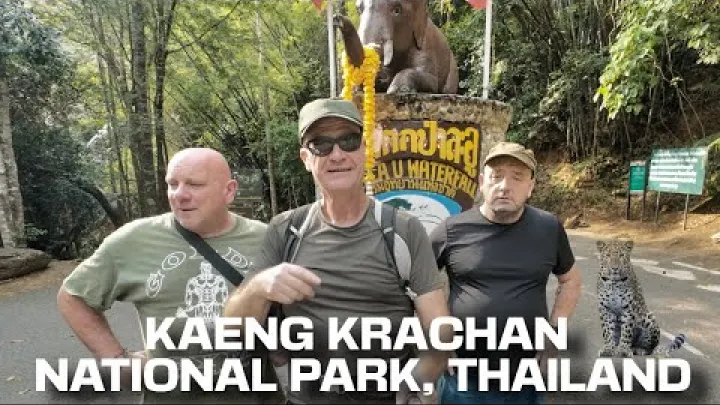
Access to Kaeng Krachan’s higher sections, including the scenic Phanoen Thung area, is typically limited in the rainy season and more reliable in the dry months (often November–May). A high-clearance 4x4 is commonly required on upper roads, and daily vehicle quotas or time slots may apply. Kui Buri provides structured elephant viewing with park trucks, while Khao Chamao–Khao Wong is a quieter option with waterfalls and caves.
South and islands (Khao Sok, Similan, Ang Thong, Ko Chang, Ko Lanta)
Southern Thailand combines evergreen rainforest with famous marine parks.

Nearest travel hubs: Khao Sok is reached via Surat Thani (and also from Phuket or Krabi); Similan trips depart mainly from Khao Lak (Thap Lamu Pier) and Phuket; Ang Thong trips depart from Koh Samui or Koh Phangan; Ko Chang is accessed via Trat; Ko Lanta is reached from Krabi. The Andaman side is shaped by a May–October monsoon, while the Gulf sees its strongest winds and rain around October–January, defining marine access windows.
| Region | Sample Parks | Nearest Hubs | Typical Access |
|---|---|---|---|
| Northern highlands | Doi Inthanon, Doi Suthep–Pui | Chiang Mai | 30–120 min by road |
| Central/east | Khao Yai, Kaeng Krachan, Kui Buri | Bangkok, Hua Hin | 2.5–4.5 hours by road |
| South and islands | Khao Sok, Similan, Ang Thong | Surat Thani, Phuket, Samui | 2–4 hours by road/boat |
Best national parks in Thailand (Top 10)
This curated list highlights famous landscapes, accessible wildlife, and reliable logistics. Each park below includes practical notes on gates, seasons, safety, and any special rules. Use it to match your interests with realistic travel times and seasonal weather across Thailand’s different regions.
Khao Yai (UNESCO forest complex, wildlife, access)
Khao Yai forms part of the Dong Phayayen–Khao Yai Forest Complex and hosts elephants, gibbons, hornbills, and sambar deer. Scenic stops include the Haew Suwat waterfall and sweeping grasslands where wildlife sometimes grazes at dusk. Night safaris may operate from the main visitor center area with ranger trucks.

Access and gate choices: The Pak Chong (north) gate is the most common entry for visitors coming from Bangkok and the northeast, with quick access to the visitor center and central loops. The Prachinburi (south) gate is convenient if you are coming from the east or targeting Haew Narok waterfall. Driving the park road between gates is possible during opening hours, but allow time for wildlife crossings and viewpoint stops.
Doi Inthanon (summit, cloud forest, seasons)
Doi Inthanon is Thailand’s highest peak at 2,565 m and offers a unique cloud forest ecosystem, short boardwalks at the summit, and the famous twin pagodas overlooking terraced hills. Dawn often brings the clearest views in the cool season, with frost possible on the coldest mornings.

This is significantly cooler than Chiang Mai city, so bring layers, a hat, and a light rain shell. Trails near waterfalls may be slippery after rain; check current conditions at ranger stations.
Khao Sok (lake safaris, rainforest, cave rules)
Khao Sok combines ancient rainforest with the dramatic Cheow Lan Lake, where longtail boat trips visit limestone karsts and floating raft-house accommodations. Wildlife ranges from hornbills to langurs, and the forest stays lush year-round, especially during the wet season.

Understand the two main access points: Khao Sok Village (near the park headquarters on Route 401) is the base for jungle trails and river tubing, while Ratchaprapha Pier (near Ban Ta Khun) serves Cheow Lan Lake trips and raft houses. The two areas are about 60–70 km apart (roughly 1–1.5 hours by road). Some caves, including Nam Talu, close in the wet season and require guides even in the dry season.
Kaeng Krachan (largest park, butterflies, primates)
Kaeng Krachan is Thailand’s largest national park and, with adjacent protected areas, forms the UNESCO-inscribed Kaeng Krachan Forest Complex. It is a top birding destination with broadbills, babblers, and hornbills, plus rich butterfly diversity along streams. Mammals include elephants and dusky langurs.

Seasonality and road access matter here. The Ban Krang to Phanoen Thung road is usually open during the dry season, often with quotas and a requirement for high-clearance 4x4 vehicles. During the rainy months, upper sections frequently close for safety and to protect road surfaces. Always confirm current access and any time windows for ascending and descending the mountain road.
Erawan (seven-tier falls, crowd tips)
Erawan National Park near Kanchanaburi is famous for its seven-tier turquoise waterfalls. The lower pools are popular for swimming, while upper tiers involve steeper, rooty paths. Plastic restrictions apply; visitors may need to leave a bottle deposit and wear life vests at certain pools, depending on local rules.

Arrive early to avoid queues and enjoy clearer water before heavy use. Last entry is typically mid-to-late afternoon (often around 15:30–16:00) with closing near 16:30–17:00, but confirm locally as times can change. A typical day trip from Bangkok lasts about 11–12 hours round trip, including driving and time at the falls.
Similan Islands (diving rules, caps, season)
The Similan Islands are among Thailand’s most celebrated marine parks, with granite boulders, clear water in season, and famous dive sites like Koh Bon. The park usually opens from mid-October or November to mid-May, with a strict daily visitor cap.

Advance booking with a licensed operator is usually required, especially for divers. Scuba divers must carry insurance; single-use plastics are prohibited, and drones need permits. Departures commonly use Thap Lamu Pier near Khao Lak. Follow all ranger instructions and respect site closures that protect coral recovery.
Ang Thong (kayaking and viewpoints)
Ang Thong National Marine Park is an island archipelago near Koh Samui and Koh Phangan, known for kayaking along karst shorelines and the Emerald Lake viewpoint. Sea conditions vary with the Gulf monsoon, which can affect trip reliability and visibility.

The main viewpoint on Koh Wua Talap involves a steep ascent of roughly 400–500 steps with rope sections; allow 30–60 minutes up depending on fitness and heat. Wear sturdy shoes, carry water, and be prepared for limited shade on the way to the top.
Kui Buri (wild elephant safaris)
Kui Buri offers the most reliable wild elephant viewing in Thailand. Managed viewpoints operated by rangers run in the afternoon, typically between about 14:00 and 18:00, when herds emerge to feed. Visitors must join an official truck with a ranger guide.

Safari fees are paid on-site at the ranger station in addition to park entry. From Hua Hin, the drive is about 1.5–2 hours; from Pran Buri, about 1–1.5 hours, depending on the viewing area and road conditions. Dry-season months tend to provide the highest sighting reliability.
Doi Suthep–Pui (culture + nature near Chiang Mai)
Doi Suthep–Pui rises directly above Chiang Mai, combining cultural landmarks and easy access to forest trails. Many visitors pair a temple visit with short walks or a stop at Hmong villages in the higher, cooler air.

Boundaries and etiquette: Wat Phra That Doi Suthep sits within the broader protected area but is managed as a temple site with its own entry and dress expectations. Shoulders and knees should be covered; remove hats in prayer halls. Trails and waterfalls beyond temple grounds fall under national park rules, including opening hours and safety notices.
Phu Kradueng (plateau trek, bike hire, seasons)
Phu Kradueng is a classic plateau trek with a steep 5.5 km ascent to the rim, followed by a network of relatively flat trails on top. Bicycles can be rented on the plateau to reach cliff viewpoints for sunsets above the plains below.

Opening is typically October–May. At the trailhead, you buy your ticket, register your hike, and can hire porters to carry luggage (priced by kilogram; morning departures are most reliable). Nights can be cold; expect temperatures that may dip to single digits Celsius, so pack a warm layer and a sleeping bag if camping.
National parks near Bangkok (how to visit quickly)
Several standout parks can be reached from Bangkok in a single day, though overnight stays improve wildlife viewing and reduce crowd pressure. Distances below assume normal traffic; weekend and holiday congestion can extend travel times. Public transport brings you to gateway towns, then local taxis or songthaews connect to park gates.
Khao Yai (distance, time, day-trip tips)
Khao Yai is about 180 km from Bangkok and usually takes 2.5–3.5 hours by car, depending on traffic. Day trips are possible with an early start, but the best wildlife activity is around dawn and dusk, so staying near or inside the park can be more rewarding.
From Pak Chong, take a local songthaew or taxi to the Pak Chong gate. Guided day tours are available and can simplify permits, night-drive bookings, and internal transport.
Erawan (distance, time, best hours)
Erawan lies about 200 km from Bangkok via Kanchanaburi, with a 3–3.5 hour drive in normal conditions. Arrive early to enjoy quieter pools and more comfortable temperatures.

Public transport: Buses and minivans run from Bangkok’s Southern Bus Terminal (Sai Tai Mai) to Kanchanaburi. From Kanchanaburi, a local bus (often signed Erawan/No. 8170) or a songthaew connects to the park. In heavy rain, upper tiers may close temporarily for safety.
Kaeng Krachan (distance, roads, seasons)
Kaeng Krachan is roughly 180–200 km southwest of Bangkok, taking 3–4 hours by car. Some internal roads are unpaved, and conditions change with weather, especially after storms.
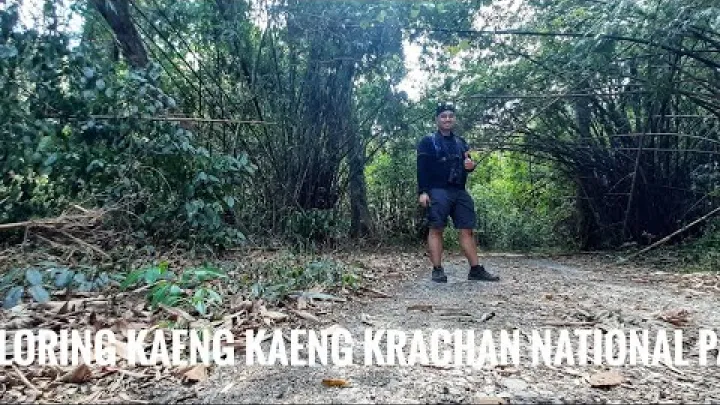
Main entrances and vehicles: Ban Krang is the lower-area entry with campsites and streams; the mountain road to Phanoen Thung starts past Ban Krang and is typically limited to specific hours and 4x4 vehicles in the dry season. Birding is strong from February to May when activity and butterfly numbers peak.
Kui Buri (safari hours, cost, reliability)
Kuh Buri is about 300 km from Bangkok and usually 4–4.5 hours by car. The elephant-watching area operates mid-afternoon only, designed to minimize disturbance and increase sighting chances.

Expect to pay a per-truck fee for the ranger-led safari in addition to entry tickets. The site is often closed on one weekday each week (commonly Wednesday) to reduce pressure; confirm the exact day and same-day conditions with rangers or the park’s official updates before you depart.
Khao Chamao–Khao Wong (waterfalls, caves, trails)
About 200 km southeast of Bangkok, Khao Chamao–Khao Wong takes 2.5–3 hours by car. It is a quieter alternative with a waterfall trail that passes several clear pools and short cave walks.
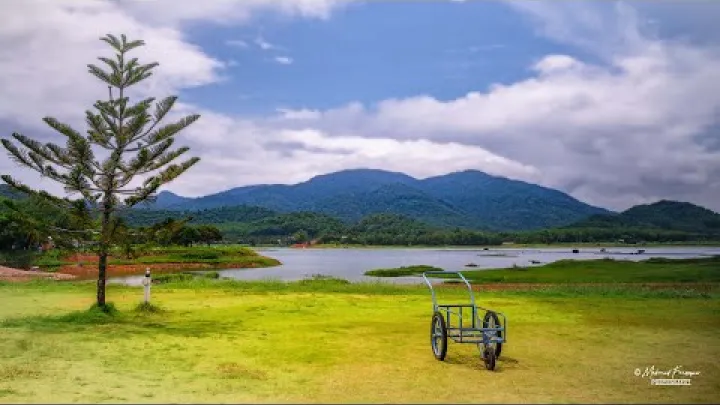
Bring a flashlight or headlamp for caves, and consider leech socks during the rainy season. Water clarity is best in the dry months, and weekday visits are noticeably less crowded.
Best time to visit (by region and activity)
The north and central areas share a broadly similar pattern, while the Andaman and Gulf coasts have opposing marine seasons that govern island and diving access. For comfort and visibility, plan around both temperature and rainfall patterns.
Nationwide weather patterns
In lowlands, daytime highs often run 30–35°C in the hot months, while nights in the cool season can dip to 18–24°C, depending on elevation and latitude.

North (dry vs rainy, cool season peaks)
The north’s dry season runs roughly November to May, with the coolest months from October to January. At altitude on peaks such as Doi Inthanon, mornings can be cold, and frost is possible on exceptional winter nights. Trails are generally drier and safer underfoot in this period.

Late February to April often brings burning-season haze that reduces air quality and long-range views. For sunrise panoramas, early morning viewpoints like Doi Inthanon’s summit boardwalk are best in mid-winter. Clear, cool nights also support excellent stargazing on high plateaus, especially in December–January.
Andaman vs Gulf marine seasons

Park-specific notes (Inthanon, Khao Sok, Phu Kradueng, Erawan)
Doi Inthanon has very cold dawns in December–January; start early for cloud inversions and pack a warm layer. Khao Sok is at its most lush and wildlife-active in the wet season, but some trails and caves close for safety after heavy rain.

Fees, permits, and rules
Entry fees and activity rules vary by park and season. Many parks also charge separate vehicle and camping fees, and some activities require a ranger guide or official vehicle. Marine parks have additional conservation rules to protect reefs, including visitor caps and strict bans on single-use plastics.
Typical entry fees (Thai vs foreign visitors)
Fees commonly differ by nationality. Many parks charge around 40 THB for Thai citizens and about 400 THB for foreign visitors, but rates vary by site and may be higher for premium marine parks. Separate fees can apply for cars or motorcycles, camping, and guided activities.
Child, student, or senior categories may be available at some parks with valid identification. Payment is often in cash at ranger stations, though some sites may accept local QR payments. Keep your ticket for re-entry on the same day where permitted.
Marine park rules (Similan visitor caps, plastics, drones)
Marine parks such as the Similan Islands enforce seasonal openings with daily visitor limits. Advance registration through licensed operators is expected in season to comply with quotas. Single-use plastics are prohibited, and feeding fish or touching coral is not allowed.

Drones require prior authorization from the park and relevant aviation authorities. Violations of marine rules can lead to fines and removal from sites. Operators usually brief visitors on acceptable behavior; follow mooring-buoy protocols and stay within marked snorkeling or diving zones.
Guided safaris, tickets, and insurance
Some experiences require official guides or vehicles for safety and conservation. Examples include Kui Buri elephant safaris, certain cave or summit routes in Khao Sok, and some night drives in Khao Yai. Carry a passport or ID for ticketing and lodge bookings where required.

Ticketing practices vary. For higher-risk activities like diving, ensure you have appropriate travel or dive insurance and bring proof to boat operators if requested.
Wildlife and biodiversity highlights
Thailand’s parks protect a spectrum of wildlife from large mammals to micro-endemics, plus coral reef assemblages offshore. Ethical viewing is essential: maintain distance, avoid playback or baiting, and follow ranger guidance at all times.
Elephants, tigers, and large mammals (where to go, best chances)
Kui Buri offers the most reliable wild elephant viewing from managed afternoon viewpoints, with rangers guiding visitors in park trucks. Khao Yai and Kaeng Krachan also have elephants, but sightings there are less predictable and depend on habitat use and time of day.

Birds and reptiles (notable species and hotspots)
Birding hotspots include Kaeng Krachan and Khao Yai, where you may encounter hornbills, broadbills, trogons, and colorful pittas. River crossings and salt licks can attract mixed flocks, while fruiting trees are magnets for barbets and bulbuls.

Marine life (reef species, manta rays, protections)
Similan and Surin marine parks host reef fish, sea turtles, and large pelagics. Manta rays are often associated with Koh Bon, while seasonal whale sharks can appear at Richelieu Rock when currents and plankton align. Visibility and species composition vary week to week.

Planning your visit
A smooth national park trip depends on matching your route to seasons, leaving buffer time for weather, and confirming rules close to departure. Transport, accommodation, and safety gear differ between rainforest lowlands and high-elevation summits, so plan accordingly.
Transport and access (car, bus, guided tours)
Private car or a hired driver gives the most flexibility for early starts and late wildlife hours. Buses and minivans connect major hubs to gateway towns, where you can switch to local taxis or songthaews for the final stretch to park gates.

Example travel times: Bangkok to Khao Yai 2.5–3.5 hours; Bangkok to Kanchanaburi (Erawan) 3–3.5 hours; Bangkok to Kaeng Krachan 3–4 hours; Chiang Mai to Doi Inthanon 1.5–2 hours; Phuket or Krabi to Khao Sok 2–3 hours; Khao Lak to Similan departure pier about 20–40 minutes. Confirm gate hours and last entry times before leaving.
Accommodation and camping (rentals, inside vs outside the parks)
Many parks rent tents, mats, and blankets at ranger stations, and some have basic bungalows near headquarters. Weekends and public holidays can sell out, so reserve early in peak months.

Safety, gear, and guiding (checklists by activity)
General essentials: at least 1–2 liters of water per person on short hikes, sun protection, insect control, a light rain jacket, snacks, and a basic first-aid kit. Respect closures and weather warnings, especially near waterfalls and caves after rain.

Gear by environment: For rainforest treks (Khao Sok, Kaeng Krachan), choose quick-dry clothing, leech socks in the wet season, sturdy shoes with grip, and a headlamp. For high-elevation hikes (Doi Inthanon, Phu Kradueng), pack warm layers, gloves in mid-winter, wind protection, extra water for dry-season ascents, and a torch for early starts or late returns.
Official resources (Department of National Parks links)
The Department of National Parks, Wildlife and Plant Conservation (DNP) is the national agency responsible for protected areas. Its official portal publishes park lists, fee schedules, seasonal openings, temporary closures, safety notices, and reservation information for selected accommodations and campgrounds.
Individual park pages and ranger stations provide real-time conditions, road access notes, and any special rules for activities like diving, cave visits, or night safaris. Check updates close to your visit for the most accurate guidance.
Frequently Asked Questions
How many national parks are in Thailand?
Thailand manages about 156 national parks, including around 22 marine parks. Counts can vary slightly between sources as classifications change. Marine units protect coral reefs, seagrass, mangroves, and offshore islands. Check the Department of National Parks for the current list and any new designations.
What are the best national parks in Thailand for first-time visitors?
Popular first picks include Khao Yai for accessible wildlife and waterfalls, Doi Inthanon for summit views and cool mornings, Khao Sok for lake and rainforest, Erawan for seven-tier falls, and the Similan Islands (in season) for top snorkeling and diving. Kui Buri is best for reliable wild elephant viewing.
Which national parks are closest to Bangkok and how long does it take to get there?
Khao Yai is about 2.5–3.5 hours by car, Erawan about 3–3.5 hours, Kaeng Krachan about 3–4 hours, Kui Buri about 4–4.5 hours, and Khao Chamao–Khao Wong about 2.5–3 hours. Travel times vary with traffic and weather. Overnight stays improve wildlife viewing and reduce crowding.
When is the best time to visit Thailand’s national parks?
The Andaman coast (e.g., Similan) is best November–March, while the Gulf (e.g., Ang Thong) is often best March–September. The north is cool and dry November–January but can be hazy from late February to April.
How much are national park entry fees in Thailand?
Many parks charge about 40 THB for Thai citizens and about 400 THB for foreign visitors, with park-by-park variation. Additional fees can apply for vehicles, camping, guides, and specific activities. Marine parks and premium attractions sometimes carry higher or separate charges.
Where can I see wild elephants in Thailand?
Kui Buri National Park is the most reliable location, with ranger-managed viewing in the afternoon. Khao Yai and Kaeng Krachan also host elephants, but sightings there are less predictable. Keep a safe distance, follow ranger instructions, and never feed wildlife.
Do Thailand’s national parks allow camping and how do I book?
Yes. Many parks allow camping and rent tents, mats, and blankets at ranger stations. Some operate first-come, first-served, while others accept advance reservations through the DNP reservation website. Payment is usually in cash on site; bring ID for rentals and check-in.
Are the Similan Islands open year-round and what rules apply?
No. The Similan Islands open only in season with a daily visitor cap and advance booking through licensed operators. Scuba divers need insurance; single-use plastics and touching coral are prohibited. Drones require permits, and violations can result in fines.
Conclusion and next steps
Thailand’s national parks span mountains, forests, and reefs with seasonal patterns that shape access and experiences. Match your route to weather windows, confirm current rules, and plan travel times carefully. With respectful behavior and the right gear, you can enjoy memorable wildlife encounters, waterfalls, viewpoints, and marine adventures across the country’s protected areas.
Select area
Create a post
Posting is free and no registration is required.