Thailand Massage (Traditional Thai Massage): Definition, Benefits, Safety, and Costs
Thailand massage, often called Traditional Thai Massage, is a distinctive bodywork tradition recognized for its blend of compression, assisted stretching, and mindful pacing. It is practiced clothed and usually on a floor mat, making it different from oil-based spa services. In 2019 it was added to UNESCO’s Representative List of the Intangible Cultural Heritage of Humanity, reflecting its cultural and therapeutic value. This guide explains what to expect, how to prepare, potential benefits, and how to find a reputable therapist or shop in your area or in Bangkok.
What is "Thailand Massage"? A clear definition
Thailand massage is a traditional therapeutic practice performed with the recipient fully clothed on a floor mat. It uses rhythmic pressure, assisted stretches, gentle joint mobilizations, and energy line work (sen) to encourage whole-body balance, ease, and relaxation. Practitioners apply pressure with hands, forearms, elbows, knees, and feet, using bodyweight and careful leverage.

At a glance, classic features include: clothed sessions, no oil; floor-mat setup; compression and stretching along sen lines; mindful pacing and attention to breath; and a whole-body sequence tailored to comfort and goals. It is a professional health service distinct from oil-massage spa offerings and unrelated to sexual services.
Core identity and how it differs from oil-based spa massage
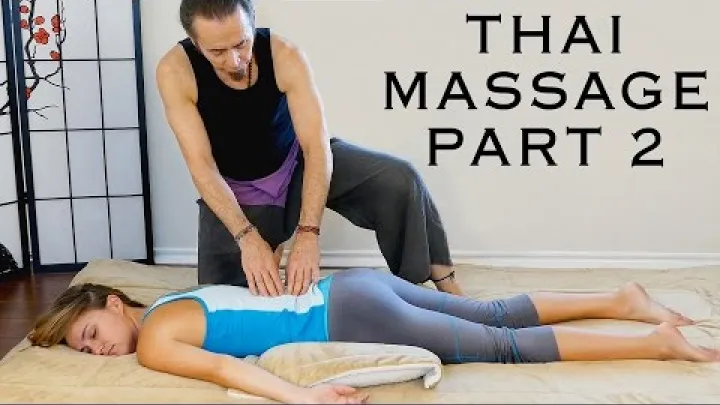
Traditional Thai massage centers on compression, assisted stretching, and mobilizations performed through clothing. Instead of gliding strokes with oil, a therapist leans and rocks into tissues, follows sen pathways with palms and thumbs, and guides joints through comfortable ranges. The floor mat allows the practitioner to use leverage and bodyweight efficiently, creating strong yet controlled pressure without straining hands.

By contrast, oil-based spa massage emphasizes smooth, continuous strokes on a table, with local tissue work and lubrication to reduce friction. In Thai massage the sensation is different: pressure feels anchored, stretches are intentional, and rocking can release guarding. A full session aims for whole-body cohesion and balanced energy, often framed by the value of metta (a kind intention). To avoid confusion, many shops list both “Thai massage” (no oil, clothed) and “oil massage” as separate services. Thailand massage is a professional therapeutic practice; reputable venues uphold clear boundaries, informed consent, and nonsexual services.
UNESCO recognition and cultural roots
Traditional Thai massage was inscribed on UNESCO’s Representative List of the Intangible Cultural Heritage of Humanity in 2019. This recognition reflects its role within Thai traditional medicine and its significance to community health, education, and cultural identity. The practice has historical connections to Buddhist temples and medical schools, with Wat Pho in Bangkok widely known as a teaching hub and reference point for many visitors.

Practitioners often acknowledge influences from Ayurveda and Buddhism, and many honor Jivaka Komarabhacca in opening rituals. Cultural elements such as wai kru (respectful acknowledgment of teachers) and the ethic of metta help frame the work as both practical and respectful. While stories about origins can be romanticized, the core context is verifiable: temple-based learning, community clinics, and formal training programs that have evolved into modern schools and clinics across Thailand and abroad.
Health benefits and scientific evidence
People choose Thailand massage for relief from tightness, to improve flexibility, and to reduce stress. Research suggests short-term benefits for certain musculoskeletal complaints and for perceived stress levels. The approach combines pressure, stretching, and rhythmic movement, which may influence the nervous system, ease protective muscle guarding, and improve comfort in daily activities.

Evidence continues to develop. Findings are promising for nonspecific low back pain, tension in the neck and shoulders, and tension-type headaches. At the same time, results vary among individuals, and Thai massage is best viewed as complementary to broader health plans such as exercise, ergonomics, and medical care when needed. Anyone with severe, persistent, or unexplained symptoms should seek guidance from a healthcare professional.
Musculoskeletal relief and flexibility
For many, the most noticeable changes after a Thailand massage are reduced muscle tightness and easier movement. Studies indicate that people with nonspecific low back pain or neck and shoulder tension may experience short-term relief and improved range of motion. Possible mechanisms include neuromodulation (the nervous system recalibrating its protective responses), increased tissue glide in fascia, and restoration of comfortable joint movement through gentle mobilizations.
Thai massage can complement physiotherapy or exercise programs when the goal is to move more comfortably or prepare for activity. Clear goals and a simple assessment—such as identifying positions that aggravate symptoms and noting functional limits—help the therapist adjust pressure and pacing. It is sensible to start with moderate intensity and refine the approach based on your response. For ongoing or severe pain, consult a clinician to rule out underlying conditions and to integrate massage into a suitable plan.
Headache, stress, and autonomic balance
Thailand massage may help people with tension-type headaches by easing neck, shoulder, and scalp tension and by supporting overall relaxation. Some research reports reduced headache intensity and frequency in the short term. The rhythmic pacing and breath-aware stretches can also reduce perceived stress, with improvements noted in markers of autonomic balance such as heart rate variability in certain studies.

Responses are individualized, and more research is ongoing. Gentle techniques—like slow compressions on the shoulder girdle, light traction, and scalp work—are often preferred during headache episodes. Massage is not appropriate for acute neurological red flags, sudden severe headache, or unusual symptoms that require medical evaluation. For chronic or complex headache patterns, discuss options with a healthcare provider to determine suitability and timing of sessions.
Techniques and session flow
The craft of Thailand massage lies in how pressure, stretch, and movement are combined in a sequence that suits your body and goals. Sessions are typically unhurried, with the therapist adjusting intensity and angles in real time. Clear communication about comfort, pressure level, and stretch range is encouraged throughout.
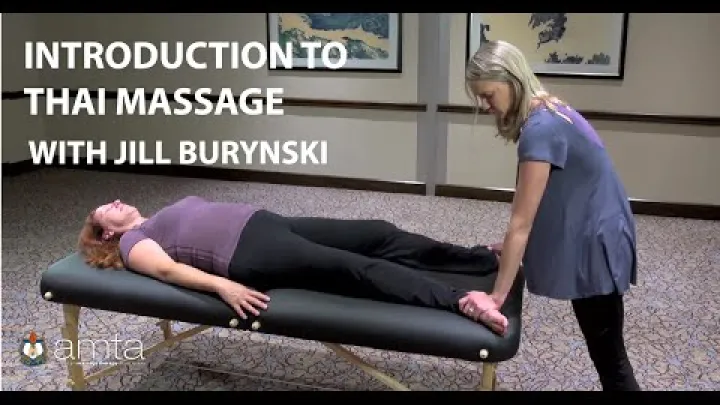
Although many schools teach a common choreography, skilled practitioners adapt the sequence to your needs. Props such as bolsters and pillows support alignment, while changes in position—supine, prone, side-lying, and seated—help reach different regions of the body safely and effectively.
Compression, stretching, mobilizations, and rocking
Core techniques start with palming and thumb work along sen lines to deliver steady compressions. A therapist may follow with assisted stretches for hips, hamstrings, and the spine, then add gentle joint mobilizations and traction to improve ease of movement. Rhythmic rocking—subtle or more pronounced—encourages the body to release guarding, making deeper work more comfortable without forcing tissues.

Practitioners use ergonomic bodyweight rather than muscular effort to apply pressure, which often feels grounded and evenly distributed. This approach allows depth while protecting the therapist’s hands and wrists. Everything is adaptable: pressure can be increased or decreased, stretches can stop short of end range, and mobilizations can be smaller or slower. Real-time communication is key; say “softer,” “hold there,” or “a little deeper” to calibrate the work to your comfort.
Positions (supine, prone, side-lying, seated) and typical sequence
A common session begins in supine, starting at the feet and legs, then moving to hips, abdomen (if appropriate and consented, and not during pregnancy), chest, arms, and neck. The work often continues in side-lying to access the lateral hip and back, then prone for the posterior legs and back, and ends seated for shoulder and neck finishing techniques. The flow is flexible and shaped by your goals and available time rather than rigid steps.

Positioning is adjusted for safety and comfort. For example, pregnancy calls for trained prenatal care with side-lying positions and extra bolstering, avoiding abdominal compression. People with low back pain may prefer side-lying to reduce lumbar extension, and those with reflux may avoid prolonged prone work. Pillows under the knees or ankles, and towels for neutral head support, help maintain alignment. Feedback about pressure and stretch intensity guides the therapist’s choices throughout the session.
Safety and contraindications
Thailand massage is generally safe when provided by a trained practitioner who takes a thorough health history and adapts techniques to the client. As with any physical modality, certain conditions require caution or medical clearance. Honest communication about recent injuries, medications, and symptoms helps tailor a safe and effective session.
If ever in doubt, seek advice from a healthcare professional before booking. Regulations and clinical guidelines vary by region, so expectations for screening and scope of practice may differ between countries. A careful intake process is a good sign that a therapist or shop takes safety seriously.
Conditions requiring caution or medical clearance
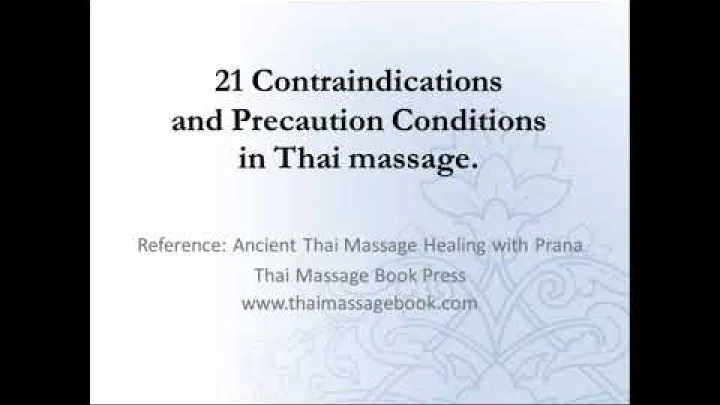
Postpone massage or obtain medical clearance if you have acute injuries, fractures, recent surgery, deep vein thrombosis, severe osteoporosis, uncontrolled hypertension, or any fever or active infection. Additional caution is warranted with herniated discs, diabetic neuropathy, bleeding disorders, or use of anticoagulant medication. Abdominal techniques are avoided in pregnancy and not used in the presence of abdominal pain of unknown origin.
Pregnant clients should work with practitioners trained in prenatal Thai massage who understand positioning, pressure limits, and contraindications. A structured intake and health screening allow the therapist to adapt the session, such as avoiding end-range stretches, reducing strong compressions over vulnerable areas, and selecting positions that maintain comfort and circulation. When unsure, consult a healthcare provider and share any medical guidance with your therapist.
Modifications for older adults, hypermobility, and varicose veins
Older adults often benefit from gentler pressure, shorter stretch holds, and supportive props that make transitions easier. The focus can shift toward rhythmic compression, light mobilizations, and breathing cues, which are often soothing without stressing joints. Session length and pacing are adjusted to energy levels; breaks for repositioning or hydration are normal.

For hypermobility, the emphasis is on controlled ranges and stability rather than pushing into end range. Stretches should stop well before the limit to protect ligaments, and strengthening-oriented mobilizations can help the body feel contained and supported. For varicose veins, avoid deep pressure directly over affected veins and limit prolonged compressions; gentle sweeping compressions and occasional elevation can be more appropriate. Clear stop signals include sharp pain, numbness, tingling, or dizziness—say “stop” and the therapist will modify or cease the technique. Frequent verbal check-ins during stretches help keep work within a safe, comfortable window.
Pricing, duration, and recommended frequency
Prices for Thailand massage vary widely by country, city, and venue type. In Thailand you will see differences between budget neighborhood shops, mid-range wellness studios, and hotel or resort spas. Internationally, rates depend on training, licensing, and local market conditions. Add-ons—such as herbal compress or focused foot work—may change the price.
Session length also varies. Many people choose 60–90 minutes for a thorough yet manageable appointment, while enthusiasts enjoy longer 2–4 hour sessions for full-body detail. Frequency depends on goals, response, availability, and budget. Consider a short series if you have a focused goal, then taper to a maintenance schedule that feels sustainable.
Typical price ranges (Thailand vs international)
In Thailand, budget shops often list rates around 200–400 THB per hour, mid-range venues about 400–800 THB, and upscale or hotel spas from roughly 800 to 1,500 THB or more. Internationally, one hour of traditional Thai massage commonly ranges from about $50 to $120 or higher, depending on city, therapist credentials, and venue. These figures are approximate and subject to change based on season, neighborhood, and demand.
Costs may increase with add-ons such as herbal compress (luk pra kob), foot-focused work, or aromatherapy variations that introduce light oil. Tipping customs differ by country; in Thailand, tips may be modest or included in service charges at higher-end venues, while tipping is more common in some international markets. Always check current local rates and policies, and confirm what is included before booking to avoid surprises.
Session lengths, how often to book, post-session expectations
Most newcomers start with 60–90 minutes to experience the core sequence without rushing. Longer sessions—120 to 240 minutes—allow careful attention to feet, legs, hips, back, shoulders, and neck, with unhurried transitions and optional add-ons. For general wellness and stress relief, every 2–4 weeks is common. For focused goals like easing recurrent stiffness, weekly sessions for several weeks can help, followed by tapering based on how you feel.

After a session, it is normal to feel relaxed and possibly mildly sore, similar to the sensation after a good stretch class. Hydrate and do gentle movement to integrate the work. Avoid very intense workouts immediately after deep stretching or strong compressions; resume activity gradually. If you are a traveler dealing with jet lag, consider booking at a time when you can rest afterward, and drink extra water to support recovery. Distinguish normal post-session soreness (dull, easing within a day or two) from warning pain (sharp, escalating, or accompanied by neurological signs). If unusual symptoms persist, seek professional advice.
Choosing a therapist or shop (including "near me")
Finding a reliable Thailand massage therapist or shop “near me” starts with verifying training, hygiene, and professional communication. A short phone call or message can clarify services, pricing, and scheduling, while reviews offer a sense of consistency over time. The right match includes not just credentials but also a style that fits your comfort and goals.
Since regulations differ by country, how you verify qualifications will vary. In some places, therapists hold massage licenses or registrations; in others, schools issue certificates for specific training hours. When possible, confirm where the therapist studied and how they maintain continuing education.
Credentials, hygiene, environment, and reviews
Ask about recognized training hours in Thai massage and any relevant licensing or registration in your region. In countries with formal regulation, look up the therapist or clinic on the public register. Internationally, reputable schools often publish standardized curricula; listings from known training centers can be reassuring, especially when combined with experience and ongoing education.

Hygiene signals include clean linens, sanitized mats, visible handwashing, and a professional intake process. The environment should be quiet, with a comfortable temperature and enough space for a floor-mat setup. Many shops provide suitable attire; confirm if you should bring your own clothing. Reading reviews can help identify patterns of reliability, communication, and technique. If you prefer a therapist of a particular gender or a gentler or stronger style, request that when booking.
Red flags and questions to ask before booking
Be cautious about unclear pricing, poor hygiene, missing consent, high-pressure upsells, or any sexual solicitations. A legitimate Thailand massage shop will display a clear service menu, post prices, and explain boundaries. You should feel comfortable asking questions and declining optional add-ons.

Useful questions, by phone or message, include: “What training do your therapists have in traditional Thai massage?” “Is the session clothed with no oil on a floor mat?” “How do you adjust pressure and stretches for different needs or contraindications?” “What are your cancellation and payment policies?” “Do you have therapists of different genders?” “Which languages do you support?” Respectful, concise wording helps you compare options and choose confidently.
Variations and add-ons you may encounter
While the classic Thailand massage is a clothed, no-oil modality, many venues offer variations and add-ons to customize your experience. These options may introduce heat, aroma, or specialized tools. Understanding the differences helps you select what matches your goals and sensitivities.

Always tell your therapist about skin sensitivities, allergies, or preferences. Variations can be integrated into a traditional session or booked as separate services, depending on the shop’s menu and the practitioner’s training.
Thai foot massage, herbal compress, aromatherapy Thai, hot stone Thai
Thai foot massage focuses on the feet and calves, often using a small wooden stick to stimulate points along mapped reflex zones. It is usually performed with the client clothed from the knee up and may be chosen when you want targeted leg and foot relief. The sensations range from light to firm, and the technique pairs well with walking-heavy travel days.
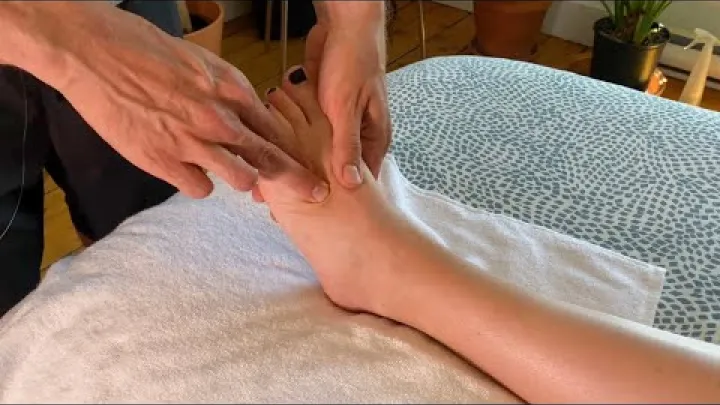
Herbal compress (luk pra kob) involves steamed bundles of herbs applied to the body, delivering heat and aroma that can soften tissues and promote relaxation. Some venues offer aromatherapy Thai massage, which blends light oil with selected Thai techniques, or hot stone Thai, which integrates heated stones for warmth. Note that these differ from classic no-oil Thai massage; they are often listed as add-ons. People with sensitive skin or certain conditions should discuss ingredients and heat tolerance before choosing these options.
Tok sen and Thai yoga massage
Tok sen is associated with Northern traditions and uses a wooden mallet and wedge to create rhythmic vibrations along sen pathways. The tapping can feel surprisingly soothing, reaching areas that may not respond as well to static pressure. It is typically performed by practitioners with specific training and is introduced selectively based on your comfort and goals.

Thai yoga massage highlights assisted yoga-like postures and coordinated breathing, emphasizing longer, flowing stretches and mindful pacing. Both Tok sen and Thai yoga massage are options rather than cures, and their suitability depends on your tolerance, preferences, and the practitioner’s expertise. People sensitive to vibration or sound should discuss concerns in advance so the therapist can adjust or choose alternative techniques.
Thailand massage vs other modalities
Choosing between Thailand massage and other modalities depends on your goals, comfort with clothing or oil, and the type of touch you prefer. Some people enjoy hybrid sessions that combine elements, while others prefer a single style. Understanding the distinctions helps you communicate expectations and select the right service for each visit.
The table below outlines common differences. Keep in mind that practitioners vary, and styles can overlap. Clear communication about pressure, areas of focus, and any conditions helps match the session to your needs.
| Modality | Setting & Attire | Core Techniques | Typical Uses |
|---|---|---|---|
| Thailand (Traditional Thai) | Floor mat; clothed; no oil | Compression, assisted stretching, mobilizations, rocking | Mobility, whole-body balance, relaxation |
| Swedish | Table; undraped areas with draping; oil | Long, gliding strokes, kneading, light to medium pressure | General relaxation, circulation support |
| Deep Tissue | Table; oil | Slow, sustained deep pressure targeting adhesions | Tissue density, focused areas of tightness |
| Sports Massage | Table; oil; may include movement | Pre-event prep, post-event recovery, focused techniques | Athletic performance and recovery (non-clinical) |
Swedish, deep tissue, and sports massage comparisons
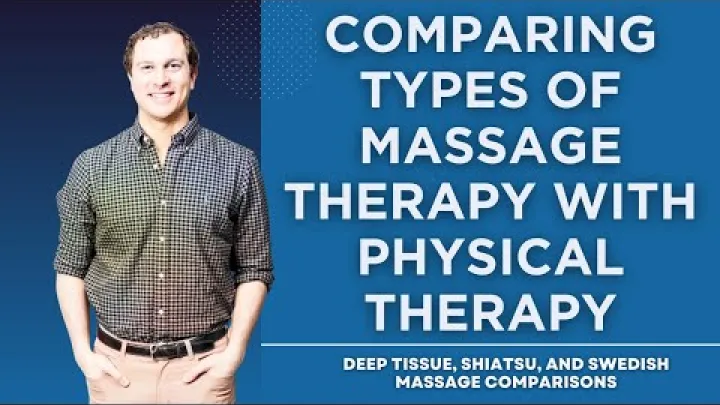
Swedish massage uses oil and long, flowing strokes on a table and is often chosen for general relaxation. Deep tissue applies slow, focused pressure to address dense or adhesive areas within muscles and fascia. Sports massage supports preparation and recovery around training cycles, with techniques and timing tailored to athletic demands. Thailand massage differs by keeping you clothed on a floor mat and emphasizing leverage-based pressure, assisted stretching, and rhythmic mobility.

Combination sessions can be useful. For example, someone who prefers oil-based work on the back and shoulders but enjoys Thai-style hip and hamstring stretches may request a hybrid. When booking, explain your goals—such as ease of sitting, better sleep, or post-travel tension relief—so the therapist can recommend the most suitable modality or blend for that session.
Preparation checklist for your first session
Preparing well helps you feel relaxed and ensures the therapist can tailor the session safely. Dress for ease of movement, arrive a few minutes early for intake, and communicate preferences and any health considerations. A simple plan for aftercare supports the benefits of the session.
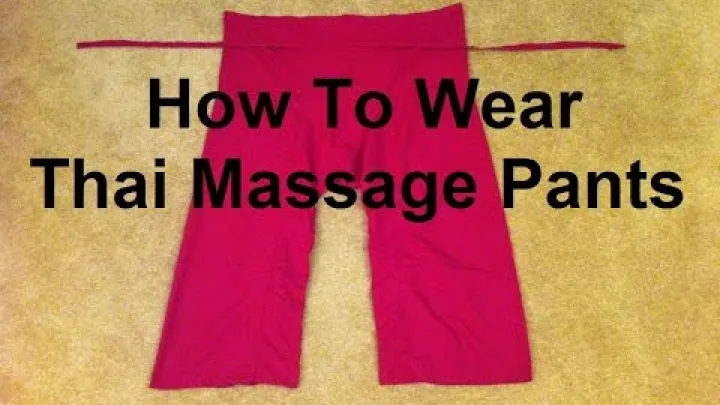
Modesty and privacy are respected in professional settings. You will remain clothed in loose, stretchable attire for traditional sessions, and draping is used as needed in oil-based services that are booked separately. If you are unsure about attire or procedures, ask in advance to avoid confusion.
Clothing, intake, communication, and aftercare
Before you go:
- Wear or bring loose, stretchable clothing (e.g., T-shirt and athletic pants).
- Remove jewelry and avoid heavy perfumes or lotions.
- Complete the intake form accurately, listing medications, injuries, and goals.
- Plan light hydration and a small snack if needed; avoid large meals right before.
- Arrive a few minutes early for discussion and setup.
During the session, communicate about pressure, temperature, and stretch intensity. Breathe steadily, and let the therapist know if something needs to change. Afterward, drink water, do gentle movement, and observe how your body responds over the next day. This feedback helps plan future sessions, including whether to adjust intensity or frequency. Travelers may wish to schedule a time that allows rest afterward, especially when adapting to a new time zone.
Experiencing Thailand massage in Bangkok
Bangkok offers a wide range of Thailand massage experiences, from local neighborhood shops and temple-affiliated schools to luxury hotel spas and wellness centers. Many visitors seek out places like Wat Pho, which is known for traditional instruction and public services. Independent shops throughout the city also provide high-quality sessions at different price points.
Etiquette is straightforward: remove shoes at the entrance, speak softly, dress modestly, and expect a floor-mat setup for traditional sessions. Payment policies vary; small shops may prefer cash, while larger venues accept cards. Reputable businesses display menus, prices, and credentials, and they follow clear professional boundaries and consent norms.
Typical venues, etiquette, and what to expect
Typical venues include:

- Neighborhood shops offering classic Thai massage, foot massage, and simple add-ons.
- Temple schools and clinics, such as those associated with Wat Pho, known for training and community services.
- Hotel and resort spas that combine Thai techniques with spa amenities and extended menus.
Expect a brief intake and the option to choose between foot-focused or full-body sessions, sometimes with herbal compress add-ons. Quality and price vary, so ask your accommodation for recommendations or consult trusted local sources. Professional boundaries are standard: services are nonsexual, consent is required, and your comfort guides the session. A clear price list and visible therapist qualifications are good signs of a reputable shop.
Frequently Asked Questions
Is Thailand massage the same as Thai massage?
Yes. “Thailand massage” commonly refers to Traditional Thai Massage. It is performed clothed on a floor mat using compression, assisted stretching, and energy line work. In 2019 this tradition was recognized by UNESCO for its cultural significance.
Do therapists use oil during a Thailand massage and will I be clothed?
Traditional sessions do not use oil and you remain fully clothed in loose, stretchable attire. Work is performed with hands, forearms, elbows, knees, and feet on a floor mat. Some venues also offer separate oil-based services, which are different modalities.
Can Thailand massage help with lower back pain or headaches?
Evidence suggests short-term relief for nonspecific low back pain and tension-type headaches. Benefits likely come from improved mobility, neuromodulation, and reduced stress. For persistent or severe symptoms, consult a healthcare professional.
Is Thailand massage safe during pregnancy?
It can be safe when provided by a practitioner trained in prenatal Thai massage. Appropriate positioning, lighter pressure, and avoidance of abdominal compression are essential. Seek medical guidance if there are specific risk factors and always inform your therapist of your pregnancy stage.
Does Thailand massage hurt?
It should not be painful. You may feel strong pressure or stretching within a comfortable range. Communicate your limits so the therapist can adjust intensity and technique. Sharp or escalating pain is a signal to stop or modify.
How long does a Thailand massage session take and how often should I go?
Standard sessions run 60–90 minutes, with extended options of 2–4 hours for full-body detail. For general wellness, every 2–4 weeks is common; for focused goals, weekly sessions can help before tapering based on response and budget.
What is Tok sen and how does it differ from regular Thailand massage?
Tok sen uses a wooden mallet and wedge to create rhythmic vibration along energy lines, often associated with Northern traditions. It is usually integrated selectively by trained practitioners when appropriate for goals and tolerance.
Conclusion and next steps
Thailand massage is a clothed, floor-based tradition that blends compression, assisted stretching, and mindful pacing to support comfort and mobility. Recognized by UNESCO and grounded in Thai cultural practices, it can complement exercise and clinical care when used thoughtfully. By understanding techniques, safety considerations, and how to select a reputable therapist or shop—at home or in Bangkok—you can experience its benefits in a way that fits your goals and preferences.
Select area
Create a post
Posting is free and no registration is required.