Thailand Beach Holidays: Best Beaches, When to Go, Itineraries and Costs

Thailand beach holidays are popular because the country offers warm seas, soft sand, and year‑round options across two distinct coasts. This guide explains the best time to go, where to stay, what it costs, and how to plan simple itineraries with safe swimming and responsible travel in mind.
You will find quick comparisons, realistic travel times, and island‑by‑island highlights.
Quick guide: when and where to go
Thailand’s two main beach regions follow different weather patterns, which means you can usually find sunshine in one coast or the other. It also helps with ferry reliability, as some routes reduce frequency during wetter months.

Best months by coast (Andaman vs Gulf of Thailand)
The Andaman Coast is driest and calmest from November to April, which suits swimming, snorkeling, and scenic boat tours. From May to October, seas are rougher with more frequent showers, and some boat trips are canceled. Diving on the Andaman side typically has excellent visibility late in the high season, peaking around February to April in many areas.

The Gulf of Thailand generally performs best from February to September, with July–August often favoring Koh Samui, Koh Phangan, and Koh Tao while the Andaman faces the southwest monsoon. Diving conditions on Koh Tao can be excellent around mid‑year, with training‑friendly sites and accessible snorkeling from the beach or short boat rides.
| Period | Andaman Coast (Phuket, Krabi, Lanta, Lipe) | Gulf of Thailand (Samui, Phangan, Tao) | Notes |
|---|---|---|---|
| Nov–Feb | Best: dry, calm seas, peak season | Good to mixed; improving from Jan/Feb | Cooler temps; early booking recommended |
| Mar–May | Good but hot; late‑season diving visibility often strong | Very good; hot and humid | Plan AC stays and midday shade |
| Jun–Aug | Choppy seas, showers; some tours cancel | Often best: Samui/Phangan/Tao usually steady | Popular school‑holiday period in the Gulf |
| Sep–Oct | Wetter and rougher; fewer boats | Transitional; conditions vary by week | Flexible plans recommended |
Shoulder seasons and monsoon planning (Nov–Feb, Mar–May, Jun–Oct)
Shoulder months are excellent for value and quieter beaches. Rain often arrives in short, heavy bursts followed by sunny breaks, so you can still enjoy long beach windows. March to May is hot and humid nationwide; prioritize air‑conditioned stays, hydrate, and plan activities in the morning or late afternoon to avoid midday heat stress.

From June to October, the southwest monsoon affects the Andaman, making seas choppier and leading to occasional boat cancellations. Jellyfish awareness helps: the Andaman sees higher risk roughly September to December, while the Gulf generally peaks around May to October. Conditions vary by beach and week, so check local lifeguard flags, weather apps, and marine advisories before swimming or booking boat tours.
- Pick your coast by month (Andaman Nov–Apr; Gulf Feb–Sep).
- Choose 1–2 bases to reduce transfers and boat fatigue.
- Book cancellable stays in shoulder/monsoon months.
- Plan boat tours early in your stay to allow weather buffers.
- Match beach to traveler type (family, couples, divers, budget).
- Confirm first/last ferries and small‑plane luggage limits.
- Pack reef‑safe sunscreen, rash guard, and dry bags.
Best Thailand beach holidays by region
Thailand’s coasts each offer a different character. The Andaman delivers dramatic limestone scenery, marine parks, and classic white‑sand coves. The Gulf side focuses on family‑friendly bays, boutique islands, and beginner‑friendly snorkeling and diving. Picking a region aligned with your travel month will simplify logistics, increase the chance of calm seas, and open more day‑trip options to famous islands or national parks.
Below you will find quick snapshots of the main islands and bases, with examples suited to families, couples, divers, and budget travelers. Use these notes to shortlist two or three beaches, then check ferry times and seasonal conditions before you lock in accommodation.
Andaman Coast: Phuket, Krabi/Railay, Koh Lanta, Koh Lipe, Similan, Koh Kradan
Patong is lively with nightlife and shopping, while Karon and Kata are more relaxed and suit families. Krabi’s Railay peninsula and Phra Nang Beach provide iconic karst backdrops, with Ao Nang a convenient base for island tours and services. Koh Lanta is a family favorite with Khlong Dao and Long Beach offering soft sand and easy swimming. Farther south, Koh Lipe and Koh Kradan showcase clear water and postcard‑worthy sand, while the Similan Islands are an Andaman diving highlight in season (roughly November to April).

Travelers can match beaches to interests. Couples often enjoy sunset long‑tails to quiet coves, while divers target offshore sites like Richelieu Rock and Similan. Budget seekers find value on Long Beach (Lanta) and in Ao Nang’s lanes, with basic bungalows and guesthouses close to the sand. In peak months, book early for popular Railay and Krabi properties with sea views.
- Families: Khlong Dao (Koh Lanta)
- Couples: Phra Nang (Railay), Koh Kradan
- Divers: Richelieu Rock/Similan (liveaboards in season)
- Budget: Long Beach (Koh Lanta), Ao Nang town lanes
Gulf of Thailand: Koh Samui, Koh Phangan, Koh Tao, Koh Kood, Koh Samet
Koh Samui hosts full‑service resorts, easy airport access, and a wide choice of beaches. Bophut and Choeng Mon fit families, while Chaweng is busier with nightlife and shopping. Koh Phangan is known for Haad Rin parties but also has calm, family‑friendly bays such as Haad Salad and Thong Nai Pan. Koh Tao shines for beginner‑friendly dive courses and accessible snorkeling, with Sail Rock a regional highlight for certified divers.

Koh Kood is a boutique option with clear water and upscale beach huts, and Koh Samet works well as a short break from Bangkok with a relatively sunny microclimate. Note the Gulf’s microclimates: mid‑year weather on Samui/Phangan/Tao is often more stable than the Andaman, which makes these islands popular in July–August. Always check local forecasts, as conditions can vary from bay to bay within the same island.
Where to stay and what it costs
Accommodation ranges from simple beach huts to high‑end pool villas with private butlers. Prices fluctuate by island, beach frontage, and season. Peak periods like December to January, Lunar New Year, and school holidays can push rates higher, while rainy‑season discounts can be significant. Understanding typical nightly rates and daily spending patterns helps you plan meaningful extras like a boat tour or a dive day without surprises.

You can mix stay types across an itinerary: start with a budget bungalow near the sand, then end with a night or two in a premium resort. Consider inland options a short walk from the beach for extra savings and quieter nights. For all properties, look for secure safes, clear cancellation terms, and honest reviews about Wi‑Fi reliability and beach access.
Budget and mid-range beachfront stays
Indicative nightly rates for budget stays range from about 600 to 1,200 THB, while mid‑range rooms often fall between 1,500 and 3,500 THB, depending on island and season. Affordable clusters include Long Beach (Koh Lanta), Ao Nang town lanes, parts of Karon and Bangtao (Phuket), and areas around Mae Haad and Chalok on Phangan and Tao. In the rainy season, discounts can reach 20–50%, and inland rooms a few minutes from the sand can yield extra savings.

Expect basic amenities such as fan or air‑conditioning, simple Wi‑Fi, and compact bathrooms. Many properties use small room safes; keep valuables locked away and consider leaving non‑essential electronics at home on boat days. Book cancellable rates in shoulder or monsoon months in case weather changes your plan.
- Sample daily budget (budget traveler): 600–1,000 THB room + 250–400 THB meals (local stalls) + 100–200 THB local transport + 400–900 THB one activity (snorkel trip/gear) = roughly 1,350–2,500 THB/day.
- Sample daily budget (mid‑range): 1,800–3,200 THB room + 400–800 THB meals (mix of local and casual restaurants) + 150–300 THB transport + 800–1,600 THB activity (island tour/diving course day) = roughly 3,150–5,900 THB/day.
Premium and luxury resorts (including villas and beach huts)
Standout properties include Amanpuri (Phuket), Six Senses Koh Yao Noi, Four Seasons Koh Samui, and boutique eco‑stays on Koh Kood that refine the classic beach‑hut experience. Beachfront pool villas and romantic suites work well for couples, while many luxury resorts offer kids clubs, on‑site spas, and activity desks for families. Expect a 10% service charge plus 7% VAT added to base rates, with prices peaking in December–January and major holidays.

Private villas are common on major islands and often include concierge services and optional private chefs. For small islands, clarify transfer constraints before booking: last scheduled speedboats may depart mid‑ to late afternoon, and some long‑distance ferries wind down by early evening. On routes to Koh Lipe via Pak Bara, for example, the final speedboats are often in the mid‑afternoon.
All‑inclusive and package options
Thailand does not focus on strict all‑inclusive in the Caribbean sense, but many resorts offer half‑board or full‑board meal plans, with inclusions that vary widely. The best concentration of options is in Phuket and Koh Samui, with select boutique properties on smaller islands offering meal packages. When comparing offers, look beyond headline prices to what you actually receive on food, drinks, activities, and transfers.
![Preview image for the video "TOP 5 BEST all-inclusive resorts in THAILAND [2023, PRICES, REVIEWS INCLUDED]".](/sites/default/files/styles/media_720x405/public/oembed_thumbnails/2025-11/T750Z2DkxBhxHcedTLUd4wEYwANJPe4b7iLOXVhGH7U.jpg.webp?itok=oMZEX8jt "Preview image for the video \"TOP 5 BEST all-inclusive resorts in THAILAND [2023, PRICES, REVIEWS INCLUDED]\".")
Flight‑plus‑hotel bundles via Bangkok or regional hubs can improve value in peak months. Read the fine print for children’s pricing, drink tiers, and whether boat tours or spa credits are included. Ask about blackout dates around major holidays and the flexibility to switch dining venues within the resort.
- List inclusions line by line (meals, drinks, activities, spa, transfers).
- Check drink tiers (house vs premium) and any daily caps.
- Confirm dining flexibility (buffet only vs multiple restaurants).
- Verify transfer logistics (airport pickup, ferry timing, last‑boat constraints).
- Assess change/cancellation terms, especially in monsoon months.
Top things to do on Thailand beach holidays
Thailand’s islands pair scenic beaches with rich marine life, dramatic rock formations, and family‑friendly activities. Snorkeling and diving are highlights, with conditions shifting by coast and season. Island‑hopping by long‑tail or speedboat lets you reach lagoons and sandbars that are otherwise inaccessible. Families can add aquariums, water parks, or gentle boat picnics to keep the pace easy and safe.

Planning day trips early in your stay allows time for weather rescheduling. Choose licensed operators who brief safety and conservation practices. Pack a dry bag for phones, coral‑safe sunscreen, a rash guard, and light coverups to reduce sun exposure on the water.
Snorkeling and diving hotspots
Seasonal highlights include the Similan Islands, Richelieu Rock, Koh Haa, and Hin Daeng/Hin Muang, with prime conditions typically November to April. Typical depth ranges and visibility vary: Similan sites often run 10–30 m depth with around 15–30 m visibility in season; Richelieu Rock commonly ranges 5–30 m depth with 10–25 m visibility; Koh Haa’s lagoons are accessible for beginners around 5–15 m with 10–20 m visibility.
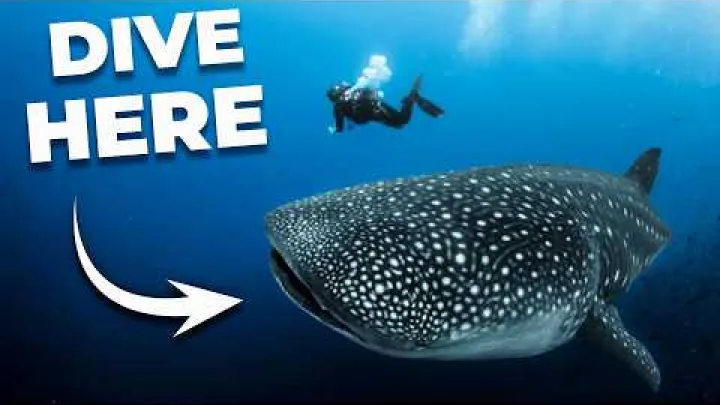
In the Gulf, Koh Tao’s reefs offer beginner‑friendly training and shore‑adjacent snorkeling. Sail Rock, located between Phangan and Tao, can reach 5–35 m depth with roughly 10–25 m visibility mid‑year. Choose licensed operators, ask about currents and visibility on the day, and consider Andaman liveaboards for multi‑day dive itineraries. Practice reef‑safe habits: steady buoyancy, no touching coral, and mineral sunscreen.
Island hopping and boat tours
In the Gulf, Ang Thong Marine Park is a standout from Samui, and Koh Tao’s snorkeling loops reach shallow reefs and bays with short boat hops. Small‑group, licensed operators provide safer experiences and more flexible routing in changing weather.

Match boat type to distance and sea conditions. Approximate travel times include Phuket–Phi Phi in about 1–2 hours by ferry or 45–70 minutes by speedboat; Ao Nang–Railay by long‑tail in roughly 10–15 minutes; Krabi–Koh Lanta in about 1.5–2.5 hours; Samui–Phangan in about 30–50 minutes; and Samui–Tao in about 1.5–2.5 hours depending on vessel. First departures often start around 08:00–09:00, with last boats typically mid‑ to late afternoon; schedules change by season, so confirm the day before and keep a flexible cushion.
Family‑friendly beaches and activities
Gentle, family‑oriented beaches include Khlong Dao (Koh Lanta), Noppharat Thara and Ao Nang (Krabi), Choeng Mon (Samui), and Haad Salad (Phangan). Activities that work well with children are shallow snorkeling from the beach, easy long‑tail picnics to nearby coves, aquariums or small water parks, and visits to ethical rehabilitation centers rather than exploitative animal attractions. Many resorts offer family rooms, kids clubs, and shaded pools.

Safety basics matter: watch the flags, look for jellyfish nets where installed, and note vinegar stations near guarded beaches. For stroller‑friendly access, consider flatter promenades such as Ao Nang’s paved seafront, Bophut Fisherman’s Village walkway on Samui, and the long, gently sloping sands of Khlong Dao (Lanta) and Bangtao (Phuket). Bring reef shoes for rocky entries and plan beach time in the morning or late afternoon to avoid the strongest sun.
Sample itineraries and logistics
Combining two bases keeps transfers simple while allowing variety. Short stays fit best with islands that have airports or frequent ferries, while longer trips can add smaller, quieter islands. For smooth departures, include one buffer night near your exit airport, especially if your final leg relies on weather‑dependent ferries. The outlines below show how to structure 7‑, 10‑, and 14‑day trips with minimal backtracking and season‑aware routing.

Keep an eye on first/last ferry times and small‑plane luggage limits. Combined bus‑and‑ferry tickets are common for cross‑coast links. In monsoon months, morning boats are often more reliable than late afternoon departures, and services may reduce frequency. Pack a dry bag and motion‑sickness tablets if you are sensitive to swell.
7‑day, 10‑day, and 14‑day island‑hopping routes
For one week, minimize transfers and focus on one coast. A classic Andaman week is Phuket (3 nights) plus Railay/Krabi (2 nights) with a day trip to Phi Phi or Phang Nga Bay. On the Gulf side, Samui (4 nights) with an Ang Thong marine park tour plus Koh Tao (2 nights) works well for snorkeling and intro diving.

Extend to 10 days by adding Koh Lanta (Andaman) or Koh Phangan (Gulf). For 14 days, split coasts by season: in November–April, spend more time on the Andaman; in July–August, base in the Gulf and add a short Phuket or Krabi stop for flights and variety. Keep one buffer night near your departure airport at the end.
- 7‑day Andaman (template): Day 1 Phuket arrival; Day 2 Phuket beach + sunset; Day 3 Phang Nga Bay tour; Day 4 transfer to Railay; Day 5 Railay/Phra Nang; Day 6 Phi Phi day trip; Day 7 fly out via Krabi or Phuket.
- 7‑day Gulf (template): Day 1 Samui arrival; Day 2 Bophut/Choeng Mon; Day 3 Ang Thong tour; Day 4 transfer to Koh Tao; Day 5 snorkel course/boat loop; Day 6 beaches; Day 7 ferry/flight out.
- 10‑day add‑ons: 3 extra nights on Koh Lanta (Andaman) for Koh Haa; or 3 extra nights on Koh Phangan (Gulf) for quiet bays like Thong Nai Pan.
- 14‑day split‑coast: 7 nights Andaman + 5 nights Gulf + 2 transit/buffer nights aligned with seasonality.
Ferries, transfers, and timing buffers
Key airports include HKT (Phuket), KBV (Krabi), and USM (Samui), with frequent links via Bangkok’s BKK and DMK. Main ferry hubs are Rassada Pier (Phuket–Phi Phi), Ao Nang/Noppharat (Railay access by long‑tail), Saladan Pier (Koh Lanta), Pak Bara (Koh Lipe), and Mae Haad (Koh Tao). Combined bus+ferry tickets simplify overland routes, and luggage weight limits apply on smaller aircraft and speedboats.

Approximate transfer times: Phuket–Phi Phi 1–2 hours by ferry; Phuket–Rassada Pier 20–40 minutes by road from beach areas; Krabi–Railay 10–15 minutes by long‑tail from Ao Nang; Krabi–Koh Lanta 1.5–2.5 hours; Pak Bara–Koh Lipe 1.5–2.5 hours; Samui–Phangan 30–50 minutes; Samui–Tao 1.5–2.5 hours. Weather may delay services, so aim for morning boats where possible and keep a 24‑hour buffer before international flights. Seasonal schedules change; check the day before travel and reconfirm first/last boats.
Safety and responsible travel
Beach safety varies by season and daily conditions. Lifeguard flags provide simple guidance: red means do not swim, yellow signals caution, and red/yellow indicates lifeguard‑patrolled zones. In monsoon months, surf can mask rip currents, so choose guarded beaches and avoid swimming after heavy rain when water may be murkier. For marine life, awareness and preparation reduce risk and protect delicate ecosystems.

Responsible travel keeps Thailand’s reefs and beaches healthy. Choose licensed operators, pay national park fees, and use reef‑safe sunscreen. Bring a refillable bottle and reduce plastic, especially on small islands with limited waste facilities. Follow posted rules on fires, drones, and protected areas, and respect wildlife by keeping distance and avoiding feeding or touching.
Swimming conditions, flags, and jellyfish seasons
Learn the flags and follow lifeguard advice. Red means do not swim, yellow means caution, and red/yellow marks lifeguard zones. If caught in a rip current, stay calm and swim parallel to the shore until you are out of the flow, then return to the beach. In wetter months, waves and currents increase, so choose sheltered bays and avoid swimming alone or at unguarded spots.
Jellyfish risk varies by season and location. In general, the Andaman sees a higher risk from roughly September to December, while the Gulf tends to peak around May to October. Some beaches deploy nets and signage during risk windows, and vinegar is standard first aid placed near lifeguard posts in many areas. Check daily flag status, ask lifeguards about conditions, and avoid swimming after heavy rain or in murky water.
Reef‑safe practices and conservation
Use mineral sunscreens that avoid oxybenzone and octinoxate, and apply well before entering the sea. Do not touch or stand on coral, and keep fins and gear clear of reef structures and marine life. Choose dive and snorkel operators aligned with recognized environmental programs, and pay park fees that support conservation and facilities.

Some protected areas and national parks publish rules on acceptable sunscreen formulations, anchoring, and waste handling. Follow local guidance at sites such as Similan and neighboring marine parks, and carry your trash back to shore. On small islands, water and waste systems are limited; refill bottles where possible and minimize single‑use plastics to reduce impact.
Frequently Asked Questions
When is the best time to visit Thailand’s beaches?
The best overall time is November to April for the Andaman Coast and February to September for the Gulf of Thailand. November–February has cooler temperatures and calmer seas but higher prices. July–August is often best in the Gulf (Samui/Phangan/Tao). In rainy months, expect brief afternoon showers and plan flexible boat days.
Which coast is better for July–August, Andaman or Gulf of Thailand?
The Gulf of Thailand is better in July–August. Samui, Phangan, and Tao usually see sunnier mornings and calmer seas during the southwest monsoon that affects the Andaman. Book early for mid‑summer, as these islands are popular in school holidays.
How much does a Thailand beach holiday cost per day?
Budget travelers spend about 1,000–1,500 THB (≈US$28–42) per day. Mid‑range travelers spend about 2,500–4,000 THB (≈US$70–110), and luxury starts around 6,000 THB (≈US$170+) per day. Season strongly affects accommodation; rainy season discounts can lower costs by 20–50%.
Which Thailand islands have the clearest water and best snorkeling?
The Similan Islands, Koh Haa (near Lanta), and parts of Koh Lipe offer very clear water and vibrant reefs. For accessible snorkeling, try Koh Tao in the Gulf and nearshore reefs off Koh Lipe’s Sunrise Beach. Always check local conditions and visibility by season before booking tours.
Are there all‑inclusive Thailand beach holidays and where?
Yes, some resorts offer all‑inclusive or full‑board packages, especially on Koh Samui, Phuket, and select boutique islands. Look for meal plans and activity bundles rather than strict “all‑inclusive” in the Caribbean sense. Compare inclusions (meals, drinks, snorkeling trips) before booking.
Is Phuket or Krabi better for beaches and day trips?
Phuket offers the widest beach variety and easiest day trips to Phang Nga Bay, Similan, and Racha, plus a major international airport. Krabi (Ao Nang/Railay) delivers dramatic karst scenery, rock climbing, and scenic beaches with a more compact feel. Choose Phuket for convenience and variety; choose Krabi for scenery and a slightly quieter base.
Are Thailand beaches safe to swim, and what do the flags mean?
Yes, beaches are generally safe if you follow local advice. Red flags mean do not swim; yellow indicates caution; red/yellow marks lifeguard zones. In rainy seasons, rip currents increase; swim parallel to shore to exit a current. Vinegar is standard first aid for jellyfish stings and is often available at lifeguard posts.
Conclusion and next steps
Thailand beach holidays are shaped by two coasts and shifting seasons. Choose the Andaman from November to April for calm seas and classic postcard scenery, or the Gulf from February to September for steadier mid‑year weather. Families can target gentle bays like Khlong Dao and Choeng Mon, couples can pick quiet corners of Railay or Koh Kradan, and divers can plan Similan or Richelieu Rock in season or Koh Tao mid‑year.
Set realistic budgets by season, compare inclusions carefully if considering packages, and keep one buffer night near your exit airport. Morning ferries and flexible planning help in monsoon months. Swim by the flags, carry reef‑safe sunscreen, and choose licensed operators to protect both your safety and the reefs you came to see. With a few smart choices on timing and route, you can match beaches, activities, and comfort level to create a smooth and memorable trip.
Select area
Create a post
Posting is free and no registration is required.