Thailand Safety Guide 2025: Risks, Safe Areas, Scams, Health and Transport Tips
Planning a trip to Thailand in 2025? Many travelers ask first about Thailand safety, from city neighborhoods to beaches and border regions. This guide summarizes current risks, safe areas, and practical habits that keep your visit smooth. It explains everyday issues like scams and road safety, and it outlines emergency contacts, seasonal hazards, and health basics you can use before and during your trip.
Thailand welcomes millions of visitors each year, and most trips are incident-free. Still, good preparation reduces the chance of disruption. Use the advice below to identify common trouble spots, choose safer transport, and find reliable medical care if needed. Check official advisories before you travel, and adapt to local conditions once you arrive.
Whether you are a solo traveler, a family, or a remote worker, the sections here provide location-aware tips you can apply immediately. Keep the emergency numbers handy: police 191; medical 1669; tourist police 1155. With a few habits and informed choices, you can focus on Thailand’s culture, temples, markets, and coasts with confidence.
Quick answer: How safe is Thailand right now?

Key facts at a glance
Overall, Thailand presents a moderate risk profile in 2025. Most issues that affect tourists are non-violent: petty theft in crowded areas and road accidents on motorcycles or at night. Tourist zones are accustomed to visitors, and simple precautions go a long way in keeping your trip safe and stress-free.
- Top concerns: pickpocketing, bag and phone snatching, and road collisions.
- Emergency numbers: police 191; medical/EMS 1669; tourist police 1155 (multilingual support in many areas).
- Avoid non-essential travel to insurgency-affected southern provinces.
- Use verified rides and wear helmets on any motorcycle or scooter.
- Do not drink tap water; use sealed bottled or treated water.
- Monitor weather in rainy and storm seasons; ferries and flights can be delayed.
Risk levels change by region and season. Before finalizing plans, check current government advisories from your country and local Thai updates. Keep copies of your passport and insurance details accessible, and store emergency contacts in your phone and on a small card you carry.
Safety score context: country vs. city neighborhoods
Thailand’s national indicators are generally positive for visitors, but risk varies by neighborhood and activity. Crowded markets, nightlife areas, and transit hubs require higher vigilance due to pickpocketing and opportunistic theft. Protests and large gatherings can occur with short notice; avoid these areas even if they appear peaceful.
In Chiang Mai, the Old City and Nimmanhaemin are convenient bases. In Phuket, many families choose Kata and Karon, while Phuket Old Town offers calmer evenings. Always check recent reviews and local alerts to assess micro-level safety for the streets you plan to visit that day.
Regional risk overview and places to avoid
Southern insurgency: Narathiwat, Pattani, Yala, and parts of Songkhla
Localized security incidents continue in Narathiwat, Pattani, Yala, and parts of Songkhla. While visitors are not targeted in most cases, bystanders can be affected if an incident occurs in a public place. Authorities may implement checkpoints, curfews, or sudden road closures that disrupt travel plans.
Most governments advise against non-essential travel to these areas. Travel insurance policies may exclude coverage for regions under formal advisories, which can affect medical evacuation and cancellations. If your itinerary requires transit near these provinces, check official advisories from your government and local Thai authorities close to your travel dates, and reconsider routing if alerts are active.
Border advisories along the Thailand–Cambodia frontier
Tensions can rise near certain sections of the Thailand–Cambodia border, especially close to contested sites or military zones. Additionally, uncleared landmines may remain in some rural border areas away from official roads. These risks are usually well signposted locally, but conditions can change.
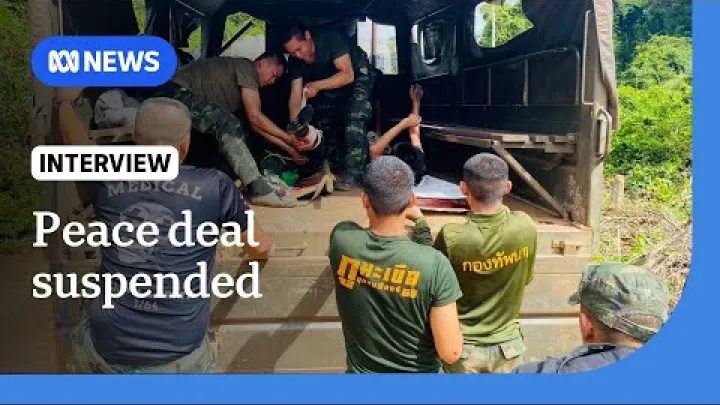
Use official border checkpoints only, and follow directions from local authorities. Stay on paved and well-traveled routes, and avoid walking through scrubland or unmarked paths in rural zones. Check recent notices before day trips near the frontier, and carry identification and copies of entry documents if traveling close to border areas.
City safety snapshot: Bangkok, Phuket, and Chiang Mai
Bangkok is generally safe for visitors who follow routine precautions. The most common issues are bag and phone snatching in crowded markets, on busy sidewalks, and near nightlife spots. Plan your trips between central districts like Siam, Silom, Sathorn, riverside areas, and sections of Sukhumvit using verified taxis or ride-hailing apps, and keep valuables out of sight at street level.
Phuket combines beach towns and a busy nightlife scene. On the sand, guard your bag and phone, and avoid leaving items unattended when swimming. Jet ski disputes can arise after rides if pre-ride checks are not documented; always photograph equipment first. Respect red flags and lifeguard notices, as currents and surf can be strong, especially in certain seasons.
Chiang Mai has a calmer pace and lower crime than bigger cities, but road accidents remain a risk, particularly on mountain routes and at night. During the seasonal haze, visibility can drop and air quality may worsen; monitor local health guidance. Popular areas include the Old City, Nimmanhaemin, and the Night Bazaar; keep standard precautions in mind in markets and festival crowds.
Crime and scams: practical prevention
Petty theft patterns and everyday precautions
Petty theft in Thailand usually involves quick opportunity rather than confrontation. Pickpocketing clusters in crowded metro stations, ferries, night markets, and nightlife streets where attention is divided. In some urban areas, phone snatching by passing scooters occurs when devices are held at the street edge.
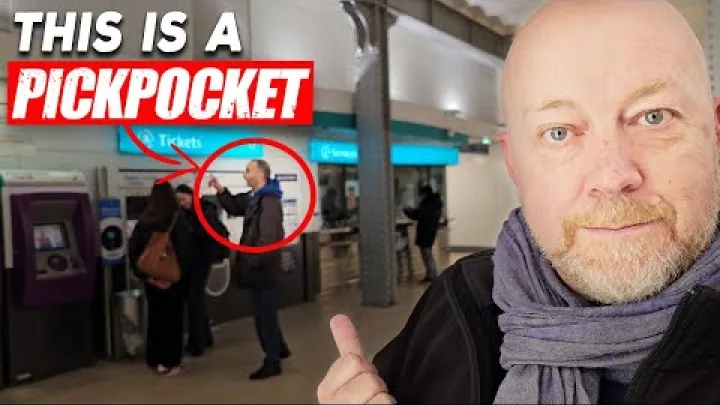
Adopt small habits that make theft harder. Use a cross-body bag that closes fully and wear it to the front in dense crowds. Keep your phone on a short wrist strap or lanyard and step away from the curb before checking maps. Store passports and spare cards in your hotel safe, and carry only what you need for the day. If a theft occurs, report it quickly to local police to obtain documentation for insurance purposes.
- Keep bags zipped and in front of you on transit and escalators.
- Hold your phone with two hands or use a strap when standing near traffic.
- Minimize jewelry and avoid displaying large amounts of cash.
- Use RFID or zipped pockets for wallets; avoid back pockets in crowds.
- At cafes, loop a strap around your leg or chair back to deter grab-and-run thefts.
Tourist scams and how to avoid them
Scams often start with a friendly approach and a small detour. Common examples include the “closed temple” ruse that redirects you to gem or tailor shops, taxi or tuk-tuk meter refusal followed by inflated fares, and vehicle rental disputes (jet ski, ATV) when pre-existing damage was not documented. Payment card skimming can occur at standalone ATMs.
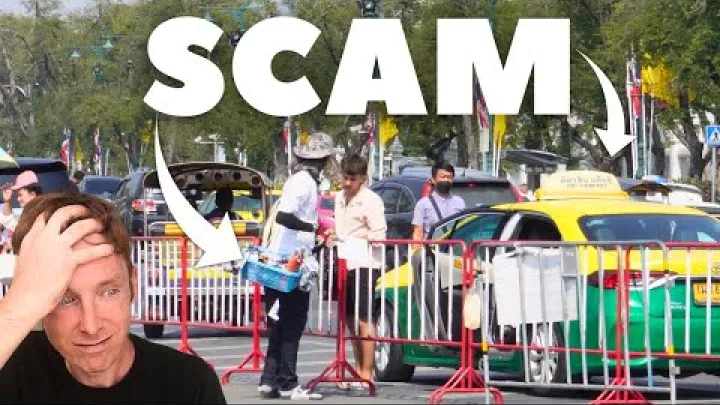
Prevention is straightforward: confirm opening times with official websites or staff at ticketed entrances, insist on metered taxis or pre-agreed tuk-tuk fares without shop stops, and photograph rental equipment before use. Use ATMs inside bank branches when possible and shield your PIN. If you get caught in a scam, disengage calmly, collect receipts or photos, and report to the tourist police at 1155 or a nearby station.
“Closed temple” detour
Decline unsolicited guides; verify hours at the gate or on the official page and proceed to the real entrance.
Meter refusal or route detour
Use a metered taxi or trusted ride-hailing app; if a meter is refused, exit and choose another vehicle.
Gem/tailor pressure sales
Avoid commission-based shop stops; do not feel obliged to buy even if you accepted a ride.
Jet ski/ATV damage claims
Photograph all angles before riding; agree in writing on pre-existing damage and costs, or choose another operator.
ATM skimming
Prefer ATMs inside banks; inspect the card slot; shield the keypad and monitor statements.
- Quick-response checklist: move to a safe place, take photos of people/vehicles/signage, keep receipts, note time and location, contact 1155 (tourist police), and ask your hotel to assist with translation.
Transport and road safety
Motorcycles, licensing, and insurance pitfalls
Motorcycle and scooter accidents are a leading cause of serious injuries for visitors. To ride legally, you generally need an International Driving Permit (IDP) with a motorcycle endorsement that matches the engine class, plus your home country license. Without the correct endorsement and a certified helmet, many insurance policies deny claims, even for medical costs.

If you are inexperienced, avoid renting scooters; use taxis or ride-hailing instead. If you must ride, wear a certified full-face or open-face helmet (look for ECE, DOT, or comparable certification), closed-toe shoes, and gloves. Get written proof of insurance coverage from the rental shop, including liability and medical coverage specifics. Expect higher risk in rain, on sandy or oily patches near beaches, and after dark when visibility drops.
Taxis, tuk-tuks, and ride-hailing best practices
Urban transport is straightforward when you choose reputable options. In Bangkok and other major cities, use metered taxis or app-based rides from recognized platforms, and avoid unmarked vehicles or unsolicited offers around attractions. For tuk-tuks, agree on the fare and destination before boarding and decline detours to shops or “special deals.” Sit in the rear seat when possible, and share your trip details with a friend or your hotel.

Receipts are automatic in ride-hailing apps and can be requested from some dispatch counters; most street taxis may not print receipts, but drivers can provide a handwritten one on request. For complaints in Bangkok, you can contact the Department of Land Transport hotline at 1584 or the tourist police at 1155, providing the vehicle number, route, and time.
Boats, ferries, and water tours
Choose operators that display adequate life jackets for all passengers and respect capacity limits. If a boat looks overcrowded or weather conditions are worsening, wait for the next service. Monitor local marine forecasts and ask your hotel or pier information desk about sea conditions on the day of travel.
Confirm return times to avoid being stranded if ferries suspend service. Avoid alcohol before snorkeling or diving, follow crew instructions closely, and keep essential medications and a light cover-up in a dry bag.
Air travel and airline safety ratings
Domestic and international air travel in Thailand is generally reliable and operates under oversight by the Civil Aviation Authority of Thailand (CAAT) and international standards bodies. Many carriers participate in recognized safety audits and use modern aircraft types on busy routes. Weather disruptions can still affect schedules, especially during storm seasons.

On the day of travel, verify flight status through airline apps and airport notices. If you have tight connections to ferries or tours, build in extra time during the rainy season to reduce missed departures.
Health, water, and medical care
Drinking water and food hygiene
Tap water in Thailand is not recommended for direct drinking. Choose sealed bottled water or use properly treated and filtered water. Many travelers with sensitive stomachs also brush their teeth with bottled water and avoid ice unless they trust the source. Busy food stalls with high turnover and clean preparation areas are often a safer choice.

Practice hand hygiene before eating, peel fruits when practical, and keep a small sanitizer in your day bag. To reduce plastic waste, look for refill stations in hotels or cafes where filtered water is available; bring a reusable bottle. If you experience stomach upset, rest, hydrate with oral rehydration salts, and seek medical advice if symptoms persist or worsen.
Vaccinations, diseases, and travel insurance
Typical pre-travel recommendations for Thailand include Hepatitis A, Hepatitis B, Typhoid, and Tetanus/diphtheria boosters. Depending on your itinerary and duration, a clinician may recommend other vaccines such as Japanese encephalitis for rural or long-term stays. Dengue is present in Thailand, so use repellent with DEET or picaridin, wear long sleeves at dawn and dusk, and choose accommodations with screens or air conditioning.
Malaria risk is low in cities and most resort areas but can exist in some forested border regions. Consult a travel health professional 6–8 weeks before departure to tailor advice to your route and activities. Comprehensive travel insurance with medical and evacuation coverage is strongly advised; check exclusions for motorcycle riding and high-risk sports.
Emergency numbers and reputable hospitals
Key numbers to save: police 191; medical/EMS 1669; tourist police 1155. Well-known private hospitals with international departments include Bumrungrad International Hospital, Bangkok Hospital, and Samitivej Hospital in Bangkok; major cities have reputable facilities as well. Carry your passport and insurance details when seeking care, and expect to provide payment or an insurance guarantee for non-emergency services.

The tourist police at 1155 provide support in English and other languages in many locations, typically on a 24/7 basis; availability can vary by region, so verify locally in 2025. Your hotel can identify the nearest 24/7 clinic or emergency department and may help arrange transport and translation. Keep a written list of medications and allergies in your wallet for quick reference.
Natural hazards and seasons
Floods, storms, and earthquakes
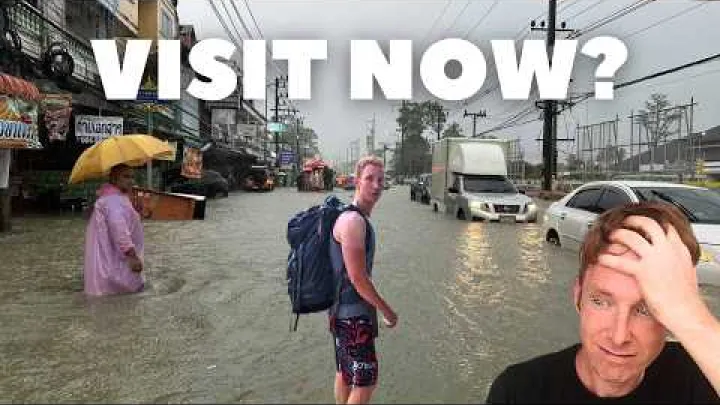
Historically, flooding affects parts of the central plains, including areas around the Chao Phraya River such as Ayutthaya and sections of Bangkok, and can also impact southern provinces during monsoon systems. Tropical storms may lead to temporary ferry and flight suspensions for safety.

Monitor weather through local news and official updates, and plan intercity travel flexibly during peak rain periods. Earthquakes are infrequent but can be felt in the north and west. In your hotel, review evacuation routes, keep a small kit with water, a flashlight, medications, and a power bank, and follow staff instructions during any alert. If heavy rain is forecast, avoid driving through standing water and reconsider boat tours until conditions improve.
Marine hazards and first-aid basics
Always swim at lifeguarded beaches when available and obey local warning flags and posted notices. Avoid swimming alone, and be cautious after storms or when visibility is poor.

For suspected jellyfish stings, keep the person calm and still. Rinse the area with vinegar continuously for at least 30–60 seconds (do not use fresh water), remove tentacles with tweezers or the edge of a card, and call 1669 if the person has pain, breathing difficulty, or collapses. For rip currents, float to conserve energy, signal for help, and swim parallel to the shore once the pull weakens, then return to the beach.
Nightlife and personal safety

Venue risks, drink safety, and billing disputes
To reduce risk, guard your drink, avoid accepting drinks from strangers, and keep your bar tab visible. If a venue feels uncomfortable or you experience pressure to buy or tip, leave immediately and choose a trusted alternative.
Billing disputes are less likely when you confirm prices before ordering and check the line items before paying. Keep receipts, and consider photographing menu prices to resolve disagreements later. Arrange transport through verified apps or ask the venue to call an official taxi. If a dispute escalates, step outside, document details, and contact the tourist police at 1155.
Cultural norms and respectful behavior
Light trousers or a long skirt are acceptable, and a light scarf can cover shoulders. Popular sites such as the Grand Palace and Wat Phra Kaew in Bangkok enforce dress codes, so plan outfits accordingly.

Avoid displays of anger in public, and show respect to monks and the monarchy. Use the wai greeting (a slight bow with palms together) in formal settings. Ask before photographing people, avoid touching anyone’s head, and do not sit with your feet pointing at people or sacred objects. Women should avoid physical contact with monks; if receiving items, do so respectfully without direct touch.
Legal basics that affect safety
Drug laws and penalties
Thailand enforces strict drug laws, with severe penalties for possession, use, and trafficking. E-cigarette devices and vaping liquids are restricted; fines and confiscation are possible. Cannabis regulations have evolved in recent years, but rules on public use, advertising, and unlicensed sales remain restrictive and are subject to change.
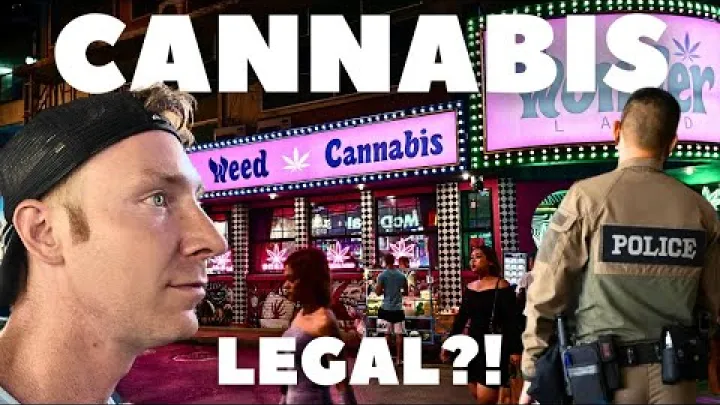
Check the latest regulations before travel, and do not carry packages for others under any circumstance. Even if you believe the contents are legal, you can be held fully liable. Random checks can occur in nightlife areas and at roadblocks. Keep a photocopy of your passport and your actual passport accessible, as ID checks can occur.
Alcohol sale and consumption rules
The legal drinking age in Thailand is 20, and ID checks can occur at bars, clubs, and some shops. Alcohol sales are restricted during certain hours and on specific holidays or election days, and local bylaws may add extra limits near schools and temples. These rules are actively enforced, and fines are possible for violations.

Police conduct roadside checks for drunk driving, especially at night and on weekends. If you plan to drink, use verified transport instead of driving or riding. Rules can vary by province or municipality, so pay attention to posted notices in shops and hotels and follow staff guidance about local restrictions.
Simple safety checklist (before you go and on the ground)
Pre-departure setup
Preparation reduces risk and saves time if something goes wrong. Use this pre-departure list to cover the basics that most affect travel safety Thailand visitors care about: medical readiness, documents, and communications. Confirm that your insurance matches your planned activities.

For Thailand motorcycle rental safety, verify that your policy covers riding with the correct license and helmets. Back up documents and set device security before you leave.
- Buy comprehensive travel insurance with medical, evacuation, and motorcycle coverage if needed (in writing).
- Update vaccines; pack medications, a first-aid kit, and prescription copies.
- Scan passport, visas, and insurance details to secure cloud storage; carry printed copies separately.
- Register your trip with your embassy if offered, and note consulate contacts.
- Enable multi-factor authentication and strong lock screens on all devices.
- Set SMS/call roaming or install a local SIM/eSIM for data and alerts.
- Share your itinerary with a trusted contact and set check-in times.
On-arrival habits
Simple daily habits help you avoid common issues. Split cash and cards between your wallet, room safe, and a backup pouch. Use bank ATMs or machines inside malls and shield your PIN. Move with purpose, avoid isolated alleys at night, and select verified rides.

Keep your hotel address saved in Thai and English for taxis, and wear helmets on any motorcycle taxi or rental. Save key numbers in your phone favorites: 191 (police), 1669 (medical), 1155 (tourist police), plus your hotel and a local contact. Create a small offline emergency contact card you can show even if your phone battery dies.
- Use bank ATMs; carry small bills; keep a day’s cash separate from your main wallet.
- Choose metered taxis or trusted ride-hailing; avoid unmarked cars and unsolicited offers.
- Wear certified helmets; avoid riding in rain or at night when possible.
- Lock valuables in the room safe; carry only essentials outside.
- Store digital and printed copies of passport and insurance details.
- Monitor weather and local news for protests, floods, and ferry/flight notices.
- If something feels unsafe, leave early and regroup at a well-known venue or your hotel.
Frequently Asked Questions
Which areas of Thailand should tourists avoid in 2025?
Avoid non‑essential travel to Narathiwat, Pattani, Yala, and parts of Songkhla due to ongoing insurgency. Stay away from conflict-prone zones near the Thailand–Cambodia border when advisories are active. Monitor official advisories before intercity trips. In cities, avoid protest areas and follow local news for updates.
Is Bangkok safe at night for visitors?
Bangkok is generally safe at night in busy areas with normal precautions. Stick to well-lit streets, avoid isolated alleys, and use metered or verified rides. Watch your bag and phone in markets and nightlife zones. Avoid confrontations and leave venues that feel unsafe.
Can you drink tap water in Thailand?
No—drink bottled or properly treated water. Many locals avoid tap water for direct drinking; sealed bottles are widely available and inexpensive. Be cautious with ice and uncovered beverages in small eateries. Brush teeth with bottled water if you have a sensitive stomach.
Are taxis and tuk-tuks safe in Thailand for tourists?
Yes, when you choose reputable options and agree on pricing. In Bangkok, use metered taxis or app-based rides; avoid unmarked cars and unsolicited offers. In tuk-tuks, confirm the fare and route in advance and decline detours to shops. Do not share taxis with strangers.
Is Thailand safe for solo female travelers?
Yes, Thailand is generally welcoming for solo female travelers using standard precautions. Keep control of drinks, avoid heavy intoxication, and use hotel safes for valuables. Dress modestly in temples and respect cultural norms. Choose reputable transport and accommodations with strong reviews.
Should tourists ride motorcycles or scooters in Thailand?
It is not recommended due to high accident rates and insurance risks. Many policies deny claims if you ride without the correct license or helmet. Roads can be hazardous, especially at night and during rainy season. If you must ride, wear a certified helmet and verify insurance coverage in writing.
Do Americans face any special risks when visiting Thailand?
No, risks are similar to those for other tourists; petty theft and road safety are the main issues. Carry your passport copy, respect local laws, and avoid illegal drugs. Check the latest U.S. State Department advisories and enroll in STEP. Keep emergency numbers handy: police 191, medical 1669.
Conclusion and next steps
Thailand in 2025 is generally safe for visitors who follow routine precautions. The main issues are petty theft, scams in high-traffic areas, and road accidents, while specific regions in the far south remain under advisories. Choose verified transport, secure your valuables, plan for weather, and keep emergency numbers accessible. With informed choices and a few consistent habits, most trips proceed smoothly and enjoyably.
Select area
Create a post
Posting is free and no registration is required.