Thailand Yoga Teacher Training: Costs, Locations, and 200–500 Hour Options
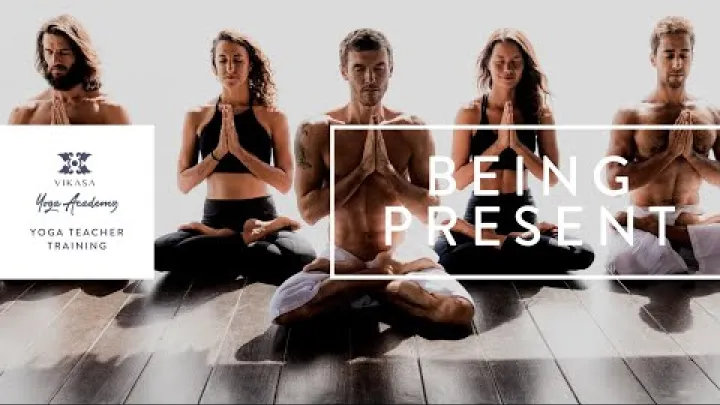
Thailand yoga teacher training attracts students for its immersive settings, established schools, and value-driven packages. This guide organizes the essentials: what 200/300/500-hour programs cover, how much they cost, where to train, when to go, and how to verify accreditation. You will also find a practical checklist for comparing schools, visa guidance, and travel logistics. Use it to plan a training experience that fits your budget, schedule, and learning style.
Whether you aim to teach or to deepen your practice, yoga teacher training in Thailand offers clear pathways at different levels. Read on for region-by-region tips, how to budget beyond tuition, and ways to evaluate curriculum and faculty credentials with confidence.
Why choose Thailand for yoga teacher training
Thailand stands out because training campuses, accommodation, and meal plans are often packaged together. This simplifies planning and can improve focus during an intensive month of study. The country’s diverse regions support different learning environments: tropical islands for a retreat-like feel and northern mountain cities for cultural depth and cooler seasons.
Another advantage is the broad range of training styles and faculty backgrounds. From Ashtanga and Vinyasa to Yin and Hot yoga, you can match a lineage to your interests while accessing reliable travel connections and a supportive student community.
Value for money and inclusions
Many programs in Thailand operate as all-inclusive packages that cover accommodation, two or three daily meals, training tuition, and course materials such as manuals. The typical cost range for 200-hour programs is about USD 2,500–6,000 depending on tier and inclusions. Shared rooms often keep prices at the lower end, while private rooms or boutique venues place a program in the mid to premium range.

Be clear about exclusions. Airfare, travel insurance, visas, airport transfers, and optional excursions are usually not included in base prices. Some schools provide mats and props, while others recommend bringing your own. Early-bird discounts, off-peak start dates, and shared accommodation can reduce the total cost. Currency exchange can also affect your final spend. These details can add up, especially if your card issuer or payment platform applies foreign transaction fees.
Spiritual context and immersive settings
Thailand’s landscapes help shape the training experience. Island beaches and northern mountain retreats provide quiet spaces for sunrise practice, study time, and reflection. Retreat campuses often include shalas, props, meditation areas, and quiet zones for self-study, while smaller student cohorts encourage peer support, accountability, and a consistent daily rhythm.
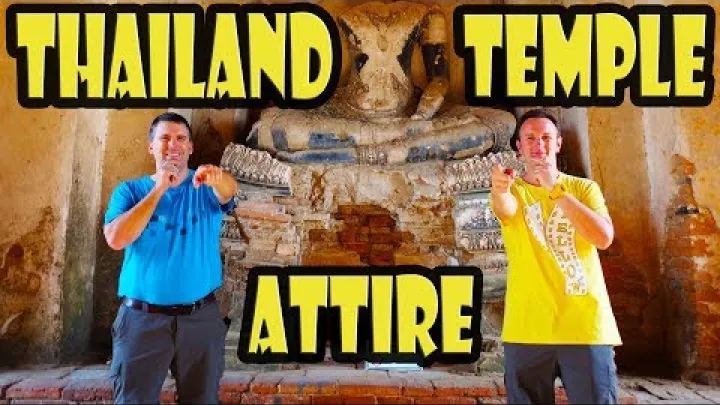
Buddhist culture is visible in everyday life and can enrich modules on mindfulness and ethics. The goal is to learn from the environment while keeping the program’s yoga philosophy front and center.
Program types and certification levels (200h, 300h, 500h)
Yoga teacher training in Thailand generally follows three pathways: 200 hours for foundational skills, 300 hours for advanced development, and 500 hours (either cumulative 200+300 or an integrated track). Each level covers a combination of practice, pedagogy, anatomy, philosophy, and ethics, with more teaching methodology and specialization as you advance.

When reviewing options, check whether the school is a Registered Yoga School (RYS) and whether graduates are eligible for Yoga Alliance registration at the matching level (RYT 200, RYT 500). You will also see style-specific tracks such as Ashtanga yoga teacher training Thailand programs, Vinyasa-focused curricula, Yin specializations, and some Bikram or Hot yoga teacher training Thailand offerings at select studios.
What to expect in a 200-hour program
A 200-hour yoga teacher training Thailand course focuses on core competencies: asana and alignment, functional anatomy, teaching methodology, sequencing basics, yoga philosophy, and ethics. Expect a structured daily schedule with morning practice, midday lectures or workshops, and afternoon practicums. Typical intensives run about 21–30 days of full-time study, with some pre-reading or assignments before arrival.
Programs distinguish between contact hours (instructor-led sessions such as asana labs, lectures, and practicums) and non-contact hours (self-study, reading, journaling, and assignments). Schools publish an hour breakdown so you know what portion is taught live versus independent work. Motivated beginners can succeed in a 200-hour training if they prepare with several weeks of consistent practice and remain open to feedback. Graduates of registered programs may qualify for Yoga Alliance RYT 200 registration, which many studios recognize for entry-level teaching roles.
Advancing to 300-hour and 500-hour pathways
At the 300-hour level, training deepens skills in intelligent sequencing, hands-on or verbal adjustments, pranayama, meditation, and comparative philosophy. Many schools add specialty modules such as restorative and Yin, trauma-sensitive approaches, or business-of-yoga fundamentals. Schools often expect applicants to hold RYT 200 or to document equivalent experience before joining an advanced cohort.

You can reach 500 hours through two routes: combine a 200-hour plus a 300-hour program or enroll in an integrated 500-hour track. Some schools offer modular 300-hour or 500-hour formats across multiple retreats or terms, allowing you to collect credits over time. If you aim to transfer credits between schools, confirm in advance whether a new RYS will accept hours earned elsewhere and how many modules must be completed in-house to issue a certificate. Mentorship, extended practicums, and assessment of teaching skills are common at higher levels.
Top training hubs in Thailand
Thailand’s main yoga training hubs are spread across islands and the north. Koh Phangan and Koh Samui offer a retreat atmosphere with beach access and wellness services. Phuket provides a broader mix of urban amenities and quieter coastal pockets. Chiang Mai anchors the north with a strong tradition of meditation, temples, and vegetarian cuisine.
When comparing locations, consider airport access, local transport, climate patterns, and neighborhood character. A quiet bay near a retreat campus can feel very different from a busy beach road, even on the same island. Planning your study environment is as important as selecting the curriculum itself.
Koh Phangan
Many choose yoga teacher training Thailand Koh Phangan programs for the island’s compact size, diverse community, and ease of meeting like-minded practitioners. Access is via ferries from Surat Thani or from neighboring Koh Samui, which has its own airport. Climate on the Gulf side tends to bring heavier rains in October–November, with many dry months across the rest of the year.
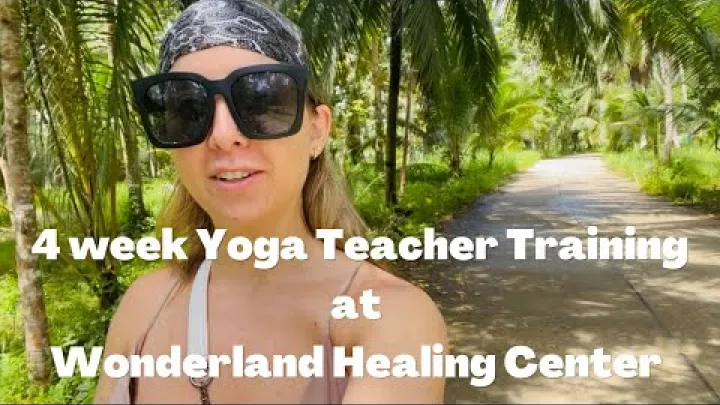
Neighborhoods vary widely. Some zones are quiet and retreat-focused, while others are closer to cafés and social hubs. Sound levels and nightlife can differ by beach, so check your school’s exact location and ask about the local vibe during your training month. That way, you can align your study needs with the right setting—whether you prefer serene evenings or easy access to services.
Koh Samui
Programs here often fall into the mid to premium price range, with comfortable facilities and private-room options. Quieter beaches and full-service venues suit trainees who value convenience, in-house amenities, and easy airport transfers. For many students, a yoga teacher training Koh Samui Thailand program offers a stable base with minimal logistics.
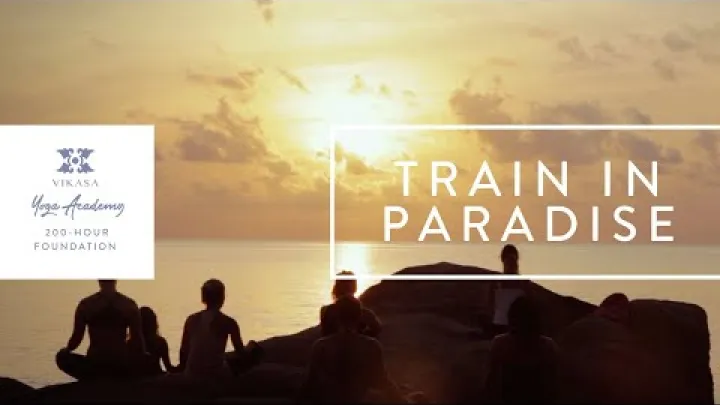
Note that the variety of schools is smaller than on Koh Phangan, but offerings are established and consistent. If you want predictable facilities, on-site cafés, and streamlined arrivals, Samui is a practical choice. As with other Gulf islands, plan around potential heavier rains in October–November and ask your school how facilities adapt during wet spells.
Phuket
Phuket is a large island with an international airport (HKT), frequent domestic connections, and a wide range of neighborhoods. You can balance study with access to healthcare, diverse food options, and transport. Shoulder seasons often bring value pricing and fewer crowds, especially away from the most popular beaches. Retreat enclaves offer small cohorts where it is easier to get individualized feedback.

Tourist density near Patong can be high, especially in peak months. If you want tranquility, look into alternatives such as Kata, Nai Harn, Bang Tao, or Mai Khao. The Andaman side is generally drier from November to April and wetter mid-year. Confirm your school’s rainy-day contingency plans and how they manage travel disruptions if storms affect flights or ferries to smaller nearby islands.
Chiang Mai
The city’s temples, meditation centers, and vegetarian food scene create a rich context for philosophy and mindfulness modules. You can fly into CNX or arrive via rail or bus from Bangkok, making access straightforward.

There is a strong community around meditation and contemplative practices that complements asana training. Be aware of seasonal air quality concerns during the burning season (approximately February–April). If your dates overlap, budget for masks, consider indoor air filtration in accommodation, and discuss schedule adaptations with your school.
Costs and budgeting (tuition, travel, visas, extras)
Budgeting for a yoga teacher training course Thailand experience means more than adding up tuition. Most programs list package rates that include accommodation and meals, but you will need to add flights, ferries or transfers, visas, travel insurance, and miscellaneous expenses. Prices vary by location, season, faculty experience, room type, and amenities such as pools or on-site cafés.
To avoid surprises, request a full inclusions and exclusions list for your exact cohort and room category. Ask about deposit policies, balance due dates, and payment methods, because exchange rates and fees can influence the final amount you pay.
Typical price ranges by tier
For 200-hour programs in Thailand, typical estimates are:

- Budget: about USD 2,500–3,500
- Mid-tier: about USD 3,500–4,500
- Premium: about USD 4,500–6,000
Rates usually include accommodation and meals, and private rooms raise total cost. Location, seasonality, cohort size, and faculty credentials influence pricing, as do extras like airport transfers or weekend activities. Because inclusions differ, treat these numbers as broad ranges rather than fixed rates.
To estimate your full budget, add flights, ferries or ground transfers, visas, health or travel insurance, and cash for incidentals such as laundry, snacks, and personal care items. If you plan a 300-hour or 500-hour path, factor in the possibility of extra modules over multiple trips, even if you choose a modular format.
Hidden costs and how to save
Review common extras so you can plan ahead:
- Textbooks beyond the core manual, printing, or e-book purchases
- Laundry, local transport, SIM cards, and occasional eating out
- Certification, assessment, or retake fees where applicable
- Yoga mat or specific props if not provided by the school
To save money, look for early-bird rates, choose shared rooms, train during off-peak months, and select packages that include most meals. Bring quick-dry clothing and essentials to reduce on-site purchases. For payments, check if your card has foreign transaction fees. ATM withdrawals in Thailand often include a local machine fee; consider larger, less frequent withdrawals with a fee-free card, or use reputable currency exchange counters. Multi-currency accounts and bank transfers can help with deposits in USD or THB; always confirm the receiving amount, any wire fees, and refund policies before you pay.
Accreditation and recognition (Yoga Alliance)
Accreditation helps ensure that a training meets baseline standards in curriculum, instruction, and assessment. Many international studios look for registration with Yoga Alliance, though hiring requirements vary by region and studio. If worldwide mobility matters to you, verify accreditation and ask about graduate outcomes, teaching practicums, and post-training support.
Schools list their Registered Yoga School (RYS) status by level (200/300/500) and identify lead trainers with E-RYT credentials. Use this information alongside the syllabus and schedule to assess whether the program matches your goals and learning style.
How to verify a school’s RYS status
Start by searching the Yoga Alliance directory to confirm a school’s current Registered Yoga School status and the levels offered. Check whether the lead trainers hold E-RYT credentials at or above the level they teach. Review the published syllabus to see how many hours are allocated to practice, anatomy, teaching methodology, philosophy, and ethics.

Go beyond the listing. Email the school to request cohort size, a sample timetable, assessment methods, and reading lists. Ask how much feedback you will receive during practicums and how many supervised teaching hours are included. Review recent graduate feedback and, where possible, observe public classes taught by alumni online. This extra diligence helps you select a program that provides both structure and meaningful teaching experience.
Best time to attend and climate by region
Islands in the Gulf of Thailand, such as Koh Phangan and Koh Samui, often enjoy many dry months with heavier rains around October–November. Phuket on the Andaman side is generally drier November–April and rainier in mid-year months. Chiang Mai in the north is cooler and drier roughly November–February.
Weather is never guaranteed. Microclimates and year-to-year variability can shift typical patterns. Schools operate year-round and usually adapt schedules or facilities to conditions, but you can improve comfort by choosing months that align with your preferences for heat, humidity, or cooler air.
Seasonal overview for islands vs. north
Gulf islands (Koh Phangan, Koh Samui) are often drier from January through August, with heavier rains around October–November. The Andaman coast (Phuket) tends to be most settled from November to April, with wetter months in the middle of the year. In Chiang Mai, cooler and drier weather from roughly November to February supports long study days; March to May can feel hotter.
Because patterns vary, build flexibility into travel plans. Pack light, breathable clothing for humidity, a light layer for cooler mornings in the north, and consider quick-dry gear for sudden showers. Ask your school about wet-weather facilities, backup practice spaces, and any seasonal adjustments to start times.
Visas, travel, and logistics
Visa rules and travel routes shape the practicality of your training dates. Many nationalities can enter Thailand without a visa for short stays, while others need to apply in advance. Your route might include a domestic connection to Koh Samui (USM), Phuket (HKT), or Chiang Mai (CNX), or a ferry to Koh Phangan via Surat Thani or Koh Samui.
Build buffers around ferry connections and plan to arrive a day or two early. This helps you adapt to the climate, recover from long flights, and settle into accommodation before the first day of training.
30-day exemption vs. 60-day tourist visa
For longer stays, a 60-day tourist visa is common and may be extendable by about 30 days at local immigration offices. You may be asked for proof of onward travel, accommodation details, and sufficient funds at the border.
Always verify current requirements for your nationality with an official Thai embassy or consulate before booking. Policies can change, and processing times vary by location. If your training spans multiple months or regions, ask your school which visa pathway past students have used successfully and whether they provide documentation to support your application.
Getting to islands and Chiang Mai
For Koh Phangan, take a ferry from Koh Samui or Surat Thani; schedule transfer buffers between flights, buses, and boats. Aim to arrive 1–2 days before orientation to stabilize your routine, hydrate, and adjust to time zones.

Schools often arrange pickups and last-mile transfers upon request. During monsoon periods, confirm ferry schedules and ask about weather contingencies in case services are suspended. Keep flexible tickets where possible, and notify your school of any delays so they can support your arrival.
How to choose the right program (7-step checklist)
Selecting the best yoga teacher training in Thailand is easier when you break it into steps. Use the checklist below to compare programs systematically, then explore the detailed considerations in the following subsections.
- Clarify your goal and level: 200h foundation, 300h advancement, or a 500h pathway.
- Verify accreditation: RYS status, lead trainers’ E-RYT credentials, and graduate outcomes.
- Compare curriculum depth: practice, anatomy, pedagogy, philosophy, and practicums.
- Evaluate class size and learning support: feedback volume, mentorship, and assessments.
- Match location and facilities: climate, neighborhood, shala setup, and accommodation.
- Confirm total costs: tuition, accommodation, meals, visas, transfers, and payment fees.
- Read policies and ask questions: refunds, reschedules, attendance, and house rules.
Class size, faculty, curriculum, facilities
Balanced cohorts of about 12–24 students often provide enough peer diversity while preserving individual attention. Ask how many contact hours are dedicated to practicums and how feedback is delivered. Review teacher bios for experience in your preferred style and whether lead trainers are present for most core modules rather than delegating key content.
Ensure the curriculum blends practice, pedagogy, anatomy, philosophy, and ethics with real teaching time. Request a sample timetable and reading lists to assess rigor and workload. Facilities also matter: the shala’s ventilation and floor type, the quality and quantity of props, accommodation safety measures, and food options for different dietary needs. These details affect daily comfort and learning outcomes as much as the syllabus does.
Location fit and learning style
Choose an environment that supports your concentration. Islands can feel expansive and quiet; a mountain city like Chiang Mai offers cultural depth and cooler mornings. Consider noise levels, proximity to healthcare, and access to food that suits your preferences or allergies. Decide between communal living, which builds community, and private rooms, which support deeper rest.

If you have accessibility needs, confirm room access, bathroom layouts, and campus pathways. Check that English-language support is available across staff and course materials. Multicultural cohorts are common, so clear communication norms—timeliness, phone use, respectful dialogue—help the group thrive. When comparing destinations, it can also help to search for phrases like “yoga teacher training Thailand Chiang Mai” or “yoga teacher training Thailand Koh Samui” to understand how each region aligns with your goals.
Frequently Asked Questions
How much does a 200-hour yoga teacher training cost in Thailand?
Most 200-hour YTTs cost about USD 2,500–6,000, typically including accommodation and meals. Budget tier is about 2,500–3,500; mid-tier about 3,500–4,500; premium about 4,500–6,000. Add flights, transfers, visas, travel insurance, and personal expenses to estimate your full budget.
Where is the best place in Thailand for yoga teacher training?
The best place depends on your learning style: Koh Phangan for a dense community and variety of schools, Koh Samui for resort-based convenience, Phuket for quieter beaches and small cohorts away from nightlife, and Chiang Mai for mountain calm and cultural depth. Match the environment to your focus and comfort needs.
Is a Thailand YTT recognized by Yoga Alliance and accepted worldwide?
Yes, if the school is a Registered Yoga School (RYS) with Yoga Alliance. Graduates of RYS programs can register as RYT at the matching level. Many studios worldwide recognize this, though hiring requirements vary by country and by studio.
When is the best time of year to do YTT in Thailand?
Gulf islands like Koh Phangan and Koh Samui often have many dry months with heavier rains around October–November. Phuket on the Andaman side is usually drier November–April. Chiang Mai is cooler and drier roughly November–February. Weather varies by year and microclimate, so confirm with your school.
How long does a 200-hour YTT take and can beginners join?
A 200-hour YTT typically runs 21–30 days full-time. Motivated beginners can join most programs; several weeks of consistent practice before arrival helps with safety, stamina, and comprehension.
Do I need a visa for a month-long YTT in Thailand?
Many nationalities can enter visa-exempt for up to 30 days, which may cover a 200-hour intensive. For longer stays, apply for a 60-day tourist visa (often extendable by about 30 days). Always check current rules with a Thai embassy or consulate for your nationality.
What should I pack for a month-long yoga training in Thailand?
Pack quick-dry yoga clothing, light layers, sandals, a reusable water bottle, reef-safe sunscreen, insect repellent, and a notebook. Most schools provide mats and props; bring personal gear only if you prefer your own.
How do I choose between Koh Phangan, Koh Samui, Phuket, and Chiang Mai?
Choose Koh Phangan for variety and community, Koh Samui for resort comfort and easy access, Phuket for small cohorts in quieter beach areas, and Chiang Mai for cultural immersion and cooler months. Consider climate, transport, and the neighborhood’s noise level.
Conclusion and next steps
Thailand offers a clear path for 200-, 300-, and 500-hour yoga teacher training with strong value, diverse settings, and established accreditation options. Choose your location with climate and neighborhood in mind, verify a school’s RYS status and faculty credentials, and budget beyond tuition for travel and incidentals. With an honest look at your goals and the 7-step checklist, you can select a program that supports both personal growth and practical teaching skills.
Select area
Create a post
Posting is free and no registration is required.