Thailand flight time from UK: Non‑stop 11–12h, one‑stop 14–20h (2025 guide)

Planning a trip to Thailand and wondering about the typical UK to Thailand flight duration? Here is a clear guide to non‑stop and one‑stop times, why the return is longer, and how seasons and routing can shift the schedule. You will also find practical advice on booking windows, jet lag management, and what to expect on arrival in Bangkok. Use this as a reliable overview to set expectations and plan your journey with confidence.
How long is the flight from the UK to Thailand?
The return from Thailand to the UK usually runs 13–14 hours due to headwinds. Day‑to‑day timings depend on winds aloft, routing, and air traffic conditions.
- Non‑stop UK→Thailand (London–Bangkok): about 11–12 hours
- One‑stop UK→Thailand via hubs (Doha, Dubai, Abu Dhabi, Istanbul, European/Asian hubs): about 14–20 hours total
- Return Thailand→UK: typically 13–14 hours non‑stop
- Distance London–Bangkok: roughly 9,500 km
- Time difference: 6–7 hours (Thailand is ahead)
Published durations you see in booking tools are scheduled “block times,” which include expected taxiing and buffers for routine variability. They are not guarantees. Seasonal wind patterns can nudge typical times by about 20–30 minutes either way, especially in winter when the jet stream is stronger.
London to Bangkok non-stop times (typical 11–12 hours)
Non‑stop flights from London to Bangkok usually show a scheduled block time of about 11–12 hours. This reflects the great‑circle distance of roughly 9,500 km and typical eastbound tailwinds that help increase ground speed. Airlines add small schedule buffers to accommodate air traffic control (ATC) flow and expected taxiing at busy airports.
These times are typical, not fixed. Day‑to‑day weather, minor reroutes, and runway configurations can shift actual gate‑to‑gate timing. Seasonal winds also matter: winter tailwinds across Eurasia commonly shorten eastbound times, while summer patterns may moderate the advantage. Expect published durations to drift by about ±20–30 minutes across the year.
One-stop itineraries and total journey time (14–20 hours)
If you depart from London or regional UK airports and connect through hubs such as Doha, Dubai, Abu Dhabi, Istanbul, or European/Asian gateways, your total journey time typically ranges from about 14 to 20 hours. Shorter connections of 1–3 hours can keep the total closer to 14–16 hours, while longer or overnight layovers push the duration toward the upper end.
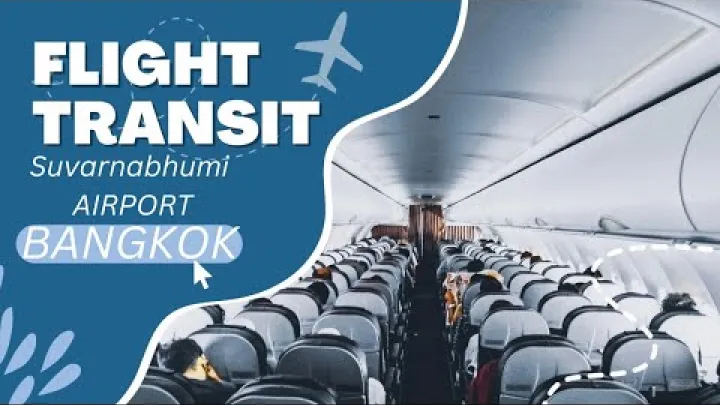
For example, UK→Doha→Bangkok or UK→Dubai→Phuket are common patterns. Reaching Phuket often involves a change in Bangkok or a Middle East hub, with total times similar to Bangkok itineraries plus 1–3 additional hours. Pay attention to the minimum connection time (MCT) set by each airport and airline; it often ranges from about 45 to 90 minutes for protected connections. For self‑transfers on separate tickets, allow a generous buffer of at least 3 hours to account for immigration, baggage recheck, and potential delays.
Return flight times Bangkok → UK (typically 13–14 hours)
Westbound legs from Bangkok to the UK are usually longer, with non‑stop flights commonly scheduled at about 13–14 hours. The prevailing west‑to‑east jet streams create headwinds on the return, lowering ground speed and adding 1–3 hours compared with the eastbound sector.

Winter amplifies this difference because the jet stream tends to be stronger and more variable, which can increase routing adjustments and block times. Airlines may plan tracks to optimize winds and avoid congestion, which can add or save minutes. As with the outbound, the posted schedule is a well‑informed estimate, and actual times vary modestly day to day.
What changes flight time day to day?
Even when two flights cover the same route, their block times can differ by tens of minutes. The main drivers are winds aloft, the position and strength of jet streams, and any routing changes needed for weather, airspace constraints, or ATC flow control. Understanding these factors helps explain why you might see early arrivals one week and small delays the next, without any operational issue.
Seasonality is significant. In winter, stronger jet streams across Eurasia often enhance tailwinds eastbound and intensify headwinds westbound. In summer, wind patterns usually weaken a bit, narrowing the gap between directions. Aircraft type and cruise strategy also play roles, but within modern long‑haul fleets the differences tend to be modest because typical cruise speeds are similar.
Jet streams, winds aloft, and seasons
Jet streams are fast‑moving rivers of air high in the atmosphere that usually flow from west to east. When a flight travels with the jet stream, it enjoys a tailwind that increases ground speed and shortens travel time. When it goes against the jet, it encounters a headwind that reduces ground speed and lengthens the flight.

During winter in the Northern Hemisphere, these jets can be stronger and more variable, amplifying the difference between eastbound and westbound legs. Storm systems may push airlines to adjust tracks slightly north or south to find more favorable winds or smoother air. These choices can shift flight times by a noticeable, though usually modest, amount.
Routing, aircraft type, and air traffic
Airlines plan near‑great‑circle routes but adjust them for weather, restricted airspace, and ATC flow programs. On some days, a longer track with better winds is faster than the shortest line with strong headwinds. Traffic at major hubs can add holding patterns near arrival peaks, adding minutes to the total block time.

Modern long‑haul aircraft such as the Airbus A350 and Boeing 787 are designed for efficient cruise, but their typical cruise Mach numbers are broadly similar across the fleet. That limits large differences in flight time attributable purely to aircraft type. Operational choices like step climbs and speed adjustments fine‑tune efficiency rather than radically changing duration.
Direct flights and UK departure airports
Schedules and frequencies shift by season and airline planning. Outside London, travelers typically connect via Middle Eastern hubs or European gateways, with competitive one‑stop itineraries from cities such as Manchester, Edinburgh, and Birmingham.
When comparing non‑stop versus one‑stop, consider total journey time, convenience, fare levels, and your tolerance for connections. A non‑stop reduces the risk of missed connections and usually delivers the shortest elapsed time. A one‑stop can lower costs and may provide a useful break, especially on overnight journeys or when planning an intentional stopover.
Typical UK departure hubs for Thailand routes
Most non‑stop services to Bangkok operate from London airports, with schedules that can vary across the year. Airlines adjust capacity by season, so specific days and frequencies may change. Always verify current timetables when planning dates.
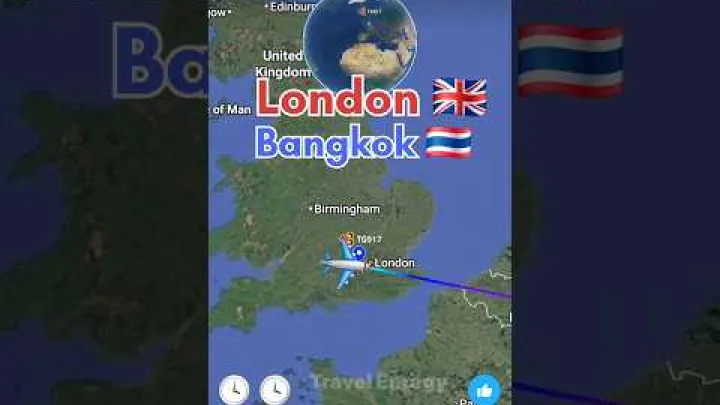
From regional airports such as Manchester, Edinburgh, and Birmingham, common one‑stop choices route via Doha, Dubai, Abu Dhabi, Istanbul, or European hubs. For Phuket, itineraries often connect either in Bangkok or at a Middle Eastern hub, with total times similar to London departures plus 1–3 extra hours depending on layover length and the domestic transfer in Thailand.
Non-stop vs connecting: time and comfort trade-offs
Non‑stop flights minimize total time and remove connection risk, which is valuable during tight schedules or winter seasons with more variable winds. They also simplify baggage handling and reduce the likelihood of delays compounding across segments.

Connecting itineraries can unlock lower fares or preferred departure times and may allow a rest break or purposeful stopover. Aim for a layover sweet spot of about 2–3 hours for reliability: this usually meets minimum connection time and gives a buffer for minor delays, while avoiding the fatigue of a long wait. If traveling on separate tickets, build a larger cushion, ideally 3 hours or more, to handle immigration and baggage recheck.
Time zones and when you arrive
Time zone planning matters because Thailand is ahead of the UK by 6–7 hours depending on the season. This offset influences whether you arrive the next calendar day and shapes your sleep plan on the plane. Understanding how the UK’s daylight saving changes interact with Thailand’s fixed time can help you schedule meetings or onward connections with confidence.
Typical schedules produce convenient arrival windows for tourists and business travelers. Many evening departures from London arrive in Bangkok late morning to early afternoon the next day, while the return often lands in the UK early morning. Regional UK departures may reach Bangkok earlier or later depending on layover duration and the specific hub.
UK–Thailand time difference (6–7 hours)
The UK operates on UTC (Greenwich Mean Time) in winter and UTC+1 (British Summer Time) in summer. As a result, the difference is usually 7 hours during UK standard time and 6 hours during UK daylight saving time.
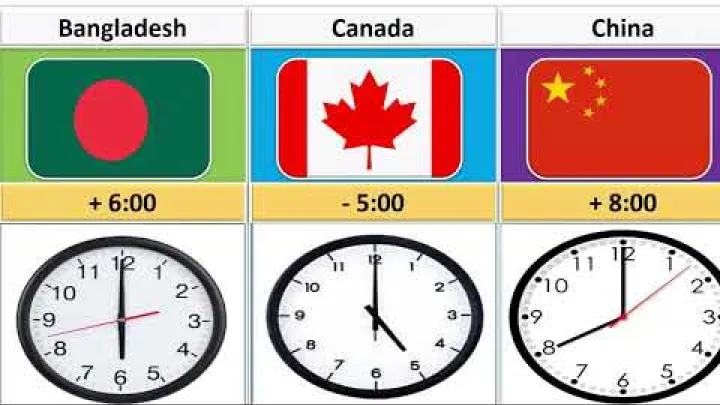
This shift affects your calendar‑day arrival and circadian adjustment. Before you book, check the UK’s daylight saving dates for your travel period so you can correctly interpret schedules and plan sleep.
Sample departure and arrival scenarios
Example 1 (eastbound, non‑stop): Depart London at 21:00 local (21:00 UTC in winter; 20:00 UTC in summer). Flight time about 11 hours 30 minutes. Arrive Bangkok around 14:30 local the next day (07:30 UTC in winter; 07:30 UTC minus one hour in summer due to the seasonal shift). This timing supports hotel check‑in and an afternoon of light activity.
Example 2 (westbound, non‑stop): Depart Bangkok at 00:20 local (17:20 UTC the previous day). Flight time about 13 hours 30 minutes. Arrive London around 06:50 local (06:50 UTC in winter; 05:50 UTC in summer). Early‑morning arrivals make it easier to connect to domestic services or start the workday after a rest.
When to book and when to fly for better value
Airfare pricing changes frequently based on demand, seasonality, and inventory. Prices vary year to year, so watch trends rather than relying on a single rule.
Beyond the calendar, day‑of‑week patterns can reveal opportunities. Midweek departures often price lower than weekends, and returning on less busy weekdays can balance cost and convenience. If you plan to connect via a hub, compare different connection points and layover lengths, as these can also influence fare levels.
Best booking window and cheapest months
A practical booking window for many travelers is roughly 4–6 weeks before departure, where competitive fares commonly appear for a wide range of dates. Shoulder months, notably November and May, are often more affordable than peak holiday periods, though variability is normal.

Track prices over several weeks to understand the pattern for your route and season. Use flexible date searches to surface sale fares, and consider nearby airports when it is convenient. This approach helps you react when prices dip without relying on rigid “best day” myths.
Day-of-week patterns for lower fares
Midweek flights—Tuesday through Thursday—frequently come in cheaper than Friday evening or weekend departures, which see stronger demand. Avoiding school holiday windows can also lower costs and reduce the chance of crowded flights and airports.

There are exceptions during promotions or special events, so always compare across several days. If you can shift by even one or two days, you may find a noticeable price difference while keeping similar travel times and layover quality.
Comfort and jet lag tips for long-haul flights
Managing a 10–14 hour sector well can improve your first days in Thailand. Simple steps before, during, and after the flight can reduce fatigue, improve sleep, and help you adapt to the 6–7 hour time difference. Consider small changes to your routine a day or two before departure to align your body clock.
On board, focus on hydration, movement, and sleep cues. After landing, daylight exposure and meal timing guide your internal clock toward local time. If you are sensitive to jet lag or have medical considerations, discuss tailored strategies with a professional before travel.
Before you fly
Seat choice, timing, and preparation reduce stress. Select seats early for your preferred location and rest plan, align sleep times a night or two before travel, and pack essentials that support hydration and comfort. Confirm your travel documents and connection details, and understand the minimum connection time for each airport on your route.

Quick pre‑flight checklist:
- Check passport validity, visas, and entry requirements
- Confirm flight times, terminals, and minimum connection times
- Select seats and add meal or special‑assistance requests
- Pack water bottle, eye shades, earplugs, layers, and chargers
- Consider compression socks; eat light the day before
On the plane
Hydrate regularly and limit alcohol and caffeine, which can disrupt sleep and hydration. Use eye shades, earplugs, and device night modes to reduce light exposure and support rest. After boarding, set your watch or phone to destination time to begin the mental shift.

Move every 1–2 hours. Stretching can be done politely in your seat by flexing ankles and gently rotating shoulders. When aisles are clear, brief walks help circulation without disturbing other passengers. Follow crew guidance for safe times to stand and move.
After landing
Expose yourself to daylight as soon as practical, and align meals to local time. If you need a nap, keep it short—under 30 minutes—to avoid deep sleep that prolongs jet lag. Maintain hydration and avoid heavy commitments on the first day if possible.

First‑24‑hour outline:
- Hour 0–2: Hydrate, light snack, daylight exposure
- Hour 3–8: Light activity, check‑in, short nap if needed (≤30 minutes)
- Evening: Normal local‑time dinner, early night
- Day 2 morning: Morning daylight and moderate activity to consolidate adjustment
Arriving at Bangkok (BKK): what to expect
After landing, you will pass through immigration, collect bags, and clear customs before accessing the arrivals hall. Processing times vary with arrival waves, especially during holidays and early‑morning peaks.
For the city transfer, the Airport Rail Link offers a predictable, low‑cost option, while official metered taxis provide door‑to‑door convenience. Traffic conditions can significantly affect road travel time, so budget extra minutes during rush hours or heavy rain.
Immigration, baggage, and typical timings
Plan for about 30–60 minutes to clear immigration, depending on how many international arrivals coincide with your landing time. During holiday peaks and early‑morning arrival waves, queues can be longer, so allow additional buffer if you have onward travel.

After passport control, baggage claim typically follows within 15–30 minutes. Visa policies and entry rules can change; check official guidance before travel to confirm your requirements and any pre‑arrival steps that may speed processing.
Transport to the city: rail and taxis
The Airport Rail Link connects BKK with central Bangkok in roughly 15–30 minutes, depending on your destination station. It is reliable, frequent, and cost‑effective for solo travelers or pairs with light luggage. For door‑to‑door service, official metered taxis are widely available at the designated taxi area.

Indicative costs and times (subject to change): the rail link is about THB 45–90 per person; taxis to central areas are about THB 300–400 plus a small airport surcharge and any tolls. Typical taxi travel time ranges 30–60 minutes depending on traffic. During peak hours, allow extra time or consider rail for predictability.
Frequently Asked Questions
How long is a direct flight from London to Bangkok?
A typical non‑stop London–Bangkok flight takes about 11–12 hours. Actual time varies with winds, routing, and the day’s air traffic. Winter tailwinds can shorten eastbound times within this range. Airlines schedule slight buffers to handle variability.
How long is the return flight from Bangkok to the UK?
Bangkok→UK non‑stop flights usually take about 13–14 hours. Westbound headwinds add 1–3 hours compared with the eastbound leg. Day‑to‑day weather can shift this within the typical range. Always check your flight’s scheduled block time.
How much time do one‑stop UK→Thailand trips usually take?
Most one‑stop journeys take 14–20 hours total, including the layover. Hubs like Doha, Dubai, or Abu Dhabi produce the most common itineraries. Shorter layovers closer to 1–3 hours push totals toward the lower end. Longer or overnight layovers increase total time.
Why is the westbound (Thailand→UK) flight longer?
Prevailing jet streams flow west‑to‑east, giving tailwinds eastbound and headwinds westbound. Headwinds reduce ground speed and add time on the return leg. Airlines also route to optimize winds and safety, which can lengthen westbound tracks. Seasonal jet stream shifts further affect durations.
What is the time difference between the UK and Thailand?
Thailand is 7 hours ahead of UK time during UK standard time and 6 hours ahead during UK daylight saving time. This shift affects calendar‑day arrival. Evening UK departures often arrive the next day in Bangkok morning or afternoon. Plan sleep and activities around this offset.
When is the cheapest month to fly from the UK to Bangkok?
November is often the cheapest month, with May also favorable in many datasets. Prices vary by year and demand, so use flexible date searches. Booking about 4–6 weeks before departure commonly yields good value. Midweek departures can reduce fares.
Are there direct flights from the UK to Thailand year‑round?
Non‑stop service is typically available from London to Bangkok, but schedules vary by airline and season. Check current timetables for exact days and frequencies. Outside London, most UK airports require a connection. Availability can change with airline planning.
How long does it take to get from Bangkok airport to the city?
The Airport Rail Link takes about 15–20 minutes to central stations. Official metered taxis usually take 30–40 minutes, depending on traffic. Rail fares are about THB 45–90; taxis are about THB 300–400 plus a small airport surcharge. Allow extra time during peak hours.
Conclusion and next steps
Typical thailand flight time from uk ranges are clear: 11–12 hours non‑stop eastbound, 13–14 hours westbound, and 14–20 hours for one‑stop journeys. Winds, routing, and seasonal jet streams create modest day‑to‑day variation. With awareness of time zones, booking windows, layover buffers, and simple jet lag strategies, you can plan a smoother trip and arrive ready to enjoy Thailand.
Select area
Create a post
Posting is free and no registration is required.