Thailand e‑Visa (2025): Requirements, Fees, Processing Time, and How to Apply Online

The Thailand e‑Visa lets travelers apply, pay, and receive approval fully online before departure. In 2025, most applicants can use the official portal to avoid in‑person visits and receive digital verification at the border. This guide explains who can use the system, what documents you need, how to apply step by step, typical fees and processing time, and how validity and extensions work. You will also find nationality notes for Indian, Pakistani, and UAE‑resident applicants, plus common mistakes to avoid for a smooth experience.
What the Thailand e‑Visa is and who can use it
The Thailand e‑Visa is an online visa application managed through a centralized government platform. It replaces many traditional sticker visas with an electronic approval that is tied to your passport and verified digitally at immigration checkpoints. The process is standardized across participating Thai embassies and consulates, with local variations based on where you live and the visa category you select.
Most short‑term travelers use the tourist pathway, while students, business travelers, dependents, and other long‑stay visitors can use eligible Non‑Immigrant categories. A newer pathway, the Destination Thailand Visa (DTV), supports extended stays for select activities. Always confirm details on the official portal before applying to ensure your category and location are supported.
Key benefits and platform basics (www.thaievisa.go.th)
The e‑Visa platform at www.thaievisa.go.th allows you to complete the entire process online, including form submission, document upload, fee payment, and receiving the result. Because approvals are linked to your passport, immigration officers can verify them electronically at entry, which helps streamline airport procedures. Many applicants also avoid scheduling in‑person embassy appointments, which reduces time and travel costs.

Always use the official URL and be cautious of third‑party look‑alike websites. Payment methods and the exact document list can vary depending on the mission responsible for your place of residence. The portal guides you through the required fields and acceptable file formats, and it provides status updates by email and in your account.
- Official portal: www.thaievisa.go.th (do not use look‑alike domains)
- Digital approvals linked to your passport; verification at entry
- Requirements and payment methods can vary by mission
Visa types available via e‑Visa (Tourist, Non‑Immigrant, DTV, others)
Tourist e‑Visas cover single‑entry and multiple‑entry options, typically suitable for leisure visits and family trips. Travelers who need to visit Thailand repeatedly or stay longer within a fixed period often prefer multiple‑entry tourist visas. Applicants should prepare common travel proofs such as flights, accommodation, and financial evidence in their own name.

Several Non‑Immigrant subtypes are also available on the platform. Common examples include Non‑Immigrant B (business/employment or short‑term business activities), Non‑Immigrant ED (education or training at recognized institutions), and Non‑Immigrant O (family visits, dependents, or other specified purposes). The Destination Thailand Visa (DTV) supports longer stays for certain creative, cultural, and remote‑work‑aligned activities. Some specialized programs may route you to separate authorities or dedicated portals for pre‑approvals before e‑Visa issuance.
Eligibility and nationality notes
As of early 2025, Thailand’s e‑Visa system has expanded globally with an emphasis on digital verification at the border. Most applicants apply to the Thai embassy or consulate (mission) responsible for their current place of residence, not strictly their nationality. This structure ensures consistent processing standards while allowing local document checks when needed.
Travelers must also consider whether they are eligible for visa exemption or Visa on Arrival, which may suit shorter trips. Those seeking longer stays, multiple entries, or non‑tourist purposes usually benefit from applying for an e‑Visa in advance to avoid uncertainty at entry points.
Global rollout (as of 1 Jan 2025) and mission coverage
The e‑Visa program’s global rollout means many applicants now receive electronic approvals instead of sticker labels. This digital shift enables border officers to verify your status against your passport details at primary inspection, improving consistency across airports and land crossings. While the system is broadly standardized, some steps—such as document notarization or translation—may still vary by location.
You should apply to the mission responsible for your current residence, which is selected during account setup on the portal. Take a moment to confirm the responsible mission when creating your profile because choosing the wrong one can result in delays or refusals. In many places, sticker visas have been largely replaced by e‑Visa approvals, but always review your mission’s instructions for up‑to‑date guidance.
Visa exemption vs Visa on Arrival vs e‑Visa: which to choose
Thailand offers several entry pathways, and selecting the right one depends on your nationality, trip length, and purpose. Visa exemption is best suited to short tourist visits for eligible nationalities without any pre‑travel application. Visa on Arrival covers a limited set of nationalities for shorter stays obtained at entry points, but it can involve queues and strict documentation checks.

The e‑Visa suits travelers who need longer stays, multiple entries, or non‑tourist purposes like business or study. It also suits those who prefer certainty before flying. Use this quick decision guide to choose:
- If your nationality is eligible for visa exemption and your trip is short for tourism, consider using exemption.
- If your nationality qualifies for Visa on Arrival and you have a brief visit, VOA may work but expect on‑arrival checks.
- If you need longer stays, multiple entries, or a specific purpose (business, study, family), apply for an e‑Visa in advance.
Eligibility by nationality: Indians, Pakistanis, and UAE residents
Required documents, such as financial proof and travel plans, are similar to other nationalities, though additional verifications may apply depending on the visa category and the responsible mission. Policies for exemptions and VOAs can change; always check current criteria before finalizing travel plans.
UAE residents should select the mission that covers their place of residence during account setup, even if they hold a different nationality. Document checks are standardized, but local variations can include translations, notarization, or additional screening. Using the same passport for application and travel is essential for smooth electronic verification at entry.
Requirements and documents checklist
Applicants should prepare a valid passport, a compliant photo, and supporting documents that match the selected visa category. The e‑Visa portal prompts you for personal information, travel details, and uploads. Clear, legible scans and consistent information across all documents help avoid review delays.
In addition to travel and accommodation plans, most categories require proof of personal funds. If your documents are not in Thai or English, certified translations are often needed. Some missions also request additional paperwork for minors, dependents, or specific professional activities.
Core documents: passport, photo, travel and financial proof
All applicants must have a valid passport, a recent photo that meets the portal’s specifications, and a completed online form. Non‑English or non‑Thai documents typically require certified translations.
Financial evidence should be recent and in your name. Acceptable examples include personal bank statements, bank letters, or salary slips, often covering the last 3–6 months. Statements should display your full name, account number, and transaction history; screenshots must be clear and complete. If a sponsor is involved (for minors or dependents), include relationship proofs and the sponsor’s financial documents as directed by the portal.
Photo specifications (size, background, recency)
Submit a recent color photo with a light, plain background, neutral expression, and no headwear or tinted glasses (religious headwear is generally acceptable if facial features remain fully visible). Photos should be taken within the last six months and follow the sizing guidance shown by the portal’s uploader to avoid technical rejections.
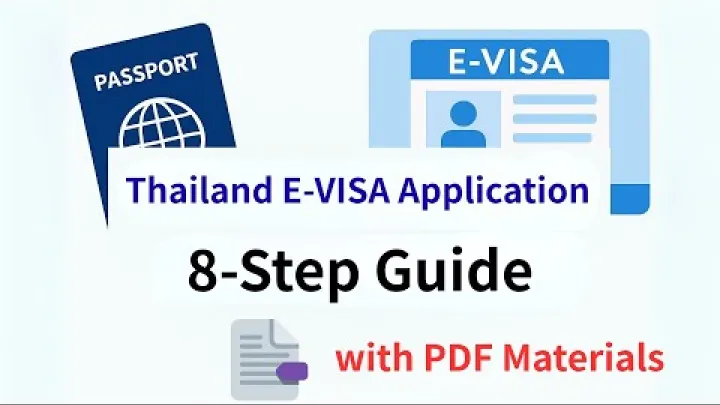
The uploader typically indicates acceptable dimensions and formats such as JPG/JPEG or PNG and sets a maximum file size. Many missions accept common standards like 35×45 mm or square dimensions around passport‑style sizes, but you must follow the exact on‑screen instructions. Ensure adequate resolution and lighting so the image is sharp without shadows.
Visa‑specific documents (Tourist, Non‑Immigrant, DTV)
Tourist applicants usually prepare a travel plan, accommodation confirmations, and proof of funds. Where minors are involved, include birth certificates, consent letters from guardians, and copies of parent passports or residence permits. Keep itineraries realistic and consistent with your bookings.
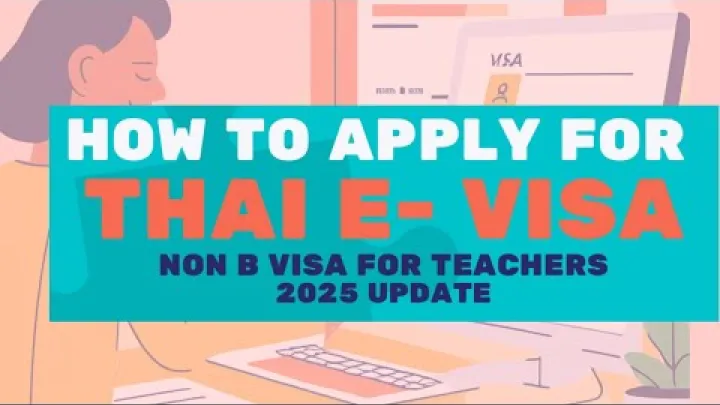
Non‑Immigrant categories require purpose‑specific documents. Examples include a business invitation letter on company letterhead stating purpose, dates, and contact person; corporate registration documents; or employment proof. For education, provide an enrollment or admission letter from a recognized institution, tuition receipt (if available), and details of the course. DTV applicants typically provide proof of age (20+), financial assets around 500,000 THB, and documents aligning with approved activities such as creative projects, cultural programs, or remote‑work‑compatible engagements. All activity alignment and financial proofs are subject to verification.
How to apply for the Thailand e‑Visa online (step by step)
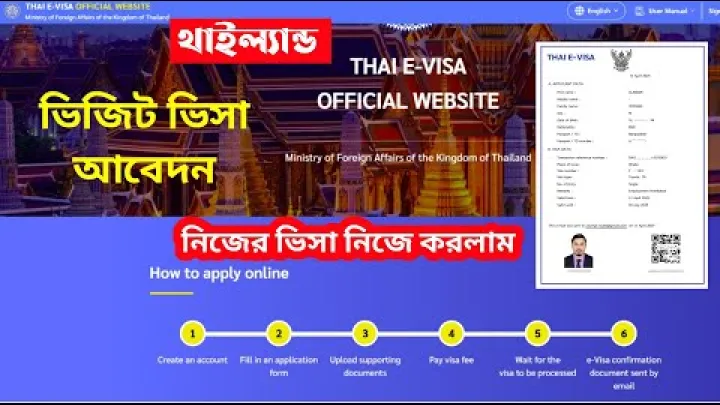
The application is completed through the official portal, which guides you from account creation to approval. You will choose the mission responsible for your residence, complete the electronic form, upload required documents, and pay the fee using one of the supported methods. Status updates are available in your account and by email.
Submitting clear, compliant files and double‑checking your entries reduces questions from the consulate and helps avoid processing delays. Keep in mind that weekends and consulate holidays do not count as business days.
Account setup, form completion, uploads, and payment
The process is straightforward when approached methodically. Start by confirming your responsible mission during account setup and reviewing the category‑specific checklist provided by the portal. Prepare scans before you begin so you can complete the form in one sitting without missing items.
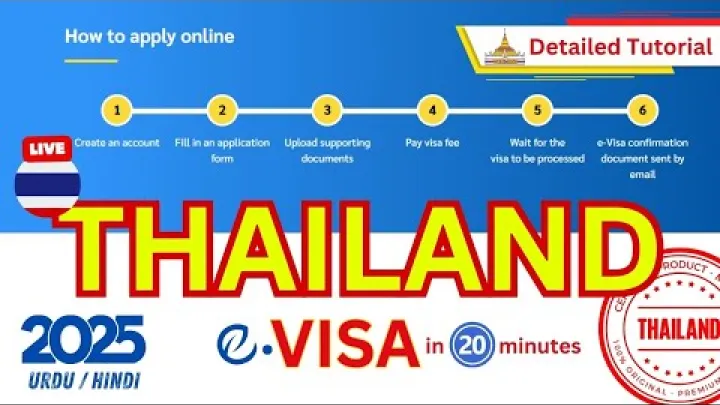
- Create an account at www.thaievisa.go.th and verify your email.
- Select the correct mission that covers your current place of residence.
- Choose the appropriate visa category and subtype (for example, Tourist single‑entry, Non‑Immigrant B).
- Complete personal, passport, and travel details exactly as shown on your passport.
- Upload clear scans following the portal’s file format, size, and naming rules.
- Review all entries and documents for consistency, then submit.
- Pay the fee using a supported method (options vary by mission and country).
- Monitor email and your account for status updates or requests for clarification.
After approval, download and print the e‑Visa.
Processing time and best time to apply
Processing for Thailand e‑Visa commonly takes about 3–10 business days, with peaks sometimes extending to around 15 business days. Timelines can vary by mission, travel season, and whether clarifications are requested. Consulate holidays and weekends are not counted, so plan around local calendars.
A practical window is to apply roughly one month before travel. This timeframe keeps your visa validity fresh while allowing buffer for questions or system backlogs. Applying too early can waste validity, particularly for single‑entry visas that often carry a limited “enter‑by” period from issuance, while applying too late risks missing your travel date.
Fees, validity windows, and permitted stay
Understanding fees and validity helps you budget and plan your itinerary. Fees differ by visa type and mission currency settings, and all platform fees are non‑refundable. In many cases, tourist e‑Visa fees are around USD 82, while single‑entry Non‑Immigrant visas are commonly listed around 2,000 THB, and the Destination Thailand Visa (DTV) is around USD 400. Always review the exact amount and accepted payment methods during checkout.
Visa validity is the period during which you must enter Thailand, while the period of stay is the number of days granted per entry. Tourist entries are typically 60 days and may be extendable by 30 days at local immigration offices. Multiple‑entry and Non‑Immigrant categories have distinct validity windows and extension pathways.
Typical fees (Tourist, Non‑Immigrant, DTV)
Fees vary by mission and currency but follow broad patterns across categories. Expect tourist e‑Visa fees commonly around USD 82 for single entry, with multiple‑entry options priced higher where available. Single‑entry Non‑Immigrant visas are often listed at about 2,000 THB, while the DTV fee is typically around USD 400.

All fees on the e‑Visa platform are non‑refundable, even if your application is refused or withdrawn. A new application requires a new payment. Payment methods vary and may include international cards, online banking, or regional options like UnionPay, depending on your mission.
Validity vs period of stay and how extensions work
Visa validity is the window within which you must enter Thailand, and it often starts on the date of issuance. The period of stay begins on the day you enter. For tourist categories, a 60‑day stay is common, with a 30‑day extension available at immigration offices in Thailand, subject to fees and officer discretion.
Example: If your single‑entry tourist visa is valid until 31 March and you enter on 31 March, you normally receive the full 60 days from that entry date. Extensions require documents such as proof of funds, accommodation, and a completed form. Non‑Immigrant categories have their own extension rules and may require additional institutional letters or permits.
Common mistakes and how to avoid rejection
Most refusals stem from avoidable issues such as data mismatches, unclear scans, or selecting the wrong mission. A careful review of your entries and documents, along with realistic travel plans and financial evidence, reduces the chance of delays.

Timing is also critical. Submitting at the last minute or during peak travel seasons without a buffer can lead to stress or missed trips. Build a small cushion into your schedule and keep your email accessible for any clarification requests.
Data entry and document errors
Names, passport numbers, and dates must exactly match the machine‑readable passport page. Even minor differences—extra spaces, order of names, or misplaced hyphens—can trigger questions or rejections. Photos that do not meet background or size rules are another common cause of delay.
Inconsistent itineraries, speculative bookings without your name, or insufficient funds evidence can raise credibility concerns. Ensure your documents tell a coherent story of your trip purpose, duration, and ability to support yourself. Before you submit, use a short audit:
- Match all personal data to your passport, including capitalization and order of names.
- Use a compliant, recent photo and clear, legible scans.
- Ensure flights, accommodation, and dates align across all forms and documents.
- Provide recent financial statements in your name with complete pages.
- Translate non‑Thai/English documents with certification where required.
Location, eligibility, and timing pitfalls
Selecting the wrong mission (for example, choosing by nationality instead of current residence) is a frequent reason for refusals. Eligibility rules or supporting documents can also vary by category, so double‑check the portal’s checklist for your situation.

Applying during peak seasons without time buffer increases the chance your approval arrives after your departure date. Submitting too early can waste validity; submitting too late can jeopardize travel. Build a calendar plan that includes local consulate holidays, school breaks, and regional travel peaks.
Special cases and longer stays
Some travelers need flexibility for repeated entries or purpose‑based long stays. Multiple‑entry tourist visas, 90‑day Non‑Immigrant entries, and new programs such as the DTV provide options that can be extended or renewed under specific rules. Understanding re‑entry permits and when to apply for a fresh visa helps you maintain status without interruptions.
Investors, executives, and highly skilled professionals may find dedicated programs like SMART and LTR more suitable than standard e‑Visa categories. These have distinct eligibilities, benefits, and application flows, sometimes coordinated with specialized Thai agencies.
Multiple‑entry tourist and 90‑day Non‑Immigrant options
Multiple‑entry tourist visas allow repeated 60‑day entries during the visa validity window, which can be practical for regional travel. Non‑Immigrant categories typically grant 90 days per entry and can often be extended inside Thailand when you meet category‑specific conditions (for example, work authorization, school enrollment, or family grounds).
If you plan to leave Thailand temporarily and return while your permission of stay is still valid, a re‑entry permit may be required to keep that permission active. Generally, single‑entry visas or a permission of stay obtained by extension can be canceled by exit without a re‑entry permit. Multiple‑entry visa holders may not need a re‑entry permit for the visa itself, but should still check whether their current permission of stay remains protected when exiting and re‑entering.
Destination Thailand Visa (DTV) for remote work and soft‑power activities
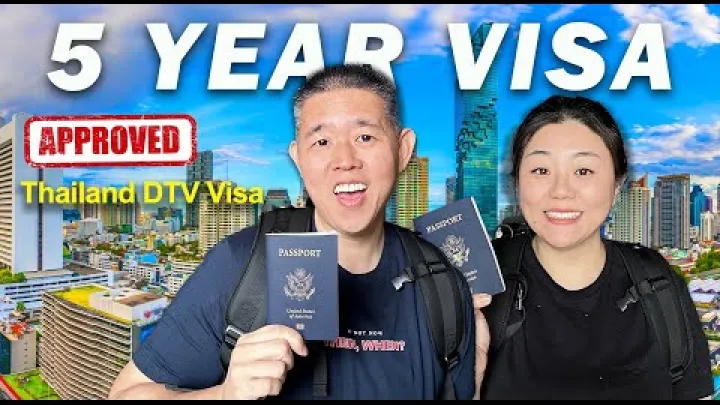
The DTV is a multi‑year option designed for specific creative, cultural, and remote‑work‑aligned activities. It is a 5‑year multiple‑entry visa with up to 180 days permitted per entry, offering extended flexibility for project‑based visitors. Applicants are typically 20+ years old and show assets around 500,000 THB.
Activity alignment and financial proofs are subject to verification. Prepare documentation that clearly explains your planned activities in Thailand, any organizational affiliations, and how you will support yourself. Keep records of bookings and local contacts related to your projects where relevant.
SMART and Long‑Term Resident (LTR) overview: who should consider them
Thailand’s SMART and LTR programs target investors, executives, and highly skilled professionals who plan to contribute to key sectors. They provide benefits such as longer stays, streamlined work authorization, and family inclusions, but they require meeting specific income, investment, or expertise thresholds.
The processes are distinct from tourist or standard Non‑Immigrant e‑Visas and are often coordinated with dedicated authorities (for example, investment and innovation boards). The brief contrast below can help you identify a potential fit:
| Program | Who it suits | Typical benefits | Notes |
|---|---|---|---|
| SMART | Startups, investors, industry experts | Category‑specific stays, work authorization paths | Requires sector alignment and documented expertise/investment |
| LTR | High‑income professionals, investors, retirees | Longer validity, family options, facilitation measures | Income or asset thresholds; separate pre‑approval steps |
Frequently Asked Questions
What is the Thailand e‑Visa and how is it different from visa exemption or Visa on Arrival?
The Thailand e‑Visa is a fully online pre‑travel visa issued via www.thaievisa.go.th. Visa exemption allows eligible nationalities to enter for tourism without applying in advance, while Visa on Arrival is applied for at the checkpoint for short stays. The e‑Visa suits travelers who need longer stays, multiple entries, or specific purposes (tourism, business, study). It also reduces embassy visits and provides standardized processing worldwide.
How long does Thailand e‑Visa processing take and when should I apply?
Processing typically takes 3–10 business days and can peak up to 15 business days. Apply about one month before your trip to allow for processing and any clarifications. Do not apply too early, as many visas have a 90‑day validity from issuance and could expire before you travel. Consulate holidays and weekends are not counted in processing time.
How much does the Thailand e‑Visa cost and are fees refundable?
Most e‑Visas on the platform cost around USD 82, a single‑entry Non‑Immigrant is 2,000 THB, and the DTV is USD 400. All fees are non‑refundable, even if an application is refused. A new application requires paying the full fee again. Payment methods vary by location and may include cards, online banking, or UnionPay.
What documents are required for the Thailand e‑Visa application?
You need a valid passport, a compliant recent photo, completed online form, and fee payment. Typical supporting items include round‑trip flight booking, accommodation proof, and financial evidence in your name. Visa‑specific documents (e.g., business letters, school enrollment, DTV assets/activities) may be required. Documents not in Thai or English need certified translations.
Can I extend my stay in Thailand on an e‑Visa, and by how many days?
Yes, most tourist e‑Visa entries allow a 30‑day extension at immigration offices in Thailand. Single or multiple‑entry tourist visas grant 60 days per entry before extension. Non‑tourist categories have their own rules; always check your I.O. stamp and visa category. Extensions are discretionary and require fees and documentation.
What is the difference between visa validity and period of stay for Thailand?
Visa validity is the window during which you must enter Thailand (for example, 90 days from issuance for a single‑entry tourist visa). The period of stay is the number of days you are permitted to remain per entry (for example, 60 days, extendable by 30 days). Entering on the last valid day still grants the full period of stay from that entry date. Confusing these can lead to avoidable reapplications or overstays.
Are Indian and Pakistani passport holders eligible for the Thailand e‑Visa?
Yes, Indian and Pakistani passport holders can apply for the Thailand e‑Visa via the official portal. Required documents and processing times are standardized, but specific visa types or additional checks can vary. Check current eligibility and category‑specific requirements before applying. Always apply with the same passport you will use for travel.
Do I need to print the e‑Visa approval or is a digital copy enough?
You should print and carry the approved e‑Visa for airline check‑in and immigration inspection. Airlines and border officers may request the printed document for faster verification. Ensure the print is clear and legible.
Conclusion and next steps
The Thailand e‑Visa streamlines pre‑travel authorization by moving applications, payments, and approvals online via www.thaievisa.go.th. Digital verification at the border reduces the need for physical visa stickers, while standardized checklists help applicants prepare documents in a predictable way. Visa types include Tourist (single or multiple‑entry), several Non‑Immigrant categories for study, family, or business, and the multi‑year DTV for select activities.
Key planning points remain consistent across locations: ensure your responsible mission is selected based on your residence, provide recent and legible financial evidence, and follow the portal’s exact photo and file rules. Typical processing ranges from 3–10 business days, with possible peaks to around 15 business days and pauses during consulate holidays. Fees are widely non‑refundable and vary by category and mission currency settings.
Understanding the difference between visa validity and period of stay helps avoid unnecessary reapplications. Tourist entries are commonly 60 days with a discretionary 30‑day extension, while Non‑Immigrant categories and the DTV follow their own frameworks. For travelers needing repeated entries or purpose‑based stays, multiple‑entry visas, re‑entry permits, and category‑specific extensions offer structured options. Policies can evolve, so reviewing the official portal before each trip remains a prudent final check.
Select area
Create a post
Posting is free and no registration is required.