Thailand 5-Star Resorts: Best Luxury Stays in Phuket, Krabi, Koh Samui, and Beyond

Thailand 5-star resorts blend world-class service, beachfront beauty, and strong value across several regions. From Phuket’s sunset-facing coasts to Koh Samui’s private pool villas and Bangkok’s riverside towers, options span every travel style. This guide compares top areas, explains prices and seasons, and outlines resort types and amenities. Use it to match your dates, budget, and priorities to the best luxury stay in Thailand.
Quick picks: best 5-star resorts in Thailand by region
Thailand’s luxury map splits into the Andaman coast (Phuket and Krabi), the Gulf of Thailand (Koh Samui), and the urban and cultural centers (Bangkok, Chiang Mai, and Chiang Rai). Phuket offers the largest cluster of 5 star beach resorts in Thailand with easy access and sunset views. Krabi is calmer and scenic, with intimate properties near iconic limestone karsts. Koh Samui excels at villa-heavy, privacy-first stays and wellness retreats with consistent weather from January to August. Bangkok delivers sky-high dining and riverfront elegance, while Northern Thailand pairs boutique luxury with culture and nature.
If you want breadth and convenience, consider Phuket. For dramatic scenery and a slower pace, look at Krabi. For private pool villas and wellness-led stays, Koh Samui stands out. Add Bangkok or Chiang Mai to begin or end your trip for culinary experiences and craft traditions. Other options like Hua Hin and Pattaya also host 5-star stays, especially for travelers seeking short transfers from Bangkok.
Phuket highlights and top picks
Phuket is Thailand’s most established luxury resort island, with 5 star beach resorts in Phuket Thailand spread along the west coast and quieter pockets in the north and south. Best-known areas for 5-star stays include Kamala, Surin, Kata/Karon, and Mai Khao. Expect beachfront and hillside properties, many with private pool villas, ocean-view suites, and strong dining programs that often include Michelin-listed or chef-driven venues. For classic sunsets, choose the west coast; for quieter beaches and a hideaway feel, consider Naithon, Layan, or Cape Panwa.

Transfers from Phuket International Airport (HKT) are straightforward. As typical ranges, allow about 10–20 minutes to Mai Khao, 15–25 minutes to Naithon, 30–40 minutes to Surin, 40–50 minutes to Kamala, 45–60 minutes to Patong, 60–75 minutes to Kata/Karon, and 60–80 minutes to Cape Panwa, depending on traffic. These times help you balance arrival convenience with your preferred vibe. If you want space and privacy, hillside villas deliver panoramic views but can involve stairs or buggy rides; beachfront addresses simplify access to the sand and sea.
Krabi highlights and top picks
Krabi’s coastline features dramatic limestone karsts near Railay and Phra Nang, along with quieter, more intimate luxury options in Tubkaek. The pace is calmer than Phuket, making Krabi ideal for kayaking through mangroves, rock climbing at Railay, and day trips to the Hong Islands. Access is via Krabi International Airport (KBV), followed by road transfers; some properties near Railay or Phra Nang require long-tail boat or speedboat access, which adds a sense of adventure and seclusion.

For families, Klong Muang and parts of Ao Nang provide easier road access, a wider choice of dining, and calm waters on many days, along with connecting rooms and family-friendly pools. Couples seeking quiet should look to Tubkaek for boutique 5-star resorts with sweeping views and low-key beaches, or to Railay West and Phra Nang for dramatic scenery and romantic sunsets. Properties with boat access can feel exclusive but may require planning around tides and weather, so build in buffer time for boat transfers.
Koh Samui highlights and top picks
Koh Samui is a villa-forward island where privacy, serene design, and wellness programs shine. Private pool villas are common in Choeng Mon, Bophut, and Lamai, while Chaweng has the liveliest scene and a broad spectrum of 5-star Thailand resorts. The best months typically run from January to August, with a wetter period from October to December due to Gulf-side monsoon patterns. Samui Airport (USM) enables short transfers, which is helpful for short stays or late arrivals.

Swimming conditions vary by bay due to reef or sand shelf. Choeng Mon is scenic and family-friendly with generally calm waters. Bophut and Mae Nam can have shallows and reef shelves that limit swimming at low tide, though they remain attractive for paddleboarding and views of Koh Phangan. Lamai’s deeper water can suit strong swimmers, while Lipa Noi on the west has calm, shallow water that is good for younger children. Confirm your preferred beach conditions before you book.
Bangkok and Northern Thailand highlights
Riverside properties pair boat shuttles with striking sunsets, while city-center hotels put you close to shopping, art, and Michelin-starred restaurants. In Northern Thailand, Chiang Mai offers boutique luxury near the Old City and in Mae Rim, with easy access to temples, night markets, craft villages, and elephant conservation centers that prioritize ethical practices. Chiang Rai and the Golden Triangle deliver nature-rich retreats that focus on wellness, regional cuisine, and craft traditions.

Domestic connections are frequent and short. Typical flight times from Bangkok to Chiang Mai (CNX) are around 1 hour 10 minutes, and to Chiang Rai (CEI) about 1 hour 20–30 minutes. Combined with short airport transfers, this makes it easy to blend an urban stay with a cultural escape. If you have five to seven nights, consider a split between Bangkok and either Chiang Mai or a beach region to balance relaxation and discovery.
Prices and best time to book a 5-star resort in Thailand
Luxury pricing in Thailand changes with the season, location, and room type. Understanding how rates shift helps you choose dates and destinations that match your budget. The Andaman coast peaks during the cool, dry months from November to February, while the Gulf side of Koh Samui has stronger weather from January to August. Private pool villas command a premium across all regions.
Booking strategies also matter. Early-bird promotions, stay-pay deals, and loyalty discounts can lower effective nightly costs, especially outside of holiday periods. Flexible cancellation categories sell out first during peak months, so plan ahead if you want refundable terms. Keep in mind that service charge and tax—often totaling about 17%—apply on top of base rates and on many extras, such as spa treatments or dining.
Typical nightly rates and what affects price
Most Thailand 5-star resorts price between about 5,000 and 20,000 THB per night for entry categories, with higher figures for prime beachfront, recent renovations, or brands at the ultra-luxury tier. Private pool villas and festive periods can exceed this range. Price drivers include the season, direct beach frontage, hillside view premiums, brand reputation, renovation recency, and inclusions such as breakfast, lounge access, or transfer services. Always check whether breakfast and resort credits are baked into the daily rate.

Examples help set expectations. In Phuket, an entry room in shoulder months might be 7,000–12,000 THB, rising to 12,000–20,000 THB in late December and early January. A private pool villa that runs 12,000–18,000 THB in May or June could jump to 20,000–35,000 THB at Christmas/New Year. In Koh Samui, January–August tends to hold mid-to-high season pricing, with shoulder-period savings in September and stronger promotions in October–November. Remember to account for a typical 17% in service charge and tax on room rates and incidentals when budgeting.
Peak, shoulder, and low seasons explained
May to October brings more rain and waves, but also strong promotions and fewer crowds. On the Gulf side (Koh Samui), the best months are commonly January to August, while October to December sees heavier rainfall and choppier seas due to the different monsoon cycle.

Shoulder periods can deliver 15–40% savings, especially if you are flexible about a passing shower or two. Weather anomalies occur in the tropics, so build flexibility into outdoor plans and consider scheduling sea trips early in your stay, leaving backup days for weather interruptions. Resorts often adjust water-sport offerings based on conditions; always follow local safety guidance and check the resort’s daily weather briefings for activity planning.
Booking windows and money-saving tips
For December–January peak dates, especially if you want private pool villas or multi-bedroom residences, reserve 3–6 months ahead. Flexible cancellation categories tend to sell out first, so book early if you need refundable terms. For value, consider midweek stays, shoulder months, or semi-inclusive packages that bundle breakfast with evening dining credits. Loyalty program members can also access member-only rates or upgrades, depending on availability.

Over festive periods, minimum-stay rules are common—often 3 to 5 nights around Christmas and New Year’s Eve. Some resorts also host compulsory gala dinners on December 24 or 31, which are charged per person. If your plans are uncertain, choose refundable or partially refundable rates and confirm cut-off dates for penalty-free changes. Booking transfers ahead of time can secure better prices and ensure the right vehicle size for families or groups.
Resort types and amenities to expect at the 5-star level
Thailand’s luxury hotels and resorts cover a broad spectrum, from villa estates with private pools to high-rise suites with club lounges and river views. At the 5-star level, service consistency, on-site dining quality, and spa and wellness facilities are strong. Your choice between villas, suites, and residences should match your priorities for privacy, space, mobility, and length of stay.
Amenities often include multiple restaurants, extensive breakfasts, kids’ clubs or adults-only zones, well-equipped gyms, and water-sport centers. In beach destinations, many properties offer non-motorized activities like kayaks and paddleboards, while some add diving or boat charters. Consider whether you prefer a curated wellness program or flexible à la carte treatments when comparing spa-focused resorts.
Villas vs. suites vs. residences
Villas maximize privacy, indoor-outdoor living, and personal space. Many feature private pools, outdoor salas, and ocean or garden views. They are popular with couples and honeymooners seeking seclusion, as well as families who want enclosed space with dedicated living and dining areas. Rates are higher than standard rooms, but the experience is closer to a private vacation home with hotel services.

Suites add generous living areas and sometimes club lounge access, which can include breakfast, afternoon tea, and evening canapés. Residences typically provide one to three bedrooms, kitchens or kitchenettes, and laundry facilities, which are ideal for families or longer stays. For hillside villa estates, consider mobility: expect steps, inclines, and buggy transfers between villas and shared facilities. If accessibility is a concern or you travel with young children, ask about villa location, step counts, and stroller-friendly paths before booking.
Wellness and medical-integrated retreats
Expect personalized consultations, nutrition plans, daily classes such as yoga or Pilates, and targeted therapies like physiotherapy, acupuncture, or IV treatments. Examples frequently cited by wellness travelers include Chiva-Som (Hua Hin), RAKxa (Bangkok area), and Kamalaya (Koh Samui), each with distinct philosophies and program depth.

Program structures vary. Many retreats offer minimum stays for structured paths—commonly 3 nights for taster programs and 5–7 nights for focused goals such as detox, stress management, or weight optimization. Packages usually include set menus, specific treatments, and scheduled activities. Clarify what is included, any medical clearance needed, and how flexible the itinerary is if you want time for beach or cultural excursions.
Dining, breakfast quality, and Michelin-level options
Breakfast at 5-star Thailand resorts ranges from expansive buffets with live stations to refined à la carte formats that highlight regional Thai dishes alongside global favorites. Many resorts operate signature venues led by noted chefs or collaborate with pop-ups and guest chefs, especially in Bangkok and Phuket, where Michelin-listed restaurants are common in the broader dining scene. Half board or flexible dining credits can control costs while preserving choice.
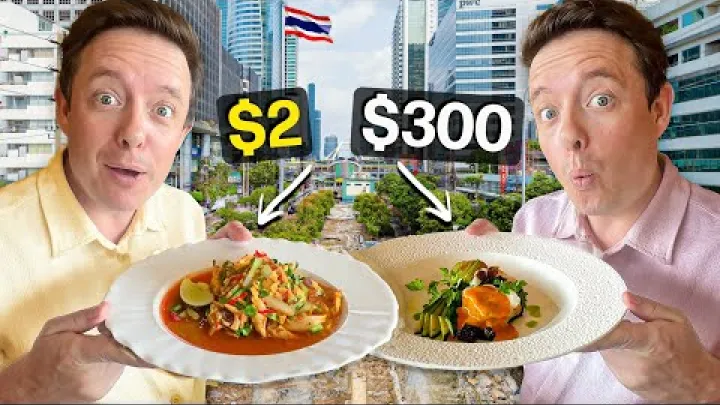
For signature dining, check dress codes, minimum age policies, and reservation requirements—popular venues book up quickly in peak months. If you have dietary preferences, ask about dedicated vegan or gluten-free menus and whether the pastry team can accommodate special requests in advance. For a sense of place, look for restaurants that source locally or feature Southern Thai or Northern Thai tasting menus.
Who it is for: families, couples, and honeymooners
Thailand’s 5-star resorts are versatile. Families appreciate kids’ clubs, spacious residences, and calm bays with shallow entry. Couples and honeymooners lean toward private pool villas, adults-only zones, and sunset-facing beaches. Wellness travelers often prefer structured retreats with inclusive programs and quiet settings for reflection.
Your ideal match depends on pool and beach access, privacy level, and the balance between on-site amenities and nearby restaurants or attractions. Clarify travel logistics as well: short transfers and easy mobility can make a major difference for families with young children and for short escapes.
Family-friendly features and properties
Family-oriented 5-star resorts highlight kids’ clubs, splash zones, and supervised activities led by multilingual staff. Multi-bedroom residences or connecting rooms near the pool or beach improve convenience and safety. Children’s menus, baby cots, high chairs, and bottle sterilizers are commonly available on request, and many resorts offer babysitting with advance notice.

Check age policies: kids’ clubs often welcome ages 4–12 for supervised sessions, while younger children may join with a parent or nanny. For private pool villas, ask about safety features such as removable pool fences, door alarms, and shallow ledges. Calm swimming areas like Choeng Mon (Samui) or sheltered sections of Klong Muang (Krabi) can be easier for younger swimmers than open surf beaches.
Adults-only and romantic options
For couples and honeymooners, adults-only zones and private pool villas enhance quiet and privacy. In-villa dining, spa suites for two, and sunset-facing beaches create memorable settings. Many resorts can arrange private boat trips, floating breakfasts, or cliffside dinners for special occasions.

Privacy differs by location. Hillside villas often offer stronger seclusion and panoramic views but require buggies or stairs. Beachfront villas deliver footsteps-to-sand access and sunset watching, yet occasional beach foot traffic can reduce privacy. If tranquility is your top priority, consider elevated or corner villas that minimize sightlines.
All-inclusive and semi-inclusive options
These often bundle breakfast with either dinner or flexible dining credits, and wellness resorts may include treatments, daily classes, and set menus in package rates. This approach controls costs while keeping freedom of choice across outlets.
![Preview image for the video "TOP 5 BEST all-inclusive resorts in THAILAND [2023, PRICES, REVIEWS INCLUDED]".](/sites/default/files/styles/media_720x405/public/oembed_thumbnails/2025-11/T750Z2DkxBhxHcedTLUd4wEYwANJPe4b7iLOXVhGH7U.jpg.webp?itok=oMZEX8jt "Preview image for the video \"TOP 5 BEST all-inclusive resorts in THAILAND [2023, PRICES, REVIEWS INCLUDED]\".")
Review inclusions and exclusions carefully, especially for premium beverages and minibar items. A standard service charge typically applies to extras even within packages. Tipping in Thailand is discretionary; service charge is usually included, but guests often leave a small gratuity for exceptional service or at bars and restaurants. In semi-inclusive plans, gratuities are not automatically added beyond the service charge unless stated, so tip only if you wish to recognize outstanding service.
Sustainability and community impact at luxury resorts
Many leading Thai resorts integrate sustainability through design and daily operations. Look for recognized certifications such as LEED for building efficiency and Green Globe or EarthCheck for broader sustainability frameworks. Practical measures include refillable glass water bottles, on-site water bottling plants, solar energy for hot water, and comprehensive waste sorting and composting. Beach resorts may run reef-safe sunscreen programs and organize regular shoreline clean-ups.
![Preview image for the video "Khaolak Merlin Resort: Living in Harmony with Nature [Thai Subtitles]".](/sites/default/files/styles/media_720x405/public/oembed_thumbnails/2025-11/Jva1QcCMenJlwnTTn7aiuSon5JUWa27zoBLhStzalNM.jpg.webp?itok=W6OxvwCb "Preview image for the video \"Khaolak Merlin Resort: Living in Harmony with Nature [Thai Subtitles]\".")
Community impact is equally important. Strong programs prioritize local employment and training, partnerships with artisans and farmers, and support for marine or mangrove conservation. Dining teams may highlight regional produce and heirloom rice varieties, while some properties maintain organic gardens or receive recognition for sustainable gastronomy. In Northern Thailand, ethical wildlife experiences focus on observation, walking with elephants, and habitat restoration rather than riding. When comparing 5-star resorts, ask about their conservation projects, plastic reduction, and local sourcing to align your stay with your values.
Sample 7-day luxury itinerary across regions
This sample plan balances beach relaxation, culture, and city dining while minimizing transit time. Adjust the order to match flight schedules and your preferred weather window.

Day 1–2: Bangkok. Arrive and transfer to a riverside 5-star hotel. Enjoy a relaxed evening with river views. The next day, explore the Grand Palace and nearby temples in the morning, then book a chef-led Thai tasting menu or visit a Michelin-listed venue. Reserve spa time in the late afternoon and take a sunset boat ride on the Chao Phraya.
Day 3–5: Phuket or Krabi. Fly south in the morning (about 1–1.5 hours). In Phuket, choose the west coast for sunset-facing beaches or Naithon/Mai Khao for quieter shores. In Krabi, pick Tubkaek for tranquil luxury or Railay/Phra Nang for dramatic scenery and boat-only access.
Day 6–7: Chiang Mai. Return via Bangkok for a short flight north (about 1 hour 10 minutes). Stay in a boutique 5-star near the Old City or in Mae Rim for nature and space. Visit craft villages, sample Northern Thai cuisine, and book an ethical elephant sanctuary half-day visit focused on observation, not riding. Depart on Day 7 evening or add a night if you prefer a slower pace.
Tips: Keep domestic flights to early morning slots to maximize resort time. Consider shoulder months for value and fewer crowds. If you prefer villas and wellness, swap Phuket/Krabi for Koh Samui from January to August to align with Gulf-side weather patterns.
How to choose the right 5-star resort in Thailand (checklist)
Use this checklist to narrow options based on dates, budget, and priorities. The aim is to match region, resort type, and logistics to how you actually like to travel.
- Region fit: Phuket for variety and easy access; Krabi for scenery and calm; Koh Samui for villas and wellness; Bangkok/North for dining and culture.
- Season match: Andaman best Nov–Feb; Gulf best Jan–Aug. Consider shoulder months for savings and plan for weather flexibility.
- Room type: Villa for privacy and outdoor living; suite for lounge access and space; residence for multi-bedroom layouts and kitchens.
- Mobility needs: Hillside estates may require buggies and have steps; beachfront resorts simplify movement with strollers or mobility devices.
- Beach and swimming: Check reef/shelf and wave patterns by bay, especially for children or less confident swimmers.
- Amenities: Kids’ clubs, adults-only zones, water sports, spa depth, and fitness offerings (classes, lap pools, trainers).
- Dining: Breakfast style, signature restaurants, dress codes, and whether dining credits or half board are available.
- Budget: Set a nightly range including taxes/fees; compare peak vs. shoulder pricing and package value.
- Policies: Minimum stays over festive periods, compulsory gala dinners, and cancellation terms.
- Transfers: Typical airport transfer times and whether boat access is required (Railay/Phra Nang, certain islands).
- Sustainability: Certifications, plastic reduction, local sourcing, and conservation or community initiatives.
- Special interests: Wellness program requirements, yoga/Pilates schedules, or diving and boating access.
Frequently Asked Questions
How much does a 5-star resort in Thailand cost per night?
Most 5-star resorts range from about 5,000 to 20,000 THB per night for entry categories. Private pool villas and peak festive dates (late December to early January) can exceed this range, sometimes significantly. Shoulder and low seasons often reduce rates by 15–40%, and early-bird or stay-pay offers can further lower the effective nightly cost once taxes and service charges are included.
When is the best time of year to visit Thailand for a luxury beach stay?
For the Andaman coast (Phuket/Krabi), the most reliable beach weather is typically November to February, with demand peaking in late December and early January. For the Gulf side (Koh Samui), January to August tends to be best, with wetter weather in October to December. Shoulder months like March–April and early November can offer good conditions with better availability and value.
Do 5-star resorts in Thailand commonly offer private pool villas?
Yes. Many premium properties—especially in Phuket and Koh Samui—feature villa categories with private pools. These provide enhanced privacy, spacious indoor-outdoor areas, and premium amenities. Expect higher pricing than standard rooms, and book 3–6 months in advance for peak season or holiday weeks.
Are all-inclusive 5-star resorts common in Thailand?
Fully all-inclusive models are less common than in some beach destinations, but semi-inclusive packages are popular. Typical bundles include breakfast plus dinner or flexible dining credits. Wellness retreats often include meals, classes, and treatments. Confirm what beverages are included and whether service charges apply to extras.
Which island is better for luxury resorts, Phuket or Krabi?
Phuket offers the widest range of 5 star Thailand resorts, diverse beaches, and easy logistics. Krabi delivers dramatic scenery, calmer vibes, and intimate properties near Railay, Phra Nang, or Tubkaek. Choose Phuket for breadth and convenience, and Krabi for scenery-forward tranquility and day trips among the karsts.
Are 5-star resorts in Thailand suitable for families with children?
Yes. Many feature kids’ clubs, family pools, children’s menus, and multi-bedroom residences. Look for calm bays, supervised activities with multilingual staff, and babysitting services. Confirm kids’ club age limits and ask about villa pool safety features such as removable fences or door alarms if booking a private pool villa.
How far in advance should I book for December–January peak season?
Book 3–6 months ahead for peak dates, and earlier for private pool villas or multi-bedroom residences. Flexible cancellation categories can sell out first. If availability is tight, consider shoulder dates in early December or late January for better rates and choice.
What is the best way to travel between Bangkok and Phuket/Krabi/Koh Samui?
Private car or shared shuttles connect airports to resorts. For island-hopping, use scheduled ferries or resort-arranged speedboats where available, and allow buffer time during periods of rough seas.
Conclusion and next steps
Match regions to your priorities: Phuket for variety and convenience, Krabi for scenery and calm, Koh Samui for villas and wellness, and Bangkok/North for cuisine and culture. Set dates with seasonality in mind and budget for rates plus service charge and tax. Choose between villas, suites, or residences based on privacy and mobility needs, and book 3–6 months ahead for peak periods. With these steps, selecting among Thailand 5-star resorts becomes clear and confidence-building.
Select area
Create a post
Posting is free and no registration is required.