Thailand Jobs for Foreigners: Legal Work, Best Roles, Visas, and Pay (2025 Guide)

Thailand jobs for foreigners are available across education, technology, engineering, and hospitality, but success depends on matching the legal pathway to the right role. Use this as a practical reference to plan compliant employment or long-stay options in Thailand.
Reviewed: 2025. Always verify current rules with Thai Immigration, the Ministry of Labour, and the Board of Investment before you apply.
Key facts about working in Thailand
Foreigners can build meaningful careers in Thailand if they follow the correct visa and work permit process and target sectors with steady demand. The most consistent hiring centers on Bangkok for corporate and technology roles, while island hubs offer seasonal opportunities in hotel management and specialized tourism services. Employers generally need to sponsor your work permit, and your duties must match a permitted occupation.

The market remains dynamic in 2025, with strong demand for English-medium education, software and cloud roles, and hospitality leadership. At the same time, Thailand restricts many hands-on trades to protect local employment, so choosing accurate job titles and compliant employers is essential. The short facts below help orient your plan before you dive into the details.
- Legal route: Non-Immigrant B visa plus a job-specific, location-specific work permit sponsored by a Thai employer.
- Employer rules: Typical eligibility is 2 million THB registered capital and a 4 Thai employees per 1 foreign employee ratio; exceptions may apply for BOI-promoted firms.
- Demand hotspots: Bangkok year-round; Phuket, Koh Samui, and Krabi peak in high season for hospitality and diving leadership roles.
- Restricted work: Many manual labor, retail, and certain professional services are off-limits to foreign workers.
- Compliance: Maintain 90-day reporting and obtain a re-entry permit before traveling to preserve your visa status.
Market overview and demand hotspots
As of early 2025, hiring remains resilient in education, technology, engineering, and hospitality management. Bangkok leads with year-round roles across software development, cybersecurity, data, product management, and international school teaching. BOI-promoted companies and multinationals continue to drive demand for cloud, DevOps, and enterprise engineering talent, often with English as the working language.

From roughly November through April, hotels and resorts expand staff for operations, guest relations, revenue management, and culinary leadership. Diving instructors with recognized certifications also see more opportunities during peak tourism months. By contrast, off-peak periods may bring reduced hours or short-term contracts, so candidates should confirm schedules and compensation structures in advance.
Beyond the big two of Bangkok and the islands, Chiang Mai’s education providers and creative businesses add steady openings, while logistics and manufacturing corridors near the Eastern Economic Corridor sustain engineering roles. Remote-friendly companies in Bangkok now support flexible hybrid policies, but Thai-sourced employment still requires proper visa and work authorization regardless of work location.
For planning, think of Bangkok as a year-round corporate market with higher salaries and faster promotion tracks, and the islands as seasonal hubs that reward flexibility in contract duration and location. Align your search timeline with the school year for teaching and with high season for hospitality and diving roles.
Who can be legally hired and employer sponsorship basics
Foreigners are generally hired on a Non-Immigrant B visa with a work permit sponsored by a Thai employer. The work permit is specific to the employer, job title, and work location, and it must accurately describe your duties. Employers typically need sufficient registered capital, a valid office lease, active tax filings, and a Thai-to-foreigner employee ratio that commonly sits at four Thai employees per one foreign employee. BOI-promoted companies may be exempt from some ratio rules, and small differences can apply by company type.

In practice, the employer prepares corporate documents and submits the application, while the candidate provides identity, education, and experience records. Once approved, you must keep everything current, file 90-day reports with Immigration, and secure a re-entry permit before leaving Thailand, or your visa status can lapse. If your job changes, your permit and visa must be updated before your duties change. Always clarify with your HR team how payroll, personal income tax withholding, and social security contributions will be handled.
Because rules vary by province and the employer’s status, job seekers should confirm the sponsor’s eligibility early. Ask about registered capital, headcount ratio, and whether the company is BOI-promoted. This early screening can prevent last-minute visa issues after you accept an offer.
Legal requirements and prohibited occupations
Understanding the legal framework is the most important factor in any search for jobs in Thailand for foreigners. Thailand differentiates between permitted occupations and restricted occupations, and it links work authorization to a specific employer, role, and location. Mistakes with visa selection, job titles, or unauthorized work can lead to penalties for both the employee and the employer.

If you plan to change roles or work sites, you need to update your documents in advance. In many cases, pre-approval steps are required before you arrive or before you begin work, and certain procedures vary by province. To avoid errors, learn the basics of the work permit and visa process and verify that your intended role is permitted for foreign workers.
Work permit and visa fundamentals
For Thai-sourced employment, the standard path is to enter on, or convert to, a Non-Immigrant B visa and then obtain a work permit tied to your employer and role. If you are outside Thailand, your employer may first secure a pre-approval (often called WP3) that you use to apply for the Non-Immigrant B visa at a Thai embassy or consulate. If you are already in Thailand on an eligible status, in-country conversions are possible through Immigration, with different forms, fees, and timelines.

In Bangkok, work permit processing typically takes around 7–10 business days after complete submission. BOI-promoted companies can often process faster through a One-Stop service. Provincial offices may have different queues and may request extra documents. To preserve your status, file 90-day address reports and get a re-entry permit before any travel. Because forms and fees can change, confirm the latest requirements with your local Labour and Immigration offices before filing.
Keep in mind that the permit is job- and location-specific. If your job title, duties, or office location change, update the permit before the change takes effect. Employers are responsible for maintaining compliant payroll, tax, and social security contributions; employees should keep copies of their permit, visa stamps, and reporting receipts.
Occupations foreigners cannot do and common pitfalls
Thailand restricts many hands-on and entry-level occupations to Thai nationals. Examples often include manual labor, construction work, retail sales clerk roles, hairdressing and beauty services, certain accounting functions, and legal services that require bar licensure. Some professional licensing regimes also place limits on foreign practitioners. Because the list can change, cross-check your intended role against current Ministry of Labour notices before applying.
Common pitfalls include working on a tourist status or DTV for Thai employers, using a job title that does not reflect your actual duties, or accepting cash-in-hand arrangements without sponsorship. Penalties can include fines up to 100,000 THB, deportation, and reentry bans. Title precision matters: the job on your work permit should match your daily tasks, and your workplace address should match where you actually work. If a role sounds compliant but relies on “freelance” payments from a Thai entity, pause and verify with the employer and the authorities.
Visas and work permits: step-by-step process
The right visa depends on whether you will work for a Thai employer, stay long-term while earning foreign-sourced income, or qualify for specialized programs. For employment by Thai companies, the Non-Immigrant B plus a work permit is the standard route. Long-stay visitors with remote work from abroad may consider the Destination Thailand Visa, and selected high-income or expert categories may be eligible for an LTR visa.
The steps below help you coordinate with your employer and avoid timing gaps between visas, permits, and travel plans. Where provincial practices differ, follow your local office’s instructions and bring complete document sets to every appointment.
Non-Immigrant B, DTV, LTR, and Thailand Elite compared
Thailand offers different visas for different purposes. The comparison below summarizes why each option exists, who it fits, and what work rights apply. Always verify the latest rules in 2025 before you apply because durations, fees, and eligibility can change.

| Visa | Work rights | Typical validity | Who it fits | Dependents |
|---|---|---|---|---|
| Non-Immigrant B + Work Permit | Allows Thai-sourced employment when paired with an approved work permit tied to employer/role/location. | Usually 90-day entry, extendable up to 1 year with work permit; renewals possible. | Employees hired by Thai companies, schools, or BOI-promoted firms. | Spouse/children may obtain dependent visas; spouse needs own permit to work. |
| Destination Thailand Visa (DTV) | No Thai-sourced work allowed; suitable for remote work with foreign income. | Multi-year framework with extended stays per entry; extensions and fees vary by issuance post in 2025. | Remote workers, freelancers, and long-stay visitors with foreign income. | Check current 2025 dependent rules at the issuing post; not a work authorization. |
| Long-Term Resident (LTR) | Selected categories can obtain work authorization; digital work permit processes may apply. | Up to 10 years in defined categories, subject to eligibility and ongoing conditions. | High-income professionals, highly skilled experts, certain executives, and retirees meeting set thresholds. | Dependents often included; spousal work rights are not automatic without authorization. |
| Thailand Elite | No work rights; this is a residency membership, not a work authorization. | Multi-year membership depending on package. | Frequent visitors and lifestyle-focused long-stay members. | Dependent inclusion depends on package; does not confer employment rights. |
For Thai employment, the Non-Immigrant B plus work permit remains the baseline. The DTV supports long stays and remote work with foreign income, but it is not a substitute for a work permit. LTR options offer immigration and tax conveniences for eligible high-income professionals or experts and often involve BOI coordination for work authorization. Thailand Elite does not allow employment.
Documents checklist for employers and candidates
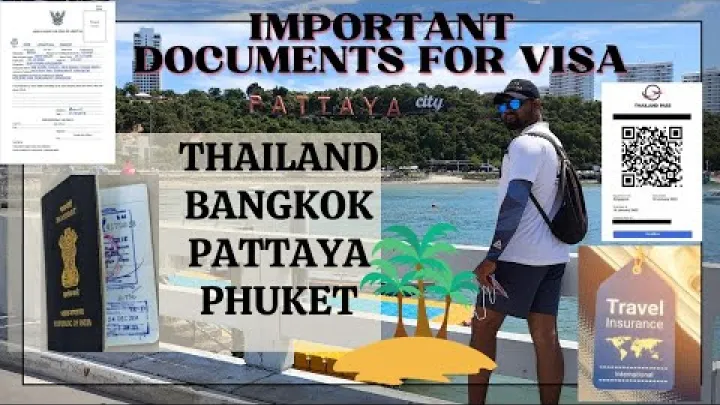
Preparing a complete file reduces processing delays. Employers and candidates should maintain consistent spellings across all documents and keep digital copies ready for upload or submission. In some provinces, officials may also request photographs of your office, signage, or desk space to confirm a bona fide workplace.
- Employer documents:
- Company affidavit and business registration
- VAT certificate and recent tax filings
- Social security roster and contribution records
- Shareholder list and director IDs
- Office lease, map to the office, and workspace photos if requested
- Corporate seal and authorized signatory identification
- Candidate documents:
- Passport (full copies of all pages with Thai stamps if any)
- Degree and transcripts; professional licenses if applicable
- Experience letters and updated CV
- Medical certificate and passport photos
- Legalized translations if documents are not in Thai or English
BOI-promoted employers may use expedited e-approval systems and slightly different document sets. Check the legalization rules of the Thai embassy or consulate in the country where your documents were issued. Province-specific extras are common; bring originals plus copies and ask HR to confirm the local checklist before submission.
Best jobs and sectors for foreigners in Thailand
Not all roles are open to foreign workers, so targeting the right sectors is key. Education and international schools hire steadily, especially around academic year transitions. Technology and engineering roles cluster in Bangkok, led by BOI companies and multinationals. Hospitality, culinary, and tourism management remain strong across resort destinations, with leadership roles that align well with work permit categories.

Niche opportunities exist when specialized languages or technical certifications are scarce locally, such as diving instruction or high-level sales and business development. Confirm that the job title and duties match a permitted classification, and avoid commission-only arrangements that lack sponsorship. The sections below outline what employers expect and what you can earn.
Teaching and education (TEFL, international schools)
Teaching is one of the most accessible fields for jobs for foreigners in Thailand. Language schools and public or private schools typically require a bachelor’s degree plus a TEFL/TESOL certificate. International schools recruit teachers with higher credentials, such as a teaching license and relevant experience in IB, AP, or A-Level curricula. Pay ranges reflect these differences, with government schools commonly around 30,000–40,000 THB per month and international schools from about 50,000 up to 100,000+ THB with benefits.

New hires often need Teacher Council of Thailand (Khurusapha) licensing or a temporary waiver. Schools may assist with this process, but you should still confirm how the license or waiver aligns with your visa and work permit timing. Hiring peaks generally occur ahead of term starts, with major cycles around May and again later in the year. When evaluating offers, consider housing allowances, health insurance, and paid holidays in addition to base pay.
Technology and engineering roles
Bangkok-based technology and engineering teams recruit software engineers, data analysts and scientists, cloud and DevOps professionals, cybersecurity specialists, and product managers. BOI-promoted companies, regional startups, and multinational corporations lead the way. Monthly salaries often range from approximately 80,000 to 150,000+ THB, with senior engineers and leads reaching 150,000–200,000+ THB at larger firms.

Remote and hybrid policies are common in Bangkok, though Thai-sourced roles still require the proper visa and permit. For mid- and senior-level candidates, portfolios, Git repositories, or case studies carry weight alongside formal degrees. Thai language skills help in client-facing roles, but many engineering teams operate primarily in English. Certifications in cloud platforms and security can boost competitiveness and support BOI-sponsored hiring.
Hospitality, culinary, and tourism management
Hospitality hiring skews toward management and specialist roles such as hotel general manager, F&B manager, executive chef, pastry chef, spa director, or revenue manager. Compensation is highly variable by brand, location, and season, but often sits around 60,000–150,000 THB per month. Housing and meal benefits are common, especially at island properties.

Legality matters: executive chefs and culinary leaders are often eligible for permits, while hands-on line roles may fall into restricted categories. Guest-facing roles benefit from Thai fluency plus additional languages such as Mandarin, Russian, or Arabic. Because island demand is seasonal, contracts can be short and may reduce hours off-peak. Clarify start dates, accommodation, and transport before accepting an offer.
Niche roles (diving, translation, real estate)
Diving instructors with recognized certifications can find seasonal opportunities at island resorts and dive shops. As with all Thai-sourced work, sponsor-backed permits are required, and job titles should reflect instruction or leadership rather than general deckhand duties. Pay varies with certifications, languages, and the season.

Translation and interpretation roles are viable when serving specialized industries or rare language pairs, and they often sit under broader “specialist” or “consultant” titles for work permit purposes. Real estate roles typically focus on brokerage management, agency leadership, or international client services; verify that the title aligns with permitted activities. Avoid commission-only arrangements without sponsorship, and request written contracts that state your legal status and benefits.
Where hiring happens: Bangkok, Chiang Mai, islands
Thailand’s job market clusters by city and sector. Bangkok concentrates corporate headquarters, embassies, BOI firms, and international schools. Chiang Mai offers lower living costs, a large remote worker community, and a steady pipeline of education roles. The islands center on tourism-dependent work with marked seasonality. Your choice of location should align with your sector, language skills, and preferred lifestyle.
When comparing cities, consider commuting time, access to BTS/MRT lines in Bangkok, and the availability of coworking and international schooling if you are relocating with family. On the islands, confirm transportation, staff housing, and season-based compensation. Apply early for roles that align with high season or academic calendars.
Bangkok corporate and tech opportunities
Bangkok is the primary hub for corporate, finance, logistics, and tech roles. Major business corridors include Sathorn, Silom, Asok, and the Sukhumvit spine, with easy access to BTS and MRT lines. This concentration of HQs and multinationals supports faster career progression and higher salaries than smaller cities.

Coworking hubs are spread across central neighborhoods, supporting networking for job seekers in technology, design, and consulting. Given higher living costs, negotiate for comprehensive packages, including health insurance and transport allowances. Where possible, live close to rail lines to cut commute times. For “jobs in Bangkok Thailand for foreigners,” company career pages and BOI employers are productive channels to monitor.
Chiang Mai remote work and education roles
Chiang Mai has a large remote-worker community and is home to universities, language schools, and creative businesses. The cost of living is generally lower than Bangkok, and the coworking ecosystem is robust. Long-stay visitors on eligible statuses often choose Chiang Mai for lifestyle reasons, though Thai-sourced employment still requires permits.

Seasonality affects air quality, which may influence relocation timing for families. Education roles, short-term programs, and international curricula drive seasonal hiring waves. If you work remotely for a foreign employer, remember that visas like the DTV support extended stays but do not authorize Thai employment.
Phuket, Koh Samui, and island tourism roles
Island economies are driven by tourism, with hiring peaks from roughly November to April. Hotels, resorts, restaurants, and dive centers staff up for high season, recruiting leadership and specialist roles in operations, F&B, guest relations, and nautical activities.

Packages may include housing or allowances; clarify details in writing.
Weather seasonality directly affects earnings stability. Plan ahead for off-peak periods with savings or flexible contracts. Apply early to secure the best roles before high season ramps up, and confirm your sponsor’s ability to process permits quickly given the influx of seasonal hires.
Job search channels and application tactics
To find jobs in Thailand for foreigners with visa sponsorship, combine online boards, specialist recruiters, and targeted networking. Focus your search on companies known to hire foreign talent, especially BOI-promoted firms and international schools. Avoid offers that do not include sponsorship or that suggest cash payments in place of a work permit.

Prepare a localized CV that highlights relevant skills, metrics, and your earliest start date. For technical and creative roles, include portfolios or code samples. Enter interviews with clear salary expectations in THB, and be ready for practical tasks that test your skills.
Best job boards, recruiters, and networking
Start with LinkedIn, JobsDB, and JobThai for broad coverage, and supplement with sector-specific groups for teaching and technology. Many BOI-promoted companies list openings on their own career pages, especially for engineering, product, and data roles. International schools regularly publish vacancies for licensed teachers and subject specialists.

Specialist recruiters are useful for mid- and senior-level searches, particularly in tech and hospitality management. Attend chamber of commerce events, alumni meetups, and professional associations in Bangkok and regional hubs. When in doubt, conduct due diligence: confirm that any job offer includes employer sponsorship and that the advertised title matches a permitted occupation in practice.
Resume/CV, portfolio, and interview preparation
Localize your CV to emphasize role-specific achievements, tools, and certifications. State your visa/work permit status and earliest availability near the top. For tech and design roles, link to repositories, portfolios, or case studies and quantify outcomes, such as performance gains or revenue impact.
Prepare a short, targeted cover letter that maps your experience to the job’s must-have skills. In interviews, keep responses concise, confirm the legal job title, and ensure responsibilities align with permitted activities. Share a clear salary range in THB and expect practical tasks, trial lessons for teaching roles, or take-home exercises for engineering and product roles.
Working without a degree or in unskilled roles
Search interest is high for unskilled jobs in Thailand for foreigners and for jobs in Thailand for foreigners without a degree. In practice, most unskilled roles are restricted. Viable paths focus on specialist, managerial, or certified roles where employers can justify sponsorship, such as diving instruction, hospitality management, or business development for niche language markets.

Short courses and recognized credentials can create compliant entry points. TEFL/TESOL certificates support language school roles, while industry certifications can help in technology and tourism. Always verify that the sponsor can meet capital and ratio requirements and that your job title fits permitted categories.
Realistic pathways and compliance limits
If you do not hold a bachelor’s degree, focus on roles that hinge on certifications, portfolios, or scarce skills. Examples include certified diving instructors, specialized sales or partnership roles for rare language pairs, or hospitality management where experience is demonstrable. Many entry-level and manual roles are restricted, so treat offers for such work with caution.

Avoid cash-in-hand arrangements and visa overstays. Build skills before arrival with TEFL, cloud certifications, or hospitality management courses. Confirm, in writing, that the employer will sponsor the visa and work permit and that your duties match the title on the permit. When in doubt, ask HR to outline the filing plan and timeline.
Short-term teaching programs and seasonal roles
Short-term camps and assistant roles may exist without a degree, but they still require proper visa and permit pathways when the work is Thai-sourced. Some language centers hire for peak periods and may process short-duration permits for assistants or activity leaders, though requirements vary by province and school.

On the islands, seasonal guest relations roles may value additional languages. However, volunteer or stipend arrangements can still be considered work under Thai law, so confirm your legal status in advance. Request clear written contracts that state base pay, allowances, housing, and your sponsorship details.
Salaries, cost of living, and taxes
Compensation varies widely by sector, location, and employer size. Education roles range from entry-level packages at government schools to higher-paying international school positions with benefits. Technology salaries in Bangkok are competitive within the region, while hospitality management pay depends heavily on brand and seasonality. Evaluate total compensation, including housing, meals, transport, and bonuses.

Budgeting for life in Thailand also depends on city choice. Individuals often plan around 1,500–2,000 USD per month, higher in Bangkok and lower in Chiang Mai. Add health insurance, coworking, and schooling if relocating with family. The following sections outline typical ranges, practical budgets, and tax basics.
Typical salary ranges by sector
Salaries vary by qualifications, certifications, employer size, and location. Use the table below as a directional guide for 2025, and confirm current figures during interviews. Packages in hospitality and education frequently include housing, meals, or tuition discounts, which can add significant value beyond base pay.

| Sector | Typical monthly salary (THB) | Notes |
|---|---|---|
| Education (government schools) | 30,000–40,000 | Often lower base; sometimes includes lunch, local transport, or housing support. |
| International schools | 50,000–100,000+ | Benefits can include health insurance, bonuses, and tuition discounts. |
| Technology and engineering | 80,000–150,000+ | Senior engineers and leads can reach ~150,000–200,000+ depending on employer. |
| Hospitality management | 60,000–150,000 | Housing/meals often included; island seasonality affects earnings stability. |
Location, seniority, and employer brand drive the most variance. BOI firms and multinationals generally pay the upper ranges in tech. International schools pay more for licensed subject specialists. Hospitality leadership pay depends on property size and seasonality, with island roles often blending salary and in-kind benefits.
Budgeting for major cities and hubs
Monthly budgets differ by city, lifestyle, and family size. The examples below assume a single professional renting a one-bedroom apartment and using public transport or a scooter. Adjust up for central locations, international school fees, or private vehicles.

| Line item | Bangkok (THB) | Chiang Mai (THB) |
|---|---|---|
| Rent (1-bedroom, central/near transit) | 18,000–30,000 | 10,000–18,000 |
| Utilities (electricity, water, internet) | 2,200–3,600 | 2,000–3,200 |
| Mobile data | 300–600 | 300–600 |
| Transport (BTS/MRT, occasional taxis) | 2,000–3,500 | 1,000–2,000 |
| Groceries and meals | 8,000–12,000 | 6,000–10,000 |
| Coworking (optional) | 3,600–9,000 | 3,600–7,500 |
| Health insurance (private, basic) | 2,500–6,000 | 2,500–6,000 |
Families should factor in larger housing and potential international school fees, which can be significant. Compare employer benefits carefully, including family coverage in health insurance, schooling subsidies, and relocation allowances.
Income tax, social security, and health insurance
Thailand applies progressive personal income tax rates. Employers typically withhold tax and issue annual documents to support your filing. Tax residency is generally based on the number of days spent in Thailand within a tax year; residents and nonresidents may be taxed differently on Thai-sourced and foreign-sourced income. Double tax treaties may provide relief, depending on your home country and the nature of your income.

Employees and employers contribute to Social Security, with employee contributions commonly around 5% up to a statutory cap. Social Security provides basic health coverage at assigned hospitals. Many foreign professionals add private health insurance for wider networks and English-language support. Keep receipts, 90-day reporting slips, and copies of all filings for your records, and verify current 2025 brackets and contribution caps before filing.
Remote work and long-stay options
Some foreigners come to Thailand to stay long term while earning income from abroad. The Destination Thailand Visa is the main pathway created for remote workers and long-stay visitors, while the LTR visa serves specific high-income or expert categories. Neither replaces the Non-Immigrant B plus work permit for Thai-sourced employment.

Plan your stay based on your income source. If you intend to work for a Thai employer or invoice Thai entities, you need a permit and a compliant visa. If you work only for foreign clients or employers and want flexibility to stay longer, DTV or LTR may fit, subject to eligibility and rules in effect in 2025.
DTV conditions and restrictions on Thai-sourced income
The DTV supports long stays for remote workers, freelancers, and visitors with foreign-sourced income. It does not authorize Thai-sourced employment or work for Thai companies. Applicants should expect to show funds, health insurance, and other supporting documents that can vary by embassy or consulate. Rules on validity periods, per-entry stay lengths, fees, and extensions are subject to change and can differ by issuing post in 2025.

Keep documentation that proves your income is foreign-sourced, such as contracts, invoices, and bank statements from abroad. If you plan to switch to Thai employment, you will need to transition to a Non-Immigrant B and obtain a work permit before starting work. When in doubt, confirm your plan with Immigration to avoid accidental violations.
LTR pathways for professionals and pensioners
The LTR program targets high-income professionals, highly skilled experts, certain executives, and retirees who meet defined income and asset thresholds. Benefits can include extended stay validity, streamlined immigration services, and, for eligible categories, access to work authorization mechanisms administered with BOI involvement. The details differ by category and can be updated, so verify the 2025 thresholds and evidence requirements before applying.

Dependents may be included under LTR, but spousal work rights are not automatic and usually require separate authorization. If you will be employed by a Thai entity under LTR, confirm how your employer will process your work authorization and payroll. LTR can be an effective solution for experienced professionals and pensioners who meet the criteria and want long-term stability in Thailand.
Frequently Asked Questions
What jobs can foreigners legally do in Thailand in 2025?
Foreigners can work in permitted roles where employers can sponsor a work permit and meet staffing and capital rules. Common fields include teaching, technology, engineering, hospitality management, culinary leadership, diving instruction, and specialized sales. Many hands-on trades and professional services (e.g., accounting, architecture, hair/beauty, construction work) are restricted or prohibited. Always confirm the role against the Ministry of Labor’s current lists before applying.
How do I get a work permit in Thailand and how long does it take?
You get a work permit through a Thai employer that sponsors you after you enter on the correct Non-Immigrant visa. Typical processing is 7–10 business days in Bangkok, one day at One-Stop/BOI, and up to two months in some provinces. You must submit employer registration and tax records plus your passport, education, experience letters, medical certificate, and photos. The permit is job- and location-specific and usually valid for up to one year.
Do I need a degree to work in Thailand as an English teacher?
A bachelor’s degree plus a TEFL/TESOL certificate is the standard for full-time school positions. Some short-term programs and language centers hire without a degree for limited or seasonal roles. International schools require higher credentials and offer higher pay and benefits. Always check that the job meets visa and work permit criteria before accepting.
Which visa do I need to work in Thailand and can I work on a DTV?
To work for a Thai employer you generally need a Non-Immigrant B visa and a work permit. The Destination Thailand Visa (DTV) allows stays for remote workers with foreign-sourced income but does not allow Thai-sourced work or employment by Thai companies. Long-Term Resident (LTR) visas support specific high-income or skilled categories with separate rules. Thailand Elite is a residency membership and is not a work authorization.
How much do foreigners earn in Thailand by sector?
Typical monthly ranges are 30,000–40,000 THB for government-school teachers and 50,000–100,000+ THB at international schools. Tech roles often pay 80,000–150,000+ THB, hospitality management 60,000–150,000 THB, and senior engineering/leadership up to 150,000–200,000+ THB. Actual pay depends on location, employer, and experience. Benefits and housing allowances may add value in hospitality and education.
Are there unskilled jobs for foreigners in Thailand?
Most unskilled roles are restricted or prohibited for foreign workers under Thai labor rules. Practical options include seasonal tourism (e.g., certified diving instructors) or short-term teaching programs that meet permit criteria. Always verify that any role is legal and sponsor-backed before starting work. Working without authorization risks fines, deportation, and employer penalties.
What are the penalties for working in Thailand without a permit?
Penalties can include fines up to 100,000 THB, deportation, and bans on reentry. Employers face criminal liability, including potential imprisonment up to one year. Immigration and labor authorities may conduct checks at workplaces. Keep copies of your valid visa, work permit, and 90-day reporting receipts.
Where are the best cities in Thailand for foreign job seekers?
Bangkok offers the most corporate, tech, and international school roles. Chiang Mai is strong for remote work, language schools, and lower living costs. Phuket, Koh Samui, and other islands focus on hospitality, culinary, and tourism roles with seasonal demand. Choose based on sector fit and employer sponsorship availability.
Conclusion and next steps
Foreigners can work legally in Thailand by securing the right visa, matching a permitted job title, and partnering with a qualified employer that sponsors a work permit. Bangkok provides year-round opportunities in technology, engineering, and education, while island hubs offer seasonal roles in hospitality leadership and diving. Typical salaries range from 30,000–40,000 THB in entry-level teaching up to 150,000–200,000+ THB for senior technology positions, with cost of living varying by city.
Before applying, confirm that your role is permitted, your sponsor meets capital and staffing ratios, and your documents are consistent and ready for submission. Verify current 2025 procedures with local offices, plan for 90-day reporting, and keep your permit aligned with your actual duties and location. With these steps, Thailand jobs for foreigners become both achievable and compliant.
Select area
Create a post
Posting is free and no registration is required.