Thailand Islands Guide: Best Islands, When to Go, Ferries, and Itineraries

The Thailand islands combine warm seas, palm-fringed beaches, and friendly towns with easy travel logistics. This guide compares the Andaman coast and the Gulf of Thailand, highlights the best islands by interest, and explains ferries, flights, and sample itineraries. You will also find month-by-month timing tips, diving and snorkeling advice, and budget guidance.
“Thailand islands” refers to hundreds of islands and islets scattered along two coasts: the Andaman Sea to the west and the Gulf of Thailand to the east. Major hubs include Phuket, Krabi, Koh Samui, Koh Phangan, and Koh Tao, with smaller islands like Koh Lanta, Koh Lipe, Koh Chang, Koh Mak, and Koh Kood offering quieter stays.
Quick answer: the best Thailand islands by interest
If you want a fast way to narrow the best islands in Thailand, start with your travel style and the season. The picks below help you match islands to your interests, from nightlife to nature.
For first-timers and easy access
First-time visitors usually do best near major gateways with frequent flights and ferries. In the Andaman, start in Phuket, then hop to Koh Phi Phi and Koh Lanta. Typical ferry durations: Phuket to Koh Phi Phi is about 1–2 hours (ferry vs speedboat), and Phi Phi to Koh Lanta is roughly 1–1.5 hours by ferry or speedboat. These short legs keep transit simple and predictable.

In the Gulf, the classic chain is Koh Samui to Koh Phangan to Koh Tao. Samui to Phangan is about 20–30 minutes by speedboat or 30–60 minutes by larger ferry. Phangan to Tao takes about 1.5–2.5 hours depending on vessel and sea conditions. Choose hubs with multiple daily departures and morning sailings for calmer seas and less delay risk.
For luxury and wellness
Koh Yao Noi and Koh Yao Yai, located between Phuket and Krabi, add boutique stays with private pools, quiet bays, and views across Phang Nga Bay. You will find spa-focused properties, holistic retreats, and private-villa options year-round.

Peak months for luxury rates and occupancy are December to February, with festive surcharges near Christmas and New Year. Koh Samui also sees strong demand in July and August due to more favorable Gulf weather. Book well ahead for top suites, request airport transfers in advance, and consider shoulder periods for better value without sacrificing quality.
For diving and snorkeling
Koh Tao is a leading training ground for affordable diving courses and has diverse sites for beginners and intermediates. Visibility often peaks around March–May and July–September, with many sheltered bays suitable for entry-level dives and shore snorkeling. Nearby spots like Shark Bay and Japanese Gardens give easy access to coral and fish life.
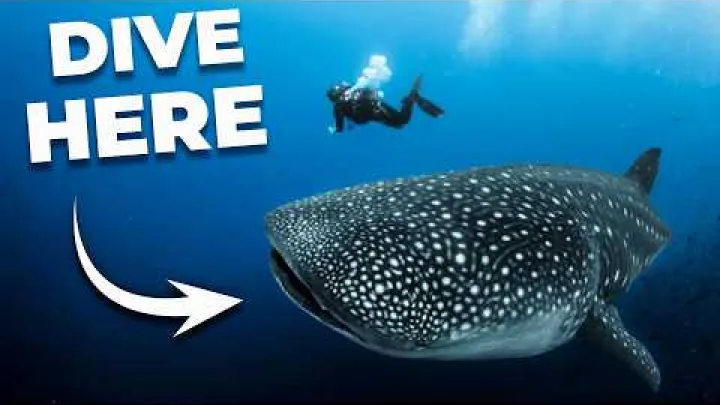
The Similan Islands are famous for clear water and advanced diving, generally open from November to April as part of a protected marine park. Access requires permits and daily visitor quotas are enforced, so advance booking is essential. Snorkelers also enjoy Koh Lipe and Koh Phi Phi, where longtail boats can quickly reach healthy reefs in calm weather.
For quiet beaches and fewer crowds
Koh Lanta, Koh Kood, Koh Mak, and the Koh Yao islands are ideal for slower days with nature, kayaking, and local food. Expect low-key villages, calm shores, and excellent sunsets. Nightlife is limited, which helps preserve the relaxing atmosphere and makes them great choices for families or travelers seeking downtime.

Transport frequency to smaller or remote islands can drop outside peak periods. From May to October, expect fewer speedboats to Koh Yao and weather-related delays. In Trat province, inter-island boats between Koh Chang, Koh Mak, and Koh Kood run more often from November to May and are more limited in the rainy season. Plan buffer time and morning departures.
For nightlife and parties
Koh Phangan is famous for Full Moon and frequent beach events, with varied music scenes and pre/post parties. Phuket’s Patong and Koh Samui’s Chaweng offer late-night bars, clubs, and street food. If nightlife is your priority, stay within walking distance of venues to avoid late transfers.

For sleep quality, book outside the main noise zones. On Koh Phangan, rooms near Haad Rin can be very loud during party weeks; choose hillsides or northern coves for quieter nights. Keep valuables secure, pre-arrange late-night transport if needed, and plan to stay overnight because ferries after major events are limited.
Andaman vs Gulf of Thailand: key differences
Thailand’s two island regions each offer unique scenery and seasons. The Andaman Sea coast, anchored by Phuket and Krabi, features towering limestone cliffs, emerald bays, and access to iconic marine parks. The Gulf of Thailand, centered on Koh Samui, Koh Phangan, and Koh Tao, delivers gentle beaches, calmer inter-island hops, and strong visibility windows for snorkeling and beginner-friendly diving.
Choosing between them often comes down to timing and activities. The Andaman is typically driest from November to April, while the Gulf can be favorable from May to August. Gateways and ferry networks are well developed on both coasts, making island-hopping straightforward when seas are calm. Consider which landscapes inspire you most and align with your travel month.
| Feature | Andaman Coast | Gulf of Thailand |
|---|---|---|
| Dry season | Nov–Apr (calmer seas) | Dec–Aug often good around Samui–Phangan–Tao |
| Main gateways | Phuket, Krabi | Koh Samui airport, Surat Thani |
| Signature scenery | Limestone karsts, marine parks (Phi Phi, Similan) | Palm-fringed beaches, sheltered bays |
| Top activities | Boat tours, advanced diving, cliff views | Easy island-hops, snorkeling, dive training |
Weather and seasonality
December to February is the peak for travel demand and prices. In contrast, the Gulf often enjoys relatively favorable conditions in May to August when the Andaman may see rougher seas and more frequent rain.

Microclimates matter. Bay orientation, headlands, and local winds can create calm pockets even in shoulder months. For example, an east-facing bay can be smoother when western swells are up. Always check recent conditions and consider morning departures, which are usually calmer across both coasts.
Access and ferry networks
Andaman gateways include Phuket and Krabi, connected by road and frequent ferries to Koh Phi Phi and Koh Lanta. In the Gulf, Koh Samui’s airport links directly to many cities, while Surat Thani offers combined bus–ferry tickets to Samui, Phangan, and Tao. Dense ferry networks make short hops feasible for trips as brief as a week.

Speedboats reduce time but are more weather-sensitive than larger ferries. For smoother transfers, consider combined flight–ferry tickets from airlines or ferry companies, which coordinate timing and include pier shuttles. Allow buffer time between flights and boats, and avoid tight same-day connections during rainy months.
Scenery and activities
The Andaman excels in dramatic limestone scenery, emerald lagoons, and postcard viewpoints. Popular activities include longtail boat tours in Phang Nga Bay, seasonal diving at the Similan Islands, and hikes to viewpoints on Koh Phi Phi. Photographers favor sunrise and late afternoon for softer light on cliffs and karsts.
The Gulf features palm-backed beaches and gentle slopes, with easy snorkeling coves and calm kayaking water. On Samui, add short hikes to waterfalls and hill viewpoints. On Koh Tao, compact roads help you reach multiple bays in a day for shore snorkeling. Both coasts offer yoga, Thai cooking classes, and wellness programs.
Top islands to visit (overview and highlights)
Thailand’s best islands include lively hubs with full services and quiet escapes for nature lovers. The list below summarizes what each destination does well and how to plan your stay. Consider travel time from airports, ferry connections, and seasonal seas to pick a realistic route for your dates.
Phuket
Phuket is the largest Andaman hub with an international airport and a wide range of accommodations. It is a practical base for day trips to Phang Nga Bay, seasonal Similan Islands departures, and Koh Phi Phi. Beach areas vary from lively to low-key, making it easy to match your vibe.

Airport transfer times help with planning: Phuket Airport to Patong is about 45–70 minutes, to Kata/Karon roughly 60–90 minutes, to Kamala about 45–60 minutes, and to Bang Tao around 30–45 minutes. Book earlier flights to arrive before evening traffic and confirm hotel check-in times during peak months.
- Patong: nightlife and dining variety
- Kata/Karon: family-friendly beaches and surf
- Kamala/Bang Tao: quieter resorts and longer sands
Koh Phi Phi
Koh Phi Phi combines dramatic cliffs, blue bays, and compact, mostly car-free paths. It is popular for snorkeling tours and viewpoint hikes that reward you with sweeping panoramas. For a calmer experience, plan early morning or late afternoon outings to avoid midday tour peaks.

Typical ferry times: Phuket to Koh Phi Phi is around 1–2 hours depending on boat type, and Krabi (Ao Nang/Krabi Town) to Koh Phi Phi is about 1.5–2 hours. Overnighting lets you enjoy quieter hours after day-trippers depart. Book ocean-facing rooms well in advance during December to February.
Koh Lanta
Koh Lanta offers relaxed beaches, sunset viewpoints, and a family-friendly atmosphere. The long west coast features a string of bays, each with its own feel and selection of small resorts. It is also a convenient base for day trips to snorkeling spots and nearby islets.
For first-timers, Long Beach (Phra Ae) offers a good balance of services and space. Klong Khong is casual and social, while Kantiang Bay is scenic and quieter with a hill-backed setting. Ferries connect Lanta to Phi Phi, Phuket, and Krabi; travel times vary from about 1 to 2.5 hours depending on route and season.
Koh Lipe
Koh Lipe sits at the edge of Tarutao National Park and is known for clear water and bright reefs. The compact walking-street core links to Sunrise, Sunset, and Pattaya beaches, with longtail boats ready to shuttle you to offshore snorkeling spots. Expect a laid-back rhythm with beach-hopping and seafood dinners.

Access is weather-dependent. Ferries from Pak Bara (Satun) operate most of the year, though schedules can thin during the rainy season. Seasonal ferries from Langkawi (Malaysia) usually run from about November to May when seas are calmer; always verify current schedules before traveling.
Koh Samui
It makes an excellent jumping-off point for Ang Thong Marine Park and quick hops to Koh Phangan. Beach areas range from lively to serene, so it suits many travel styles.

For Ang Thong day trips, seas are often calmest from about March to September, while December to February can be breezier with some chop. Choose Chaweng for a lively scene, Lamai for a balanced vibe, and Bophut or Mae Nam for relaxed, family-friendly stays with good dining options.
Koh Phangan
Koh Phangan blends famous Full Moon parties with many quiet coves in the north and east. You can find everything from budget hostels to boutique villas, plus a growing wellness scene with yoga classes and healthy cafes. It is only a short ferry ride from Samui, making it easy to add to a Gulf itinerary.

Book early around party dates due to demand spikes, especially in December to February and July to August. If you prefer quiet, look at Thong Nai Pan, Sri Thanu, or bays on the east coast. Plan at least three nights to enjoy both beach time and inland viewpoints.
Koh Tao
Koh Tao is a top choice for dive certifications with many schools and sheltered bays. The island is compact, so you can reach multiple beaches in a day for snorkeling. Popular spots include Shark Bay, Japanese Gardens, and Mango Bay by boat.

PADI Open Water courses typically take about 3–4 days. Access is mainly by ferry from Samui (about 2–3.5 hours) or Chumphon (often 1.5–2.5 hours by high-speed boat). For calmer crossings, target morning departures and shoulder months with favorable Gulf conditions.
Koh Chang, Koh Mak, Koh Kood
Trat province islands offer quieter alternatives with lush interiors and laid-back beaches. Koh Chang has the most infrastructure, while Koh Mak and Koh Kood feel low-key and scenic. Expect fewer crowds than major hubs and a slower pace overall.

Access is via Trat airport or long-distance buses plus ferries. Inter-island transfers typically run more frequently from November to May, with speedboats linking Koh Chang to Koh Mak and Koh Kood. In the rainy season, you may need to backtrack to the mainland piers (such as Laem Sok) due to reduced direct services.
When to visit Thailand’s islands (month-by-month basics)
Timing affects sea conditions, ferry reliability, and hotel prices. The Andaman coast is usually best from November to April, while the Gulf can have good windows from December through August. Peak travel coincides with holidays and school breaks, so book earlier during December to February and around major festivals.
Shoulder months can be rewarding with fewer crowds and lower rates, but flexibility helps. Plan morning boat departures, keep one buffer day before flights, and monitor conditions if you are traveling in May–October. Diving and marine park openings also follow seasonal rules, which you should confirm before booking.
Dry season (Nov–Apr)
The dry season is the safe bet for the Andaman side, with calmer seas and clear skies supporting island-hopping and boat tours. December to February is the high point for demand and prices, while March and April are hotter but sometimes less crowded. Marine parks like the Similan Islands generally operate during this window.
Expect daytime temperatures of roughly 28–34°C with strong sun intensity. UV levels can be very high around midday, so pack SPF 50 sunscreen, a brimmed hat, a light long-sleeve rash guard, and plenty of water. Reserve popular hotels and ferries early if your dates overlap with holidays.
Rainy season (May–Oct)
From May to October, the Andaman coast sees more rain and wind, and some routes reduce frequency or cancel on short notice. The Gulf often has better pockets of weather, especially around Samui and Phangan, though conditions can still vary by week. Morning crossings are usually smoother than afternoon sailings.

Early monsoon months (May–June) can bring intermittent showers with sunny breaks, while September–October often deliver the heaviest rain on the Andaman side. The Gulf’s wetter period commonly arrives around October–December, so check forecasts if traveling then. Keep flexible plans, refundable rates, and one buffer day before your flight.
Best months by coast and activity
For the Andaman, November to April is prime for boating, island-hopping, and diving visibility, especially around the Similan Islands. For the Gulf, December to August often supports smooth circuits from Samui to Phangan to Tao, with many good weeks for snorkel-friendly seas.

If you are mixing coasts during shoulder months, consider starting in the region with the stronger forecast. For example, in May–June lean toward the Gulf; by late October–November, shift to the Andaman as seas settle. Avoid over-scheduling ferry-heavy days when forecasts are unsettled.
How to get around: flights, ferries, and typical routes
Morning departures are usually calmer, and combined tickets can simplify timing and pier transfers.
Plan in 5 steps:
- Pick your coast and gateway airport based on season.
- Choose 2–3 islands with short ferry times between them.
- Book flight–ferry combos or allow buffers between separate tickets.
- Target morning boats for smoother seas and fewer delays.
- End your trip near the departure airport to reduce last-day risk.
Common Andaman routes
Popular hops include Phuket to Koh Phi Phi to Koh Lanta, and Krabi to Lanta. Typical travel times: Phuket to Koh Phi Phi is about 1–2 hours by ferry or speedboat; Koh Phi Phi to Koh Lanta is roughly 1–1.5 hours. Krabi to Lanta can take around 1.5–2.5 hours depending on ferry and road segments.

Phuket to Krabi by road usually takes 2–3 hours, enabling one-way itineraries that start and end in different gateways. Day trips from Phuket to Phang Nga Bay run year-round, while Similan departures are seasonal (generally Nov–Apr). Combine flights into Phuket or Krabi with ferries to pace your route efficiently.
Common Gulf routes
The core chain is Koh Samui to Koh Phangan to Koh Tao, with multiple daily ferries. Samui to Phangan is about 20–60 minutes depending on boat, and Samui to Tao is typically 2–3.5 hours. These short transfers let you spend 3–4 nights per island without feeling rushed.

During monsoon periods, the longer Samui–Tao crossing can be choppier, so pick larger vessels and morning sailings. Access is via Samui airport or Surat Thani with bus–ferry combinations to the piers. Build in extra time if your itinerary relies on a specific boat to make a same-day flight.
Safety, delays, and booking tips
Choose reputable ferry operators and avoid tight same-day flight connections, especially in rainy months. Carry seasickness remedies, a light jacket, and a waterproof cover for small electronics. Keep travel flexible with refundable rates if you are crossing during unsettled weather.

Arrive at piers 30–45 minutes early for check-in, bag tagging, and boarding. Porters are common; confirm fees before accepting help. Many piers are 15–45 minutes from town centers, so plan transfers accordingly and confirm which pier your boat uses to avoid last-minute dashes.
Sample itineraries (7, 10, and 14 days)
These sample routes balance short ferry legs with enough time to relax. Adjust the splits based on your flight times, budget, and interest in diving or day tours. Always end near your departure airport to reduce risk from weather delays on the final day.
Andaman-focused itinerary
For 7 days: 3 nights Phuket, 2 nights Koh Phi Phi, 2 nights Koh Lanta. Phuket to Phi Phi is about 1–2 hours; Phi Phi to Lanta is roughly 1–1.5 hours. Use Phuket for Phang Nga Bay and beaches, Phi Phi for viewpoints and snorkeling, and Lanta for sunsets and relaxed evenings.

For 10 days: 4 nights Phuket, 2 nights Koh Phi Phi, 3 nights Koh Lanta, 1 night near your departure airport. This pacing adds time for a Similan day trip in season (Nov–Apr) or an extra beach day. If flying out of Krabi, shift your last night to Ao Nang or Krabi Town for a quick airport transfer.
Gulf-focused itinerary
For 7 days: 3 nights Koh Samui, 2 nights Koh Phangan, 2 nights Koh Tao. Include an Ang Thong Marine Park day trip from Samui and plan snorkeling on Tao. Ferries: Samui–Phangan about 20–60 minutes; Phangan–Tao about 1.5–2.5 hours.

For 10 days: 3 nights Samui, 3 nights Phangan, 3 nights Tao, 1 night back on Samui for the flight. Consider arriving via Surat Thani to reduce flight costs, using bus–ferry combos to reach the islands. Choose larger ferries during windy periods for comfort and reliability.
Balanced itinerary for first-timers
For 10–14 days, visit both coasts without overloading transfers. Example: Start in Phuket (3–4 nights), ferry to Koh Phi Phi (2 nights), return to Phuket or Krabi for a flight to Koh Samui (4 nights), then add Koh Phangan or Koh Tao (2–3 nights). Keep one buffer night near your final airport in rainy months.

If fares are lower into Koh Samui, invert the route: Samui (3–4 nights) to Phangan (2–3 nights) or Tao (3 nights), then fly to Krabi or Phuket for Koh Phi Phi (2 nights) and a final night near your departure gateway. Avoid same-day flight–ferry chains when seas are unsettled.
Budget and where to stay
Costs vary by island, season, and beach. Phuket and Koh Samui offer the widest range from hostels to top-tier resorts. Koh Lipe and Koh Phi Phi tend to be pricier in peak periods, while Koh Lanta, Koh Phangan (outside party weeks), and Koh Tao often deliver strong midrange value. Book early for beachfront rooms during holidays.
Accommodation types include guesthouses, boutique hotels, villas, and family resorts. Minimum stays and festive season surcharges apply at many properties, so check terms before booking. Flexible cancellation policies are useful in months with unsettled weather.
Average costs by island
As a general guide, budget rooms often range from about USD 15–40 per night depending on island and season. Midrange hotels commonly sit around USD 40–120, with beachfront or pool access pushing rates toward the upper end. Luxury stays can vary widely, from roughly USD 150 to 500+ per night, especially for private pool suites.

Phuket and Samui span all categories, while Koh Lipe and Phi Phi skew higher in peak months. Koh Lanta, Koh Phangan (outside party weeks), and Koh Tao usually offer more value for midrange travelers. Prices rise during major holidays and school breaks, so secure high-demand rooms early.
Booking windows and peak periods
Reserve 4–8 weeks ahead for December to February, and book earlier around Full Moon dates on Koh Phangan. Shoulder months allow shorter notice, but ferries and popular hotels can still fill on weekends. For diving courses, confirm spots a week or two in advance during busy seasons.
![Preview image for the video "[FAQ] When is the best time to visit Thailand?".](/sites/default/files/styles/media_720x405/public/oembed_thumbnails/2025-10/kv1KnGnb7ot_r1mPPrg1dbqgw6XfOHIR3gInUVYJpnU.jpg.webp?itok=BLAsKu0T "Preview image for the video \"[FAQ] When is the best time to visit Thailand?\".")
Expect minimum stays and surcharges over Christmas, New Year, and Songkran. Flexible cancellation helps during rainy months. If your itinerary is ferry-heavy, choose refundable or changeable bookings to handle possible delays without stress.
Neighborhood guidance by island
Phuket areas: Patong for nightlife and shopping; Kata/Karon for families and surf; Kamala/Bang Tao for quieter resorts and long beaches. On Samui, choose Chaweng for lively nights, Lamai for a balanced scene, and Bophut/Mae Nam for relaxed, family-friendly stays with village-style dining.

On Koh Phangan, Haad Rin is for party proximity; Thong Nai Pan and Sri Thanu deliver quiet coves and a wellness scene. On Koh Phi Phi, stay near Tonsai for convenience or choose Long Beach for a calmer beachfront. On Koh Lanta, base around Long Beach for services, Klong Khong for casual stays, or Kantiang Bay for scenic quiet.
Diving, snorkeling, and marine parks
Thailand’s islands offer accessible snorkeling from the beach and world-class dive sites. Conditions vary by month and island orientation, so plan training dives and marine park visits in season. Choose operators focused on safety, small groups, and reef protection.
Always use reef-safe sunscreen and avoid standing on coral. If seas are rough, postpone trips rather than push conditions. Carry a dry bag for valuables on boats, and follow guides’ briefings to protect both yourself and marine life.
Similan Islands (season and permits)
The Similan Islands generally open from November to April with daily visitor limits to protect the ecosystem. Trips depart mainly from Khao Lak and, to a lesser extent, Phuket. Visibility can be excellent, and sites suit confident divers with some experience.

Permits and quotas mean that advance booking is essential in peak months. Verify current opening dates, fees, and identification requirements, as rules can change. If you prefer more time underwater, consider a liveaboard; for day trips, pick operators with strong safety records and eco practices.
Best shore snorkeling spots
Koh Tao’s Japanese Gardens and Shark Bay are two of the easiest places to enter from the beach and see coral and fish. On Koh Lipe, Sunrise and Sunset beaches have nearby reef patches, with longtails available for short hops to outer spots. Always ask locally about the day’s currents and recommended entry points.

Tide and visibility matter. Mid to higher tides often make entries and exits easier, while very low tide can expose sharp rocks and fragile coral. If visibility drops after rain or wind, try a different bay with better shelter. Wearing reef-safe sunscreen and a rash guard helps you skip harmful chemicals and sunburn.
Responsible travel and reef safety
Good buoyancy control is the single best way to protect coral while diving. Do not touch coral or marine life, and keep safe distances from turtles and sharks. Bring trash back to shore and follow marine park rules at all times.

Simple packing swaps help: choose reef-safe sunscreen, carry a reusable water bottle, and add a long-sleeve rash guard to reduce sunscreen use. Pick operators who brief on conservation, limit group sizes, and avoid feeding fish or dropping anchors on reefs.
Frequently Asked Questions
What are the best islands to visit in Thailand for first-time travelers?
The best entry points are Phuket or Krabi (Andaman) and Koh Samui (Gulf). Combine 2–3 islands such as Phuket → Phi Phi → Koh Lanta or Samui → Phangan → Tao. Choose hubs with frequent ferries and flights to reduce transfer time.
When is the best time to visit Thailand’s islands for good weather?
November to April is the most reliable across both coasts. December–February have the calmest seas and highest prices; March–April are hotter with fewer crowds. In May, the Gulf (Samui/Phangan/Tao) often has better conditions than the Andaman.
Which coast is better, Andaman or Gulf of Thailand?
The Andaman has dramatic limestone scenery and top diving (Similan, Phi Phi). The Gulf offers easier island-hopping among Samui, Phangan, and Tao with varied budgets. Pick based on seasonality, your flight gateway, and preferred activities.
How do you travel between Thailand’s islands (ferries and flights)?
Use domestic flights to gateways (Phuket, Krabi, Samui) and ferries for short hops. Example routes: Phuket → Phi Phi (~1 hour), Samui → Phangan (~20 minutes), Samui → Tao (2–3.5 hours). Book reputable operators and allow buffer time.
Which Thailand islands are best for snorkeling and diving?
Koh Tao is best for affordable dive courses and varied sites; Koh Lipe and Phi Phi offer excellent snorkeling. The Similan Islands (Nov–Apr) are top for advanced diving. Use reef-safe sunscreen and avoid touching coral or marine life.
Are Thailand island ferries reliable during rainy season?
Reliability decreases from May to October, especially on the Andaman coast. Expect occasional cancellations, rougher seas, and longer travel times. Keep flexible plans, travel in the morning when seas are calmer, and hold a buffer day for flights.
How many days do you need to visit Thailand’s islands?
Plan 7–10 days for 2–3 islands or 14 days for 3–5 islands. Aim for 3–4 nights per island to reduce transfer fatigue. Add extra days if you plan certifications (e.g., PADI Open Water takes about 3–4 days).
Which islands near Phuket are worth a day trip?
Early departures avoid crowds and provide calmer seas. Verify park openings and quotas for Similan trips.
Conclusion and next steps
The Thailand islands offer two distinct coasts, short and frequent ferry links, and a wide range of stays from hostels to private villas. Match your route to the season, keep transfers short, and allow buffer time in rainy months. With the right pacing, you can enjoy dramatic Andaman scenery, calm Gulf snorkeling, and reliable logistics across a single trip.
Select area
Create a post
Posting is free and no registration is required.