Thailand 1 Baht Coin: Value in India (INR), Price Guide, Metal, Weight, and Rare Years
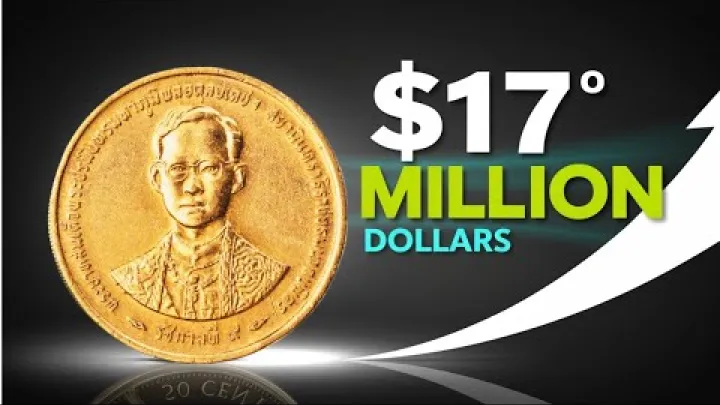
The Thailand 1 baht coin is a small, silver-colored circulation coin that many travelers and collectors encounter. If you want its value in Indian rupees, you can find it quickly using the daily exchange rate, while remembering that collector prices follow different rules. This guide explains how to convert THB to INR, how to identify the coin’s year and series, and how metal changes affect magnetism and weight. You will also learn which years are watched by collectors, how to spot error coins, and where to sell with confidence.
Whether you are a new collector or a traveler returning with spare coins, the steps below will help you evaluate the coin’s face value, potential collector value, and key specifications. Keep the coin clean and unpolished, and handle it gently by the edges while you check details.
1 baht coin value in India (INR): quick answer
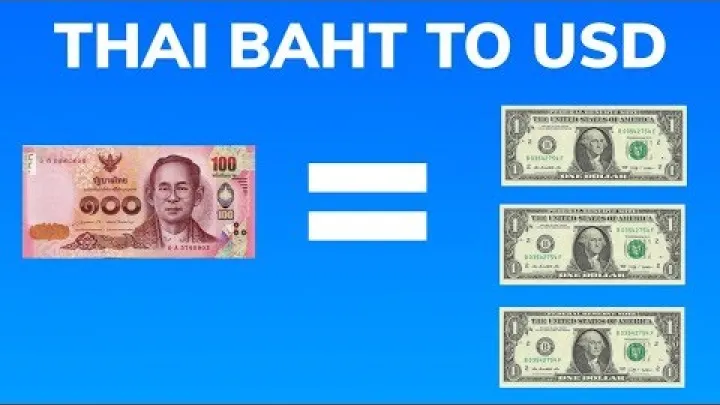
The fastest way to get the Thailand 1 baht coin value in India is to multiply its face value (1 THB) by today’s THB→INR exchange rate. Exchange rates change every day, but a simple rule of thumb is that 1 Thai baht often equals about 2–3 Indian rupees depending on market conditions. This gives you a reasonable cash-equivalent reference for travel money or casual swaps. Note that the Thailand 1 baht coin is not legal tender in India, so you cannot spend it in Indian shops; you are only estimating value using the exchange rate.
For collectors, the price depends on grade, rarity, and demand rather than the daily foreign exchange rate. Most common, circulated 1 baht coins trade close to face value, while uncirculated, low‑mintage, or error pieces can sell for multiples of face value. If you are checking the coin in another country, the same method applies: multiply by the local currency rate (for example, THB→BDT for Bangladesh) and then consider collector premiums separately.
- Face value: 1 Thai baht (THB)
- In India: value ≈ 1 × live THB→INR rate (often about 2–3 INR per THB)
- Diameter: about 20 mm; Edge: smooth
- Weight: ~3.4 g (pre‑2009), ~3.0 g (2009+)
- Metal: Cupronickel (pre‑2009); Nickel‑clad iron (2009+); Magnetism: no (pre‑2009), yes (2009+)
THB→INR conversion formula you can use any day
You can get the live rate from a reliable currency converter or a bank website. Because exchange rates move, you should always confirm the latest rate before calculating a value.
Example: If 1 THB = ₹2.4 on a given day, then 1 baht ≈ ₹2 (rounded to the nearest whole rupee). If you have 10 baht, 10 × 2.4 = ₹24, which you might round to ₹24 for a quick estimate. Remember, this is a currency conversion, not a collector appraisal. Also note that the 1 baht coin is not legal tender in India, so this calculation is only an indicative value. For Bangladesh, use the same approach with the THB→BDT rate.
Face value vs collector value (how prices differ)
The face value is fixed at 1 THB. Your rupee equivalent is derived from the daily THB→INR exchange rate, which can rise or fall. Collector value, however, is influenced by the coin’s grade (condition), rarity, special varieties, and market demand. As a result, a coin that looks identical at first glance can be worth more if it is uncirculated or shows a desirable variety or error.
Typical price bands often look like this: common circulated pieces tend to trade close to face value; nicer circulated examples can bring small premiums; uncirculated coins with sharp details, original luster, and no cleaning can sell for multiples of face value. Low‑mintage, transitional, or authenticated error coins can achieve stronger premiums, especially when certified by a recognized grading service. These collector prices do not track exchange rates directly.
Key specs and metal composition
Understanding the Thailand 1 baht coin’s specifications helps you identify the coin’s era and rule out misattribution. Modern issues are around 20 mm in diameter with a smooth edge. A major composition change happened in 2009, and it is one of the easiest ways to separate eras: pre‑2009 coins are cupronickel and usually weigh about 3.4 g, while 2009 and later coins are nickel‑clad iron and weigh about 3.0 g. The newer nickel‑clad iron version is magnetic; the earlier cupronickel version is not.
These specs mainly apply to the modern reform period that began in 1986, which is what most people encounter in circulation or mixed lots. Earlier series can differ slightly in portrait, legends, or small dimensional tolerances, but most day‑to‑day identification depends on the post‑1986 issues. Weight and magnetism together provide a quick sanity check before you move on to reading the year or searching for varieties and errors. If your coin’s weight or magnetism does not match expectations, confirm your scale’s accuracy and inspect the coin carefully.
| Era | Metal | Weight (approx.) | Diameter | Edge | Magnetic |
|---|---|---|---|---|---|
| 1986–2008 | Cupronickel | ~3.4 g | ~20 mm | Smooth | No |
| 2009–present | Nickel‑clad iron | ~3.0 g | ~20 mm | Smooth | Yes |
Dimensions and weight by era
Dimensions matter because they reflect the mint’s official standards and help distinguish composition eras. Modern 1 baht coins measure about 20 mm in diameter and have a smooth edge, which is consistent across recent series. Weight and magnetism are the key differentiators: the earlier cupronickel version is a bit heavier, while the newer nickel‑clad iron version is lighter and magnetic.
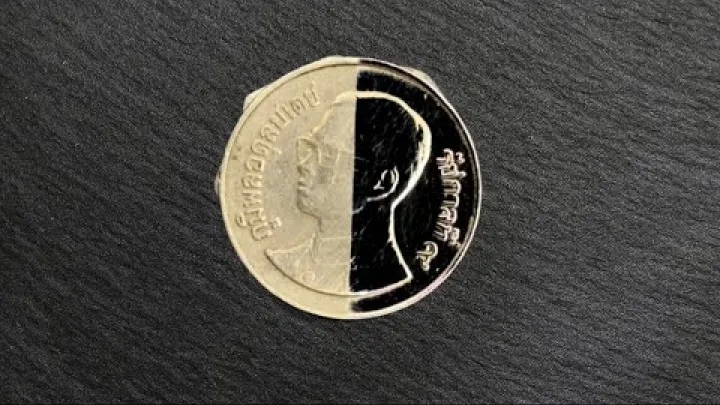
Quick facts by era:
- 1986–2008: Diameter ~20 mm; Weight ~3.4 g; Edge smooth; Metal cupronickel; Non‑magnetic
- 2009–present: Diameter ~20 mm; Weight ~3.0 g; Edge smooth; Metal nickel‑clad iron; Magnetic
While small deviations can occur due to wear or scale variance, these ranges are reliable. If your measurements differ widely, recheck your scale, ensure the coin is genuine, and inspect for damage or environmental corrosion that might reduce weight.
Magnet test: pre-2009 vs post-2009 coins
A simple magnet test quickly separates eras. Pre‑2009 cupronickel 1 baht coins are non‑magnetic and will not be attracted to a household magnet. Coins from 2009 onward are nickel‑clad iron and will respond to a magnet. Weight corroborates the finding: expect roughly 3.4 g for earlier coins and about 3.0 g for later coins. A 0.01 g digital scale is ideal for checking these small differences.
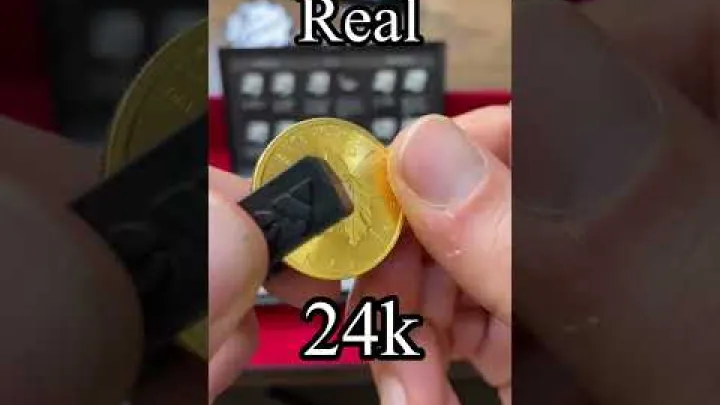
To protect your coin during testing, avoid dragging a magnet across the surfaces; instead, bring the magnet close without contact or place a thin paper barrier between the magnet and coin to avoid scratches. Handle the coin by the edge and keep the test area clean, especially if you plan to photograph the coin for sale or for a collection record.
How to identify year and series
Beyond metal and weight, the design tells you which king appears on the obverse and which series you have. Many collectors distinguish between Rama IX (King Bhumibol Adulyadej) and Rama X (King Maha Vajiralongkorn) coins at a glance once they learn a few visual cues. The changeover in circulation designs for Rama X began around 2018, and these coins coexist with earlier coins in mixed lots.
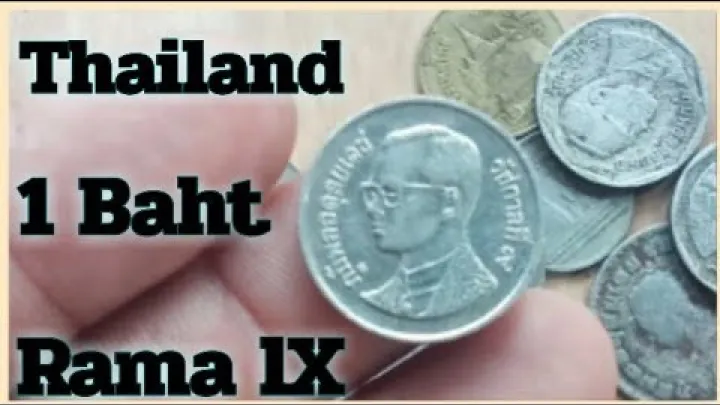
Thai coins show the year in the Buddhist Era (BE) using Thai numerals. To find the Western calendar year (CE), you subtract 543 from the BE year. Learning a few basic Thai numerals makes this quick to do. Accurate year reading helps you verify mintage ranges, spot transitional issues, and look up known varieties or error reports for specific dates.
Rama IX vs Rama X: portraits and reverse designs
Rama IX issues feature the portrait of King Bhumibol Adulyadej. On many modern 1 baht coins from this era, you will see a profile portrait on the obverse and a Thai temple or national emblem on the reverse, along with Thai legends. Rama X coins feature the portrait of King Maha Vajiralongkorn, and the legends were updated to reflect the new monarch. These design updates offer quick recognition even before reading the date.
Beginner-friendly cues include the portrait style on the obverse and changes in the reverse inscriptions. The portrait of Rama X differs in hairline, attire, and facial profile compared with Rama IX. On the reverse, look for legend layout and spacing differences between series. When you combine portrait recognition with magnetism and weight, you can usually place a coin in the correct era within seconds.
Reading Thai numerals and dates (step-by-step)
Thai 1 baht coins use the Buddhist Era year written in Thai numerals. To convert to the Common Era year, subtract 543 from the BE number. This is essential for checking mintages and understanding which variety set the coin belongs to. With a short process, you can read the date even if you are new to Thai numerals.
Follow these steps:
- Locate the date in Thai numerals, usually on the reverse near the legend.
- Identify each Thai digit and map it to Arabic numerals (0–9).
- Write the full BE year using Arabic numerals.
- Convert BE to CE by subtracting 543.
- Cross-check with portrait and metal era for consistency.
Worked example: If the coin shows BE 2550, convert to CE by 2550 − 543 = 2007. The coin would therefore be from 2007 CE. If your coin is non‑magnetic and weighs about 3.4 g, that supports a pre‑2009 cupronickel piece from the Rama IX period.
Rarities, errors, and typical prices
Most Thailand 1 baht coins are common and trade near face value when circulated. However, certain years, compositions, and certified conditions can bring premiums. Collectors pay attention to lower‑mintage dates and the 2008–2009 transition from cupronickel to nickel‑clad iron. Rarity is usually most visible in high grade; a coin that is common in circulated condition may be scarce in true uncirculated state.
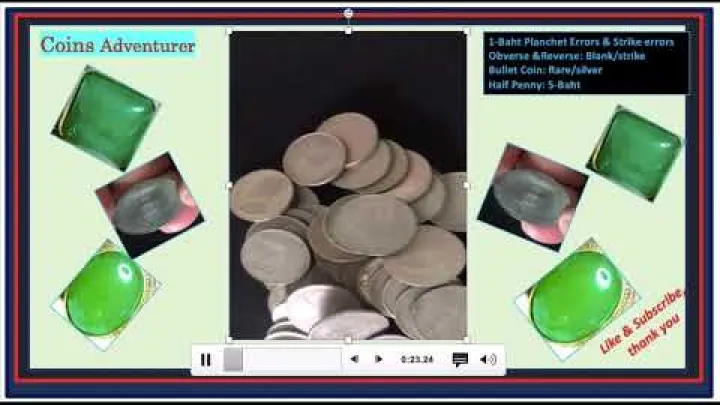
Error coins can also be valuable, especially when the error type is clear and repeatable, such as strong doubling, significant off‑center strikes, or missing design elements. Documented varieties and notable cases from specific years have achieved strong results in the market, but authentication and condition remain crucial. Remember, mintage alone does not define price; actual demand, quality, and proven authenticity determine what buyers will pay.
Low-mintage and transitional years (e.g., 1996, 2008)
Collectors often watch lower‑mintage years and the 2008–2009 composition change for premium potential. During the transition, you can find examples that highlight the shift in metal and weight, and these can be interesting to collect by type. In many cases, the strongest premiums appear in coins that are uncirculated and well‑preserved, especially when confirmed by third‑party grading.
It is important to differentiate between scarcity in high grade and overall mintage. A date can have a lower mintage but still be easy to find in circulated condition, which limits price. Meanwhile, some dates may be plentiful overall, yet hard to locate in gem condition, creating value for certified top-grade examples. Always compare your coin’s condition with recent sales of the same year, design, and composition.
1962 and 1977 1 baht coins: what to know
Many people search for the 1962 Thailand 1 baht coin value or ask about the 1977 1 baht coin. In circulated condition, these typically sell near face value unless there is a notable error or an unusually high grade. Uncirculated pieces, especially those with strong luster and no cleaning, can earn premiums from collectors who focus on pre‑reform issues or complete year sets.
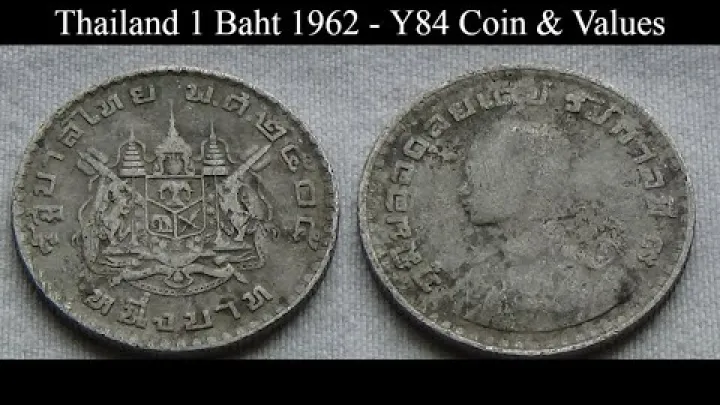
When listing or evaluating these years, verify that you have the correct series and not a later coin with a similar design. Clear, well‑lit photos of both sides, a weight reading, and a magnet test result help buyers and dealers assess authenticity and condition. If you suspect a variety or error, consult comparison images and consider professional grading for clearer price discovery.
Error coins and value drivers (doubling, off-center, 1988 case)
Error coins attract attention when the minting anomaly is obvious and stable across multiple pieces, or when a dramatic one‑off error is well documented. Look for doubling on legends or numerals, off‑center strikes that expose the blank planchet, missing design elements, or misaligned legends. Use a 5–10× loupe and compare your coin to a standard example from the same year to confirm that the feature is not just wear or damage.
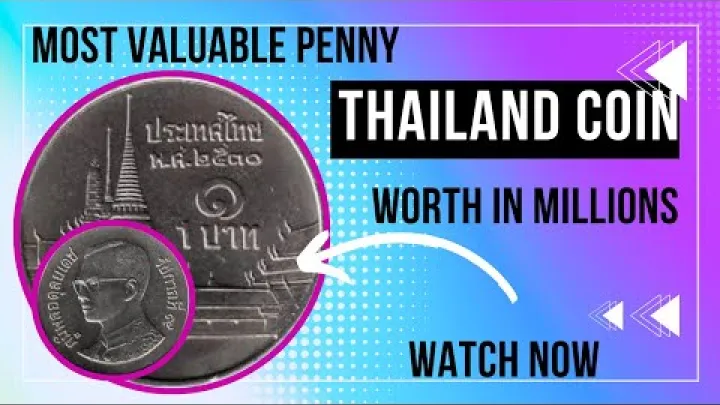
For valuable errors, documentation and preservation matter. Do not clean the coin, since cleaning can reduce or eliminate collector demand. If your coin appears significant, consider submitting it to a reputable grading service for authentication. Notable error cases, including reported varieties around the late 1980s such as 1988, have shown that authenticated errors can sell well above face value when demand is present.
How to check and sell your coin
Evaluating and selling a Thailand 1 baht coin is easier when you follow a clear process. Start by confirming the era through magnetism and weight, then identify the series by the portrait and legends. Next, read the year in Thai numerals and convert from BE to CE. After that, assess the coin’s condition and look for varieties or errors using a loupe and well‑lit photos. A short checklist helps you stay organized and present accurate information to potential buyers.

When you are ready to sell, there are multiple channels: local coin dealers, auction houses, online marketplaces, and collector groups. Good offers come from clarity and trust. Provide front and back photos, edge if relevant, weight to 0.01 g, magnet test results, and an honest description of condition. If you believe your coin is rare or an error, request multiple quotes and consider third‑party grading to increase buyer confidence and improve price discovery.
5-step valuation checklist (grade, mintage, variety, errors)
A structured approach prevents missed details and helps you compare apples to apples. Start by confirming the basics, then move to condition and comparisons with recent sales. Keep a small notes log with year (BE and CE), weight, magnet test result, and a short condition summary. This creates a record that you can share with dealers or use when listing online.

- Verify year/series: read Thai numerals, convert BE→CE, and confirm portrait (Rama IX or Rama X).
- Check metal: magnet test and weight (~3.4 g pre‑2009; ~3.0 g 2009+).
- Assess condition: circulated vs uncirculated, luster, marks, and any cleaning.
- Search mintage/varieties: look up known transitional years and noted varieties for the exact date.
- Inspect for errors: doubling, off‑center, missing elements; compare with recent verified sales.
With this checklist and a simple notes log, you will be ready to request quotes or create an accurate listing. The more precise your information, the smoother the valuation discussion will be.
Where to sell and get offers (dealers, auctions, online)
You can sell Thailand 1 baht coins through local coin shops, established auction houses, online marketplaces, and collector communities. Each channel has trade‑offs in speed, fees, and reach. Local dealers may give instant offers but can be conservative. Auctions and online listings reach more buyers but require time, good photos, and careful descriptions.

For better offers, present clear obverse and reverse photos, the coin’s weight, magnet test result, and the year in both BE and CE. Be transparent about condition and avoid cleaning. Request multiple quotes to understand the fair market range before you commit. If you believe the coin is rare or an error, ask about grading options and expected timelines so you can weigh costs against potential premiums.
Frequently Asked Questions
Is the Thailand 1 baht coin magnetic?
Pre‑2009 coins (cupronickel) are not magnetic, while 2009–present coins (nickel‑clad iron) are magnetic. A small household magnet is enough to test this. Magnetism is a quick way to separate eras before you read the date.
What is the weight of a Thailand 1 baht coin?
Pre‑2009 coins weigh about 3.4 g and post‑2009 coins weigh about 3.0 g. The diameter is about 20 mm and the edge is smooth. Use a 0.01 g digital scale for reliable measurements.
Which years of the 1 baht coin are considered rare?
Collectors watch lower‑mintage years like 1996 and the 2008–2009 transitional period. Scarcity in high grade often matters more than overall mintage. Certified uncirculated examples and documented error varieties can be notably more valuable.
How much is a 1962 Thailand 1 baht coin worth?
Most 1962 circulation coins sell near face value unless uncirculated or bearing a significant error. High‑grade or certified pieces can command premiums. Always compare with recent sales of the same type and condition.
How can I read the year on a Thai 1 baht coin?
Find the Buddhist Era (BE) year in Thai numerals, convert the digits to Arabic numerals, then subtract 543 to get the CE year. Example: BE 2550 ≈ 2007 CE. A simple numeral chart speeds this up.
Can I sell Thai 1 baht coins in India?
Yes, through dealers, auctions, and online platforms. Common coins usually sell near face value, while rare dates, high grades, and errors can bring more. Provide clear photos, weight, and magnet test results to improve offers.
What metal is used in the 1 baht coin?
Cupronickel was used roughly from 1986 to 2008; nickel‑clad iron has been used from 2009 onward. The newer metal makes the coin magnetic and slightly lighter.
How do I check if my 1 baht coin is an error coin?
Inspect under 5–10× magnification for doubling, off‑center strikes, missing details, or misaligned legends. Compare with a normal example from the same year and consider professional grading if it appears significant. Do not clean the coin.
Conclusion and next steps
The Thailand 1 baht coin is straightforward to evaluate when you separate currency value from collector value. For a quick INR estimate, multiply the coin’s face value by today’s THB→INR rate, remembering that the coin is not legal tender in India. Collector pricing depends on grade, demand, and special attributes, so it does not track exchange rates directly. Most circulated examples sell near face value, while uncirculated, low‑mintage, transitional, or authenticated error coins can sell for multiples of face value.
Identification is efficient when you combine magnetism, weight, and portrait cues. Pre‑2009 cupronickel coins are non‑magnetic and heavier, while post‑2009 nickel‑clad iron coins are magnetic and lighter. Reading the date in Thai numerals and converting BE to CE completes the picture and helps you look up mintage and known varieties. If you plan to sell, keep a simple notes log, photograph both sides clearly, and ask for multiple quotes to understand the market range. With careful handling and accurate information, you can assess the 1 baht coin with confidence and make informed decisions about collecting or selling.
Select area
Create a post
Posting is free and no registration is required.