Thailand 7‑Star Hotel Guide: Meaning, Best Stays, Prices & Tips

Thailand’s most exclusive hotels deliver privacy, personalization, and refined design that many travelers describe as “7‑star.” While the term is informal, it captures a level of service and amenities that goes beyond the standard five‑star scale. This guide clarifies what “7‑star” means in Thailand, highlights standout properties by region, and explains prices, transfers, and seasonality. Use it to match your trip goals—wellness, culture, family time, or a romantic escape—to the right ultra‑luxury stay.
Quick answer: Does Thailand have 7‑star hotels?
Summary at a glance
The phrase thailand 7 star hotel is a shorthand travelers use for ultra‑luxury properties in Thailand that exceed typical five‑star benchmarks. No hotel in the country is formally rated “7‑star” by an official body. Instead, the label signals exceptional service, privacy, and detail, like butler teams, curated experiences, and high staff‑to‑room ratios.
Thailand’s top resorts and city hotels check many of these boxes: discreet in‑villa or in‑suite check‑in, 24/7 concierge support, chef‑led dining, and integrated wellness programs.
Representative properties often called “7‑star”
Travelers and publications frequently cite the following addresses for “7‑star”‑level experiences. Names and branding are current at the time of writing, and you should verify availability and seasonal operations before booking.

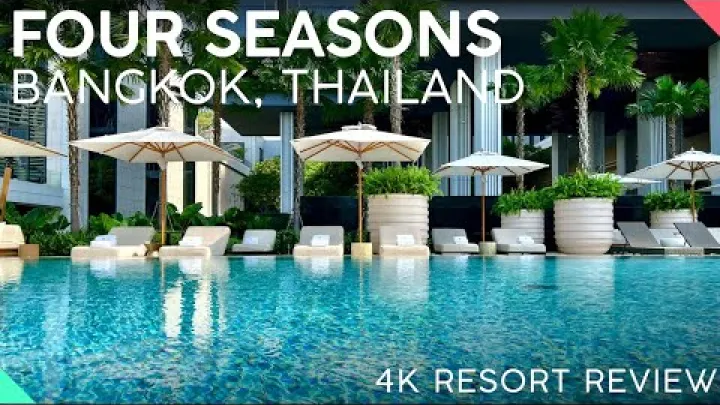
Bangkok: Mandarin Oriental, Bangkok pairs riverfront heritage with acclaimed dining and spa programs. Park Hyatt Bangkok brings a contemporary skyline setting with direct access to shopping and culture. Phuket: Amanpuri remains a privacy benchmark with wellness immersions and yacht access; Anantara Layan Phuket Resort offers a tranquil bay with butler‑served villas; COMO Point Yamu, Phuket adds design‑forward wellness overlooking Phang Nga Bay. Krabi: Phulay Bay, a Ritz‑Carlton Reserve provides Reserve‑level personalization; Rayavadee sits by dramatic limestone cliffs with marine‑park access. Koh Samui: Four Seasons Resort Koh Samui, Banyan Tree Samui, and Napasai, A Belmond Hotel deliver hillside pool villas with Gulf views. Chiang Mai: Raya Heritage is a riverside boutique stay rooted in northern Thai craft and culture.
What “7‑star” means in Thailand
Service and personalization standards
Service is the clearest marker of a “7‑star”‑level stay in Thailand. Expect high staff‑to‑room ratios, often in the range of about 1.5 to 3 team members per room when you include housekeeping, butler or host teams, and food and beverage support. Many resorts assign a butler or dedicated villa host who manages day‑to‑day details, while a 24/7 concierge or guest experience team coordinates complex requests, local experts, and last‑minute arrangements.

It helps to understand roles. A butler or villa host focuses on your suite or villa: unpacking on request, in‑villa dining set‑ups, turndown timing, activity reminders, and special moments like private beach dinners. A concierge curates the broader itinerary, from restaurant reservations to private boat charters and temple access. Many properties profile preferences before arrival—dietary notes, pillow types, spa goals—and then conduct in‑villa or in‑suite check‑in to keep things discreet. Housekeeping teams in Thailand are known for quiet efficiency, with thoughtful touches such as personalized turndown, floral arrangements, and multilingual support.
Design, setting, and sustainability
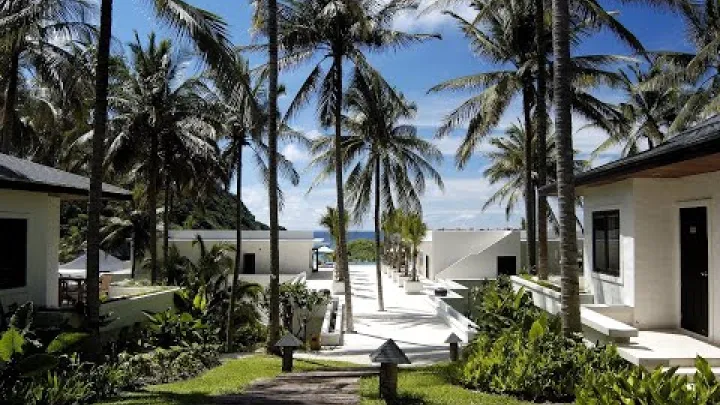
The most exclusive Thai hotels are defined by place. Beachfront, clifftop, jungle, riverfront, or heritage urban settings guide material choices and layouts. Expect local stone and hardwoods, open‑air salas, shaded verandas, and landscaping that preserves sightlines to the sea or river. Privacy is designed into the plan—separate villa entrances, generous setbacks, and natural screening with mature trees. These choices are not only aesthetic; they also lower visual impact and reduce wind or light pollution in sensitive coastal or riverside environments.
Sustainability is increasingly tangible rather than declarative. For example, Banyan Tree Samui operates under the Banyan Tree Group’s long‑running EarthCheck‑certified programs and deploys refillable amenities and on‑site glass water bottling to reduce single‑use plastics. Rayavadee uses electric buggies on pathways and maintains raised boardwalks around sensitive vegetation near the cliffs, helping protect roots and reduce erosion in a national‑park setting. COMO Point Yamu provides refillable bath products and partners its wellness cuisine with local sourcing to limit transport footprint. In Bangkok, major properties such as Mandarin Oriental have moved away from plastic straws, promote linen‑reuse programs, and increasingly use energy‑efficient lighting and smart climate systems. When you compare hotels, look for visible practices—refill stations, electric buggies, responsible boat operators, and published conservation projects—to separate substance from marketing claims.
Culinary and wellness integration
Dining at this level blends regional identity with chef‑driven technique. Bangkok leads in Michelin recognition; Le Normandie by Alain Roux at Mandarin Oriental, Bangkok holds two Michelin stars, while many other city venues earn stars or Bib Gourmands each year. Along the coasts, resort restaurants may not be Michelin‑rated due to guide coverage, yet they can be equally serious about quality, often featuring tasting menus, Thai seafood specialties, and seasonal produce. Private dining—on the beach, a jetty, or your villa terrace—is common, and advance reservations are wise during holidays.
Wellness is not an add‑on. Programs often start with a short assessment to set goals and may include body composition checks, movement screenings, or mindfulness consultations. Properties such as Amanpuri run deep “Immersion” programs, while COMO Point Yamu builds on the COMO Shambhala approach with yoga, hydrotherapy, and nutrition‑forward menus. Ask about practitioner residencies and always avoid medical expectations; these are holistic, lifestyle‑oriented services rather than clinical treatments.
Best ultra‑luxury hotels in Thailand (by region)
Bangkok: Mandarin Oriental, Park Hyatt
Bangkok is ideal if you want river culture and world‑class dining with easy international access.
Transfer times vary with traffic. From Don Mueang (DMK), plan roughly 35–60 minutes to downtown. Many luxury properties can arrange meet‑and‑greet services, luggage handling, and river boat transfers where applicable. Proximity to major temples and museums is strong: the Grand Palace and Wat Pho are typically 20–35 minutes from riverside hotels outside rush hour. Book tables for popular venues several days ahead, especially on Fridays and Saturdays.
Phuket: Amanpuri, Anantara Layan, COMO Point Yamu
Phuket offers Thailand’s broadest selection of ultra‑luxury stays, excellent wellness options, and easy access to marine activities. Anantara Layan Phuket Resort sits in a calm bay with pool villas and butler service. COMO Point Yamu, Phuket, on a headland above Phang Nga Bay, combines contemporary design with COMO Shambhala wellness. If you search for a 7 star hotel Phuket Thailand, these names are frequently at the top of shortlists.

Drive times from Phuket International (HKT) are practical. Amanpuri is typically 30–40 minutes by car. Anantara Layan is about 25–35 minutes, depending on traffic and checkpoints. COMO Point Yamu is usually 25–35 minutes. Private sedans or vans are the norm; some resorts can arrange yacht or helicopter transfers by third‑party providers in suitable weather. Expect west‑coast beaches to have stronger surf during monsoon months, while Phang Nga Bay remains more sheltered for boat trips.
Krabi: Phulay Bay (Ritz‑Carlton Reserve), Rayavadee
Phulay Bay, a Ritz‑Carlton Reserve, focuses on ultra‑personalized service, spacious villas, and serene Andaman views. Rayavadee sits near Railay and Phra Nang beaches, requiring boat access for many arrivals due to limited road options across the peninsula. The setting places you close to island hopping, kayaking through mangroves, and guided nature walks.
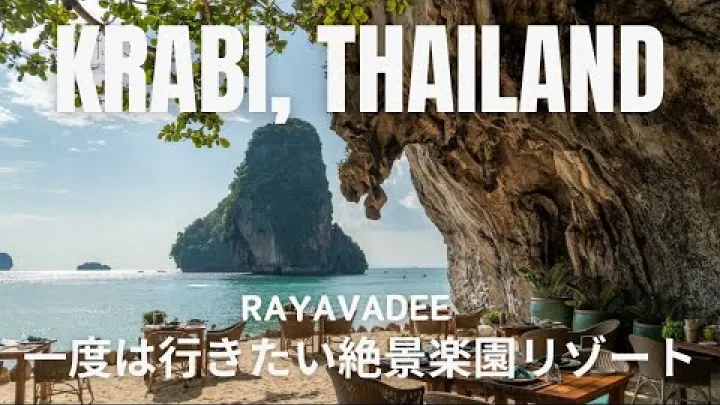
From Krabi International (KBV), Phulay Bay is typically a 35–50 minute drive. For Rayavadee, you will usually transfer 30–45 minutes by car to a pier near Ao Nang or Nopparat Thara, then continue 10–20 minutes by scheduled resort boat. Last‑boat times can be earlier during low season or rough seas, and operations are weather‑dependent. In peak winds or storms, transfers may shift to safer routes or be delayed for your safety; plan itineraries with buffer time.
Koh Samui: Four Seasons Koh Samui, Banyan Tree Samui, Napasai
Four Seasons Resort Koh Samui has villa views across the Gulf and strong family programming, while Banyan Tree Samui combines hillside pool villas with a tranquil private bay and wellness experiences. Napasai, A Belmond Hotel, sits on a gentle beachfront with a relaxed, residential feel. These properties are reliable for honeymoons and multi‑generational trips alike.

Access is convenient via Samui Airport (USM), with resort transfers taking about 20–40 minutes depending on location. Sea conditions vary by season: the Gulf side is typically calm January–August, with wetter, windier weather more common October–December. In all cases, request guidance on seasonal swells and jellyfish precautions in advance.
Chiang Mai: Raya Heritage
For a cultural take on ultra‑luxury, Chiang Mai offers a slower rhythm. Raya Heritage sits by the Ping River and draws on northern Thai craft traditions in its architecture, textiles, and dining style. The focus is serenity and design detail rather than overstatement, with easy access to temples, artisan villages, and nature trails.
![Preview image for the video "Raya Heritage Chiang Mai [4K] Sunset Suite Room Tour with Subtitles".](/sites/default/files/styles/media_720x405/public/oembed_thumbnails/2025-11/WkYFkbHBEehBxZYAQLiDfw_nGEZYi4qG4qytXFvjecg.jpg.webp?itok=DZ5166QZ "Preview image for the video \"Raya Heritage Chiang Mai [4K] Sunset Suite Room Tour with Subtitles\".")
Chiang Mai International (CNX) is usually a 20–30 minute drive from Raya Heritage in normal traffic, depending on time of day. Day trips to Doi Suthep, Baan Kang Wat, and nearby craft communities are straightforward to arrange through the hotel. While villas on the beaches may be larger, cultural richness, thoughtful design, and calm riverside living define luxury in this region.
Prices and value: What to expect
Typical nightly ranges and what drives price
Entry‑level rooms at Thailand’s most luxurious properties often start around 400–550 USD per night in shoulder periods, with villas commonly ranging from about 1,000 to 3,000 USD or more depending on size, view, and inclusions. Peak holidays and festive periods can lift prices significantly, especially for top‑category villas with prime views or private beach access. Brands, location, and exclusivity also influence rates, with “Reserve” and legacy heritage labels typically commanding premiums.

Always factor in taxes and service charges in Thailand, which often total roughly 17–18 percent in addition to the base rate. Pay attention to what is included: breakfast, round‑trip transfers, spa credits, or boat excursions can change the value equation. Because thailand 7 star hotel price expectations vary by season, room type, and demand, it is best to compare current‑year rates and confirm all fees, including any environmental or national‑park charges linked to boat trips.
When to book for best value
For coastal areas, value often peaks in May–June and September–October, outside school holidays and major festivals. Bangkok can price more steadily, with exceptions during big events. Look for early‑booking offers, stay‑longer deals, and bundled packages that include breakfast or transfers. Trusted agents and direct booking channels may offer additional amenities like dining credits or guaranteed upgrades at the time of booking.

Check for blackout dates, minimum stay rules around Christmas, New Year, and Lunar New Year, and cancellation windows. Advance‑purchase rates can save money but may be non‑refundable. If your plans may change, balance savings against flexibility by choosing semi‑flexible or fully flexible options and clarifying deposit and amendment terms before you commit.
Experiences and amenities to expect
Wellness and spa programs
Wellness at the ultra‑luxury level in Thailand is comprehensive. Expect signature Thai massage, couples’ rituals, and hydrotherapy circuits, plus access to saunas, steam rooms, ice fountains, and well‑equipped fitness studios. Many resorts run daily schedules of yoga and mindfulness classes and can create private sessions for strength, mobility, or meditation goals.
Personalization typically starts with a short assessment and goal setting. For multi‑day journeys, programs may include sleep tracking guidance, nutrition planning, and progress check‑ins with therapists or wellness hosts. Specialist practitioner residencies appear at some resorts throughout the year; confirm dates directly and avoid medical claims, as these are lifestyle‑oriented programs intended to support, not replace, clinical care.
Dining options and chef‑driven concepts
Bangkok anchors Thailand’s Michelin‑recognized dining. At Mandarin Oriental, Le Normandie by Alain Roux holds two Michelin stars. Park Hyatt and other leading hotels host acclaimed restaurants and bars that can book out on weekends. At beach resorts, tasting menus, seafood‑forward Thai cuisine, and private dining on the sand or your terrace are common highlights even if Michelin inspectors do not rate those regions.

Dietary needs are well handled. Plant‑forward menus, halal options, and allergen‑aware preparations are standard with advance notice. For limited‑seat venues and high season dates—especially festive periods—reserve a week or more in advance. Your butler or concierge can secure preferred times and arrange special setups like sunset picnics or chef’s table experiences.
Privacy, villas, and pool experiences
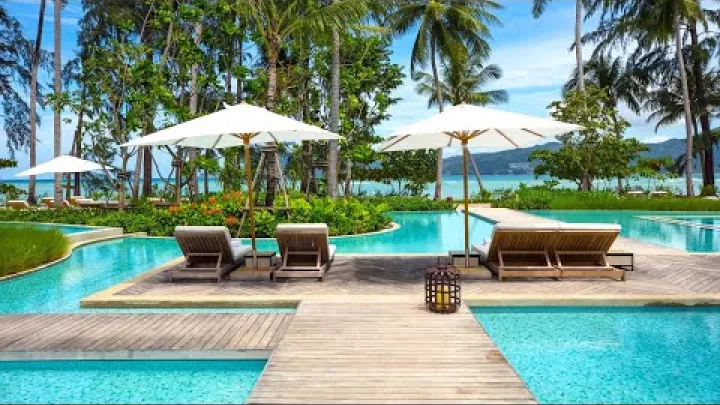
Private pool villas are a hallmark of Thailand’s ultra‑luxury scene. One‑bedroom layouts commonly span about 150–400 square meters including outdoor space, with shaded salas, sun decks, and generous pools designed for true seclusion. In‑villa dining is easy to arrange, and housekeeping teams schedule their work around your plans to maintain privacy.

Resorts often separate quiet pools from family‑active zones. Spa facilities may have adults‑oriented hydrotherapy or vitality pools, and several properties manage discreet arrivals with in‑villa check‑in. Amanpuri and Phulay Bay, for example, frequently arrange private check‑ins and security‑conscious transfers on request, which is helpful for public figures. If adults‑only areas and noise sensitivity are top priorities, confirm dedicated quiet zones and pool policies before booking.
How to choose the right ultra‑luxury hotel in Thailand
Step‑by‑step selection checklist
Start with your trip goal. For culture and dining, consider Bangkok. For marine activities and the widest hotel choice, Phuket stands out. For dramatic scenery and seclusion, look at Krabi. For hillside villas with calm bays, Koh Samui is strong. For craft traditions and a slower rhythm, Chiang Mai fits. Clarify whether the focus is honeymoon privacy, wellness depth, or family time with kids’ facilities.
Next, set a budget by season and room type. Shortlist properties where entry categories and villa sizes align with your needs. Compare inclusions like breakfast, transfers, spa credits, and boat trips. Assess access and privacy trade‑offs: flight schedules, transfer times, boat cutoffs, and weather patterns. Finally, match interests to each resort’s strengths—wellness programs, chef‑driven dining, kids’ clubs, and verifiable sustainability practices—and then lock in dates that avoid blackout periods and align with your preferred sea or weather conditions.
Travel logistics and timing
Transfers and access from major airports
Transfers set the tone of your trip. In Bangkok, private sedans from Suvarnabhumi (BKK) to riverside hotels typically take 40–60 minutes; from Don Mueang (DMK), plan 35–60 minutes. In Phuket, most west‑coast and headland resorts sit 25–45 minutes from HKT. On Koh Samui, airport to resort runs about 20–40 minutes. In Krabi, expect 35–60 minutes from KBV to most luxury properties, plus boat segments where required for Rayavadee.

Resorts can arrange meet‑and‑greet services, fast‑track channels where available, and coordinated car‑boat transfers. Boat operations follow daylight and weather; last departures may be earlier in low season, and rough seas can cause delays or route changes. Pack valuables and essentials in a small bag that is easy to handle on speedboats, and note luggage weight or size limits for small aircraft and private boats. If your arrival is late, ask about alternative piers or overnight options near the airport before continuing the next morning.
Seasonality overview for key regions
Thailand’s coasts have opposite wet seasons. The Gulf side (Koh Samui) is generally at its best from January to August, while October to December tends to be wetter and windier. Bangkok and Chiang Mai experience cooler, drier months November to February, hot months around March to May, and rains that vary by year.

These patterns affect sea conditions and operations. On the Andaman coast in May–October, surf can be stronger and some boat routes may be limited, which can lower prices but limit activities. In the Gulf around October–December, expect more rain and possible swell, with sunnier, calmer seas from January onward. Align dive trips, private yacht days, and kayaking with the calmer windows for your chosen coast, and ask your resort for seasonal safety guidance before booking adventures.
Frequently Asked Questions
What are the most luxurious hotels in Thailand right now?
Commonly cited names include Amanpuri (Phuket), Phulay Bay, a
Select area
Create a post
Posting is free and no registration is required.