Thailand Temples: Best Wats, Dress Code, Bangkok to Chiang Mai Guide

Thailand’s temples, known locally as wats, number in the tens of thousands and sit at the heart of daily life, from city neighborhoods to rural hills. Visiting these sacred spaces offers insight into Buddhist practice, traditional arts, and regional history. This planning guide explains how to identify key buildings, where to find the best temples in Thailand by region, what etiquette to follow, and how to time your visit. Use it to make confident choices across Bangkok, Chiang Mai, Ayutthaya, Sukhothai, Phuket, and Pattaya.
Whether you seek famous temples in Bangkok, Thailand or quieter Lanna-era halls in Chiang Mai, the information below covers hours, fees, transport, and photography. It also outlines respectful behavior, dress expectations, and basic terms you will see on signboards. With a few tips and a modest approach, your temple visits will be meaningful and smooth.
Thailand’s temples at a glance
Thai Buddhist temples are active community centers as well as heritage landmarks. A typical wat is a complex of sacred halls, reliquary structures, and monastic residences set within a walled compound. Understanding the layout helps you move with confidence and recognize the symbolism embedded in murals, finials, and sculptures. This section introduces core buildings and motifs you will encounter throughout Buddhist temples in Thailand.
Architectural vocabulary is useful because site maps and labels often use these terms. The ubosot (ordination hall) is the most sacred space and may be surrounded by boundary stones. The viharn (also spelled wihan; assembly hall) hosts ceremonies and houses the principal Buddha image seen by most visitors. Chedi and prang forms dominate skylines, while monastic quarters, libraries, and gates connect the complex. Knowing these elements will enrich your understanding of both ancient ruins and modern city wats.
What defines a wat: ubosot, viharn, chedi, and prang
A wat is a complete temple compound rather than a single building. The ubosot (pronounced “oo-boh-sot”) is the ordination hall and most sacred interior; look for eight boundary stones called sema marking its consecrated limits. The viharn (“vee-hahn,” sometimes written “wihan”) is an assembly or sermon hall where visitors most often enter to pay respects and see the principal Buddha image. Around these core halls you may notice kuti (monks’ quarters, “koo-tee”) and the ho trai (scripture library, “hoh-trai”), which sometimes sits on stilts over a pond to protect manuscripts from pests.
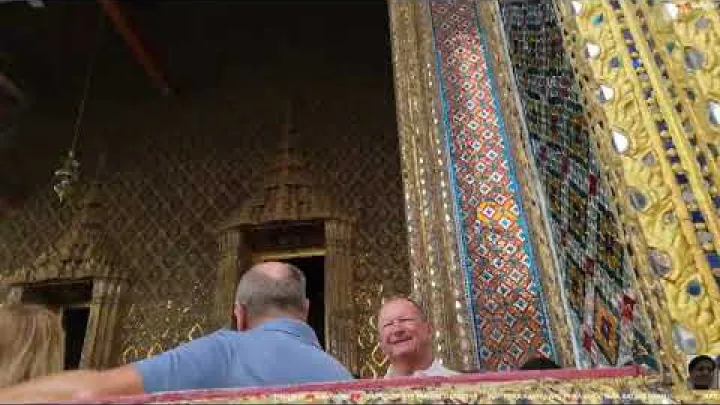
Two vertical forms define many Thailand temples. A chedi (“jay-dee”), also called a stupa, is a reliquary mound or spire that enshrines sacred relics. Visual cues: a chedi often has a bell, lotus-bud, or layered dome profile with a slender spire on top, and its base may be square or circular with multiple terraces. A prang (“prahng”) is a Khmer-influenced tower more common in central Thailand; it looks like a tall corn-cob or tower with vertical ribs and ornate niches, sometimes housing guardian figures. In short, chedi = domed or bell-shaped reliquary; prang = tower-like, ribbed, and vertically accentuated. These distinctions help you identify structures at places like Wat Arun (dominated by a prang) versus Wat Phra That Doi Suthep (defined by a golden chedi).
Key symbolism: lotus, Dharma wheel, roof finials (chofa, lamyong)
Symbolism is everywhere in Thai temple art. The lotus, seen in carvings, murals, and offerings, represents purity and awakening because it rises clean from muddy waters. The Dharma wheel (Dharmachakra) symbolizes the Buddha’s teaching and the Noble Eightfold Path; you will often see stone wheels at gates, on pedestals, or integrated into balustrades. Together, these symbols cue the path to insight and the transformative potential of practice.
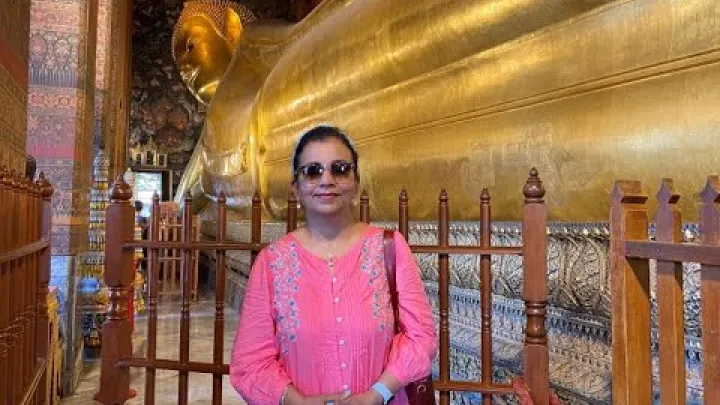
Look up to the roofline for distinct finials. The chofa (“cho-fah”) at the ridge or gable tip often resembles a stylized bird or Garuda, while the lamyong (“lahm-yong”) are serpentine bargeboards linked to Naga protection. Placement matters: finials crown multi-tiered roofs, signaling status and safeguarding the hall. Regional differences appear across Thailand temples. In Bangkok’s Rattanakosin style, chofa are slender and bird-like with crisp angles. In the Lanna style of the north (Chiang Mai and beyond), chofa can be chunkier with layered lamyong that curve more dramatically, and dark teak roofs emphasize the finials’ silhouettes.
Best temples in Thailand (by region)
Thailand offers an exceptional range of temple experiences, from glittering royal chapels to serene forest monasteries and atmospheric brick ruins. The selections below reflect popular highlights and easy planning wins for first-time and repeat visitors. Each mini-guide includes practical notes about hours, fees, and access where commonly encountered, plus transport tips to connect the dots across urban neighborhoods and historic parks. Use these examples to build a route through famous temples in Bangkok, Thailand; Chiang Mai Thailand temples; and beyond.
Remember that many active Thailand temples host ceremonies throughout the week. Quiet observation is welcome, and signs will indicate if certain halls are closed or if photography is restricted. Carry modest clothing and small bills for donations and tickets, and verify any time-sensitive details on official channels before you go.
Bangkok highlights (Wat Pho, Wat Arun, Wat Phra Kaew, Wat Saket, Wat Ben)
Bangkok concentrates some of the best temples in Thailand in a compact riverside area. Wat Phra Kaew inside the Grand Palace houses the Emerald Buddha and is the kingdom’s most sacred chapel; it typically opens around 8:30–15:30 with a stricter dress code and a higher combined ticket for the palace precinct. Wat Pho, a short walk away, features the Reclining Buddha and a traditional massage school; its hours are commonly about 8:00–18:30 with a ticket around 300 THB. Crossing the river from Tha Tien pier brings you to Wat Arun, whose central prang faces the Chao Phraya; hours are usually about 8:00–18:00 with tickets around 200 THB, and some viewing terraces or museum areas may have separate fees.
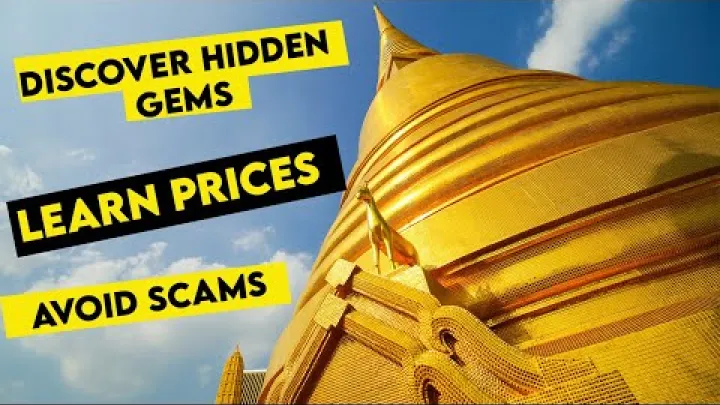
Wat Saket (the Golden Mount) pairs a gentle stair climb with skyline views; a modest fee, often near 100 THB, covers access to the chedi platform and the hours are typically extended into the early evening. Wat Benchamabophit (the Marble Temple, or Wat Ben) blends Italian marble with refined Thai craftsmanship; tickets are usually modest and hours often run to late afternoon. Expect cash-only ticket windows at many sites, and note that rules and prices can change. For smooth routing, group the Grand Palace and Wat Pho on the same morning, take the short ferry to Wat Arun, then finish with sunset at Wat Saket. Always check posted dress code notes at each gate.
Chiang Mai highlights (Wat Phra That Doi Suthep, Wat Chedi Luang, Wat Suan Dok)
The Chiang Mai Thailand temples scene shows strong Lanna influence with dark teak viharns and multi-tiered roofs. Wat Phra That Doi Suthep overlooks the city with a golden chedi and a pilgrimage stairway flanked by Naga balustrades. To reach it, take a red songthaew shared truck from the Old City or use ride-hailing to the lower parking area; you can climb the stairs or take a small cable car for a fee. Early morning offers clear views and fewer crowds, while late afternoon light gilds the chedi as the city lights come on below.
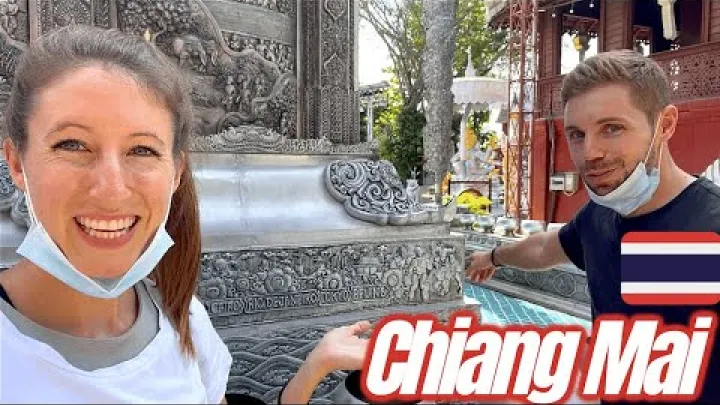
Back in the Old City, Wat Chedi Luang’s monumental ruined chedi is a landmark and hosts “Monk Chat” programs where visitors can ask questions about Buddhism and daily monastic life; look for afternoon schedules posted on-site and consider a small donation. Nearby Wat Suan Dok includes white chedis and a monastic university, and often feels calmer than busier sites. Many temples in Chiang Mai hold evening chanting; visitors may respectfully observe from the back, keeping phones silent and movement minimal.
Ayutthaya and Sukhothai essentials (UNESCO sites and signature wats)
Ayutthaya and Sukhothai are UNESCO World Heritage historical parks that reveal early Thailand temples and city planning. Ayutthaya, the former capital on an island encircled by rivers, pairs temple prangs with later-period chedis. Do not miss Wat Mahathat’s famous Buddha head entwined in tree roots and the riverside geometry of Wat Chaiwatthanaram with its Khmer-style prang cluster. Sukhothai’s Wat Mahathat showcases lotus-bud chedis and serene walking Buddha statues, and the park’s layout makes it easy to explore by bicycle among ponds and moats.

Ticketing differs between the two sites. Sukhothai is divided into zones (such as Central, North, and West), each with its own ticket; bicycles often require a small extra fee per zone, and combined day passes may be offered seasonally. Ayutthaya more commonly sells individual tickets for major sites, and a limited combined pass may sometimes be available for select temples. Because policies and prices change, confirm at the main gates or official information centers. Both parks are bike-friendly, and the clustered ruins allow efficient planning with maps that mark key wats, viewpoints, and rest areas.
Phuket and the south (Wat Chalong and nearby sites)
Phuket’s most visited temple is Wat Chalong, a large active complex with a multi-tiered chedi said to enshrine relics. Expect to see locals making merit alongside visitors; dress modestly and move quietly around prayer areas. Hours are generally generous during daylight, entry is usually free, and donations support upkeep. Restoration works can occur; check current notices for scaffolding around the chedi or closures of specific halls.

Volunteers lend sarongs when needed, and donation boxes fund construction and maintenance. Many southern provinces blend Thai and Sino-Buddhist influences, reflected in shrine details, festival banners, and incense practices. When visiting active Thailand temples in Phuket and the south, avoid standing too close to people lighting candles or offering prayers, and do not step into ritual lines unless invited.
Pattaya area picks (Wat Phra Yai, Wat Yansangwararam)
The site is usually free to enter, though donations are welcome, and modest dress is still expected even at outdoor platforms. Stairways with Naga railings lead to the summit; take care in wet weather. Songthaews and motorbike taxis connect the hill with central Pattaya, and the short ride makes it an easy add-on to a beach day.

Wat Yansangwararam is a broad modern complex with international-style halls, meditation areas, and a tranquil lake. Entry is generally free, and the grounds encourage calm walking and reflection. The nearby Sanctuary of Truth is a dramatic wooden attraction often paired with temple visits; it is not a traditional wat and has separate, higher entry fees with guided tours. Plan for modest clothing across all sites and check on-site boards for any special ceremonies or restricted areas.
Temple etiquette: behavior and respect
Temple etiquette protects sacred spaces and ensures a peaceful experience for everyone. A few core practices apply across Thailand: dress modestly, move calmly, keep voices low, and treat Buddha images and ritual objects with respect. Visitors are welcome in most public areas of temple compounds, but some rooms and relic chambers may be reserved for worship or monks. Signs in Thai and English will guide you; when in doubt, follow local behavior or ask a volunteer politely.
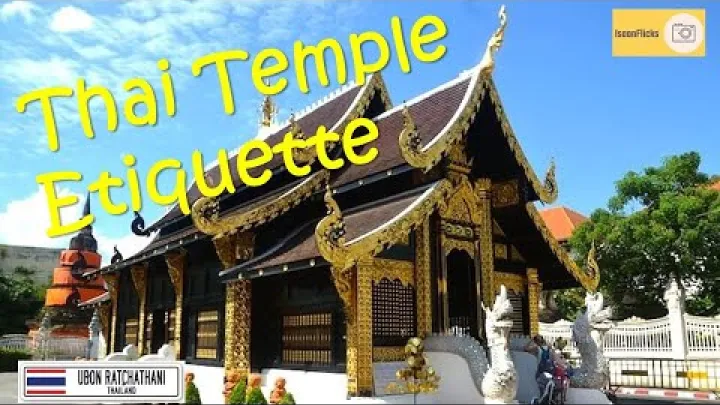
Feet are considered the lowest part of the body in Thai culture, and pointing feet at people or Buddha images is impolite. Thresholds of sacred halls are also symbolically important, so step over them rather than on them. Photographs are often allowed in courtyards but are sometimes restricted inside sanctuaries. If you hear chanting, pause and observe quietly or move to a less intrusive spot. These practices make visits smoother for everyone.
5-step respectful visit checklist (remove shoes, cover shoulders/knees, feet positioning, quiet conduct, no touching Buddha images)
Use this simple sequence any time you enter Thailand temples:
- Remove shoes before entering halls and step over raised thresholds. Leave footwear neatly with soles down.
- Cover shoulders and knees. Carry a light scarf or sarong for quick coverage, and remove hats and sunglasses indoors.
- Mind your feet. Sit with legs tucked to the side or kneel; keep feet pointed away from Buddha images and people.
- Keep voices low and devices silent. Avoid public affection and disruptive behavior near prayer areas.
- Do not touch or climb on Buddha statues, altars, or relics. Photography rules vary; follow posted signs.
Additional guidance: women should avoid direct physical contact with monks. If handing an item to a monk, place it on a nearby surface or use an intermediary to pass it. Both men and women should refrain from sitting higher than a monk during ceremonies, and everyone should avoid stepping in front of people who are praying or making offerings. If unsure, observe for a moment and mirror the calm pace of local worshippers.
Practical planning: fees, hours, and best times
Planning ahead helps you fit more temples into a comfortable day. Most major city wats open around 8:00 and close by early evening, while royal sites like the Grand Palace keep more limited hours. Fees are modest at many places, but the most famous complexes can be higher and may include different zones or museum areas. Carry small bills, as many ticket windows are cash-only, and verify hours during holidays when schedules can change.
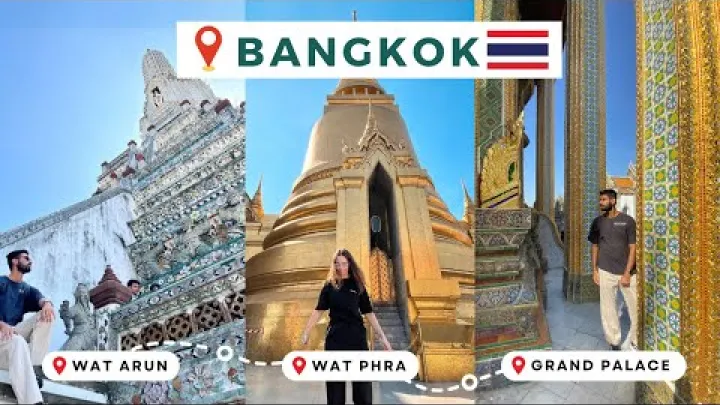
Heat and sun are major factors. Early morning reduces heat and crowds and often aligns with chanting; late afternoon brings softer light and better skyline views. Plan for water, shade breaks, and conservative clothing that is comfortable in a tropical climate. Keep a light rain layer in the wet season, and consult official channels for any temporary closures or restoration works.
Typical hours and ticket examples (Wat Pho, Wat Arun, Grand Palace/Wat Phra Kaew, Wat Saket)
While exact hours and fees can change, these examples help with budgeting and timing. Wat Pho typically opens roughly 8:00–18:30 and charges around 300 THB, sometimes including a water bottle. Wat Arun often runs about 8:00–18:00 with tickets around 200 THB; access to certain prang terraces or small museum rooms may carry separate fees or restrictions. The Grand Palace and Wat Phra Kaew usually open about 8:30–15:30 with a combined ticket around 500 THB that covers palace areas and associated exhibits. Wat Saket (Golden Mount) commonly has a modest climb fee near 100 THB and hours extending into the evening.

Bring cash and a photo ID if you plan to rent audioguides or use lockers. On-site dress checkpoints may require you to rent or borrow cover-ups for a small fee. Holidays can change hours, and certain areas may close for state ceremonies, royal observances, or restorations. Always check the official websites or on-site noticeboards for current information before you set out.
When to go: seasons, daily timing, and crowd tips
The cool, dry season from November to February is the most comfortable for visiting Thailand temples. Skies are clearer, temperatures are lower, and walking between sites is easier. The rainy season delivers greener landscapes and soft light, but plan for sudden showers; carry a compact umbrella or lightweight jacket and protect electronics in a zip bag. Hot-season afternoons can be intense, so cluster indoor halls and museum areas for midday and save outdoor climbs for early or late.

Daily timing affects both photos and crowds. Aim for early morning, around 6:00–9:00, to catch calm courtyards, possible chanting, and gentle light. Late afternoon also works well, especially for skyline viewpoints. For sunrise or sunset: watch first light gild Wat Arun’s prang from the opposite riverbank; visit Wat Saket for sunset panoramas over Bangkok; take in Chiang Mai’s city lights from Doi Suthep at golden hour; and consider Sukhothai’s lotus ponds at sunrise for a misty scene. Weekdays tend to be quieter than weekends or holidays, when some halls may restrict access during ceremonies.
Photography guidance: where and how to shoot respectfully
Most courtyards and exteriors permit photography, but some indoor sanctuaries prohibit it to protect murals and maintain reverence. Always follow posted signs, avoid flash near gilding and paintings, and keep gear minimal so you are not obstructing pathways. Do not pose with your back to Buddha images, do not climb on structures for a better angle, and take care not to step over people who are praying. In crowded halls, step back and wait for a respectful moment.

Tripods and drones are often restricted or permit-only. For commercial or professional shoots, obtain written permission in advance. At historical parks such as Ayutthaya and Sukhothai, contact the Fine Arts Department for permits; at active wats, speak with the abbot’s office or temple administration. Lead times and fees vary by site, activity, and equipment. When in doubt, ask a staff member politely and be ready to show identification and a sample brief of your intended images.
Preservation and responsible travel
Thailand’s temple heritage faces pressure from climate, urban pollution, and visitor numbers. Flooding in low-lying provinces, tropical heat, and humidity all accelerate the decay of brick, stucco, gilding, and murals. Responsible visitation supports conservation by reducing wear and funding upkeep through donations and tickets. Knowing how preservation works on the ground will help you appreciate restricted zones, raised paths, and occasional scaffolded facades.
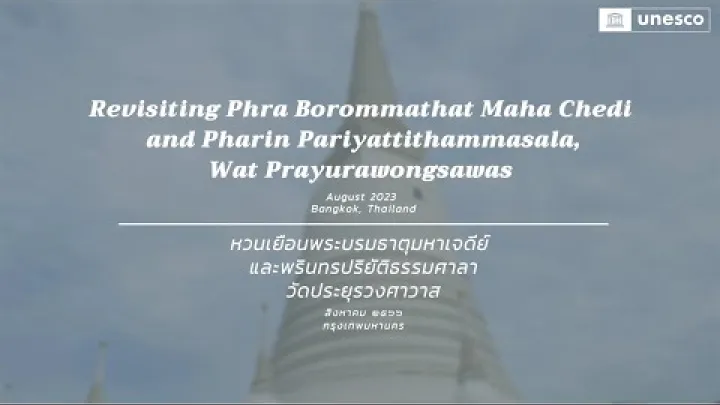
National and international organizations cooperate on this work. The Fine Arts Department oversees archaeological sites and historic structures, while UNESCO recognition brings technical support and global attention to complex challenges. Visitors can help by respecting barriers, following marked routes, and keeping noise low in fragile halls.
Climate risks and conservation (Ayutthaya case)
Ayutthaya’s island geography makes it vulnerable to seasonal flooding. Water intrusion weakens historic brickwork and foundations, and cycles of saturation and drying can damage stucco and plaster. Heat, humidity, and urban pollution contribute to fading pigments and gilding loss across many temples. Similar risks affect coastal and riverine sites in other regions, requiring continuous monitoring and maintenance.

Conservation responses include improved drainage systems, temporary flood barriers, and raised walkways that keep visitors off fragile surfaces. Restoration teams use traditional materials and techniques where possible to maintain authenticity. The Fine Arts Department coordinates protective measures and research, while UNESCO World Heritage status for Ayutthaya and Sukhothai supports long-term planning. Visitor pressure is managed through timed access, designated paths, and restricted zones around unstable structures and sensitive murals.
How visitors can help (donations, trash, water, silence)
Small, mindful actions make a difference. Donate at official boxes to support maintenance and conservation. Use refillable bottles and temple water stations when available to cut plastic waste. Pack out trash and keep hands off old brick, stucco, and gilded surfaces to avoid oils and abrasion that accelerate damage. Move quietly in sacred areas and silence phones before entering halls.

Choose licensed guides and community-run tours that reinvest in local heritage. Look for noticeboards advertising volunteer clean-ups or special preservation days, especially at historical parks and large city temples. If you join such activities, follow safety instructions and stick to assigned tasks to protect both the site and yourself.
Frequently Asked Questions
What are the best temples to visit in Bangkok, Thailand?
Top choices are Wat Phra Kaew (Emerald Buddha), Wat Pho (Reclining Buddha), Wat Arun (Temple of Dawn), Wat Saket (Golden Mount), and Wat Ben (Marble Temple). These combine religious importance, iconic art, and convenient access. Wat Phra Kaew and Wat Pho are near each other; Wat Arun is across the river by short ferry. Visit early morning to avoid crowds.
Are there entry fees for Thai temples and how much do they cost?
Many major temples charge modest fees while neighborhood wats are often free. Typical examples: Wat Pho ~300 THB, Wat Arun ~200 THB, Grand Palace & Wat Phra Kaew ~500 THB, Wat Saket climb ~100 THB. Always check official sites for current pricing and ticket windows.
When is the best time of day and season to visit temples in Thailand?
The best season is November to February for cooler weather. The best daily window is early morning (around 6:00–9:00) for fewer crowds, softer light, and possible chanting. Late afternoon can also be pleasant; avoid midday heat when possible. Weekdays are generally quieter than weekends or holidays.
Is photography allowed inside Thai temples and what are the rules?
Photography is usually allowed in courtyards and many halls but restricted in some indoor sanctuaries. Always follow posted signs, avoid flash near murals or Buddha images, and do not climb or touch sacred objects. Do not pose with your back to Buddha images, and keep noise low.
Can women enter all areas of Thai temples?
Women can enter most temple grounds and halls, but some sacred areas (often chedis with relics) may restrict access. Look for signs in Thai and English and follow local guidance. If unsure, ask staff or volunteers politely. Restrictions vary by temple and region.
How many temples are there in Thailand?
Thailand has approximately 40,000 Buddhist temples nationwide. Around 34,000–37,000 are active community temples. These serve as religious, cultural, and educational centers. Many historic complexes are protected heritage sites.
What is the dress code for visiting temples in Thailand?
Cover shoulders and knees; avoid sleeveless tops, short shorts, see-through fabrics, and torn clothing. Remove hats and sunglasses inside halls, and carry a light scarf or sarong for quick coverage. The Grand Palace has stricter rules: long trousers for men and below-knee skirts or trousers for women. Shoes must be removed before entering most buildings.
How do I get to Doi Suthep from Chiang Mai Old City?
Take a red songthaew shared truck from Chiang Mai Gate or Chang Phuak Gate directly to the base area, then climb the staircase or use the small cable car for a fee. Early morning or late afternoon avoids heat and heavy traffic.
Conclusion and next steps
Thai temples illuminate the country’s history, art, and living Buddhist traditions. With a basic grasp of wat architecture, respectful behavior, and practical timing, you can explore highlights from Bangkok’s royal chapels to Chiang Mai’s teak halls, and from Ayutthaya’s prangs to Phuket’s active monasteries.
Plan for modest clothing, cash for tickets and donations, and a calm pace that honors local practice. Check official notices for hours and restoration works, and support conservation by following marked paths and keeping photography discreet. These simple steps will help you experience Thailand’s sacred spaces with insight and respect.
Select area
Create a post
Posting is free and no registration is required.