Thailand Flights from London: Direct, Cheap Deals, and Best Time to Book (2025)

This guide explains nonstop and 1‑stop options, typical prices by route and cabin, and the best time to book. You will also find practical airport and transfer tips, entry rules for UK travelers, and advice for onward flights to Phuket, Chiang Mai, Krabi, and Koh Samui. Read on for clear answers that help you compare choices and avoid common booking mistakes.
Route overview: airlines, flight times, and distance
London to Thailand is a long‑haul corridor served by a mix of nonstop and 1‑stop itineraries. The primary gateway is Bangkok Suvarnabhumi (BKK), with onward connections to Phuket, Chiang Mai, Krabi, and Koh Samui. Nonstop flights between London and Bangkok typically take about 11.5–13.5 hours block time. One‑stop journeys commonly range from 18–26 hours overall depending on the hub and layover length. The air distance is roughly 5,900–6,000 miles (about 9,500–9,650 km), so schedules, headwinds, and aircraft type can affect timing.

- Nonstop time: about 11.5–13.5 hours LON–BKK
- Cheapest month historically: May (shoulder season)
- Typical target returns: 1‑stop around US$500–$750 in shoulder months; nonstop often higher
- Best booking window: about 45–60 days before departure
- Main London airports used: Heathrow (LHR), Gatwick (LGW), Stansted (STN)
Schedules and frequencies are seasonal, and some carriers operate direct flights only at certain times of the year. Always verify current timetables and aircraft assignments before you book, especially if seat layout, Wi‑Fi availability, or premium cabin configuration matters to you. If you value speed and a single long sector, nonstop flights are the most convenient. If you prioritize price or want to accrue miles with a specific alliance, a 1‑stop itinerary through a major hub may offer the best overall value.
Nonstop airlines London–Bangkok and typical durations
Nonstop services between London and Bangkok are typically operated by long‑haul carriers such as Thai Airways, EVA Air, and British Airways on a schedule‑dependent basis. Published block times often sit between about 11.5 and 13.5 hours, with variations caused by routing, seasonal winds, and the aircraft used (for example, Boeing 777, Boeing 787, or Airbus A350 families). These flights usually depart from Heathrow (LHR) and arrive at Bangkok Suvarnabhumi (BKK), providing the fastest door‑to‑door option for most travelers.
Because of their speed and convenience, nonstop fares usually price higher than 1‑stop alternatives. Frequencies and operating days can change between summer and winter seasons, and during peak periods extra flights may be added while some shoulder dates see reduced service. Always confirm current timetables and seat maps before booking, especially if you want specific seats, premium cabins, or family seating. Checking for seasonal adjustments helps avoid surprises and ensures the flight you select aligns with your preferred dates.
1‑stop routes, common hubs, and when they save money
One‑stop itineraries connect through major hubs such as Istanbul, Doha, Abu Dhabi, Dubai, Zurich, Vienna, Delhi, Guangzhou, and other Mainland China gateways. These routings often undercut nonstop prices by about US$200–$400 during shoulder months, with total journey times typically ranging from 18 to 26 hours depending on layover length and airport efficiency. They can be a strong value if you are flexible on timing and do not mind an extra takeoff and landing.

Layover duration has the biggest impact on the door‑to‑door journey. For example, LHR–Doha (about 6.5–7 hours) + a 2.5‑hour connection + Doha–BKK (about 6.5–7 hours) can yield a total of roughly 17–19 hours. By contrast, LHR–Istanbul (about 4 hours) + a 6–8‑hour layover + Istanbul–BKK (about 9–10 hours) can push the total closer to 20–23 hours. Booking a single through‑ticket with one airline or alliance offers better protection during disruptions than separate tickets, as missed connections are typically rebooked automatically on protected itineraries.
Prices, seasonality, and booking windows
Fares between London and Thailand swing with demand, school holidays, and regional weather patterns. May is consistently among the cheapest months thanks to shoulder‑season travel, while December through February often commands premium pricing. Prices also vary by day of week, with Tuesday to Thursday departures frequently lower than weekend dates. If your schedule allows, flexibility of even a few days can unlock significant savings on both nonstop and 1‑stop itineraries.
![Preview image for the video "Find CHEAP Flights on Google Flights [UPDATED TECHNIQUES]".](/sites/default/files/styles/media_720x405/public/oembed_thumbnails/2025-10/udQrxoAOKnUh1CtGzBy8_WxzmNQKPBmDQ8FUe832krk.jpg.webp?itok=VPxhd8Zc "Preview image for the video \"Find CHEAP Flights on Google Flights [UPDATED TECHNIQUES]\".")
Beyond seasonality, the booking window you choose influences price. Many travelers find a balance of price and availability around 45–60 days before departure. That said, flash sales and alliance promotions can appear unexpectedly, so starting price tracking several months in advance is wise. Target ranges help guide expectations: competitive 1‑stop returns to Bangkok often run about US$500–$750 in shoulder periods, while nonstops frequently price from roughly US$950 to US$2,100 depending on exact dates and demand. Always treat these as indicative, not guaranteed, and verify current fares for your specific trip.
Cheapest months and days to fly from London to Thailand
May tends to be one of the cheapest months for London–Thailand flights, with additional value often found in September and October. In contrast, December through February, plus UK school holidays, usually bring higher fares and tighter seat availability.

In contrast, December through February, plus UK school holidays, usually bring higher fares and tighter seat availability.
Day‑of‑week patterns can also help. Midweek departures, usually Tuesday to Thursday, often price lower than Friday to Sunday. Because fares are volatile, monitor prices for a few weeks before committing, and set alerts on your preferred dates. Even modest flexibility of ±3 days can bypass unusually high‑priced dates and reveal better combinations of schedule and fare.
Target prices by cabin and route (Bangkok, Phuket, Chiang Mai, Koh Samui)
For London–Bangkok, competitive 1‑stop economy returns often fall around US$500–$750 in shoulder months, while nonstop economy fares frequently range from about US$950 to US$2,100 depending on season and inventory. Business‑class pricing varies widely; watch for periodic sales on 1‑stop carriers, which can bring premium cabins to significantly more attainable levels than typical headline rates.

Reaching Phuket, Chiang Mai, Krabi, or Koh Samui usually adds a domestic connection. Bangkok Airways controls most slots at Koh Samui (USM), keeping fares higher than other Thai domestic routes. Phuket (HKT), Chiang Mai (CNX), and Krabi (KBV) are served by frequent 1–1.5 hour flights. Treat all prices as indicative ranges and check live availability for your exact dates, cabin, and baggage needs before finalizing plans.
How to find cheap flights (step-by-step)
Finding cheap flights to Thailand from London is about combining flexible dates, smart tools, and realistic target prices. Start by defining whether you require nonstop service or are willing to consider a 1‑stop itinerary to save money. Then use metasearch platforms with month‑view calendars to compare fares across a wider window. This approach quickly identifies which weeks and weekdays are pricing best.

Create price alerts for your preferred dates and cabins, and compare fares from Heathrow, Gatwick, and Stansted. Watch fare history so you can spot unusual spikes or dips. If you see a price within your target range, consider booking, since prices can change quickly around promotions or inventory shifts. Whenever possible, prefer a single through‑ticket to protect your connection and baggage in the event of delays.
Tools, flexible calendars, and price alerts
Metasearch sites with flexible calendars let you visualize fares by week or month, making it easier to avoid peak days and spot shoulder‑season value. Use filters to compare nonstop versus 1‑stop, choose acceptable layover lengths, and view baggage‑included fares. A ±3‑day flexibility around target dates often unlocks meaningful savings while preserving your planned trip length.

Set price alerts on multiple platforms to catch fare drops, and track a few alternative date combinations in parallel. Compare all London airports, since LHR, LGW, and STN can price differently depending on the carrier and schedule. After shortlisting options, visit the airline’s site to confirm final totals, seat map, and baggage rules before purchase.
Timing, fare classes, and loyalty considerations
Many travelers find good balance booking about 45–60 days before departure, though promo fares can appear earlier. Be especially proactive for departures during UK school holidays and Thailand’s peak season (roughly December–February), when booking early often secures both price and preferred flight times.
Understand fare classes because they determine change rules, baggage allowance, and mileage accrual. Through‑tickets provide protection if you miss a connection, while separate tickets do not. If you collect miles, align your booking with an alliance that credits to your preferred program, which can help with future redemptions, lounge access on status, or upgrade eligibility.
London and Bangkok airports you will use
Heathrow (LHR) is the primary long‑haul gateway from London to Thailand, especially for nonstop and premium options. Gatwick (LGW) offers a mix of 1‑stop itineraries and competitive fares, while Stansted (STN) is more common for multi‑stop routings that may trade time for lower prices. When comparing tickets, account for your ground travel time and cost to each airport, as this can offset savings on the airfare itself.
From BKK, you can connect onward across Thailand or transfer into the city by train, taxi, or prebooked car. Expect immigration at peak times to take 30–60+ minutes, and plan your first‑day schedule with some buffer. If you land near midnight, check the current operating hours of public transport and consider prearranging a transfer for convenience.
Heathrow vs Gatwick vs Stansted for Thailand routes
Heathrow (LHR) offers the widest choice of airlines, most nonstop options, and the broadest selection of premium cabins. It has frequent public transport links: the Elizabeth line and Heathrow Express to Paddington, plus the Piccadilly line for direct Tube access. Fares may be higher than other London airports, but flight times and cabin choices are often best.

Gatwick (LGW) can provide well‑timed 1‑stop itineraries and competitive pricing. For rail, use Gatwick Express to London Victoria, or Thameslink/Southern services to London Bridge, Blackfriars, and St Pancras. Stansted (STN) is usually associated with lower‑cost or multi‑stop routings; the Stansted Express connects to London Liverpool Street. Choose based on total journey time, price, and your starting point in the region.
Arriving at BKK: immigration timing and city transfers
Immigration at Bangkok Suvarnabhumi (BKK) can take about 30–60+ minutes when multiple long‑haul flights arrive together. After clearing formalities, the Airport Rail Link to Phaya Thai takes under 30 minutes and costs about 45 THB, offering an affordable and predictable ride into central Bangkok. It is a good option if you are traveling light or want to avoid traffic.

Metered taxis to central districts typically cost around 500–650 THB plus tolls, with travel time ranging from 30 minutes to well over an hour depending on traffic and the time of day. Prebooked private transfers provide fixed pricing and meet‑and‑greet service, which can be helpful for late arrivals or families. Note that train frequency drops late at night; for arrivals after midnight, taxis or prearranged cars are usually the simplest choices.
Travel documents, TDAC, and entry rules for UK travelers
Entry rules for Thailand can evolve, so always confirm details close to your departure. UK passport holders are generally visa‑exempt for short tourism stays and should ensure adequate passport validity, onward travel documentation, and accommodation details. From 1 May 2025, travelers must complete the Thailand Digital Arrival Card (TDAC) before arrival; airlines and immigration may check completion status at check‑in and border control.

Keep digital and paper copies of key documents, including your passport photo page, return or onward ticket, hotel bookings, and travel insurance policy. If you plan activities such as diving or motorbike rental, verify that your insurance covers them. For the TDAC, use only the official portal and double‑check that personal data matches your passport exactly to avoid delays.
Visa-exempt entry and required proof
UK passport holders are generally visa‑exempt for tourism stays up to 60 days, though policies can change. Ensure your passport has at least six months of validity from your entry date. On arrival, immigration officers may ask for proof of onward or return travel and accommodation details for the first nights of your stay.

You may also be asked to demonstrate sufficient funds and to comply with any entry health requirements in effect at the time of travel. Because rules can evolve, verify the latest guidance with official sources before departure. Carry printed or offline copies of your confirmations to speed up processing if airport connectivity is limited.
Thailand Digital Arrival Card (TDAC): when and how to complete
From 1 May 2025, the Thailand Digital Arrival Card (TDAC) is mandatory for travelers. Complete the TDAC online within three days before your flight, and keep the confirmation accessible on your phone or as a printout. Airlines and immigration may check your TDAC status during check‑in and upon arrival, so complete it early and verify the submission.
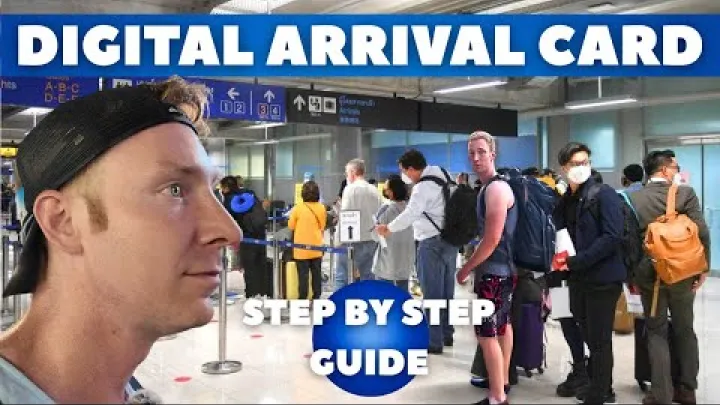
Use only the official TDAC portal to avoid scams and protect your personal data. Ensure that your name, date of birth, passport number, and travel details match your passport exactly. If you make any corrections, resubmit promptly and keep the latest confirmation with you.
Baggage, health, and practical travel tips
On long‑haul trips, baggage rules and travel health planning can make a significant difference to comfort and cost. Airlines increasingly segment fares by included services, so check whether your ticket includes checked luggage and how much is allowed. London airports apply standard liquid restrictions at security, and battery safety rules are strictly enforced worldwide.

Thailand offers high‑quality medical care in major cities, especially through private hospitals in Bangkok. Still, comprehensive insurance is important to cover unexpected expenses, cancellations, and delays. Basic food and water precautions, sun protection, and sensible scheduling on arrival will help you stay healthy and adjust quickly to the climate and time zone.
Airline allowances, liquids, and prohibited items
Economy checked baggage allowances often range from 20–23 kg, while carry‑on typically sits around 7–10 kg, but this varies by fare family and airline. Follow the 100 ml liquids rule at London airports and pack lithium batteries and power banks in carry‑on only, checking airline watt‑hour limits for compliance.

Review prohibited items lists before packing and remember that some categories, such as sharp tools or self‑defense sprays, can be restricted in either country. Because fare brands and codes influence baggage, changes, and seat selection, verify the rules on your exact fare class and ticket type to avoid airport surprises.
Insurance, medical care, water, and food safety
Comprehensive travel insurance is strongly recommended. Confirm medical coverage limits, emergency evacuation, and trip interruption protection. If you plan adventure activities or motorbike rentals, check that your policy explicitly covers them, as many exclude high‑risk activities without add‑ons.

Major private hospitals in Bangkok deliver international‑standard care and accept many global insurers. Drink sealed bottled water, be cautious with ice if you have a sensitive stomach, and choose busy, well‑reviewed food stalls. Protect against heat with hydration, sunscreen, and light clothing, and carry essential medications in original packaging along with a copy of your prescriptions.
Onward destinations in Thailand
Most visitors arriving from London continue beyond Bangkok to beaches or cultural hubs across Thailand. When building your itinerary, decide whether you want a through‑ticket all the way to your final destination or prefer to stop over in Bangkok for a night to rest and explore.
For low‑cost carriers, Bangkok Don Mueang (DMK) is a key base, while many full‑service connections operate from Bangkok Suvarnabhumi (BKK). If your trip requires switching between BKK and DMK, budget extra time for the cross‑city transfer. Through‑checked tickets reduce the risk of missed connections and baggage delays, which can be worth the small fare premium.
Phuket, Chiang Mai, Krabi, and Koh Samui connections
Most domestic connections depart from Bangkok. Phuket (HKT), Chiang Mai (CNX), and Krabi (KBV) have frequent flights of about 1–1.5 hours from BKK or DMK, offered by both full‑service and low‑cost carriers. These routes are competitive, and schedules enable same‑day connections from many London arrivals.

If you value convenience, look for a through‑ticket from London that checks bags to USM. If you plan to change airports between BKK and DMK, allow generous transfer time in Bangkok to avoid stress.
Arrival timing, time zones, and jet lag planning
Thailand is typically UTC+7. The UK is UTC+0 in winter and UTC+1 in summer, so the time difference is usually +7 or +6 hours. Many eastbound flights depart London in the evening and arrive in Bangkok in the morning, which can help you start the day with daylight exposure to reset your body clock.

To reduce jet lag, hydrate, choose light meals, and get natural light soon after arrival. A flexible first‑day plan, or booking a hotel near transit for early check‑ins, can make the transition smoother. If possible, adjust your sleep by an hour or two each day in the week before departure to align more closely with Thailand time.
Frequently Asked Questions
How long is the flight from London to Bangkok?
Nonstop flights usually take about 11.5 to 13.5 hours. Total door‑to‑door time is often 15 to 18+ hours including airport processes. 1‑stop itineraries commonly take 18 to 26 hours depending on layover. Weather and winds can extend flight time.
What is the cheapest month to fly from London to Thailand?
May is consistently the cheapest month for London–Thailand flights. Shoulder months (September–October) also price well. Expect the highest fares in December to February. Midweek departures often reduce costs further.
Are there direct flights from London to Thailand?
Yes, nonstop London–Bangkok services are operated by long‑haul carriers such as EVA Air, Thai Airways, and British Airways (seasonal and schedule‑dependent). Nonstops cost more but save several hours versus connections. Always confirm current schedules before booking.
Which London airport is best for flights to Thailand?
Heathrow (LHR) is best for nonstop and premium options. Gatwick (LGW) offers competitive 1‑stop fares. Stansted (STN) can be cheapest for multi‑stop itineraries but often adds time. Choose based on nonstop preference, price, and your origin in London.
How far in advance should I book London–Thailand flights?
Book about 45 to 60 days before departure for a good balance of price and availability. Start monitoring around 60 days out with price alerts. Last‑minute deals are less predictable on this route.
Do UK travelers need a visa or digital arrival card (TDAC) for Thailand?
UK visitors are visa‑exempt for tourism stays up to 60 days (subject to change). From 1 May 2025, the Thailand Digital Arrival Card (TDAC) is mandatory; complete it online within 3 days before travel. Ensure 6+ months passport validity and proof of onward travel.
What is a good price for return flights from London to Bangkok?
Competitive return fares on 1‑stop routes can be around US$500–$750 in shoulder seasons. Nonstops often price higher, commonly US$950–$2,100 depending on dates and cabin. Set alerts and target midweek travel for best results.
How do I get from Bangkok Suvarnabhumi (BKK) to the city center?
The Airport Rail Link to Phaya Thai takes under 30 minutes and costs about 45 THB. Metered taxis to central areas are typically 500–650 THB plus tolls (30–60+ minutes, traffic‑dependent). Prebooked private transfers cost about US$25–$50.
Conclusion and next steps
Flying from London to Thailand offers a clear set of choices: pay more for a faster nonstop, or save with a 1‑stop itinerary that adds layover time. Typical nonstop durations are about 11.5–13.5 hours, while connections commonly take 18–26 hours. May and the autumn shoulder period tend to deliver the best value, with midweek departures often undercutting weekend prices. As a benchmark, look for 1‑stop economy returns around US$500–$750 in shoulder months and expect higher pricing for nonstops.
Use flexible calendars, price alerts, and a ±3‑day window to surface better options. Book around 45–60 days out for a balance of price and availability, and secure early seats for peak periods. For London airports, Heathrow has the broadest nonstop and premium offering, while Gatwick and Stansted can shine on 1‑stop or budget‑friendly itineraries. On arrival at BKK, factor in immigration and choose the Airport Rail Link, taxi, or a prebooked transfer based on your arrival time and baggage.
Before departure, confirm visa‑exempt rules, complete the TDAC within the required window, and check baggage allowances tied to your exact fare. If traveling onward to Phuket, Chiang Mai, Krabi, or Koh Samui, consider through‑tickets for smoother connections. With these steps, you can match schedule, comfort, and cost to your travel goals and enjoy a smooth start to your Thailand journey.
Select area
Create a post
Posting is free and no registration is required.