Thailand Street Food Guide: Best Dishes, Bangkok Spots, Prices & Safety
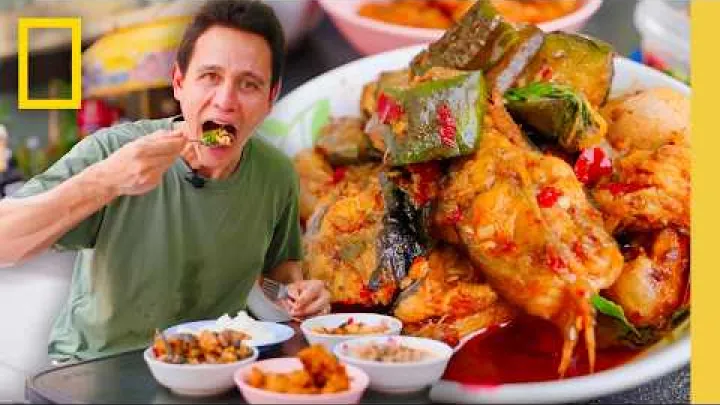
Thailand street food is one of the country’s most vivid travel experiences, bringing bold flavors to sidewalks, markets, and shopfronts at almost any hour. Whether you want a quick breakfast, a night-market feast, or a halal or vegetarian meal, you will learn how to order like a local and fine-tune flavors at the table. Use this resource to plan meals that fit your taste, schedule, and comfort level.
What is Thai street food? A quick overview
Thai street food refers to everyday meals prepared and served from mobile carts, small shopfronts, and market stalls. It is a central part of life in Thailand because it delivers fast, affordable, and satisfying dishes that reflect regional traditions and international influences. Bangkok, Chiang Mai, Phuket, and Pattaya all showcase distinctive street food scenes shaped by migration, trade, and local agriculture. For travelers, Thailand food street culture offers a practical way to eat well while staying on budget and close to the city’s pulse.
Understanding how stalls operate helps you eat with confidence. Vendors cluster where people move: near schools and offices in the morning, around transit hubs during rush hours, and at night markets in the evening. Menus often specialize in one technique—stir-frying, grilling, curries, or desserts—so lines form where a vendor has a long-standing reputation. Pricing is transparent and typically posted; most diners pay after they eat unless a sign indicates prepayment. Across Thailand, you can expect consistent flavor logic—sweet, salty, sour, spicy, and a hint of bitterness—paired with fresh herbs and the heat of the wok or charcoal grill.
City regulations, market permits, and local customs shape when and where stalls can operate, so neighborhoods can feel different from one district to the next. Even so, the core idea remains constant: quick, flavorful food you can enjoy at a plastic table, perched on a stool, or on the move. The sections below introduce cultural roots, core techniques, must-try dishes and prices, Bangkok’s best areas, regional highlights, practical budgeting, and safety steps to help you navigate street food in Thailand with ease.
Cultural roots and evolution
Street food in Thailand is rooted in waterborne and roadside trade. Early urban life revolved around canals and river markets, where vendors sold boat noodles, snacks, and fruit to passing customers. Chinese-Thai pushcarts later expanded the range of dishes, introducing wok-fired noodles and rice plates that could be cooked to order. As cities grew through the 20th century, commuter hubs and night markets emerged as daily meeting points, and eating curbside became an affordable, social routine that fit busy schedules.
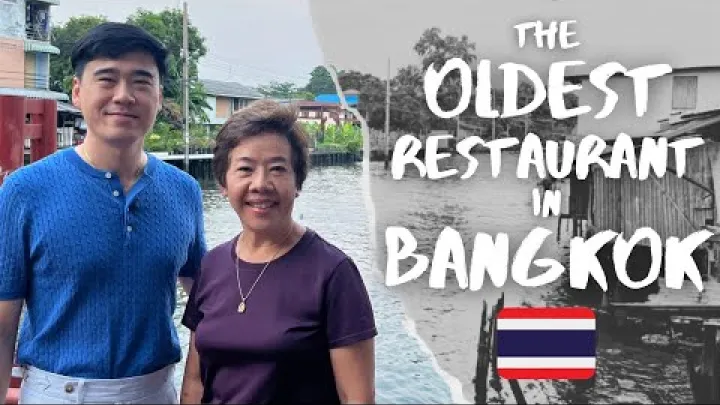
Key shifts are easy to trace in a simple timeline. Canal-era commerce popularized compact bowls and quick service. Pushcarts spread to rail stations and tram lines in the early 1900s. After mid-century urbanization, curbside cooking proliferated near offices and universities, while weekend night markets turned dining into an evening pastime. In recent years, rotating market permits, occasional pedestrianized streets, and curated night markets have organized stalls into high-traffic clusters without losing their fast-and-fresh spirit.
Regulation and rhythm vary by region. Bangkok’s districts apply different rules on where carts can park and which hours they serve, so stalls may move or change schedules between weekdays and weekends. Provincial cities are often more relaxed, with vendors setting up near temples, municipal markets, and school zones. In both cases, the practical outcome is similar: you will find concentrated pockets of great food when and where people gather—morning near wet markets, lunchtime by offices, and evenings along prominent walking streets.
Five-taste balance and core techniques
The signature of Thai street food is a dynamic five-taste balance: sweet, salty, sour, spicy, and a subtle bitter or herbal finish. Vendors season dishes during cooking, but final tuning happens at the table. A small condiment caddy typically holds fish sauce for salinity, palm sugar or white sugar for sweetness, chili flakes or chili paste for heat, vinegar or pickled chilies for tang, and sometimes crushed peanuts or roasted chili in vinegar. Diners taste first and then adjust in small steps, creating a personal balance rather than a fixed “correct” flavor.

Core techniques are streamlined for speed and aroma. Stir-frying over a smoking-hot wok delivers char and wok hei. Charcoal grilling adds depth to skewers and seafood. Mortar-and-pestle pounding brightens salads like papaya salad with fresh chilies, lime, and aromatics. Simmered curries concentrate coconut richness and spices, and steaming preserves delicate textures in dumplings and fish. Foundational ingredients recur across stalls—fish sauce, palm sugar, tamarind or lime, chilies, garlic, galangal, lemongrass, and kaffir lime leaf—so even unfamiliar dishes taste coherent once you learn the pattern. The seasoning caddy lets you fine-tune heat and acidity, making the food adaptable for both spice lovers and newcomers.
Must-try Thai street foods (with prices)
Street food in Thailand spans quick snacks, noodles, seafood plates, rice-and-curry staples, and portable desserts. Starting with familiar names helps you build confidence, then you can branch into regional specialties or a vendor’s signature item. In general, noodle and rice dishes run from 40–90 THB, seafood costs more due to ingredients, and sweets are compact and budget-friendly. Prices vary by location and reputation; busy central Bangkok corners and beach zones often trend higher than neighborhood areas.
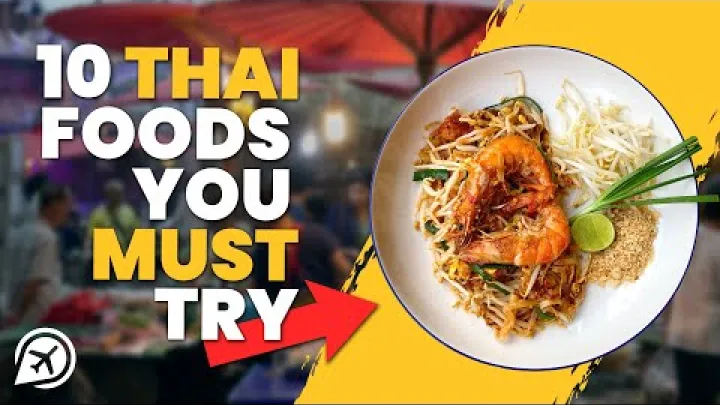
The dishes below cover recognizable favorites and explain typical pricing, portion size, and how to adjust flavors to your taste. When in doubt, point to ingredients and ask for mild heat, then customize at the table with chilies, vinegar, fish sauce, or sugar. Expect efficient service, quick turnover, and the option to add an egg, swap proteins, or choose your noodle size. This flexibility makes it easy to share plates, try several small portions, and keep your budget on track while sampling a broad range of flavors.
Noodles and soups (Pad Thai, Boat Noodles)
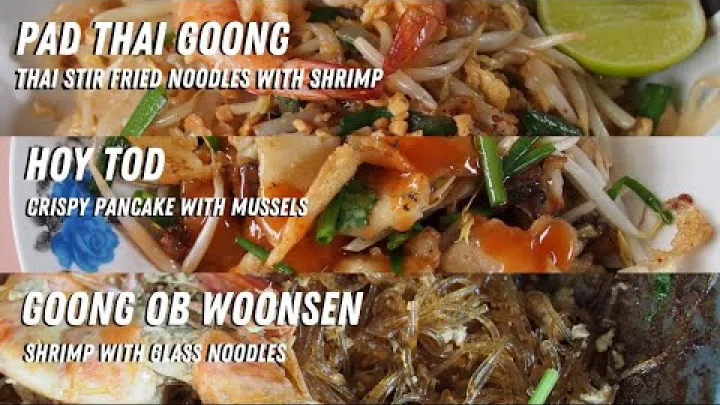
Pad Thai is the most globally recognized Thai noodle dish and a friendly entry point for first-time visitors. A standard plate costs about 50–100 THB depending on protein and location. The base is a tamarind-palm sugar sauce balanced with fish sauce and a touch of chili, then tossed with rice noodles, egg, bean sprouts, and chives. You can order shrimp, chicken, or tofu, and add crushed peanuts, lime, and chili flakes at the table. Pad Thai usually uses sen lek (thin rice noodles), though some stalls will substitute sen yai (wide rice noodles) on request. Alternative menu labels you may see include “Pad Thai Goong” (shrimp), “Pad Thai Gai” (chicken), or “Pad Thai Jay” (vegetarian-style).
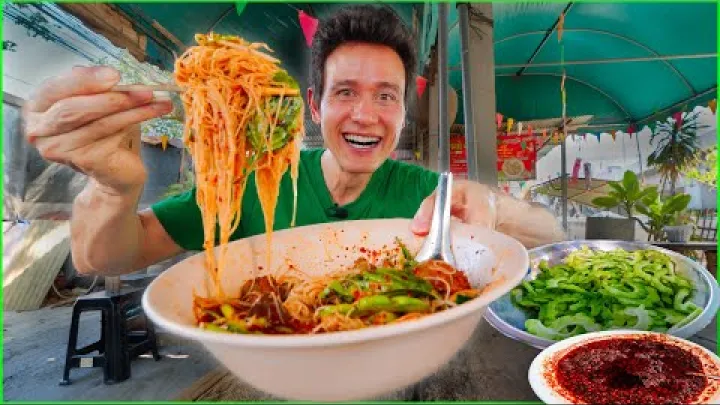
Boat Noodles, known locally as Guay Tiew Rua, are bold, concentrated pork or beef noodle soups served in small bowls that invite multiple rounds. Prices often fall between 20–40 THB per bowl, so many diners order two or three. Broths can include aromatic spices and, at traditional stalls, a dash of pig or cow blood to enrich body and color. You will choose noodle types such as sen lek, sen yai, sen mee (very thin rice vermicelli), or ba mee (egg noodles). The standard condiment set—chili flakes, vinegar, fish sauce, and sugar—lets you tighten acidity, boost heat, or round off saltiness to your preference.
Seafood dishes (Hoi Tod, Goong Ob Woonsen, Tod Mun Pla)
Hoi Tod is a crispy mussel or oyster omelette stir-fried on a flat griddle until lacy and golden, then served with a tangy chili sauce. Expect 80–150 THB per plate, with oysters usually costing more than mussels. The contrasting textures—crunchy batter, tender shellfish, and fresh bean sprouts—make it a rewarding street-side snack or a shared plate. Goong Ob Woonsen, a clay-pot dish of shrimp and glass noodles scented with pepper and herbs, typically costs 120–250 THB, depending on shrimp size and market freshness.
Tod Mun Pla, or Thai fish cakes, are bouncy patties seasoned with curry paste and finely sliced kaffir lime leaf. A small portion often costs 40–80 THB, paired with a sweet-sour cucumber relish. Seafood prices fluctuate with supply, weather, and location. In beach and tourist zones, especially near main promenades, prices can be noticeably higher than in neighborhood markets. If you want the best value, compare a few menus located one or two blocks away from the main beachfront before ordering.
Rice and curry staples (Khao Man Gai, Khao Pad, Jek Pui curries)
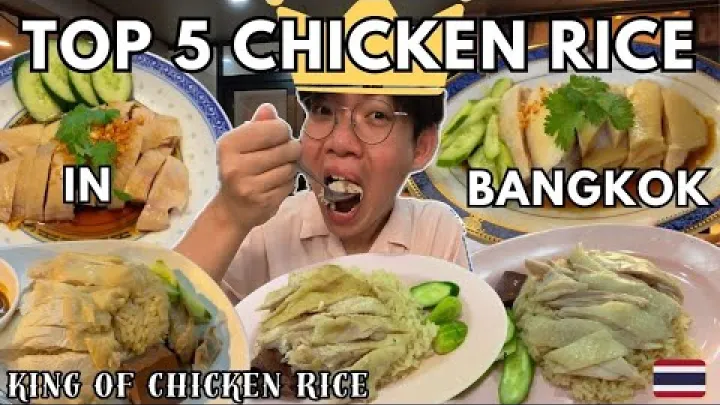
Khao Man Gai, Thailand’s take on Hainanese chicken rice, is a dependable breakfast or lunch dish priced around 40–70 THB. It comes with fragrant rice cooked in chicken fat, poached or fried chicken, a soy-bean-chili dipping sauce, and often a small bowl of gingery broth. Khao Pad (fried rice) is similarly priced at 40–70 THB; seafood versions like crab or shrimp cost more, especially near tourist corridors. Both plates are fast to prepare and easy to customize with more chili, extra lime, or a fried egg.
Jek Pui-style rice-and-curry stalls, called khao gaeng shops, serve ladled curries such as green, red, and massaman over rice for about 50–80 THB per plate. To ask for extra rice, you can say “khao eek” (more rice). For a mixed-curry plate, try “khao gaeng ruam” and point to two or three trays you want. Curries vary in sweetness and spice; green curry can run sweet-spicy, while southern-style curries are often spicier with turmeric and lemongrass. Watch for hidden ingredients if you avoid fish sauce or shrimp paste; politely request “mai sai nam pla” (no fish sauce) if needed.
Desserts and sweets (Mango Sticky Rice, Banana Roti)
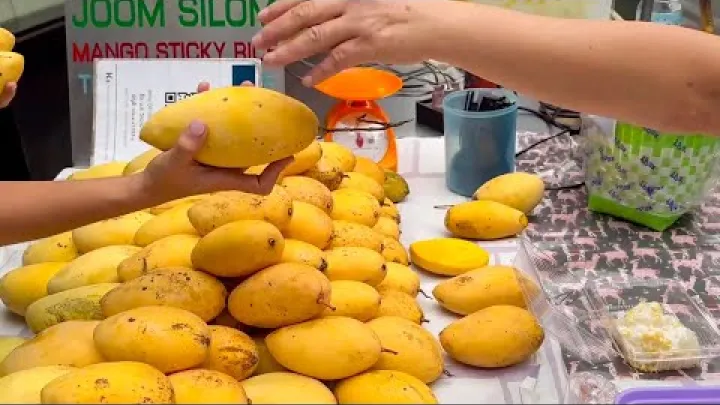
Mango Sticky Rice is a seasonal star priced around 60–120 THB per portion. Vendors pair ripe mango with sweet coconut sticky rice and sprinkle sesame seeds or mung beans for texture. The main mango season typically runs from March to June, though availability varies by region and weather. Off-season, some stalls use imported or frozen mango, or they switch to other fruits like durian or jackfruit, so ask the vendor about what is fresh that day.
Banana Roti is a griddled flatbread often stuffed with banana and egg, then finished with condensed milk, sugar, or chocolate. Prices range from 35–70 THB depending on fillings. Other popular sweets include Khanom Buang (crispy Thai crêpes with sweet or savory toppings), coconut ice cream served in bread buns, and fruit shakes priced 30–60 THB. Dessert carts move around evening markets and tourist streets, so follow the crowds or the sound of metal spatulas tapping on a hot griddle.
Best places to eat street food in Bangkok
Bangkok Thailand street food is most exciting where commuters, students, and night crowds converge. The city rewards curiosity: explore a few blocks in any direction and you will find specialized noodle shops, grilled skewers, rice-and-curry vendors, and dessert carts. Peak hours run from morning rush to lunch, and again from early evening into late night. You can eat well at a shopfront with permanent seating or from a mobile cart that sets up on the curb at sunset.
Some areas concentrate dozens of vendors within a short walk, making them ideal for groups or first-time visitors who want to try several dishes in a single outing. Other neighborhoods preserve heritage eateries that have served the same bowl for decades. Modern night markets add shared seating, photogenic menus, and cashless options to the classic street experience. Below are the city’s most reliable hubs, with notes on timing, access, and what to expect so you can plan your route efficiently.
Yaowarat (Chinatown)
Yaowarat Road is Bangkok’s most famous night-time street food corridor, with stalls and small shophouses lighting up from early evening. The densest stretch runs along Yaowarat and into nearby alleys, where you will find seafood grills, Chinese-Thai desserts, and long-standing noodle shops, including a few award-recognized names. Expect queues and slightly higher prices than neighborhood markets, especially for seafood and trend-setting desserts. Peak hours are from about 6:30 PM to 10:00 PM.
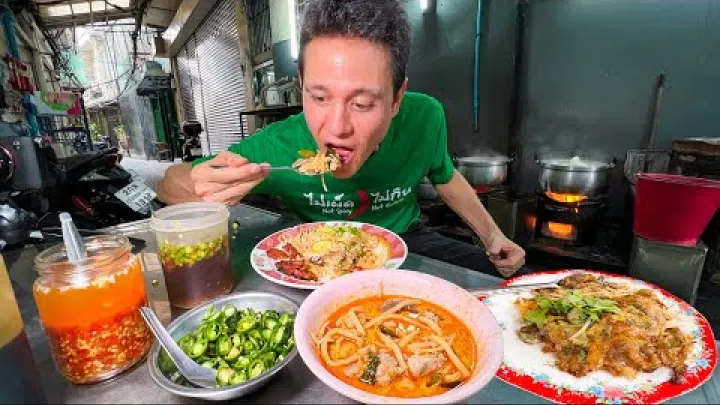
Reaching Yaowarat is straightforward via MRT. Ride the Blue Line to Wat Mangkon Station and follow the signs toward Yaowarat Road; the walk is roughly five to eight minutes depending on your exit and pace. Sidewalks can be crowded at night, so plan to stroll slowly and pick two or three stalls to focus on rather than rushing to sample everything. If you prefer a calmer experience, arrive before the dinner surge or on a weekday.
Banglamphu and Old Town
The Banglamphu area, which includes Khao San Road and Soi Rambuttri, blends classic Thai stalls with traveler-friendly vendors who speak some English and post photo menus. It is a good place to ease into street food if you are new to Thailand, with easy options like Pad Thai, grilled skewers, and fruit shakes. Prices on Khao San itself tend to be higher because of foot traffic, while parallel lanes and back streets offer better value.
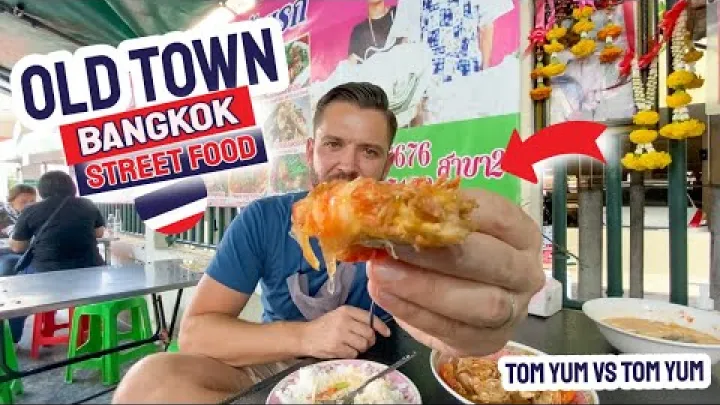
Morning is an excellent time to explore Old Town. Near Democracy Monument and along traditional arteries, you will find heritage noodle and curry shops serving jok (rice porridge), soy milk, and fried dough (patongko). To differentiate tourist lanes from local morning markets, watch for seating styles: curbside stools and steam rising from pots signal local breakfast vendors, often open from dawn to late morning. Tourist-facing lanes wake up later and cater to lunch and evening crowds.
Sam Yan Breakfast Market
Sam Yan is a commuter-friendly breakfast scene near Chulalongkorn University that hits its stride on weekday mornings. Stalls start early and are busiest from around 6:00 AM to 10:00 AM. Popular items include moo ping (grilled pork skewers) with sticky rice, congee or rice soup, soy milk, and braised pork rice. Seating is limited, but turnover is fast and suited to quick meals before work or class.
![Preview image for the video "[4K] Walk around".](/sites/default/files/styles/media_720x405/public/oembed_thumbnails/2025-11/8EHT6cA6ihtZmaBYTzAej-CgickA2mGFzATXmfBNoTs.jpg.webp?itok=3G7RtiT3 "Preview image for the video \"[4K] Walk around\".")
Access is simple via MRT Sam Yan Station. From the station, it is typically a short walk—about five minutes—to the cluster of stalls around the market area and along nearby streets. Because service is quick and lines move fast, the best approach is to scan, choose one or two items, and eat on the spot before heading out. Bring small bills to speed up payment during the morning rush.
Song Wat Road and Bangrak
Song Wat Road is a historic strip where restored shophouses meet traditional Chinese-Thai eateries. You can snack on roasted nuts, herbal drinks, and classic noodles while exploring adjacent lanes. Bangrak and the Charoen Krung corridor are known for satay, roasted duck over rice, rice porridge shops, and heritage snack vendors that open from late morning into early evening. Many places close on Sundays, so check hours if you plan a weekend visit.
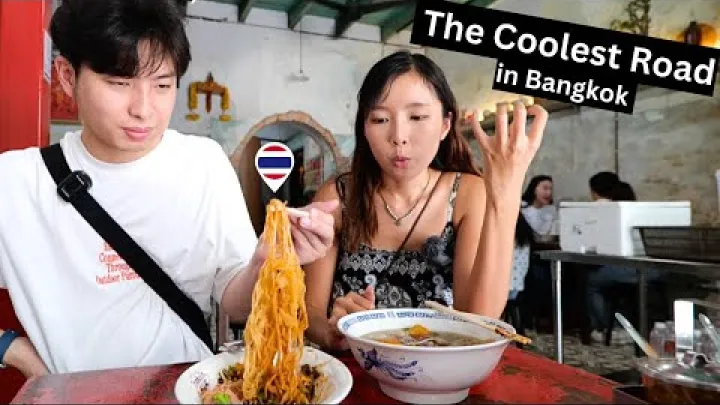
Sidewalks in this area can be narrow, and traffic is steady even on smaller streets. Watch for passing motorcycles when stepping around stools or queue lines. If you plan to eat at multiple stops, consider plotting a short loop to minimize road crossings and backtracking. This area rewards a slow pace and patient browsing, especially during lunch hours.
Modern night markets (Jodd Fairs, Indy)
They are convenient for groups and first-time visitors who want variety without navigating multiple neighborhoods. Payment is often cash-first, but many vendors accept QR (PromptPay) or e-wallets. Prices are slightly higher than average street corners, but you gain comfort, seating, and easy browsing.
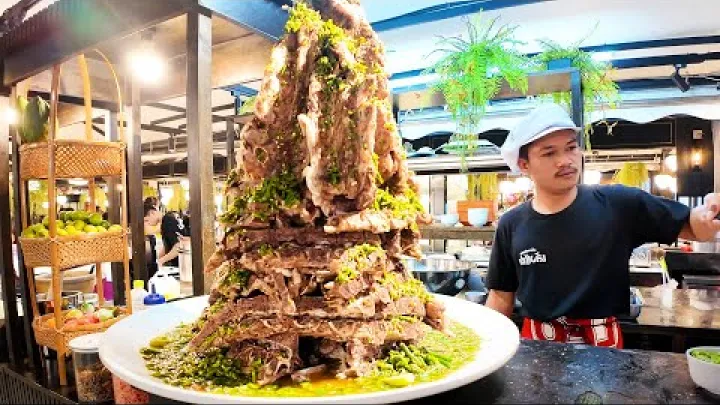
For central and transit-friendly options, try Jodd Fairs at Rama 9 (near MRT Phra Ram 9) or Jodd Fairs DanNeramit (near BTS Ha Yaek Lat Phrao). Indy markets have several branches; Indy Dao Khanong serves the Thonburi side, and Indy Pinklao is reachable by bus or taxi from central Bangkok. Typical hours run 5:00 PM to 11:00 PM, with a 6:30–9:00 PM peak. Arrive early for easier seating and shorter lines at popular stalls.
Regional highlights beyond Bangkok
While street food in Thailand Bangkok areas is famous, regional cities reveal distinct ingredients and techniques. Northern markets lean herbal and slightly milder, with cool evenings that suit grilling and soups. Southern hubs are seafood-forward and spicier, reflecting both Malay and Chinese influences. The central plains, where Bangkok sits, balance sweet and salty flavors, evident in stir-fries and coconut-based desserts.
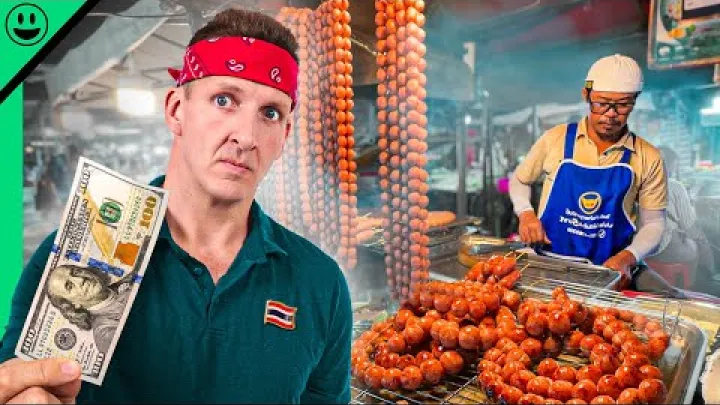
Festivals and school holidays can alter hours and crowds, so check local calendars if you plan to visit during peak seasons.
Chiang Mai and the North
Chiang Mai highlights northern signatures such as Khao Soi (curried coconut noodle soup), Sai Ua (herb-packed pork sausage), Nam Prik Ong (tomato-chili dip), and Nam Prik Num (green chili dip). Grilled meats paired with sticky rice are everywhere, and late-afternoon grilling perfumes popular gates and squares. The Saturday night walking street (Wualai) and Sunday walking street (Ratchadamnoen) provide dense clusters of snacks and craft stalls that are easy to browse in a single outing.
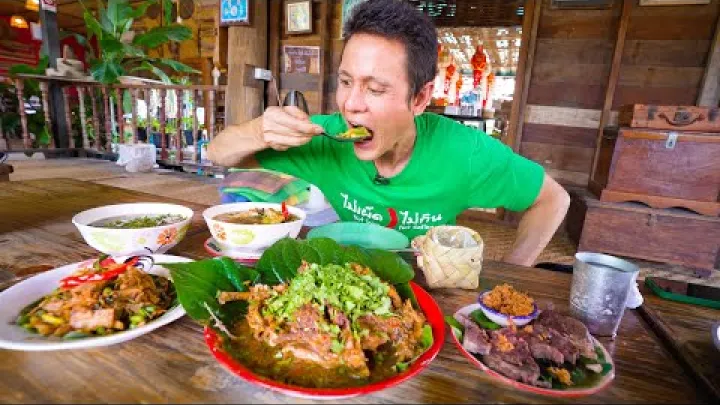
Flavors in the North tend to be herbal, aromatic, and a bit less sweet than central Thai cooking. Cooler evenings encourage outdoor dining, with charcoal grills keeping food hot and fragrant. During these periods, arrive early to secure seating, and expect longer lines at landmark stalls on the old city’s edges and at Chang Phuak Gate.
Phuket and the South
Phuket’s street food blends Peranakan and Hokkien influences with southern Thai spice and abundant seafood. Try Phuket Hokkien Mee (wok-tossed yellow noodles), Moo Hong (braised pork belly), local breakfast dim sum, and roti with curry. Markets cluster in Phuket Town with morning and evening peaks, while beach areas add snack carts that suit casual snacking between swims.
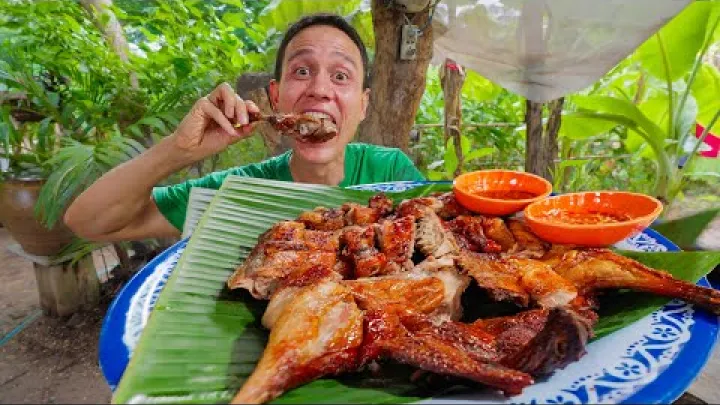
Turmeric, fresh herbs, and chilies shape bolder curries and grilled seafood, with prices reflecting the day’s catch and tourist traffic. If you favor milder flavors, ask for “mai phet” (not spicy) and taste before adding condiments. Early morning and early evening deliver the best mix of freshness and moderate temperatures.
Pattaya’s mixed scene
Thepprasit Night Market operates Friday to Sunday and offers a wide range of grilled seafood, desserts, and souvenirs. Soi Buakhao’s market area and the Jomtien night market provide everyday eats and fruit shakes; prices usually run higher near the beach and lower a few blocks inland. Weekdays are calmer than weekends, with peak hours from late afternoon to late night.
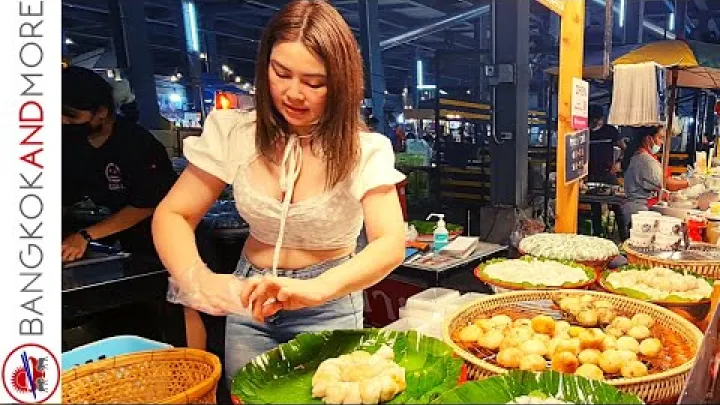
Transport is simple via songthaews (baht buses). From Beach Road, ride a southbound songthaew and transfer toward Thepprasit Road, or hop off at Pattaya Klang and walk or take a short ride to Soi Buakhao. To reach Jomtien Night Market, use the Beach Road–Jomtien route and alight near the market frontage. As with any beach city, watch for price boards, compare a couple of stalls, and confirm seafood weights or portion sizes before ordering.
Prices: what you will pay and how to budget
Budgeting for street food in Thailand is straightforward once you know typical ranges. Snacks and skewers start at pocket-change prices, noodle and rice plates remain affordable, and desserts are usually the least expensive items on the table. Seafood costs more and varies with size, season, and proximity to tourist areas. Central Bangkok and beach-front corridors often charge a premium over neighborhood markets, but the difference narrows as you move one or two blocks away from headline streets.
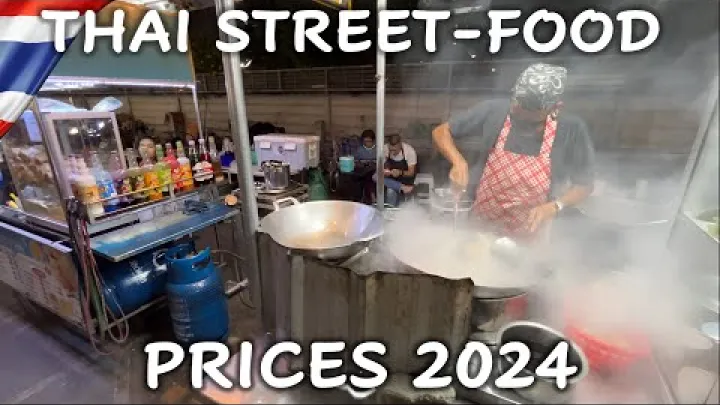
At a glance, here are common ranges you will see across major cities. Consider these guideposts rather than fixed prices since ingredients, portion size, and vendor reputation influence the final cost. Famous stalls, curated markets, and late-night service may also command higher prices, especially for seafood, large prawns, or specialty desserts.
- Snacks and skewers: 10–30 THB per stick
- Noodle and rice dishes: 40–90 THB per plate or bowl
- Seafood plates: 100–250+ THB depending on size and market
- Desserts: 30–80 THB; Mango Sticky Rice 60–120 THB
- Drinks: 10–40 THB; fruit shakes usually 30–60 THB
| Category | Typical Price Range (THB) |
|---|---|
| Grilled skewers (moo ping, chicken) | 10–30 |
| Noodles (Pad Thai, Boat Noodles) | 40–100 (boat noodles 20–40 per small bowl) |
| Rice plates (Khao Man Gai, Khao Pad) | 40–70 (seafood add-ons higher) |
| Seafood dishes (Hoi Tod, Goong Ob Woonsen) | 80–250+ |
| Desserts and drinks | 30–80 (drinks 10–40) |
To stretch your budget, eat near universities and office zones at lunch, look for posted price boards, and share plates to try more items. Carry small bills and coins to avoid change delays, and be flexible: sometimes the best value is the stall with the longest line, where fast turnover keeps ingredients fresh and prices fair.
Typical price ranges by category
Prices are most predictable when grouped by dish type. Skewers and simple snacks range from 10–30 THB because they use small cuts of meat and quick grilling. Noodle and rice dishes fall around 40–90 THB, with larger portions or premium proteins increasing the total. Seafood plates span 100–250 THB or more depending on size, preparation method, and location. Desserts and fruit shakes usually cost 30–60 THB, while Mango Sticky Rice sits higher due to fresh fruit and coconut cream.
Remember these are ranges, not rules. Ingredients, portion sizes, and a vendor’s reputation all affect pricing. Central Bangkok and tourist hubs often charge more than neighborhood markets, but excellent value can be found in morning markets, near schools, and at shopfronts on side streets. If pricing looks unclear, ask before ordering or point to a menu board to confirm. Vendors are used to quick questions and appreciate concise requests.
Payment tips and peak-time pricing
Cash still dominates at most stalls, though many vendors now accept QR payments (PromptPay) and some e-wallets. To keep lines moving, carry small bills and coins. Unless a sign indicates prepayment, you typically pay after you receive your dish or when you return bowls and utensils to a collection point. During peak hours, popular stalls may speed up service by using numbered tickets or fixed-prep menus.

Famous or seafood-focused vendors sometimes price higher during rush periods or in tourist-heavy locations. If you need cash, ATMs are common near transit and convenience stores, but foreign cards may incur local withdrawal fees in addition to bank charges. Taking out a larger amount less often can reduce repeated fees. For cashless options, confirm the stall’s QR code belongs to the vendor before scanning, and check the amount on your screen before finalizing payment.
Safety and hygiene: how to choose vendors
Eating street food in Thailand is generally safe when you apply a few practical checks. The goal is to select stalls with fresh, hot food and clean handling. Busy vendors are a good sign because turnover keeps ingredients moving and reduces the time food sits at room temperature. Stalls that specialize in one or two dishes are often more consistent because they repeat the same process all day.

A quick visual scan tells you a lot: look for separate zones for raw and cooked items, clean oil in the wok or fryer, covered containers, and an orderly surface where money and food do not mix. If you are sensitive to spice, shellfish, or certain sauces, ask a direct question before ordering or point to an ingredient and request “no” in simple terms. For drinks and ice, choose vendors that use commercially made ice and sealed water bottles, and avoid chipped block ice of unknown origin.
High-turnover stalls and hot food
Choose stalls where food is cooked to order or held hot, and where customers keep the line moving. High turnover means ingredients are replenished frequently and cooked batches do not sit long. If a vendor prepares components ahead, hot holding should be visibly steaming or covered and replenished regularly. Clear separation of raw and cooked food, clean cutting boards, and handwashing access are all positive signs.
Check storage practices when you can. Covered containers protect prepped herbs and vegetables, and small chilled units or ice baths for seafood indicate proper cold holding. Oil should look clear to light amber; if it looks dark or smells burnt, consider another stall. Avoid dishes that have been at room temperature for extended periods, such as pre-assembled salads or cooked items displayed without heat or cover during midday heat.
Water, ice, and fruit handling
Sealed bottled water is the safest choice, and the standard clear tube ice used across Thailand is commercially produced and widely accepted. If you order iced drinks, you can ask what water was used; most vendors prepare drinks with bottled or filtered water, but it is fine to request no ice if you are unsure. Avoid chipped block ice of unclear origin in very small or improvised stalls.

For fruit, choose peelable options like mango, pineapple, or watermelon, and prefer vendors who cut fruit to order with clean boards and knives. Carry a small bottle of hand sanitizer or wash your hands before eating, especially if you are using the condiment set and grabbing shared utensils. These steps reduce the chance of contamination and help you enjoy your meal with confidence.
How to order and eat like a local
Ordering at Thai street stalls is fast and friendly once you learn the basic flow. You will usually point to the dish or a photo, name your protein or noodle choice, and indicate your preferred spice level. Most stalls will understand a few short words in English, and simple Thai phrases help even more. After your dish arrives, taste first, then adjust using the condiment set so the balance matches your palate.
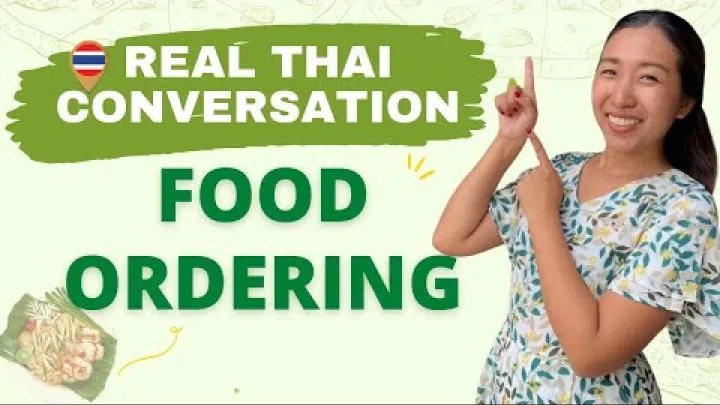
Local etiquette is practical. Share tables during busy hours, keep your space tidy, and return bowls and utensils to a designated station if one is provided. Payment usually happens after you finish. If there is a queue, place your order, step aside to let others order, and listen for your number or dish name to be called. This rhythm keeps high-traffic stalls moving and shortens wait times for everyone.
Ordering steps and seasoning to taste
Follow a simple sequence to streamline ordering, even at busy stalls:
- Scan the menu board or display and point to the dish you want.
- Specify protein or noodle type (for example: shrimp, chicken, tofu; sen lek, sen yai, sen mee, or ba mee).
- Request a spice level. Say “mild” or “not spicy,” or use Thai: “mai phet” (not spicy), “phet nit noi” (a little spicy).
- Confirm add-ons like egg or extra vegetables if desired.
- Wait nearby, then pay after the dish arrives unless told to prepay.
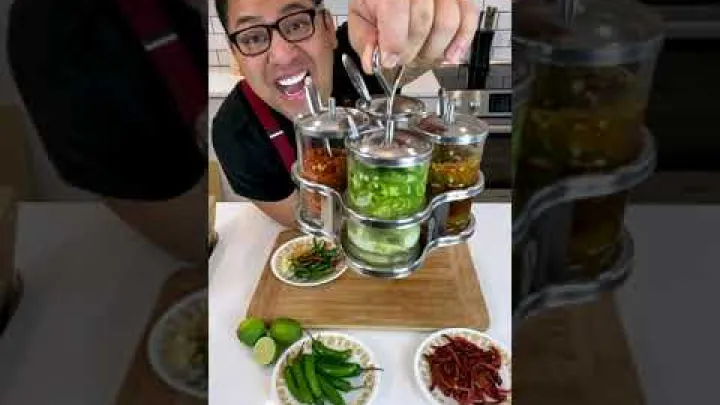
Season at the table using the standard caddy. Chili flakes or chili paste increase heat; fish sauce boosts saltiness; vinegar or pickled chilies add sourness; sugar softens sharp edges; crushed peanuts add richness and texture. If you need to avoid certain ingredients, simple phrases help: “mai sai nam pla” (no fish sauce), “mai sai kapi” (no shrimp paste), or “allergy” with a brief explanation. Pointing to ingredients is effective when language is a barrier.
Vegetarian and halal-friendly choices
Vegetarian diners can ask for “jay,” which signals a Buddhist vegetarian style that avoids meat, fish, and often egg and dairy. Confirm specifics if you also avoid eggs: “mai sai khai” (no egg). Many stir-fries work well with tofu and vegetables, and vendors can prepare papaya salad without fish sauce on request. Desserts such as Banana Roti (without egg), coconut puddings, and fresh fruit are easy vegetarian choices.
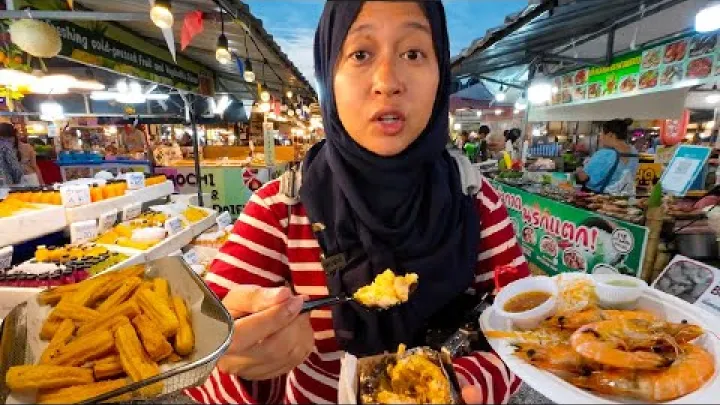
Halal food is common in southern-influenced neighborhoods and near mosques, and you will see halal signage at compliant stalls. Grilled chicken, beef satay, and roti with curry are frequent halal-friendly options. Be aware of hidden ingredients in otherwise vegetable-forward dishes, including fish sauce, shrimp paste, or lard. Ask briefly and clearly, and vendors will usually guide you to a suitable option or prepare a custom plate if their setup allows.
Frequently Asked Questions
What is Thai street food and why is it famous?
It is everyday food prepared at carts, stalls, and small shopfronts. Thailand street food is famous for fast service, balanced flavors, variety, and value. Night markets and areas like Bangkok’s Chinatown helped launch it worldwide, with menus spanning noodles, curries, seafood, grills, and sweets.
How much does street food cost in Thailand on average?
Most single dishes cost 40–100 THB. Skewers run 10–30 THB each, desserts 30–60 THB, and seafood plates 100–250 THB or more. Prices depend on ingredients, portion size, location, and vendor reputation. Drinks usually fall between 10–40 THB, while fruit shakes are 30–60 THB.
Where is the best street food in Bangkok for first-time visitors?
Start with Yaowarat (Chinatown) for high variety in a compact area. Also explore Banglamphu and Old Town, Sam Yan for mornings, Song Wat Road, and Bangrak for heritage stalls. For convenience and shared seating, Jodd Fairs markets are reliable evening choices.
Is Thai street food safe to eat and how can I avoid getting sick?
Yes, when you pick busy stalls with hot, freshly cooked food. Look for clean oil, separate raw and cooked areas, covered storage, and handwashing. Drink bottled water, prefer commercial tube ice, wash hands before eating, and skip dishes that have been sitting at room temperature.
When do Bangkok night markets open and what are peak hours?
Most open from late afternoon to late night, commonly 5:00 PM–11:00 PM. Peak time is 6:30–9:00 PM. Morning-focused markets like Sam Yan run early, with busiest hours around 7:00–9:00 AM. Individual markets vary by day and season.
What Thai street food dishes should I try first?
Good first picks include Pad Thai, Boat Noodles, Hoi Tod (fried mussels), Khao Man Gai (chicken rice), and Mango Sticky Rice. Add grilled pork skewers (Moo Ping) and papaya salad if available. These dishes show the classic sweet–salty–sour–spicy balance.
Can vegetarians or vegans find Thai street food options?
Yes. Ask for “jay” (vegetarian style) and confirm “no fish sauce” or “no egg” if needed. Tofu stir-fries, vegetable noodles, and fruit-based desserts are widely available. Watch for hidden fish sauce or shrimp paste in salads and curries.
How do I order and adjust spice levels at street stalls?
Order by dish name and protein, then request your spice level. Say “mai phet” for not spicy or “phet nit noi” for a little spicy. Taste first, then adjust with table condiments: chili, vinegar or pickled chilies, fish sauce, and sugar.
Conclusion and next steps
Thailand street food brings together cultural history, precise flavor balance, and everyday convenience. Start with familiar dishes, visit high-density areas like Yaowarat and Bangrak, and sample regional specialties in Chiang Mai, Phuket, and Pattaya. Keep a flexible budget based on ranges, choose busy stalls with hot food, and use condiments to tailor flavors. With these practical steps, you can navigate Bangkok Thailand street food and regional markets confidently, eating well at any time of day.
Select area
Create a post
Posting is free and no registration is required.