Thailand Luxury Resorts: Best Places to Stay, When to Go, and How to Choose

This guide explains where to stay, the best months to visit, what to budget, and how to match a resort to your style.
Thailand’s luxury at a glance
Thailand’s modern luxury scene is defined by variety: beach hideaways with cinematic sunsets, wellness-led retreats on quiet islands, heritage-rich city hotels, and northern sanctuaries that honor Lanna design. Guests come for privacy, immersive spa traditions, and food that ranges from chef-led tasting rooms to market-fresh Thai cuisine. Value is strong relative to other long-haul destinations, and service is attentive without being intrusive.
- Season quick facts: Andaman coast (Phuket/Krabi) shines October–April; Gulf coast (Koh Samui/Phangan) is most reliable January–August; the North (Chiang Mai/Golden Triangle) is ideal November–February.
- Typical rates: mainstream five-star from mid to high hundreds USD; ultra-luxury villas from low thousands USD, varying by season and villa size.
- Examples: Amanpuri in Phuket, Phulay Bay in Krabi, Soneva Kiri on Koh Kood, Mandarin Oriental Bangkok on the Chao Phraya River.
What “luxury” means in Thailand today
In Thailand, luxury usually means a private villa or suite with outdoor space, often a private pool, and discreet service from staff who anticipate needs. On the beach, that translates to panoramic sea views and sunset-facing decks; in the jungle, to generous terraces framed by palms and birdsong; in cities, to river panoramas and quiet, insulated rooms that feel removed from the bustle.
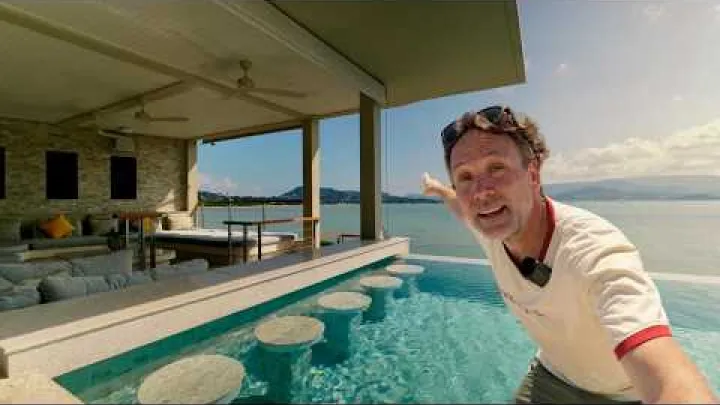
Typical inclusions at luxury resorts in Thailand often cover daily breakfast, Wi‑Fi, and access to fitness and non-motorized water sports. Add‑ons can include airport transfers, spa treatments, private dining, and excursions such as yacht charters or guided temple visits. In villa-heavy properties, butler service may be included at higher categories. Clarify what your rate includes before booking, and note that special experiences like private boat trips, chef’s tables, and destination dining generally carry surcharges.
Value, service ethos, and brand ecosystem
Thai hospitality emphasizes warmth, calm efficiency, and attention to detail. This ethos shows up in thoughtful touches: chilled towels at arrival, proactive housekeeping, and staff who remember preferences from morning coffee to pillow type. The market blends global flagships with Thai-led boutiques, giving travelers a wide range of styles—from minimalist sanctuaries to richly decorated heritage hotels—at competitive price points.
Value is enhanced through frequent inclusions and packages. Many luxury resorts in Thailand bundle daily breakfast, shared or private transfers, resort credits for dining or spa, and soft adventures like yoga or snorkeling. Loyalty benefits may add upgrades or late check-out. Because rates fluctuate by season, look for stay‑pay promotions or early‑booking offers that can deliver meaningful savings without compromising on experience.
Best regions for luxury stays
Thailand has two main beach systems that alternate weather patterns through the year, plus a culturally rich North and a capital city with world-class riverside hotels. Understanding regional trade-offs helps you match your travel window to the right coast and setting.

| Region | Best months | Access | Notes |
|---|---|---|---|
| Phuket/Krabi (Andaman) | Oct–Apr | HKT/KBV + road/boat | Dramatic cliffs, sunsets, excellent yachting |
| Koh Samui/Phangan (Gulf) | Jan–Aug | USM + road/boat | Calmer mid‑year seas, strong wellness and family options |
| Chiang Mai/Golden Triangle | Nov–Feb | CNX/CEI + road | Culture, crafts, conservation, cooler air |
| Bangkok Riverside | Year‑round | BKK/DMK + river boat | Art, dining, heritage, easy flight connections |
Andaman Sea (Phuket, Krabi): October–April prime season
The Andaman coast delivers the classic west‑facing sunsets, with calmer seas and clearer visibility from roughly October to April. During this window, yacht days around Phang Nga Bay, dives at Koh Racha, and island‑hopping to the Phi Phi archipelago are most dependable. From May to October, expect more frequent showers and stronger swells, which can affect certain boat trips and beach conditions.

Access is via Phuket (HKT) and Krabi (KBV). Typical road transfers from HKT: 20–40 minutes to Mai Khao, Nai Yang, and Bang Tao; 45–75 minutes to Kamala, Surin, and Patong; about 60–90 minutes to Kata/Karon or Cape Panwa. From KBV, allow 30–45 minutes to Ao Nang piers and 45–75 minutes to Klong Muang or Tubkaek beaches. Cliffside villas and beachfront estates abound, many oriented for sunsets; confirm seasonal sea state if easy swimming is a priority.
Gulf of Thailand (Koh Samui, Koh Phangan): January–August reliability
The Gulf side, anchored by Koh Samui, is typically most settled from January through August, making it popular for families and wellness travelers seeking smoother seas and consistent sunshine mid‑year. Samui Airport (USM) offers convenient access to the island’s north and northeast bays, where many luxury beach resorts in Thailand cluster along swimmable shores.

Koh Phangan is reached by boat from Samui or Surat Thani. High‑speed ferries and catamarans from Samui’s piers to Thong Sala usually take about 30–60 minutes, while private speedboats can be as swift as 20–30 minutes depending on sea conditions. Resorts often arrange pier transfers; in wavier months (typically October–December), schedules can shift, so keep plans flexible and verify last‑mile details before departure.
North (Chiang Mai, Golden Triangle): Culture and wellness (Nov–Feb best)
Northern Thailand pairs cool, dry winter air with temple‑studded old towns, artisan workshops, and forested hills. The November–February period is most comfortable for outdoor touring, cooking classes, and spa time in nature. Resorts draw on Lanna heritage through teak, hand‑woven textiles, and traditional craft motifs, often with meditation salas and herbal steam rituals.

Access via Chiang Mai (CNX) or Chiang Rai (CEI) is straightforward, with scenic road transfers to countryside estates. Note that air quality can deteriorate around March–April in some years due to regional agricultural burning. If you are sensitive, consider earlier winter months, monitor local conditions, and choose properties with strong air filtration and indoor wellness facilities.
Bangkok riverside icons: Urban luxury, art, and dining
The river setting softens the city’s pace while placing you near Wat Arun, the Grand Palace, and creative neighborhoods on both banks.

International flights land at Suvarnabhumi (BKK), while Don Mueang (DMK) handles many domestic services—ideal for multi‑stop itineraries. River shuttles and public boats can outpace road traffic during peak hours, offering reliable connections to cultural sites and dining precincts. Staying riverside also means easy access to skytrain and metro interchanges via hotel boats to central piers.
Koh Kood for ultra-seclusion
It is a strong match for travelers who want privacy, spacious villas, and nature‑first experiences like snorkeling, paddleboarding, and stargazing with minimal crowds.

Access is typically via Trat (TDX), followed by road to a private pier and a resort‑arranged speedboat, or by scheduled small aircraft where available. Sea conditions can disrupt boat timetables in windier months; allow buffer time on arrival and departure days and discuss contingency plans with your resort in case of weather‑related changes.
Standout luxury resorts to consider
Thailand’s top properties share high service standards but differ in setting, design, and programming. Whether you want ultra‑private villas, family‑ready facilities, or design‑forward addresses, the choices below can anchor a memorable itinerary. Always confirm seasonality, transfer requirements, and what is included in your chosen package.
Ultra-luxury and signature stays (Amanpuri, Soneva Kiri, Phulay Bay RC Reserve)
Ultra‑luxury properties distill Thailand’s most refined qualities: privacy, architecture that lets the landscape lead, and teams that personalize every detail. Indicative rate tiers can start from the low thousands USD per night for entry villas in shoulder months and rise significantly for larger residences or festive periods. Holiday weeks and peak weather windows sell out early.

Consider booking 3–6 months ahead for high season and even earlier—often 9–12 months—for peak festive dates. Check deposit and cancellation terms, which can be stricter at this tier. Sample signatures include Amanpuri’s minimalist pavilions and discreet service on Phuket’s west coast; Soneva Kiri’s remote‑luxury ethos on Koh Kood with playful dining like treetop experiences; and Phulay Bay, a Ritz‑Carlton Reserve in Krabi with butlers and views to karst limestone seascapes.
- Amanpuri (Phuket): Low‑profile villas, private pools, refined Thai‑Japanese wellness.
- Soneva Kiri (Koh Kood): Eco‑led design, large residences, destination dining and observatory.
- Phulay Bay, a Ritz‑Carlton Reserve (Krabi): Dedicated butlers, dramatic sunsets, boat access to islands.
Family-forward luxury (Four Seasons Koh Samui, Pimalai, Sri Panwa)
Families look for safe-swim beaches, kids clubs, and multi‑bedroom villas that keep everyone under one roof. Four Seasons Koh Samui runs engaging kids programming and hillside villas with private pools; Pimalai on Koh Lanta fronts a long, gently shelving beach; and Sri Panwa near Phuket offers multi‑bedroom villas with kitchenettes and lively dining zones.
Check the availability of two‑ to four‑bedroom villas and ask about babysitting policies—many luxury resorts offer on‑request babysitting for a fee, with minimum hours and age guidelines. Sea conditions vary by season and coast, which may affect swim suitability for younger children; staff can advise on protected bays and daily conditions.
- Four Seasons Koh Samui: Kids club, family villas, calm bays mid‑year.
- Pimalai Resort & Spa (Koh Lanta): Wide beachfront, nature activities, easy boat links to nearby islands.
- Sri Panwa (Phuket): Multi‑bedroom villas, rooftop venues, convenient for yachting.
Design and eco-leaders (The Slate, The Racha, Rayavadee)
Design lovers find strong statements across Thailand, from adaptive industrial motifs to barefoot‑luxury minimalism. The Slate near Nai Yang in Phuket plays with tin‑mining heritage and contemporary art direction, while The Racha on Racha Yai pairs clean lines with a white‑sand bay and eco‑tech like renewable energy and advanced water systems.

Transfers matter at these settings. The Racha is typically reached by resort speedboat from Phuket’s southeast (often 30–45 minutes, sea‑state dependent). Rayavadee occupies a peninsula at Railay in Krabi; access is by boat or longtail from Ao Nang or Nopparat Thara, often 10–20 minutes depending on tides and conditions. Confirm luggage handling, pier meeting points, and weather protocols in advance.
- The Slate (Phuket): Industrial‑chic design, walkable to Nai Yang beach, local craft accents.
- The Racha (Racha Yai): Reef‑friendly focus, bright bay setting, clear‑water snorkeling.
- Rayavadee (Railay, Krabi): Limestone amphitheater, nature trails, boat-only access.
Urban legends (Mandarin Oriental Bangkok, Capella Bangkok, The Siam)
Bangkok’s riverside legends combine deep heritage with contemporary polish. Mandarin Oriental Bangkok is celebrated for storied service and landmark dining rooms, elegant afternoon tea, and curated cultural programming. Capella Bangkok brings a residential feel with personal hosts and river‑view suites, while The Siam offers art‑deco flair, lush courtyards, and private boat access to the city’s heart.

Expect chef‑led dining and distinctive venues across these hotels. Look for Thai degustations, riverside grills, refined patisseries, and cocktail bars with skyline views. Advance reservations are prudent for marquee restaurants and limited‑seat culinary experiences, especially on weekends and during holiday periods.
- Mandarin Oriental Bangkok: Heritage wings, celebrated fine‑dining rooms, river culture access.
- Capella Bangkok: Contemporary suites, personal hosts, chef‑driven restaurants.
- The Siam: Boutique scale, museum‑quality antiques, private pier and boat.
When to go: seasonality and weather
Thailand’s dual‑coast climate means there is almost always a good beach option somewhere, provided you match your dates to the right side. The Andaman Sea tends to be ideal October–April, while the Gulf of Thailand is most reliable January–August. Northern Thailand’s cool, dry season (November–February) is best for culture‑heavy itineraries and outdoor wellness.
Month-by-month overview by region
Use the simple month‑to‑region guide below to align your travel window with beach and culture. Remember that microclimates and year‑to‑year shifts can create exceptions, especially at shoulder edges. If your dates straddle seasons, consider splitting time between regions to hedge weather risk.

- January–February: Andaman excellent; Gulf excellent; North excellent.
- March–April: Andaman good; Gulf good to excellent; North warm and can see air‑quality dips.
- May–June: Andaman variable with showers; Gulf good; quieter beaches and value.
- July–August: Andaman mixed; Gulf excellent; popular for family travel.
- September: Transition month with value; monitor forecasts; consider North for culture.
- October: Andaman improving; Gulf wetter late month; Bangkok/North pleasant.
- November–December: Andaman prime; Gulf variable to wet; North prime and festive.
High, shoulder, and green season trade-offs
High season typically brings the most stable weather and fullest activity menus, along with higher nightly rates and tighter availability. Shoulder and green seasons offer attractive pricing and fewer crowds, but boat excursions, underwater visibility, and some water sports may be limited by sea state or rain patterns. Urban and northern destinations are less weather‑sensitive, while remote islands are more affected by sea conditions.

As a general guide, shoulder and green seasons can deliver meaningful savings—often on the order of double‑digit percentages compared with peak weeks—and added value via credits or stay‑pay deals. If traveling in wetter months, choose flexible or refundable rates where possible, check activity cancellation policies, and plan more resort‑centric days with spa, wellness, and dining experiences if the weather turns.
How to choose the right resort
Start with your priorities—privacy, swim‑ready beach, wellness programming, design, or easy access—and pair them with the right coast for your dates. Then check transfers, package inclusions, and room categories to make sure the experience matches your expectations. Small details like tides, boat schedules, or accessibility features can shape comfort day to day.

By traveler type: couples, families, wellness seekers, design lovers
Couples often value privacy, adult‑only pools, and spa suites with hydrotherapy features. Villas with sunset decks, in‑villa dining, and private yoga fit honeymooners or milestone trips. Families benefit from kids clubs, shallow shelving beaches, connecting rooms, and multi‑bedroom villas, plus restaurants with children’s menus and early seating.

Wellness seekers should look for integrated programs, resident experts, and comprehensive facilities—from medical‑grade diagnostics to herbal saunas and movement studios. Design lovers may prioritize signature architecture, notable landscape design, and curated art. For travelers with mobility needs, confirm step‑free access, lift availability, ramped paths, and buggy services; some hillside or boat‑only resorts may pose challenges without advance planning.
By logistics: airport access, transfers, private charters
Key gateways include Bangkok (BKK/DMK), Phuket (HKT), Krabi (KBV), Koh Samui (USM), Chiang Mai (CNX), Chiang Rai (CEI), and Trat (TDX). Transfers range from short 15–30‑minute drives to 60–120‑minute journeys, and certain islands require scheduled ferries, resort speedboats, or small aircraft. Private speedboats, yachts, or helicopters can reduce travel time where available, subject to weather and daylight.

For small planes and boats, check baggage allowances, sea‑state protocols, and backup procedures in case of delays. Confirm pier names, meeting points, and whether luggage is handled pier‑to‑villa. If arriving late, consider an overnight near the airport before continuing to a remote island the next morning.
By setting: beachfront, jungle, riverfront, island seclusion
Beachfront settings promise direct swim access and sunsets but can experience seasonal swells and variable visibility. Cliffside perches bring big views but may involve steps or buggy rides. Jungle or hillside resorts deliver quiet immersion in nature and cooler evenings; expect higher humidity and more insects, which properties mitigate with design and maintenance.

Riverfront hotels in Bangkok blend culture access with fine dining and efficient boat links. Ultra‑secluded islands maximize privacy and sky brightness for stargazing, with longer transfers and occasional weather‑related schedule changes. Wherever you stay, check local tide charts and observe beach swimming flags or lifeguard guidance for safe water time.
Costs and value tips
Budgeting for luxury in Thailand depends on the coast, the season, and the room category. Oceanfront and cliff‑top villas command premiums, as do festive weeks and school holidays. Packages can change the value equation when they bundle breakfast, transfers, spa time, or dining credits—compare total trip cost rather than room rate alone.

Typical nightly rates by tier and season
As a broad frame, mainstream five‑star resorts often range from about US$250–US$700 in shoulder periods and US$700–US$1,500+ in peak windows. Ultra‑luxury villas can start around US$1,500 and rise to US$5,000+ depending on bedroom count, privacy, and view. Remote islands and limited‑inventory suites tend to price higher.

Confirm whether quoted rates are inclusive or exclusive of prevailing taxes and service charges, which are commonly added in Thailand. View category, location within the resort, and sunset orientation can materially affect pricing; so can occupancy forecasts and special events. Flexible rates may cost more upfront but can protect against plan changes.
Spa, activities, and dining budgets
Spa pricing at five‑star level reflects skilled therapists and generous treatment times; a 90‑minute signature massage is a common benchmark for planning. Private beach dinners, chef tables, and wine pairings add celebratory elements at a premium. Resort dining is typically priced above local restaurants, while in‑villa barbecue or floating breakfast setups incur surcharges.

Activity budgets vary by mode. Half‑day private boat charters, diving or snorkeling trips, and on‑island guided tours are usually priced per boat, per guest, or per hour. Currency fluctuates; check live USD/THB rates when comparing packages and consider using cards with favorable foreign exchange terms.
How to save without compromise (shoulder seasons, packages)
To optimize value, look at shoulder periods with historically decent weather for your chosen coast, then stack early‑booking or stay‑pay deals. Packages that include daily breakfast, round‑trip transfers, and resort credits can reduce incidental spending and simplify planning. Loyalty memberships may unlock upgrades or late check‑out during quieter weeks.
Read the fine print on discounted rates—cancellation windows can be tighter during wetter months, and some promotions are non‑refundable. If weather risk is a concern, choose flexible terms, buy travel insurance that covers disruptions, and plan activities that work well rain or shine, such as spa circuits and chef’s table dinners.
Wellness and dining highlights
Thailand’s spa and dining scenes are global draws. Dedicated wellness retreats deliver structured programs with diagnostics and therapies, while resort restaurants showcase regional produce through both Thai and international cuisines. Many properties also offer hands‑on cooking classes and market visits for deeper culinary context.
Dedicated retreats (Chiva-Som, Kamalaya, RAKxa)
Chiva‑Som in Hua Hin, Kamalaya on Koh Samui, and RAKxa on Bangkok’s green Bang Krachao peninsula specialize in goal‑based wellness. Programs commonly include consultations, daily therapies, movement classes, and tailored meal plans across focus areas such as detox, sleep support, stress management, metabolic health, and integrative medicine.

These retreats encourage intention setting before arrival. You may be asked to complete health questionnaires so the team can personalize treatments and nutrition. Spaces can be limited in peak months, so book early if you prefer a specific program length or practitioner.
Chef-led and experiential dining (Capella, Mandarin Oriental, Soneva)
Bangkok’s riverside hotels host chef‑led Thai degustations, refined patisserie, and intimate counters with limited seats. On the islands, experiential concepts—such as treetop pods or stargazing dinners—add a sense of place while highlighting sustainability, fermentation, and garden‑driven produce.
Reserve ahead for special venues, particularly on weekends and during vacation periods. If you have dietary needs or prefer early or late seatings, share preferences when booking; culinary teams are accustomed to accommodating requests with advance notice.
Cooking classes, farm-to-table, and dietary flexibility
Many resorts offer cooking schools that start with a market visit, move into hands‑on preparation of staples like green curry or som tam, and conclude with a shared meal. Northern properties often run farm‑to‑table programs, drawing herbs and vegetables from on‑site gardens and partnering with regional producers.
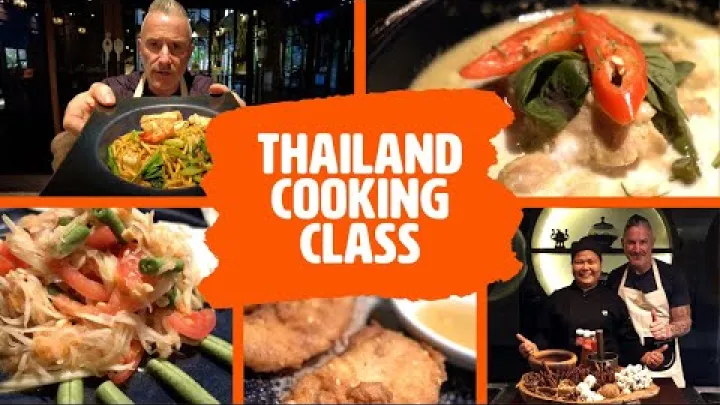
Dietary needs—vegan, halal, gluten‑free, low‑FODMAP—are widely handled with prior notice. For best results, provide requirements before arrival so culinary teams can plan ingredients and cross‑contact protocols. In‑villa dining can also be tailored for specific diets and children’s preferences.
Sustainability and design
Sustainability is increasingly central to luxury in Thailand, from renewable energy and efficient cooling to reef‑safe amenities and community partnerships. Design choices—traditional or contemporary—also shape comfort through airflow, shading, and acoustics, which matter in tropical heat and seasonal rains.
Eco-forward operations you can look for
Meaningful programs go beyond reusable bottles. Indicators include on‑site solar or other renewables, greywater and rainwater systems, composting, and elimination of single‑use plastics. Marine protection efforts—such as reef‑safe bath amenities, mooring buoys to reduce anchor damage, and guided snorkeling with conservation briefings—add tangible impact in island settings.
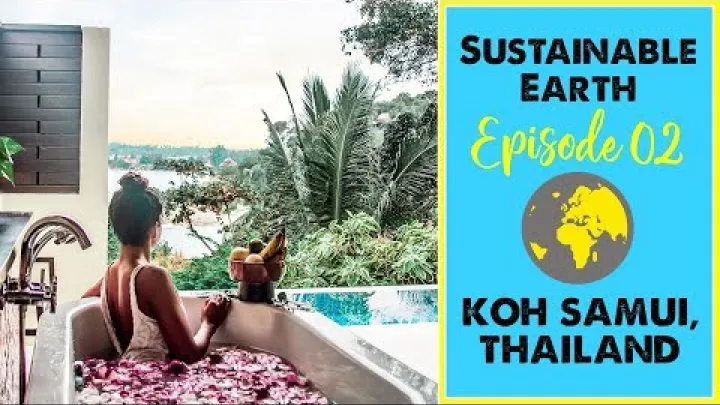
Community engagement matters too: hiring locally, craft collaborations, and education initiatives. Third‑party certifications like EarthCheck or Green Globe can support credibility. When in doubt, ask to see a public sustainability report or webpage outlining goals, actions, and progress updates.
Traditional vs contemporary architecture and adaptive reuse
Traditional Thai and Lanna design brings steep roofs, deep overhangs, and carved wood, which encourage shade and cross‑ventilation. Contemporary builds may favor minimal lines, large glass panels, and concrete for thermal mass, offset by smart shading and landscape design. Bangkok adds a layer of adaptive reuse—turning heritage houses or industrial shells into refined hospitality spaces with character.

Accessibility sits alongside aesthetics. If step‑free routes, lifts, or accessible bathrooms are essential, confirm room placement and pathways in advance, especially at hillside or boat‑only properties. Good design balances drama with comfort, wayfinding, quiet acoustics, and practical features for all guests.
Suggested luxury itineraries
Mixing regions lets you enjoy beach, culture, and cuisine in one trip. Consider flight sequences that reduce backtracking, match each segment to its best season, and leave breathing room for transfers. The outlines below are classic flows you can adjust to pace and interests.

7 days: Bangkok + Koh Samui (beach + wellness)
A compact week can pair the Chao Phraya’s culture with Gulf‑coast calm. Plan a buffer day on arrival in Bangkok to reset after long‑haul travel, visit riverside temples and markets, and ease into the time zone. Then fly to Koh Samui (BKK–USM) for a restorative stretch of spa days, calm‑sea swims, and a boat trip to Ang Thong National Marine Park when conditions suit.

Resort choices can skew toward couples—private villas, spa suites, and low‑key dining—or toward families, with kids clubs and multi‑bedroom villas. Wellness‑focused travelers might anchor the week with a structured program or combine daily yoga and Thai massage with light excursions.
10 days: Bangkok + Chiang Mai + Phuket/Krabi (culture + beach)
This balanced itinerary flows 2 nights Bangkok, 3 nights Chiang Mai, and 5 nights on the Andaman coast (BKK–CNX–HKT/KBV). Start with the river for art and dining, continue north for temples, night markets, and ethical wildlife or craft experiences, then finish with beach time among limestone seascapes.

Sequence matters: choose the Andaman coast October–April for calmer seas and clearer water. If traveling mid‑year, flip the beach segment to the Gulf (USM) instead. Keep domestic flights mid‑day when possible to reduce early starts and build in time margins for connections.
8–9 days: Ultra-seclusion at Koh Kood with Bangkok bookends
For maximum privacy, bookend a Koh Kood stay with nights in Bangkok. Fly to Trat (TDX), continue by road to a private pier, and transfer by resort boat; some seasons may also see small aircraft options. Once on the island, focus on wellness rituals, reef‑safe snorkeling, sunrise paddles, and in‑villa dining.

Because sea state can affect small planes and boats, discuss contingency plans before booking. Allow buffer time on both ends of the island segment in case of weather‑related changes, and pack light for easier pier transfers. This flow suits honeymooners and anyone seeking a digital detox.
Frequently Asked Questions
When is the best time to visit Thailand for luxury beach resorts?
The best time is October–April for the Andaman (Phuket/Krabi) and January–August for the Gulf (Koh Samui). November–February offers the most stable weather in the North (Chiang Mai). Green season (June–October) brings lower rates and fewer crowds, with intermittent rain.
Which is better for luxury resorts, Phuket or Koh Samui?
Both are excellent, but they differ by season and vibe. Phuket offers diverse beaches, dining, and cliffside villas with best weather October–April. Koh Samui has calmer seas and wellness-focused resorts with reliable sun January–August and strong family options.
How much does a luxury resort in Thailand cost per night?
Expect about US$250–US$700 per night for mainstream five-star stays in shoulder seasons and US$700–US$1,500+ in peak periods. Ultra-luxury villas can range from US$1,500 to US$5,000+ per night. Rates vary by location, season, and villa size.
Are there true all-inclusive luxury resorts in Thailand?
Fully all-inclusive luxury is uncommon; most resorts offer bed-and-breakfast or half-board packages. Dedicated wellness retreats (e.g., Chiva-Som, Kamalaya) often include meals and therapies in program rates. Look for seasonal packages that bundle dining, spa credits, or transfers.
What are the best luxury family resorts in Thailand?
Four Seasons Koh Samui (kids club, family villas), Pimalai on Koh Lanta (easy beach access), and Soneva Kiri (The Den, nature activities) are standouts. Many offer multi-bedroom villas, kids’ programming, and flexible dining to support family comfort.
Which Thailand resorts are best for honeymoons?
Amanpuri (privacy and understated luxury), Phulay Bay, a Ritz-Carlton Reserve (butlers and private pools), and Rayavadee (dramatic setting) are popular. Koh Samui and Phuket properties can arrange private dinners, couples’ spa, and in-villa experiences.
How many days do I need for a Thailand luxury vacation?
Plan a minimum of 7 days for one city plus one beach area. Ten days allows Bangkok + Chiang Mai + a beach region. Add time for remote islands (e.g., Koh Kood) due to transfers and to enjoy resort-centric activities.
Is the rainy season a bad time to book a luxury resort?
No, it can offer high value with 30–50% lower rates and lush landscapes. Rain is often intermittent, but sea conditions vary by coast; consider Koh Samui in mid-year and Andaman in late year. Flexible plans and resort facilities help maximize enjoyment.
Conclusion and next steps
Thailand’s luxury resorts excel because they balance place, privacy, and service with a wide choice of settings. The Andaman coast shines from October to April with dramatic sunsets and boat days, while the Gulf is a dependable mid‑year choice for families and wellness. In the North, cool winter months frame culture, crafts, and nature‑led spa time, and Bangkok’s riverside hotels deliver art and dining with convenient flight links.
Choosing well starts with dates and region, then moves to logistics, setting, and inclusions. Clarify transfers, what your rate covers, and any seasonal limits on activities. Consider accessibility needs, daily sea conditions, and flexible cancellation terms if traveling in shoulder periods. With that groundwork, you can shortlist properties that fit your style—ultra‑private villas, family‑ready beach estates, design‑first addresses, or wellness retreats—and plan a trip that feels both effortless and deeply rooted in Thailand’s sense of hospitality.
Select area
Create a post
Posting is free and no registration is required.