Thailand Entry Visa 2025: Requirements, e‑Visa, and Multiple Entry Options

Planning a trip to Thailand in 2025? Understanding the Thailand entry visa rules will help you choose the right path: visa‑free entry, Visa on Arrival, or applying for the e‑Visa before you fly. Most travelers see streamlined processing this year, but eligibility varies by nationality and trip purpose. Use this guide to learn the latest on the mandatory Thailand Digital Arrival Card (TDAC), tourist visas like SETV and METV, fees, extensions, and re‑entry options.
In 30 seconds: many nationalities get 60 days visa‑free and can extend by 30 days; Visa on Arrival grants 15 days at select checkpoints; and the e‑Visa portal supports advance applications for longer or multiple trips. Immigration officers make the final decision at the border, so arrive prepared with accurate documents and a clear plan.
Quick answer: Who needs a Thailand entry visa in 2025?
Most short‑stay visitors either qualify for visa‑exempt entry, can use Visa on Arrival (VOA), or must obtain a visa in advance. The correct route depends on your passport, intended length of stay, number of entries, and purpose of visit. While many travelers can enter without a prior visa for tourism, others will need to apply online through the Thailand e‑Visa portal before departure, especially for longer stays or multiple trips.
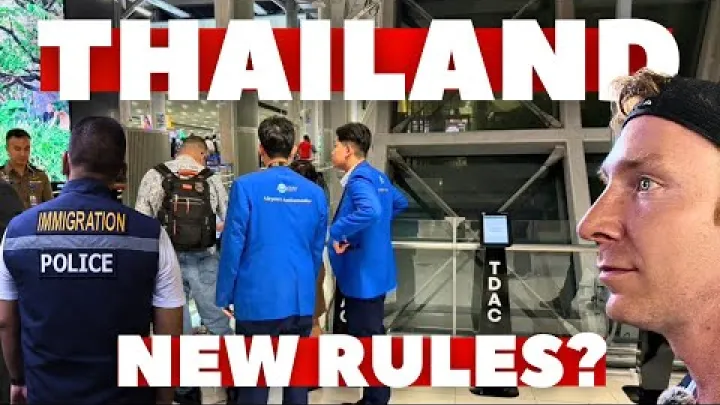
Policy changes can occur throughout the year, and the same rules do not apply to every nationality. Check current guidance with a Royal Thai Embassy or Consulate and ensure your passport has sufficient validity, blank pages, and consistent personal data across tickets, TDAC, and visa forms. Remember that the final decision to admit a traveler rests with immigration officers at the checkpoint, even if you have an approval email or visa sticker.
Visa exemption (60 days, +30-day extension)
Many nationalities receive visa‑exempt entry for 60 days in 2025 for tourism. This is convenient if you plan a single stay of up to two months, with the option to extend by 30 days once at a local immigration office. Visa‑exempt travelers should carry a valid passport, an onward or return ticket, and proof of accommodation and funds. Entry is always at the discretion of the immigration officer.
Eligibility for visa exemption varies by nationality and can change. Always verify your status and the permitted length of stay with a Royal Thai Embassy or Consulate before travel. If you later decide to stay longer, a 30‑day extension is typically available at a provincial immigration office for a fee, subject to approval. Plan your timeline so you can visit immigration well before your current permission expires.
Visa on Arrival (15 days for eligible nationalities)
Visa on Arrival offers a 15‑day stay for eligible passports when entering at designated checkpoints. It suits quick visits where e‑Visa processing time is not practical, but it comes with stricter conditions and a shorter permitted stay. You generally need a passport, a recent photo, proof of accommodation, an onward or return ticket within 15 days, and funds to support your trip.
Travelers should be prepared to show at least 10,000 THB per person or 20,000 THB per family in funds if requested. Eligibility lists and participating airports or land borders can change, and approval is not guaranteed. Confirm current rules on an official channel and have your documents ready to avoid delays.
When you must apply for a visa before travel (tourist, DTV, Non‑Immigrant)
You must apply in advance if you are not visa‑exempt or not eligible for VOA, or if your trip needs a longer stay or multiple entries. Common categories include the Tourist Visa (single‑entry SETV or multiple‑entry METV), the Destination Thailand Visa (DTV) for longer stays with specific criteria, and Non‑Immigrant visas such as B (business), ED (education), O (visiting family), and others. These are applied for through the Thailand e‑Visa portal in most countries.
Processing usually takes 2–10 business days after you submit a complete application, though times can be longer in peak season. Before applying, check that your passport validity, personal data, and travel details are consistent across all forms, tickets, and accommodation records. Submitting accurate, consistent information reduces questions from the embassy and helps avoid refusal or delays.
TDAC: Thailand Digital Arrival Card (mandatory for all travelers)
From May 1, 2025, every traveler must complete the Thailand Digital Arrival Card (TDAC) before reaching the immigration counter. TDAC replaces the paper TM6 and captures key details like your flight, accommodation, and contact information. Submitting accurate data in advance helps immigration officers process arrivals faster and reduces queues at busy airports.

Complete TDAC within the three days before your arrival, then save the confirmation as a QR code or printable receipt. Keep this alongside your passport, boarding pass, and visa or approval letter if applicable. If you realize there is an error after submission, file a corrected form as soon as possible so the information in the immigration system matches your documents and tickets.
What TDAC is and when to submit (within 3 days before arrival)
TDAC is the official digital replacement for the TM6 arrival card and is mandatory for all passengers, regardless of nationality or visa type. You submit it online within 72 hours before landing, which allows Thai Immigration to pre‑validate basic data. This modernized step reduces paperwork at the counter and can shorten your time in queue.
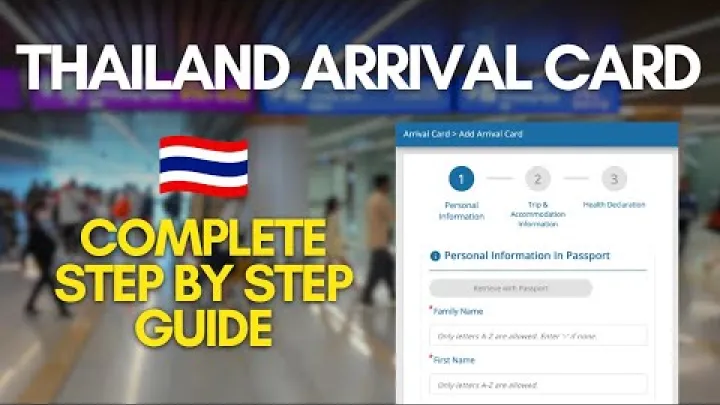
Submit TDAC at the official portal and retain the confirmation to present on request. If any detail is incorrect, submit a new, corrected form before you travel or immediately upon noticing the mistake. Keep your passport, flight information, and accommodation address at hand so you can enter them accurately and avoid mismatches with airline manifests or e‑Visa records.
- Official portal: tdac.immigration.go.th
- Submission window: within 3 days before arrival
- Keep confirmation: digital QR and/or printed copy
Required fields and proof to show at immigration
TDAC usually asks for your personal details, passport number, nationality, flight number and date, first accommodation address in Thailand, and contact information. Ensure that the spelling, date formats, and numbers match your passport biographic page. Consistency helps when automated systems cross‑check your entry with airline and e‑Visa data.
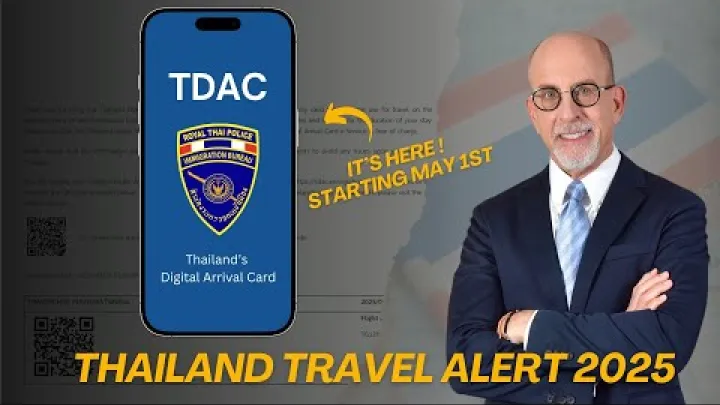
Carry the TDAC confirmation with your passport. You may also be asked for supporting documents such as your return or onward ticket and evidence of accommodation. For names, use the same romanization that appears in your passport’s machine‑readable zone and biographic page to prevent errors across systems and to speed up inspection at the border.
Thailand tourist visas: Single-entry vs Multiple-entry (SETV vs METV)
Tourist visas are the main path when you need more than a visa‑exempt stay or plan multiple trips in a short period. The two common choices are the Single‑Entry Tourist Visa (SETV) and the Multiple‑Entry Tourist Visa (METV). Understanding their validity, stay lengths, and documentation helps you choose the right option for your itinerary and budget.

SETV suits a single extended trip, while METV is designed for travelers who will enter Thailand several times during a six‑month window. Both options typically allow a 60‑day stay on each entry and can be extended once by 30 days at an immigration office, but their validity rules and documentary requirements differ. Choose based on the number of border crossings you expect and the strength of your financial and employment evidence.
Single-entry tourist visa Thailand: stay, validity, and extension
The Single‑Entry Tourist Visa (SETV) generally grants 60 days on entry, with the option to extend once by 30 days at a local immigration office. The visa is usually valid for 90 days from its date of issue, and you must enter within that validity period to use it. This option is ideal for a one‑time trip of one to three months, especially if you do not plan to leave and re‑enter during your stay.
Remember that SETV is a single‑use entry. If you exit Thailand without first obtaining a re‑entry permit, the visa or any extension tied to it will be void, and you will need a new visa or to rely on visa‑exempt/VOA rules where eligible. Keep an eye on your permitted stay and build time into your schedule for an extension visit if you plan to stay beyond the first 60 days.
Multiple entry visa Thailand (METV): validity, entries, and extensions
The Multiple‑Entry Tourist Visa (METV) is commonly valid for six months from issuance and allows multiple entries during that period. Each entry generally confers a 60‑day stay, which can be extended once by 30 days at an immigration office. This structure suits travelers who plan regional trips and need to re‑enter Thailand several times without applying for new visas.

Compared with SETV, METV applications usually involve stronger financial evidence, proof of employment or residency in your country of application, and a more detailed travel plan. METV is issued outside Thailand, so you must obtain it before traveling. It is a practical choice if you expect to cross borders frequently in Southeast Asia and want predictable re‑entry privileges within the six‑month validity window.
Documents, financial proof, and typical fees
Both SETV and METV require a valid passport, recent photo, travel itinerary, accommodation details, and proof of funds. SETV documentation is often lighter, with recent bank statements showing sufficient funds for your stay. Some embassies may ask for travel insurance, employer letters, or additional proof depending on your circumstances and the local policy at the consulate handling your case.
METV applicants should be ready to provide stronger financial evidence, commonly around 200,000 THB in available funds, plus proof of employment or a stable residence in the country of application. Fees vary by embassy and exchange rates, and some posts have extra requirements. Always review the specific Royal Thai Embassy or Consulate page responsible for your jurisdiction before you apply, and follow any file size and format instructions if you are applying through the e‑Visa portal.
When to choose SETV or METV (use cases and trip patterns)
Choose SETV if your plan is one extended trip of 1–3 months with no intention of exiting and re‑entering Thailand during that time. It is straightforward, cost‑effective, and involves lighter documentation. If you might extend by 30 days, consider the extra time needed to visit a local immigration office and the extension fee in your plans.

Choose METV if you expect several trips within a six‑month period or you will be moving around the region with repeated re‑entries to Thailand. METV’s higher documentation threshold can be worth it for flexibility, especially if your itinerary is fluid. Compare the total cost and time needed for METV versus applying for multiple SETVs or relying on visa‑exempt entries, and select the path that minimizes disruptions to your schedule.
How to apply online via Thailand e‑Visa (global platform)
Thailand’s e‑Visa platform allows most applicants to complete the process online without visiting an embassy in person. It is suitable for tourist visas such as SETV and METV, and for common Non‑Immigrant categories handled by the mission responsible for your place of residence. Plan ahead to account for seasonal surges and the time required to gather financial statements, photos, and any supporting letters.
Before you begin, confirm you are applying to the correct embassy jurisdiction on the portal and that your passport has sufficient validity. Scan your passport’s photo page in high resolution, have your digital photo ready, and prepare proof of accommodation and funds. Mismatched names or numbers between your application, TDAC, air tickets, and passport are common causes of delays or refusal, so check every field carefully.
Step-by-step application (2–10 business days)
The e‑Visa process is designed to be simple if you prepare your documents in advance. Create an account on the official portal, select your visa type, and complete the online form with your personal and travel information. Upload the required documents, pay the fee online, and track your application status until a decision is made.

Processing typically takes 2–10 business days after the embassy receives a complete file, but this can be longer over holidays or peak travel periods. Apply well before your intended travel date to accommodate potential backlogs or requests for additional information. Save or print your approval to present to airline staff before boarding and to immigration officers when you arrive.
- Create an account at thaievisa.go.th.
- Select visa type (for example SETV or METV) and mission/jurisdiction.
- Complete the form with details exactly as shown in your passport.
- Upload documents following the portal’s file size and format guidelines.
- Pay the fee online and monitor status; print or save the approval when issued.
Common mistakes that delay or cause refusal
Inconsistencies are the most frequent problem. If the spelling of your name, date of birth, or passport number differs between the e‑Visa application, TDAC, airline ticket, and hotel booking, the embassy may place your file on hold or refuse it outright. Always copy details from your passport’s biographic page and keep the same romanization everywhere.
Other pitfalls include low‑quality scans, missing passport pages, or insufficient financial proof for the visa type requested. Avoid using bookings that cannot be verified. If the mission calls you for clarification, respond quickly and provide clear documentation to keep your application moving.
Entry visa Thailand via e‑Visa: required documents and fees
Core documents usually include a valid passport, recent passport‑style photo, travel itinerary, accommodation confirmation, and bank statements. Depending on the visa type and local embassy policy, you may also need travel insurance, an employment letter or enrollment letter, and additional financial records. Upload files that meet the portal’s format and size rules to avoid submission errors.

Fees are paid online and vary by nationality, visa type, and the mission’s policy. Expect normal processing times of about 2–10 business days after your complete submission, though exact timing depends on workload and the complexity of your case. Keep a copy of your payment receipt and approval for airline check‑in and immigration inspection.
Visa on Arrival and visa-exempt entry: requirements and checks
Travelers using Visa on Arrival or visa‑exempt entry should be prepared for standard checks at the border. Officers may ask for an onward or return ticket, accommodation details, and evidence of funds sufficient for the duration of stay. Meeting these expectations helps demonstrate that you intend to follow the terms of entry and depart on time.

Although visa‑exempt and VOA entries are relatively straightforward, final decisions rest with the immigration officer. Keep your documents organized and answer questions clearly and politely. If you have a complex itinerary or a pattern of back‑to‑back short visits, be ready to explain your travel plan and show bookings that support your account.
Proof of funds, onward ticket, accommodation
Both visa‑exempt and VOA travelers should carry evidence of sufficient funds, confirmed accommodation, and a return or onward ticket within the permitted stay. For VOA, the guideline is often at least 10,000 THB per person or 20,000 THB per family in available funds. Screenshots may help, but printed copies are useful in areas with limited connectivity and can speed inspections.

Keep these documents in your hand luggage for easy access at the checkpoint. Present them only when asked, but have them ready to avoid holding up the line. Clear, consistent information reduces additional questioning and helps ensure a smooth entry.
Border officer discretion and practical tips
Immigration officers make the final decision on entry and length of stay. Provide honest answers, maintain a respectful tone, and present a clear travel plan, especially if you have multiple short trips in your passport history. Frequent back‑to‑back visits can invite questions, so bring proof that supports your stated purpose of travel.

Monitor your permitted stay carefully to avoid overstays, which can lead to fines or bans. If plans change, consider an extension at a local immigration office where eligible. Taking a few minutes to verify dates and rules can prevent unnecessary complications later.
Extending your stay or leaving and re‑entering
Tourist entries, whether via visa exemption, SETV, or METV, often allow a one‑time 30‑day extension within Thailand. Extensions are processed by provincial immigration offices, and the procedure is straightforward if you prepare your documents in advance. If you need to leave Thailand temporarily and return, a re‑entry permit can protect your current permission to stay.
Understanding how extensions and re‑entry permits work helps you avoid unintentional cancellations of your visa or stay. The key distinction is that an METV permits multiple entries during its validity, while a re‑entry permit preserves an existing single‑entry permission when you leave and come back. Choose the right approach based on your itinerary.
30-day extension process and cost (TM.7, 1,900 THB)
Most tourist entries can be extended once by 30 days at a local immigration office. Bring your passport, a completed TM.7 form, a passport photo, and the fee of 1,900 THB. Offices in major destinations typically process extensions the same day, but times vary by location and season.
Apply before your permitted stay runs out, ideally not in the final week, to avoid last‑minute issues or unexpected office closures. Officials may ask for proof of accommodation and funds. Once approved, the extension stamp will show your new permitted stay date; set a reminder to prevent accidental overstays.
Re-entry permits and how they affect single-entry visas
A re‑entry permit preserves your current permission to stay when you exit and return to Thailand. It is not the same as a multiple‑entry visa. For example, if you hold a SETV or an extension of stay and plan to leave temporarily, you must obtain a re‑entry permit to keep that permission valid upon re‑entry.
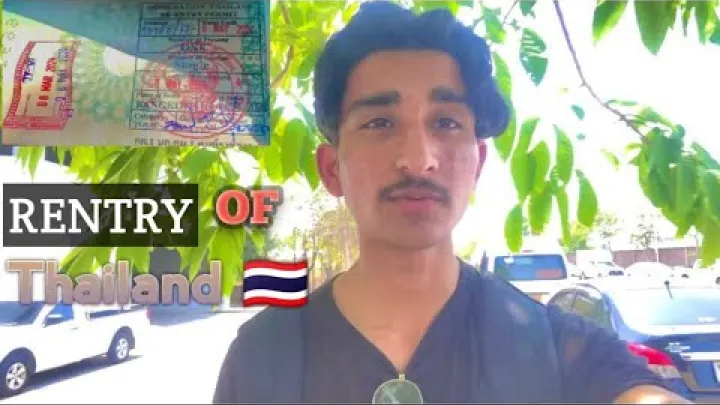
Exiting without a re‑entry permit will cancel a single‑entry visa or the extension tied to it, requiring you to start over on return. You can apply for a re‑entry permit at immigration offices using form TM.8 and at some airports before departure. Fees differ for single versus multiple re‑entry permits; choose the one that matches your travel pattern.
Documents checklist for smooth entry
Organizing your documents before the flight reduces stress and speeds up processing at the border. Keep both digital and printed copies when possible, and make sure the details match across all files. Differences in name spelling, dates, or passport numbers can cause extra questions or, in some cases, refusal.
Use the following checklist as a practical pre‑flight guide. It includes core items for visa‑exempt and VOA travelers, plus additional considerations for e‑Visa holders and those planning to extend or exit and re‑enter.
Passport, tickets, accommodation, finances, insurance
Travelers should carry a passport with adequate validity and blank pages; confirmed return or onward tickets; proof of accommodation for at least the first nights; and evidence of funds appropriate to their length of stay. Keep travel insurance information handy, especially if your embassy requires it for visa issuance or if you want coverage for medical care and trip interruptions.
Prepare clean digital scans and printed copies of your passport photo page, e‑Visa approval (if applicable), TDAC confirmation, and key bookings. Ensure all entries match across passport, airline tickets, TDAC, and e‑Visa. Having an organized folder in your hand luggage helps you present documents quickly when asked.
- Passport valid for the required period and with blank pages
- TDAC confirmation (QR or print) submitted within 3 days of arrival
- Return or onward ticket within permitted stay
- Accommodation proof (first address required; more if asked)
- Funds evidence (for VOA, 10,000 THB per person / 20,000 THB per family)
- e‑Visa approval letter or email, if applicable
- Travel insurance details, if required or recommended
- Passport photos for extensions or re‑entry permit applications
Costs and processing times at a glance
Budgeting for your trip means understanding visa fees, extension costs, and typical processing times. Visa on Arrival usually costs 2,000 THB, payable in cash at the checkpoint. Tourist visa fees for SETV and METV vary by embassy and exchange rates, so verify the current amount with the mission responsible for your place of residence.
Extensions of stay cost 1,900 THB and are requested at local immigration using form TM.7. The e‑Visa platform’s processing time is often between 2–10 business days after a complete submission, but high‑season demand and public holidays can extend this window. Because policies evolve, confirm current fees, payment methods, and expected timelines with the embassy or on the official portal before you apply.
VOA fee, SETV/METV fees, extension fee, e‑Visa timing
For VOA, plan to pay 2,000 THB in cash in Thai baht at the designated counter. SETV and METV fees depend on embassy policy and currency conversion, and can change without prior notice. Keep some buffer in your budget for unexpected costs such as photocopies, extra photos, or courier services if the embassy requests originals.

The e‑Visa processing timeline is typically 2–10 business days from complete submission, not from the day you start the application. Apply early, especially around peak holiday periods, and watch your email for any requests from the embassy. Retain all receipts and confirmations to present to airline staff and Thai immigration as needed.
Special long-stay options to consider (DTV, LTR, Elite)
Beyond standard tourist visas, Thailand offers long‑stay programs that suit remote workers, retirees, investors, and frequent visitors. These programs require stronger financial evidence and have specific eligibility rules, but they can reduce the need for frequent border runs or repeated applications. Review the criteria carefully before you decide which pathway fits your goals.

Program details evolve, and each has its own stay lengths, benefits, and obligations. Consider how long you plan to stay, whether you need work authorization, and what the tax implications could be for your personal situation. Always verify the latest rules directly with official channels before applying.
Who qualifies, stay lengths, financial requirements
The Destination Thailand Visa (DTV) aims at long‑stay visitors, including remote workers who can meet specified financial criteria. Applicants may need to show assets of at least 500,000 THB supported by six months of bank statements, along with other documents defined by policy. The visa is structured for longer stays and may simplify repeat travel compared with standard tourist options.

Thailand’s Long‑Term Resident (LTR) visa targets specific categories such as professionals and retirees who meet defined income, asset, or employment criteria. Thailand Privilege (formerly Elite) is a membership program offering multi‑year entry benefits and concierge services for a fee. Because program criteria and benefits change from time to time, check the latest official guidelines before applying.
When these are better than tourist visas
Choose DTV if you plan repeated or extended stays that exceed tourist visa limits and want to avoid frequent border runs, provided you qualify under its financial and documentation requirements. DTV can be a practical solution when you need more time in Thailand but do not fit a Non‑Immigrant category like business or education.

Choose LTR if you meet its targeted criteria and are relocating or basing yourself in Thailand. Consider Thailand Privilege membership if you travel frequently and prioritize convenience and services and if the membership cost aligns with your budget. In all cases, assess whether you need work authorization, understand personal tax considerations, and ensure your activities align with the permissions granted by the visa type.
Frequently Asked Questions
Do I need a visa to enter Thailand in 2025 or can I enter visa‑free?
Many nationalities are visa‑exempt for 60 days and can extend once by 30 days at immigration. Others may qualify for a 15‑day Visa on Arrival or must obtain a visa in advance via the e‑Visa portal. Always confirm your nationality’s status with a Royal Thai Embassy and submit the TDAC before arriving.
What is the Thailand Digital Arrival Card (TDAC) and when must I complete it?
TDAC is the mandatory online arrival card replacing the paper TM6 from May 1, 2025. Complete it within 3 days before arrival at tdac.immigration.go.th and keep the QR/receipt to show immigration if asked. If you spot an error, submit a corrected form.
What is the difference between single‑entry and multiple‑entry tourist visas in Thailand?
SETV provides one entry within 90 days of issuance and 60 days on arrival, usually extendable by 30 days. METV is valid for six months and allows multiple entries; each entry typically grants 60 days with a 30‑day extension option. METV requires stronger financial and supporting documents.
How do I apply for the Thailand e‑Visa and how long does it take?
Apply at thaievisa.go.th: create an account, choose your visa, complete the form, upload documents, and pay online. Processing generally takes 2–10 business days after a complete submission. Print or save the approval to present to airlines and immigration.
Can I extend my stay in Thailand and for how many days?
Tourist entries (visa‑exempt, SETV, METV) are commonly extendable by 30 days at a local immigration office for a 1,900 THB fee using form TM.7. Bring your passport, a photo, and supporting documents. Approval is at immigration discretion.
What are the requirements and fee for Thailand Visa on Arrival?
VOA grants 15 days to eligible nationalities at designated checkpoints. Bring a passport, photo, accommodation proof, a return or onward ticket within 15 days, and funds of at least 10,000 THB per person or 20,000 THB per family. The fee is 2,000 THB in cash; approval is not guaranteed.
What financial proof is required for SETV, METV, and DTV?
SETV usually requires recent statements showing adequate funds. METV commonly asks for stronger funds evidence, often around 200,000 THB, plus proof of employment or residency. DTV has higher thresholds, such as at least 500,000 THB in assets with six months of statements; confirm details with the responsible embassy.
Are Indian passport holders eligible for visa‑free or Visa on Arrival in Thailand?
Indian nationals are generally eligible for a 15‑day Visa on Arrival if requirements are met. Visa‑free programs depend on current policy and can change, so verify before travel. If staying beyond 15 days, consider applying for a tourist e‑Visa in advance.
Conclusion and next steps
In 2025, Thailand entry visa options range from visa‑exempt 60‑day stays to VOA and advance e‑Visa applications for longer or multiple trips. TDAC is mandatory for all travelers and should be completed within three days before arrival. Choose between SETV and METV based on your trip pattern, keep documents consistent across systems, and verify the latest fees and rules with official sources. With accurate preparation, most travelers experience a straightforward arrival and a smooth stay.
Select area
Create a post
Posting is free and no registration is required.