Thailand Holidays 2026: Public Holiday Dates, Festivals, Best Time to Visit, and Travel Tips

Thailand holidays 2026 combine colorful festivals, peaceful Buddhist holy days, and convenient long weekends that shape flight prices, hotel availability, and opening hours. This guide gathers the confirmed and expected dates, explains alcohol restrictions on religious days, and shows how substitute holidays influence travel peaks. You will also find month-by-month weather guidance, major festival tips, and practical booking timelines for trips from the UK and beyond. Use it to match your ideal weather window with your preferred events and to plan around the busiest weeks.
Thailand public holiday dates in 2026 at a glance
Public holidays in Thailand are a blend of fixed royal and civic commemorations and lunar-based Buddhist observances. The dates influence office closures, banking hours, and transport demand, and they can extend to a Monday when a holiday falls on a weekend. While royal and civic days are usually lively but flexible for travelers, Buddhist holy days may come with stricter rules on alcohol sales that affect nightlife and some dining venues.
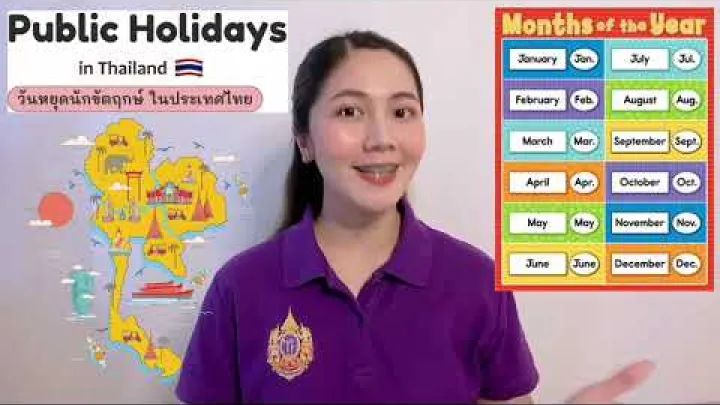
The overview below distinguishes fixed-date observances from lunar events. Because lunar dates can vary by official announcement and occasional regional practice, reconfirm details locally if you are planning time‑sensitive experiences. If any holiday lands on a Saturday or Sunday, a weekday substitute is typically observed, creating longer weekends and heavier intercity travel. Always check the year’s final government calendar shortly before booking nonrefundable arrangements.
Fixed and royal holidays
In 2026, key fixed-date holidays include Chakri Day (Apr 6), Labor Day (May 1), Coronation Day (May 4), Her Majesty Queen Suthida’s Birthday (Jun 3), His Majesty King Vajiralongkorn’s Birthday (Jul 28), Her Majesty Queen Sirikit the Queen Mother’s Birthday (Aug 12), King Bhumibol Memorial Day (Oct 13), Chulalongkorn Day (Oct 23), King Bhumibol Day (Dec 5), Constitution Day (Dec 10), and the New Year break running Dec 31, 2025–Jan 4, 2026. These dates commonly prompt closures for government offices and banks, while shopping centers and many attractions continue operating, sometimes with adjusted hours.

Royal and civic holidays do not typically include nationwide alcohol bans unless specifically announced by authorities. If a fixed-date holiday falls on a Saturday or Sunday, a weekday substitute holiday may be declared to ensure the public enjoys an equivalent day off. This can turn a single holiday into a long weekend, increasing demand for flights, trains, and intercity buses. Final calendars may add or adjust observances, so verify the government’s announcement before publication or booking.
Lunar Buddhist holidays and alcohol bans
Lunar-based Buddhist holidays in 2026 are expected as follows: Makha Bucha (Mar 3), Visakha Bucha (May 31–Jun 1), Asahna Bucha (Jul 29), and the start of Buddhist Lent or Khao Phansa (Jul 30). On these days, Thailand typically enforces nationwide alcohol sales bans that apply to convenience stores, supermarkets, bars, and many restaurants. Hotels may be able to serve registered guests in some cases, but policies can vary by venue and province. Because lunar dates may shift slightly with official confirmation, reconfirm locally close to your travel dates.

Restrictions can feel different between tourist zones and local neighborhoods. In major resort areas and international hotels, there may be limited exceptions or private dining service for in‑house guests, while street bars and independent restaurants usually suspend alcohol sales. In residential areas and around temples, enforcement is often stricter and more visible. If you plan celebrations or group events around these dates, contact your hotel or venue for the latest guidance and consider non-alcoholic alternatives for the day.
What holiday weeks mean for travelers
Holiday weeks color the rhythm of travel in Thailand. Government agencies and banks shut, some attractions reduce hours, and domestic travelers take advantage of long weekends to visit family or beach destinations. As a visitor, you can still enjoy most services and sights, but expect denser crowds on transport networks and plan ahead for any services you need from embassies, banks, or clinics. Religious days may limit nightlife and alcohol availability, while shopping malls and many restaurants remain open.

Knowing these patterns helps you decide whether to embrace the festive energy or to pick quieter windows. Book intercity tickets earlier than usual if your schedule coincides with holiday peaks, and add buffer time for airport transfers and station queues. If a Buddhist holy day overlaps with your city stop, plan a cultural day at temples or museums and save nightlife for the following evening.
Closures, alcohol sales rules, and transport demand
Most government offices, banks, schools, and many private offices close on public holidays. Malls, large supermarkets, and tourist attractions, however, generally remain open, sometimes with shortened hours. In Bangkok, major sites like the Grand Palace and Wat Pho may experience heavier visitation around holiday weeks, and some museums may adjust opening times. In Chiang Mai, neighborhood coffee shops and small galleries may close for a day, while the Old City’s temples and night markets frequently stay active with a festive atmosphere.

Alcohol sales are restricted on Buddhist holy days and can also be limited during election periods by separate announcements. This affects bars, convenience stores, and many restaurants. Plan dining at venues known for food rather than nightlife, and consider hotel dining if you prefer a quieter evening. Long weekends spur peak demand on intercity buses, trains, and flights—Bangkok to Chiang Mai, Phuket, and Surat Thani are common pressure points. Advance reservations are recommended, and arriving at stations early helps with queues during busy periods.
How substitute holidays work
Thailand often designates a weekday as a substitute holiday when an official public holiday falls on a Saturday or Sunday. The practical effect is a three-day weekend that amplifies domestic travel and short-break tourism. Popular beach areas—Phuket, Hua Hin, Pattaya—and northern city breaks like Chiang Mai see higher occupancy, while transport operators increase frequency where possible.

A simple example illustrates the rule: if a holiday falls on Sunday, authorities may declare Monday as the observed substitute holiday. Travel peaks typically build on the Friday afternoon before the long weekend and again on the evening of the final observed day. Airlines and rail operators sometimes adjust schedules and prices to match demand, so booking early and considering mid-morning or late-evening departures can improve both availability and fare levels.
Best times to visit Thailand in 2026

The cool, dry months from November to February offer comfortable conditions across most regions and calm seas on much of the Andaman coast. March to May brings heat, especially inland, while June to October is the green season with showers, lower hotel rates, and fewer crowds. Matching these patterns to your destinations ensures a smoother trip.
Below you will find detail for January and February 2026, which are among the most popular months to visit, followed by a clear comparison of regional seasons. Use these notes alongside the holiday calendar to decide how to balance weather, price, and festival energy.
January 2026 travel conditions
Expect comfortable days, lower humidity, and calm seas along the Andaman coast, which helps snorkeling and diving visibility. Nights in the North can be cool, especially in upland areas, so light layers are useful. Because this is peak season, demand is high and prices reflect it; booking flights and hotels 3–6 months ahead is wise if you want the most popular beachfront or boutique options.

Typical temperature and rainfall ranges are as follows. Values vary year to year, but they are a helpful guide when planning city versus beach days and deciding what to pack.
| Location | Typical highs/lows | Rainfall |
|---|---|---|
| Bangkok | 32°C / 23°C | Low (brief showers possible) |
| Chiang Mai | 29°C / 15–17°C | Very low |
| Phuket (Andaman) | 31–32°C / 24–25°C | Low to moderate, seas usually calm |
The early-January New Year period can affect banking hours and domestic travel flows, especially if the official New Year break extends into the first week. For premium stays during this window, reserve well in advance and build flexibility into your sightseeing on January 1–3 in case of adjusted hours at select venues.
February 2026 travel conditions
February remains dry and comfortable across much of Thailand, making it excellent for the North and the Andaman coast. In northern provinces, crisp mornings and warm afternoons are common, supporting hiking and temple visits without the heat of March.
Chinese New Year on February 17, 2026 may raise demand in Bangkok, Chiang Mai, and Phuket. Expect lively street decorations in Chinatown areas and potential rate increases for central hotels. While most regions are dry, the Gulf side—especially around Koh Samui, Koh Phangan, and Koh Tao—can still see isolated late-season showers. These are usually brief and do not disrupt ferry schedules for long, but check local marine forecasts if you have tight transfer windows.
Seasonal and regional guidance (North, Andaman, Gulf)
Thailand’s seasons vary by region, so it helps to match your destinations to their ideal months. As a rule of thumb: cool/dry (Nov–Feb) offers the best overall weather but the highest prices; hot season (Mar–May) brings very warm inland conditions; rainy season (Jun–Oct) offers savings and lush landscapes, though seas can be rough on the Andaman side.

Use this concise comparison to fine-tune plans:
- North (Chiang Mai, Pai, Chiang Rai): Best Nov–Feb; hot but clear Mar–Apr; rainier Jun–Sep; cool nights Dec–Jan.
- Andaman coast (Phuket, Krabi, Khao Lak, Phi Phi): Best roughly Nov–May; seas can be rough Jun–Oct; some islands limit trips in low season.
- Gulf islands (Koh Samui, Koh Phangan, Koh Tao): Generally best Jan–Sep; wetter Oct–Dec; brief showers possible in Feb.
- Bangkok/Central: Good year-round; coolest Nov–Feb; hottest Apr–May; short, intense showers Jun–Oct.
If your dates are fixed in the green season, consider the Gulf islands for more stable conditions, or plan Andaman stays in sheltered bays. Flexible travelers can balance crowds and costs by targeting shoulder weeks on either side of peak months.
Major festivals in 2026 (not all are public holidays)
Festivals add cultural depth to Thailand holidays 2026, but they also draw crowds and push up prices near the most popular cities. Some events are public holidays, while others are not, yet all can affect availability and traffic. If you plan to join a festival, book your hotel, internal flights, and guided experiences early, and review local guidelines related to safety and the environment.
Below are three marquee celebrations that travelers often plan around: Songkran in April, and the twin November highlights of Yi Peng and Loy Krathong. Each has its own etiquette and best-viewing locations, with schedules that can vary by city and organizer.
Songkran (Thai New Year): Apr 13–15 (events often Apr 12–16)
Songkran marks Thai New Year and is celebrated nationwide with water play, merit-making at temples, and family gatherings. Major celebration zones include Bangkok’s Silom and Khao San areas, Chiang Mai’s moat and Old City, Patong in Phuket, and Pattaya, which often extends events beyond the core dates. Because accommodation, flights, and tours sell out quickly in these hubs, reserve 6–9 months in advance for the best choice. Expect temporary road closures, music stages, and large crowds in designated areas.

Etiquette and safety are important. Waterproof your phone and valuables, avoid splashing monks, seniors, and drivers, and wear modest quick-dry clothing. Many families start the day with temple visits and water-pouring rituals that are quiet and respectful; join thoughtfully if you participate. Local alcohol rules can vary by zone, so reconfirm closer to the dates. If you prefer a calmer experience, book lodging slightly outside core splash zones and visit during the morning hours when crowds are lighter.
Yi Peng (Nov 24–25, Chiang Mai)
Ticketed venues typically include seated areas, cultural performances, and regulated launch protocols to minimize risks. Exact timings vary by organizer and can be finalized only a few weeks out, so confirm schedules before purchasing nonrefundable flights or hotels.

To reduce environmental impact, look for eco-friendly lanterns made with biodegradable materials and ensure launches comply with local regulations, which may limit release zones or require coordination with authorities. Yi Peng often overlaps with Loy Krathong, allowing a multi-evening experience of lanterns in the sky and floating offerings on waterways. If you want to photograph lantern releases, bring a lightweight tripod and check whether your chosen event allows tripods and drones.
Loy Krathong (full moon of the 12th lunar month, November)
Loy Krathong is celebrated nationwide on the full moon of the 12th lunar month, typically in November. Participants float decorated krathong—traditionally made from banana trunks and leaves—on rivers, lakes, and ponds to mark gratitude and renewal. Bangkok and Chiang Mai are especially popular for visitors, but cities across the country host beautiful, smaller-scale ceremonies.

In Bangkok, notable venues include the Chao Phraya riverfront such as Asiatique, riverside parks, and the area around Rama VIII Bridge. In Chiang Mai, the Ping River and bridges like Nawarat and Iron Bridge are classic spots for viewing. Choose biodegradable krathong and avoid foam or plastic. Be respectful around waterways and temples, dress modestly, and follow guidance from volunteers directing flows at crowded river access points.
Holiday types and deals in 2026
![Preview image for the video "TOP 5 BEST all-inclusive resorts in THAILAND [2023, PRICES, REVIEWS INCLUDED]".](/sites/default/files/styles/media_720x405/public/oembed_thumbnails/2025-11/T750Z2DkxBhxHcedTLUd4wEYwANJPe4b7iLOXVhGH7U.jpg.webp?itok=oMZEX8jt "Preview image for the video \"TOP 5 BEST all-inclusive resorts in THAILAND [2023, PRICES, REVIEWS INCLUDED]\".")
The sections below outline what to expect from all-inclusive offers, how to shape a family-friendly plan, and tactics for finding cheaper deals without sacrificing comfort or safety. Use them as a framework and adapt to your priorities for culture, beaches, or outdoor activities.
All-inclusive and package holidays
Popular areas include Phuket, Khao Lak, Krabi, and Koh Samui, with city add-ons in Bangkok or Chiang Mai for culture and cuisine. In Thailand, many resorts prefer flexible packages such as breakfast plus dining credit rather than full three-meal structures, because local dining is diverse and affordable nearby.
![Preview image for the video "TOP 5 BEST all inclusive resorts in PHUKET, Thailand [2023, PRICES, REVIEWS INCLUDED]".](/sites/default/files/styles/media_720x405/public/oembed_thumbnails/2025-11/P3ivZCeH-XLiGMx72fEFzSNOTF6QuM62dYgFITWr2EE.jpg.webp?itok=vbg7iSG1 "Preview image for the video \"TOP 5 BEST all inclusive resorts in PHUKET, Thailand [2023, PRICES, REVIEWS INCLUDED]\".")
Assess value against pay-as-you-go by reviewing inclusions and location. A beachfront resort with breakfast plus credit might suit travelers who want variety in local restaurants. Before booking, use this quick checklist of provider questions:
- What meals and beverages are included, and are there time or venue restrictions?
- Are airport transfers private or shared, and what is the baggage policy?
- Which activities or excursions are included, and do they require advance booking?
- What are the cancellation, change, and refund terms, including any fees?
- Are taxes, service charges, and resort fees included in the total price?
- Is travel insurance required or recommended for the package?
Family-friendly itineraries
Family trips work best with balanced pacing and minimal transfers. A common plan is to spend 5–7 nights at a calm beach destination and 3–4 nights in Bangkok or Chiang Mai for culture and nature. Look for resorts with kids’ clubs, shallow-entry pools, interconnecting rooms, babysitting services, and easy beach access. Avoid days with multiple transport legs to reduce fatigue for younger travelers.

Sample 10–12 day itinerary: Days 1–3 Bangkok for gentle city highlights (Grand Palace area, river ferry rides, kid-friendly museums), Days 4–10 Khao Lak or Koh Samui for beach time and a soft-adventure day (snorkeling boat with life vests, elephant sanctuary visit with ethical operators), Days 11–12 final city night near your departure airport. For toddlers, choose beaches with gentle slopes and avoid long-tail boat rides on windy days. For teens, add a Thai cooking class, zipline park near Chiang Mai, or an introduction-to-diving session with a certified operator.
How to find cheap deals
Significant savings are possible if you travel in the rainy or shoulder season from June to October. Hotels in beach areas often discount rates, sometimes by 20–50% depending on location and demand. Inland cities such as Chiang Mai and historical towns like Ayutthaya can also be quieter and better value. If seas are rough on the Andaman side, consider the Gulf islands or plan more city-based activities.

For flights, bundle tickets with accommodation, fly midweek, and set fare alerts. Consider alternative UK airports and nearby Southeast Asian hubs for routing flexibility. Value destinations beyond the marquee names include Khao Lak, Hua Hin, and inland cities where boutique hotels deliver strong price-to-quality ratios. Expect the largest hotel savings in September and early October, with more moderate reductions in June and July; exact percentages will vary by property and how early you book.
Departures from the UK in 2026
Booking windows tighten around major festivals and school holidays, so early planning pays off. Because airline schedules change, verify current carriers and seasonal timetables for your preferred departure airport before committing to nonrefundable fares.

Price awareness is equally important. Economy return fares often sit lower in the green season and higher around April and late November. Understand baggage policies, change fees, and seat selection charges across airlines and booking platforms to avoid unexpected add-ons that can erase apparent savings.
Flight times, routes, and peak booking windows

For peak travel windows—April (Songkran) and late November (Yi Peng/Loy Krathong)—book 6–9 months ahead. For January–February, a 3–6 month lead time is sensible, pushing earlier if you want premium beachfront rooms or boutique city properties. Because non-stop offerings and schedules can change year to year, reconfirm which carriers operate non-stop in 2026 from your preferred UK airport before finalizing your plan.
Indicative price ranges and money-saving tactics
As a rough guide, economy return fares from the UK to Thailand often range around £600–£900 in off-peak periods and £900–£1,200+ in peak weeks. Month-to-month snapshots commonly look like this: January £800–£1,000 depending on New Year spillover; February £750–£950; April (Songkran) £1,000–£1,300+; June–September £600–£850; late November for Yi Peng/Loy Krathong £900–£1,200+. Prices vary with sales, load factors, and routing, so treat these as indicative ranges rather than fixed quotes.

To save, consider alternative UK airports, flexible date searches, and mixed-carrier itineraries. Track airline and OTA promotions, compare baggage and change policies before purchase, and evaluate whether adding a night near the departure airport can enable cheaper early-morning flights. If you are combining regions, check open-jaw tickets (e.g., into Bangkok and out of Phuket) to reduce backtracking and domestic flight costs.
Booking timeline and practical planning checklist
Aligning your bookings with Thailand’s holiday calendar reduces stress and improves value. Songkran in mid-April and the late-November festival week create the biggest surges in demand. January and February bring high season conditions and steady bookings for beach resorts and popular city hotels. Because lunar holidays and substitute days can shift observed dates, verify calendars just before you lock in nonrefundable elements.

Beyond dates, think through packing, payments, and connectivity. Thailand is easy to navigate with cards and cash, mobile data is affordable via local SIM or eSIM, and Wi‑Fi is widespread. Small details—such as a waterproof phone pouch for Songkran or temple-appropriate clothing—can make your trip smoother during busy weeks.
When to book for Songkran, Yi Peng, and long weekends
Target a 6–9 month lead time for Songkran (mid-April) and late November (Yi Peng/Loy Krathong), particularly in Bangkok and Chiang Mai. Reserve your hotel and key internal flights by October–December 2025 for April trips, and by March–June 2026 for late November. Guided experiences tied to festivals—such as Yi Peng ticketed events—often announce exact timings closer to the date; consider refundable rates or flexible tickets until details are confirmed.

For January–February trips, book 3–6 months in advance, earlier if you seek premium beachfront or small boutique stays. Always review the official calendar for any weekend-to-Monday substitutions that extend peak demand and tighten availability around your travel dates. If your dates overlap with Buddhist holy days, plan your nightlife for the nights before or after in case alcohol sales are restricted.
Packing, payments, and connectivity
Essentials include lightweight, breathable clothing; a modest outfit covering shoulders and knees for temples; a waterproof phone case; quick-dry footwear; sunscreen; and insect repellent. For Songkran, pack a roll-top dry bag, microfiber towel, and a second set of quick-dry clothing. If you are heading into northern hills in December–January, add a light jacket for cool nights.

Connectivity is easy with local SIM or eSIM options, and hotels and cafes provide widespread Wi‑Fi. Power details: Thailand uses 220V, 50Hz electricity. Common plug types are A, B, C, and O; many hotels have multi-standard sockets, but carrying a universal adapter is still recommended.
Frequently Asked Questions
What are the official public holidays in Thailand in 2026?
Thailand has 19 national public holidays in 2026. Key dates include Mar 3 (Makha Bucha), Apr 6 (Chakri Day), Apr 13–15 (Songkran), May 1 (Labor Day), May 4 (Coronation Day), May 31–Jun 1 (Visakha Bucha), Jun 3 (Queen Suthida’s Birthday), Jul 28 (King’s Birthday), Jul 29 (Asahna Bucha), Jul 30 (Buddhist Lent), Aug 12 (Queen Mother’s Birthday), Oct 13, Oct 23, Dec 5, and Dec 10. The New Year break runs Dec 31, 2025–Jan 4, 2026.
When is Songkran in 2026 and where are the biggest celebrations?
Songkran is Apr 13–15, 2026, with many cities holding events Apr 12–16. Major celebrations occur in Bangkok (Khao San, Silom), Chiang Mai (moat area), Pattaya/Chon Buri (often extended), and Phuket (Patong).
Are alcohol sales banned on certain days in Thailand in 2026?
Bans generally do not apply to royal or secular holidays unless announced.
Is January or February 2026 a good time to visit Thailand?
Yes, January and February are part of the cool, dry season with comfortable temperatures and low rain. Expect higher prices and demand; book flights and hotels 3–6 months ahead.
Do public holidays in Thailand cause closures and travel delays?
Yes, government offices, schools, and many businesses close on public holidays, and transport demand increases around long weekends. Book intercity buses, trains, and flights early and allow extra travel time.
When should I book Thailand holidays for April (Songkran) 2026?
Book 6–9 months in advance for the best availability and pricing in Bangkok and Chiang Mai. Reserve hotels, internal flights, and tours by October–December 2025 if possible.
Are there substitute holidays if a Thai public holiday falls on a weekend?
Yes, Thailand typically designates a weekday as a substitute holiday when an official holiday falls on a weekend. Check the government’s annual announcement for specific substitutions.
What is the weather like across Thailand in November 2026 for Loy Krathong?
November marks the start of the cool, dry season in most regions with lower humidity and pleasant evenings. It is a good month for Chiang Mai and the Andaman coast; the Gulf may still see some showers early in the month.
Conclusion and next steps
Thailand holidays 2026 align vibrant festivals with varying regional weather and busy long weekends. Confirm lunar-based dates and any substitute holidays before booking, plan early for mid-April and late November, and prepare for alcohol restrictions on Buddhist holy days. With these details in hand, you can match your preferred climate and events to a realistic itinerary and enjoy smoother travel days across the country.
Select area
Create a post
Posting is free and no registration is required.