Thailand Visa on Arrival 2025: Requirements, Fees & How to Apply
The Thailand visa on arrival is a convenient way for eligible travelers to enter Thailand for short tourism trips without applying in advance. It is designed for straightforward visits, processed at airports, seaports, and some land borders. This guide explains who can use VOA, the exact documents you need, the fee and payment method, where to apply, and what changes with the Thailand Digital Arrival Card starting May 1, 2025. It also includes practical notes for Indian citizens, dual nationals, and travelers connecting through busy hubs.
Definition: Thailand’s Visa on Arrival is a single-entry tourist visa issued at designated entry points for up to 15 days. The standard fee is 2,000 Thai Baht per person, paid in cash. It is available only to eligible nationalities. Rules, fees, and eligible countries can change, so verify details close to your travel date.
What the Thailand Visa on Arrival is
Understanding what the Thailand Visa on Arrival covers helps you plan the right entry option for your trip. VOA is a short-stay tourist facility for travelers who do not qualify for visa exemption or who prefer an on-the-spot solution rather than applying in advance. It is processed before immigration at the point of entry, and approval is at the discretion of Thai immigration officers.

VOA differs from visa exemption in both process and permitted length of stay. A visa-exempt entry typically allows a longer visit and does not require a visa sticker, while VOA involves a fee, documentation, and a visa sticker issued at arrival. The system is practical if your stay is brief and you have all required documents ready. Always confirm the latest fee, eligible nationalities, and any temporary policy changes before travel.
Key facts at a glance (stay length, purpose, single entry)
Thailand’s Visa on Arrival is a single-entry tourist visa granted on arrival for up to 15 days. It is intended for sightseeing, short leisure trips, and visiting friends or family, not for business or work. The stay count begins on the day you arrive, and you must depart on or before the 15th day to avoid penalties. Extensions are not standard, so plan your itinerary and flights accordingly.

VOA availability is limited to eligible nationalities and designated entry points where counters are staffed. Bring completed forms, required photos, and supporting documents to reduce processing time. VOA is different from visa exemption and from pre-arranged tourist visas, and each option has its own rules and stay lengths. Always recheck the current fee and entry rules before you fly.
VOA vs. visa exemption vs. advance tourist visa
Visa exemption allows certain nationalities to enter Thailand without a visa for a period that is often longer than VOA, subject to immigration policy and any current bilateral arrangements. By contrast, VOA provides a 15-day stay and requires you to present documents and pay the visa fee on arrival. A Tourist Visa obtained in advance, typically labeled TR, usually allows 60 days with the possibility of an extension at an immigration office in Thailand.
A simple rule-of-thumb can help you choose: if your passport qualifies for visa exemption and you plan a longer visit or want fewer steps at the airport, use visa exemption. If your nationality is VOA-eligible and you will stay no more than 15 days, VOA can be convenient. If you intend to stay around two months or more, or you need certainty before travel, apply for a Tourist Visa in advance, which can often be extended once inside Thailand. Your decision should consider nationality, intended stay length, travel flexibility, and the need to minimize airport processing.
Eligibility and who can use VOA
Eligibility for Thailand’s Visa on Arrival is based on your nationality and the entry point you plan to use. The list of eligible countries is reviewed periodically, so it is important to confirm your status with official Thai immigration channels or your nearest Thai embassy or consulate just before you travel. If you hold multiple nationalities, choosing the most favorable passport can simplify your entry and maximize your allowed stay.
The VOA program suits travelers who can assemble the required documents and plan a short visit. Airlines may check eligibility and documentation before boarding, so being prepared can prevent delays at departure and on arrival. If you discover that your passport is not eligible for VOA or visa exemption, consider applying for a Tourist Visa from a Thai mission in advance to avoid disruption to your itinerary.
Eligible countries overview (updated to 31 countries)
Approximately 31 nationalities are eligible for Thailand’s Visa on Arrival program. This group has included countries such as India, China, Saudi Arabia, Romania, Bulgaria, Kazakhstan, Malta, Fiji, and others. Because eligibility lists can change, you should always verify your passport’s current status with Thai immigration or your local Thai embassy before travel. Checking close to your departure date helps you avoid surprises if the list is updated.
Eligibility may also vary by entry point, especially at certain land borders. While most large international airports maintain VOA counters, some smaller checkpoints may not provide VOA to all eligible nationalities. If you plan to cross at a specific land border, confirm that VOA is available for your passport at that exact checkpoint. Being proactive about these details helps ensure a smooth journey.
Notes for dual nationals and choosing the best passport
Dual nationals should choose one passport for the entire trip. Enter and exit Thailand using the same passport used for the VOA application and visa sticker. If you also hold a passport that is visa-exempt for Thailand, it may be better to use the visa-exempt passport for a longer and simpler stay. Align your bookings, insurance, and any pre-arrival declarations with the passport you will present on arrival.
Consistency of personal data is essential. Ensure the name order and any middle names on your flight ticket, hotel bookings, and the VOA form match your passport. If your passport lists given names and surnames in a format different from your bookings, adjust your entries to mirror the passport exactly. This reduces the risk of extra checks or delays at the VOA counter and immigration.
Special notes for Indian citizens
Prepare hotel bookings covering your stay, a confirmed return or onward flight departing within 15 days, and proof of funds at the level currently required, generally 10,000 THB per person or 20,000 THB per family. Carry the VOA fee in Thai Baht cash.
Airlines often check documents before boarding flights to Thailand, especially for VOA travelers. Expect staff to review your return or onward ticket, hotel confirmation, and sometimes your funds. Keeping printed copies can be helpful when devices are offline. If your travel plans exceed 15 days, consider applying in advance for a Tourist Visa, which typically offers a longer stay with a possible extension.
Requirements checklist (documents you must have)
Arriving with complete documentation is the fastest way to obtain your Thailand Visa on Arrival. Immigration officers will verify that you qualify, your paperwork is consistent, and your plans fit the permitted 15-day stay. A small amount of preparation before your flight can reduce queues, minimize questions at the counter, and help avoid refusals or secondary screening.
Carry both digital and printed copies of your key items. Although mobile confirmations are accepted, printed documents are useful if your device battery is low, there is no network, or a staff member needs to quickly review a booking. Having a neat folder with your form, photos, and confirmations often speeds up processing at busy airports and land borders.
Passport, accommodation, onward flight, and funds
Make sure your passport is valid for at least six months on the day you arrive and that it has at least one blank page for the visa sticker and entry stamps. If you are staying with family or friends, keep the host’s full address and phone number ready to include on your form.

You must show a confirmed departure from Thailand within 15 days of arrival. This can be a return flight or an onward flight to another country. Open tickets are not accepted, and certain overland tickets might not meet airline or immigration checks. Proof of funds is also required, generally 10,000 THB per person or 20,000 THB per family. Consider carrying printed confirmations and some Thai Baht cash to facilitate document checks and fee payment.
Photo specifications (4 × 6 cm) and form standards
Bring at least one photo sized 4 by 6 centimeters, which is approximately 1.6 by 2.4 inches. The background should be plain white, and the photo must be taken within the last six months. Show your full face with a neutral expression, and avoid filters, heavy retouching, or glare from glasses. Headwear is acceptable only for religious reasons and should not obscure facial features.
Complete the VOA application form in clear block letters, ensuring every entry matches your passport exactly. Double-check spelling of names, passport numbers, and dates of birth. If you have completed any pre-arrival registration, keep all entries consistent across the VOA form, your passport, flight booking, hotel address, and the Thailand Digital Arrival Card when applicable. Consistency helps prevent rework or additional questions at the counter.
Common mistakes that cause delays or refusals
The most frequent issue is missing a confirmed onward or return flight within 15 days. Travelers also face delays when they cannot produce a hotel booking or a clear accommodation address. Insufficient funds or arriving without Thai Baht for the fee can slow processing, particularly if currency exchange counters are busy. Small mismatches between your passport and application form entries also trigger rechecks.

Use a short pre-departure checklist to avoid omissions. Confirm your passport validity, print hotel and flight confirmations, prepare the 4 by 6 cm photo, fill in the VOA form details in advance if possible, and carry 2,000 THB in cash for the fee. Ensure your name order and passport number match across all documents. These steps are simple but can save substantial time on arrival.
Fees, payment, and processing times
Fees and expected processing times matter to every traveler using Thailand’s Visa on Arrival. The standard VOA fee is 2,000 Thai Baht per person and is paid at the VOA counter before you proceed to the main immigration line. Processing time varies by airport and arrival wave, so planning to land with documents ready will reduce the time you spend at the counter and in queues. Although fee waivers have occurred in the past, always check the current policy shortly before your trip.
Payment is typically in Thai Baht cash only. Card payments and foreign currencies are not reliable options, and the fee is non-refundable even if the application is rejected. If you need to exchange currency, locate an exchange counter before you reach the VOA station. When queues are long, arriving with the exact amount in small bills helps keep the process efficient for you and for the staff.
VOA fee (2,000 THB) and how to pay
The standard fee for the Thailand Visa on Arrival is 2,000 THB per traveler. You must pay in Thai Baht at the VOA counter, and the fee is non-refundable regardless of the outcome of your application. Some airports may have nearby currency exchange counters, but availability can vary during late-night or early-morning arrivals. Carrying Thai Baht in advance helps you bypass extra steps during peak periods.

Occasionally, temporary fee waivers or promotional adjustments have been announced. These are time-limited and subject to change, so verify the current status from official sources close to your departure. Do not rely on card acceptance or foreign currency. Prepare cash and keep your receipt with your documents until you clear immigration.
Typical queue time and peak-hour tips
Queue times for VOA range widely. At quieter periods, you might finish within about fifteen to thirty minutes, whereas late-night and early-morning banks of arrivals can extend the process to an hour or more. The busiest hubs, such as Bangkok Suvarnabhumi and Don Mueang, often experience surges that coincide with international connections and low-cost carrier schedules.
Arrive prepared to move quickly when called. Keep your filled form, photo, passport, hotel details, and onward ticket together. Families with young children and elderly travelers are sometimes directed to priority lanes where available, but this varies by airport. If your airport offers a paid fast-track service, you may consider it during peak times. Completing any optional e-registration in advance, while not an approval, can shorten your counter time.
Step-by-step: how to apply on arrival
Applying for Thailand’s Visa on Arrival is straightforward when you know the steps. VOA counters are set up before immigration control and are clearly signposted across major airports and certain land and sea entry points. Following a simple sequence and having your documents ready will help you pass from the counter to immigration efficiently.
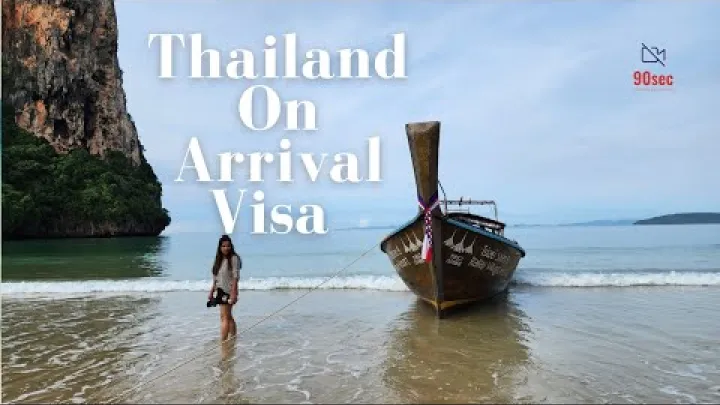
Use the process below as a quick reference. If you are arriving during a busy period, staff may direct you to fill in forms in a designated area and then queue to submit your application. Keep your boarding pass and seat number handy in case they are requested during processing.
Where to find VOA counters and what happens next
VOA counters are located before the main immigration area. Signs usually read “Visa on Arrival” and direct you from the jet bridge or arrivals concourse to a dedicated zone. At the counter, you hand over your completed form, one 4 by 6 cm photo, passport, hotel booking or address in Thailand, onward ticket, and the fee. Officers review your documents and may ask brief questions about your stay.
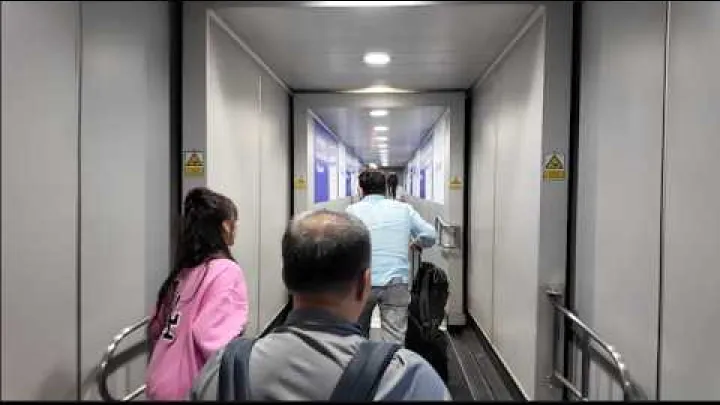
Once approved, you receive a visa sticker in your passport. You then proceed to the standard immigration line, where an officer stamps your entry with a validity of up to 15 days. The 15-day count starts on your day of arrival, not the following day. Keep your receipt and any return flight details accessible, as you may be asked follow-up questions during entry clearance.
Fast-track and e-registration options (if available)
Some airports offer a paid fast-track service, which can reduce waiting time, especially during late-night or early-morning peaks. Availability, routes, and pricing vary by location, and services may be suspended or adjusted without notice. If you plan to use fast-track, confirm its current status for your airport and arrival time before your trip.
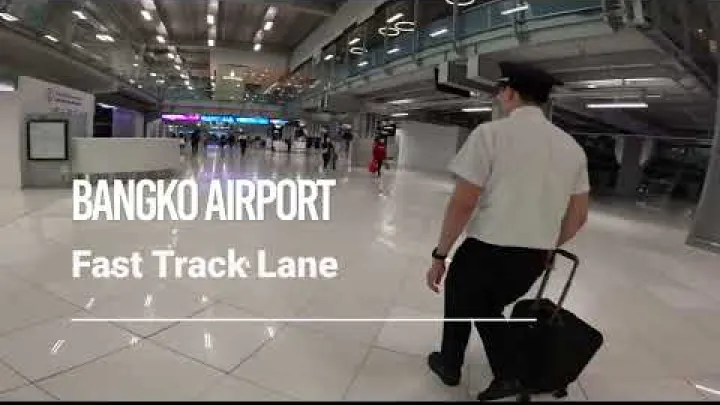
Online pre-arrival form completion or e-registration may be available through official platforms at different times. These tools can speed up data entry but are not visa approvals. Even if you register online, you must bring physical documents for verification. Policies and platforms can change, so check the latest guidance from Thai immigration or your airline prior to departure.
Where VOA is available (airports, land borders, seaports)
Thailand provides Visa on Arrival services at many international airports, selected land border checkpoints, and certain seaports that receive cruise ships or international ferries. The scope of service and operating hours differ by location, and not every checkpoint supports VOA for all eligible nationalities. Planning your entry point with these variations in mind helps you avoid detours or delays on travel day.
Always verify the current status for your specific entry point before your trip. If you are connecting via a regional airport or crossing a land border with limited facilities, confirm that officers at that location issue VOA for your nationality and that they will be open at your arrival time. For cruise passengers, procedures are often coordinated by the operator, which can streamline documentation and clearance.
Major airports
Bangkok Suvarnabhumi and Don Mueang both feature dedicated VOA areas with clear signage. Other airports with Visa on Arrival service include Phuket, Chiang Mai, Hat Yai, Chiang Rai, Samui, U-Tapao, and Sukhothai. Service levels and queue times vary based on flight schedules and seasonal demand.

If you land late at night or early in the morning, allow extra time for VOA processing. Operating hours can differ, and some services may be reduced during certain periods. Check your arrival airport’s latest information, especially if your flight lands outside typical business hours. The brief table below lists major VOA airports and helpful notes.
| Airport | Code | Notes |
|---|---|---|
| Bangkok Suvarnabhumi | BKK | Large VOA area; peak queues during late-night banked arrivals |
| Bangkok Don Mueang | DMK | Busy with low-cost carriers; prepare documents in advance |
| Phuket | HKT | Popular for leisure arrivals; seasonal surges |
| Chiang Mai | CNX | Typically moderate queues; confirm hours for late flights |
| Hat Yai | HDY | Regional hub; services vary by time of day |
| Chiang Rai | CEI | Smaller facility; check VOA availability before travel |
| Samui | USM | Tourist-heavy periods can extend waits |
| U-Tapao | UTP | Growing international services; confirm VOA counter hours |
| Sukhothai | THS | Limited international arrivals; verify service in advance |
Land border checkpoints
Visa on Arrival is offered at select land crossings with neighboring countries such as Cambodia, Laos, Myanmar, and Malaysia. Not all land checkpoints support VOA for every eligible nationality, and some crossings may operate limited hours or apply different procedures. Transport operators on popular overland routes sometimes collect documents before reaching the border to speed up processing.
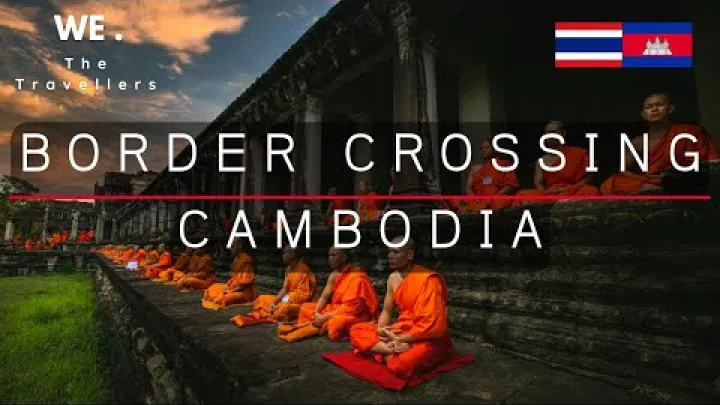
Because land borders vary in capacity and rules, verify VOA availability at the exact checkpoint you plan to use. This is especially important for travelers combining regional trips or using bus and minivan services. Keep your passport, photo, form, and Thai Baht cash easily accessible if a company representative requests them before reaching the counter.
Seaports
Several seaports that receive international passengers provide VOA, including ports serving Phuket and Samui. Processing can take longer when large cruise ships arrive at the same time, as immigration officers handle high passenger volumes in waves. Cruise lines often coordinate document collection and pre-clearance steps to streamline the process for travelers.

If you are arriving by cruise or ferry, confirm whether your operator facilitates pre-clearance onboard, and ask which documents you should submit before docking. Have your passport, a 4 by 6 cm photo, hotel or cabin details, and onward travel plans ready for review. Advance coordination helps minimize time spent in queues at the port.
Thailand Digital Arrival Card (TDAC) from May 1, 2025
Thailand is transitioning from paper arrival cards to a digital system. Travelers should complete the TDAC online up to three days before their flight or arrival by land or sea. This requirement applies to all foreign nationals, regardless of whether they enter via visa exemption, VOA, or a visa obtained in advance.
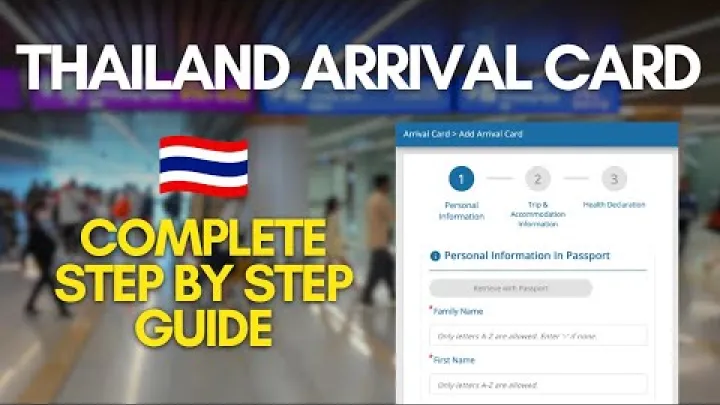
TDAC is a data collection tool and does not replace a visa. You still need to qualify for your chosen entry path and carry the associated documents. Use the same passport details across your booking, TDAC, and VOA application to prevent mismatches.
What TDAC is and when to submit
The Thailand Digital Arrival Card is a digital replacement for the paper arrival card historically completed on the plane or at the airport. From May 1, 2025, complete TDAC online before you travel, ideally within the three days before arrival. Submitting in advance helps airlines and immigration verify your data more quickly and reduces form-filling at the airport.
TDAC is required for all foreign arrivals and is separate from the VOA process. It does not grant permission to enter Thailand. Always enter your details exactly as they appear in your passport and use the same passport across TDAC, flight booking, and your VOA application. Save or print the TDAC confirmation so that it is available even if your device is offline.
How to complete TDAC accurately
When completing the TDAC, provide personal information, passport number, flight details, and your address in Thailand. Make sure your name order and any middle names match the machine-readable details on your passport. Include a full accommodation address, not just the hotel name, and confirm your arrival date and flight number are correct.
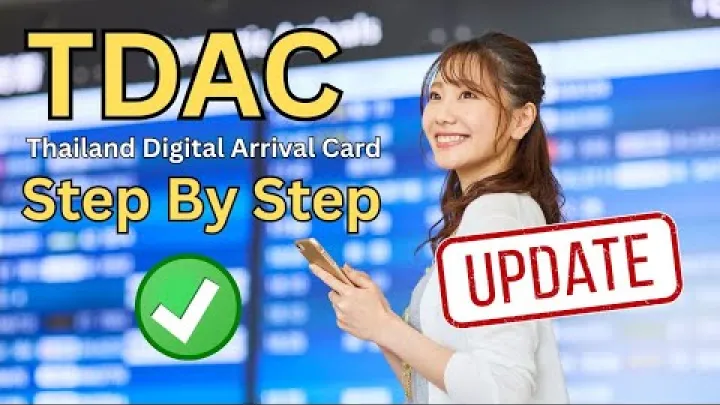
Common mistakes include typos in passport numbers, missing hotel street addresses, and inconsistent spellings of names across TDAC, bookings, and the VOA form. Review your entries before submitting and store the confirmation or QR reference in a safe place. Bringing a printed copy is a helpful backup should your device battery run low or connectivity be limited upon arrival.
Compliance and stay rules
Thailand’s VOA program is designed for short, tourism-only visits, and respecting the rules protects your ability to travel. The maximum permitted stay is up to 15 days from the day of arrival. You must depart on or before the 15th day unless you qualify for another status or have been granted a change by immigration. Overstays are taken seriously and can result in fines, detention, or future entry bans.
Because VOA is single-entry, leaving Thailand ends your permission to stay. If you plan to exit and re-enter, you will need to meet eligibility again and obtain a new visa or entry permission, depending on your passport and the rules in effect. If your visit includes business meetings, courses, or longer stays, apply for an appropriate visa type before you travel.
Maximum stay, extensions, and overstays
VOA allows a stay of up to 15 days, and the count starts on the day you arrive. Plan your itinerary so that your departure is on or before the 15th day to avoid any overstay. Extensions under VOA are generally not available, so if you expect to stay longer, a Tourist Visa obtained in advance is usually a better choice and may allow an in-country extension.
Overstays lead to fines and can escalate to detention or entry bans in more serious cases. Keep an eye on your passport’s entry stamp, which shows your permitted stay. If you need more time for unforeseen reasons, speak to Thai immigration as early as possible about your options. For re-entry after departure, you must meet eligibility again and obtain a fresh permission to enter.
Tourism-only condition (no business or work)
VOA is limited to tourism activities. Paid work, business operations, and professional assignments are not permitted under this entry. Attending formal courses, long trainings, or certain events may require a visa category different from VOA. If your trip involves meetings or specialized activities, check whether a Non-Immigrant B or another category applies.
For non-tourism purposes, consider the Tourist Visa for longer leisure stays, the Non-Immigrant B for business or employment, the ED for study, the O for visiting family, or the METV where available for multiple entries over a period. Carry clear evidence of your tourism plans, including hotel bookings and a return ticket, in case officers ask questions at the border.
Frequently Asked Questions
How much is the Thailand Visa on Arrival fee and how do I pay it?
The VOA fee is 2,000 THB per person, paid in cash and in Thai Baht at the VOA counter. The fee is non-refundable even if rejected. Exchange currency before arrival or at the airport. Keep small bills to speed processing.
What documents are required for Thailand Visa on Arrival?
You need a valid passport with at least six months’ validity, a completed VOA form, one 4×6 cm photo, proof of accommodation, a confirmed onward flight within 15 days, and proof of funds at the required level. Ensure all details match your passport and TDAC.
Can Indian citizens use Thailand Visa on Arrival in 2025?
Yes, Indian citizens are eligible for Thailand’s VOA. The permitted stay is up to 15 days for tourism only, and the fee is 2,000 THB. Carry confirmed hotel bookings, a return or onward flight within 15 days, and sufficient funds.
What is the photo size and specification for VOA?
The required photo is 4×6 cm, taken within the last six months on a plain white background. Show full face, no filters or digital edits, and headwear only for religious reasons. Bring at least one spare photo.
Can I extend a Thailand Visa on Arrival beyond 15 days?
No, VOA extensions are not standard and should be assumed unavailable. Plan your itinerary and flights to depart within 15 days. Overstays can lead to fines and future entry issues.
Do I need a confirmed return or onward flight for VOA?
Yes, you must show a confirmed departure from Thailand within 15 days. Open tickets are not accepted. Overland bus or train tickets to neighboring countries may not satisfy the requirement for airlines or immigration.
Where is Visa on Arrival available in Thailand (airports and borders)?
VOA is available at major airports such as Bangkok Suvarnabhumi and Don Mueang, Phuket, Chiang Mai, Hat Yai, U-Tapao, Samui, Sukhothai, and Chiang Rai, plus select land borders and seaports. Always confirm your specific checkpoint offers VOA before travel.
What is the Thailand Digital Arrival Card (TDAC) and do I need it?
From May 1, 2025, TDAC replaces the paper arrival card and is mandatory for all foreign arrivals. Complete it online up to three days before arrival and keep the confirmation accessible. TDAC is separate from VOA.
Conclusion and next steps
Thailand’s Visa on Arrival offers a practical, short-stay option for eligible travelers who can present complete documents and pay the 2,000 THB fee on arrival. Plan for a 15-day visit, prepare a 4×6 cm photo, confirm onward travel, and bring proof of accommodation and funds. Check that your entry point provides VOA and complete the Thailand Digital Arrival Card when required. Policies can change, so verify the latest rules before you travel.
Select area
Create a post
Posting is free and no registration is required.