Airbnb Thailand Guide: Best Areas in Bangkok, Phuket, Chiang Mai + Legal Tips

Planning an Airbnb Thailand stay can be simple once you know where to look and what to expect. You will also find typical prices, booking windows, and clear notes on legality and registration. Read on for practical tips that help you avoid surprises and make informed decisions.
Quick overview: how Airbnb works in Thailand
Airbnb in Thailand covers everything from city condos to hillside villas and beachfront bungalows. Cities like Bangkok and Chiang Mai are dominated by modern condominiums with shared pools and gyms, while the islands and beach towns offer a wide range of standalone homes and private pool villas. Availability and pricing shift with the season, especially in coastal areas.

Bookings usually include a nightly rate plus platform service and cleaning fees. Hosts commonly require passport details to register guests with Thai Immigration. For shorter stays, some buildings may limit access or require check-in at a reception desk, while many villas and condos use self check-in and smart locks.
Top destinations at a glance
The most searched areas for Airbnb Thailand include Bangkok, Phuket, Chiang Mai, Pattaya, Koh Samui, and Krabi. Beach hubs such as Phuket, Koh Samui, and Krabi are strong for resort-style houses and private pool villas, while Bangkok and Chiang Mai lean toward condos and good-value monthly stays. Ko Phangan also attracts longer stays, especially outside of party periods.

Seasonality differs by coast. Koh Samui and Ko Phangan sit in the Gulf of Thailand, where weather can be favorable mid-year and the rainiest months often cluster around October to December. Travel time from airports is generally short:
What to expect by property type and budget
In cities, condominiums dominate, typically offering air conditioning, Wi‑Fi, a basic kitchen, and shared facilities. On islands and along the coast, you will see more houses and private pool villas, including hillside properties with sea views and onsite parking. Many villas include full kitchens, outdoor space, and extra bedrooms, making them cost-effective for families and groups.
Nightly rates vary by location, season, and property class. Beyond the nightly price, expect separate cleaning fees that may be charged once per stay or per week on longer bookings. For longer reservations, electricity is sometimes billed by meter, especially in hot months when air conditioning usage is high. Clarify utility caps (for example, a daily kilowatt-hour allowance) and confirm the per‑unit rate if overages apply. Some listings hold a refundable deposit through the platform; avoid cash deposits paid off-platform.
Best areas by destination
Choosing the right area makes a big difference in comfort and travel time. In Bangkok, being near rail transit can halve your commute. In Phuket and Koh Samui, beach character changes from lively to secluded within a short drive, and hills can bring both views and steeper roads. Chiang Mai’s neighborhoods shape your daily rhythm, from temple walks to cafe-hopping. Pattaya’s central stretch and Jomtien feel like distinct cities, while Krabi and Ko Phangan vary by access, boat schedules, and local rules on occupancy and events.
The sections below outline neighborhood character, expected prices, and key logistics such as transport, sea conditions, family-friendly pockets, and building rules. Use them to match your priorities—nightlife or quiet, city convenience or sea views, short hop from the airport or more space for your budget.
Bangkok: BTS/MRT access, neighborhoods, and price ranges
Bangkok is easiest when you stay within a short walk of rail transit. The BTS (Skytrain) and MRT (subway) link many tourist and business districts, reducing time in traffic and making airport transfers smoother. Popular areas include Siam for malls and central connections, Asok and Phrom Phong for shopping and dining, Thong Lo for upscale restaurants and nightlife, and Silom/Sathorn for business, Lumpini Park, and river access.

Studios and one‑bedroom condos near BTS/MRT commonly range around 1,200–3,000 THB per night depending on building, season, and amenities. For longer stays, On Nut and Ari are strong value near transit and local food scenes. Many hosts offer monthly discounts, and buildings often feature pools, gyms, and co‑working corners. If you plan frequent day trips, look for places within 5–10 minutes on foot to the nearest BTS or MRT station for reliable travel times.
Phuket: beach zones, private pool villas, and seasonality
Phuket offers distinct zones: Patong is nightlife‑heavy, Kata and Karon suit families, Kamala and Surin feel quieter, and Bang Tao/Laguna is upscale with a resort community vibe. Private pool villa Airbnbs are common in Bang Tao, Kamala, and hillside areas where sea views are part of the draw. Villas often include parking, which is useful if you rent a car to explore smaller beaches.

High season runs roughly from November to April, when seas are generally calmer. December–February are the calmest months with excellent swimming conditions. March–April stays warm and clear but can be hot. May–October brings the southwest monsoon; seas are rougher on the west coast, with stronger waves from July–September.
Chiang Mai: Old City vs. Nimman and monthly stays
Chiang Mai’s Old City delivers temples, markets, and walkability. Nimman offers modern condos, cafes, and co‑working, making it a favorite for remote workers. Many buildings cater to monthly Airbnb stays with laundry facilities, on‑site security, and reliable internet. If you want quiet nights in the Old City, look just outside the busiest gate areas and along smaller sois (lanes).
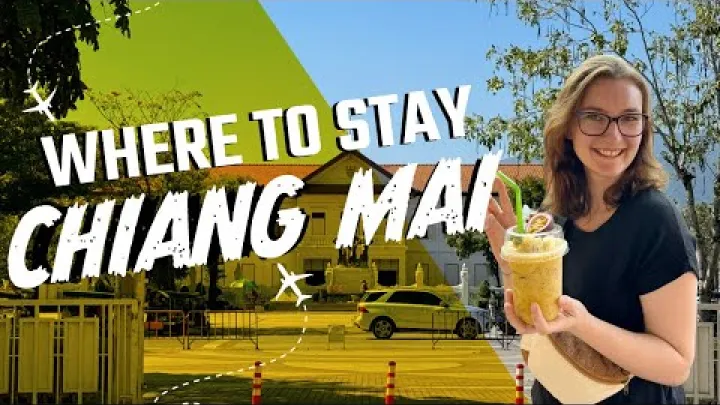
Air quality can decline during the smoke season, typically late February to April. To stay comfortable, choose listings that mention air purifiers, and ask hosts to confirm unit placement and filter condition. Bring or buy well‑fitting masks (for example, KN95) and monitor AQI apps. Some digital nomads time visits for November–January, then move south during the hazy months.
Pattaya: central vs. Jomtien for quick getaways
Central Pattaya suits nightlife, shopping, and short city breaks, with easy beach access and a busy nightlife core. Jomtien is quieter with a longer beach and more relaxed evening atmosphere, often delivering better value on nightly rates and parking. City transport is simple using songthaews (shared pickup trucks) and ride‑hailing, but parking rules vary by condo, so confirm if you will have a dedicated spot.

For families, consider Wong Amat/Naklua for calmer water and some higher‑end beachfront condo buildings, or Pratumnak for a quieter hill setting between Pattaya and Jomtien. Beach cleanliness can vary after storms and weekends; some central stretches get crowded, while Jomtien’s southern end and Wong Amat often feel cleaner and less hectic on weekdays.
Koh Samui: Chaweng, Lamai, Bophut, and luxury options
Chaweng is lively and close to nightlife and shopping, while Lamai offers a more relaxed scene with good swimming. Bophut’s Fisherman’s Village blends dining, boutique stays, and sunset views.

Samui is often favorable mid‑year compared with the Andaman side, making June–August good for beach days. Note that many hillside villas sit on steep roads; consider a capable vehicle, delivery services for groceries, and confirm parking access right by the property.
Krabi and Ko Phangan: nature, occupancy, and who they suit
Krabi’s Ao Nang works as a base for boat trips to Railay, Phra Nang, and the islands; Railay itself is accessible only by boat and offers iconic cliffs and beaches. Ko Phangan mixes party scenes near Haad Rin with tranquil north and west coasts around places like Sri Thanu and Haad Yao, which are well‑loved for longer, quieter stays and yoga or wellness routines.

Minimum stays and occupancy limits vary, especially in smaller islands. Always check listing rules on events, parties, and extra guests. Weather differs across coasts: the Andaman side (Phuket/Krabi) is driest November–April, while the Gulf (Samui/Phangan) can be best mid‑year and often sees its wettest months around October–December. Match your dates to your chosen coast for calmer seas and better ferry conditions.
Prices and best time to book
Thailand’s high, shoulder, and low seasons strongly influence Airbnb prices and availability. Beach destinations change the most, with significant differences between the Andaman and Gulf coasts. Cities remain bookable year‑round, but major holidays and festivals still push rates up. Understanding these windows helps you set expectations and secure better deals.

The Gulf islands can invert some of this pattern, often enjoying better mid‑year weather and seeing more rain toward the end of the year. Booking earlier for peak dates and watching for price dips in shoulder periods is a practical way to balance value and weather.
High, shoulder, and low season: what changes
Peak season (roughly November–February) brings the most reliable beach weather in Phuket and Krabi, high demand, and fewer last‑minute bargains. Cities stay busy around New Year and Chinese New Year. Shoulder periods deliver moderate rates and decent weather, though March–April can feel hot in many regions. Low season (May–October on the Andaman side) offers the biggest savings, but seas can be rough and some boat trips may be limited.

For context, typical daytime temperatures range approximately 24–32°C in the cooler months (Nov–Feb), 26–36°C during the hot period (Mar–Apr), and 25–33°C in the rainy months (May–Oct). Rainfall varies by coast: the Andaman side gets more rain from May–Oct, while the Gulf (Samui/Phangan) often sees its heaviest rain from Oct–Dec. Pack light clothing, sun protection, and a compact rain jacket if visiting in wet months.
Typical nightly price ranges by destination
City condos in Bangkok often range about 1,200–3,000 THB per night for studios and one‑bedrooms, depending on building, walk time to BTS/MRT, and season. Chiang Mai is typically lower for similar space, especially for monthly bookings. In Pattaya and Jomtien, studios and one‑bed units can be competitive year‑round with extra savings mid‑week.

In Phuket and Krabi, condos and small houses frequently run about 1,800–6,000 THB per night, with private pool villas starting higher and easily exceeding 8,000–20,000+ THB for luxury homes or prime sea views. Koh Samui trends higher for villas with panoramic vistas or beachfront access.
How to choose the right Airbnb for your trip
Sorting listings efficiently saves time and avoids mismatches. In Bangkok, prioritize walk time to BTS or MRT. On islands, weigh beach proximity against parking and road steepness. For families and remote workers, list out must‑have amenities and confirm them with the host before you book.

Think through your daily routine: do you plan to cook, work online, or swim every day? Shortlist condos and villas with reliable air conditioning, fast internet, and practical layouts. If you have accessibility needs, use the platform’s step‑free and elevator filters, and ask for photos or videos that show the entrance and bathroom configuration.
Filters and amenities to prioritize
Use filters to focus your search. In Bangkok, choose “near public transport” and scan the map for 5–10 minute walks to BTS/MRT. On islands, check for beach access and parking, plus blackout curtains for early sun. For comfort, look for fast Wi‑Fi, strong air conditioning, a functional kitchen, washer, and a decent workspace if you plan to work remotely.

For accessibility, apply filters for elevator and step‑free access, and ask the host to confirm door widths, ramp availability, and bathroom layout (walk‑in shower vs. tub, presence of grab bars). In beach towns, note that some buildings have a few steps at the entrance or uneven paths. Request recent photos of entrances and hallways, and confirm whether facilities like pools and gyms have accessible routes and operating hours that fit your schedule.
Long stays and remote work essentials
For stays of a week or more, look for weekly or monthly discounts and read minimum‑stay rules. Workspace basics include a proper desk, supportive chair, and consistent 100–300+ Mbps internet. A mobile data backup is wise; Confirm utilities, especially electricity caps in hot months when air conditioning runs longer.

Verify internet speed by asking the host for a fresh Speedtest screenshot taken inside the unit, and request the ISP name and router model. If reliable power is critical, ask about backup options such as UPS units for the router (generators are uncommon in condos). For utilities, request the electricity rate per kWh, any daily allowance included, and a photo of the meter at check‑in and check‑out to ensure transparent billing.
Legal, safety, and check‑in requirements
Thailand regulates short‑term stays, and buildings can set their own rules for guests and facilities. While hosts are responsible for compliance, it helps to understand the basics so you can ask the right questions and be ready for check‑in. Doing so improves safety, avoids delays at reception, and keeps your trip stress‑free.

Expect to provide passport details and to follow condo house rules such as pool hours and quiet times. If a property mentions check‑in at a building reception, plan your arrival accordingly and keep your booking confirmation and host contact handy. The notes below summarize legality, registration obligations, and common building policies.
Is Airbnb legal in Thailand? What travelers need to know
Short-term rentals are regulated by Thailand’s Hotel Act and many listings require a hotel license. Enforcement varies, but compliance is the host’s responsibility and guests are generally not penalized. Choose hosts with clear licenses or long-stay options and check reviews. If concerned, ask the host about licensing and building rules before booking.

Short stays may fall under Thailand’s Hotel Act, which requires certain properties to hold a hotel license. Some condo buildings also restrict or prohibit short‑term rentals, and local enforcement varies by province and even by building. Most guests are not penalized, but unlicensed operations can face building or local scrutiny.
Immigration registration (TM30/TorMor.30) and ID checks
To do this, hosts may ask for your passport and visa details. This process is routine and helps keep records in line with local requirements.

Hotels and compliant hosts typically handle TM30 without guest action, beyond providing ID details. Cooperate promptly so registration is filed on time, and keep your passport accessible at check‑in. If you have concerns, message the host in the app to confirm they will submit the TM30 notification.
Building and condo rules that may affect your stay
Many condos require guest registration at reception and issue keycards or wristbands for facilities. Pools, gyms, and rooftops often have set hours, and buildings may restrict parties or events. Some properties have quiet hours and smoking rules that carry fines if broken.

Visitor policies differ: in some buildings, guests must sign in at security and present photo ID, and late‑night visitors may be restricted. Security checkpoints range from simple desk registration to gated entries with parking controls. Review house rules carefully, and confirm any questions—such as parking, visitor access, and luggage storage—in the in‑app chat before booking.
Booking tips to save money and avoid issues
Clarity on policies and timing can protect your budget and schedule. Read the cancellation policy, house rules, and utility terms before you click “Book.” Keep all communication in the platform’s message thread, which helps resolve issues if plans change or details need reconfirmation.
![Preview image for the video "AIRBNB Booking Mistakes — 17 Things You Must Know [Save MONEY and Time] #traveltips #budgettravel".](/sites/default/files/styles/media_720x405/public/oembed_thumbnails/2025-11/1UVj-vGGwIQu8MOBVZ0mki_gj-mf-9vWUGn87jvIHpY.jpg.webp?itok=wTYlqYA8 "Preview image for the video \"AIRBNB Booking Mistakes — 17 Things You Must Know [Save MONEY and Time] #traveltips #budgettravel\".")
To save money, monitor prices in the shoulder season and mid‑week, and consider longer stays for automatic discounts. For smooth arrivals, confirm check‑in time, method, and registration steps, and have your passport ready. The points below summarize common pitfalls and smart ways to avoid them.
Cancellation policies and the 24‑hour grace window
Airbnb offers several cancellation policies—commonly Flexible, Moderate, and Strict. Read the exact terms on the listing page and in your booking confirmation. Many reservations include a 24‑hour grace period for free cancellation, but the cut‑off can depend on your booking time, the local check‑in time, and the time zone (Thailand is UTC+7, Asia/Bangkok).
Typical local check‑in times are 14:00–15:00, with check‑out around 11:00–12:00. Take screenshots of the policy and confirmation screens so you have a record if the listing settings change later. If you anticipate uncertainty, prefer Flexible or Moderate policies or book slightly later—with the risk of reduced availability—to retain flexibility.
Communication, house rules, and deposits
Confirm check‑in details early: self check‑in with a lockbox, in‑person handover, or building reception. Share your estimated arrival time, especially if registration is required. Read house rules for quiet hours, visitor limits, smoking areas, and party restrictions to avoid fees or removal.

Keep all agreements in the in‑app messages. Avoid cash deposits off‑platform. On Airbnb, damage claims are handled through the platform’s resolution process rather than cash at check‑in; hosts may request documentation if something goes wrong. This protects both parties and ensures a clear record.
How to catch price drops and secure extras
Use wishlists and revisit them 3–8 weeks before your dates to spot price adjustments. Shoulder season and mid‑week stays are prime times for savings. Ask about weekly or monthly discounts on longer trips; many hosts enable them by default.
After a booking is accepted, politely request extras such as early check‑in, a baby cot, or a mid‑stay clean. Some hosts can accommodate if the calendar allows. Do not negotiate off‑platform; it removes your protections and may violate rules. Instead, keep all requests and approvals within the platform chat.
For hosts: fast SEO checklist to rank your Thailand Airbnb
Standing out in search means setting accurate expectations, showcasing real strengths, and replying fast. Be clear about your location advantages—near BTS in Bangkok, steps to the beach in Phuket or Samui, or a quiet lane in Nimman. High‑quality photos and truthful descriptions reduce disputes and increase five‑star reviews.
Keep calendars open and accurate, adjust prices for season and events, and respond to inquiries quickly. Strong amenities for travelers—fast Wi‑Fi, a washer, and a practical workspace—improve your listing’s appeal. The quick points below focus on proven, guest‑centric actions.
Title, images, amenities, and response speed
Write clear titles that include area cues, such as “Near BTS Asok” or “5 minutes to Kata Beach,” and mention standout features like a private pool or 300 Mbps Wi‑Fi. Use bright, well‑composed images that match reality, and show access points, bathrooms, and the view or balcony. Consistency between photos and experience reduces cancellations and penalties.

Offer in‑demand amenities: fast Wi‑Fi, a washer, a reliable workspace, and blackout curtains. Stock basic kitchenware and provide clear check‑in instructions. Respond within an hour when possible—speed boosts conversion and reassures travelers comparing multiple listings.
Dynamic pricing, calendar accuracy, and reviews
Maintain an accurate, open calendar. Heavy calendar blocking can reduce search exposure and confuse guests. Adjust prices for high, shoulder, and low seasons, and consider local events that spike demand, such as festivals and holidays.

Deliver consistent stays to earn five‑star reviews: cleanliness, clear communication, and honest descriptions matter most. Invite feedback on Wi‑Fi performance and beds, which travelers evaluate closely. Monitor competitors and refresh your photos when you upgrade furniture or add features.
Frequently Asked Questions
This section answers common questions about Airbnb in Thailand, from legality and registration to where to stay and how much to budget. It reflects real booking decisions travelers face, such as whether to choose Bangkok condos near transit, a private pool villa in Phuket, or a hillside home in Koh Samui.
You will also find guidance on seasonality and cost. Use these answers alongside the destination sections above to decide where to base yourself, when to travel, and how to compare Airbnbs with hotels for your specific dates and group size.
Is Airbnb legal in Thailand for short stays?
Short-term rentals are regulated by Thailand’s Hotel Act and many listings require a hotel license. Enforcement varies, but compliance is the host’s responsibility and guests are generally not penalized. Choose hosts with clear licenses or long-stay options and check reviews. If concerned, ask the host about licensing and building rules before booking.
What are the best areas to stay in Bangkok on Airbnb?
For first-time visitors, stay near BTS/MRT in areas such as Siam, Asok, Phrom Phong, Thong Lo, or Silom/Sathorn. For culture, consider the Old City (Rattanakosin); for value and local food, look at Ari or On Nut. Proximity to transit (5–10 minutes’ walk) strongly improves convenience and trip time.
How much does an Airbnb in Thailand cost per night?
City condos in Bangkok often range from about 1,200–3,000 THB per night, while beach destinations like Phuket commonly range from about 1,800–6,000 THB. Private pool villas and luxury homes can exceed 8,000–20,000+ THB, especially in Koh Samui and premium Phuket beaches. Prices vary by season, location, and property class.
When is the cheapest time to book an Airbnb in Thailand?
The lowest rates are usually during the rainy season (May–October), excluding local holidays. Shoulder periods around March–April and late October can also offer value. Book 3–8 weeks ahead for common dates and monitor for price drops to save 10–30%.
Can foreigners stay in Thai Airbnbs and what ID is required?
Yes, foreigners can stay in Thai Airbnbs with a valid passport. Hosts may request passport details for guest registration and security. Keep your passport and visa information available for smooth check-in and compliance.
Do hosts need to register guests with immigration in Thailand?
Yes, hosts must notify Thai Immigration within 24 hours of a foreign guest’s arrival (TM30/TorMor.30). This is the host’s duty, not the guest’s, but you may be asked for passport details. If unsure, confirm the host will handle registration.
Is Airbnb cheaper than hotels in Bangkok or Phuket?
For studios and one-bedrooms, Airbnb and hotels are often comparable; Airbnb becomes cheaper per person for 3–6 guests or longer stays. Hotels can be competitive in low season due to promotions. Compare total price with fees and cleaning before deciding.
Which Thai island is better for Airbnb: Phuket, Koh Samui, or Krabi?
Phuket suits beach variety and private pool villas, Koh Samui is strong for luxury villas and views, and Krabi is ideal for nature access (Ao Nang, Railay). Choose based on season: Andaman side (Phuket/Krabi) is best Nov–Apr, while Koh Samui can be favorable mid-year.
Conclusion and next steps
Thailand’s Airbnb landscape offers something for every traveler: city condos near rail transit, beachfront apartments, and spacious villas on scenic hills. The key is to match destination and season to your plans. For island stays, remember the Andaman coast is best from November to April, while the Gulf often enjoys good mid‑year conditions. In Bangkok and Chiang Mai, focus on walk time to BTS/MRT or the amenities that matter for longer stays, such as fast Wi‑Fi, air conditioning, and a reliable workspace.
Set a realistic budget by comparing total prices—including cleaning fees and any utility caps—and choose cancellation terms that fit your risk tolerance. Confirm licensing or building rules when you book short stays, and expect to share passport details for TM30 registration. Finally, keep all communication in the app, review house rules, and verify key details like internet speed, parking, and check‑in steps. With these essentials in place, your Thailand Airbnb stay can be smooth, comfortable, and well‑suited to your travel goals.
Select area
Create a post
Posting is free and no registration is required.