Thailand Massage Spa: Authentic Thai Massage Guide, Prices, Best Places
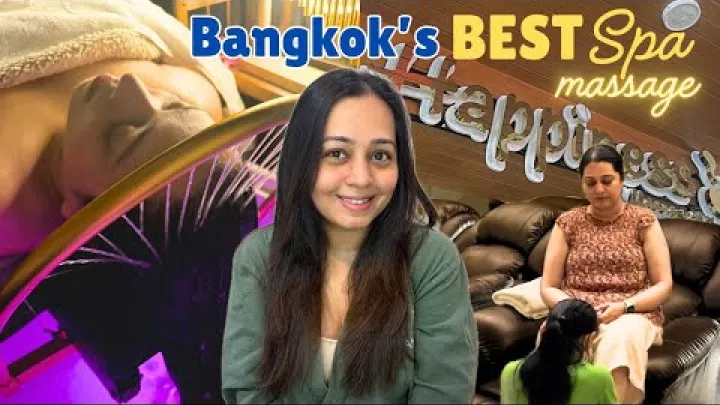
A Thailand massage spa visit is a highlight for many travelers and wellness seekers. You will learn session types, practical etiquette, price ranges, and how to choose reputable venues. Whether you want deep relaxation or better mobility, this resource will help you plan a safe, meaningful experience.
What is a Thailand massage spa? Definition and quick facts
Traditional roots (Wat Pho, sen lines, UNESCO recognition)
Thai massage, formally called Nuad Thai, is a traditional bodywork system taught for generations through communities and temples. Many Thailand spa and massage menus draw on this lineage, blending classic techniques with modern spa standards for hygiene, privacy, and customer care.
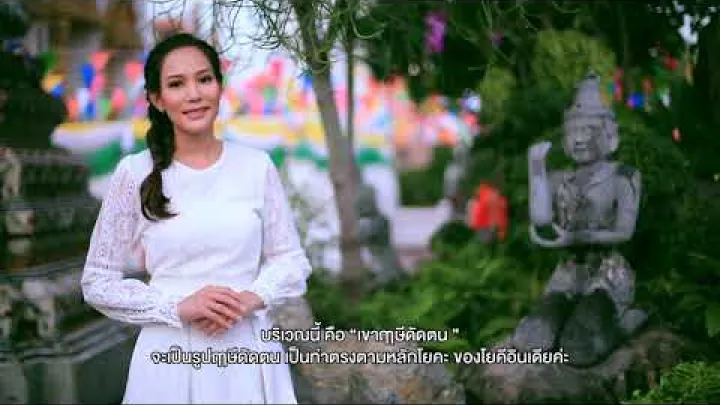
Practitioners work along sen lines, which are described in Thai tradition as mapped pathways used to organize pressure and stretching techniques. In practice, therapists apply acupressure, compression, and assisted movements to restore ease of motion across joints and soft tissues. In 2019, UNESCO recognized Nuad Thai as Intangible Cultural Heritage, underscoring efforts to preserve its cultural and community value. This heritage context helps clients understand why Thai massage emphasizes mindful pacing, body alignment, and respectful etiquette.
How Thai massage differs from Western modalities
Traditional Thai sessions are performed clothed on a mat, and the focus is on rhythmic pressure, joint mobilization, and assisted stretching. By contrast, Western modalities such as Swedish massage are typically oil-based on a table with glide-oriented strokes that knead muscle tissue. Thai work often includes the use of thumbs, palms, forearms, elbows, knees, and feet to create broad, sustained pressure and to mobilize hips, shoulders, and the spine.

There is overlap with sports or deep tissue approaches where targeted pressure addresses tight fascia or stubborn trigger points. The key distinction is the clothed, whole-body flow of Thai massage and its emphasis on mobility rather than continuous oil glide. If you are worried about intensity, remember that pressure is always adjustable. Clear communication makes the session collaborative and can replace the “painful” stereotype with a comfortable, effective experience.
Types of Thai massage and spa treatments
Traditional Thai massage (Nuad Boran)
Nuad Boran is the dry, clothed foundation of many Thailand spa & massage menus. Clients typically change into loose clothing provided by the spa, lie on a mat, and receive rhythmic acupressure along sen lines combined with assisted yoga-like stretching. Sessions commonly start at the feet, move up the legs, address hips and back, and finish with shoulders, arms, and neck, creating a full-body sequence that feels structured yet personalized.
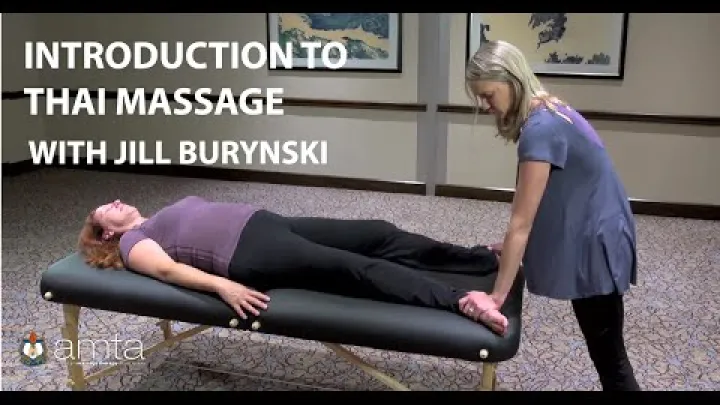
Popular durations are 60, 90, or 120 minutes. Many clients describe increased joint freedom, more upright posture, and a calmer nervous system after a series of visits. For safety, inform your therapist about recent surgery, acute injuries, severe osteoporosis, or unstable joints. In such cases, techniques are adjusted or avoided, and it may be best to choose gentler options until a clinician confirms that full stretching is appropriate.
Thai oil and aromatherapy massage
Thai oil massage blends pressure-point work with smoother, flowing strokes. It is usually performed on a table with professional draping to protect modesty, and it may include essential oils for added aroma. Pressure ranges from light to firm, and some therapists incorporate gentle stretching, making this a good option for clients who want the Thai style in a more relaxing, glide-based format.
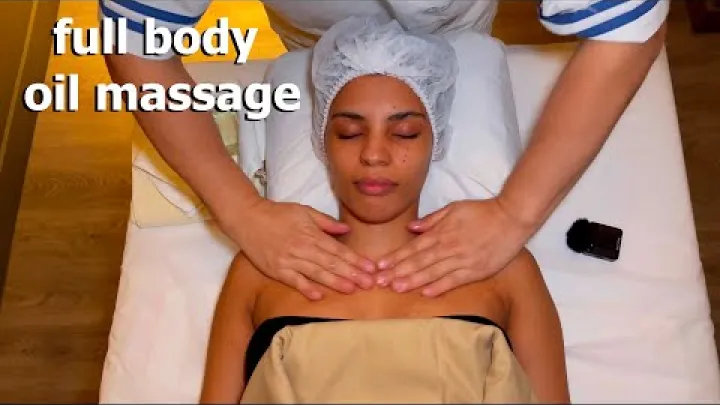
Clothing and positioning differ from mat-based sessions. You will typically undress to your comfort level and be covered with sheets or towels except for the area being worked. This format helps clients who prefer the warmth and continuity of oil treatments and can be adapted to sensitive areas or specific concerns such as neck tightness or desk-related shoulder strain.
Herbal compress (Luk Pra Kob)
Herbal compress, known as Luk Pra Kob, uses steamed cloth bundles filled with traditional herbs such as lemongrass, turmeric, prai, and kaffir lime. Therapists press the warm compresses along the body in a rhythmic sequence, layering moist heat over muscles and connective tissue. The soothing aroma and heat can enhance relaxation and complement both Thai and oil-based sessions.
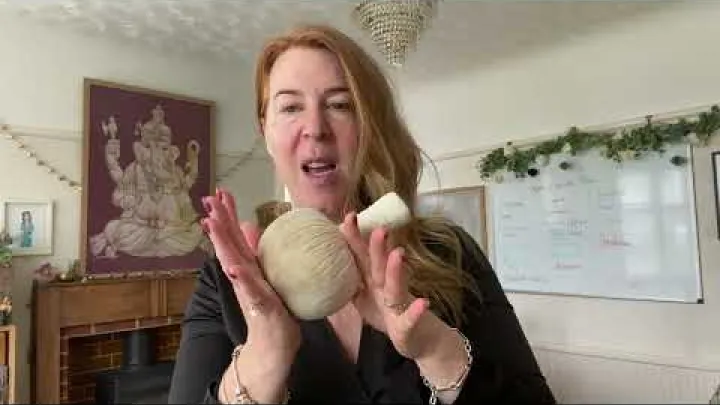
Many visitors add compresses to focus on stiff backs, tight hips, or leg fatigue. Because it involves heat and botanicals, clients should mention any heat sensitivity or skin allergies during intake. Therapists can adjust temperature, test a small area first, or provide alternatives to ensure comfort and safety throughout the treatment.
Foot massage (Thai reflexology)
Thai foot massage concentrates on the feet and lower legs with thumb-walking, knuckle pressure, and a wooden stick to stimulate specific reflex points. This technique is especially popular with travelers who walk long distances, spend hours in airports, or have limited time between activities. Typical sessions are 30 to 60 minutes and can deliver whole-body relaxation through focused local work.
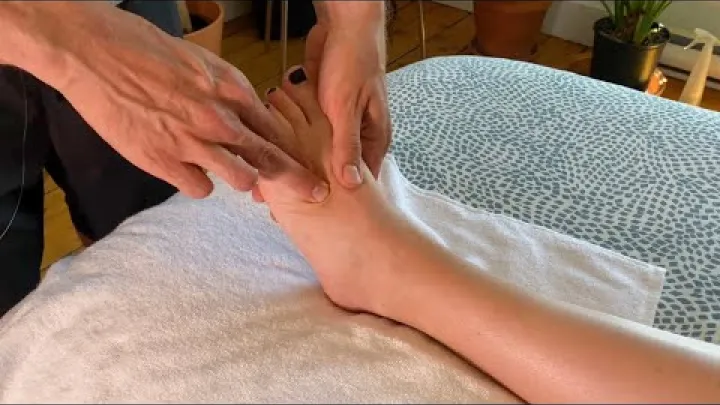
Reflexology is supportive and not a diagnostic medical tool. It can be a gentle entry point for first-time clients or those who prefer to remain seated. If you have foot conditions such as acute plantar fasciitis, recent fractures, or skin infections, tell your therapist so they can tailor pressure or suggest an alternative approach.
Tok Sen and regional styles (Chiang Mai/Lanna)
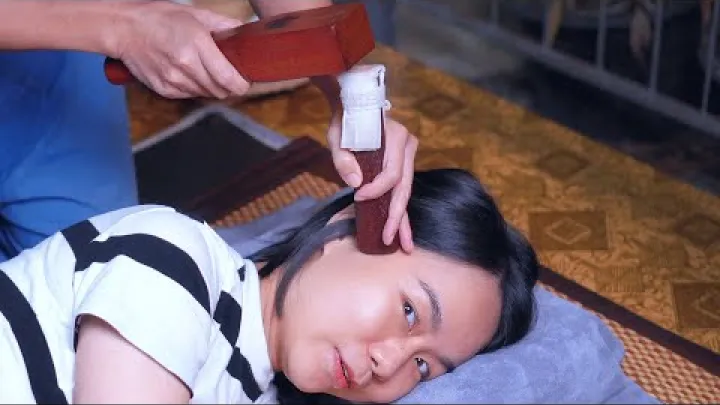
Tok Sen is a Northern Thai technique using a wooden mallet and wedge to generate gentle, rhythmic vibrations along lines of tension. The tapping resonates through soft tissue and can help release areas that do not respond well to direct static pressure. Many clients find the sound and cadence deeply soothing, while others enjoy the novelty of a method rarely offered outside Northern Thailand.
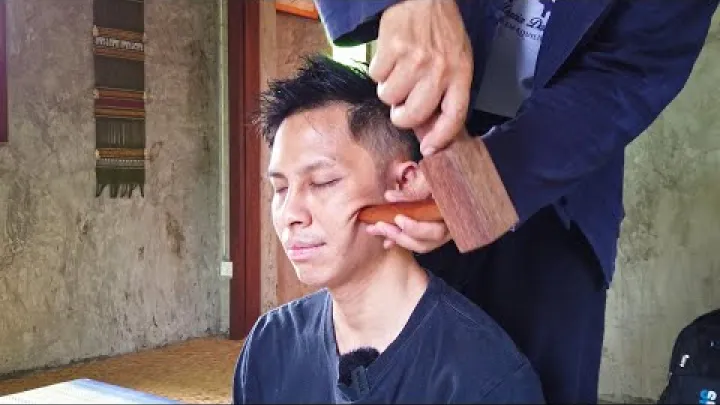
Lanna-style Thai massage from the Chiang Mai region is known for flowing sequences and distinctive stretches. Availability varies by city; Chiang Mai has the highest concentration of specialists and schools. Not all Thailand massage spas offer Tok Sen, so it is best to check menus and confirm therapist training in advance if you hope to try this specific modality.
What to expect in a Thai massage session
Intake, clothing, and etiquette
Professional venues begin with a brief intake to understand health history, injuries, and comfort preferences. This helps the therapist decide which techniques, positions, or pressures are suitable for you. For traditional Thai massage, spas provide loose garments; you remove shoes at the entrance and are guided to silence devices to keep the space calm for everyone.

Etiquette centers on consent and modesty. Therapists explain what they plan to do and check comfort during transitions and stretches. Tipping norms vary by venue. In many local shops, tipping is optional and modest; hotel spas may include service charges, making tips discretionary. Ask at reception if you are unsure, and follow local practice without pressure.
Techniques, stretches, and comfort levels
Common techniques include compression, acupressure, cross-fiber pressing, joint mobilization, and assisted stretching. The sequence typically begins at the feet and legs, then progresses to hips, back, shoulders, and neck, but therapists adjust based on your goals. Breathing steadily during holds and stretches helps your body release unnecessary tension and improves the overall result.
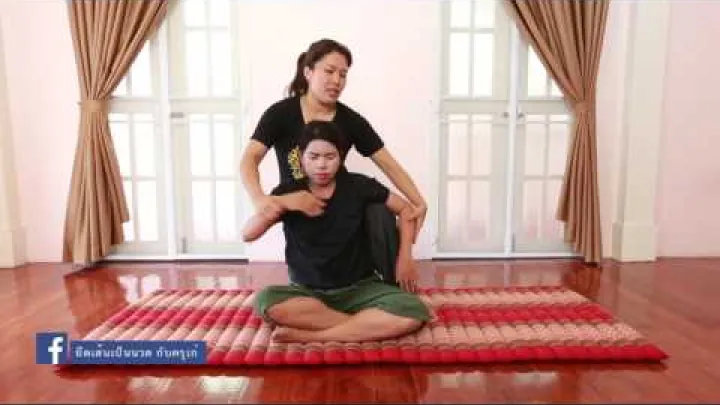
To personalize pressure, use a simple 1–10 comfort scale. Around 6–7 often feels therapeutic yet manageable, while anything that rises toward 9–10 should be reduced immediately. Speak up if a position, stretch, or pressure feels too intense, and your therapist will adapt the technique, angle, or leverage to keep you comfortable and safe.
Aftercare, hydration, and recovery
After the session, drink water to support circulation and help reduce post-treatment soreness. Gentle movement, such as walking or light stretching, can prolong the benefits. Many people feel looser or calmer the same day, with further improvements in sleep or mobility over the next 24–48 hours.
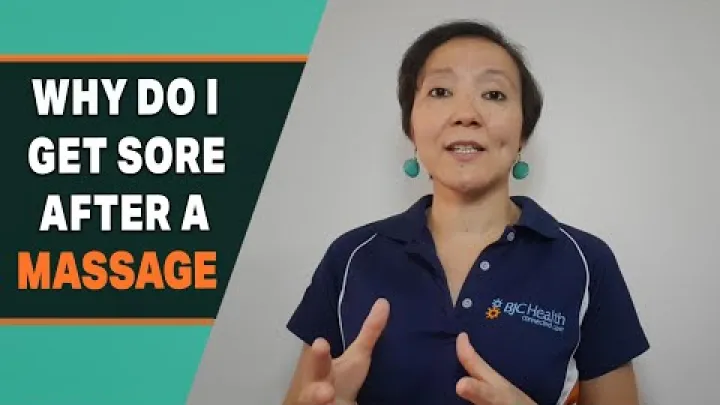
Mild soreness can occur, especially after strong pressure or deep stretching. Consider spacing sessions by 2–7 days to observe how your body responds, and wait before heavy workouts. If you experience sharp pain, persistent numbness, unusual swelling, or symptoms that concern you, seek medical advice promptly and inform the spa so they can note your feedback.
Benefits of Thai massage (physical, mental, emotional)
Mobility, pain relief, and athletic recovery
Thai massage is widely chosen to improve range of motion and release muscular tightness. The combination of sustained pressure with assisted stretching can help restore functional movement patterns, particularly around the hips, hamstrings, and shoulders. Many active individuals use Thai massage between training days to encourage recovery and maintain flexibility.
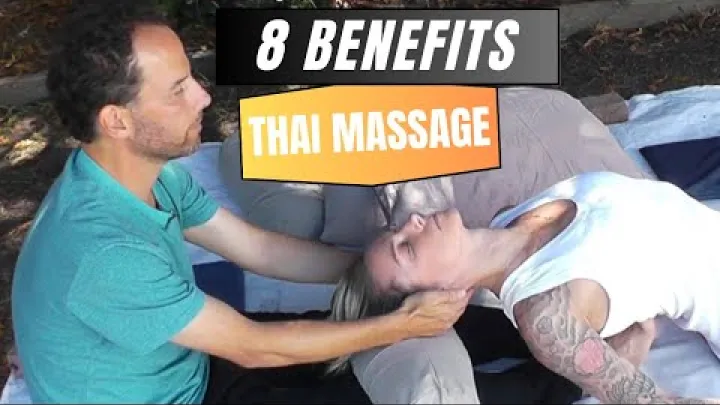
Evidence on outcomes is promising but varies by study design and individual factors. Consider Thai massage as a complementary approach alongside strength training, mobility work, and medical care when needed. If you have complex pain conditions, consult a clinician and share recommendations with your therapist so the session aligns with your overall plan.
Stress reduction and mental clarity
Slow, rhythmic sequences, measured breathing, and attentive touch can reduce perceived stress and support a calmer mood. Clients often report feeling mentally clearer and more grounded after a session, which can improve focus for work or travel days. Oil-based variations provide a gentler feel that some people prefer when their main goal is relaxation.

As with physical benefits, responses differ among individuals. Thai massage may contribute to better sleep quality and a sense of ease, especially when received regularly. Use pacing and pressure that feel restorative to you, and let your therapist know if you want to maximize relaxation over deeper structural work.
Prices in Thailand vs abroad
Typical price ranges by venue type (local, mid-range, luxury)
Pricing depends on venue type, location, therapist training, and session length. Mid-range day spas typically range from THB 600–1,200 per hour, reflecting amenities, decor, and specialized services. Luxury hotel spas usually charge about THB 1,000–3,500 per hour, especially for oil or aromatherapy treatments and premium facilities.
Prices vary by season and neighborhood, and some venues offer longer sessions at a better per-hour rate. Confirm whether taxes, herbal compresses, or special oils are included to avoid unexpected add-ons at checkout.
| Venue type | Thailand (per 60 min) | Abroad (typical per 60 min) |
|---|---|---|
| Local shop | THB 200–600 | USD/EUR equivalents vary by city; often higher |
| Mid-range day spa | THB 600–1,200 | USD 60–120 / EUR 50–100 |
| Luxury hotel spa | THB 1,000–3,500 | Usually above local average for premium settings |
Price drivers and value optimization tips
Key price drivers include therapist training and certifications, venue type and amenities, city location, and session length. Add-ons such as herbal compresses, specialized oils, or hot towels can also influence the final price. In tourist-heavy zones or during peak seasons, expect higher rates even for standard treatments.

To optimize value, look for clear printed menus, weekday specials, and package deals such as Thai plus foot massage. Book directly, confirm what is included, and ask whether taxes or service charges apply. Unusually low prices can be a warning sign of poor standards or unethical practices, so balance cost with quality, transparency, and professionalism.
Best places to experience Thai massage in Thailand
Bangkok selection tips (city and hotel spas)
Bangkok offers an extensive range of options, from neighborhood studios to elegant hotel spas. Areas such as Sukhumvit, Silom, and Old Town concentrate many Thailand massage spa Bangkok choices with varied price points. For convenience, consider proximity to BTS or MRT stations, which can save time during peak traffic hours and make post-session travel easier.
When choosing among Bangkok Thailand massage spa venues, look for recognized certifications, hygienic spaces, clear pricing, and courteous intake procedures. Read recent reviews to match your expectations for ambiance, technique, and pressure style.
Chiang Mai and Northern traditions
Chiang Mai is famous for Lanna-style Thai massage, where sequences often feel rhythmic and flowing, and for a higher availability of Tok Sen specialists. The Old City and Nimmanhaemin neighborhoods host reputable schools, community clinics, and long-standing studios. The training culture is strong, and many practitioners hold multiple certificates.
Average prices in Chiang Mai can be modestly lower than in Bangkok, though rates vary by venue and season. If you are interested in tok sen massage Chiang Mai offerings, check menus for specific listings and ask about therapist training. Many visitors plan a longer session or a multi-visit package to explore different regional techniques.
Pattaya and resort areas
Tourist areas can have higher pricing, but you will also find straightforward shops offering good value. Compare menus, check recent reviews, and look for clear signage, open lobbies, and professional conduct to ensure a family-friendly environment.

Nightlife districts may include businesses that do not align with a wellness-focused experience. Prioritize transparent, well-reviewed operators with proper hygiene and skilled staff. If you want spa massage Pattaya Thailand options, consider daytime appointments and venues connected to reputable hotels or established wellness centers.
How to choose a reputable spa (avoid red flags)
Credentials, reviews, and transparent pricing
Quality and safety improve when therapists are trained and venues follow clear standards. Look for certificates from recognized schools such as Wat Pho Thai Traditional Medical School and check for Ministry of Public Health IDs where applicable. Many reputable venues display credentials at reception; do not hesitate to politely verify them.
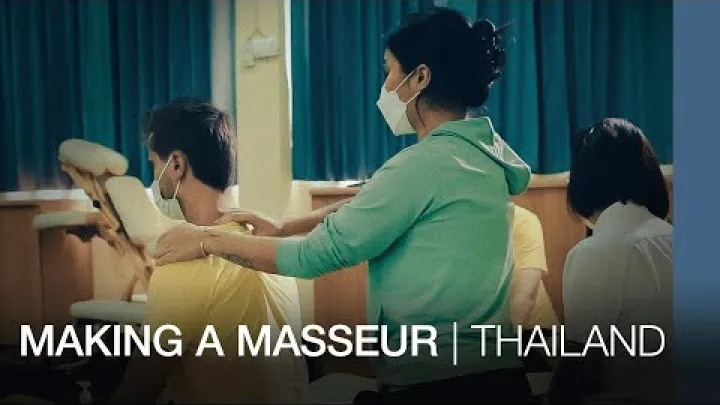
Use local search phrases like “Thailand massage spa near me” to find options with consistent, recent reviews on Google. Reliable listings include clear photos, services, hours, and pricing. Calling ahead to ask about therapist training and specialties helps confirm fit and reduces the chance of misaligned expectations.
Ethical warning signs and safety
Red flags include locked or opaque entrances, pressure to pay cash with no receipt, or inappropriate offers. Professional venues explain techniques, obtain consent before deeper work, and maintain proper draping for oil sessions. Clean linens, hand hygiene, and visible sanitation routines are essential indicators of care.
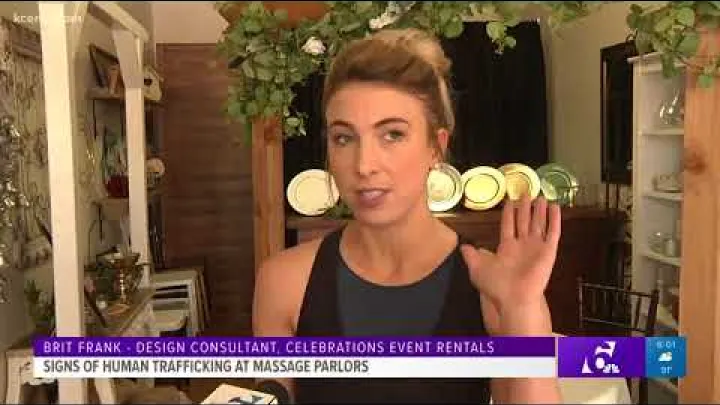
Remember that you can stop the session, change pressure, or decline any technique at any time. Communicate clearly if something feels uncomfortable. Choosing a spa that respects boundaries and responds promptly to feedback supports both safety and a positive experience.
Authenticity, training, and cultural context
Wat Pho programs and recognized certifications
Wat Pho offers structured courses with hour-based certificates that cover sen line theory, anatomy basics, and hands-on techniques. Other recognized institutions across Thailand provide similar curricula, often adding modules on therapeutic assessment, prenatal adaptations, or sports applications. Verified training contributes to safer sessions and more consistent service quality.
When booking, you can ask about course hours, specific certifications, and areas of specialization. Therapists who pursue ongoing education tend to communicate clearly, modify techniques appropriately, and tailor sessions to your needs. This attention to training reflects the broader effort to preserve the integrity of Nuad Thai while meeting modern client expectations.
Respect for Thai heritage and practitioner standards
Thai massage is embedded in local customs of courtesy and calm. Remove shoes upon entry, speak quietly in shared spaces, and follow staff guidance about changing and devices. Respect for cultural practices helps protect the heritage of Nuad Thai and makes the environment more restful for everyone.
Choose venues that uphold fair labor, non-discrimination, and clear professional boundaries. Avoid sexualized stereotypes and support businesses that present services transparently and ethically. Neutral, respectful language and behavior toward practitioners sustains a positive, dignified experience for clients and therapists alike.
Booking tips for tourists and domestic visitors
When to book, ideal duration, and packages
Late afternoons and evenings are peak times, especially in major cities and on weekends. Booking 1–2 days ahead improves your chances of getting preferred times and therapists. If your schedule is tight, consider late morning or early afternoon slots when demand is often lower.

Choose 60 minutes for focused work or 90 minutes for fuller sen-line coverage and deeper relaxation. Some clients select 120 minutes to combine modalities, such as Thai plus herbal compress or oil plus foot massage. Leave buffer time before flights or long travel so you can rest, hydrate, and enjoy the benefits without rushing.
Health considerations and contraindications
Share relevant health information during intake, including pregnancy, cardiovascular conditions, recent surgery, acute inflammation, or neuropathies. Avoid massage if you have fever or contagious skin conditions, and consider postponing after a fresh injury. Therapists can adjust techniques or recommend gentler options based on your needs.
Foot massage or a lighter oil session may suit clients with limited mobility or sensitivity to stretching. When in doubt about suitability, consult a clinician and relay guidance to the spa. Clear communication supports a safe, effective experience tailored to your situation.
Frequently Asked Questions
How much does a Thai massage cost in Bangkok?
Typical city shops charge around THB 250–350 per 60 minutes for basic Thai massage, with local ranges from about THB 200–600. Mid-range day spas often run THB 600–1,200 per hour, and luxury hotel spas about THB 1,000–3,500 per hour. Oil and aromatherapy sessions usually cost more than dry Thai massage.
What should I wear for a Thai massage at a spa in Thailand?
For traditional Thai massage, the spa provides loose clothing and the treatment is clothed on a mat. For oil or aromatherapy massage, you undress to comfort level and are professionally draped on a table. Remove accessories and keep your phone silent to maintain a calm space.
Is Thai massage painful, and is it suitable for first-timers?
Thai massage should not be painful. Pressure and stretches are adjusted to your comfort, and you can use a 1–10 scale to guide intensity. First-timers are welcome and may start with lighter pressure or a foot massage. Breathing steadily during stretches helps reduce tension.
Can pregnant clients get Thai massage in Thailand?
Pregnant clients should disclose pregnancy during intake and avoid strong pressure or deep abdominal work. In the second and third trimesters, book only with therapists trained in prenatal techniques, using side-lying positions and gentle pressure. When uncertain, seek clinician guidance before booking.
How long should a Thai massage session be?
Sixty minutes suits focused work or tight schedules, while 90 minutes allows fuller coverage and deeper relaxation. Athletes or clients with multiple goals may prefer 90–120 minutes or a package combining Thai, foot, and herbal compress work. Choose a duration that fits your goals and energy level.
How do I find a reputable Thailand massage spa near me?
Look for recognized certifications (e.g., Wat Pho), clear pricing, and consistent recent reviews with photos and business hours. Call to ask about therapist training and specialties, and avoid venues with opaque entrances or “cash-only with no receipt” policies. Professional intake and clear explanations are good signs.
What is the difference between Thai oil massage and traditional Thai massage?
Traditional Thai massage is clothed on a mat with acupressure and assisted stretching along sen lines. Thai oil massage is on a table with draping, combining point work with flowing strokes for a smoother feel. Choose based on whether you want more stretching and mobilization or a glide-based, relaxing session.
Conclusion and next steps
Thai massage blends cultural heritage with practical wellness benefits, offering a spectrum of experiences from structured, clothed mat sessions to gentle oil-based treatments. Understanding core elements—sen-line organization, pressure and stretching, and the role of mindful breathing—helps set realistic expectations and makes it easier to communicate preferences. Whether you visit a neighborhood studio or a luxury hotel spa, the essentials remain the same: trained therapists, hygienic spaces, transparent pricing, and respectful boundaries.
Prices vary by venue type, city location, and inclusions, but clear menus and upfront questions prevent surprises. For safety and comfort, share relevant health information, choose suitable pressure and duration, hydrate after sessions, and space appointments to observe how your body responds.
Approached this way, a Thailand massage spa visit can support mobility, reduce perceived stress, and enrich your understanding of a recognized cultural practice. With realistic expectations and informed choices, you can match modalities, settings, and price points to your goals and enjoy a respectful, restorative experience.
Select area
Create a post
Posting is free and no registration is required.