Thailand Music Festival 2025–2026: Dates, Top Events, Locations, and Travel Tips
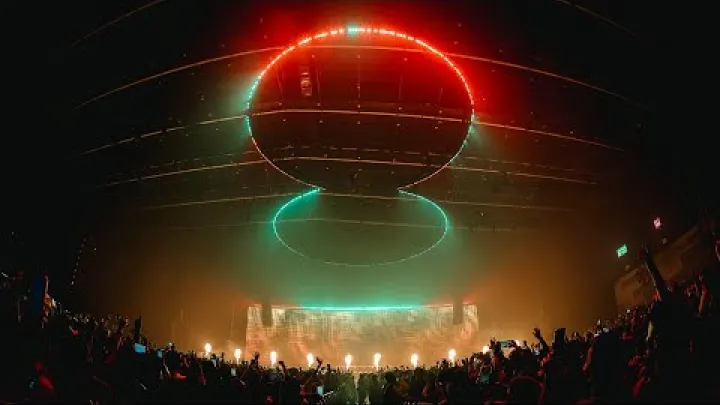
Thailand’s music festival scene blends world-class production with destination travel, making it a prime choice for fans across Asia and beyond. This guide covers the 2025–2026 calendar, top events by genre, pricing, and practical travel tips. Whether you are chasing EDM mega-stages, water-themed Songkran shows, arts and wellness weekends, or jazz by the beach, you will find options across Bangkok, Pattaya/Chonburi, Phuket, and upcountry settings.
Overview of Thailand’s festival scene
Why Thailand is a global festival hub
Thailand has become a regional anchor for large-scale festivals thanks to strong institutions, reliable venues, and a travel ecosystem designed for high visitor volumes. The Thailand Convention and Exhibition Bureau (TCEB) supports MICE and event development, while the Tourism Authority of Thailand (TAT) promotes inbound travel under the “Amazing Thailand” banner. Recent government initiatives, often referenced under national programs such as “IGNITE Thailand,” signal continued support for creative industries and marquee events. In the Eastern Economic Corridor (EEC), infrastructure improvements around Chonburi and Rayong further enable large outdoor productions.

On the ground, this translates into consistent staging, experienced production crews, and audience amenities such as RFID wristbands, cashless systems, and organized shuttles. Attendance varies by brand and year, but major events regularly draw tens of thousands, and the visitor economy benefits hotels, F&B, retail, and transport networks. The combination of accessible cities, dry-season weather, and international lineups explains why many travelers plan a Thailand music festival trip as the centerpiece of a winter holiday.
Key genres and audience segments (EDM, Songkran/water, arts & wellness, jazz, hip-hop, trance)
EDM is the backbone of the calendar, with multi-stage productions and global headliners concentrated in Bangkok and Pattaya in December and over New Year’s week. Typical audiences range from 18–35 for general admission, with VIP areas attracting older attendees and groups celebrating special occasions. Songkran events in mid-April layer EDM with water play; crowds skew 18–32 and include many first-time festival travelers who combine the show with city or beach breaks. Pack waterproof gear and expect full water exposure throughout the arena.
Transformational arts and wellness gatherings bring design-led stages, sustainability themes, farm-to-table food, and talks. These attract a broad mix: creative professionals, families, and travelers 25–45 who prefer multi-sensory experiences and daytime programming. Jazz and blues series in Hua Hin, Pattaya, and Pai serve mature listeners, families, and casual music lovers seeking relaxed atmospheres; start times often early evening. Trance and niche communities are tight-knit and highly international, with fans 22–40 willing to travel for beachfront venues and limited-capacity editions where the music itself is the focus.
Calendar and seasonality (peak months, weather, major holidays)
When is festival season in Thailand?
The core festival season runs from November to April, aligning with cooler evenings and lower rainfall across mainland hubs. Shoulder activity appears in August and select weekends as brands test new dates or indoor formats, but May–October carries higher rain risk for open-air sites.

Regional weather varies. On the Gulf side (for example, Koh Samui and parts of the lower Gulf), an additional rainy period can arrive October–December, so outdoor events may be less common there during that window. Wherever you plan to go, remember that organizers can shift by weekend year to year; confirm final dates and venues before booking flights or nonrefundable rooms. Holiday periods such as New Year and Songkran influence pricing, crowd levels, and availability, so early planning pays off.
At‑a‑glance festival calendar (2025–2026 table)
The table below lists common windows and hubs. Always verify current status, ticket phases, and official announcements before you commit. Last updated: November 2025.

| Festival | Typical window | City/Region | Genre/Format | Notes |
|---|---|---|---|---|
| Wonderfruit | Mid–December | Pattaya/Chonburi | Arts, electronic, wellness | Multi‑day; camping and boutique lodging; cashless on site |
| 808 Festival | Late December | Bangkok | EDM | New Year’s week; multi‑stage production |
| NEON Countdown | Dec 30–31 | Bangkok | EDM | New Year’s Eve focus; big‑room and bass acts |
| Creamfields Asia (Thailand stop) | Variable (often Q4) | Bangkok/Pattaya (varies) | EDM | Brand may rotate; check annual confirmation |
| EDC Thailand | TBA by year | Bangkok/Pattaya (varies) | EDM | Occasional presence; status varies |
| S2O Songkran | Apr 13–15 | Bangkok | EDM + water | Water cannons; waterproofing essential |
| UnKonscious | February | Phuket area | Trance | Limited capacity; beachfront; early sellouts |
| Big Mountain Music Festival | Early December | Khao Yai/Pak Chong | Thai pop, rock, indie | Large domestic crowd; licensing may affect schedule |
| Hua Hin Jazz | Varies (watch Q2–Q4) | Hua Hin | Jazz & blues | Mix of ticketed and free programs |
| Pattaya Music Series | Varies (often Q1–Q2) | Pattaya/Chonburi | Multi‑genre | City‑led weekend shows; some free |
| Tomorrowland Thailand | 2026 onward (TBA) | Pattaya area (proposed) | EDM mega | Five‑year residency approved 2026–2030 |
Top festivals by genre and format
EDM mega festivals (Creamfields Asia, EDC Thailand, 808, NEON Countdown)
Thailand’s biggest EDM gatherings deliver multi-stage lineups, high-end sound, pyrotechnics, and creative stage design. 808 Festival and NEON Countdown are reliable New Year anchors in Bangkok, with NEON focusing on Dec 30–31 and 808 typically spanning the week around it. VIP and VVIP platforms offer raised viewing, fast-track entry, and private bars, while general admission delivers the full arena experience with extensive food and merch zones.
Creamfields Asia has included Thailand stops in select years, and Electric Daisy Carnival (EDC) maintains an occasional or developing presence in the market, so treat these as year-by-year opportunities rather than guaranteed fixtures. Distinguish between confirmed annual brands (for example, 808 and NEON in Bangkok) and tentative or rotating ones (Creamfields Asia, EDC Thailand). Always check the organizer’s channels for date locks, venue details, and tiered ticket phases to time your purchase.
Songkran and water-themed events (S2O Songkran)
S2O Songkran is among Thailand’s most distinctive festival formats, blending EDM stages with massive water cannons during the Thai New Year period around April 13–15. The atmosphere is playful and high-energy, and many attendees plan city sightseeing by day with festival nights. Parallel Songkran dance events also appear in Pattaya and Phuket, creating day-to-night itineraries that combine pool parties, club shows, and outdoor stages.
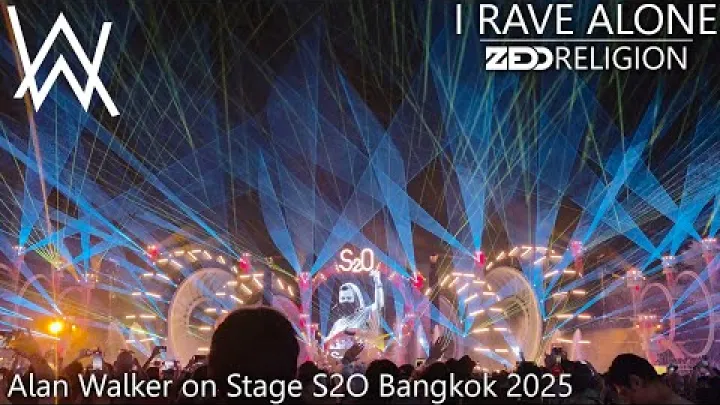
Use waterproof phone pouches, quick-dry clothing, and a small dry bag for essentials. Many sites offer lockers for rent; reserving one early is wise during peak nights. Protect electronics with double-sealed pouches and carry a spare change of clothes if your commute is long. Respect local customs—Songkran is a cultural celebration—and follow festival zone rules and staff guidance when moving between public areas and event entrances.
Transformational & arts (Wonderfruit)
Wonderfruit, held near Pattaya in December, is a multi-day gathering that fuses music with art installations, design-led architecture, sustainability labs, wellness classes, and a curated culinary program. The site layout encourages exploration across day and night, with family-friendly zones, workshops, and talks. Many travelers book boutique hotels in Pattaya or choose onsite camping and pre-pitched tents to immerse themselves for the full weekend.

The event is known for reuse and low-waste principles, cashless transactions, and thoughtful programming that rewards early arrival and daytime participation. Expect a mix of international live and electronic acts, plus cross-disciplinary performances. Venue specifics and 2025 dates should be confirmed via official channels once announced; the general pattern has been mid-December at a site east of Pattaya with shuttle connectivity and parking options.
Jazz & blues (Hua Hin, Pattaya, Pai)
Thailand’s jazz and blues circuit offers relaxed evenings and seaside or small-town charm. Hua Hin has hosted international and Thai artists at open-air beachfront venues on select annual dates, often pairing concerts with food markets and family activities. Pattaya’s city-led music series periodically includes jazz weekends on waterfront promenades or public squares, attracting locals and visitors alike.
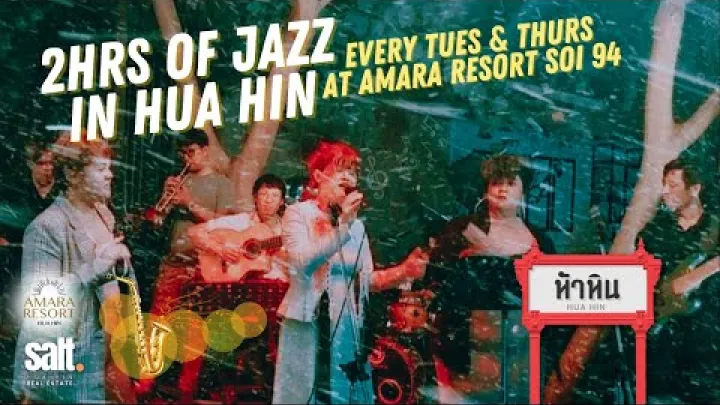
The mountain town of Pai hosts intimate performances and seasonal events favored by acoustic, folk, and jam enthusiasts. Many jazz and blues programs are free or mixed-format, with ticketed premium seating and hospitality add-ons. Start times often begin around early evening to catch cooler temperatures; verify whether the night you plan to attend is ticketed, free, or donation-based, and arrive early for the best vantage points.
Trance and niche (UnKonscious)
UnKonscious is a destination trance experience typically staged in February on or near Phuket’s beaches. With limited capacity and a tight global community, tickets can sell out well in advance. Expect multi-day itineraries that weave together pre-parties, main shows, and after-parties, creating a full long-weekend flow for travelers who plan their trip around the lineup.
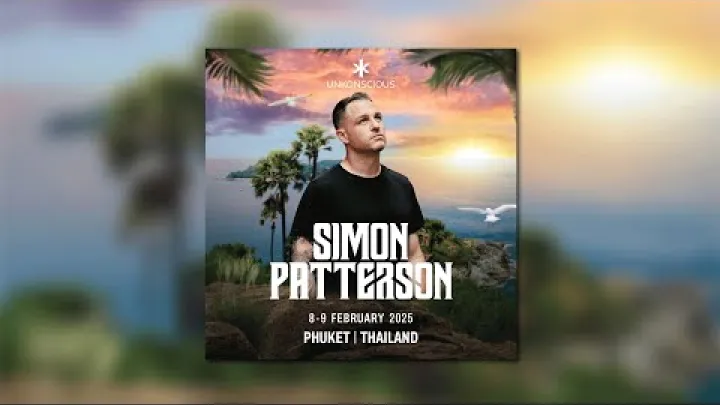
International trance headliners and extended sets are common, and production emphasizes sound quality and scenic staging. Lodging near the venue is at a premium in peak months, so book early and monitor official channels for the exact beach or venue once confirmed each year. Shuttle details, door times, and dress codes are typically released closer to the event.
Large multi‑genre (Big Mountain)
Big Mountain Music Festival is often cited as Thailand’s largest domestic multi‑genre event, drawing expansive crowds with Thai pop, rock, hip-hop, and indie across many stages. Attendance figures vary by year and approvals, with public estimates frequently in the tens of thousands and sometimes referenced around 70,000. The setting near Khao Yai provides a camping-style atmosphere with long operating hours and late-night sets.

Schedules can be affected by weather and licensing. Travelers should monitor official updates for gate policies, age restrictions (some years align with 20+ alcohol regulations), and transport guidance. Base yourself in Pak Chong or Khao Yai for easier access, and plan for cool evenings in December with layers and comfortable footwear for walking between stages.
What is new and notable (2025–2026)
Tomorrowland Thailand approval and timeline (2026–2030)
A multi-year residency for Tomorrowland Thailand has been approved for 2026–2030, with plans centering on the Pattaya area. Government and private partners are coordinating venue development, transport links, and tourism packages to host a mega-scale audience. The region’s evolving infrastructure, including highways and the U-Tapao (UTP) airport area, supports event logistics and international access.
Details such as exact dates, venue boundaries, and ticket phases will be released by the organizer in due course. Until those official announcements appear, avoid booking nonrefundable travel based on speculation. The expected economic impact is significant, with hotel, F&B, retail, and transport sectors likely to see substantial demand in the event window.
Confirmed and expected dates to watch
Use recurring patterns as planning anchors while you wait for final confirmations. S2O lands around April 13–15, New Year’s week in Bangkok hosts 808 and NEON Countdown, and Wonderfruit typically targets mid-December in the Pattaya area. UnKonscious has favored February in Phuket, while Big Mountain often appears in early December, weather and approvals permitting.
Track early-bird and Phase 1–3 releases to anticipate demand. Many organizers use mailing lists, verified ticketing partners, and social channels to announce price tiers and gate changes. For accuracy, rely on the official festival website and named ticketing platforms rather than screenshots or reposts. Consider adding a personal “last-checked” note to your travel plan and revisit it monthly until your event month begins.
Planning your trip (tickets, budget, visas, transport, lodging)
Typical ticket prices and VIP tiers
General admission day tickets commonly range from 2,000–8,000 THB depending on lineup, brand, and venue scale. VIP day tiers often run 8,000–15,000+ THB with raised viewing decks, faster entry, and lounge access. Multi-day passes can meaningfully reduce the per-day cost, and add-ons may include lockers, official shuttles, parking, camping, and pre-party bundles.

For quick conversions: VIP 8,000–15,000 THB maps to about USD 220–415, EUR 200–380, SGD 300–560, or AUD 320–640. Some events enforce a 20+ age policy aligned with Thai alcohol regulations; valid government ID is required at the gate, and random checks are common for wristband activation.
How to buy safely (official channels, phases, resale risks)
Always purchase via the official festival website or named ticketing partners. In Thailand, organizers commonly use platforms such as Ticketmelon, Eventpop, and related regional partners; follow the links provided by the festival itself to avoid clones. Sign up for early-bird alerts and expect tiered phases (for example, Early Bird, Phase 1–3, Final Release) with limited allocations at each step.
Be cautious with social media resale. If an event supports a verified resale or name-change function, follow the documented steps and timelines; fees may apply and deadlines are firm. Use secure payment methods, avoid screenshots as proof of purchase, and keep confirmation emails and QR codes private. Where name-on-ticket is enforced, ensure your legal name matches your ID to prevent delays at wristband pickup.
Where to stay and book (Bangkok, Pattaya/Chonburi, Phuket, Khao Yai)
Bangkok: For urban festivals, staying near BTS and MRT lines simplifies late returns. Sukhumvit/Asok gives direct BTS access; to reach BITEC, the BTS ride from Asok to Bang Na is about 25–45 minutes. For shows at IMPACT Muang Thong Thani in Nonthaburi, taxi or shuttle transfers can take 45–75 minutes from central areas depending on traffic; consider hotels in Chaeng Watthana or IMPACT’s own complexes for shorter commutes.

Pattaya/Chonburi: Jomtien, Central Pattaya, and Na Kluea offer a range of resorts and condos. For events near Siam Country Club (for example, Wonderfruit’s site east of Pattaya), expect 25–60 minutes by shuttle or car from most beachfront areas during peak traffic. Phuket: Patong and Kathu provide nightlife and road links; transfers to event beaches often run 20–60 minutes depending on the site. Khao Yai/Pak Chong: Base near Pak Chong; self-drive or book event shuttles for festival days, and budget extra time for mountain roads.
Travel times within the core can be 20–60 minutes by rail or car depending on peak traffic, with BKK/DMK airport transfers typically 30–60 minutes to central districts. Pattaya combines beach resorts with value lodging, and transfers to Chonburi venues are shorter; Bangkok to Pattaya by car is about 1.5–2.5 hours.
Getting around (airport links, local transport)
Airports serving festival hubs include Bangkok Suvarnabhumi (BKK) and Don Mueang (DMK), U-Tapao (UTP) for the Pattaya/Chonburi area, and Phuket (HKT). In Bangkok, the Airport Rail Link connects BKK to the city, with BTS Skytrain and MRT subway covering key districts and event venues. Official shuttles are common for major festivals; watch organizer announcements for pickup points and return schedules.

For cashless and speedier travel, stored-value cards and contactless bank cards are accepted on many metro lines. The Rabbit card is widely used on the BTS, and MRT offers its own stored-value options; contactless EMV payments are increasingly available. Intercity travel choices include express buses, minibuses, scheduled vans, private transfers, and rail where available. For late nights, ride-hailing apps such as Grab or Bolt and designated taxi queues help with safe returns; confirm the driver and vehicle before boarding.
What to pack and wear (tropical climate, water events)
Thailand’s tropical climate favors light, breathable clothing. Essentials include SPF 30+ sunscreen, a hat, sunglasses, a reusable water bottle, a compact rain poncho, and a portable charger. Closed-toe shoes protect feet in crowds and on uneven ground. Consider ear protection if you plan to stay near front-of-house speakers for extended periods. Many convenience stores stock basics if you forget them.

For Songkran and other water events, prioritize quick-dry outfits and secure, waterproof phone pouches. Avoid bringing unnecessary valuables; use venue lockers where available and double-seal electronics. Check the event’s prohibited items list before packing to prevent gate delays, and plan a dry set of clothes for the ride back to your hotel.
Venues and locations
Indoor venues (IMPACT) vs outdoor/beach sites
Indoor complexes such as IMPACT Muang Thong Thani, BITEC Bangna, and Queen Sirikit National Convention Center (QSNCC) offer climate control, predictable entry operations, and robust facilities. This helps minimize weather-related disruptions and supports intricate stage builds with heavy rigs. Indoor events tend to have more consistent sound and airflow, plus nearby amenities like hotels and malls for pre- and post-show needs.

Outdoor and beach venues in Pattaya and Phuket provide signature backdrops but require contingency planning for wind, rain, or ground conditions. Temporary flooring, drainage, and wind-rated structures are common in professional builds. Curfews and local sound limits shape end times; open-air shows may close around 23:00–00:30 depending on permits, while indoor halls can sometimes extend later. Always review door times and last-entry policies to avoid missing headliners.
City and resort trade-offs (Bangkok vs Pattaya vs Phuket vs upcountry)
Bangkok offers the widest hotel range, best public transit, and a mix of indoor and outdoor venues. Travel times within the core can be 20–60 minutes by rail or car depending on peak traffic, with BKK/DMK airport transfers typically 30–60 minutes to central districts. Pattaya combines beach resorts with value lodging, and transfers to Chonburi venues are shorter; Bangkok to Pattaya by car is about 1.5–2.5 hours.
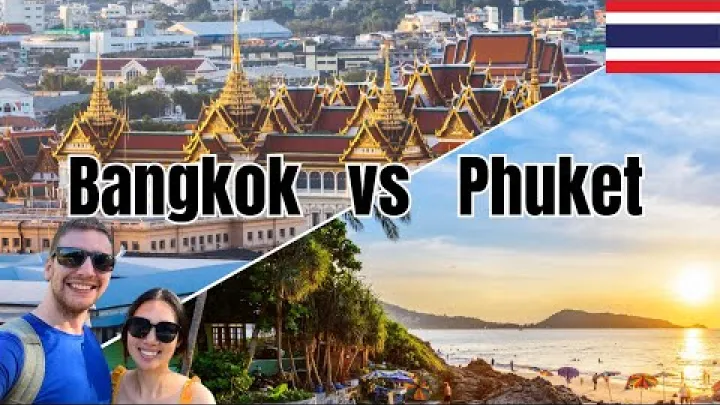
Phuket delivers island scenery and beach formats, but transport costs and travel times can be higher; flights from Bangkok take about 1 hour 20 minutes, with airport-to-beach transfers of 45–90 minutes. Upcountry sites such as Khao Yai and Pai reward visitors with scenic settings and cooler nights but require longer journeys and limited late-night transit. Budget extra time for mountainous roads, and consider booking official shuttles when offered.
Safety, sustainability, and community considerations
Crowd safety, entry policies, age restrictions
Major festivals in Thailand operate with professional security, medical teams, and hydration points. Most large events follow a 20+ age policy aligned with alcohol regulations; valid government-issued ID is required for wristband pickup or RFID activation. Expect bag checks, metal detectors, and a clear list of prohibited items published by the organizer in advance.
For smooth entry, travel light and keep QR codes and IDs easily accessible. Follow staff directions for crowd flow and pay attention to signage for emergency exits and weather advisories. If you feel unwell or disoriented in the heat, head to medical stations early—staff are trained for heat-related issues as well as minor injuries.
Eco-practices and responsible attendance
Responsible attendance reduces environmental impact and helps events sustain community goodwill. Bring a refillable bottle if allowed, sort waste correctly, and avoid single-use plastics where possible. Choose shuttles, public transit, or shared rides to cut congestion. Respect local sound limits and customs, especially during Songkran when cultural etiquette matters as much as festival fun.

Local best practice examples include Wonderfruit’s reuse-forward approach: waste separation points, discouraging single-use plastics, and art installations built from reclaimed materials. Supporting such initiatives—by following sorting guidelines and reusing cups—helps organizers keep sites clean and strengthens the case for future editions in the same communities.
Frequently Asked Questions
What months are best for music festivals in Thailand?
The main festival season runs from November to April, with peak activity in December and during Songkran in mid‑April. August has select events that extend the calendar. Weather is generally cooler and drier from November to February. Always confirm dates because organizers may shift weekends year to year.
How much do Thailand music festival tickets cost?
General admission day tickets commonly range from 2,000–8,000 THB, and VIP tiers from 8,000–15,000 THB per day. Multi‑day passes often provide a discount versus single days. Premium brands (for example, Creamfields) can exceed these ranges for VIP. Prices vary by lineup, venue, and production scale.
What is the biggest music festival in Thailand?
Big Mountain Music Festival is typically the largest domestic multi‑genre event with around 70,000 attendees. S2O Songkran and major EDM festivals also draw large crowds each year. From 2026, Tomorrowland Thailand is expected to become a mega‑scale event with very high attendance. Always check current year figures.
Where are most music festivals held in Thailand?
The main hubs are Bangkok, Pattaya/Chonburi, and Phuket, with notable events in Khao Yai and Pai. Bangkok hosts many indoor and urban festivals, while Pattaya and Phuket specialize in beach and resort formats. Upcountry locations offer scenic settings with additional logistics planning. Venue choice depends on season and genre.
How do I buy legitimate tickets and avoid scams?
Buy only from official festival websites or authorized ticketing partners listed by the organizer. Monitor early‑bird, phase 1–3 releases, and avoid social media resellers unless the event runs a verified resale platform. Use secure payment methods and match ticket names to your ID when required. Keep confirmation emails and QR codes safe.
Are Thailand music festivals safe for solo travelers?
Yes, major festivals are generally safe with professional security and medical teams. Stay in well‑reviewed accommodation, use official transport, and keep valuables minimal and secured. Follow entry policies and stay hydrated in tropical conditions. Share your itinerary with a trusted contact.
What should I pack for a Thai music festival?
Pack light, breathable clothing, sunscreen (SPF 30+), a hat, reusable water bottle, portable charger, and rain poncho. For water events, bring quick‑dry wear and waterproof phone protection. Closed‑toe shoes are safer in crowds. Check prohibited items on the event website before packing.
Is Tomorrowland really coming to Thailand and when?
Yes, Tomorrowland Thailand has a confirmed five‑year residency from 2026 to 2030. The proposed location is in the Pattaya area with venue details under consideration. Government and private partners are coordinating infrastructure and packages. Watch the official Tomorrowland channels for date releases.
Conclusion and next steps
Thailand’s festival calendar centers on November–April, with December and Songkran as peak moments. Bangkok, Pattaya/Chonburi, and Phuket host the biggest variety, from EDM powerhouses to arts, jazz, and niche trance gatherings. Ticket ranges, age policies, weather patterns, and transport options vary by venue and month, so verify official details before booking. Looking ahead, Tomorrowland’s 2026–2030 residency signals continued growth and investment in large-scale productions across the country.
Select area
Create a post
Posting is free and no registration is required.