Thailand Family Holidays: Best Places, Itineraries, Costs and Tips

Families can move easily between regions by short flights, ferries, or trains, and most tourist hubs have modern hospitals and reliable infrastructure. Whether you want quiet, shallow bays for toddlers or soft adventures for teens, Thailand offers flexible choices. This guide covers the best places, when to go, suggested itineraries, typical budgets, and practical tips for a smooth, child-friendly trip.
Why Thailand Works Well for Families
Families choose Thailand for its balance of safety, variety, and value. Tourist areas are well developed with clear signage, frequent transport options, and a service culture that is welcoming to children. Accommodation spans from budget guesthouses to luxury pool villas, and prices remain competitive compared to many beach destinations. You can plan a beach-first holiday, a culture-focused journey, or a balanced route that includes both, all within a week to two weeks.
In cities, the BTS Skytrain and MRT subway make it easy to reach indoor attractions and dining. At the coast, a mix of ferries and speedboats links islands for optional day trips. With a little planning around seasons and flight times, families can visit multiple regions in a single itinerary without rushing.
Quick benefits at a glance (safety, affordability, variety)
Thailand’s main tourist hubs provide dependable services that matter to parents. You will find reputable private hospitals and international clinics in Bangkok, Phuket, Chiang Mai, and Koh Samui, with English-speaking staff and pediatric departments. Transport is frequent and organized, and family-oriented activities are widely available, from indoor aquariums to gentle beaches and boat trips. Daily routines are easy to manage thanks to abundant convenience stores, pharmacies, and family dining at most price points.
Affordability is another draw. A simple benchmark per adult per day (excluding international flights) is approximately US$60–90 for budget style (about 2,200–3,200 THB), US$110–160 for mid-range (about 4,000–5,800 THB), and US$200+ for luxury (about 7,300+ THB). These rough ranges cover lodging, meals, local transport, and one modest activity; exact costs vary by season and location. The activity mix is broad: calm beaches for toddlers, markets and light hikes for school-age children, and snorkeling or zipline-style adventures for teens, all within the same country.
Top family-friendly regions you can combine in one trip
Families frequently pair Bangkok with one beach hub, or add Chiang Mai in the north for culture and wildlife. Common combinations are Bangkok + Phuket/Krabi and Bangkok + Chiang Mai + Koh Samui. These routes keep transfer times short and limit the number of hotel changes, which helps children maintain consistent routines. Plan to end at the beach to slow the pace after intercontinental flights and city sightseeing.

Typical nonstop flight times help set expectations: Bangkok (BKK/DMK) to Phuket (HKT) is about 1 hour 20 minutes; to Krabi (KBV) about 1 hour 20 minutes; to Chiang Mai (CNX) about 1 hour 10 minutes; and to Koh Samui (USM) about 1 hour 5 minutes. Phuket to Koh Samui is about 55 minutes by air on select routes. Seasonal planning matters: the Andaman Coast (Phuket and Krabi) is usually best from November to March, while the Gulf (Koh Samui/Koh Phangan/Koh Tao) often shines in July and August. Shoulder months can be mixed; if traveling in June–October, many families switch focus to the Gulf islands to improve the odds of calmer seas.
Best Places for Family Holidays in Thailand
Choosing the right one for your group depends on the travel month, children’s ages, and whether you prefer a lively atmosphere or something quiet and low-key. The Andaman Coast (Phuket and Krabi) offers dramatic scenery and abundant resort choices, while the Gulf islands (Koh Samui, Koh Phangan, Koh Tao) are known for relaxed beaches and easy snorkeling. Chiang Mai in the north adds culture and ethical wildlife experiences, and Bangkok ties everything together with urban attractions and easy transport.
Each place can work as a standalone holiday or be connected in a 7–14 day itinerary. For toddlers, look for shallow, protected bays and resorts with kids’ clubs and splash zones. For school-age children and teens, consider day trips that balance water time with markets, temples, and soft adventures. The quieter islands appeal to families who want space, fewer crowds, and a slower pace, but they may require more advance planning for transfers and supplies.
Phuket and Krabi (Andaman Coast)
Gentle, family-friendly beaches include Kata and Kamala, while Karon offers a long sandy stretch with an easy promenade. Patong is lively and crowded, with nightlife that does not suit every family, but it has quick access to shops and some water parks. Medical access is excellent, with reputable hospitals and clinics on the island.

In peak months (December to March), Phuket’s busier beaches can feel crowded; Kamala and the northern beaches like Mai Khao are quieter. Ao Nang’s main road can be busy but is manageable with sidewalks in central areas. For strollers, Phuket’s Karon and Kamala promenades are generally easier than steep or uneven paths around smaller coves, and Krabi’s central beachfront promenade is convenient for evening walks with children.
Koh Samui and nearby islands (Gulf of Thailand)
Family beaches include Bophut and Choeng Mon, both with gentle slopes and generally calmer water. Mae Nam also tends to have a softer entry and a quieter feel. Koh Phangan’s north coast is peaceful, and Koh Tao is known for easy-access snorkeling in clear, shallow bays when conditions are right.

From Surat Thani (URT) on the mainland, you can reach Samui via bus-and-ferry combos in roughly 3–4 hours depending on schedules. Ferries from Samui to Koh Phangan typically take 30–45 minutes; Samui to Koh Tao is usually 1.5–2 hours by high-speed catamaran. For younger swimmers, pick shallow, protected bays and plan beach time in the morning or late afternoon to avoid midday heat.
Chiang Mai and the North
Chiang Mai adds a cultural dimension with temples, night markets, craft workshops, and reputable ethical elephant sanctuaries. Families enjoy light hikes around Doi Suthep and Doi Inthanon when the weather is cooler and drier, typically November to February. Popular ethical sites include Elephant Nature Park and community-based experiences focused on observation and feeding rather than riding. Many cooking classes here also welcome children with shorter, mild-spice modules.

Evenings can be cooler due to altitude, especially from November to January; pack light layers for temple visits and night markets. If you prefer a similar atmosphere with lower haze risk in spring, consider focusing on the islands or rescheduling the northern leg to the cool season.
Bangkok highlights for kids
Bangkok is a practical and fun start or end point for family holidays to Thailand. Indoor attractions include SEA LIFE Bangkok Ocean World, the Children’s Discovery Museum, and large malls with play zones and aquariums, which are useful on hot afternoons. Outdoor options include Lumphini Park for playgrounds and paddle boats, river and canal rides for breezes and scenery, and weekend markets with family-friendly sections for snacks and souvenirs.
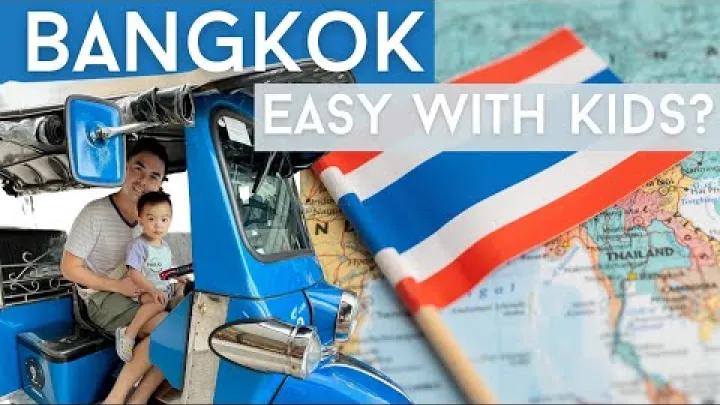
For strollers, the BTS/MRT are efficient at major stations. Look for the elevator symbol; some lifts are at side entrances. Stations such as Siam, Asok, Phrom Phong, and Silom generally have elevator access, though you may need to allow extra time during peak hours. Plan shaded or morning visits to outdoor attractions to manage heat, use sun protection, and keep water handy. Combining one indoor activity with one short outdoor walk can balance energy levels for younger children.
Quieter islands (Koh Lanta, Koh Chang, Koh Kood)
Koh Lanta is widely regarded as family-friendly, with long sandy beaches and a relaxed pace. It works well from November to April when seas are calmer on the Andaman Coast. Koh Chang and Koh Kood in the Gulf offer clear water, fewer crowds, and a laid-back atmosphere, with the best sea conditions typically from November to April. These islands are excellent for families who want space and slower days, but facilities are simpler than major hubs.

Plan ahead for supplies and cash, as ATMs and pharmacies can be limited in remote areas. Medical facilities on these quieter islands are basic clinics; for hospitals you may need to return to Krabi (for Lanta) or Trat (for Chang/Kood). Transfer times are longer: Bangkok to Koh Chang is roughly 5–6 hours by road plus a short ferry; Bangkok to Koh Kood usually takes 6–7 hours including the boat. On Lanta, expect 2.5–3.5 hours from Krabi Airport depending on ferry timings and traffic. Families who accept longer transfers are rewarded with calmer beaches and fewer crowds.
When to Go: Seasons, Weather, and Regional Differences
The cool/dry period from November to February is the most comfortable overall in many regions, but the country has microclimates and coast-to-coast differences. The hot season in March and April can be very warm in the cities, yet beach destinations often remain manageable with air-conditioned breaks and pool time. The rainy season runs roughly from May to October, with bursts of rain that often pass quickly.

Planning around weather patterns helps families keep days smooth and flexible. Showers are commonly short, intense bursts, especially in the afternoon or evening. You can plan indoor attractions, naps, or travel during likely rain windows, then head outside when skies clear. Sun exposure and hydration are important throughout the year; for children, build in rest periods, use hats and rash guards, and carry plenty of water. If your trip includes boat days, keep an eye on local advisories for sea conditions and consider adjustable plans.
Cool/dry, hot, and rainy seasons explained
The hot season spans March and April, when inland areas can feel very warm. Many families shift activities earlier in the morning and later in the afternoon during these months and use midday for pool breaks or indoor attractions. The rainy season from May to October varies by region, and in many places showers are intense but short, allowing flexible planning and quick returns to outdoor fun.

Weather influences sea conditions and visibility. The Andaman Coast (Phuket/Krabi) tends to have calmer seas and better clarity from November to March, while the Gulf of Thailand (Samui/Phangan/Tao) often enjoys favorable conditions in July and August. During the rainy season, water runoff may reduce visibility near some beaches after heavy showers. Families should focus on safety and comfort: schedule activities around heat, pack light rain jackets, and use reliable operators who watch weather and adjust routes accordingly.
Phuket/Krabi vs Koh Samui weather by month
Seas are often rougher from June to October, and some boat trips can be limited or rerouted. In the Gulf of Thailand, Koh Samui and neighboring islands tend to have a drier window in July and August. Late October to early December can be wetter on Samui, with conditions improving from January onward.

Shoulder months can be mixed and changeable. April and May on the Andaman can be hot with some showers, yet families still enjoy good beach time with heat management. September and October on the Andaman are often unsettled; many families prefer the Gulf then if they want more reliable boat days. Microclimates matter: protected bays may have calmer water even when nearby beaches are choppy. Always check local forecasts and ask operators about the day’s safest routes.
Sample Family Itineraries (7, 10, and 14 Days)
These sample itineraries balance travel time and variety for different trip lengths. They assume international arrival in Bangkok, then short domestic flights to reduce long surface transfers. Airport codes referenced below include BKK (Suvarnabhumi) and DMK (Don Mueang) in Bangkok, HKT (Phuket), KBV (Krabi), USM (Koh Samui), and CNX (Chiang Mai). Adjust the sequence based on your month of travel and the coast with the best conditions.
To keep trips child-friendly, limit hotel changes, plan rest-day buffers after long flights, and avoid back-to-back boat days with younger children. When possible, end on the beach so everyone can slow down before the return flight. For open-jaw options, consider arriving in Bangkok and departing from Phuket or Samui to reduce backtracking.
7 days: Bangkok + Phuket/Krabi
It suits families with toddlers and school-age children who want to keep transfers short and simple. Domestic flights are quick: BKK to HKT or KBV takes about 1 hour 20 minutes. Ending at the coast helps everyone decompress after the long-haul flight.

Sample flow:
- Day 1: Arrive Bangkok (BKK/DMK). Light activity near hotel; early dinner to adjust to time zone.
- Day 2: Bangkok highlights (one indoor, one outdoor): SEA LIFE or a mall play zone in the morning; river ride and park stroll late afternoon.
- Day 3: Morning temple or market; fly to Phuket (HKT) or Krabi (KBV); check into one beach base.
- Day 4: Beach day with shaded morning; optional short boat trip if seas are calm. Build in nap time.
- Day 5: Rest day buffer for jet lag; resort pool, gentle walk, and early night.
- Day 6: Optional island-hopping with a family-rated operator; confirm child-size lifejackets.
- Day 7: Relaxed morning; fly back to Bangkok for onward flight.
10 days: Bangkok + Chiang Mai + beach
It works in most months and lets you choose the Andaman or Gulf based on the season. Travel between Bangkok and Chiang Mai is easy via short flights (about 1 hour 10 minutes) or the sleeper night train.

Sample flow with light travel days:
- Day 1: Arrive Bangkok; gentle walk and local dinner.
- Day 2: Bangkok indoor attraction + canal ride; early night.
- Day 3: Fly or night train to Chiang Mai (CNX). Evening market stroll.
- Day 4: Temple morning + kid-friendly cooking class; rest in the afternoon.
- Day 5: Ethical elephant sanctuary visit (observation/feeding). Build in downtime after.
- Day 6: Fly to beach region: Phuket (HKT), Krabi (KBV), or Koh Samui (USM) depending on month.
- Day 7–9: Beach base with one boat day and one full rest day. Avoid consecutive long excursions.
- Day 10: Fly to Bangkok for onward flight; keep a time buffer for connections.
Open-jaw tip: If flying out of Phuket or Samui, book the return from HKT or USM instead of returning to Bangkok, when international connections allow. For families with toddlers, keep boat days short and select protected bays.
14 days: North + Bangkok + island-hopping
This suits families who like variety and can pace the trip with non-consecutive boat days. Tie your choice of coast to the season: Andaman from November to March; Gulf from July to August and much of January to September outside the November wet period.

Sample flow:
- Days 1–2: Bangkok sights; combine an indoor museum with short outdoor visits.
- Days 3–5: Chiang Mai (CNX) for temples, light hikes, and an ethical elephant experience.
- Day 6: Fly to first island hub (Phuket, Krabi, or Samui).
- Days 7–9: Beach time + one island-hopping day. Include a rest day after boat travel.
- Day 10: Transfer to a second island (e.g., Phuket to Phi Phi to Railay, or Samui to Phangan). Plan realistic transfer windows, allowing for pier check-in and weather.
- Days 11–13: Second island base; snorkeling or market visits; one full rest day for younger kids.
- Day 14: Return flight from nearest airport; keep half a day free for contingencies.
Family Activities and Responsible Wildlife
Thailand offers family adventure holidays that range from simple beach days to soft-adventure excursions and cultural workshops. The key is to select activities that match your children’s ages, the season, and your base location. Choose reputable operators who prioritize safety, keep group sizes manageable, and provide equipment in children’s sizes. In major hubs, you can book at short notice, but during busy holiday periods pre-booking is wise.

Ethical elephant sanctuaries emphasize observation and feeding rather than riding or shows. Indoor aquariums provide air-conditioned, stroller-friendly environments that are helpful on hot or rainy days. Cooking classes and markets add food-focused fun, while light hikes and viewpoints create short, rewarding outings for school-age children.
Beaches, snorkeling, island-hopping
Gentle, family-suited beaches include Kata and Kamala in Phuket, Ao Nang in Krabi, and Bophut and Choeng Mon on Koh Samui. Choose protected bays for beginner snorkeling and calmer water play. Around Koh Tao and the Hong Islands, operators commonly offer easy snorkeling routes for families when conditions are favorable. Always check that lifejackets are available in appropriate child sizes before departure.

Seasonal awareness is important. During certain months, currents and jellyfish risks can increase; ask local operators about conditions for your specific dates. In the Gulf, box jellyfish have been reported at times; some beaches post warnings and provide vinegar stations. On boat days, use long-sleeve rash guards, reef-safe sunscreen, hats, and bring plenty of water and light snacks. If the sea is rough, consider postponing the trip or choosing a more sheltered route.
Ethical elephant encounters and aquariums
Support no-riding sanctuaries that focus on animal welfare, education, and controlled interaction. Examples include Elephant Nature Park (Chiang Mai area) and Phuket Elephant Sanctuary, where programs involve observation and feeding rather than performance. Verify the operator’s standards, group size, and minimum age recommendations, and book in advance during peak months to secure preferred time slots.

Indoor aquariums such as SEA LIFE Bangkok and Aquaria Phuket are climate-controlled, stroller-friendly, and good for mixed-weather days. To choose ethical wildlife experiences, use simple criteria: no riding or shows, limited interaction, clear welfare policies, transparency about rescue or rehabilitation, and responsible visitor numbers. Many reputable sites publish their standards online; contact them if you need details about accessibility or age-specific guidelines.
Cooking classes, markets, light hikes
Kid-friendly cooking classes often offer short modules and mild spice levels, making them suitable for beginners. Some schools allow children as young as five or six to participate with an adult, but always check minimum age or height guidelines before booking. Markets such as Warorot in Chiang Mai and weekend markets in Bangkok are engaging for children who enjoy tasting fruits and spotting local crafts.

Light hikes and viewpoint walks around Chiang Mai, like the trails near Doi Suthep, fit school-age children when the weather is cool and dry. Wear comfortable footwear, carry water, and schedule walks for morning or late afternoon. In the hotter months, shorten distances and include shaded rest stops. If you plan a full day outside, combine activity with a relaxing swim or a quiet evening to balance energy.
Accommodation: Resorts, Villas, and Budget Options
Thailand’s accommodation choices enable everything from cheap family holidays in Thailand to premium retreats. Family-focused resorts offer kids’ clubs, splash zones, and meal plans that simplify daily routines. Private villas add space and privacy for multigenerational groups, often with staffed service. Budget hotels, hostels with private family rooms, and simple guesthouses keep costs low and can be practical near beaches or transit hubs.

When comparing options, look closely at inclusions and exclusions. Some resorts provide half-board or all-inclusive family packages, which can be convenient in peak season or remote areas. In cities and larger islands with many dining choices, paying as you go may be better value. Always check babysitting policies, crib availability, and medical access when traveling with infants or toddlers.
Family-focused resorts and kids’ clubs
Resorts aimed at families commonly feature kids’ clubs, shallow pools or splash zones, and interconnecting rooms that create flexible sleep arrangements. Meal plans—breakfast-only, half-board, or all-inclusive—can simplify days with young children. In busy holiday periods, these conveniences reduce planning time and help keep schedules consistent.
Book early for school holidays when family room categories sell out. Read the fine print on packages to understand what is included: some plans cover only buffet meals or exclude premium drinks and certain activities. Ask about babysitting services, children’s menus, and proximity to clinics or hospitals, especially if traveling with infants. For thailand all inclusive family holidays, compare the package cost with a pay-as-you-go model based on your family’s usual meal and activity patterns.
Private villas for multigenerational trips
Private villas give families more space, a kitchen for snacks or simple meals, and a private pool. Phuket and Koh Samui have strong villa inventories, including staffed options with daily housekeeping and optional chefs. Villas work well for extended families or two families traveling together who want shared living spaces without hotel crowds.

Confirm safety features when traveling with toddlers, such as pool fences or alarms, and ask about stair gates. Clarify security deposits, cancellation terms, and what is included (electricity caps, staff hours, laundry). If you need childcare, request vetted providers through reputable agencies or the villa’s management company. For isolated villas, check driving times to supermarkets, clinics, and beaches.
Boutique and budget picks
Boutique hotels and budget guesthouses near beaches or transit reduce daily travel time. Many hostels now offer private family rooms with en-suite bathrooms, which can be clean, safe, and affordable. Before booking, confirm air conditioning, quiet hours, blackout curtains, and crib availability if needed.

Read recent family-specific reviews to check noise levels and staff responsiveness. Note that some destinations add local taxes or resort fees. In busy seasons, prices can rise quickly; flexible dates and early booking help. If breakfast is not included, nearby markets and cafes often provide inexpensive, kid-friendly choices.
Getting Around: Flights, Trains, Ferries, and Local Transport
Thailand’s internal transport network makes it easy to link cities, islands, and national parks in one trip. Frequent flights connect Bangkok with Phuket, Krabi, Koh Samui, and Chiang Mai, reducing long road transfers. Trains and VIP buses provide alternatives, especially for the popular Bangkok–Chiang Mai route. On islands and coasts, ferries and speedboats connect major hubs, while tuk-tuks and songthaews handle short hops.
Families benefit from planning around peak-hour congestion and building time buffers for airport check-ins and ferry connections. If traveling with infants or toddlers, bring your preferred child restraint; car seats are not consistently provided, and seatbelts can be limited in some vans. In Bangkok, public transit is efficient for reaching attractions and avoiding traffic, especially during rush hours.
Domestic flights and Bangkok transit (BTS/MRT)
Low-cost and full-service airlines operate frequent routes between Bangkok and Phuket (HKT), Krabi (KBV), Koh Samui (USM), and Chiang Mai (CNX). Check baggage rules, seat selection policies, and potential fees for strollers or sports equipment before booking. If you travel with a car seat, verify each airline’s policy on using it in-cabin; in practice, rules vary by carrier and aircraft type.

In Bangkok, the BTS Skytrain, MRT subway, and Airport Rail Link are efficient and stroller-friendly at major stations. Avoid rush hours (roughly 07:00–09:00 and 17:00–19:00) with young children. Elevators are present at many stations, sometimes at side entrances; allow extra time to navigate. Use stored-value cards to reduce queueing, and carry small notes or coins for ticket machines if needed.
Night trains and VIP buses
Sleeper trains on the Bangkok–Chiang Mai route offer lower and upper berths, with lower berths often preferred for families due to space. Booking in advance helps secure adjacent berths. Trains provide a scenic alternative to flying and can save a night of accommodation while turning travel into an adventure for children.

VIP buses run long routes with air conditioning and reserved seats. Choose reputable operators and consider motion-sickness precautions if your child is sensitive to winding roads. Keep valuables secured, use luggage tags, and plan station transfers at well-lit, busy times where possible. Bring snacks, water, and light blankets for comfort.
Ferries/speedboats, tuk-tuks, and songthaews
Island access typically combines van or taxi transfers with ferries or speedboats. Key hubs include Rassada Pier for Phuket–Phi Phi, Nopparat Thara or Ao Nang piers around Krabi, and piers on Samui such as Bangrak, Maenam, or Nathon for links to Phangan and Tao. Schedules can change based on sea conditions, so always confirm the latest times the day before travel.

Lifejackets should be available for all sizes; do a quick check before boarding and request child-size vests if they are not visible. During rough seas or heavy rain, operators may delay or cancel departures; keep a contingency day if your itinerary involves multiple islands. For short distances, tuk-tuks and songthaews are useful; agree on fares in advance or use posted rates where available.
Costs, Daily Budgets, and Money-Saving Tips
Thailand is flexible for both cheap family holidays and premium experiences. Your daily spend depends on travel style, season, and activity choices. Prices rise during December–February and major school holidays. Families can manage costs by choosing shoulder months, booking flexible room types, and mixing paid activities with free beach or park time. Using local markets for meals and public transit for short hops further reduces daily totals.

When estimating a thailand family trip cost, break it into rooms, meals, local transport, activities, and incidental expenses. Many families find mid-range comfort at good value compared with other long-haul beach destinations. Cash and cards are both used: cards are widely accepted in hotels and malls, while markets and smaller eateries often prefer cash.
Typical daily costs by travel style
As a rough guide per adult per day (excluding international flights), expect the following: budget US$60–90 (about 2,200–3,200 THB), mid-range US$110–160 (about 4,000–5,800 THB), and luxury US$200+ (about 7,300+ THB). Budget travel uses guesthouses or simple hotels, street food, public transit, and DIY sightseeing. Mid-range stays include resort rooms or boutique hotels, a mix of sit-down meals, and occasional tours. Luxury trips add pool villas, private guides, and exclusive activities.

ATM fees can apply per withdrawal; many banks charge a local fee when using foreign cards. Card acceptance is common at hotels and chain restaurants, but keep cash for taxis, small shops, and markets. Exchange rates and fees vary by card issuer—using a card with low foreign transaction fees is helpful. In peak months, book early to secure family rooms and better prices.
How to save on flights, rooms, and activities
To save on flights, be flexible with dates, consider midweek travel, and compare Bangkok arrivals at BKK and DMK when using low-cost carriers. Book domestic flights early during school holidays. For ferries, trains, and popular attractions, advance bookings can secure better times and avoid long queues, especially with young children who tire easily.

For rooms, shoulder seasons offer better value and more choice. Look for family suites or connecting rooms rather than booking two full-price units. Eat at local night markets and food courts, use ride-hailing where available, and bundle tours when it offers clear savings. Ask politely about family or child discounts; many attractions publish reduced child fares. Bargaining is acceptable in some markets for non-food items—be respectful and smile, and accept the posted price where bargaining is not customary.
Safety, Health, and Practical Tips for Families
Tourist areas in Thailand are generally safe when you follow normal precautions and choose reputable operators. Comprehensive travel insurance is strongly recommended to cover medical care and trip changes. Keep key numbers accessible and carry digital copies of passports and policies. For children, plan around sun, heat, and mosquitoes: schedule active time in the morning or late afternoon, use protective clothing, and reapply sunscreen regularly.

Healthcare access is strong in major hubs. Private hospitals in Bangkok, Phuket, and Chiang Mai offer pediatric care and English-speaking staff. In smaller islands or rural areas, facilities may be basic; know where the nearest full-service hospital is located. Always bring any prescription medications your family requires and check vaccination advice with a medical professional before travel.
Travel insurance, hospitals, and clinics
Comprehensive insurance should include medical treatment, evacuation, and coverage for trip interruptions or delays. In emergencies, Thailand’s key numbers are 191 for police, 1669 for medical emergency services, and 1155 for Tourist Police. Private hospitals and international clinics in Bangkok, Phuket, and Chiang Mai are well regarded for pediatric care; on Koh Samui, private hospitals also offer efficient treatment.

Heat management is essential. Keep children hydrated, use hats and light clothing, and schedule shaded breaks. For mosquito protection, apply repellent approved for children and use accommodation with screens or air conditioning. Consult your doctor for recommended vaccines such as hepatitis A and typhoid, and ask about region-specific risks. Pack a small first-aid kit with oral rehydration salts, motion-sickness remedies, and any regular medications.
Food allergies and eating safely
Use printed allergy cards in Thai and learn simple phrases to communicate dietary needs. Choose busy vendors and restaurants with clear preparation areas. Stick to bottled water with intact seals, and be cautious with ice from unknown sources. When in doubt, select cooked-to-order dishes served hot.
![Preview image for the video "Can I Eat That? - Food Allergy Translation App - Promo Video [Komodo Music Group]".](/sites/default/files/styles/media_720x405/public/oembed_thumbnails/2025-11/6pmGHdYoGUAYUP1CJVhQp9dee35Ua_Drytt1a23S1oU.jpg.webp?itok=t4kFFvNv "Preview image for the video \"Can I Eat That? - Food Allergy Translation App - Promo Video [Komodo Music Group]\".")
Common allergens in local dishes include peanuts (in some salads and sauces), shellfish, fish sauce, soy, egg, and dairy in some desserts. Ask about cooking oils and sauces used in stir-fries, and request substitutions where possible. Cross-contamination can occur in shared kitchens, so clear communication helps. If allergies are severe, carry your emergency medication and consider accommodations with kitchenettes to prepare safe meals.
Packing checklist and gear for kids
For beach days, pack light clothing, sun hats, UPF rash guards, and reef-safe sunscreen. Add mosquito repellent, a small first-aid kit, and any prescription medications. A compact travel stroller, child carrier for uneven paths, and car seat if you plan road trips can improve comfort and safety. Dry bags help protect phones and documents on boat days.

Bring a universal power adapter; Thailand commonly uses 220V and sockets that accept flat or round pins. Consider a simple laundry plan—lightweight clothing dries fast, and many areas offer affordable laundry services. Be aware of airline baggage limits, especially on low-cost domestic carriers, and use packing cubes for easy organization. Keep essential items (medication, spare clothes, snacks) in your carry-on in case of delays.
Frequently Asked Questions
Is Thailand good for family holidays?
Yes. Thailand is well suited to families thanks to safe, developed tourist areas, friendly service, and activities for all ages. You can combine beaches, culture, and nature with short domestic flights and straightforward transfers. Major hubs such as Bangkok, Phuket, Chiang Mai, and Koh Samui have modern hospitals, making parental peace of mind easier.
Where is the best place in Thailand for a family holiday?
The top choices are Phuket and Krabi on the Andaman Coast, Koh Samui and nearby islands in the Gulf, Chiang Mai in the north, and Bangkok. Phuket has many family resorts and water parks; Krabi (Ao Nang) feels calmer with scenic day trips. Samui suits July–August weather and has shallow bays like Bophut and Choeng Mon. Chiang Mai adds culture and ethical wildlife, and Bangkok offers big indoor attractions and easy transit.
What is the best month to visit Thailand with kids?
November to February usually brings the most comfortable weather across many regions. If you travel in July–August, the Gulf islands around Koh Samui often have drier conditions than the Andaman Coast. March–April is hot but manageable with air-conditioned breaks, pool time, and early-morning activities. Always match your coast choice to your month of travel.
Is Phuket or Krabi better for families?
Both work well. Phuket offers more resorts, water parks, and medical facilities, with family beaches like Kata and Kamala. Krabi (Ao Nang) is calmer and close to Railay, Hong Islands, and Phang Nga Bay. Families who prefer variety and large resorts may favor Phuket; those seeking a quieter base may prefer Krabi. In peak months (December–March), expect larger crowds in Phuket’s busiest areas.
How much does a 10-day family trip to Thailand cost?
Excluding international flights, budget travelers might spend about US$60–90 per adult per day, mid-range US$110–160, and luxury US$200+ depending on season and activities. For a family of four traveling mid-range for 10 days, a typical total is roughly US$4,000–6,000. Costs rise in peak months and can be lower in shoulder seasons.
Is Thailand safe for children and toddlers?
Yes, with normal precautions. Choose reputable transport and tour operators, watch water safety, and manage sun and heat carefully. Private hospitals in Bangkok, Phuket, Chiang Mai, and Koh Samui provide fast pediatric care if needed. Carry a small first-aid kit and keep important documents in digital backups.
How many days do you need for a family trip to Thailand?
Seven to ten days covers one city and one beach region at an easy pace. With fourteen days, you can add Chiang Mai and an island-hop segment. Build in rest-day buffers for flights and weather, and avoid consecutive long boat days with younger children.
Can you do Thailand as an all-inclusive family holiday?
Yes. Several resorts—especially in Phuket, Krabi, and Koh Samui—offer half-board or all-inclusive plans. Check exactly what is included (meals, drinks, activities, kids’ club) and compare against pay-as-you-go dining. In shoulder seasons, flexible dining can be more economical than packages.
Conclusion and next steps
Thailand is a practical and rewarding choice for families, with short domestic flights, developed tourist hubs, and a wide range of activities. Choose your coast by month, keep transfers short, and build in rest days for younger children. With the right mix of city, culture, and beach time, you can create a balanced itinerary that suits different ages and interests while keeping costs predictable and days enjoyable.
Select area
Create a post
Posting is free and no registration is required.