Nakhon Si Thammarat Budget: Daily Costs, Prices & Tips
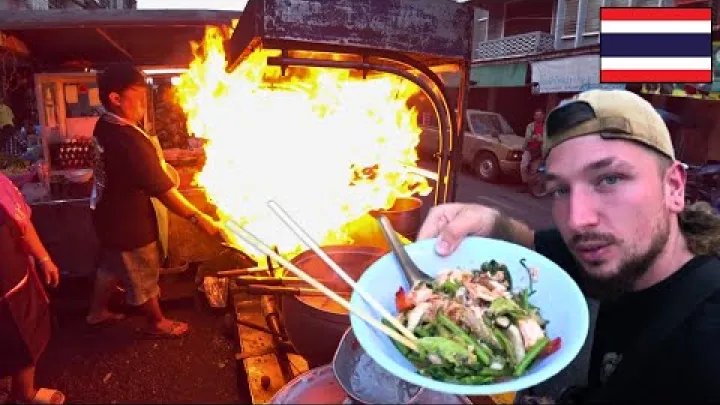
A realistic Nakhon Si Thammarat budget depends on where you stay, how often you leave the city, and whether you add Khanom beaches or national park days. The province can be good value compared with more famous southern Thailand beach destinations, but costs rise when transport, beachfront rooms, seafood, or paid nature trips enter the plan. This guide focuses on practical travel spending in THB, with daily ranges for accommodation, food, local transport, and activities. Treat the numbers as planning estimates and check current prices before booking, especially for hotels, flights, transfers, and park fees.
Quick Answer: How Much to Budget for Nakhon Si Thammarat
For most visitors, Nakhon Si Thammarat is easiest to budget when you separate normal daily costs from one-time access costs. A simple city day can be very affordable. A Khanom beach day, a scooter day, or a waterfall trip can cost more because of accommodation choice and transport.
Daily Budget Ranges by Travel Style
A low-cost traveler who sleeps in simple accommodation, eats mostly at markets, uses songthaews, and focuses on temples or free city wandering can often plan around the lower end of the range below. A mid-range traveler should allow more for a private room, cafes, short taxis, and a paid sight or two. A comfortable traveler should budget for better hotels, more flexible transport, seafood meals, beach time, or nature trips.
| Travel style | Estimated daily budget | Typical breakdown | Best fit |
|---|---|---|---|
| Budget | 700-1,200 THB | Simple room or hostel, market meals, songthaews, low-cost sights | Solo travelers, backpackers, slow travelers in the city |
| Mid-range | 1,200-2,200 THB | Private hotel room, mixed local food and cafes, some paid transport | Couples, short-stay visitors, travelers wanting comfort |
| Comfortable | 2,200-4,000+ THB | Better hotel, restaurants, taxis or scooter, beach or nature add-ons | Travelers adding Khanom, waterfalls, seafood, or flexible transfers |
These estimates include accommodation. If two people share a private room, the per-person cost can drop significantly. Local everyday spending in Nakhon Si Thammarat is not extreme; for context, a resident cost-of-living interview on Ajarn discusses a basic monthly living baseline in the city, which supports the idea that simple local spending can remain manageable. Travelers, however, often pay more than residents because they use short-term rooms, paid transport, and tourist activities.
What the Budget Includes
The daily budget in this article includes your room, local meals, short local transport, basic drinks and small essentials, and simple activities. It does not include international flights, travel insurance, major shopping, nightlife splurges, domestic flights, or long-distance buses unless a section says so clearly.
Arrival and departure days are usually more expensive than normal days. If you take a long-distance bus from Bangkok, fly into Nakhon Si Thammarat Airport, or arrange a transfer to Khanom, that cost sits on top of your normal daily spending. For a three-day trip, access transport can make the average daily cost look high. For a week, that one-time cost is spread over more days.
Solo travelers should pay special attention to accommodation. A cheap private room can be a large share of a solo budget, while couples or friends sharing a room may be able to choose a better hotel for a similar per-person cost.
Where Costs Vary Across the Province
Nakhon Si Thammarat province is not one single price zone. The city, the coast around Khanom, and rural districts such as Thung Song and Phiphun create different spending patterns. Your base matters as much as your daily habits.
Nakhon Si Thammarat City Costs
Nakhon Si Thammarat city is usually the easiest base for controlling costs. It has budget accommodation, markets, local transport, everyday shops, temples, and useful services close together. Staying near the center, the train station area, or convenient songthaew routes can reduce both time and transport spending.
A city-based traveler can build low-cost days around Tharian Night Market, local stalls, walking, old streets, and Wat Phra Mahathat. Not every attraction is free, and rules can change, but many cultural stops cost little compared with beaches, boat trips, or remote nature excursions. The city is also practical for travelers who want to keep their Nakhon Si Thammarat travel budget predictable.
Khanom and Coastal Costs
Khanom adds beach value, but it can also raise the total budget. Beachfront rooms, seafood meals, private transfers, scooter days, and optional marine activities can cost more than a simple city routine. The beach itself can be low-cost if you use public access, avoid paid tours, and eat simply.

Khanom works well as a short add-on for travelers who want coast time without moving the whole trip to a more expensive resort area. Before committing, compare current room prices, check how you will get there, and decide whether you need beachfront accommodation. Staying inland or choosing a simple guesthouse can keep the coastal portion of the trip more affordable.
Rural District and Nature Base Costs
Rural and secondary bases such as Thung Song and Phiphun can feel quieter and simpler. They may have modest rooms and a more local pace, but the money question is convenience. If you need repeated rides to waterfalls, viewpoints, remote temples, or park entrances, transport can erase the savings from a lower room rate.
Rural pricing is less consistently documented than city pricing, so check locally and confirm transport before booking a remote stay. For travelers who rent a scooter legally and confidently, a rural base can be flexible. For travelers who depend on taxis, minivans, or arranged transfers, the city may remain the cheaper base overall.
Accommodation Costs in Nakhon Si Thammarat
Accommodation is the largest fixed cost for most visitors. Nakhon Si Thammarat has cheaper options than famous resort zones, but the best value depends on location, room quality, and what is included.
Basic Guesthouses, Hostels, and Apartments
The lowest-cost choices are simple city hotels, guesthouses, hostels, and apartment-style rooms. These can suit budget travelers who do not need many services. Expect tradeoffs such as older buildings, basic bathrooms, fewer English-language services, or limited common areas.
Named examples should be treated as reference points, not permanent guarantees. Norm Space Hostel NST, for example, lists useful amenities such as free bicycles, a lounge, a games room, and parking on Booking.com. Inclusions like bicycles or shared space can reduce indirect costs if they help you avoid short rides or paid cafes.
Before choosing the cheapest room, check recent reviews, cancellation rules, location, and whether the property is practical for your plan. A slightly higher nightly rate can be cheaper in total if the accommodation is walkable to markets, transport, and the places you want to visit.
Budget Hotels and More Comfortable Rooms
Travelers who want air conditioning, private bathrooms, better bedding, and more reliable facilities should budget above the cheapest guesthouse level. Budget hotel prices can still be good value in Nakhon Si Thammarat city, especially outside high-demand dates.

As one concrete example, Agoda lists B2 Nakhon Si Thammarat Premier Hotel with a low displayed average room price on its hotel page, although the final price can change by date, room type, taxes, fees, currency display, and booking conditions. Use examples like this as a price signal, not as a citywide average. Couples or friends sharing a private room may find that a better hotel costs only a little more per person than a very basic room.
Lodging Choices That Save Money
The cheapest bed is not always the cheapest trip. Use these decision points when comparing accommodation:
- Stay central if you are focused on the city. A central room can reduce songthaew, taxi, and time costs.
- Stay in Khanom only when beach time is central to your plan. If you only want one beach day, a city base plus one transfer may be better.
- Check inclusions. Breakfast, bicycles, parking, water, workspace, or laundry access can change the real value.
- Compare weekday and weekend prices. Demand can shift during local events and holidays.
- Ask about longer-stay rates. Weekly or monthly pricing can help slow travelers, students, and remote workers.
For a short trip, prioritize location. For a longer stay, prioritize total living convenience: food access, laundry, transport, workspace, and quiet.
Food and Everyday Prices
Food is one of the easiest categories to control in Nakhon Si Thammarat. Local meals and markets keep costs low, while cafes, seafood, Western food, and frequent restaurant meals raise the daily total.
Street Food and Market Meals
Street food, local markets, noodle shops, rice dishes, and market snacks are the core of a low Nakhon Si Thammarat trip cost. A budget traveler can often plan roughly 150-300 THB per day for simple local eating if they avoid alcohol and tourist-focused restaurants. Some travelers will spend less; others will spend more depending on portion size, drinks, desserts, and seafood.
Thai street food prices are not fixed across the country or even across one city. A Thailand street food discussion on Facebook mentions very low to moderate prices for simple dishes, but this should be treated as anecdotal context rather than a guaranteed Nakhon Si Thammarat menu. In practical terms, use a daily food range rather than relying on one dish price.
Tharian Night Market and local stalls are useful for budget travelers because you can see food before ordering and compare options quickly. If you are new to Thai markets, start with familiar formats such as rice with toppings, noodle soup, grilled snacks, fruit, and bottled drinks.
Restaurants, Cafes, and Seafood
Sit-down restaurants, cafes, Western-style food, and seafood can quickly move a traveler from a budget food plan to a mid-range one. This is not necessarily bad; a good cafe break or seafood meal may be part of why you travel. The key is to decide when it is worth paying more.
Khanom and other coastal stops can change the food budget because beach restaurants and seafood meals may be more tempting. Seafood is not always expensive, but the final price depends on the venue, dish, catch, portion size, and market conditions. A balanced approach is to eat local market meals most of the time, add cafes for comfort, and plan occasional seafood as a deliberate splurge.
Groceries, Water, and Daily Essentials
Small essentials are usually manageable, but they still matter over a week. Numbeo lists local cost examples for Nakhon Si Thammarat such as bottled water and basic produce, including a 50 oz bottle of water at about 18 THB at the time shown on its page. Treat these figures as context, not as a complete shopping basket or a promise of current shelf prices.
Self-catering helps most when you need breakfast, snacks, dietary control, or a longer stay. It is less useful if your room has no kitchen or if you only stay two nights. In Thailand, cooking is not always cheaper than buying simple local meals unless you have the equipment and time to use ingredients efficiently.
Transport Costs for Getting Around and Arriving
Transport costs split into two groups: access costs to reach Nakhon Si Thammarat and local costs once you are there. A cheap city day can become expensive if it includes a long transfer, a private taxi, or a remote waterfall trip.
Buses, Flights, and Arrival Costs
The Bangkok bus route is often the lower-cost access option, while flights into Nakhon Si Thammarat Airport can save time. BusOnlineTicket lists Nakhon Si Thammarat to Bangkok bus fares in a range of about 594-924 THB, depending on operator and service, with operators such as Nakhon Si Racha Tour, Nakhon Si Rom Yen Tour, Sri Suthep, and 999 appearing in its booking context.
| Access option | Budget role | What to check |
|---|---|---|
| Long-distance bus | Usually lower cash cost | Fare, operator, seat type, station access |
| Domestic flight | Can save time | Live fare, baggage, airport transfer |
| Private transfer | Convenient but higher cost | Total fare, waiting time, luggage, route |
Flight prices change quickly, so check live fares before deciding. A cheap flight may become less cheap after baggage, seat selection, airport transport, or a late booking premium.
City Transport by Songthaew and Motorbike Taxi
Songthaews are the cheapest common local transport option in the city. Wikivoyage reports a 15 THB songthaew fare in Nakhon Si Thammarat as of January 2024, while also noting that routes can be difficult for visitors to identify. Ask your accommodation staff, drivers, or local vendors which vehicle to take before you ride.
Motorbike taxis are useful for short hops, luggage, rain, or destinations not easy to reach by walking or songthaew. Fares can vary, so confirm the price before you start. If you stay central and group nearby sights, your local transport spending can stay very low over several days.
Scooters, Transfers, and Side Trips
A scooter can be cost-effective if you plan several side trips to beaches, waterfalls, or rural districts. Bikesbooking shows scooter rental comparison prices in Nakhon Si Thammarat from about €5 per day, but your real cost may also include fuel, deposit, helmet, insurance conditions, and any platform or rental terms.
Check your license, insurance coverage, helmet quality, rental contract, and road confidence. Do not choose a scooter only because it looks cheap. If you are not legal or comfortable riding, a songthaew, taxi, minivan, or arranged transfer may be safer even if it costs more.
Side trips to Khanom, Khao Luang National Park, Namtok Karom, or rural districts should be treated as transport spikes. They are not normal everyday city costs, so build them into the specific days when you leave town.
Attraction and Activity Costs
Nakhon Si Thammarat can be inexpensive for travelers who enjoy culture, markets, temples, and walking. Nature days and beach excursions usually require more planning because transport and fees add up.
Temples, Museums, and City Culture
City culture can fill a low-cost day. Wat Phra Mahathat, markets, old streets, local museums, and community spaces are useful anchors for budget travelers. Some places may be free, some may request donations, and some may charge small fees, so carry small cash and check current rules at the entrance.
The main cost of a city culture day is often transport rather than admission. If your accommodation is central, you can walk, use songthaews, or borrow a bicycle when available. This is why location matters: a room near useful streets and transport can make a cultural day cheaper without reducing the experience.
National Parks, Waterfalls, and Beaches
Nature days usually cost more than city days because you may need park fees, food, transport, fuel, or a guide. Khao Luang National Park and Namtok Karom are important local anchors for nature-focused visitors. Finding the Universe reports a 200 THB national park entry fee at the time of writing in its Nakhon Si Thammarat article, but travelers should verify current fees, access, weather, and opening conditions before visiting.
Beaches can be low-cost when you use public access and avoid paid activities. Organized boat trips, wildlife excursions, dolphin-focused outings, or private guides should be budgeted separately. Do not assume that a beach day is expensive, but do not assume it is free if transport and paid activities are involved.
Sample Budgets, Cost Drivers, and Saving Tactics
Sample budgets help turn price ranges into decisions. The examples below are planning scenarios, not promises of exact spending. Your actual costs depend on date, room choice, appetite, transport, and how much comfort you want.
One-Day Budget Examples
| Scenario | Accommodation | Food | Transport | Activities | Total |
|---|---|---|---|---|---|
| Low-cost city day | 400-600 THB | 150-250 THB | 30-80 THB | 0-100 THB | 580-1,030 THB |
| Mid-range city day | 700-1,200 THB | 300-600 THB | 80-250 THB | 100-300 THB | 1,180-2,350 THB |
| Nature or beach day | 900-1,800 THB | 400-900 THB | 250-900 THB | 0-500+ THB | 1,550-4,100+ THB |
The cheapest day is usually a city day with street food, songthaews, walking, and low-cost cultural stops. The higher-spend day is not necessarily wasteful; it may simply include a better room, a restaurant meal, a park visit, a scooter, or a transfer.
Three-Day and One-Week Planning Examples
For a three-day city-and-culture trip, plan your normal daily spending first, then add access transport. A budget traveler might spend roughly 2,100-3,600 THB for three local days before long-distance travel. A mid-range traveler might spend roughly 3,600-6,600 THB before access transport. If you add a Bangkok bus, flight, airport transfer, or Khanom transfer, include it separately.
For a one-week trip, the average daily cost can fall if you slow down. You may get a better room rate, avoid daily excursions, use markets more efficiently, and group transport-heavy activities. A practical one-week plan might include several city days, one nature day, and one or two Khanom nights if the beach is a priority.
Do not turn every day into a side trip if you are trying to save money. Mix free or low-cost city days with one or two paid highlights. This approach keeps the budget stable while still giving the trip variety.
When Costs Rise
The main cost drivers are accommodation demand, transport flexibility, and comfort choices. Prices can rise during weekends, Thai public holidays, local events, last-minute bookings, and busy travel periods. Beach accommodation in Khanom, frequent taxis, seafood meals, alcohol, Western food, paid excursions, and domestic flights booked late can also raise the total.
Basic market food is usually less sensitive than hotels or transport, although individual prices can still change. If you want to splurge, choose the category deliberately. For example, spend more on a good Khanom room for two nights, but keep city meals simple and use songthaews when practical.
Practical Ways to Spend Less and Verify Prices
Use this checklist to keep your Nakhon Si Thammarat prices under control:
- Stay central in Nakhon Si Thammarat city if most activities are urban.
- Eat at local markets and simple Thai stalls for most meals.
- Use songthaews where routes work, and ask locals before boarding.
- Choose accommodation with useful inclusions such as bicycles, breakfast, parking, or workspace.
- Group nearby sights instead of crossing the city repeatedly.
- Plan Khanom, Khao Luang National Park, and waterfall days as special spending days.
- Check current room prices, booking conditions, transport fares, park fees, and menu prices before committing.
- Carry enough Thai baht cash for markets, small vendors, songthaews, minor fees, and places that do not accept cards.
Cash needs vary by travel style, but small notes are useful. Cards may work at larger hotels or some businesses, but do not assume every local vendor accepts them. Also check ATM fees and exchange costs locally rather than relying on old information.
Frequently Asked Questions
What is a realistic daily budget for Nakhon Si Thammarat?
A realistic daily budget is about 700-1,200 THB for a low-cost city stay, 1,200-2,200 THB for a mid-range stay, and 2,200-4,000+ THB for a more comfortable trip with better hotels, restaurants, Khanom, or nature activities.
Is Nakhon Si Thammarat cheaper than famous beach destinations in southern Thailand?
It can be cheaper, especially if you base yourself in Nakhon Si Thammarat city and focus on markets, temples, and local transport. The gap becomes smaller if you add beachfront rooms, private transfers, seafood, and paid tours.
Is Khanom much more expensive than Nakhon Si Thammarat city?
Khanom can cost more because of beach accommodation, transfers, seafood meals, and optional marine activities. It can still be affordable if you choose simple lodging, use public beach access, and limit paid excursions.
Should budget travelers rent a scooter or use songthaews?
Use songthaews for the cheapest city travel when routes are convenient. Consider a scooter only if you are licensed, insured, comfortable riding, and planning several side trips where repeated transfers would cost more.
How much cash should travelers keep for small daily expenses?
Keep at least several hundred baht in small notes for markets, songthaews, snacks, water, minor fees, and small vendors. Carry more on nature or rural days where card acceptance and ATMs may be less convenient.
Final Budget Takeaways
Nakhon Si Thammarat is a strong value destination for travelers who plan carefully. The city is the easiest low-cost base, Khanom is a worthwhile beach add-on when budgeted separately, and rural or nature trips are best treated as occasional higher-spend days.
For a simple planning number, start with 700-1,200 THB per day for a budget city trip, 1,200-2,200 THB for a comfortable private-room trip, and 2,200-4,000+ THB when you add beach comfort, taxis, restaurants, or national park days. Verify current prices before travel, keep small cash for everyday expenses, and spend intentionally on the experiences that matter most to you.
Select area
Create a post
Posting is free and no registration is required.