Hat Yai Budget Guide: Daily Costs, Hotels and Prices

A realistic Hat Yai budget depends less on one fixed price and more on how you choose accommodation, food, transport, activities, and shopping. The city is an inland commercial hub in Southern Thailand, so daily spending often looks different from a beach resort trip. This guide explains typical Hat Yai prices, daily travel budget ranges, and the decisions that make a trip cheaper or more comfortable. Use the numbers as planning estimates in Thai baht, then convert them to your own currency when you build your final trip budget.
Hat Yai Budget at a Glance
If you need a quick answer, Hat Yai can be affordable for backpackers and still good value for travelers who want private rooms and easy city access. The biggest variable is usually lodging, followed by restaurant choices, paid attractions, and shopping.
Daily Costs by Travel Style
For a basic Hat Yai travel budget, a backpacker can plan around 440 to 1,050 baht per day, while a mid-range traveler can plan around 1,650 to 3,300 baht per day. These local planning ranges are also listed by Things to Do in Hat Yai. Treat them as estimates, not guarantees, because prices change by date, booking channel, demand, and personal habits.

| Travel style | Approximate daily budget | What it usually means |
|---|---|---|
| Budget or backpacker | 440 to 1,050 baht | Dorm or simple room, market meals, songthaews, low-cost activities |
| Mid-range | 1,650 to 3,300 baht | Private room, mixed local food and restaurants, some paid activities |
| Comfortable | Build from hotel choice | Better hotel, private rides, cafes, restaurants, shopping, paid attractions |
A comfortable Hat Yai budget is better calculated by category instead of using one unsupported total. A traveler choosing a higher-rated hotel, private transport, mall dining, several paid attractions, and shopping can spend much more than a mid-range visitor. A couple sharing a private room may also have a lower per-person accommodation cost than two solo travelers booking separate beds or rooms.
What Is Included in the Daily Budget
The daily budget in this guide covers normal local travel costs inside Hat Yai: accommodation, food, local transport, activities, drinks, and small incidentals. It does not include international flights, visas, travel insurance, major medical costs, emergency expenses, large shopping purchases, or onward intercity transport to other parts of Thailand or Malaysia.
Lodging is the first category to control when planning Hat Yai prices. The same city can feel very cheap or moderately expensive depending on whether you choose a dorm bed, a basic guesthouse, a central budget hotel, or a more comfortable property with stronger facilities.
How Hat Yai Prices Compare in Southern Thailand
Why an Inland City Costs Differently From Beach Resorts
In beach areas, travelers often spend on island tours, beach clubs, beachfront restaurants, resort transfers, and higher-demand coastal accommodation. In Hat Yai, the main spending categories are usually hotels, markets, local food, shopping, local transport, and urban attractions. This can make Hat Yai a practical value base if your goal is city convenience rather than a beach holiday.
That does not mean every Hat Yai trip is cheaper than every beach trip. A central hotel on a busy weekend, regular private rides, cafe hopping, and shopping can raise costs quickly. The practical difference is that Hat Yai gives budget travelers more ways to keep daily spending low through markets, simple restaurants, city songthaews, and low-cost urban activities.
When Prices Rise: Weekends, Holidays, and Events
Hotel availability and prices can rise during weekends, Thai public holidays, school breaks, and local events, especially in convenient central areas. Domestic visitors and regional travelers, including visitors from nearby Malaysia, can also affect demand. Food and routine local transport may be more stable than hotel rates, but strict-budget travelers should still check current prices before locking in dates.
If your schedule is flexible, compare midweek and weekend accommodation rates before booking. For weekends or holidays, book earlier and choose refundable terms if your plans may change. A small date change can sometimes save more than cutting back on meals or activities after arrival.
Accommodation Costs in Hat Yai
Hostels and Dorm Beds
Hostels are the lowest-cost entry point for many solo travelers and backpackers. Hostelz lists Hat Yai hostel benchmarks around 4 US dollars for a dorm bed and around 25 US dollars for a private hostel room, although real prices depend on the property, date, platform, and availability.
Do not be surprised if one booking site shows a much higher average than another. Some platforms include boutique hostels, private-room-heavy properties, or limited inventory, which can raise the displayed average. Compare more than one booking channel and check whether the price is for a dorm bed, a private room, or a larger room designed for more than one guest.
Choose a dorm if your priority is the lowest nightly cost and you are comfortable sharing space. Before booking, check recent reviews for cleanliness, air conditioning, lockers, noise, location, and late check-in rules. A very cheap bed far from the places you want to visit may not save money if you use private rides every day.
Budget Hotels and Guesthouses
Many travelers searching for a Hat Yai budget are really trying to find cheap hotels. Budget hotels and guesthouses can be good value, especially for couples who can share one private room instead of paying for two dorm beds. Expedia notes that cheap hotel deals in Hat Yai can start from about 13 US dollars, while also emphasizing that prices vary and date flexibility helps; check current listings on Expedia before you book.

A budget private room may include air conditioning, a private bathroom, Wi-Fi, and basic access to the city, but inclusions vary by property. Some low prices exclude breakfast or have stricter cancellation terms. Others may look cheap at first but become less attractive after taxes, service fees, deposits, or transport costs are added.
- Check the final price, not only the first price shown.
- Read recent reviews for cleanliness, noise, and safety.
- Confirm whether the room has air conditioning if that matters to you.
- Look at the map and estimate transport costs to markets, malls, or transit points.
- Compare cancellation terms if your plans may change.
Mid-Range and Comfortable Stays
Mid-range accommodation is often the most flexible choice for visitors who want private rooms, better facilities, and easier locations. A property may move from budget to mid-range because it offers larger rooms, breakfast, parking, an elevator, better soundproofing, stronger reviews, or a more central location.
Families, older travelers, business visitors, and people arriving late at night may find that paying more for comfort is worth it. A central hotel can also reduce the need for private transport, especially if you plan to visit markets, restaurants, malls, or transit points frequently. The best value is not always the lowest room rate; it is the room that matches your comfort needs while keeping daily movement simple.
Because hotel prices are dynamic, compare different dates before deciding. A property that is good value midweek may be expensive on a busy weekend. If you want a comfortable stay without overspending, search several date combinations, check recent guest feedback, and decide which facilities you actually need.
Booking Tips That Keep Lodging Costs Down
For busy dates, book earlier, especially if you want a central location. If your travel dates are flexible, compare midweek and weekend rates before finalizing transport. A small change in dates can sometimes save more than cutting daily food or transport costs.
Also compare central convenience with slightly less central rooms. A cheaper room can make sense if it is near a practical route or if you are comfortable using Hat Yai city blue songthaews. It may not make sense if you will spend the difference on tuk-tuks or private rides every day.
- Compare the total room cost after taxes and fees.
- Check whether breakfast is included or worth paying for.
- Read recent reviews about walkability and noise.
- Estimate transport costs before choosing a cheaper location.
- Choose flexible cancellation when your itinerary is uncertain.
Food, Drink, and Market Prices
Food is one of the easiest areas to control in a Hat Yai travel budget. The city has market food, local restaurants, cafes, mall dining, and convenience stores, so two travelers can spend very different amounts in the same day.
Street Food and Market Meals
Street food and market meals are central to keeping daily costs low. Areas such as Kim Yong Market are useful anchors for budget travelers because market browsing, simple meals, snacks, and small purchases can be combined in one trip. Prices vary by dish, portion size, seafood choice, location, and whether the stall is aimed mainly at locals or visitors.
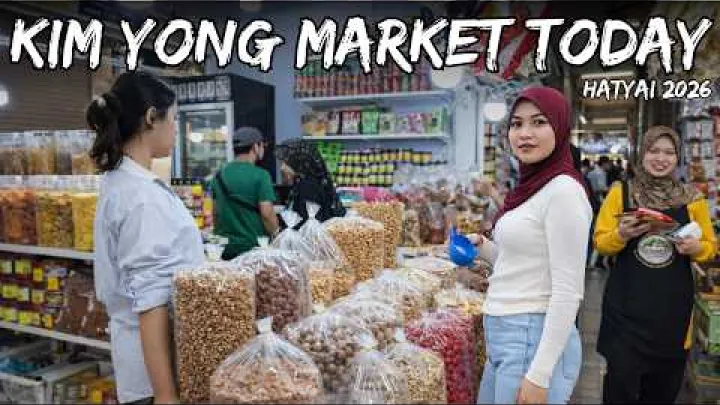
To keep spending predictable, look for displayed prices and busy stalls with quick turnover. Simple rice, noodle, soup, grilled, and snack options usually make budgeting easier than seafood-heavy meals or large shared dishes. If you have dietary restrictions, budget a little extra for places where you can communicate clearly, choose ingredients carefully, or sit down comfortably.
A practical low-cost food plan is to eat a simple breakfast or convenience-store snack, have a market or local restaurant lunch, and choose a casual dinner. This allows room for drinks or desserts without turning every meal into a restaurant meal.
Restaurants, Cafes, and Mall Dining
Sit-down restaurants, cafes, and mall dining raise the daily food budget because you are often paying for comfort, air conditioning, service, branded products, or imported ingredients. This is not a problem if you plan for it. The mistake is treating cafes, desserts, seafood meals, and restaurant dinners as small extras when they are regular daily costs.
Mid-range travelers can mix styles. You might eat local food for breakfast and lunch, then choose a more comfortable restaurant for dinner. Families may prefer malls or sit-down restaurants for convenience, while solo backpackers may focus on markets and simple local shops. Halal travelers, vegetarians, and visitors with allergies should also budget for places where food choices are easier to confirm.
Separate daily meals from treat meals in your budget. If you plan one higher-cost meal, keep the rest of the day simple. This method gives you comfort without losing control of the total daily spend.
Drinks and Small Daily Purchases
Small purchases look minor, but they repeat. Numbeo lists local context for everyday items in Hat Yai, including bottled water around 13 baht and domestic beer around 59 baht; see Numbeo for its current cost-of-living entries. These prices are useful as context, but your actual cost depends on where you buy and what size or brand you choose.
Water and basic drinks are easy to manage if you buy from local shops, markets, or convenience stores rather than relying on hotel minibars or tourist-focused venues. Specialty coffee, beer, desserts, and snacks can change the daily total quickly. A traveler who buys several small extras every day may spend more on drinks and snacks than on local transport.
For strict budgeting, make alcohol an optional separate line item. This keeps your core budget clear and prevents a low-cost day from becoming expensive without noticing.
Local Transport Costs
Hat Yai transport costs can remain low if you use shared local options for routine trips and save private rides for moments when they are genuinely useful. Transport planning also affects accommodation value because a cheaper room is only a saving if access costs stay low.
Songthaews for Everyday Trips
Blue songthaews are one of the cheapest ways to move around Hat Yai for ordinary city trips. RailTravelStation reports that the songthaew fare within Hat Yai city costs 10 baht and that passengers pay the driver after alighting; the route example connects Hat Yai Bus Terminal 1 and Kim Yong Market. You can read the local route report on RailTravelStation.
Because songthaews are inexpensive, they can make a slightly cheaper accommodation area more viable if the route is practical for your plans. Routes and fares can change, especially outside the core city area, so confirm locally before relying on them for longer or less common trips.
Tuk-Tuks and Private Rides
Tuk-tuks and private rides are more flexible than songthaews, but they usually cost more. They are useful when you have luggage, arrive late, travel as a small group, visit a place that is not convenient by shared route, or want door-to-door movement in hot or rainy weather.
Exact tuk-tuk fares are less standardized, so agree on the price before starting the ride and confirm whether the price is for the whole vehicle or per person. For everyday short trips, compare the convenience of a private ride with the low songthaew fare so private transport stays an occasional tool rather than the default.
Access Costs for Airport, Bus, and Rail Connections
Hat Yai is an important transport hub, so many travelers pass through by air, bus, or rail. Treat access costs as a separate budget category from ordinary daily spending. A ride from an airport, bus terminal, or railway station may be necessary on arrival and departure, but it is not the same as daily sightseeing transport.

If you are continuing to other parts of Southern Thailand or to Malaysia, keep onward intercity travel outside the daily Hat Yai total. Check schedules and fares close to your travel date because availability and prices can change. Public or shared options can reduce access costs when available, while private transfers add comfort and cost.
Activities, Attractions, and Shopping Costs
Hat Yai can be enjoyed with a low activity budget, but optional spending can rise quickly. Paid attractions, mall visits, markets, souvenirs, snacks, and short rides all influence the final trip cost.
Free and Low-Cost Activities
Free and low-cost activities help balance the budget. Market browsing, neighborhood walks, temple visits, viewpoints, and mall browsing can fill parts of a day without requiring several ticketed attractions. Hat Yai Municipal Park is often included in visitor plans, but you should still budget for transport, drinks, snacks, donations, or optional paid elements where applicable.
Free entry does not always mean zero total cost. A market visit can lead to snacks and shopping. A viewpoint or park visit may involve transport. A mall visit can become expensive if you add coffee, desserts, clothing, and entertainment. Build some low-cost days into your itinerary, then allow selected days for paid activities or shopping.
Paid Attractions and Ticket Checks
Paid attractions should be checked before you go because hours, ticket rules, foreign visitor prices, child prices, bundled tickets, and optional charges can change. The official Magic Eye 3D Museum site describes the museum and lists opening-hour context, but travelers should confirm current ticket details before visiting.
For a strict budget, place one or two paid attractions on selected days rather than adding ticketed activities every day. This approach makes the trip more flexible and keeps room for food, transport, and small purchases. If you are traveling with children, check child prices and whether the attraction has extra paid zones or bundled options.
Shopping Budget Control
Shopping can be one of the largest optional variables in Hat Yai because the city has a strong commercial identity. Souvenirs, clothes, packaged snacks, cosmetics, phone accessories, and personal items may seem cheap individually, but repeated purchases add up quickly.
Separate shopping from your core travel budget. Your core budget should cover sleep, food, transport, basic activities, and small daily needs. Shopping is discretionary, so give it a daily cap or a trip-wide cap before you enter markets and malls. A simple cash envelope or notes app total can help you see how much you have already spent.
If you are traveling onward, also consider luggage space and baggage fees. A low-priced item is less attractive if it creates extra transport or airline costs later.
Cash, Cards, and Currency
Money management in Hat Yai is straightforward if you use the right payment method for the right situation. Budget travelers often need more cash because the cheapest meals, rides, and small purchases are frequently cash-based.
Thai Baht, Small Notes, and Cash-Only Moments
Plan your daily costs in Thai baht. Local prices are paid in baht, and small vendors may not be able to help you convert prices into your home currency. Carry small notes and coins for songthaews, market stalls, food vendors, tips, donations, and low-value purchases.
Do not carry more cash than you reasonably need for the day. Keep enough for meals, transport, small purchases, and a backup, then store the rest safely. If you are traveling with another person, consider splitting cash between you so one lost wallet does not stop the day.
Cards, ATMs, and Digital Payment Limits
Cards are more useful for hotels, malls, larger restaurants, and online bookings than for small local transactions. Before arrival, check your bank card settings, international usage rules, ATM fees, withdrawal limits, and exchange-rate policies. Some cards require travel notifications or app approval for overseas use.
Local QR payment systems may not work for every foreign visitor, so do not rely on them as your only payment plan. A practical strategy is to use cards for larger expenses and cash for daily local costs. Confirm payment options with your hotel or booking platform before arrival, especially if you expect to pay at the property.
Sample Budgets and Final Saving Tips
The examples below show how Hat Yai daily costs can change when one category changes. They are planning estimates, not fixed rules. Use them to build your own budget around your travel style.
One-Day Budget Examples
The table uses approximate category allocations. The budget and mid-range totals stay within the planning ranges given earlier. The comfortable example is shown as an adjustable day because hotel choice and shopping can change the total more than any other category.
| Category | Budget day | Mid-range day | Comfortable day |
|---|---|---|---|
| Stay | Low-cost dorm or simple room | Private budget or mid-range room | Better hotel based on live rate |
| Food | Markets and simple local meals | Local meals plus one restaurant or cafe | Restaurants, cafes, and flexible treats |
| Transport | Walking and songthaews | Songthaews plus occasional private ride | Private rides when convenient |
| Activities | Free or low-cost activities | One paid attraction or planned activity | Paid attractions chosen by interest |
| Extras | Water and small snacks | Drinks, snacks, small purchases | Shopping and comfort extras |
| Approximate total | 440 to 1,050 baht | 1,650 to 3,300 baht | Hotel-driven; often above mid-range |
The easiest way to reduce a daily total is to change one large category. Choose a cheaper room, eat one more market meal, use songthaews for routine trips, or move shopping into a separate capped budget. Small changes repeated over several days matter more than one isolated saving.
Three-Day Spending Plan
A three-day plan helps because travel spending is uneven. One day may be very cheap, while another may include paid attractions, private rides, or shopping. Average the days together instead of judging the trip by the most expensive day.
- Day one: Keep costs low with market food, walking, mall or neighborhood browsing, and shared local transport where practical.
- Day two: Add one paid attraction, a more comfortable meal, and transport that matches the location and weather.
- Day three: Use a flexible day for shopping, a cafe, a park or viewpoint, or extra rest before onward travel.
If hotel rates are higher on a weekend, avoid stacking your most expensive activities on the same day unless your schedule requires it. Travelers continuing to another destination should keep bus, rail, flight, or cross-border costs separate from the daily Hat Yai total.
Practical Ways to Spend Less
The highest-impact saving tactics are simple. Book accommodation early for busy dates, compare midweek rates, and check whether a cheaper location still has affordable access to the areas you want to visit. Use walking and songthaews for routine trips, and reserve tuk-tuks or private rides for luggage, late arrivals, rain, heat, or inconvenient routes.
Eat mainly at markets and simple local restaurants, but budget separately for cafes, beer, desserts, seafood, and special meals. Carry small cash for local spending, set a shopping cap before visiting markets and malls, and check current attraction tickets and hours before you go.
The final takeaway is clear: Hat Yai can be very affordable when you control accommodation, dining style, paid activities, and shopping. A backpacker can plan a low daily budget, a mid-range traveler can add comfort without losing control, and a comfortable traveler should build the budget around hotel choice and optional spending.
Select area
Create a post
Posting is free and no registration is required.