Hat Yai Travel Guide: How to Plan a First-Time Trip
This Hat Yai travel guide is for first-time visitors who want a practical, balanced view of the city before adding it to a Thailand itinerary. Hat Yai is not a beach resort or a classic temple-and-old-town destination; it is a busy southern Thai commercial hub with markets, food, shopping, transport links, and easy access to Songkhla Province. This guide explains where to stay, how to get around, what to do, which day trips make sense, and what to check before booking. It also covers weather, costs, safety, and simple itineraries for one to three days.
Start Here: What Hat Yai Is Like
Hat Yai is best understood as a practical city for food, shopping, transit, and regional travel. It rewards travelers who enjoy active streets, markets, local restaurants, and a more commercial side of southern Thailand.
A Southern Commercial Hub, Not a Resort City
Hat Yai sits in Songkhla Province in southern Thailand, near routes that connect the region with Malaysia and other parts of Thailand. The Tourism Authority of Thailand presents Hat Yai as a major southern city with a strong role in shopping, commerce, and regional travel. That context is important: visitors come here for markets, local meals, transport connections, and nearby excursions more than for beaches or resort scenery.
The city has Thai, Chinese, and Malay influences, visible in food, places of worship, markets, and the mix of visitors. You may hear different languages in shopping areas, see halal-friendly dining options, and find Chinese-influenced restaurants next to southern Thai food stalls. This makes Hat Yai feel different from Bangkok, Chiang Mai, Phuket, or island destinations.
A quick planning snapshot can help set expectations:
| Planning point | What to expect |
|---|---|
| Best for | Markets, food, shopping, local city life, and regional connections |
| Not best for | Beach resorts, island scenery, or a quiet rural escape inside the city |
| Good trip length | One to three days, depending on day trips |
| Useful nearby base | Songkhla town for coastal heritage and Samila Beach |
| Main planning challenge | Choosing the right base and arranging transport between spread-out sights |
Is Hat Yai Worth Visiting and How Long Should You Stay
Hat Yai is worth visiting if you want a travel experience built around food, markets, shopping, and the everyday rhythm of southern Thailand. It is also useful if you are planning an overland route between Thailand and Malaysia, or if you want a base for Songkhla town, Samila Beach, Koh Yo, Songkhla Lake, or Ton Nga Chang Wildlife Sanctuary.
It may be less essential if your first Thailand trip is very short and focused on Bangkok, Chiang Mai, Phuket, Krabi, or the islands. Hat Yai has appeal, but it is not a universal must-see for every traveler. The decision should depend on your route, interests, and how much travel time you have.
- One day: Good for a quick city taste with a central market, a meal-focused walk, and one major attraction such as Hat Yai Municipal Park or Wat Hat Yai Nai.
- Two days: Better for first-time visitors because you can add Songkhla old town, Samila Beach, or another nearby cultural stop.
- Three days: Best if you want a slower pace, extra markets, a waterfall or lake outing, and buffer time for rain or transport delays.
If you have limited time, weigh the distance from your previous and next destination. A short stay can work well if Hat Yai is already on your route; it is less efficient if you must make a long detour just for one night.
Best Time to Visit Hat Yai
Hat Yai is generally warm and humid, so weather planning matters even when you are visiting mainly for markets and food. Rain, heat, and regional holidays can all affect how comfortable your trip feels.
Weather Patterns and Rain Planning
Plan for heat, humidity, and possible rain. Instead of building a tight schedule around perfect weather, keep your plans flexible and check current forecasts from a reliable weather source such as the Thai Meteorological Department before outdoor activities, waterfall visits, coastal trips, or long transfer days.
Outdoor sightseeing is often more comfortable in the morning or late afternoon, when heat can be easier to manage. Midday is a better time for malls, covered markets, a long lunch, or a break at your hotel. If you plan to visit Hat Yai Municipal Park, Tang Kuan Mountain, Samila Beach, Songkhla Lake, or Ton Nga Chang Wildlife Sanctuary, leave room in your schedule to adjust for rain.
Pack light, breathable clothing, sun protection, and a compact rain layer. Comfortable footwear is important because wet pavements, market floors, temple grounds, and park paths can become slippery. Do not assume that a sunny morning means the full day will stay dry.
Crowds, Regional Holidays, and Booking Timing
Hat Yai can become busier during weekends, school holidays, public holidays, and major travel periods, especially when regional visitors arrive from nearby countries. Shopping areas, night markets, and popular hotels may feel noticeably more active at these times.
If you want the widest hotel choice, book ahead for weekends and holiday periods. Check both Thai and Malaysian holiday calendars if your dates are flexible, because cross-border and regional travel demand can affect accommodation availability. Prices and cancellation rules can change, so review the current booking terms rather than relying on older travel reports.
Travelers who prefer quieter markets and easier hotel choice may enjoy weekday stays. Even then, verify market opening days and local holiday schedules before building a trip around one specific evening market or floating-market-style outing.
Where to Stay in Hat Yai
The best area to stay in Hat Yai depends on your trip style. First-time visitors usually benefit from a central base, while airport, university, market, and Songkhla bases make sense for more specific plans.
Central Hat Yai for First-Time Visitors
Central Hat Yai is the simplest base for most short first-time trips. Hotels, restaurants, shops, markets, and transport options are concentrated in and around the central area, making it easier to move around without a car. If you want to spend your time eating, shopping, and making one or two nearby excursions, central Hat Yai is usually the most practical choice.
Walking can work within compact clusters, but do not assume that every attraction is comfortably walkable. Heat, rain, traffic, road crossings, and sidewalk conditions can make short distances feel longer. Before booking a hotel, check recent guest reviews for noise, parking, access to food, and whether the location is truly convenient on foot.
- Best for: First-time visitors, short stays, food travelers, and travelers without a car.
- Watch for: Street noise, limited parking, and map distances that look easier than they feel in heat or rain.
Market and Kanchanavanich Road Areas for Shopping and Food
Market-oriented stays are useful if your Hat Yai trip is focused on food, shopping, and evening activity. Traditional markets such as Kim Yong Market and Santisuk Market fit daytime shopping and local browsing. Greenway Night Market is more oriented toward evening food and retail. Khlong Hae Floating Market offers a more distinctive local outing, but visitors should confirm current opening days and hours before planning around it. Central Festival Hat Yai is useful for air-conditioned shopping, meals, and rainy-day breaks.
Kanchanavanich Road is a useful local anchor for parts of the city connected with malls, markets, and movement across Hat Yai. The trade-off is that convenience for shopping may come with traffic, noise, or a less old-center feeling depending on the exact hotel. Always check the walking route, not only the distance on a map, because crossings and road design matter.
Bring small cash for market snacks and small purchases. Bargaining may be possible in some retail situations, but it should be polite and reasonable. For food, choose busy stalls with good turnover, and use your judgment with seafood, sauces, and items that have been sitting out in the heat.
Airport, University, and Songkhla Bases for Specific Plans
An airport-area hotel can make sense for an early flight, a late arrival, or a very short transit stop. It is less useful if your goal is to explore markets and central restaurants, because you may spend more time arranging rides into the city.
The Prince of Songkla University area may suit travelers visiting the campus, hospital, or nearby district for study, work, or family reasons. It can also be useful for people who prefer a less tourist-focused area, but it is not automatically the best base for sightseeing.
Songkhla town is a strong alternative if you prefer coastal heritage, old-town streets, Samila Beach, and a slower seaside rhythm. Choosing Songkhla instead of Hat Yai changes the trip: it can improve access to coastal sights, but may add transfers for flights, trains, intercity buses, or major shopping areas in Hat Yai.
| Base area | Best for | Main trade-off |
|---|---|---|
| Central Hat Yai | First visits, food, markets, short stays | Can be busy and noisy |
| Kanchanavanich Road areas | Malls, markets, shopping-focused stays | Traffic and walking comfort vary |
| Airport area | Early flights, late arrivals, transit | Less convenient for city exploration |
| University area | Campus, hospital, study, local district needs | Not ideal for every tourist itinerary |
| Songkhla town | Old town, coast, Samila Beach | Adds transfers for Hat Yai transport links |
How to Get to Hat Yai and Get Around
Hat Yai is a regional transport hub, but schedules, routes, fares, and border rules can change. Treat transport planning as something to confirm close to travel, especially for long-distance and cross-border journeys.
Flights, Trains, Buses, and Border Connections
Hat Yai can be reached by air through Hat Yai International Airport, by long-distance train, by bus or minivan, and by overland regional routes depending on your itinerary. For many travelers coming from Bangkok or another distant Thai hub, flying is the most time-efficient option. Slow travelers may prefer trains or buses because they can fit an overland Thailand route.
Do not rely on old schedules or fare examples. Check current operators for train classes, bus departure points, luggage rules, ticket changes, and arrival times.
| Arrival option | Good for | Check before booking |
|---|---|---|
| Flight | Saving time from distant Thai cities | Baggage, airport transfer, arrival time |
| Train | Slow travel and overland itineraries | Class, timetable, seat or sleeper availability |
| Bus or minivan | Regional travel within southern Thailand | Departure point, luggage, comfort, arrival area |
| Border connection | Thailand-Malaysia route planning | Visa rules, immigration process, active services |
Local Transport and Walking
Local transport in Hat Yai can include tuk-tuks, motorcycle taxis, taxis, and transport arranged through hotels or local operators. A visitor guide from Prince of Songkla University notes tuk-tuks and motorcycle taxis around campus areas, which reflects how short local rides can work in parts of the city. For travelers, the practical lesson is simple: confirm the destination and fare before starting a ride.

Walking is useful in central clusters around hotels, restaurants, and markets, but it becomes less reliable across busy roads, in heavy rain, or during midday heat. If you are going to Hat Yai Municipal Park, Khlong Hae Floating Market, the university area, or a day-trip pickup point, arrange transport in advance and ask about the return ride.
If you are not comfortable with motorcycle taxis, choose tuk-tuks, taxis, hotel-arranged transport, or organized trips. Road safety should be taken seriously, especially at night or in bad weather. Keep your hotel name and address available in Thai or on a map app so you can show the driver clearly.
Best Things to Do in Hat Yai
The best things to do in Hat Yai are spread across markets, viewpoints, temples, food areas, and shopping centers. Plan activities by area and time of day rather than trying to rush across the city repeatedly.
Hat Yai Municipal Park, Viewpoints, and Wat Hat Yai Nai
Hat Yai Municipal Park is one of the main city attractions, combining green space, viewpoints, religious monuments, and family-friendly stops. It works best when you plan around heat and rain, because open areas and viewpoints can be uncomfortable in strong sun or poor weather. Morning or late afternoon is often more pleasant than midday.
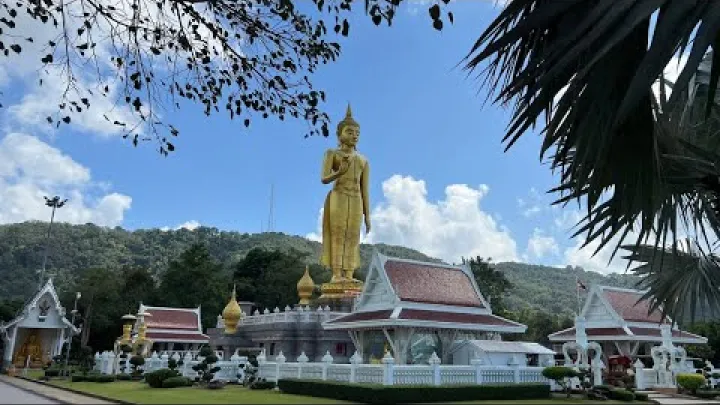
Wat Hat Yai Nai is another notable stop, commonly associated with a large reclining Buddha. As with any temple visit in Thailand, dress respectfully, keep your voice low, remove shoes where required, and avoid intrusive photography. If you are combining temple visits with markets, carry a light layer or clothing that covers shoulders and knees.
Transport matters for this part of the trip. Viewpoints, park areas, and temples may not fit neatly into a walking route from your hotel. Confirm opening details, ride fares, and return arrangements locally, especially if you are visiting near sunset or during rainy weather.
Kim Yong, Santisuk, Greenway, Khlong Hae, and Central Festival
Hat Yai’s markets and shopping areas each serve a different purpose. Kim Yong Market and Santisuk Market are useful for traditional shopping, snacks, household goods, and local browsing. Greenway Night Market fits an evening plan with casual food and retail. Khlong Hae Floating Market is a more distinctive outing with a floating-market-style atmosphere, but its schedule should be checked before you go. Central Festival Hat Yai offers a modern, air-conditioned option for shopping, meals, and rainy-day comfort.

Do not try to visit every market in one rushed loop. A better approach is to choose one daytime market, one evening market, and one mall or covered option as a weather backup. Markets are also practical places to eat, not just places to shop. Bring small cash, watch your belongings in crowds, and choose food stalls that look busy and clean.
Opening days and hours can shift around holidays or local conditions. Before making a special trip to a night market or Khlong Hae Floating Market, ask your hotel or a local contact to confirm the current schedule.
Food, Seafood, Fried Chicken, and Halal-Friendly Dining
Food is one of Hat Yai’s strongest reasons to visit. Expect southern Thai flavors, seafood, market snacks, Chinese-influenced restaurants, Malay-influenced options, and the city’s well-known fried chicken culture. The best strategy is flexible: graze in markets, choose local restaurants for fuller meals, and use malls when you want air-conditioning or easier seating.
Halal-friendly dining is an important planning point for many visitors to Hat Yai. Compared with some Thai destinations, travelers may find it easier to locate Muslim-friendly and halal-oriented options, but you should still confirm halal status directly with restaurants, food stalls, or hotels. Do not assume that every chicken, seafood, or rice dish is halal unless it is clearly indicated or confirmed.
If you have dietary needs, learn a few simple phrases or keep a translated note on your phone. Southern Thai food can be spicy, so ask for lower spice if needed. At busy meal times, popular casual restaurants and market stalls may fill quickly, so eat slightly earlier if you prefer a calmer experience.
Nightlife and Evening Plans
Evenings in Hat Yai are better framed around night markets, shopping areas, casual dining, and some nightlife rather than beach-party expectations. If you want a low-key evening, Greenway Night Market, mall dining, dessert shops, or a slow market walk can be enough.
Weekend and holiday evenings may feel livelier, especially in shopping zones and food areas. Standard precautions apply: keep valuables secure, do not leave drinks unattended, avoid unnecessary late-night walking in unfamiliar areas, and arrange a safe ride back to your accommodation.
If nightlife is important to you, choose accommodation that makes evening transport simple. If quiet is more important, read recent hotel reviews carefully for comments about traffic, bars, market noise, and room soundproofing.
Easy Day Trips from Hat Yai
Hat Yai works well as a base for day trips because Songkhla Province offers coastal, cultural, lake, and nature experiences within reach. The key is to avoid overloading the day and to confirm transport before leaving.
Songkhla Old Town, Samila Beach, and Tang Kuan Mountain
Songkhla town is the most natural cultural and coastal day trip from Hat Yai. The Tourism Authority of Thailand describes Songkhla as a historic town with Thai, Chinese, and Malay influences, which helps explain why it feels distinct from Hat Yai’s commercial center.
A simple Songkhla day can include old-town streets, local cafés or restaurants, Samila Beach, and Tang Kuan Mountain. The order depends on weather, opening details, and how much time you want for museums, viewpoints, or beach scenery. Samila Beach adds coastal atmosphere, but it is not the same type of resort experience as Thailand’s major island destinations.
Songkhla can work as a half-day if you focus on a few highlights, or a full day if you want a slower pace. Verify transport options and return arrangements locally, especially if you plan to stay into the evening.
Koh Yo, Songkhla Lake, and Rural Stops
Koh Yo and Songkhla Lake offer a slower contrast to Hat Yai’s urban shopping atmosphere. This type of outing is better for scenery, local life, food stops, and relaxed exploration than for fast sightseeing. It can be added to a Songkhla day if you have enough time, or treated as a separate slower trip.
Because rural and lake-area stops can be harder to link by public transport, arrange reliable transport if you want to combine several places. A private car, local driver, or organized arrangement may be more practical than trying to improvise multiple short rides.
Rain can affect the mood and comfort of lake and rural travel. Keep a backup plan, such as returning to Hat Yai for markets, covered shopping, or a long meal if the weather becomes poor.
Ton Nga Chang Wildlife Sanctuary and Waterfall Planning
Ton Nga Chang Wildlife Sanctuary is a nature-focused option for travelers who want forest scenery and waterfalls near Hat Yai. This is a different style of day from markets and city temples, so plan it with safety and comfort in mind.
Waterfall conditions and trail safety can vary with rain. Before going, ask your hotel, a local operator, or local authorities about current access and conditions. Wear suitable footwear, bring water, use insect protection, and move carefully on wet surfaces.
Avoid treating a waterfall trip as a last-minute add-on if the weather is unstable or if you have a fixed onward journey the same day. Return transport and daylight matter, so confirm both before you leave Hat Yai.
Costs, Safety, and Practical Planning
Hat Yai can be planned at different budget levels, but the final cost depends on accommodation timing, food choices, shopping, transport style, and how many day trips you take. Practical safety planning is also important because southern Thailand includes areas with different risk profiles.
Budget Expectations and What to Verify Before Booking
Think of your Hat Yai budget in categories rather than relying on a fixed daily total. Accommodation, meals, local transport, shopping, day trips, and intercity transfers all vary by season, weekend demand, comfort level, and booking timing.
- Accommodation: Check location, noise, parking, cancellation rules, and whether breakfast is included.
- Meals: Markets and local restaurants can help control spending, while seafood meals, malls, and cafés may increase costs.
- Local transport: Confirm fares before rides and budget more for spread-out sights or late-night returns.
- Day trips: Transport is often the main cost, especially for Songkhla, Koh Yo, or waterfall trips with multiple stops.
- Shopping: Markets and malls can make spending unpredictable, so set a simple limit if you are watching your budget.
Before booking, confirm payment methods, deposits, cancellation deadlines, and included services. During weekends and regional holidays, accommodation availability and rates may change quickly.
Safety Context for Hat Yai and Southern Thailand
Safety advice for Hat Yai should be specific, not vague. Hat Yai is a city where ordinary urban precautions matter: road safety, valuables in crowded markets, late-night transport, weather disruption, and awareness in busy areas. At the same time, some official travel advisories discuss higher-risk provinces farther south.
The U.S. Department of State advises increased caution related to civil unrest in Yala, Pattani, and Narathiwat provinces. This does not mean every part of southern Thailand has the same risk profile, but it does mean travelers should check current government advisories before routes that go deeper south or toward sensitive border areas.
For a normal Hat Yai city stay, use practical precautions. Keep valuables close in markets, avoid poorly planned late-night rides, wear a helmet if using motorcycle transport, and leave extra time during heavy rain. No destination is completely risk-free, so make decisions based on current information rather than old assumptions.
Packing, Etiquette, and Weather-Ready Travel
Pack for heat, rain, markets, and religious sites. Breathable clothing, sun protection, a small umbrella or rain jacket, comfortable walking shoes, and modest temple clothing are all useful in Hat Yai. If you plan to visit parks, waterfalls, or viewpoints, add footwear with better grip and a small day bag for water.
At temples, dress respectfully, remove shoes where required, and avoid disruptive behavior. At markets, carry small cash, ask before photographing people closely, and be patient in crowded lanes. If you have dietary needs, mobility concerns, or medical requirements, confirm details in advance with hotels, restaurants, or tour providers rather than assuming everything will be easy on arrival.
Heat and rain should shape your daily pace. Plan outdoor sights early, use air-conditioned breaks during the hottest part of the day, and keep one rainy-day option such as Central Festival Hat Yai, covered markets, or a food-focused route.
Suggested Hat Yai Itineraries
Use these itineraries as flexible frameworks, not fixed schedules. Adjust each day for weather, opening days, transport, and your energy level.
One to Three Days in Hat Yai
One day in Hat Yai: Stay in Central Hat Yai if possible. Start with a traditional market such as Kim Yong Market or Santisuk Market, then plan a local lunch. In the afternoon, visit Hat Yai Municipal Park or Wat Hat Yai Nai, depending on weather and transport. Spend the evening at a night market or a simple food-focused route near your hotel.
Two days in Hat Yai: Use the first day for central markets, food, and one city attraction. On the second day, visit Songkhla old town, Samila Beach, and Tang Kuan Mountain if transport and weather allow. Return to Hat Yai for dinner, or stay longer in Songkhla if your transport is arranged.
Three days in Hat Yai: Keep the first two days as above, then add a slower third day. Choose Ton Nga Chang Wildlife Sanctuary if weather and access are suitable, or choose Koh Yo and Songkhla Lake for a more relaxed local outing. If rain is heavy, make the third day a flexible city day with Central Festival Hat Yai, covered markets, cafés, and extra food stops.
| Trip length | Best focus | Rainy-day adjustment |
|---|---|---|
| One day | Central markets, food, one city attraction | Use malls, covered markets, and shorter rides |
| Two days | Add Songkhla old town and Samila Beach | Focus on old-town cafés, museums, and indoor meals |
| Three days | Add nature, Koh Yo, or slower food exploration | Keep the third day flexible as a buffer |
Group activities geographically when possible. Avoid planning a morning waterfall, an afternoon Songkhla loop, and multiple night markets in one day unless you have private transport and strong energy. Hat Yai works best when you leave time for meals, traffic, weather changes, and spontaneous market stops.
Final Takeaways for Your Hat Yai Trip
Hat Yai is a practical southern Thailand base for travelers who enjoy food, markets, shopping, and regional movement. It is not a resort city, and that is part of its identity. Come for local meals, busy commercial streets, cultural mix, and easy access to Songkhla Province rather than expecting island-style scenery.
For most first-time visitors, Central Hat Yai is the easiest base, two days is a comfortable starting point, and Songkhla is the most natural day trip. Add Ton Nga Chang, Koh Yo, or extra markets if you have a third day and flexible weather plans. Before you travel, confirm transport, market schedules, hotel location, weather, and any official safety advice for routes beyond Hat Yai.
Planned well, Hat Yai can be a rewarding stop on a southern Thailand itinerary: local, busy, food-focused, and useful as both a destination and a gateway.
Select area
Create a post
Posting is free and no registration is required.