Cambodia Immigration Procedures: e-Arrival, FPCS and Stay Rules
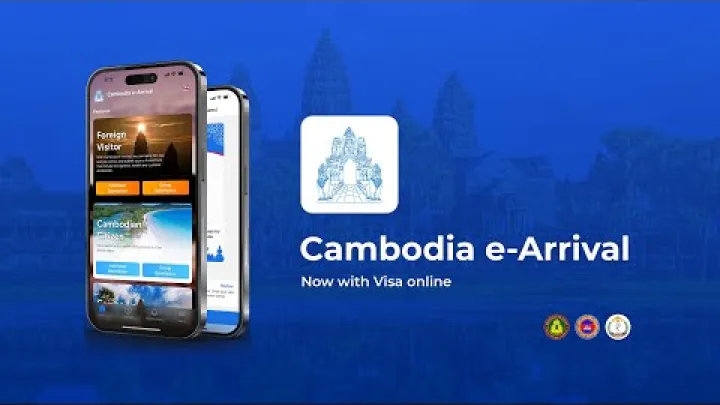
Cambodia immigration procedures are not only about choosing the right visa. Travelers also need to understand arrival forms, passport checks, accommodation registration, stay records, and departure deadlines. The Cambodia e-Arrival card and the Foreigners Present in Cambodia System are now important parts of the administrative process for many visitors and residents. This guide explains what to prepare before travel, what usually happens at arrival, what to confirm during your stay, and how to avoid common overstay problems.
What Cambodia Immigration Procedures Cover
Immigration procedures are the practical steps that support lawful entry, stay, and exit. They can apply to tourists, business travelers, students, remote workers, retirees, and long-stay visitors, even when the person already has a visa or is eligible for visa-free entry.
Procedures Are Different From Choosing a Visa
A visa answers a basic question: whether you have permission to enter or remain in Cambodia under a particular category. Immigration procedures answer a different question: what administrative steps must be completed before entry, at the border, after arrival, during a stay, and before departure.
For Cambodia, these procedures may include completing an arrival card, presenting documents to immigration officers, checking the entry stamp, making sure accommodation registration is handled, keeping track of the permitted stay date, and resolving any extension or departure issue before time runs out.
This article is not a full visa guide and is not legal advice. Visa rules, visa-on-arrival availability, extension categories, fees, and supporting document requirements can change. Before travel or renewal, confirm current rules with Cambodian authorities, a Cambodian embassy or consulate, or a qualified local adviser.
Main Authorities and Official Channels
The main immigration authority is the General Department of Immigration under Cambodia's Ministry of Interior. Its role is different from that of airlines, travel agents, hotels, and foreign embassies. Those organizations may provide useful guidance, but Cambodian authorities define and apply Cambodia immigration requirements.
Official digital channels are especially important because travelers often search for the Cambodia arrival card online or for Cambodia online immigration registration. The official e-Arrival platform is used for arrival information, while the FPCS system is connected to foreigner presence and accommodation reporting. Details can vary by port of entry, accommodation type, province, and current implementation, so use official sources whenever possible.
Before You Travel to Cambodia
Good preparation makes border processing easier. Before departure, organize the information you may need for airline checks, online arrival forms, visa processing, and immigration inspection.
Check Passport, Visa Eligibility, and Entry Documents
Before you travel, check that your passport is valid for your planned trip, has enough blank space for entry and exit stamps, and matches the identity information used in any visa or arrival form. Do not rely on old travel reports, because passport validity rules, visa eligibility, visa-on-arrival arrangements, and document requirements can change.
Travelers should also confirm whether they need a visa before travel, may use visa on arrival, or qualify for another entry arrangement. Even if a traveler is visa-exempt or already has a visa, immigration procedures such as arrival forms, passport inspection, customs declaration, and accommodation registration may still apply.
Keep your passport details, flight information, first accommodation address, contact details in Cambodia, and planned departure information ready. These details are commonly requested in online forms, by airlines, by accommodation providers, or by immigration officers.
Complete the Cambodia e-Arrival Card
The Cambodia e-Arrival card is the main digital arrival procedure that many travelers now need to understand. The official Cambodia e-Arrival platform describes the digital form as including the Electronic Visa On Arrival, Immigration Form, Health Declaration, and Customs Declaration functions.
The Cambodia arrival card online process is intended to replace or reduce paper-based arrival declarations at supported entry points. Travelers should enter details carefully and make sure the passport number, name, date of birth, travel date, and accommodation information match their travel documents.
The General Department of Immigration states that travelers can submit the Cambodia e-Arrival within 7 days before arrival or on arrival, and that submission is free. Because implementation can change, check the official platform close to your travel date and keep the confirmation or QR code accessible offline on your phone or printed copy.
Avoid Unofficial e-Arrival Websites and Unnecessary Fees
Official immigration information says e-Arrival submission is free. The General Department of Immigration has published the key message that all travelers can submit the Cambodia e-Arrival within the official timing window and that submission is free.
Be careful with similarly named private websites, paid form-filling services, and advertisements that look official. Some private services may charge a fee for assistance or may confuse the free e-Arrival submission with separate visa-related costs.
If you need a visa on arrival or another visa product, a visa fee may still apply. That is separate from the e-Arrival submission itself. If a website requests unexpected payment only for the Cambodia e-Arrival card, pause and confirm through official Cambodian immigration channels before continuing.
What Happens When You Arrive in Cambodia
Arrival procedures are usually straightforward when documents are complete. The exact sequence may differ between international airports, land borders, seaports, and smaller entry points.
Air Arrival Procedures
At an international airport, the usual process is to follow arrival signs, present your passport, provide any visa or visa-on-arrival documents required for your situation, and allow officers to check your entry information. If e-Arrival is required or supported for your arrival, your digital arrival information may be checked against your passport and travel details.
Keep your e-Arrival confirmation or QR code available before you reach immigration. Do not assume that mobile internet will work immediately after landing. A screenshot, downloaded PDF, or printed copy can help if your phone has poor signal or low battery.
Immigration officers may ask about your accommodation, purpose of visit, onward travel, or length of stay. Answer clearly and consistently with the information in your travel documents. If an officer requests additional documents, provide them calmly and follow official instructions.
Land, Sea, and Other Entry Points
Procedures can differ at land borders, seaports, river crossings, and smaller entry points. A process that is routine at a major airport may not be identical at a land crossing. Some points may use digital systems, while others may still require paper forms or different inspection steps.
Before using a land or sea route, confirm the current procedure for that specific entry point. Check official Cambodian sources, your transport operator, your airline if relevant, or a Cambodian embassy or consulate close to the travel date. This is especially important if you expect to use visa on arrival, travel on a special passport, enter with children, or arrive outside normal high-traffic routes.
Avoid relying only on travel forums or old border reports. They can be useful for understanding common experiences, but they may not reflect current official practice.
Check Your Passport Stamp Before Leaving Immigration
Your entry stamp is important because it records your lawful entry and normally shows the date from which your permitted stay is calculated. Before leaving the immigration area, check that the stamp is present, legible, and consistent with your actual entry date.
If something appears missing, unclear, or inconsistent, raise it immediately with an immigration officer while you are still in the inspection area. It is usually easier to correct a simple stamping issue at the border than later at a hotel, extension office, or departure counter.
Do not ignore stamp problems because they may affect a later stay extension, accommodation registration check, or departure inspection. Keep your passport secure after arrival and avoid handing it to anyone except an official or a trusted accommodation provider when necessary for registration.
Foreigner Registration and Accommodation Reporting
Cambodia foreigner registration is closely connected to where a foreigner stays. For many visitors, the process is handled in the background by hotels, guesthouses, landlords, or hosts, but long-stay travelers should still understand the basic idea.
How the Foreigners Present in Cambodia System Works
The Foreigners Present in Cambodia System, commonly called FPCS, is Cambodia's system for managing information about foreigners staying in the country. The official FPCS portal is connected to the administration of foreigner presence information.
FPCS is not a tourist attraction website and it is not the same as applying for a visa. It is linked to recording information about foreign guests, tenants, or residents and supporting immigration administration.
For a short hotel stay, the traveler may only notice that the hotel asks to see or copy a passport. For a longer rental, private stay, or informal arrangement, the traveler may need to ask more questions to make sure the host understands registration expectations.
What Hotels, Landlords, and Hosts Usually Need to Do
Accommodation providers are generally central to Cambodia immigration reporting. Hotels, guesthouses, serviced apartments, landlords, condominium managers, or private hosts may request passport details so they can complete guest or tenant reporting through FPCS or local procedures.
The FPCS - GDI app listing describes FPCS as a system used to manage foreigners' information regarding their stay in Cambodia. This supports the practical point that registration is connected to accommodation and stay information, not only to the traveler personally.
Implementation may vary between hotels, apartments, condominiums, guesthouses, company housing, and private homes. Some accommodation providers are familiar with the process. Others may be less familiar, especially in informal rentals. If timing, documents, or the reporting method is unclear, the accommodation provider should confirm the current process with the appropriate local or immigration authority.
What Foreign Visitors Should Confirm With Their Accommodation
Foreign visitors do not need to become technical experts in FPCS, but they should confirm that their accommodation can handle foreigner registration properly. This is especially important for long-stay visitors, people who plan to extend their stay, and people renting directly from a private landlord.
Useful questions include: Can you register foreign guests or tenants? Do you need a copy of my passport and entry stamp? Will you update the registration if I extend my stay? Whom should I contact if immigration asks for proof of accommodation?
Keep basic proof of stay, such as a booking confirmation, lease, payment receipt, host contact details, or building management contact. Store digital copies securely and avoid sharing more personal data than the accommodation provider reasonably needs for registration.
During Your Stay in Cambodia
After arrival, the most important procedures are simple: keep documents organized, make sure accommodation records are handled, and monitor the permitted stay date. Problems often arise when a traveler moves accommodation, waits too long to extend, or assumes someone else has completed a required step.
When Your Accommodation Changes
Moving from one hotel, rental, or private home can affect accommodation registration records. If you change accommodation, ask the new provider whether they can register foreign guests or tenants and what information they need from you.
For a short tourist trip, this may be routine because hotels usually have established guest reporting processes. For a long stay, private rental, or stay with friends or relatives, it is better to ask directly rather than assume the process is automatic.
Do not assume there is a separate individual address-change form unless an official authority tells you so for your situation. If you are staying long term or preparing for an extension, ask the new host, local police, immigration office, or official FPCS channel what steps apply.
How Registration Can Affect Stay Extensions
Accommodation registration may matter when a foreigner applies to remain in Cambodia beyond the initial permitted stay. Immigration officers or service providers involved in an extension process may ask for information that shows where the foreigner has been staying.
This article does not explain every visa extension category, fee, or document set. Those details depend on the traveler's status and current rules. The practical point is that FPCS or accommodation registration should not be ignored until the final days before an extension is needed.
If you expect to extend your stay, confirm registration with your hotel, landlord, employer, school, host, or local adviser before starting the process. If there is a gap or uncertainty, resolve it early through official channels rather than relying only on peer advice.
Keep Copies and Track Important Dates
Good record keeping helps prevent small administrative issues from becoming stressful. Keep secure digital copies of your passport bio page, visa or entry permission, e-Arrival confirmation, entry stamp, accommodation details, and any official receipts or confirmations.
- Record your arrival date and the date your permitted stay expires.
- Save the address and contact details of each accommodation.
- Keep copies of booking confirmations, leases, or host information.
- Note the date you moved accommodation, if you change address.
- Plan extension or departure steps before the final days of your stay.
Do not carry unnecessary sensitive documents in public if you do not need them. A secure digital copy can help you answer routine questions, while your original passport should be protected against loss or theft.
Leaving Cambodia and Avoiding Overstay Problems
Departure procedures are usually simple when the traveler leaves before the permitted stay expires. The main risk is waiting too long to solve a problem that should have been handled earlier.
Plan Departure Before Your Permission to Stay Expires
Treat the permitted stay date as a firm deadline. If you plan to leave Cambodia, book travel with enough time to handle delays. If you plan to extend, start early enough to gather documents, confirm accommodation registration, and deal with public holidays or office delays.
Last-minute fixes are risky. A missing document, unclear passport stamp, accommodation registration question, office closure, or travel delay can create problems if the permission to stay is about to expire.
At departure control, immigration officers may check the passport, entry stamp, visa or permission to stay, and overstay status. Organized records and timely planning make this process easier.
Treat Overstay Penalties as a Risk, Not a Strategy
Overstaying should not be treated as an acceptable substitute for extending or leaving on time. Depending on the case, overstay can lead to fines, administrative problems, detention, deportation, or future entry issues.
Do not rely on old stories about overstay fines or informal solutions. Penalty amounts, enforcement practice, and consequences can change, and individual circumstances matter.
If you are already in difficulty, contact Cambodian immigration authorities, your embassy or consulate, or a qualified adviser promptly. This guide is general information, not legal advice for a specific overstay case.
Practical Checklist by Traveler Type
Different travelers face different levels of administrative complexity. Use the following guidance as a practical starting point, then confirm the current requirements for your exact situation.
Short-Term Tourists
Short-term tourists should focus on getting the basics right. Confirm current entry requirements, complete the Cambodia e-Arrival card if applicable, keep the confirmation accessible, check the passport stamp on arrival, stay in properly managed accommodation, and depart or extend before the permitted stay expires.
Most hotels and guesthouses are familiar with passport checks and guest reporting. If you stay in informal accommodation, such as a friend's home or a private rental, ask how the host will handle foreigner registration.
- Check passport and visa requirements before travel.
- Use the official Cambodia arrival card online platform.
- Save the QR code or confirmation offline.
- Check the entry stamp immediately.
- Keep accommodation and departure records.
Long-Stay Residents, Workers, and Retirees
Long-stay visitors need more ongoing attention. Registration, address changes, passport validity, visa or extension timing, employment or study documents, and rental arrangements can all affect the ability to remain in Cambodia smoothly.
If you rent an apartment or house, confirm that the landlord or building manager understands FPCS or the relevant accommodation reporting process. Do this before signing a long lease if your ability to extend your stay depends on clear accommodation records.
Employment, retirement, business, study, and remote work situations may require documents outside the scope of this article. Confirm official requirements before making long-term plans or assuming that a tourist entry can support a different activity.
Private Hosts and Informal Accommodation
Staying with friends, relatives, private landlords, or informal hosts can create more uncertainty around Cambodia foreigner registration. The host may not handle foreign guests regularly, or may not know what reporting is expected.
Ask practical questions before or soon after arrival. Can the host register a foreign guest? Do they need passport details? Do they know which local authority or FPCS channel to use? If they are unsure, encourage them to check locally instead of guessing.
For a long stay, avoid arrangements where a host refuses to engage with immigration registration requirements. It is better to choose accommodation that can support lawful and documented stay procedures.
Frequently Asked Questions
What is the official website for the Cambodia e-Arrival card?
The official Cambodia e-Arrival portal is arrival.gov.kh. Use the official Cambodia e-Arrival platform rather than a similarly named private website.
Is the Cambodia e-Arrival card free?
Yes. Official immigration information states that Cambodia e-Arrival submission is free. Visa fees, if applicable to your situation, are separate from the e-Arrival submission.
Do foreigners register themselves in the FPCS system?
Accommodation providers are usually central to FPCS-related reporting, because the system concerns foreigners' stay and accommodation information. Visitors should confirm that their hotel, landlord, or host can handle registration, especially for long stays or private rentals.
Do land border arrivals use the Cambodia e-Arrival card?
Procedures may differ by entry point. Before entering by land or sea, confirm whether the digital e-Arrival process, paper forms, visa-on-arrival arrangements, or other procedures apply at that specific border.
What should I do if my accommodation changes in Cambodia?
Ask the new accommodation provider whether they can register foreign guests or tenants and what passport or stay details they need. Long-stay travelers should confirm this before applying for an extension or moving into informal accommodation.
What should I do if I may overstay in Cambodia?
Act before your permission to stay expires if possible. If you are already in difficulty, contact Cambodian immigration authorities, your embassy or consulate, or a qualified adviser promptly instead of relying on informal advice.
Final Takeaways
Cambodia immigration procedures are easiest when handled in order: check entry documents before travel, complete the Cambodia e-Arrival card through the official channel, keep arrival confirmation accessible, check the passport stamp, confirm accommodation registration, and track your permitted stay date.
For short visits, the process may be simple because hotels and airports handle many steps routinely. For long stays, private rentals, extension plans, or informal accommodation, be more proactive and confirm procedures with official authorities or reliable local advisers.
Rules and digital systems can change, so treat this guide as a practical framework. Before making travel, rental, extension, or departure decisions, confirm the current Cambodia immigration requirements that apply to your exact situation.
Select area
Create a post
Posting is free and no registration is required.