Banlung Travel Guide: Lakes, Waterfalls and Ratanakiri
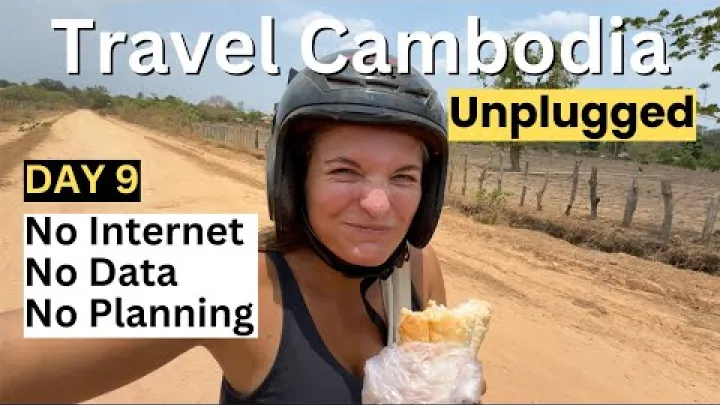
Banlung is the small provincial capital of Ratanakiri in northeastern Cambodia, best approached as a base for nature rather than as a major city sightseeing destination. Its appeal lies in volcanic-lake scenery, waterfalls, forest trips, markets, and opportunities to learn respectfully about the region’s indigenous communities. Reaching Banlung takes commitment, and local tourism services are more limited than in Phnom Penh, Siem Reap, or the coast. This Banlung travel guide explains how long to stay, when to go, where to sleep, how to move around, and how to plan outdoor activities with realistic expectations.
Is Banlung Worth Visiting?
Banlung rewards travelers who value quieter landscapes, slower travel, and time outdoors. It is less suitable for visitors who want dense urban attractions, polished nightlife, or effortless point-to-point transport.
What Banlung Is Best Known For
Banlung is the capital of Ratanakiri province, a highland region in northeastern Cambodia. The town itself has practical services, a central market, simple places to eat, and accommodation, but most visitors come for what lies beyond it. Yeak Laom Volcanic Lake, a group of nearby waterfalls, rural roads, forest landscapes, and guided excursions are the main reasons to make the journey.
This is a good destination for independent-minded travelers who are comfortable with a modest tourism infrastructure and a flexible pace. Banlung can feel pleasantly remote compared with Cambodia’s most visited places, but that remoteness also means fewer transport choices, less reliable rural connectivity, and more planning for trips outside town.
Visit Banlung if your priorities include swimming or walking at a forest lake, seeing waterfalls, taking a guided trek, and using local guides or community-based experiences. Consider skipping it on a short Cambodia itinerary if the extra overland travel would leave too little time to enjoy the surrounding province.
How Many Days to Spend in Banlung
A short stay can cover the essentials. Allow enough time for Yeak Laom Lake and one or more waterfalls, with room for an unhurried arrival and departure. This works well for travelers who want a focused introduction to Ratanakiri without arranging a remote excursion.
Stay longer if you want to explore several waterfalls, arrange a village or community experience, spend time on rural roads, or join a guided forest trip connected with the Virachey area. Multi-day trekking is a separate commitment from ordinary Banlung sightseeing: it may require briefing time, supplies, guides, and recovery time afterward.
Rather than treating a fixed itinerary as mandatory, choose your length of stay by activity. A compact visit suits lake and waterfall sightseeing. A longer Ratanakiri-focused trip gives space for nature, culture, and weather-dependent plans without turning every day into a rushed transfer.
Banlung's Place in an Eastern Cambodia Itinerary
Banlung works best as a deliberate eastern Cambodia extension. Kratie can appeal to travelers moving through the Mekong region, while Stung Treng is an important northern road connection. Sen Monorom, in neighboring Mondulkiri, is another nature-focused destination, although the practical route between provincial towns should be checked for the dates of travel.
Laos and Vietnam may appear on regional route maps, but they should not be treated as simple onward steps from Banlung. Border opening arrangements, visa eligibility, permitted crossings, transport links, and vehicle changes can all affect a plan. If an international connection matters, build in extra time and confirm the route with official immigration information and the operators involved.
Best Time to Visit Banlung
Banlung has a tropical climate with a drier part of the year and a wetter part of the year. The season changes not only comfort but also the character and accessibility of roads, trails, and waterfalls.
Dry and Wet Season Conditions
The broadly drier period runs from around November to April, while wetter conditions are more common from around May to October. Climate records describe a marked contrast between lower rainfall in the cooler part of the year and wetter summer conditions; see Climate-Data.org for the general seasonal pattern.
In drier months, rural routes may be easier to use, although unsealed roads can be dusty and hot. During the wet season, landscapes are greener and waterfall flow can be more impressive, but mud, standing water, slippery paths, and difficult village roads can change what is practical. Water levels and trail conditions also vary from one year to another.
Before committing to a rural excursion, check the forecast and ask locally about the condition of the particular road, trail, waterfall, or swimming area you plan to use. This is more useful than relying on a calendar alone, especially after heavy rain.
Choosing a Month for Your Activities
November to February is often the easier period for general outdoor exploration, with lower rainfall and more manageable roads. It is a sensible choice for travelers who want to combine a lake visit, waterfall outing, and road-based sightseeing with fewer weather disruptions.
March and April can be hotter and dustier, so early starts, shade breaks, drinking water, and sun protection matter more. The wet months can suit travelers who prefer lush scenery and stronger waterfall flow, provided they accept that access may be slower and activity plans may need to change.
Choose the period that matches your priorities rather than looking for one perfect month. For comfortable road exploration, favor the drier season. For green landscapes and water features, accept the trade-offs of wetter conditions. In every season, leave one flexible day if outdoor activities are central to the trip.
How to Get to Banlung and Get Around
Banlung is reached mainly by road. Once in town, walking is useful for everyday needs, but motorized transport is needed for most natural attractions.
Reaching Banlung Overland
There is no convenient commercial passenger rail connection or nearby airport serving Banlung, so travelers generally arrive by bus, minibus, shared van, or private vehicle. Phnom Penh and regional towns are the usual starting points, with Kratie and Stung Treng useful places to consider when building an eastern Cambodia route.
Transport listings, operator names, departure points, luggage rules, fares, and journey times can change. A daytime service may be preferable if you want to see where you are arriving, settle into accommodation, and avoid reaching a new town late at night. A night service may save daytime hours but can be less comfortable and may arrive at an inconvenient time.
Before buying a ticket, confirm the departure time, actual pickup point, Banlung arrival point, luggage allowance, fare, and whether the service is direct or involves a change. Also tell your accommodation your expected arrival time if you may arrive after reception hours.
Transport Connections to Stung Treng, Laos, and Vietnam
Stung Treng is the clearest regional connection from Banlung and can be useful for travelers continuing through northern Cambodia. Current transport listings describe bus or minivan services on the Banlung–Stung Treng route, but the available options should be treated as a planning reference rather than a guarantee; consult Cambodia Trains and confirm directly with the provider.
Travel onward to Laos or Vietnam commonly involves several local segments rather than a reliable through-ticket. Do not assume a particular border crossing accepts your nationality, visa type, or intended direction of travel. Confirm border status, visa requirements, and onward transport before leaving Banlung, and allow contingency time for any international crossing or remote connection.
Getting Around Banlung and the Surrounding Sites
The town centre, including the central market and main roundabout area, is compact enough for short walks between guesthouses, cafés, shops, and basic services. Yeak Laom, the waterfalls, village areas, and forest routes are outside this walkable core.
Motorbike rental can offer freedom for confident riders who understand local traffic and are prepared for variable road surfaces. Tuk-tuks, motodops, hired cars with drivers, and organized day trips are better choices for non-riders or for visitors who want local route knowledge. A local guide or driver is particularly valuable for remote forest areas and unmarked rural turns.
Use a licensed or clearly identified driver where possible, inspect any rental motorbike before accepting it, and avoid unfamiliar rural roads after dark. Roads can be dusty, muddy, steep, or poorly marked depending on season and location. For day trips, take a charged phone, offline map, water, and clothing suited to sun or rain.
Where to Stay in Banlung
Choosing a base is mainly a choice between practical town access and a quieter setting. Most first-time visitors benefit from staying where transport and food are easy to arrange.
The Town Centre and Central Market Area
The area around Banlung central market and the main roundabout is the most convenient base for a short first visit. It places travelers near food stalls, basic shopping, cash needs, transport pickups, and places where drivers or local excursions can be arranged.
This location is especially useful if you have an early bus, are arriving late, or want to minimize travel time between your room and everyday services. The trade-off is that it feels more functional and active than a garden or lakeside stay. For most travelers spending only a few nights, convenience outweighs the loss of a secluded atmosphere.
Quieter Lakeside and Peri-Urban Areas
Accommodation on greener outskirts, near smaller lakes, or in the direction of Yeak Laom can offer gardens, views, and a more relaxed atmosphere. These stays may suit travelers who want downtime after road travel or who intend to spend several days exploring nature.
The practical difference is transport. A quiet location may require a tuk-tuk, rental motorbike, or pre-arranged driver for dinner, bus departures, and day trips. Staying toward Yeak Laom does not provide the same access to transport services as staying in the central hub, so ask how easily you can reach town and whether the property can help arrange rides.
How to Choose Accommodation
Budget guesthouses are often the simplest choice for transport-focused stays. Homestays may offer a more personal setting, while ecolodges and small hotels can provide more comfort, gardens, or on-site meals. The best fit depends on whether your priority is an early departure, a quiet environment, or support arranging guided activities.
Before booking, confirm the details that affect your comfort: air conditioning or a fan, hot water, mosquito protection, Wi-Fi, restaurant hours, accepted payment methods, and assistance with transport. If you expect an early transfer or a remote day trip, ask whether breakfast, packed food, or a driver can be arranged in time.
Book ahead when you need a particular room type, travel during a busier dry-season period, or arrive late. Keep the accommodation address and phone number available offline, as mapping and mobile coverage can be less dependable outside the centre.
Best Things to Do in and Around Banlung
Banlung’s attractions are mostly natural or community-linked. Give each place time, use local guidance where it adds value, and avoid trying to force every activity into one day.
Yeak Laom Volcanic Lake
Yeak Laom Volcanic Lake is Banlung’s signature nearby attraction. It is a forest-ringed lake where visitors commonly come to walk, relax, swim when conditions permit, and enjoy a slower outdoor day. It is also a culturally important Tampuan site and a community-managed destination, so it should be approached as more than a scenic swimming stop.
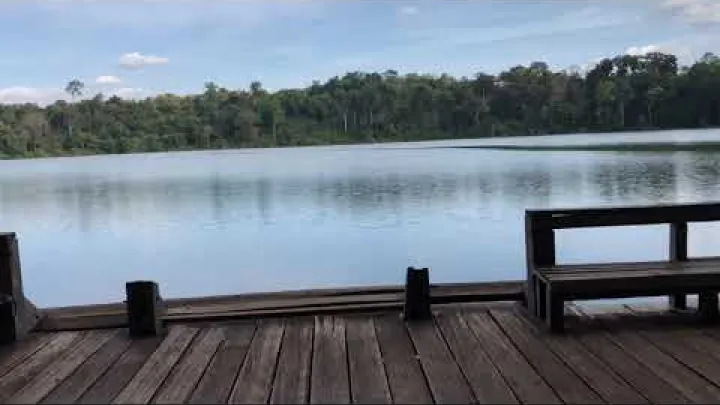
Follow local rules, use designated facilities, and dress appropriately when away from the water. Ask before taking close-up photographs of people, vendors, or community members. Buying food or small items from local vendors can be a direct way to support the place while keeping the visit respectful.
Ask locally about current entrance arrangements, transport, opening details, and swimming conditions before going. A lake can look calm while conditions, facilities, or access rules differ from what an older travel account describes.
The Waterfall Circuit
Cha Ong, Kachang, and Katieng are the best-known waterfall options around Banlung. They can be approached as individual outings or combined into a longer day depending on road conditions, the pace you prefer, and the transport you have arranged.
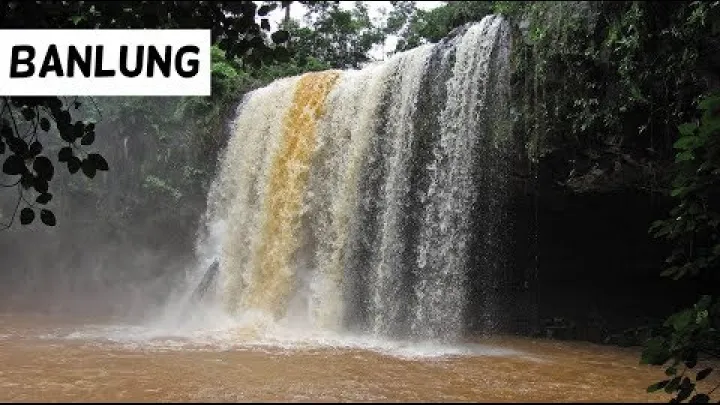
Each has a different setting and may involve a different amount of walking, steps, or uneven ground. Rather than planning around exact online distances, ask a local driver or accommodation host which waterfall best suits your available time, mobility, and interest in swimming, viewpoints, or a short forest walk. This is also the easiest way to decide whether combining sites is realistic.
Water flow, trail quality, swimming safety, and access roads change with the season. Wear sturdy footwear, carry water and insect protection, and take particular care around wet rocks and viewing areas. A half-day plan is often more enjoyable when you choose one site and do not rush.
Virachey National Park and Forest Trekking
Virachey National Park is associated with Banlung as the region’s main serious trekking destination. Its forested landscapes can be explored through guided experiences that may last more than one day. This is not a casual extension of a town visit: trails can be demanding, camps may be basic, and communications can be limited.

Distinguish between official national-park itineraries and nearby community-forest trips that may use similar language in marketing. Ask who leads the trip, where the route goes, what permits or access arrangements apply, what food and equipment are included, and what emergency plan exists. Confirm whether there is a minimum group size or a weather-related cancellation policy.
Expect heat, mud, insects, uneven terrain, and the possibility of seeing little wildlife. Use reputable guides or authorized channels, carry appropriate insurance and personal equipment, and do not assume independent entry into remote forest areas is straightforward.
Indigenous Villages, River Trips, and Community Experiences
Ratanakiri is home to indigenous communities with distinct languages, histories, territories, spiritual practices, and daily lives. Village visits, homestays, local guiding, food, handicrafts, and river trips may be available around Banlung, but quality and community involvement differ widely between programs.
Choose community-designed or well-established experiences that explain the itinerary, consent process, expected visitor behavior, and how fees are shared. The principles behind responsible indigenous tourism include participation, cultural preservation, and equitable local benefit, as discussed in the Indigenous Tourism Strategic Plan.
Do not treat homes, ceremonies, sacred places, or residents as displays. Ask before taking photographs, accept a refusal without argument, and follow the lead of your host or guide. Yeak Laom and nearby village areas are useful cultural anchors, but access and specific programs can change, so arrange visits through a trusted local contact.
Ethical Wildlife Experiences
Assess wildlife and elephant activities by what happens during the experience, not by how close the encounter promises to be. Better signs include observation from an appropriate distance, no riding, small groups, opportunities for animals to move away, and transparent information about care, habitat, and mahout support.
The Airavata Elephant Foundation is sometimes mentioned in relation to Ratanakiri, but travelers should confirm its current status and exact activity model directly before making plans. Promotional language and reviews alone are not enough to establish welfare standards.
Ask wildlife or community operators how visitor fees are shared, what behavior is expected, whether animals can withdraw from visitors, and whether an activity avoids forced contact or performances. Choose programs that support natural behavior instead of feeding, bathing, riding, or handling sessions designed mainly for photographs.
Food, Markets, and Everyday Banlung
Banlung’s everyday life is part of its appeal, but dining and shopping are practical rather than highly curated. Keep expectations simple and plan around your day trips.
Banlung Central Market and Local Shopping
Banlung central market is useful for breakfast supplies, fresh produce, snacks, water, and provisions for a day outside town. It is also a place to observe daily activity without needing to turn ordinary shopping into a spectacle.
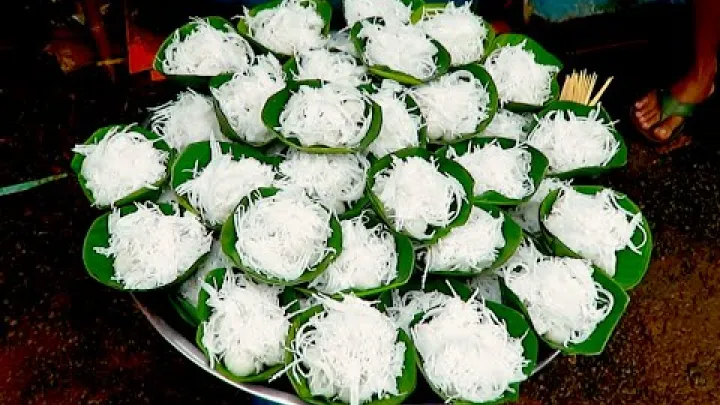
Ask before photographing people, especially for close-up images or in situations that may feel personal. You may see products associated with the highland region, but avoid making assumptions about how an item was produced, who produced it, or whether it is sustainable. If you are buying something unfamiliar, a polite question is better than an unsupported claim.
Carry cash for small purchases and pick up water, snacks, and any essentials before a rural excursion. Remote sites may have limited choice, and it is easier to prepare in town than to depend on finding supplies along the way.
Eating, Drinking, and Nightlife
Food options include Cambodian eateries, cafés, guesthouse restaurants, and a limited selection of international dishes. The scene is quieter and more dispersed than in Phnom Penh or Siem Reap, which is part of Banlung’s slower character.
Confirm restaurant hours if you have an early departure, return late from a waterfall, or are staying outside the centre. It is sensible to keep simple backup food for an early bus or a long road day rather than assuming a kitchen will be open.
For drinking water, use sealed or reliably filtered water. A refillable bottle can reduce single-use plastic when your accommodation or café offers safe refills. Avoid relying on nightlife as a major part of the trip; Banlung is better planned around daytime nature and a relaxed evening meal.
Safety, Health, and Responsible Travel
Banlung is a remote provincial destination, so sensible preparation matters more than dramatic assumptions. Personal security, health, and respectful behavior all contribute to a better trip.
Personal Safety and Travel Awareness
Read current government travel advice for Cambodia before departure, as conditions and official guidance can change. The U.S. Department of State advises travelers not to physically resist a robbery attempt and to have evacuation plans that do not rely on government assistance.
Keep passports, cash, cards, phones, and bags secure; use established transport; and avoid isolated places after dark. Do not assume that a smaller town is risk-free. Save your accommodation contact, emergency contacts, and important documents in more than one accessible place.
Travel insurance is especially important when your plan includes motorbike riding, trekking, or remote excursions. Know what your policy covers and have a realistic plan for urgent medical care or evacuation, since advanced services may be far from rural activities.
Health and Outdoor Precautions
Heat, sun, mosquitoes, dehydration, mud, slippery rocks, and limited services outside town are the practical concerns most likely to affect an outdoor day. Carry enough water, basic personal medication, insect repellent, sun protection, closed footwear, and a small first-aid kit.
Use known routes and local guides for forest or remote-area travel. Navigation and communications can be difficult, and historic unexploded-ordnance concerns make staying on established routes particularly important. Do not enter unfamiliar forest or off-road areas alone.
Swimming and trail safety should be judged at the site, not assumed from photographs. Follow local advice, avoid risky water entry, and turn back if the ground, weather, or route does not feel safe.
Responsible Cultural and Environmental Travel
In Banlung, responsible travel is part of the experience, not an optional addition. Visitor choices can affect community income, sacred places, indigenous territories, forests, wildlife, and local waste systems.
Use local guides where appropriate, pay agreed fees, choose community-managed sites when they clearly explain their model, and ask permission for photographs. At Yeak Laom, on village visits, and during trekking, modest behavior and attention to local rules matter as much as arriving with the right equipment.
Reduce waste by carrying a refillable bottle and taking rubbish back from natural areas. Avoid unregulated wildlife encounters, tours that pressure residents to perform private traditions, and activities that claim cultural or environmental benefits without explaining how local people participate.
Costs and Practical Planning
Banlung can be affordable for simple town-based travel, but transport and guided outdoor experiences can change the budget quickly. Plan by category rather than relying on a single daily figure.
Building a Banlung Travel Budget
Build your budget around transport to and from Banlung, accommodation, meals, local rides, entrance fees, guides, and any multi-day excursion. Budget guesthouses and local food can keep ordinary town days moderate. Private cars, drivers, comfortable lodging, guided trekking, and specialized community experiences add significantly more.
Separate a basic Banlung day from a forest or guided-tour day. The latter may include transport, food, guide fees, equipment, permits, and tips, and should be priced as a package only after you understand the inclusions. Ask whether quoted prices are per person, per vehicle, or based on a minimum group size.
Current rates change, so confirm major costs directly with accommodation, drivers, and operators shortly before travel. Keep a contingency fund for altered transport, extra accommodation, weather-related changes, or a private transfer when a shared option is unavailable.
Bookings, Cash, Connectivity, and Packing
Arrange accommodation and any popular guided trip ahead during busier periods, but keep weather-sensitive days open when possible. Carry enough Cambodian riel and usable cash for rural sites, small restaurants, drivers, and local operators; card acceptance and cash access should not be assumed outside the town centre.
Download offline maps, bring a power bank, and save written accommodation details. Connectivity can be weaker outside Banlung, so do not depend entirely on live navigation or messaging for a remote pickup.
Useful packing includes lightweight long clothing, rain protection, swimwear, closed shoes, insect repellent, sun protection, a refillable bottle, a small torch, and a dry bag or waterproof cover for electronics. Add trekking-specific equipment only after confirming the route and operator’s packing list.
Sample Banlung Itineraries and Onward Travel
These outlines are flexible frameworks, not fixed schedules. Arrival times, weather, roads, and operator availability should shape the final order.
A Short Banlung Itinerary
On arrival, settle in around the town centre, visit the central market for supplies, and arrange the following day’s transport. Reserve the best-weather day for Yeak Laom Lake, allowing time for a walk, a relaxed meal, and swimming only if conditions and local rules allow.
Use another half-day or day for one selected waterfall, such as Cha Ong, Kachang, or Katieng. Choose based on the current route, walking requirements, and your available time rather than trying to complete every named site. Keep the final part of the trip light if a long onward transfer follows.
A Longer Nature and Culture Itinerary
With additional days, add a waterfall circuit, a community-based activity, or slower exploration on the outskirts of Banlung. A guided forest trip can provide greater depth, but book and confirm it separately from ordinary sightseeing because it has different physical, logistical, and safety requirements.
Build in time for provisioning before a trek, rest after demanding activity, and a buffer for changing conditions. This pace makes it easier to choose an experience that is genuinely available and appropriate rather than accepting the first rushed offer.
Planning Your Next Stop
Stung Treng, Kratie, Sen Monorom, Laos, and Vietnam are possible onward directions, but each requires its own current transport and border check. Confirm departures, vehicle changes, visa eligibility, border procedures, and the final arrival point before leaving Banlung.
Add a buffer day when an onward connection is important, particularly in the rainy season or before an international flight. A slower plan is often the most reliable way to enjoy a remote part of Cambodia.
Final Takeaways for Visiting Banlung
Banlung is worth the journey for travelers who want to experience Ratanakiri through lakes, waterfalls, forest landscapes, and respectful local encounters. Base yourself near the central market for convenience or choose a quieter outskirts stay if you can arrange transport easily. Allow enough time, plan outdoor activities around conditions, and use guides or community programs that are transparent about access and benefits. With flexible expectations and careful preparation, Banlung can be one of Cambodia’s most rewarding nature-focused stops.
Select area
Create a post
Posting is free and no registration is required.